Can You Cure Sleep Apnea Naturally? Best Lifestyle Treatments for Sleep Apnea
Introduction — Can Sleep Apnea Be Cured Naturally?
If you’ve been wondering whether you can cure sleep apnea naturally, you’re not alone—especially if you’re hoping to do something at home or avoid relying on a machine long-term. The most realistic goal for most people is symptom reduction and risk reduction, not a guaranteed cure. A true “cure” is uncommon and more likely in select, milder, or clearly reversible cases (for example, when weight or alcohol are major drivers).
Here’s the honest framing: some people do see sleep apnea improve dramatically—and in select cases, resolve—when key risk factors are addressed. For others, lifestyle strategies help a lot but don’t fully eliminate apnea events. Reputable medical sources note that lifestyle changes can be highly effective for many patients, but they shouldn’t replace proper evaluation or delay treatment when it’s needed (Mayo Clinic, 2024; SleepApnea.org, 2024).
A final safety note: untreated sleep apnea is linked with important health risks, so “natural remedies for sleep apnea” are best viewed as part of a plan—not a reason to put off testing or follow-up (Mayo Clinic, 2024).
Medical disclaimer: This article is for general education and is not medical advice. If you suspect sleep apnea (or your symptoms are worsening), seek evaluation from a qualified clinician.
In short, lifestyle strategies can meaningfully improve symptoms and risk, but a complete cure is uncommon and should not be assumed.
What Is Sleep Apnea (And Why It Matters)
The main types of sleep apnea (quick overview)
- Obstructive sleep apnea (OSA): the most common type, usually caused by upper-airway narrowing/collapse during sleep.
- Central sleep apnea: less common; breathing disruptions occur because the brain doesn’t consistently send the right signals to breathing muscles.
This article focuses mainly on OSA, because many of the most effective lifestyle changes for sleep apnea target airway obstruction and common OSA triggers (Mayo Clinic, 2024).
What “apneas” do to your body during sleep
In OSA, throat muscles relax during sleep and the airway can partially or fully collapse. A helpful way to picture it is like a soft garden hose: when pressure changes and the walls are “floppier,” the tube kinks more easily. In the body, that “kink” can lead to:
- Drops in blood oxygen
- Brief awakenings (often unnoticed) that fragment sleep
- Stress on the cardiovascular system over time
This is why sleep apnea isn’t just snoring—it can affect energy, mood, blood pressure, and overall health (Mayo Clinic, 2024).
In short, OSA fragments sleep and strains the body, which is why timely evaluation and treatment matter.
Sleep Apnea Symptoms to Watch For
Nighttime signs
Common sleep apnea symptoms at night include:
- Loud, persistent snoring
- Gasping/choking sounds or witnessed breathing pauses
- Restless sleep
- Waking up often to urinate
- Dry mouth or sore throat in the morning
A concrete example: many people don’t remember waking up—yet a bed partner may notice repeated pauses, followed by a snort or gasp and a quick “reset” of breathing.
Daytime signs
Daytime symptoms often include:
- Morning headaches
- Excessive sleepiness or fatigue
- Trouble concentrating or memory lapses
- Mood changes such as irritability
If you feel like you “slept all night” but wake up unrefreshed (or you rely heavily on caffeine just to get through the day), that pattern is worth taking seriously.
When symptoms are an emergency vs “schedule an evaluation”
Urgent symptoms like severe breathing trouble, chest pain, or marked confusion warrant immediate medical attention. If you notice loud snoring plus witnessed pauses and significant daytime sleepiness, it’s a strong reason to schedule a sleep evaluation soon (Mayo Clinic, 2024).
In short, if snoring pairs with pauses and daytime sleepiness, book an evaluation—don’t wait.
What Causes Sleep Apnea? (Risk Factors You Can and Can’t Change)
Common contributors
Understanding sleep apnea causes can clarify which home strategies are most likely to help. Common contributors include:
- Excess weight, especially around the neck/upper airway (weight loss and sleep apnea are closely connected)
- Alcohol and sedatives, which relax airway muscles and can worsen obstruction
- Smoking, which can increase airway inflammation
- Nasal obstruction from allergies or chronic congestion
- Sleeping on the back, which can worsen airway collapse for some people
(Mayo Clinic, 2024; WebMD, 2021)
A quick takeaway: if your triggers are changeable, lifestyle work often pays off. If your triggers are mostly anatomical, lifestyle may still help—just not always enough on its own.
Factors you can’t control (but should know)
Other risk factors may be less modifiable but still important:
- Age
- Facial/jaw anatomy and airway shape
- Family history
- Enlarged tonsils/adenoids (more common in children)
(Mayo Clinic, 2024; WebMD, 2021)
In short, know your modifiable triggers and address them, but remember that anatomy and severity still influence outcomes.
Can You Cure Sleep Apnea Naturally? The Honest Answer
When “natural cure” is possible
A true “cure sleep apnea naturally” outcome is sometimes possible—most often when sleep apnea is driven by a specific, reversible contributor (commonly weight). Some people experience resolution with significant weight loss or by addressing a key trigger, though sleep apnea can return if risk factors come back (Healthline, 2024; SleepApnea.org, 2024).
You can think of it like lowering the “load” on a narrow doorway: if swelling, soft tissue, or collapse pressure decreases enough, airflow may stop getting blocked.
When natural approaches usually help—but may not cure
For moderate to severe OSA, lifestyle changes often improve symptoms and long-term risk, but medical therapies (like CPAP) may still be important—at least for a period of time (Mayo Clinic, 2024). Exercise, weight loss, and positional changes can reduce severity, but they are not a replacement for primary treatments in higher-severity OSA.
A better goal: “control” + “lower risk” + “sleep better”
Instead of a yes/no “cure,” many patients do best aiming for:
- Fewer symptoms (less snoring, fewer awakenings, better daytime energy)
- Improved sleep quality
- Lower severity on testing (often measured by AHI)
If you want a simple way to understand measurement, see our guide to AHI score and sleep apnea severity: https://sleepandsinuscenters.com/blog/ahi-score-explained-understanding-your-sleep-apnea-severity.
(Healthline, 2024; SleepApnea.org, 2024; Mayo Clinic, 2024)
In short, aim for control and risk reduction—and verify progress with testing rather than assuming a cure.
Best Lifestyle Treatments for Sleep Apnea (Natural Approaches That Work)
Below are evidence-informed, patient-friendly strategies—organized from highest potential impact to supportive habits. Think of these as the core at-home options that may reduce symptoms and, in some cases, help cure sleep apnea naturally when the main drivers are addressed.
1) Achieve and maintain a healthy weight (the biggest lifestyle lever)
For many people with OSA, excess weight can increase fatty tissue around the upper airway and make the airway more collapsible during sleep. That’s why weight loss and sleep apnea improvement often go hand in hand.
What improvement can look like varies, but may include less snoring, better daytime alertness, and improved sleep study results. It’s also important to know that sleep apnea can return with weight regain (Healthline, 2024; SleepApnea.org, 2024; Mayo Clinic, 2024).
Practical, sustainable ideas (educational—not prescriptive):
- Focus on gradual changes you can maintain
- Combine nutrition habits with movement and a consistent sleep schedule
- If you have other health conditions, it may help to discuss weight-loss plans with a clinician
For a deeper look, read our article on weight loss and sleep apnea: https://sleepandsinuscenters.com/blog/weight-loss-and-its-impact-on-sleep-apnea-key-benefits-and-insights.

2) Exercise regularly (even without major weight loss)
Exercise supports better sleep quality and cardiometabolic health. Some people notice that regular movement helps reduce fatigue and improves overall sleep—even before major weight changes occur (WebMD, 2021; Mayo Clinic, 2024). For moderate to severe OSA, exercise is supportive but not a standalone treatment—keep clinician-guided therapies in place as you build consistency.
A relatable starting point: a brisk walk after dinner several days per week. If that feels doable, you might add gentle strength training (as tolerated) to support overall conditioning. The key is consistency—think “most weeks, most days,” rather than a perfect plan.

3) Change sleep position (positional therapy)
For some people, sleeping on the back makes airway collapse more likely. Side sleeping can be a low-cost strategy that reduces breathing events in “positional OSA” (SleepApnea.org, 2024; Healthline, 2024).
Tools people commonly use include:
- A body pillow to prevent rolling onto the back
- A wedge to support positioning
- Structured positional devices, or the well-known “backpack method” concept (designed to make back-sleeping uncomfortable enough to discourage it)
If you want a more detailed breakdown, see our guide on positional therapy for sleep apnea: https://sleepandsinuscenters.com/blog/effective-positional-therapy-for-mild-sleep-apnea-a-comprehensive-guide.
Quick “try tonight” idea: if you wake up on your back, gently reset to your side and use a pillow behind your back or between your knees to make the position easier to maintain.

4) Avoid alcohol—especially in the evening
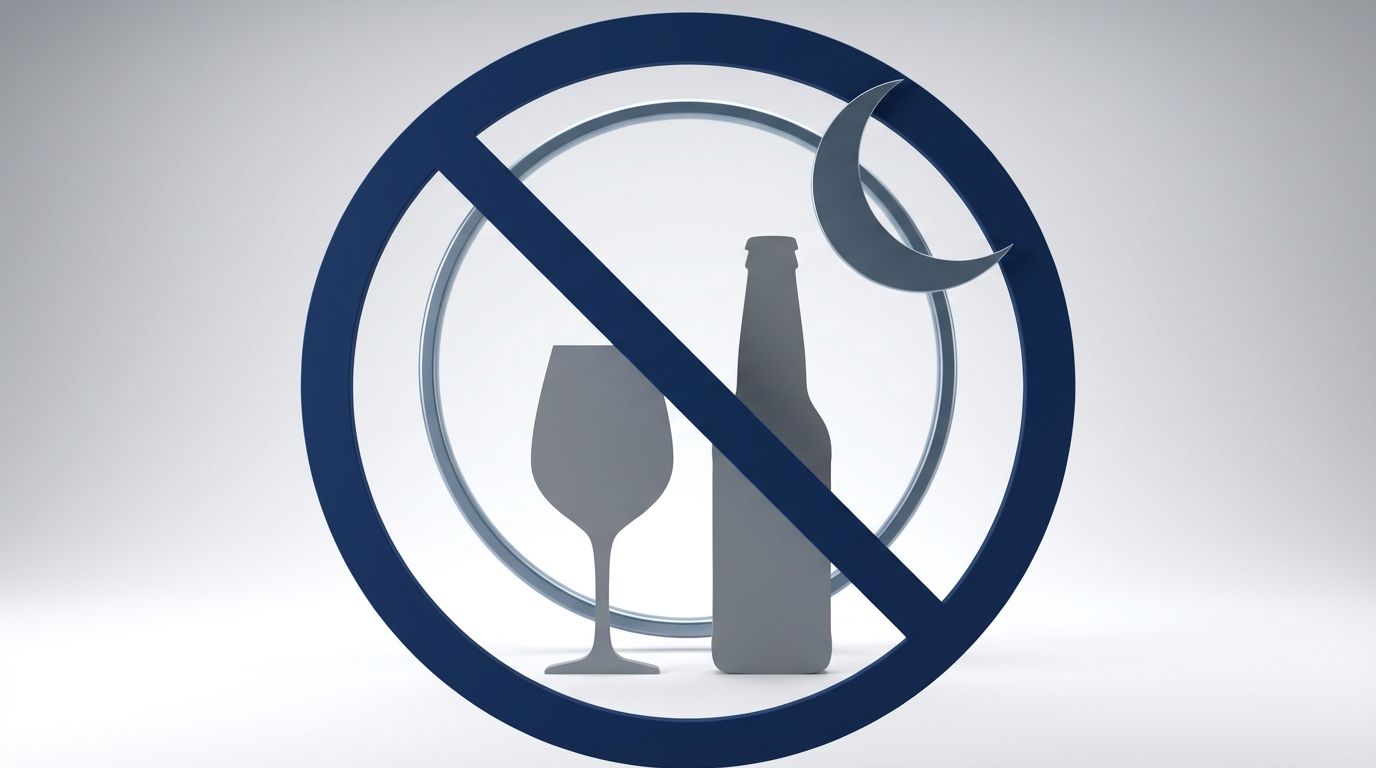
Alcohol relaxes throat muscles and can worsen snoring and airway obstruction. Many people find that avoiding alcohol close to bedtime is one of the fastest “wins” among natural remedies for sleep apnea (Mayo Clinic, 2024; WebMD, 2021).
For example, if snoring and choking awakenings cluster on nights you drink, that pattern is useful data—not a moral failing. It’s simply information you can act on.
Read more in our article on how alcohol affects sleep apnea: https://sleepandsinuscenters.com/blog/alcohol-and-sleep-apnea-what-are-the-risks.
5) Quit smoking (and avoid secondhand smoke)
Smoking is associated with airway irritation and inflammation, which can worsen breathing during sleep. Evidence-based supports like counseling and nicotine replacement can improve success rates (Mayo Clinic, 2024; WebMD, 2021).
If quitting feels overwhelming, consider it a stepwise process: reducing exposure and getting support still moves you in the right direction.
6) Improve nasal breathing (treat congestion, consider humidity)
Nasal blockage can promote mouth breathing and make sleep feel more disrupted. Helpful options (depending on the cause) may include:
- Addressing allergies/chronic rhinitis
- Saline sprays or rinses
- Using bedroom humidity for comfort when the air is dry
A humidifier can reduce dryness and irritation for some people, but it does not hold the airway open on its own (Healthline, 2024; SleepApnea.org, 2024).

7) Practice strong sleep hygiene (supportive but not a standalone cure)
Sleep hygiene won’t usually cure sleep apnea naturally by itself, but it can improve how rested you feel and support other treatments. Helpful foundations include (SleepApnea.org, 2024):
- Consistent sleep/wake times
- Reduced screen time before bed
- A cool, dark, quiet bedroom
- Limiting caffeine later in the day
If you’re trying multiple changes at once, sleep hygiene is the “glue” that helps the benefits show up more reliably.
In short, pair high-impact changes (weight, alcohol, sleep position) with supportive habits (exercise, nasal care, sleep hygiene) for the best results.
Natural Treatments vs CPAP: Do You Have to Choose?
Why lifestyle changes are often “add-ons,” not replacements
Many people look for CPAP alternatives, but it isn’t always an either/or decision. For moderate to severe OSA, medical therapy is often recommended while lifestyle strategies work in the background to reduce severity and improve overall health (Mayo Clinic, 2024).
A practical way to view it: CPAP can protect you now, while lifestyle changes aim to reduce your long-term “load” and potentially lower your needed treatment over time.
How lifestyle changes can make CPAP easier
Lifestyle steps may improve comfort and adherence—for example, better nasal breathing may reduce mask discomfort, and reduced congestion may make airflow feel more tolerable. Even small changes—like addressing nighttime dryness or nasal stuffiness—can make a meaningful difference in whether CPAP feels workable.
Other clinician-guided options if CPAP isn’t working
When CPAP is difficult, clinician-guided alternatives may include:
- Oral appliance therapy (for select patients)
- Surgical evaluation in specific cases
- Positional therapy devices for positional OSA
(Mayo Clinic, 2024; SleepApnea.org, 2024)
In short, think “both/and”: combine medical therapy with lifestyle changes to improve safety now and outcomes over time.
How Long Do Natural Lifestyle Changes Take to Help?
What you might notice first (days–weeks)
Some changes can have quicker effects, such as:
- Less snoring (especially with side sleeping or avoiding evening alcohol)
- Less dry mouth (if nasal breathing improves)
- Better daytime energy (varies widely)
It can help to keep a simple note in your phone (sleep position, alcohol, congestion, how you feel the next day) so you can spot patterns.
What takes longer (weeks–months)
Other changes are slower but often high impact:
- Weight-related improvement
- Conditioning benefits from exercise
If progress feels “too slow,” that’s normal. Many of these benefits build gradually and become more noticeable when they’re consistent.
Why follow-up testing matters
Symptoms can improve even if apnea is still happening. Objective follow-up testing helps confirm whether your sleep apnea is truly better and whether your plan is safely working (Mayo Clinic, 2024). This is also where understanding your AHI score and sleep apnea severity can be especially helpful: https://sleepandsinuscenters.com/blog/ahi-score-explained-understanding-your-sleep-apnea-severity.
In short, expect quick wins from alcohol timing and position changes, slower gains from weight and fitness, and confirm progress with testing.
When to See a Sleep Specialist (Even If You Prefer Natural Options)
Signs you should get evaluated soon
Consider prioritizing an evaluation if you have:
- Loud snoring plus witnessed breathing pauses
- High daytime sleepiness
- High blood pressure or other heart risk factors
A common scenario: you’ve “always snored,” but now you’re nodding off easily, waking with headaches, or feeling more irritable. That shift is a good reason to check in.
Why “DIY-only” can be risky
Lifestyle changes can be powerful, but untreated sleep apnea is linked with serious complications. Testing helps match the approach to the severity and reduces the chance of missing a higher-risk situation (Mayo Clinic, 2024).
If you’re working on lifestyle improvements and hoping to cure sleep apnea naturally, pairing those efforts with proper diagnosis is often the safest, most effective path. If you’d like guidance tailored to your symptoms and goals, you can book an appointment through https://www.sleepandsinuscenters.com/.
In short, combine smart self-care with professional evaluation to keep your plan effective and safe.
FAQs — Can You Cure Sleep Apnea Naturally?
Can weight loss cure sleep apnea completely?
Sometimes—particularly when OSA is closely tied to weight. Recurrence is possible if weight is regained (Healthline, 2024; SleepApnea.org, 2024).
Does sleeping on your side really help sleep apnea?
It can, especially for positional OSA. It may not be enough alone for moderate/severe cases (SleepApnea.org, 2024).
Should I stop CPAP if I’m losing weight and feel better?
It’s generally safest not to stop therapy without clinician guidance and follow-up testing to confirm improvement (Mayo Clinic, 2024).
Do humidifiers help sleep apnea?
They may help with dryness/irritation and comfort (including for some CPAP users), but they don’t treat airway collapse by themselves (Healthline, 2024; SleepApnea.org, 2024).
What lifestyle change helps the fastest?
Often, avoiding evening alcohol, trying side sleeping, and addressing nasal congestion are quicker changes. Weight loss is high-impact but typically takes longer (WebMD, 2021; SleepApnea.org, 2024).
In short, quick wins come from alcohol timing, position, and nasal care; durable gains grow with weight and fitness changes.
Conclusion — The Best “Natural Plan” Is a Sustainable Plan
So, can you cure sleep apnea naturally? For some people—especially when a major driver like weight or alcohol-related worsening is addressed—sleep apnea can improve dramatically and may even resolve. For many others, lifestyle changes meaningfully reduce symptoms and risk but still work best alongside medical therapy, particularly in moderate to severe cases (Mayo Clinic, 2024).
A strong next step is simple: take symptoms seriously, get evaluated, and build a sustainable plan you can stick with. If you’d like guidance tailored to your symptoms and goals, you can book an appointment through https://www.sleepandsinuscenters.com/.
References
- Healthline. (2024). Home remedies for sleep apnea. https://www.healthline.com/health/home-remedies-for-sleep-apnea
- WebMD. (2021). Lifestyle changes for sleep apnea. https://www.webmd.com/sleep-disorders/sleep-apnea/features/lifestyle-changes-sleep-apnea
- Mayo Clinic. (2024). Sleep apnea—diagnosis and treatment. https://www.mayoclinic.org/diseases-conditions/sleep-apnea/diagnosis-treatment/drc-20377636
- SleepApnea.org. (2024). Home remedies for sleep apnea. https://www.sleepapnea.org/treatment/home-remedies-for-sleep-apnea/
Disclaimer
This article is for educational purposes only and is not medical advice. Please consult a qualified healthcare provider for diagnosis and treatment.
Don’t let allergies slow you down. Schedule a comprehensive ENT and allergy evaluation at Sleep and Sinus Centers of Georgia. We’re here to find your triggers and guide you toward lasting relief.