Best Septoplasty Surgeon in Atlanta: How to Choose the Right ENT Specialist
Introduction: Why “Best” Matters for Septoplasty Outcomes
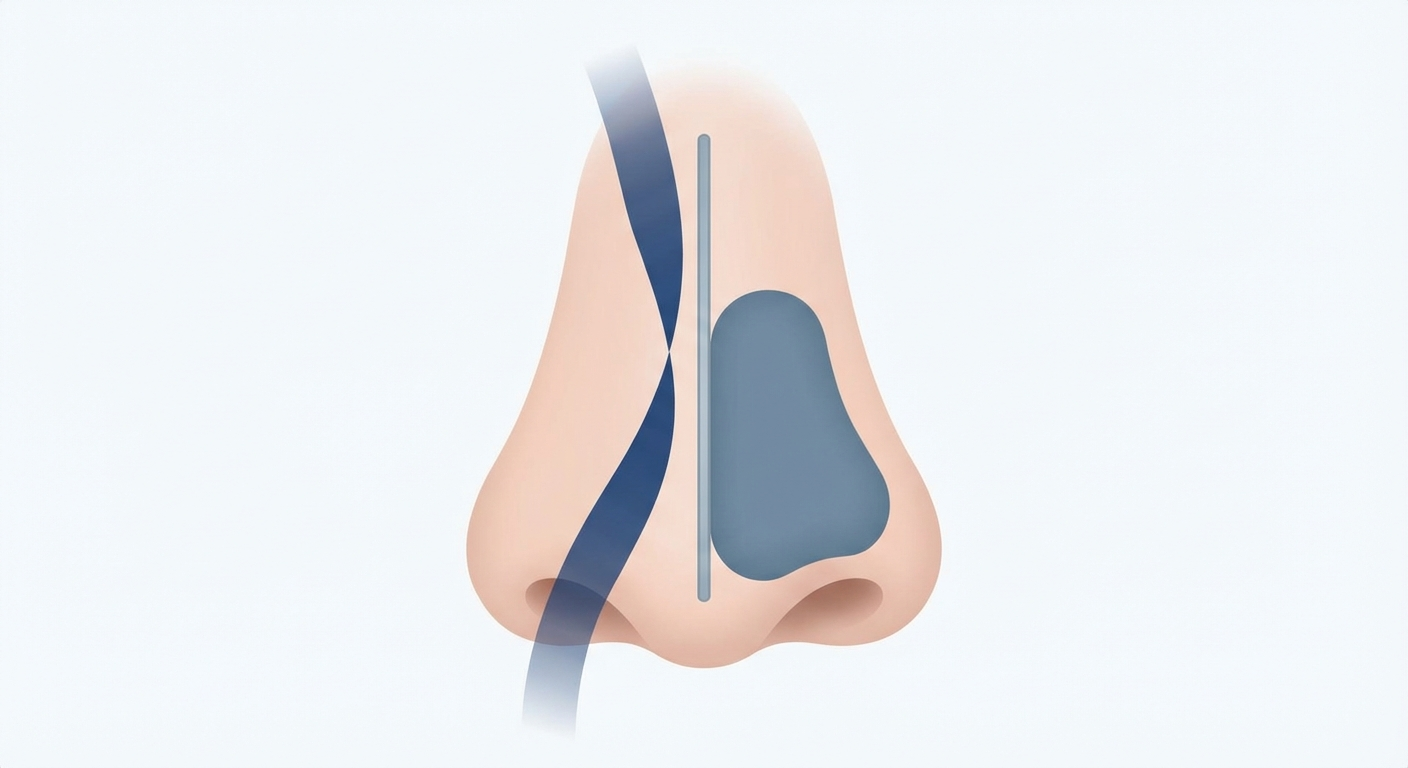
Septoplasty is a functional nasal surgery designed to straighten a deviated (crooked) septum—the internal wall of cartilage and bone that separates the nostrils—so air can flow more freely. It’s not a cosmetic procedure, and it doesn’t automatically change the outside shape of the nose (that’s usually rhinoplasty). Many people have some degree of septal deviation, and not all deviations cause symptoms or require surgery.
Because septoplasty is both delicate and highly individualized, choosing the right surgeon can influence breathing results, comfort during recovery, complication risk, and the chance of needing revision surgery later. Think of it like aligning a door in its frame: a small shift can make a big difference in how smoothly it opens—but the “right” adjustment depends on the frame, hinges, and where it’s catching.
And in a large medical market like Atlanta, where there are many options, having a simple checklist makes the search for the best septoplasty surgeon in Atlanta much less overwhelming. In a crowded market, a clear checklist helps you find the right fit.
What Septoplasty Treats (And When You Might Need It)
Common Symptoms of a Deviated Septum
A deviated septum can contribute to chronic nasal congestion (often worse on one side), mouth breathing (especially at night), snoring or poor sleep quality, frequent nosebleeds, recurrent sinus infections or facial pressure, and sometimes a reduced sense of smell. Not everyone with a deviation needs surgery, but when symptoms persist and link clearly to structural blockage, septoplasty may be part of the solution. A common pattern is “I can breathe fine on the left, but the right side always feels closed.”
What Causes a Deviated Septum?
Causes include natural growth and development (very common), nose injury (sports, falls, car accidents), and prior nasal surgery. The deviation can be obvious or subtle yet still disrupt airflow—especially when swelling from allergies or chronic irritation is layered on top. Other contributors like turbinate enlargement or nasal valve narrowing can compound the problem, so a complete airway assessment matters.

Septoplasty vs. Rhinoplasty vs. Turbinate Reduction (Clarify the Confusion)
Septoplasty: Straightens the septum internally to improve airflow.
Rhinoplasty: Reshapes or reconstructs the external nose (cosmetic and/or structural).
Turbinate reduction: Reduces enlarged turbinates (soft tissue inside the nose) that can block airflow—often performed alongside septoplasty.
Picture it this way: septoplasty addresses the “center wall,” turbinate work addresses the “side cushions,” and rhinoplasty addresses the “outer shell.” For a general overview of septoplasty and surgeon-selection considerations, see the ASPS resource: https://www.plasticsurgery.org/reconstructive-procedures/septoplasty/surgeon. If symptoms persist on one side, a targeted exam can clarify whether structure is the culprit.
Treatment Options Before Surgery (And When Surgery Becomes the Best Option)
Non-Surgical Treatments to Try First
Common options include saline sprays or rinses for dryness and mucus; steroid nasal sprays for swelling; allergy evaluation and trigger management (when relevant); and addressing chronic rhinitis or sinus inflammation drivers. These steps matter because some “blocked nose” symptoms aren’t purely structural. Learn more about treating chronic rhinitis: https://sleepandsinuscenters.com/treating-chronic-rhinitis
When Septoplasty Is Typically Recommended
Septoplasty is often considered when nasal obstruction persists despite appropriate medical therapy and a structural blockage is confirmed on exam (and sometimes nasal endoscopy or imaging when appropriate). A thorough surgeon connects your symptoms (trouble breathing, sleep disruption) with exam findings (deviation, turbinate enlargement, possible valve issues) and may recommend nasal endoscopy: https://sleepandsinuscenters.com/blog/is-nasal-endoscopy-safe
Procedures Commonly Paired with Septoplasty
Plans may include turbinate reduction to address additional blockage from turbinate enlargement (learn more: https://sleepandsinuscenters.com/blog/everything-you-need-to-know-about-turbinate-reduction), sinus procedures when chronic sinusitis is diagnosed, or select less-invasive options in specific cases. If the septum is straighter but turbinates remain significantly enlarged, congestion can persist—pairing procedures matches treatment to all contributing factors. For candidacy considerations, see: https://sleepandsinuscenters.com/blog/is-septoplasty-right-for-your-deviated-septum. Treat inflammation first when appropriate; operate when structure truly limits airflow.

How to Choose the Best Septoplasty Surgeon in Atlanta (Step-by-Step Checklist)
1) Start With the Right Board Certification (Non‑Negotiable)
Look for board certification in a relevant specialty such as Otolaryngology (ENT), Facial Plastic Surgery, or Plastic Surgery (especially when nasal structure/cosmetic goals overlap). Verify certification: ABMS Certification Matters: https://www.certificationmatters.org/; ASPS guidance: https://www.plasticsurgery.org/reconstructive-procedures/septoplasty/surgeon. Directories can be a starting point (not a final decision-maker): RealSelf Atlanta listings: https://www.realself.com/find/Georgia/Atlanta/Septoplasty
2) Verify Specialized Training + Focus on Nasal Airway Surgery
Prioritize surgeons with a clear focus on nasal obstruction and airway function (not just occasional nasal surgery). Additional fellowship training (facial plastics or rhinology) can help in complex or revision cases.
3) Prioritize High Septoplasty Experience (Volume + Years)
Ask: How many septoplasties do you perform monthly or yearly? How often do you combine septoplasty with turbinate reduction? How do you approach revisions, and what typically causes them? You want consistency, a clear process, and comfort with your situation.
4) Use Patient Reviews the Right Way (RealSelf, Healthgrades, Google)
Read for patterns, not hype. Look for reports of breathing improvement (or clear limits), organized post-op instructions, follow-up access, and good communication. Many markets show averages around ~4.1 stars—use as a benchmark, not a promise. RealSelf: https://www.realself.com/find/Georgia/Atlanta/Septoplasty. Healthgrades: https://www.healthgrades.com/find-a-doctor/georgia/best-doctors-who-perform-nasal-septum-surgery-septoplasty-in-atlanta
5) Evaluate the Consultation (This Is Where the “Best Fit” Shows Up)
A quality consult includes a focused nasal exam (and endoscopy if needed), discussion of goals (breathing, sleep, sinus symptoms, dryness, exercise), clear explanation of what septoplasty can and can’t fix, and a defined plan with recovery expectations. Red flags: rushed visit, vague answers, pressure to schedule immediately.
6) Confirm Facility Safety and Accreditation
Ask where the procedure will be performed (hospital, ambulatory surgery center, or select office-based settings). Look for appropriate safety protocols, anesthesia standards, and accreditation (AAAHC, AAAASF, The Joint Commission). General safety considerations: https://www.plasticsurgery.org/reconstructive-procedures/septoplasty/surgeon. The “best” surgeon pairs strong credentials with clear, patient-centered care.

Questions to Ask Any Septoplasty Surgeon in Atlanta (Bring This List)
About Your Diagnosis
Is my blockage mainly septum, turbinates, nasal valve collapse, allergies—or a mix? Do I need imaging or endoscopy to confirm the cause? Helpful overview of nasal endoscopy: https://sleepandsinuscenters.com/blog/is-nasal-endoscopy-safe
About the Procedure Plan
Will you also reduce turbinates? Why or why not? What technique do you use, and what complications do you monitor for? Practical expectation to hear: Our goal is improved airflow, but healing takes time, and swelling can temporarily mimic congestion.
About Recovery + Follow-Up
What does week 1 usually feel like (breathing, pain, congestion)? How many post-op visits are included? When can I typically return to work or exercise? Recovery overview: https://sleepandsinuscenters.com/blog/how-long-does-nasal-surgery-recovery-take
About Cost and Insurance
Is this considered medically necessary in my case? Do you help with prior authorization and documentation? What fees are separate (facility, anesthesia, surgeon)? Bring this list so you leave with answers, not guesswork.

What to Expect From Septoplasty Recovery (Patient-Friendly Timeline)
First 72 Hours
Congestion can feel worse before it feels better. Early swelling, internal tenderness, and stuffiness are common. Expect activity limits and comfort strategies to protect healing tissue and control inflammation.
Week 1–2
Fluctuating congestion is normal as swelling changes. Gentle saline use and follow-up care are common. If splints are used, removal is often scheduled during this window.
Weeks 3–6+
Airflow typically improves gradually as swelling resolves. Some feel benefits sooner; others notice clearer gains over several weeks. More on timelines: https://sleepandsinuscenters.com/blog/how-long-does-nasal-surgery-recovery-take. Expect gradual gains rather than an overnight change.
Lifestyle Tips to Improve Breathing While You’re Deciding (or Waiting) for Surgery
Try sleeping with your head slightly elevated; use humidification for dryness; practice safe saline irrigation (including safe water practices); manage allergy triggers when relevant; avoid rebound congestion from overusing decongestant sprays. For a deeper overview, start here: https://sleepandsinuscenters.com/deviated-septum-relief. Small daily habits can make breathing more comfortable while you decide on next steps.
FAQs: Choosing the Best Septoplasty Surgeon in Atlanta
Is an ENT always the best choice for septoplasty?
Often, yes. An ENT trained in nasal airway function is a strong fit. Facial plastics or plastic surgery backgrounds may be especially relevant when external nasal structure and cosmetic goals overlap.
How do I verify board certification?
Use official directories and confirm directly rather than relying on ads. ABMS Certification Matters: https://www.certificationmatters.org/. When you’re looking for a board-certified ENT Atlanta patients can trust, verification is a practical first step.
Do higher ratings automatically mean better results?
No. Reviews are best for spotting patterns—communication quality, follow-up reliability, and clear expectations—rather than guaranteeing outcomes.
Can septoplasty help snoring or sleep apnea?
It may improve nasal airflow and help CPAP tolerance, but snoring and sleep apnea often have multiple causes beyond nasal anatomy.
What if I have sinus infections too?
A combined plan is common. Your surgeon may discuss deviated septum surgery alongside turbinate reduction or sinus treatment when diagnosis supports it. A thorough evaluation ties your symptoms to the right treatment plan.
Conclusion: A Simple “Best Surgeon” Scorecard (Recap)
Use this scorecard: board-certified in a relevant specialty; high septoplasty volume and clear airway focus; consistent patient-review patterns (not just high stars); thorough consultation with realistic expectations; accredited facility and clear safety protocols. Ready for an individualized evaluation? Request a visit: https://sleepandsinuscenters.com/appointments. Still researching? This guide helps: https://sleepandsinuscenters.com/blog/is-septoplasty-right-for-your-deviated-septum. The right surgeon helps you breathe better—and feel confident about the plan.
Sources
ASPS septoplasty surgeon-selection guidance: https://www.plasticsurgery.org/reconstructive-procedures/septoplasty/surgeon
RealSelf (Atlanta septoplasty listings/reviews): https://www.realself.com/find/Georgia/Atlanta/Septoplasty
Healthgrades (Atlanta septoplasty doctors): https://www.healthgrades.com/find-a-doctor/georgia/best-doctors-who-perform-nasal-septum-surgery-septoplasty-in-atlanta
ABMS Certification Matters: https://www.certificationmatters.org/
Disclaimer
This article is for educational purposes only and is not medical advice. Please consult a qualified healthcare provider for diagnosis and treatment.
Don’t let allergies slow you down. Schedule a comprehensive ENT and allergy evaluation at Sleep and Sinus Centers of Georgia. We’re here to find your triggers and guide you toward lasting relief.