Advanced Treatment Options for Severe Chronic Sinusitis
If you’ve been doing “all the basics” and still feel congested, run down, or stuck in a cycle of flare-ups, you’re not alone. Many people reach a point where standard sprays, rinses, and occasional medications aren’t enough—and they start looking for advanced treatment options for severe chronic sinusitis that can bring longer-lasting control.
This guide explains what “severe” chronic sinusitis usually means, why it’s often more complicated than an occasional sinus infection, and what newer therapies (including targeted immune medications, improved steroid delivery, local implants, and minimally invasive procedures) may offer as next-step care. Think of it as a roadmap you can bring to an ENT visit—so the conversation feels clearer and less overwhelming.
Understanding Severe Chronic Sinusitis (and why it’s different)
What “chronic” and “severe” typically mean
“Chronic” sinusitis generally means symptoms lasting 12 weeks or longer, not just a rough week or two during a cold. “Severe” typically means those symptoms create a meaningful day-to-day burden—sleep disruption, persistent congestion, ongoing drainage, reduced smell/taste, and frequent “setbacks” despite treatment. Ongoing inflammation and/or blocked drainage pathways are common contributors. [2]
Clinicians sometimes use the term “smoldering inflammation” as a conceptual way to describe ongoing tissue swelling that may not cause acute symptoms but sustains chronic drainage problems. Even if you don’t feel acutely sick, the tissue may stay swollen enough that normal drainage never really resets—so symptoms keep lingering, then flaring again.
For a deeper overview, see our page on chronic sinusitis: https://sleepandsinuscenters.com/chronic-sinusitis

Chronic sinusitis with vs. without nasal polyps (CRSwNP vs CRSsNP)
One of the most important “sorting steps” in chronic sinusitis is whether you have nasal polyps.
• CRSwNP (with nasal polyps): tends to be driven by specific inflammatory pathways and is often where biologic therapies are best studied. [1]
• CRSsNP (without nasal polyps): may be more about ongoing inflammation, anatomy/drainage issues, or difficult-to-reach areas for topical medications. [1]
If you’re unsure what polyps are, this explainer can help you self-orient: https://sleepandsinuscenters.com/blog/what-are-nasal-polyps
A practical takeaway: two people can have “chronic sinusitis,” but the most effective next-step options may differ a lot depending on whether polyps are part of the picture.
Bottom line: chronic sinusitis is a long-standing inflammatory problem, and identifying whether polyps are present helps steer the best next steps.
Symptoms Patients Shouldn’t Ignore
Common symptoms of severe chronic sinusitis
Severe chronic sinusitis often shows up as a cluster of symptoms (not all of them for every person), such as: [2]
• Nasal congestion or obstruction
• Thick nasal drainage and/or postnasal drip
• Facial pressure or pain
• Reduced smell and taste
• Fatigue, poor sleep, and “brain fog”-type feelings
In real life, this can look like feeling stuffed up most days, waking up unrefreshed, constantly clearing your throat, or noticing that your sense of smell comes and goes. Many patients describe it as “always recovering but never fully better.”
When symptoms suggest a more urgent evaluation
Some symptom patterns may call for urgent evaluation, especially when sinus inflammation is severe or complications are possible. Examples include vision changes, significant facial swelling, severe headache with neck stiffness, high fever, confusion, or a sudden, dramatic worsening of smell loss. [2] If you’re ever unsure whether a symptom is “sinus-related” or something more serious, it’s appropriate to seek same-day medical advice.
If symptoms escalate—especially with vision changes, severe headache, or facial swelling—seek urgent medical care.
Causes and Risk Factors (Why it keeps coming back)
Inflammation drivers (the “root problem”)
For many patients, chronic sinusitis isn’t just “an infection that won’t go away.” It’s often a persistent inflammatory condition that can be linked with: [1]
• Allergies
• Asthma
• Aspirin-exacerbated respiratory disease (AERD)
• Underlying immune or inflammatory patterns
While antibiotics can be important in treating acute bacterial infections, chronic sinusitis often involves complex inflammatory processes that antibiotics alone cannot fully address. Identifying the dominant driver matters because it influences which advanced treatment options for severe chronic sinusitis are most likely to help.
Structural and drainage problems
Even when inflammation is the primary issue, structure can still play a major role. Narrow sinus openings, a deviated septum, turbinate enlargement, or scarring can limit ventilation and drainage. [3] When drainage is consistently impaired, mucus can stagnate and symptoms can keep cycling.
A helpful analogy: if the sinus “doorways” are too tight or blocked, even great medication may have trouble getting in—and mucus has trouble getting out.
Biofilms and chronic infection patterns (patient-friendly explanation)
Some chronic sinus problems involve bacteria that behave differently than typical “free-floating” infections. In certain cases, bacteria can form biofilms—thin, protective communities that adhere to surfaces—making them harder to fully clear and one reason antibiotics don’t always create lasting relief. [1] This doesn’t mean antibiotics never help; it means the overall problem can be more complex than a single short course can solve.
In short, inflammation is often the engine, and anatomy and biofilms can be the “roadblocks” that keep symptoms cycling.
First-Line Treatments (Quick refresher before “advanced” options)
Baseline therapies most patients start with
Many people begin with a familiar set of strategies: [2]
• Saline irrigation (rinses)
• Standard intranasal steroid sprays
• Short courses of oral steroids when appropriate
• Allergy management when relevant
For best results, technique matters. For instance, rinses done consistently (and correctly) often do more than people expect—while quick, shallow spraying can miss the areas that stay inflamed.
When “standard care” isn’t enough
“Next-step” care is often considered when symptoms persist after topical therapies have been optimized, technique has been reviewed, and contributing factors (like allergies, asthma, or anatomy) have been assessed. [1] That’s typically where advanced treatment options for severe chronic sinusitis enter the conversation.
A common clinician refrain is: “Before we escalate, let’s make sure the basics are truly optimized.” Once they are, escalation can be much more targeted.
Once the basics are optimized, targeted advanced therapies can make a bigger difference.

Advanced Treatment Option #1 — Biologic Therapies (Targeted “precision” medicine)
Best-studied for chronic rhinosinusitis with nasal polyps (CRSwNP).
What biologics are (in plain language)
Biologics are injectable medications designed to target specific immune signals involved in inflammation—more “precision-guided” than broad treatments like systemic steroids. [1] Instead of turning down inflammation everywhere in the body, biologics aim to quiet specific pathways that are overactive in certain types of chronic sinusitis (especially with polyps).
Biologics commonly used in severe CRS (especially with polyps)
Examples of biologics used in CRSwNP include: [1]
• Dupilumab
• Omalizumab
• Mepolizumab
These medications are typically considered when symptoms are significant and persistent, especially when polyps and certain inflammatory patterns are present.
Emerging/next-generation option: depemokimab (twice-yearly dosing concept)
Research has highlighted emerging biologics such as depemokimab, with less frequent dosing (for example, twice-yearly) under study for CRSwNP. [4] These options are investigational and not yet broadly available, reflecting an evolving treatment landscape.
Who may be a candidate for biologics
Biologics may be discussed when patients have: [1]
• Severe symptoms plus nasal polyps
• Frequent need for oral steroid bursts
• Coexisting asthma or AERD
• Persistent symptoms after surgery plus appropriate medical therapy
Pros, cons, and what patients can expect
• Potential pros: fewer flare-ups, improved sense of smell, reduced reliance on systemic steroids for some patients. [1]
• Potential cons: insurance authorization steps, ongoing injections, and the need to monitor response over time. [1]
• Expectations: improvement is often assessed over weeks to months, not overnight. [1]
If you’re considering biologics, it’s reasonable to ask: “How will we measure success?” Common markers include symptom improvement, sense of smell, endoscopy findings, and reduced need for oral steroid bursts.
For patients with polyps and type-2 inflammation, biologics can be a powerful tool when standard care isn’t enough.

Advanced Treatment Option #2 — Novel Drug Delivery: XHANCE Exhalation Delivery System
Why delivery method matters
A common reason treatment underperforms is simple: medication may not reliably reach deeper or higher regions of the nasal cavity where inflammation persists. [5] Even with perfect consistency, a standard spray can sometimes deposit medication mainly in the front of the nose.
How the XHANCE device works (simple explanation)
XHANCE uses an exhalation-powered delivery approach. Instead of a standard spray technique, it leverages your exhalation to help move steroid medication into areas that may be harder to reach with typical nasal sprays. [5] Think of using your own breath to help “carry” the medication to the target zone.
Who may benefit most
This approach is often considered for people who have persistent congestion, inflammation, or drainage despite good adherence and correct spray use—or for those trying to avoid or delay procedural options when appropriate. [5]
Safety and side effects (patient-friendly)
Side effects are generally similar to other intranasal steroids (like irritation or nosebleeds), and there can be a learning curve with the device. [6] If side effects like nosebleeds or irritation persist, discuss them with your healthcare provider to adjust treatment or technique.
When placement—not potency—is the problem, improving delivery can unlock better results.

Advanced Treatment Option #3 — Advanced Corticosteroid Delivery (Implants & Long-Acting Local Therapy)
What “slow-release” steroid implants are
Slow-release steroid implants are designed to deliver corticosteroid medication locally over time, right where inflammation is most problematic. Placement may be done in-office or during a procedure, depending on the situation. [2]
When implants are considered
They’re often discussed when inflammation keeps returning—sometimes after prior sinus surgery—or when polyps and swelling are difficult to control without repeated systemic medications. [2]
Benefits vs. tradeoffs
• Benefits: targeted therapy and the potential to reduce systemic steroid exposure for some patients. [2]
• Tradeoffs: placement is procedure-based, and coverage/cost can vary. [2]
For some patients, local steroid implants may help reduce—but not always completely replace—the need for repeated oral steroid courses. They can be a practical part of an advanced toolkit when the goal is local control with fewer whole-body effects.
Targeted, slow-release therapy can calm hot spots while minimizing full-body steroid exposure.
Advanced Treatment Option #4 — Refined & Minimally Invasive Surgical Techniques
When surgery becomes the right next step
Surgery is typically considered when symptoms persist and objective testing (like nasal endoscopy and CT imaging) shows blockage, trapped inflammation, or anatomic factors that limit drainage despite optimized medical therapy. [3] Many ENTs frame surgery as “creating access and airflow.”
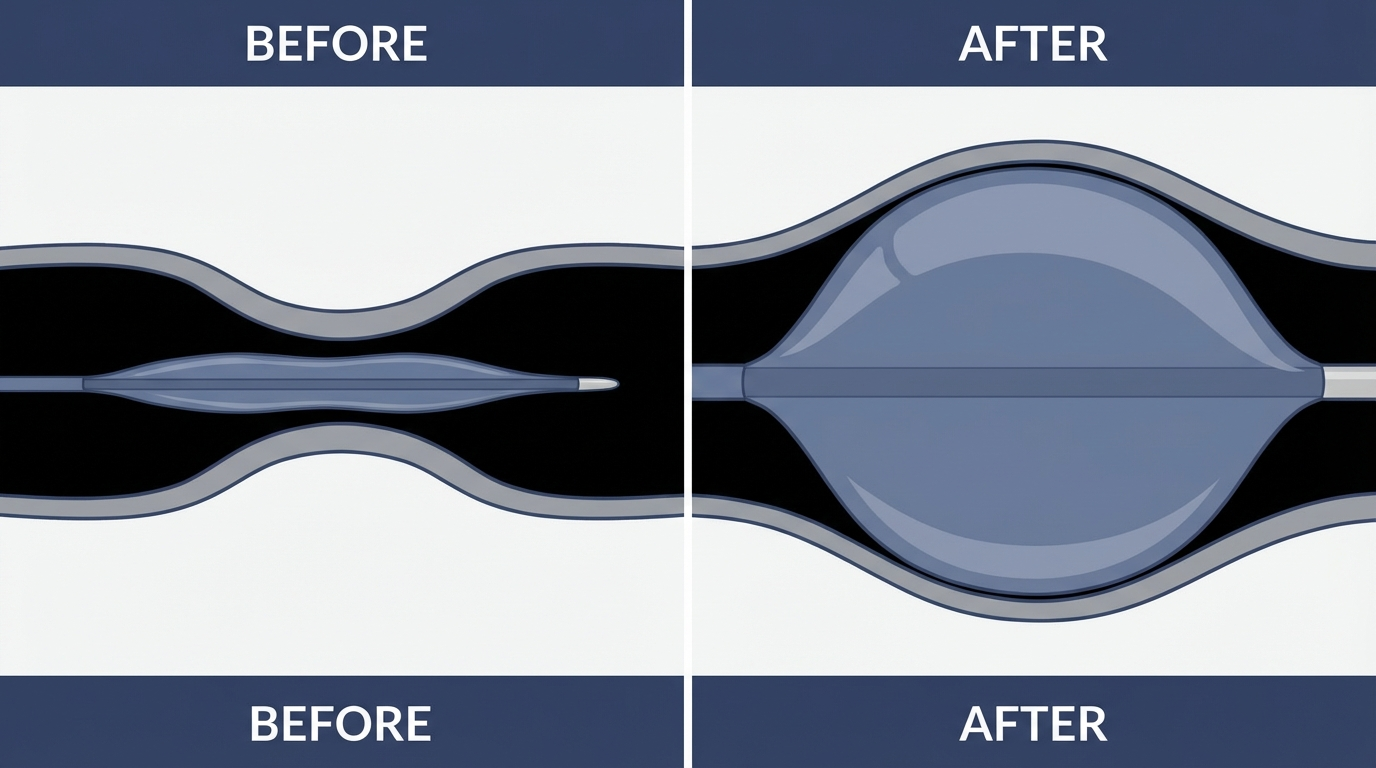
Balloon sinuplasty (minimally invasive option)
Balloon sinuplasty uses a small balloon to gently widen natural sinus openings, helping improve drainage and ventilation. [2]
Learn more: https://sleepandsinuscenters.com/balloon-sinuplasty
Image-guided endoscopic sinus surgery (more precision for complex disease)
For more extensive or recurrent disease—or when anatomy increases complexity—image-guided endoscopic sinus surgery can add precision and help address hard-to-reach areas. [3]
What surgery can and can’t do (setting expectations)
Surgery can improve airflow and drainage and can make it easier for topical medications to reach inflamed tissue afterward. However, it typically does not “turn off” the underlying inflammation by itself—ongoing medical management is still commonly part of long-term control. [1]
Think of surgery as optimizing the “plumbing,” with ongoing medical therapy keeping inflammation in check.
Choosing the Right Advanced Treatment Plan (Personalized Approach)
Key factors your ENT will evaluate
A personalized plan often depends on: [1]
• Presence/absence of nasal polyps
• Endoscopy and CT findings
• Allergy and asthma history (including AERD patterns)
• Prior surgeries and response to past treatments
• Frequency of oral steroid exposure
• Sleep quality impact and fatigue burden
If you’ve ever felt like your symptoms were “dismissed,” bringing specifics (how often you flare, what you’ve tried, what you miss work or sleep because of) can make the severity clearer in a time-limited appointment.
Real-world pathways (examples)
• Pathway A: CRSwNP + asthma → biologic therapy may be considered.
• Pathway B: CRSsNP + persistent symptoms → optimize topical delivery (including XHANCE) and/or consider minimally invasive procedures.
• Pathway C: Post-surgery inflammation that returns → steroid implant plus a long-term topical maintenance plan. [2]
These pathways reflect why advanced treatment options for severe chronic sinusitis are rarely one-size-fits-all.
The best plan is personalized—guided by your symptoms, endoscopy/CT findings, and response to prior care.
Lifestyle & Home Strategies That Support Advanced Care (Not a replacement—an amplifier)
Daily habits that reduce flare-ups
Supportive steps can help reduce symptom volatility: [1]
• Consistent saline irrigation routine
• Humidity optimization (especially during dry seasons)
• Reducing irritants (smoke, strong fumes, heavy fragrances)
Consistency is key. Even when advanced therapies are working, these basics act like maintenance, helping you hold onto progress between visits.
Allergy management and testing
Allergies can increase the overall inflammatory load. Identifying triggers can help improve long-term outcomes. [1]
Learn more about allergy testing: https://sleepandsinuscenters.com/allergy-testing
Sleep and sinusitis
Poor sleep is one of the most frustrating “secondary effects” of chronic sinusitis. Practical strategies like head elevation and addressing nighttime congestion patterns may help some patients, and persistent sleep disruption is worth mentioning during evaluation. [2]
Simple, consistent routines can stabilize symptoms and enhance the benefits of advanced treatments.
FAQs About Advanced Chronic Sinusitis Treatments
Are biologics only for people with nasal polyps?
Most evidence and common use is for CRSwNP. Eligibility depends on disease “type,” severity, and prior response to other therapies. [1]
Is XHANCE the same as a regular steroid spray?
It has the same general goal—delivering a topical steroid—but uses a different delivery method intended to improve where the medication deposits in the nasal passages. [5]
How do I know if I need surgery?
This is usually based on persistent symptoms plus objective findings on endoscopy and/or CT imaging after appropriate medical therapy has been tried. [3]
Can implants replace oral steroids?
For some patients, local steroid implants may reduce—but not always completely replace—the need for repeated oral steroid courses by treating inflammation directly where it’s most active. [2]
What if my symptoms come back after surgery?
Recurrence can happen. Long-term maintenance (topical therapies, trigger management, and sometimes implants or biologics) is often used to help maintain control. [1]
Your care team will tailor advanced options to your specific pattern of disease, goals, and response to treatment.
When to See an ENT (Call-to-Action)
Signs you’re ready for an “advanced options” consult
It may be time to discuss advanced treatment options for severe chronic sinusitis if you’ve had: [2]
• Symptoms lasting longer than 12 weeks
• Frequent antibiotics or oral steroid courses
• Major smell loss or recurring polyps
• Abnormal CT/endoscopy findings
• Significant sleep disruption or fatigue
If any symptoms rapidly worsen—especially vision changes, severe headache, or facial swelling—seek urgent medical evaluation.
What to bring to your appointment
To make your visit more efficient, consider bringing:
• Current medication list (including sprays and rinses)
• Any prior CT reports/images if available
• Allergy/asthma history and known triggers
• Prior procedure or surgery history
• A simple symptom timeline (what started when, what helped, what didn’t)
For background reading before your visit, you may find this helpful: https://sleepandsinuscenters.com/blog/new-advances-in-ent-medications
If you’re ready to take the next step, you can book an appointment through Sleep & Sinus Centers to review your symptoms, imaging, and treatment history and discuss which advanced option fits best: https://www.sleepandsinuscenters.com/
If standard care isn’t cutting it, a focused ENT evaluation can help you move forward with a clear, personalized plan.
References
[1]: NCBI Bookshelf (InformedHealth.org). Chronic sinusitis / chronic rhinosinusitis overview and treatments (2024). https://www.ncbi.nlm.nih.gov/books/NBK279484/
[2]: Mayo Clinic. Chronic sinusitis – Diagnosis and treatment. https://www.mayoclinic.org/diseases-conditions/chronic-sinusitis/diagnosis-treatment/drc-20351667
[3]: NYU Langone. Surgical treatment for chronic sinusitis. https://nyulangone.org/conditions/chronic-sinusitis/treatments/surgical-treatment-for-chronic-sinusitis
[4]: Hospital Clínic Barcelona. A new twice-yearly biological treatment for chronic rhinosinusitis with nasal polyps shows promising results (2026). https://www.clinicbarcelona.org/en/news/a-new-twice-yearly-biological-treatment-for-chronic-rhinosinusitis-with-nasal-polyps-shows-promising-results
[5]: Penn Medicine. Exhalation system improves symptoms of chronic sinus infections (2024). https://www.pennmedicine.org/news/exhalation-system-improves-symptoms-of-chronic-sinus-infections
[6]: ABC7 Los Angeles. XHANCE new FDA-approved nasal device offers relief for chronic sinusitis (2025). https://abc7.com/post/xhance-new-fda-approved-nasal-device-offers-relief-chronic-sinusitis/17752523/
This article is for educational purposes only and is not medical advice. Please consult a qualified healthcare provider for diagnosis and treatment.
Don’t let allergies slow you down. Schedule a comprehensive ENT and allergy evaluation at Sleep and Sinus Centers of Georgia. We’re here to find your triggers and guide you toward lasting relief.