Why Mold-Related Sinus Disease Causes Fatigue: Symptoms and Treatment
If you’ve been dealing with persistent nasal congestion, facial pressure, or postnasal drip—and you still can’t get your energy back—you’re not alone. Many people notice this pattern after spending time in a damp, musty, or water-damaged building (home, workplace, school). The frustrating part is that sinus symptoms can feel “local,” while the exhaustion feels whole-body.
A common patient comment sounds like: “My nose is stuffed, but why do I feel like I have the flu every day?” That mismatch is real—and it’s one reason people search for answers like “mold sinus infection fatigue.”
Important notes
“Mold-related sinus disease” and “mold-related sinus disease fatigue” are patient-friendly, descriptive phrases—not formal diagnoses. Fatigue can have many causes, and mold/dampness is just one potential contributor alongside allergy, anatomy, and other health conditions.
Educational note: This content is for general education and isn’t a substitute for individualized medical care. Seek urgent evaluation for severe symptoms such as vision changes, facial swelling, a high fever, stiff neck, confusion, or rapidly worsening headache/facial pain.
Quick Take—How Sinus Mold Can Lead to Fatigue
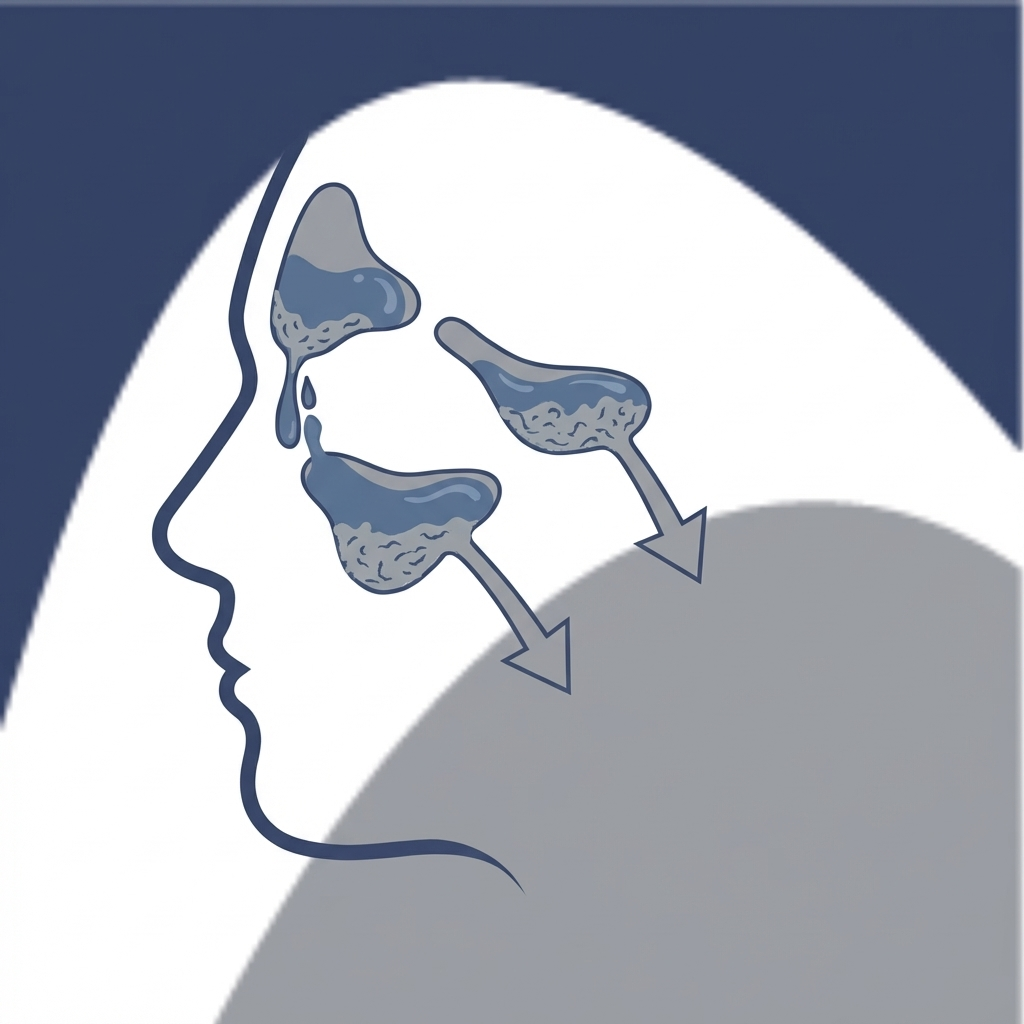
The “sinus reservoir” concept (why symptoms can linger)
One reason sinus symptoms can persist is that the nose and sinuses can act like a “reservoir.” Once irritation and swelling build up, narrow drainage pathways may not clear well. In some patients, fungi and other microbes may persist in the sinonasal passages—sometimes within protective layers called biofilms—which can sustain inflammation and make symptoms harder to resolve without a targeted plan.
Source: discussion of chronic illness and naso-sinus fungal biofilm hypothesis (PMC) https://pmc.ncbi.nlm.nih.gov/articles/PMC3920250/
Bottom line: when the sinuses aren’t draining and inflammation smolders, symptoms can outlast a typical “cold” timeline.
Mycotoxins and inflammation (the fatigue connection)
Some molds produce mycotoxins—chemical compounds that can irritate tissues and may contribute to inflammatory responses in susceptible individuals. However, the role of mycotoxins in causing systemic symptoms like fatigue is still under research, and not all individuals exposed to mold or mycotoxins develop these symptoms. Public health organizations do recognize that dampness and mold exposure are associated with health problems, particularly respiratory symptoms.
Source: CDC/NIOSH overview https://www.cdc.gov/niosh/mold/health-problems/index.html
A practical framing: repeated immune “nudges” from ongoing sinonasal irritation can leave you feeling drained—even if you’re logging enough hours in bed.

Why you may feel “sick and tired,” not just congested
Chronic inflammation can affect more than just nasal breathing. People with mold-associated sinus issues often report:
- worse sleep quality (congestion and postnasal drip can disrupt rest)
- reduced concentration and mental clarity (“brain fog”)
- lower stamina and longer recovery time after routine activity
- mood changes or irritability
Fatigue usually improves most reliably when both sinonasal inflammation and ongoing exposure sources are addressed. Treating only one side of the equation often leads to partial or short-lived relief.
Think two levers: calm the sinuses and reduce exposure, and energy typically follows.
What Is Mold-Related Sinus Disease? (Patient-friendly definitions)
Mold exposure vs. mold colonization
- Exposure means you’re breathing in mold spores or fragments in an environment with dampness, leaks, or water intrusion.
- Colonization is a descriptive term sometimes used when organisms persist in the nasal/sinus area over time, potentially protected by biofilms.
How this overlaps with chronic sinusitis
If symptoms persist for 12 weeks or longer, this often falls into the broader category of chronic sinusitis (also called chronic rhinosinusitis), which has established diagnostic criteria and management guidelines. Mold/dampness is one possible contributor among many (allergies, anatomy, immune factors, pollutants). Learn more here: chronic sinusitis https://sleepandsinuscenters.com/chronic-sinusitis
In real life, mold can be part of a bigger sinus picture—your care plan should reflect the whole picture, not just one trigger.
“Toxic mold” and what major allergy groups say
You may see the phrase “toxic mold” online. Major allergy organizations emphasize that health effects vary and that symptoms are often due to allergy or irritation—while broader claims may not apply to everyone.
Source: AAAAI perspective https://www.aaaai.org/tools-for-the-public/conditions-library/allergies/toxic-mold
A helpful mindset: avoid either/or thinking—many people have overlapping drivers such as allergies plus environmental triggers.
Symptoms—What Mold-Related Sinus Disease + Fatigue Can Look Like
Common sinus symptoms
Mold-related sinus problems often resemble other forms of chronic sinusitis, including:
- persistent nasal congestion or “blocked” breathing
- postnasal drip and frequent throat clearing
- facial pressure/headache
- reduced smell or taste
- thick drainage (clear, white, yellow, or mixed—color alone isn’t a perfect guide)
Whole-body symptoms that often travel with it
People trying to connect sinus complaints with whole-body effects often report:
- fatigue (sometimes worse later in the day)
- brain fog, slowed thinking, trouble focusing
- non-restorative sleep (waking tired)
- low motivation, irritability, or feeling “run down”
Clues that mold/dampness may be a contributor
- symptoms that worsen in one specific building (home/work/school)
- known leaks, flooding, water stains, or a musty odor
- seasonal worsening in damp climates
- feeling better away from the environment (vacation/weekends)
Research has explored an association between dampness/mold exposure and fatigue-related symptoms, supporting why this link is so commonly reported.
Source: systematic review (PMC) https://pmc.ncbi.nlm.nih.gov/articles/PMC12893814/
If your nose acts up—and your energy dips—in the same damp space, the building itself may be part of the problem.
Red flags—get urgent care
Seek urgent evaluation for:
- swelling around the eye, vision changes, double vision
- severe headache with fever, confusion, stiff neck
- rapidly worsening facial swelling or pain
Causes—Why Sinus Mold Can Trigger Fatigue (Step-by-Step)

Step 1: Water-damaged environments raise exposure
Indoor mold growth is strongly linked to moisture problems (leaks, humidity, flooding). Damp spaces can increase airborne particles that irritate the nose and airways.
Source: CDC mold overview https://www.cdc.gov/mold-health/about/index.html
Related reading: how mold exposure can trigger sinusitis https://sleepandsinuscenters.com/blog/how-mold-exposure-can-trigger-sinusitis
Step 2: Inflammation and mucus disruption in the nose/sinuses
Irritation leads to swelling that narrows drainage pathways. Poor drainage can promote a cycle of mucus retention, ongoing congestion, and persistent symptoms—often disrupting sleep and contributing to fatigue.
Step 3: Biofilms make the problem “sticky”
Biofilms are organized communities of microbes within a protective layer. The fungal biofilm concept helps explain why some cases seem stubborn and recurrent, even when patients try typical over-the-counter approaches.
Source: PMC discussion https://pmc.ncbi.nlm.nih.gov/articles/PMC3920250/
Step 4: Mycotoxins + immune activation may amplify fatigue (in susceptible patients)
Individual factors (allergies, asthma, genetic susceptibility, intensity/duration of exposure) shape symptom severity. Some people report more systemic symptoms (fatigue, cognitive fog) alongside sinonasal inflammation. Still, the role of mycotoxins in systemic symptoms is under active study, and not everyone exposed will experience these effects.
From leaks to lingering inflammation, several small stresses can add up to big fatigue—especially when sleep is disrupted.
Diagnosis—How Clinicians Evaluate Mold-Related Sinus Disease (and Rule Out Look-Alikes)
History matters (often the biggest clue)
Clinicians start with:
- timeline of sinus symptoms and fatigue
- exposure history (leaks, musty odor, visible mold, water damage)
- pattern changes (better away from the building, worse after returning)
ENT evaluation
- nasal exam and/or nasal endoscopy to look for swelling, polyps, mucus, or chronic inflammation
- sinus CT (when indicated) to evaluate chronic changes, blockage, or anatomy affecting drainage
Allergy and immune evaluation (when appropriate)
Because allergies can mimic or amplify mold-related symptoms, allergy evaluation is often part of a complete workup—especially if you also have itchy eyes, sneezing, asthma, or seasonal patterns.
Lab tests and mycotoxin testing—how to interpret carefully
You may see testing marketed as “proof” of mold toxicity. In real-world care, these results can be challenging to interpret and do not reliably identify the sinuses as the source of symptoms. Most clinical guidelines do not recommend routine mycotoxin testing for diagnosing sinusitis or fatigue. Many clinicians focus on next steps that change care: identifying exposures, treating sinonasal inflammation, and tracking whether fatigue improves as the nose/sinuses recover.
The most useful “test” is often your response to a well-constructed plan: reduce exposure, treat the sinuses, and reassess energy and sleep.
Treatment—What Actually Helps (Sinuses + Fatigue)

The goal is to reduce inflammation, improve drainage, address contributing triggers, and prevent re-exposure. Treatment is individualized and depends on the diagnosis (for example, chronic sinusitis with/without polyps, allergic rhinitis, recurrent infections, or less common fungal entities).
Step 1: Fix the exposure source (often non-negotiable)
If moisture problems continue, symptoms may keep flaring. Practical steps can include:
- correcting leaks and water intrusion
- improving ventilation and controlling humidity
- addressing HVAC/filters
- considering professional assessment/remediation when warranted
Source: CDC/NIOSH guidance https://www.cdc.gov/niosh/mold/health-problems/index.html
Related reading: air quality and sinus health https://sleepandsinuscenters.com/blog/air-quality-sinus-health

Step 2: Daily sinus care (foundation therapy)
Guided by a clinician, foundations may include:
- saline irrigation (with safe water practices)
- anti-inflammatory nasal therapies such as corticosteroid sprays/rinses when appropriate
Step 3: Targeted medical therapy (based on your diagnosis)
- allergy-focused options (trigger control and medications; sometimes longer-term strategies)
- antibiotics only when a bacterial infection is suspected (not every sinus flare is bacterial); overuse can cause side effects and contribute to antibiotic resistance
- specialized approaches when a distinct fungal condition is suspected (best directed by ENT evaluation)
Step 4: Procedures when anatomy or chronic blockage is a barrier
When chronic obstruction, polyps, or anatomy prevents good drainage, procedures such as balloon sinuplasty or endoscopic sinus surgery may be considered in select patients. These don’t “treat fatigue” directly, but they may reduce drivers of poor sleep and inflammation.
Step 5: Reducing the inflammation burden (supportive strategies)
- sleep optimization (nasal breathing support at night; evaluation for snoring/sleep apnea if relevant)
- hydration and nutrition patterns that support recovery
- activity pacing to avoid the “boom-bust” cycle common in chronic fatigue states
Treat the air, treat the nose, support your sleep—most people feel and function better when all three are addressed together.
Lifestyle Tips to Support Recovery (While You Treat the Root Cause)
Home humidity and ventilation checklist
- fix leaks promptly and dry water-damaged areas quickly
- use bathroom/kitchen exhaust fans
- dehumidify damp spaces (basements, laundry rooms)
- change HVAC filters as recommended
Bedroom-specific strategies (because sleep drives fatigue)
- keep the bedroom well-ventilated and humidity-controlled
- reduce dust and triggers that can worsen nasal inflammation
- consider filtration strategies if recommended by your clinician
Related reading: air quality and sinus health https://sleepandsinuscenters.com/blog/air-quality-sinus-health
Work/school exposure strategies (when you can’t fully control the building)
- track symptom patterns (where/when symptoms worsen)
- report concerns to building management/HR when appropriate
- discuss options with your clinician if symptoms are severe and clearly building-related
Small environmental upgrades plus consistent sinus care can make nights more restful and days more productive.
FAQs
Can mold really cause chronic fatigue?
Research has found associations between dampness/mold exposure and fatigue symptoms, but experiences vary widely. Because fatigue has many possible causes, a thorough evaluation matters—especially when symptoms are persistent or worsening.
Source: systematic review (PMC) https://pmc.ncbi.nlm.nih.gov/articles/PMC12893814/
What’s the difference between a mold allergy and mold toxicity?
- Allergy involves an immune hypersensitivity reaction (often sneezing, congestion, itchy eyes, asthma flares).
- “Toxicity” discussions often involve mycotoxins and broader inflammatory effects; the evidence and terminology vary, so it’s best approached carefully with a clinician.
Source: AAAAI https://www.aaaai.org/tools-for-the-public/conditions-library/allergies/toxic-mold
If I move out of a moldy home, will my fatigue go away?
Many people improve with exposure control, but ongoing sinus inflammation, colonization, or unrelated conditions can persist and may require treatment. Changing the environment is often necessary, but it isn’t always sufficient.
Do antibiotics help mold-related sinus disease?
Sometimes—particularly if a bacterial infection is present—but not always. If you’re getting frequent antibiotics without lasting improvement, it’s a good reason to ask about ENT evaluation and imaging.
What kind of doctor should I see?
For chronic sinus symptoms (especially lasting more than 12 weeks), starting with an ENT evaluation is often the most direct path. Allergy evaluation may also be helpful when allergic triggers are suspected.
Use clinical guidance—not self-diagnosis—to sort out what’s driving your symptoms and fatigue.
When to See an ENT (and What to Ask)
Appointment triggers
Consider scheduling an evaluation if you have:
- sinus symptoms lasting longer than 12 weeks
- fatigue + brain fog that doesn’t match your usual baseline
- recurring sinus infections or poor response to standard therapies
Questions to bring
- “Could chronic sinus inflammation be affecting my sleep and energy?”
- “Do I have signs of polyps or chronic blockage on exam or CT?”
- “What’s the plan to reduce inflammation and prevent recurrence?”
If you’d like to be evaluated at Sleep and Sinus Centers of Georgia, you can request an appointment here: https://sleepandsinuscenters.com/appointments
Booking note: If your symptoms clearly worsen in a specific building (or you’ve had recent water damage exposure), mention that when you schedule—those details help your care team plan the most useful evaluation.
If symptoms are lasting and draining your energy, an ENT-led plan can help you breathe, sleep, and feel better again.
This article is for educational purposes only and is not medical advice. Please consult a qualified healthcare provider for diagnosis and treatment.
Don’t let allergies slow you down. Schedule a comprehensive ENT and allergy evaluation at Sleep and Sinus Centers of Georgia. We’re here to find your triggers and guide you toward lasting relief.