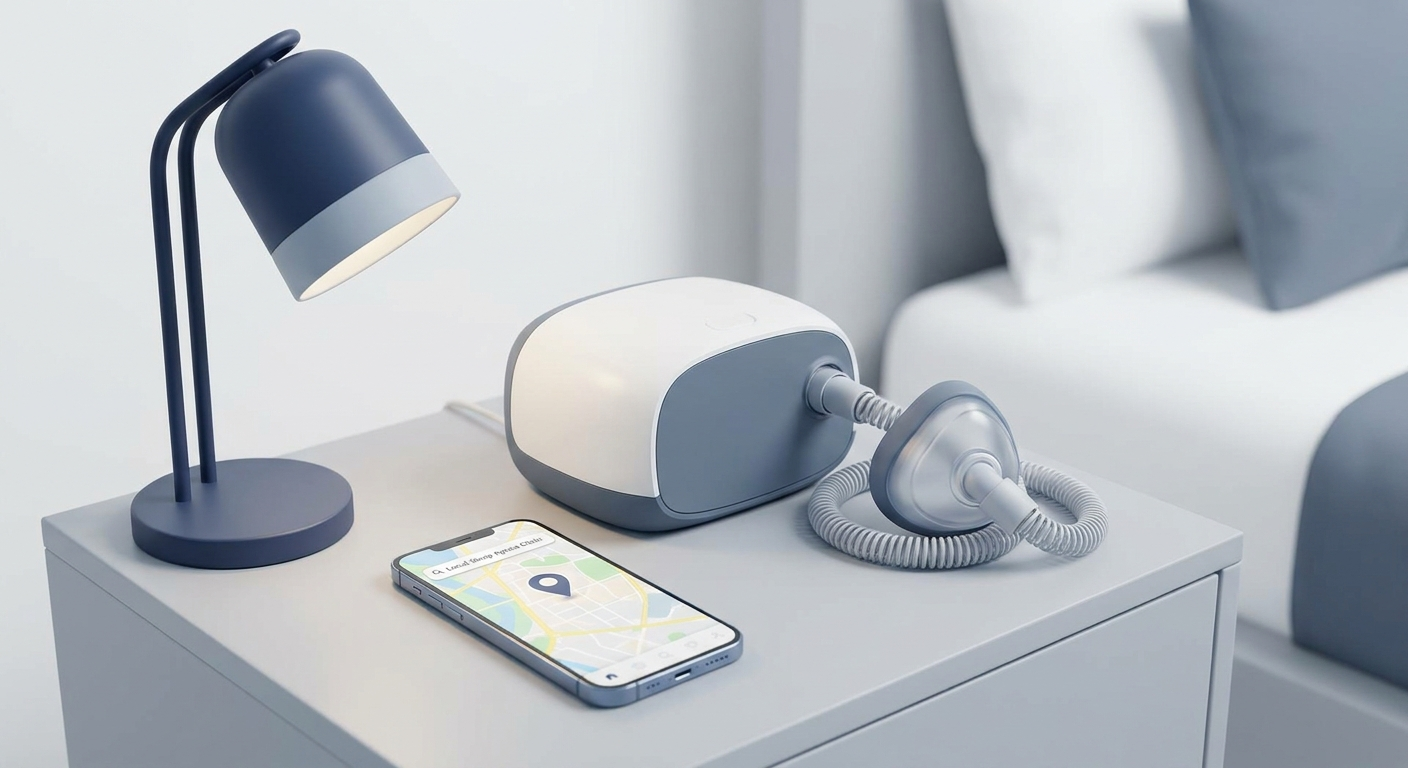
What Is a Sleep Specialist Called? Sleep Doctor Names & Roles Explained
If you’re exhausted during the day, snoring loudly at night, or waking up choking or gasping, someone may suggest you “see a sleep specialist”—but what does that actually mean?
In this guide, you’ll learn what a sleep specialist is called, the most common “sleep doctor” titles you might see, what each type of provider typically does, and how to choose the right clinician for your symptoms. Sleep problems are common, and getting the right diagnosis matters because different sleep disorders can look similar at first. Cleveland Clinic uses the term sleep specialist (somnologist) when describing this role. [1]
Educational note: This article is for general information only and isn’t a substitute for personal medical advice, diagnosis, or treatment.
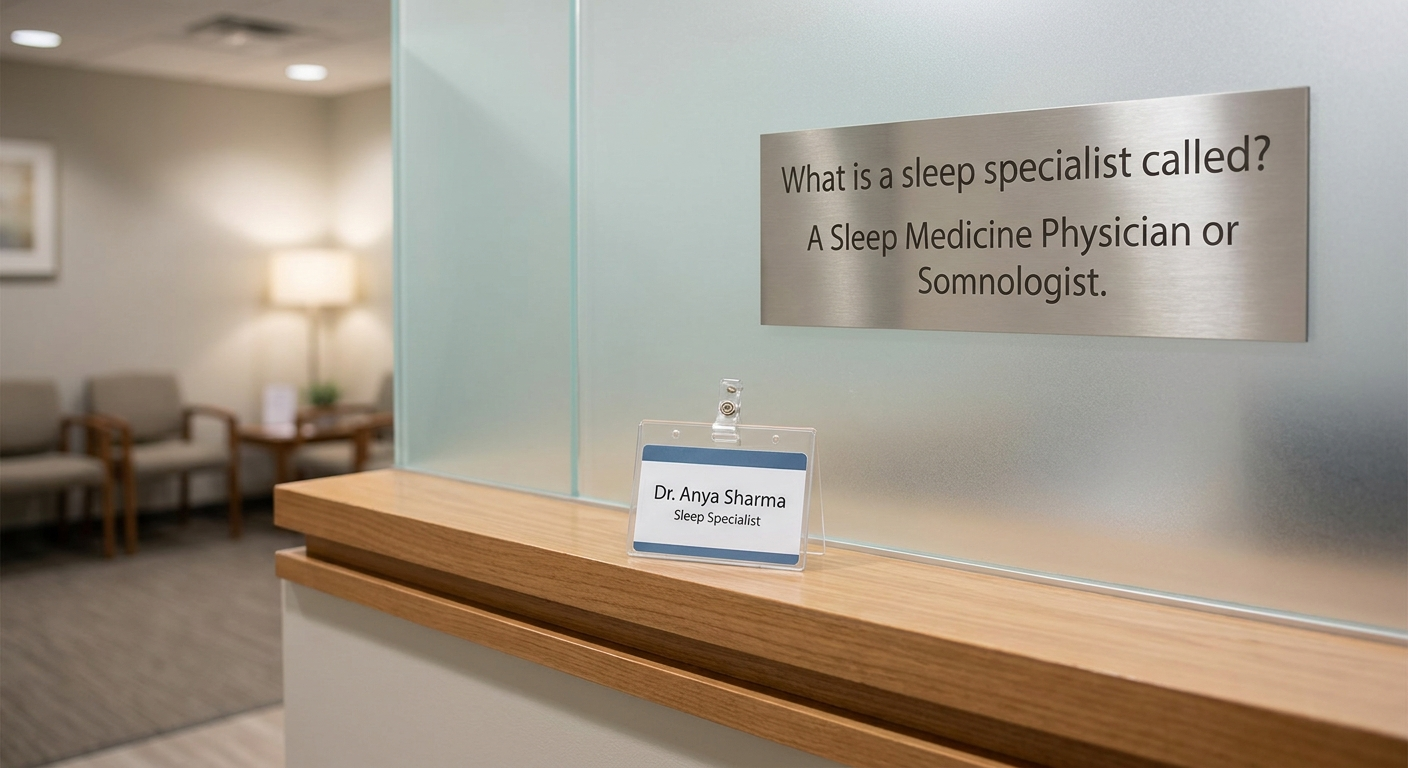
What Is a Sleep Specialist Called?
The professional term: Somnologist
A term sometimes used for a sleep specialist is somnologist—a clinician trained to diagnose and treat sleep disorders. In many English-speaking settings, sleep medicine specialist or sleep medicine physician are more commonly used. [1]
So, if you’ve been Googling what a sleep specialist is called, “somnologist” is a valid term—though you may not see that word often in clinic branding. In everyday contexts, it is sometimes used alongside sleep medicine specialist, sleep medicine physician, or sleep doctor. [1]
A helpful analogy: if your primary care clinician is the “general contractor” for your health, a sleep-focused clinician is the specialist brought in when sleep is the main problem—or when sleep is making other conditions harder to manage.
Why you don’t always see “Somnologist” on a doctor’s sign
- Board-Certified in Sleep Medicine
- Sleep Medicine Physician
- Sleep Disorders Specialist
All of these can indicate a clinician who focuses on sleep disorders, even if the word “somnologist” isn’t displayed.
Bottom line: you’ll usually find sleep expertise labeled as “sleep medicine,” even when the term “somnologist” isn’t used.

Sleep Doctor Titles You Might See (And What They Mean)
Different types of clinicians can practice sleep medicine—often after additional training and certification. Here are common titles and what they usually mean for patients.
Sleep medicine physician (board-certified)
A sleep medicine physician is typically a doctor who has pursued additional training and/or board certification focused on sleep disorders. You might find them working in sleep centers, hospitals, or within larger specialty groups. Cleveland Clinic describes sleep specialists (somnologists) as clinicians who evaluate and treat sleep problems. [1]
In practical terms, this is often the clinician who “puts the whole picture together”—your symptoms, medical history, and sleep test results—then helps map out next steps.
Pulmonologist (lung doctor) with sleep medicine training
Pulmonologists often play a major role in sleep care because breathing and sleep are tightly connected. They commonly help manage:
- Obstructive sleep apnea (OSA)
- Positive airway pressure therapy follow-up (CPAP, APAP, or BiPAP)
- Other breathing-related sleep conditions
If you’re wondering who treats sleep apnea, a sleep-medicine-trained pulmonologist is one common answer.
Neurologist with sleep medicine training
Because sleep is controlled by the brain and nervous system, neurologists frequently contribute to sleep medicine. They commonly help evaluate and manage:
- Narcolepsy
- REM sleep behavior disorder
- Certain movement-related sleep problems
Psychiatrist, psychologist, or behavioral sleep medicine provider
Some sleep concerns are closely tied to mental health, stress, and medications. Psychiatry and behavioral sleep medicine commonly focus on:
- Insomnia related to anxiety or depression
- Nightmare disorders
- Behavioral therapies like CBT-I (cognitive behavioral therapy for insomnia)
- Medication review when sleep is being affected
Many people with insomnia benefit from behavioral sleep therapy, such as CBT-I.
ENT (ear, nose, and throat) / Otolaryngologist in sleep care
ENT clinicians often evaluate the anatomy of the airway and sources of obstruction. They may help with:
- Snoring and airway structure
- Nasal obstruction (such as congestion or a deviated septum)
- Surgical and non-surgical airway options (when appropriate)
Dentist / dental sleep medicine provider (for some patients)
Some patients may be candidates for dental approaches like oral appliance therapy to reduce snoring or treat select cases of sleep apnea. Important note: a dentist typically does not replace a medical sleep evaluation when obstructive sleep apnea is suspected—sleep testing and medical diagnosis still matter.
Nurse practitioners and physician assistants in sleep medicine
In many practices, nurse practitioners (NPs) and physician assistants (PAs) with sleep training help evaluate symptoms, order tests, initiate treatment, and provide follow-up care under a sleep medicine program.
Translation for patients: “Sleep doctor” is a helpful shorthand, but sleep care is delivered by a team that may include physicians, NPs, PAs, psychologists, ENTs, pulmonologists, and dentists.
What Does a Sleep Specialist Actually Do?
When people ask what a sleep specialist is called, they’re often really asking what that person does. Here’s what sleep specialists commonly handle.
Diagnose sleep disorders
Sleep specialists evaluate a wide range of conditions, including:
- Obstructive sleep apnea (OSA)
- Insomnia
- Restless legs syndrome (RLS)
- Narcolepsy
- Circadian rhythm disorders (for example, shift-work sleep problems)
Many sleep disorders share overlapping symptoms—like fatigue, poor concentration, or restless sleep—so diagnosis is key to choosing the right treatment. [1]
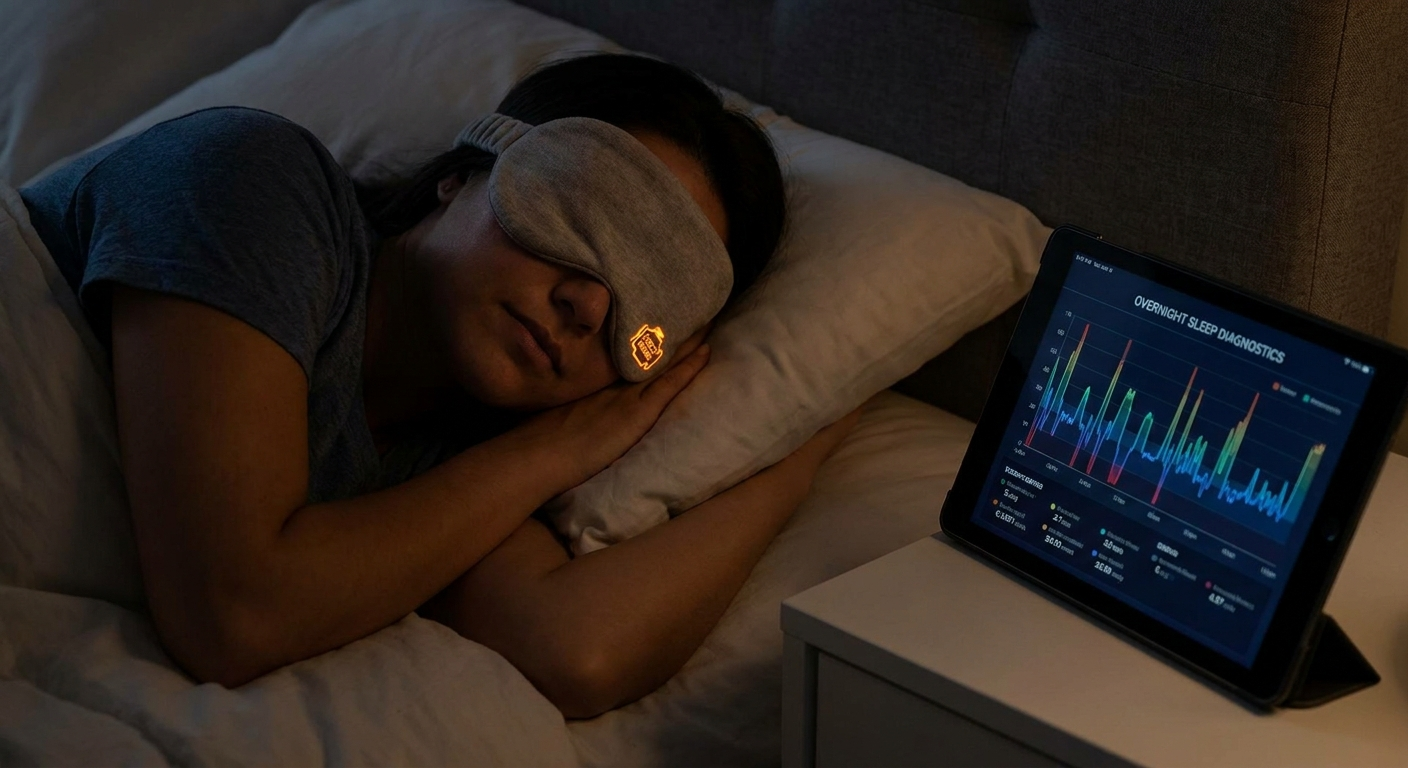
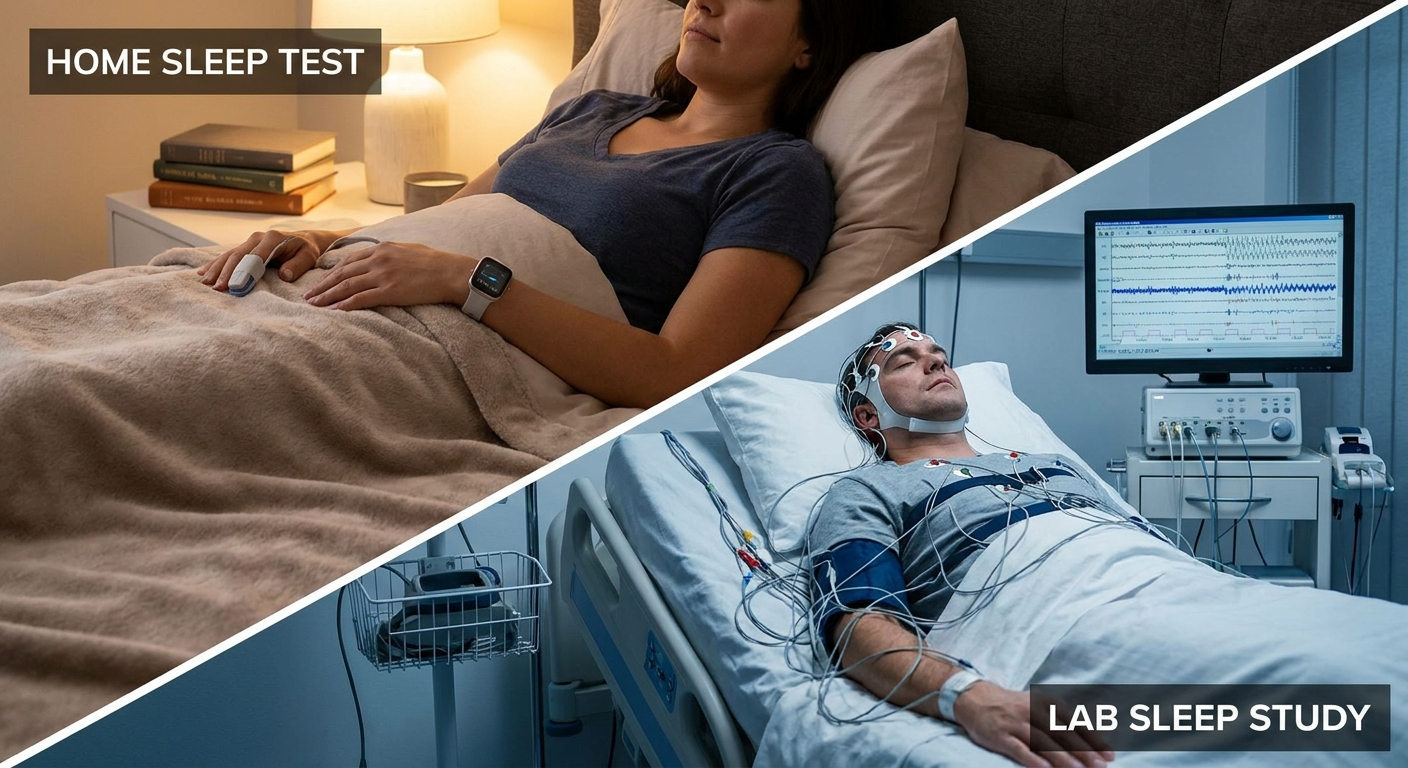
Order and interpret sleep testing
Sleep specialists may recommend either:
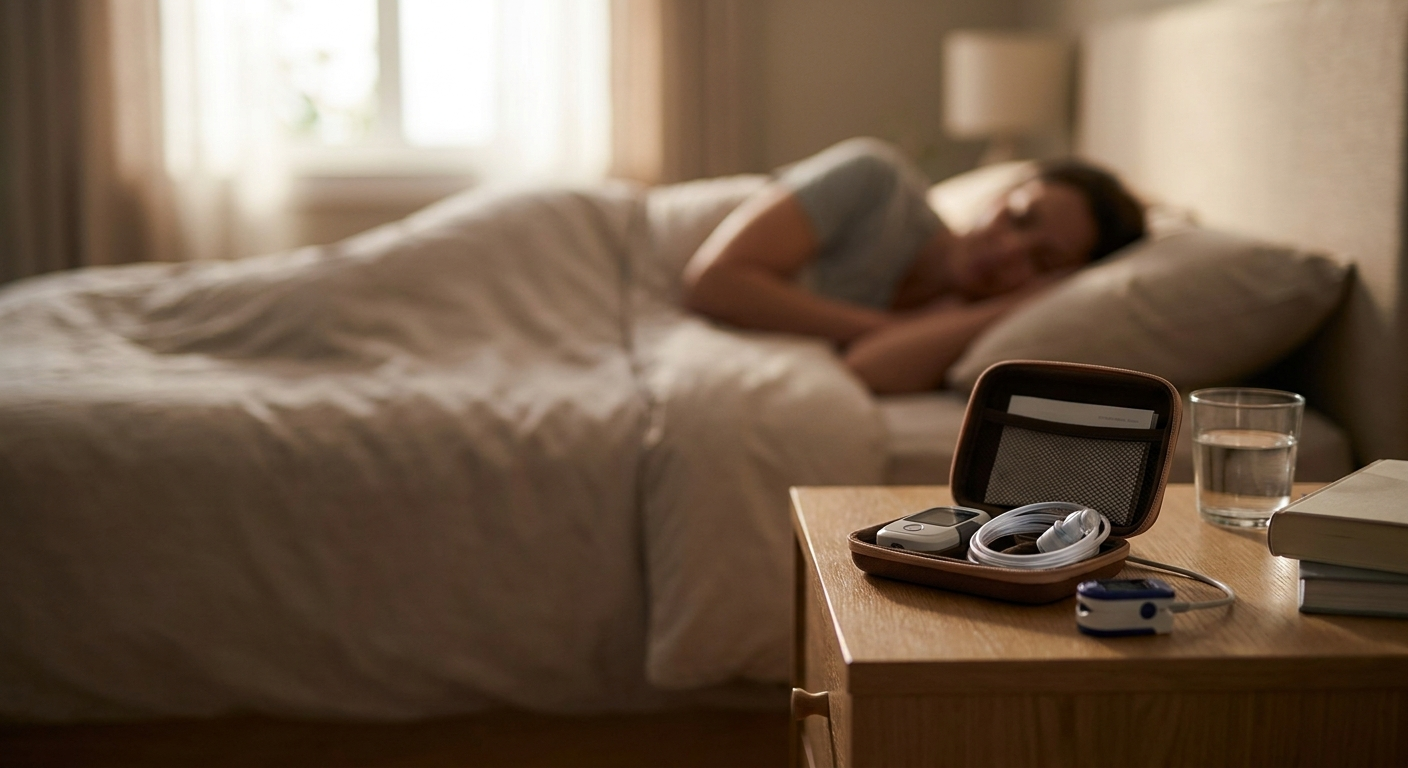
- Home sleep testing (done in your own bed with portable equipment)
- In-lab polysomnography (a more comprehensive overnight study in a sleep lab)
For a deeper comparison, see our guide on home sleep test vs. lab study: https://sleepandsinuscenters.com/blog/home-sleep-test-vs-lab-study-which-sleep-test-is-best-for-you
Build a treatment plan and coordinate care
Sleep medicine often involves teamwork. Depending on your diagnosis, a sleep specialist may coordinate care with professionals in ENT, pulmonary care, cardiology, psychiatry/behavioral health, or dentistry. Cleveland Clinic notes that sleep specialists evaluate and treat sleep-related conditions. [1]
In short, sleep specialists confirm the diagnosis, start evidence-based treatment, and coordinate care so your plan actually works in real life.
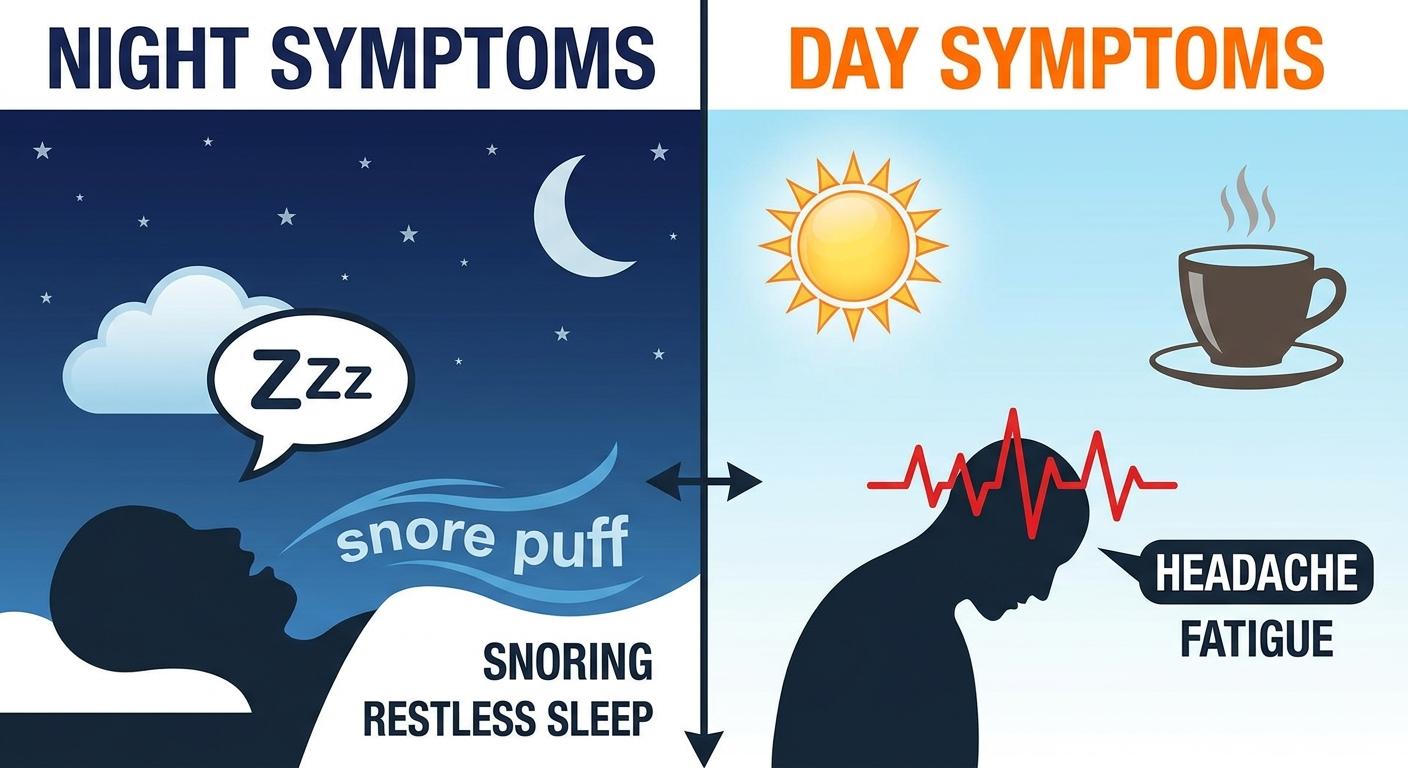
Symptoms That Signal You Should See a Sleep Specialist
Not every rough night calls for a specialist—but certain patterns are worth evaluating.
Nighttime symptoms
- Loud, chronic snoring
- Witnessed pauses in breathing
- Waking up choking or gasping
- Frequent awakenings or very restless sleep
- Night sweats or reflux symptoms that disrupt sleep
Daytime symptoms
- Excessive daytime sleepiness
- Morning headaches
- Brain fog or trouble concentrating
- Mood changes (irritability, anxiety, low mood)
- Drowsy driving risk
You can do a quick self-check using our Epworth Sleepiness Scale (sleepiness test): https://sleepandsinuscenters.com/test-your-sleepiness
When symptoms may be urgent
Educational note (not medical advice): falling asleep while driving or operating machinery, severe breathing pauses observed by a bed partner, or chest pain/severe shortness of breath generally warrant prompt medical evaluation.
If your symptoms suggest safety risks, seek prompt care rather than waiting for a routine visit.
Common Causes Sleep Specialists Look For (Patient-Friendly Overview)
Sleep specialists look for why your sleep is disrupted—not just the symptom.
Airway blockage and breathing resistance
For snoring and OSA, contributing factors can include:
- Airway anatomy
- Nasal congestion
- Sleep position (back-sleeping can worsen snoring for some people)
- Weight changes (in some individuals)
Persistent snoring—especially with daytime sleepiness—often deserves a closer look.
Nervous system and sleep-wake regulation problems
Some disorders relate to how the brain regulates sleep and wakefulness, such as narcolepsy or circadian rhythm misalignment.
Example: A shift worker who can’t fall asleep until early morning—even on days off—may be dealing with circadian misalignment rather than “just bad habits.”
Mental health, stress, and medications
Stress, anxiety, depression, and certain medications can affect sleep quality and timing. This is one reason insomnia care often includes behavioral strategies and careful medication review.
Good sleep care looks beyond symptoms to find and treat the root cause.
Treatments a Sleep Specialist May Recommend
Treatment depends on the diagnosis, symptom severity, and personal preferences. A sleep specialist typically matches treatment to the underlying cause. [1]
For sleep apnea and snoring
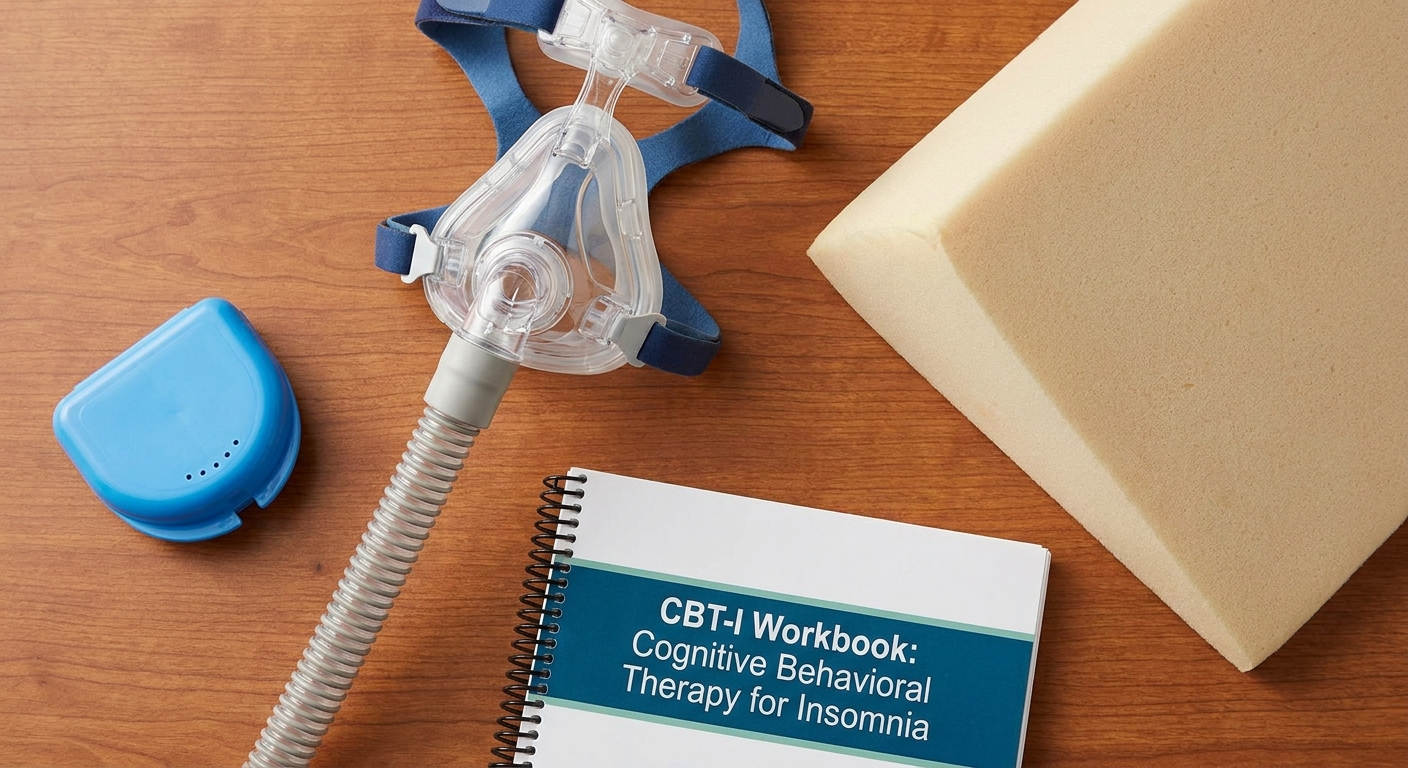
- Positive airway pressure therapy (CPAP, APAP, or BiPAP)
- Oral appliance therapy (for selected patients)
- Positional therapy
- Weight management support (when appropriate)
- ENT evaluation for nasal obstruction or airway procedures (when indicated)
See our overview of options: https://sleepandsinuscenters.com/snoring-sleep-apnea-treatment
For insomnia
- CBT-I (cognitive behavioral therapy for insomnia)
- Sleep scheduling strategies and stimulus control
- Medication options (when appropriate and monitored)
A practical framing many patients find reassuring: insomnia care is often less about “trying harder to sleep” and more about rebuilding consistent sleep cues and reducing the patterns that keep the brain on high alert at night.
For restless legs or movement-related sleep issues
- Iron evaluation (when appropriate)
- Medication options
- Identifying triggers that worsen symptoms
Lifestyle changes that support medical treatment
- Adjusting alcohol timing
- Keeping a consistent sleep schedule
- Setting a caffeine cutoff
- Optimizing the bedroom environment (cool, dark, quiet)
Effective treatment usually blends targeted therapies with realistic, supportive sleep habits.
How to Choose the Right Sleep Doctor for You
If you’re still deciding what a sleep specialist is called and who to book with, these steps can reduce confusion.
Look for sleep medicine credentials
- Sleep Medicine
- Board-Certified in Sleep Medicine
- An accredited sleep center (if applicable)
Match the provider to your main complaint
Examples:
- Loud snoring plus nasal blockage → sleep medicine + ENT collaboration may help
- Severe daytime sleepiness with unusual sleep behaviors → sleep medicine + neurology may be useful
- Insomnia with anxiety/depression → sleep medicine + behavioral sleep medicine/psychiatry support can be valuable
For a step-by-step guide, see how to choose a sleep apnea doctor near you: https://sleepandsinuscenters.com/blog/sleep-apnea-doctors-near-me-how-to-choose-checklist
Questions to ask at scheduling
- Do you offer home and in-lab sleep testing?
- Who interprets the sleep study results?
- Which treatments do you provide, and how do you follow patients long-term?
Choose a team whose testing and treatments match your needs—and who will partner with you over time.
What to Expect at Your First Sleep Specialist Appointment
History and sleep questionnaire
A first visit commonly includes questions about:
- Your typical sleep schedule (weekdays vs weekends)
- Snoring, breathing pauses, or gasping episodes
- Daytime sleepiness and fatigue
- Medications, alcohol use, and caffeine timing
- Other medical history that may affect sleep
If available, consider bringing prior sleep study results, a list of current medications/supplements, and a quick summary of what you’ve already tried (like nasal strips, melatonin, or earlier bedtimes).
Exam and next steps
Many visits include a focused exam and a discussion of risk factors, then selection of the most appropriate sleep test (home vs lab).
After testing
- Reviewing findings
- Confirming a diagnosis
- Discussing treatment options and a follow-up plan
Expect a structured process: detailed history, targeted testing, and a personalized plan.
Lifestyle Tips to Improve Sleep While You Wait for Your Appointment
These general sleep-supporting habits may help many people while they’re waiting to be evaluated (educational only).
Safer sleep habits that help many people
- Keep a steady wake time
- Avoid alcohol close to bedtime
- Limit caffeine later in the day
- Try side-sleeping if snoring is a concern (if comfortable)
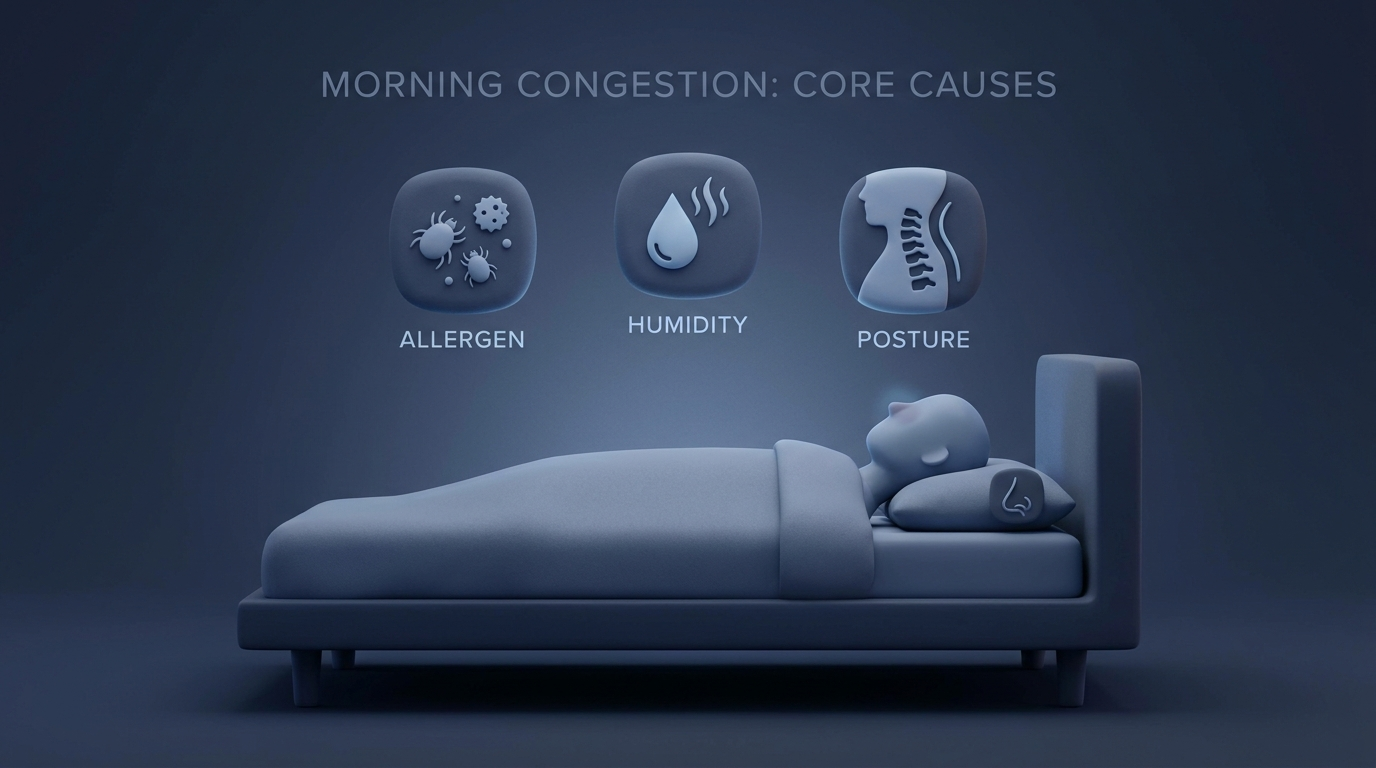
Tips if congestion is affecting sleep
- Reduce irritants (like smoke or strong fragrances)
- Consider humidity adjustments in the bedroom
- Discuss safe short-term options with a clinician if symptoms are significant
Small, consistent changes can make nights more predictable and days more alert.
FAQs
Is a sleep specialist the same as a sleep doctor?
In everyday conversation, yes. “Sleep doctor” usually refers to a sleep medicine physician or somnologist—the clinician who evaluates and treats sleep disorders. [1]
What’s the difference between a somnologist and a pulmonologist?
A pulmonologist focuses on lung and breathing disorders. A sleep specialist focuses on sleep disorders overall (and some pulmonologists also train in sleep medicine). [1]
Do I need a referral to see a sleep specialist?
It depends on your insurance plan and the clinic’s policies. Some patients can self-schedule, while others may need a referral from a primary care clinician.
Can an ENT be a sleep specialist?
Some ENTs have additional sleep medicine training, and even without it, ENTs commonly evaluate airway anatomy related to snoring and obstructive sleep apnea.
Should I do a home sleep test or a lab sleep study?
Home tests can be convenient and may be appropriate for certain patients, while in-lab studies can capture more detailed information and may be preferred in more complex situations. The best choice depends on symptoms and medical history. Learn more here: https://sleepandsinuscenters.com/blog/home-sleep-test-vs-lab-study-which-sleep-test-is-best-for-you
A brief consult can help match the right test to your symptoms.
Conclusion
So, what is a sleep specialist called? A term sometimes used is somnologist, though you’ll often see “sleep medicine physician” or “sleep doctor” used instead. Sleep specialists come from different medical backgrounds (such as pulmonary care, neurology, psychiatry/behavioral sleep medicine, and ENT) and focus on diagnosing sleep disorders, interpreting sleep testing, and building a treatment plan. [1]
If your symptoms suggest sleep apnea, severe daytime sleepiness, or persistent insomnia, a formal evaluation can be an important next step. To explore options at Sleep and Sinus Centers of Georgia, you can start with our pages on snoring and sleep apnea treatment: https://sleepandsinuscenters.com/snoring-sleep-apnea-treatment
Or review how to choose a sleep apnea doctor: https://sleepandsinuscenters.com/blog/sleep-apnea-doctors-near-me-how-to-choose-checklist
Ready to take the next step? You can book an appointment through: https://www.sleepandsinuscenters.com/
Getting the right diagnosis early makes treatment simpler, safer, and more effective.
References
1. Cleveland Clinic — Sleep specialist (somnologist): https://my.clevelandclinic.org/health/articles/sleep-specialist-somnologist
2. Cenas Sleep Medicine Center — Dr. Christos Maragkoudakis (sleep medicine context): http://cenas.ch/en/pc-person/dr-christos-maragkoudakis
This article is for educational purposes only and is not medical advice. Please consult a qualified healthcare provider for diagnosis and treatment.
Don’t let allergies slow you down. Schedule a comprehensive ENT and allergy evaluation at Sleep and Sinus Centers of Georgia. We’re here to find your triggers and guide you toward lasting relief.