Uvulopalatoplasty for Snoring: Benefits, Risks, and Is It Worth It?
If you’re looking into uvulopalatoplasty for snoring, you’re probably asking three practical questions: Does it work? What are the side effects? And am I a good candidate? This post breaks down what the procedure is trying to accomplish (and what it can’t), what research shows about real-world outcomes, and what to consider before choosing laser-assisted uvulopalatoplasty (LAUP) or other forms of soft palate surgery for snoring.
Quick Answer (for skimmers)
Does uvulopalatoplasty stop snoring?
Many people notice short-term snoring improvements, especially after LAUP, but results often fade over time. When researchers look at objective outcomes (like the apnea-hypopnea index, AHI), benefit is inconsistent, and some patients can even worsen. (Franklin 2009; Wischhusen 2019) Think of it this way: LAUP may “quiet” soft palate flutter, but it doesn’t fix other vibration or collapse points.
Bottom line: LAUP can reduce palatal snoring early on, but durability and objective benefits are uncertain.
Is it worth it?
For most people, it’s not a first-line choice—especially if obstructive sleep apnea (OSA) is possible. It may be considered for carefully selected patients (often primary snoring without OSA) after detailed counseling about persistent side effects. (Franklin 2009; Wischhusen 2019)
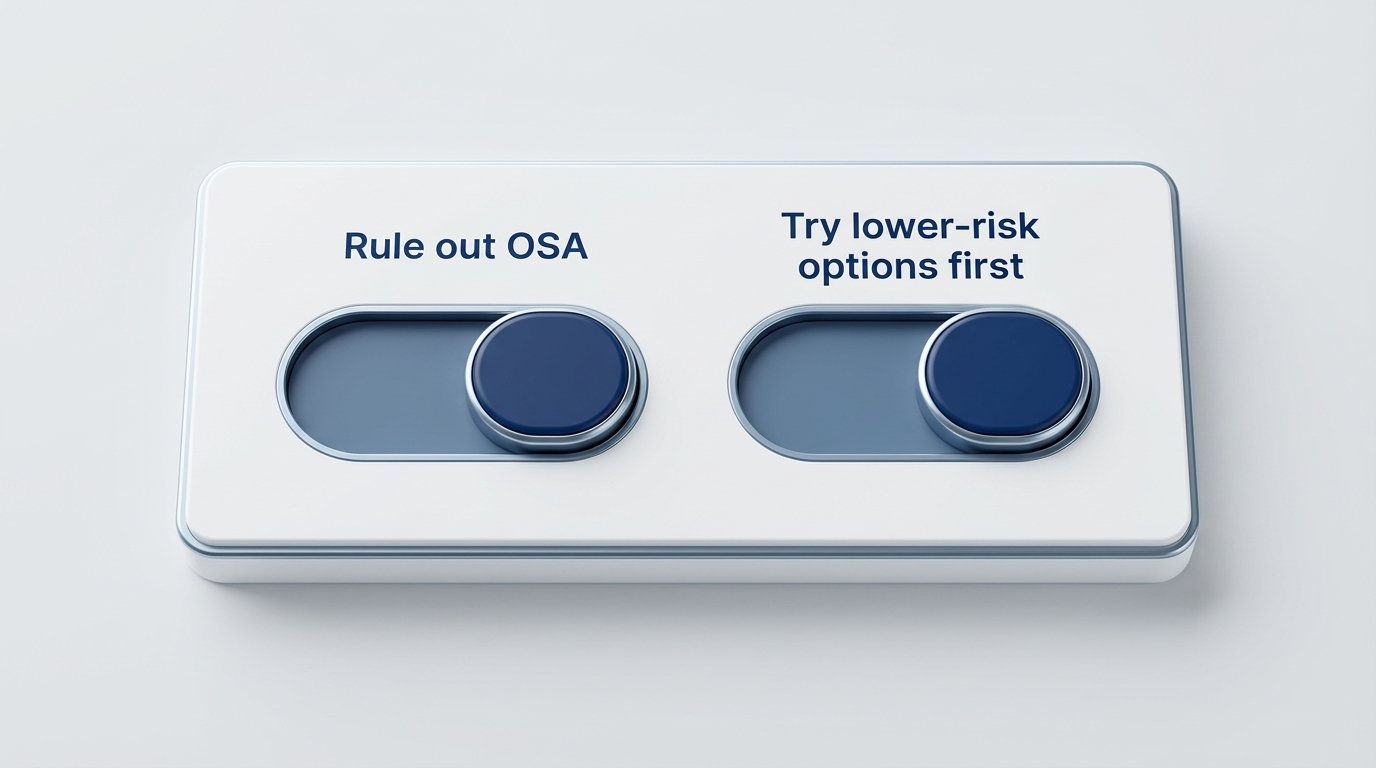
Bottom line: Rule out OSA first and try lower-risk options before considering palate surgery for snoring.
Snoring 101 — When It’s Harmless vs a Warning Sign
Common snoring symptoms
- Loud, habitual snoring
- Dry mouth or sore throat in the morning
- A bed partner describing vibration sounds that seem to come from the back of the throat/soft palate
Clinicians often hear: “I’m not sleepy in the day—I just snore loud enough to wake the house.” That scenario can still be “primary snoring,” but it’s worth checking for apnea if other clues are present.
Symptoms that suggest possible sleep apnea (don’t skip this)
- Choking/gasping at night or witnessed pauses in breathing
- Excessive daytime sleepiness, morning headaches
- High blood pressure, concentration or memory problems
Why it matters: Procedures aimed at snoring alone can miss the bigger problem if OSA is driving the symptoms. For a bigger-picture overview: Snoring & Sleep Apnea Treatment at Sleep and Sinus Centers of Georgia: https://sleepandsinuscenters.com/snoring-sleep-apnea-treatment
Bottom line: If red flags are present, get evaluated for OSA before considering snoring-only procedures.
What Causes Snoring (And Why the Soft Palate Is Often Involved)
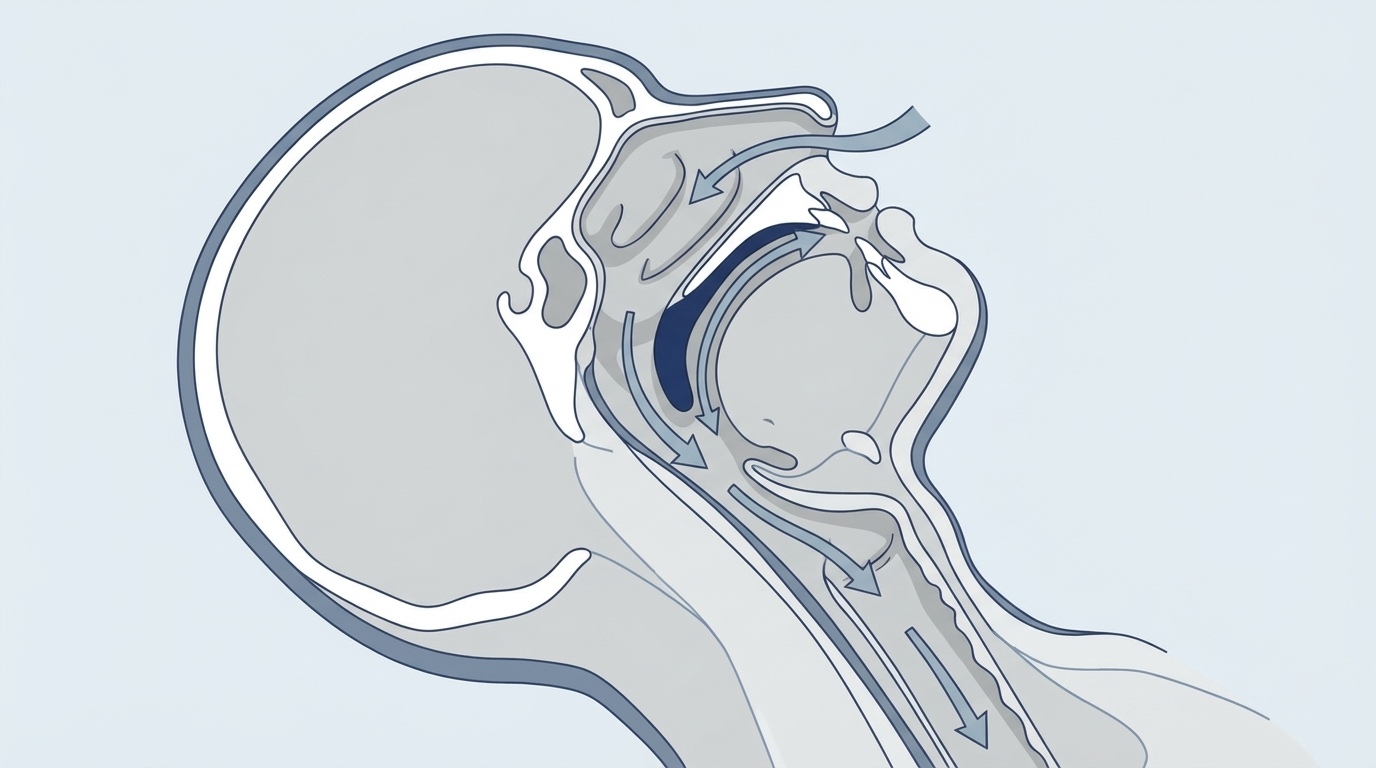
Airflow + vibration
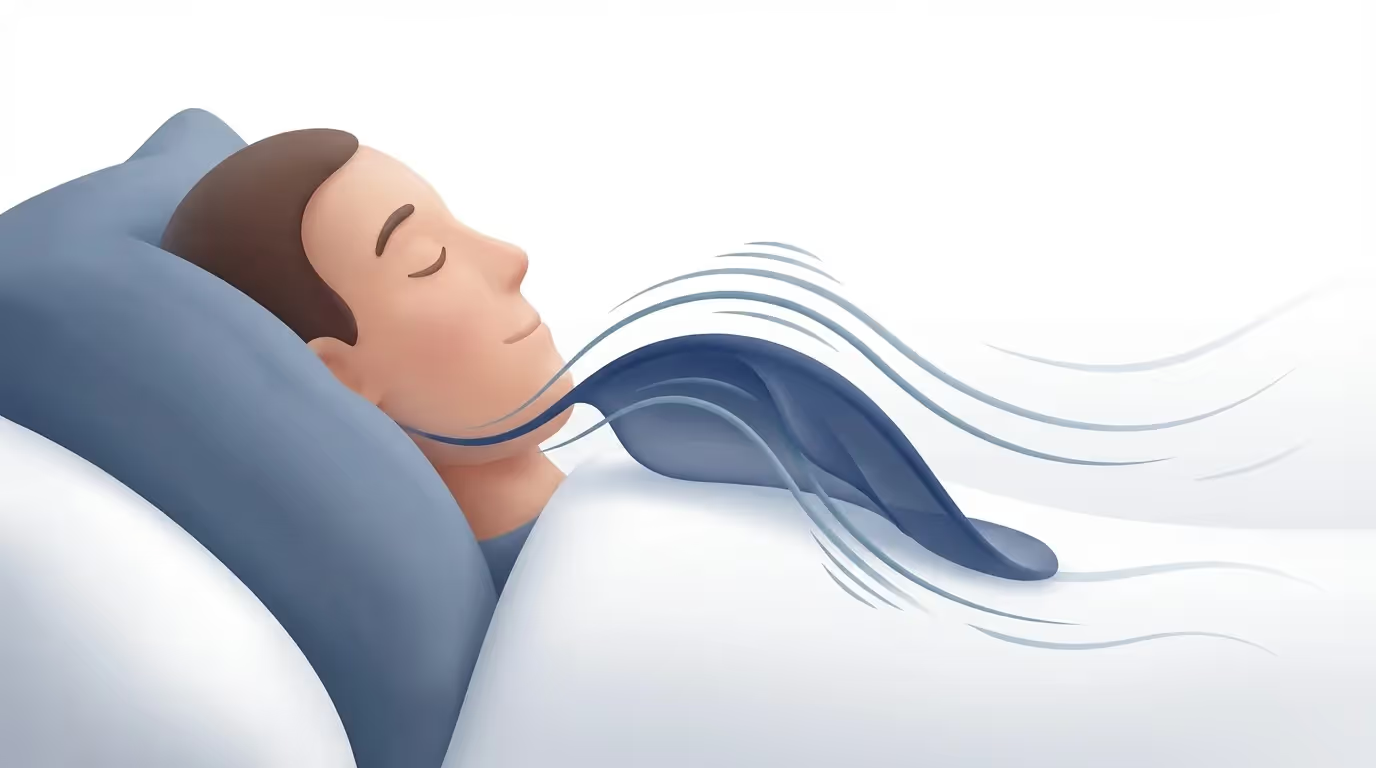
Snoring happens when airflow becomes turbulent during sleep and soft tissues vibrate. The “noise” is the vibration. If the soft palate is a bit loose, it can behave like a small sail—vibrating as you breathe in and out during sleep.
Common anatomical contributors
- Soft palate/uvula laxity (palatal flutter)
- Enlarged tonsils
- Tongue base collapse (more common in OSA)
- Nasal obstruction (deviated septum, allergies, chronic congestion)
This is one reason a one-size-fits-all snoring surgery can disappoint: the loudest sound doesn’t always reveal the main source of blockage.
Bottom line: Snoring often has multiple contributors; treating just the palate may not address the real driver.
What Is Uvulopalatoplasty (and LAUP)?
Definition
Uvulopalatoplasty removes or reshapes part of the uvula and soft palate to reduce tissue vibration—hence its role as soft palate surgery for snoring. In plain terms, the goal is to stiffen/shorten tissue most likely to flutter.
LAUP vs traditional uvulopalatoplasty vs UPPP (plain-language comparison)
- LAUP (laser-assisted uvulopalatoplasty): Uses a laser to trim/sculpt the uvula and soft palate, often performed in an office setting.
- Traditional uvulopalatoplasty: Reduces soft palate/uvula tissue using surgical instruments and/or cautery.
- UPPP: A broader operation involving the uvula and soft palate and often the tonsil region; more commonly discussed in OSA treatment than LAUP. Recovery guide: https://sleepandsinuscenters.com/blog/uvulopalatopharyngoplasty-uppp-recovery-what-to-ex-20260131021103/
What the procedure is trying to fix
Uvulopalatoplasty for snoring targets palatal snoring (soft palate vibration). It does not directly address tongue-base collapse, multi-level obstruction (nose + palate + tongue), or many patterns of OSA obstruction. If your snoring comes from more than the palate, a palate-only procedure may improve the sound somewhat without solving the underlying airflow problem.
Bottom line: Uvulopalatoplasty is designed for palatal flutter; it doesn’t fix tongue-base or multi-level obstruction.
Potential Benefits of Uvulopalatoplasty for Snoring
Short-term snoring reduction (what patients often notice)
Across studies, many patients report less snoring early on (subjective improvements), especially with LAUP. (Franklin 2009; Wischhusen 2019) That early win is real for many—but it doesn’t guarantee durable benefit.
Possible improvements in bed-partner sleep
Early reductions in perceived snoring loudness may help your partner sleep—at least initially.
What benefits are less reliable on sleep studies
When outcomes are measured objectively, randomized trials and systematic reviews show no consistent improvement in daytime sleepiness, quality of life, or objective snoring measures and/or apnea severity metrics like AHI. (Franklin 2009; Wischhusen 2019) AHI primer: https://sleepandsinuscenters.com/blog/ahi-score-explained-understanding-your-sleep-apnea-severity
Bottom line: People may hear less snoring early on, but measurable sleep metrics often don’t improve reliably.
What the Evidence Says (Real-World Results vs Hype)
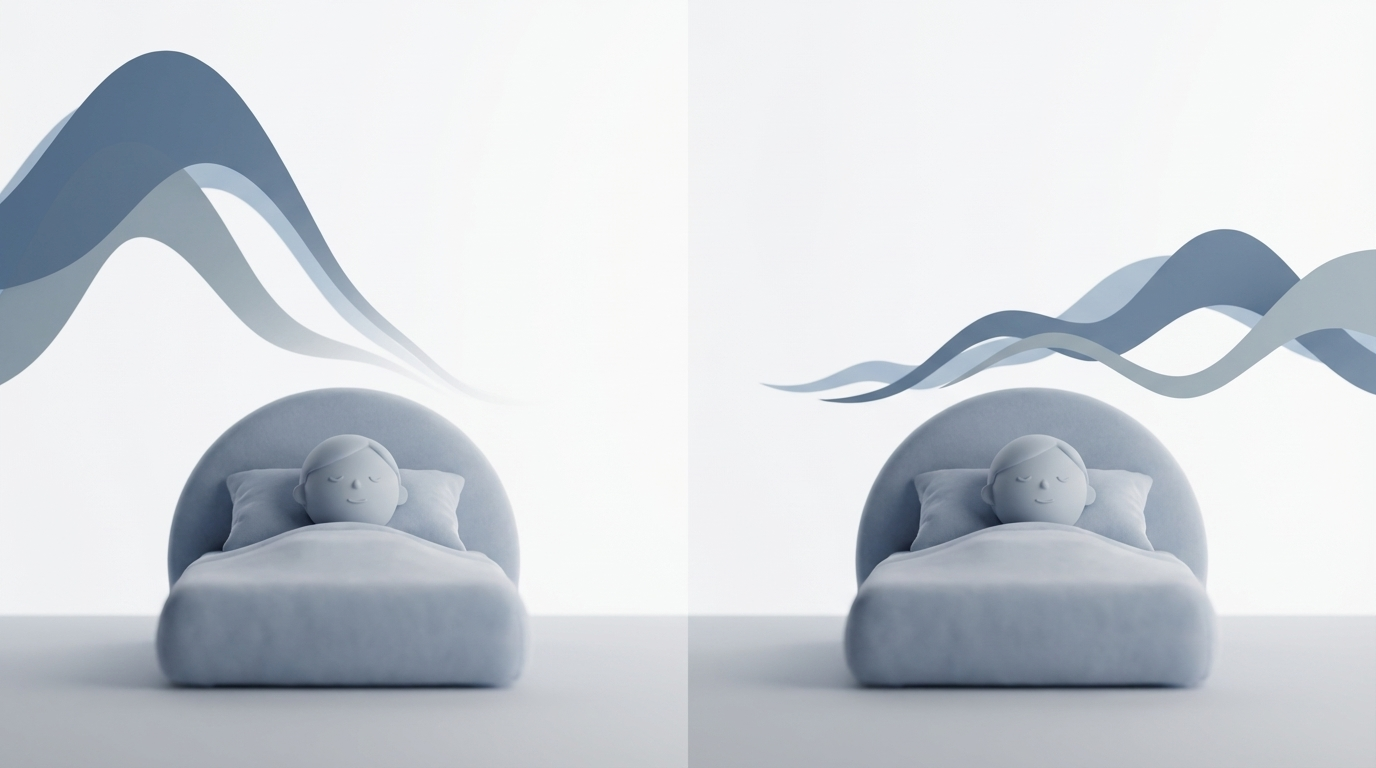
Snoring improvement may fade
Even when snoring improves early, multiple reports suggest the benefit may decline over longer follow-up. (Finkelstein 2002; Wischhusen 2019) Healing and scarring can change the throat’s shape and feel over time—sometimes in unexpected ways.
AHI outcomes are variable—and can worsen
- Mean AHI reduction around 32%
- Overall “success” around 23% (definitions vary)
- About 44% had an increase in AHI, indicating worsening sleep apnea severity
(Wischhusen 2019)
Bottom line on LAUP for OSA
Because of inconsistent objective benefit and the potential for side effects, LAUP is not routinely recommended as a treatment for OSA. (Franklin 2009; Wischhusen 2019)
Bottom line: Results vary widely—some improve, some worsen—so LAUP is not a standard OSA treatment.

Risks and Side Effects (Common, Sometimes Persistent)
Frequent side effects
- Throat dryness
- Globus sensation (feeling like something is stuck in the throat)
- Swallowing difficulty (dysphagia)
- Voice changes
- Velopharyngeal insufficiency and scarring/stenosis complications
(Franklin 2009; Wischhusen 2019) Globus overview: https://sleepandsinuscenters.com/blog/globus-sensation-explained-causes-symptoms-and-treatment-guide
How long can side effects last?
Persistent symptoms have been reported in pooled data in up to about half of patients. (Franklin 2009; Wischhusen 2019) These are often mild to moderate but can be long-lasting for some.
Why late problems can occur
Thermal injury and healing/scarring changes may contribute to late declines in benefit or new throat symptoms over time. (Finkelstein 2002; Wischhusen 2019)
Bottom line: Side effects are common, sometimes persistent, and can include dryness, swallowing changes, and voice changes.
Recovery Expectations (What Patients Should Plan For)
Typical recovery timeline (general)
- Sore throat and swallowing discomfort
- Temporary diet changes (often soft foods early on)
- Follow-up visits to monitor healing and scarring patterns
Many patients plan several quiet days to prioritize hydration, softer foods, and sleep.
When to contact your surgeon urgently
- Bleeding
- Dehydration or inability to swallow fluids
- Fever, worsening pain, or breathing difficulty
Bottom line: Expect a sore throat and soft-food period; call your surgeon promptly for bleeding, dehydration, or breathing concerns.
Who Might Be a Good Candidate?
Best-fit profile (more likely to benefit)
- Primary snoring without OSA is confirmed on sleep testing
- The snoring source appears primarily palatal (exam and sometimes endoscopy help)
- Expectations are realistic: improvement may be partial and not permanent
Who should be cautious or avoid LAUP
- OSA is known or strongly suspected (unless part of a broader, evidence-based plan)
- Significant nasal blockage or tongue-base collapse is likely a major driver
- Voice demands are high (professional voice users should discuss voice risk carefully)
Why a sleep study matters first
A sleep study helps document whether OSA is present and provides a baseline (including AHI), which matters because AHI can worsen in some people after LAUP. (Wischhusen 2019) Testing options: https://sleepandsinuscenters.com/blog/home-sleep-test-vs-lab-study-which-sleep-test-is-best-for-you
Bottom line: Candidates are best selected after sleep testing confirms palatal snoring without OSA and expectations are aligned.
Non-Surgical Treatments to Try First (Often Better Value + Lower Risk)
Lifestyle tips that can reduce snoring
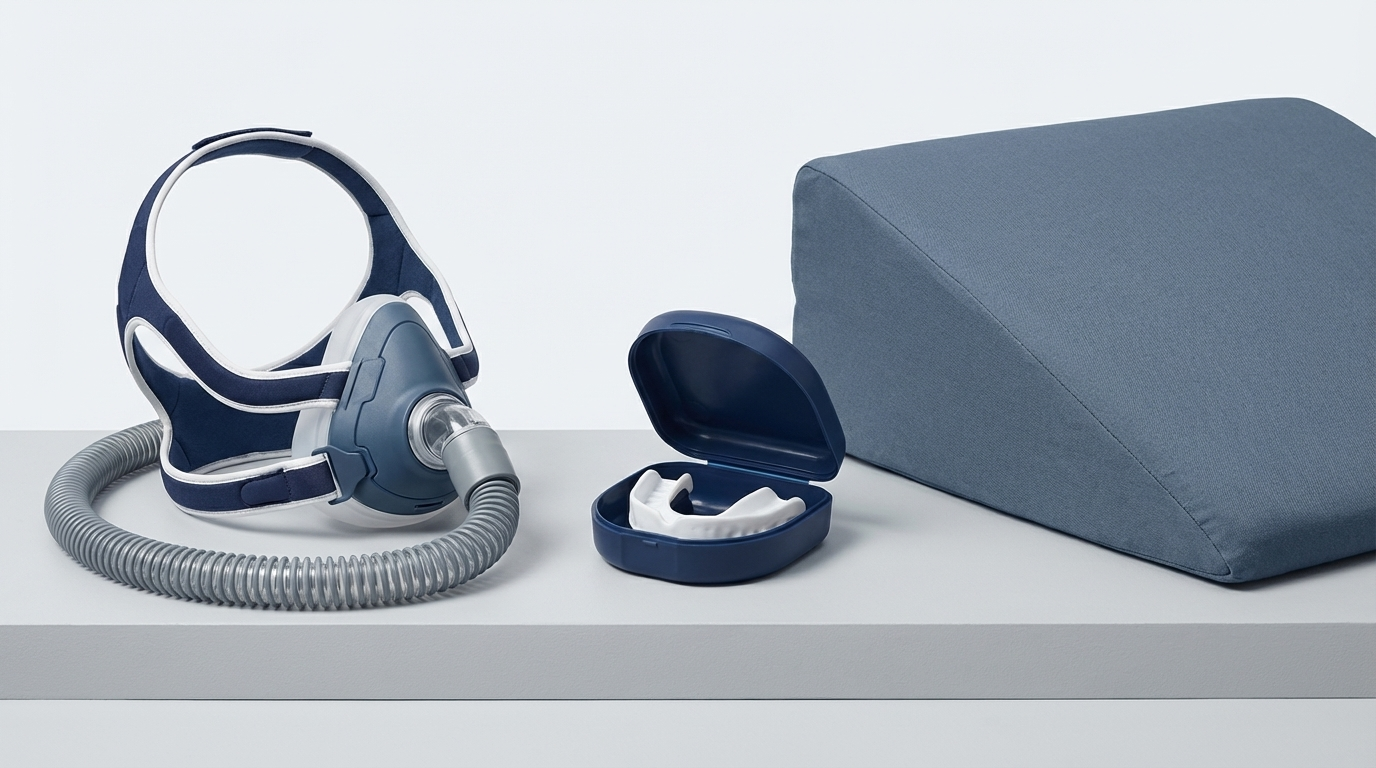
- Side-sleeping/positional strategies (start here: https://sleepandsinuscenters.com/blog/best-sleeping-position-for-snoring-mild-apnea)
- Weight management when applicable
- Avoiding alcohol/sedatives near bedtime
- Treating nasal congestion/allergies
Devices and therapies
- Oral appliance therapy (mandibular advancement devices)
- CPAP/APAP if OSA is diagnosed
Compare options: https://sleepandsinuscenters.com/blog/oral-appliance-vs-cpap-which-is-right-for-you
Fix the “upstream” nasal problem when present
Nasal resistance can worsen snoring and affect tolerance of other therapies. Management may include medications for rhinitis/allergies or structural correction when indicated.
Bottom line: Start with conservative steps and device-based therapies—they’re often safer, effective, and reversible.
Surgical Alternatives (Often Better-Studied Than LAUP for OSA Pathways)
- UPPP and related palate procedures: Considered in selected cases, often as part of multi-level planning rather than snoring-only.
- Nasal surgery or turbinate reduction: For clear nasal obstruction contributing to snoring or affecting PAP tolerance.
- Multi-level or modern OSA procedures: Discussed based on anatomy, severity, and goals during a sleep-surgery evaluation.
Bottom line: If surgery is considered, a tailored, multi-level plan often outperforms palate-only approaches.
“Is It Worth It?” A Patient-Friendly Decision Checklist
Questions to ask yourself
- Have I had a sleep study to rule out OSA?
- Does my snoring seem mainly from the soft palate?
- Am I comfortable with a meaningful chance of persistent throat symptoms?
- Would non-surgical options likely solve the problem with fewer downsides?
Questions to ask your ENT/sleep specialist
- What is my likelihood of durable benefit given my anatomy?
- Which side effects do you see most often in your patients?
- What are my options if snoring returns?
- If I have mild OSA, could this worsen my AHI? (Wischhusen 2019)
Bottom line: Make decisions after sleep testing, side-effect counseling, and comparing lower-risk alternatives.
When to See a Specialist
Red flags that should prompt a sleep/ENT evaluation
- Loud snoring plus witnessed apneas, choking, or excessive daytime sleepiness
- High blood pressure or heart risk factors with snoring
What an evaluation may include
- Airway and nasal assessment
- Home or lab sleep study to document AHI/OSA status
Appointment: Book with Sleep and Sinus Centers of Georgia: https://www.sleepandsinuscenters.com/
Bottom line: If snoring comes with apnea clues or health risks, schedule a sleep/ENT evaluation.
Conclusion (Balanced Takeaway)
Uvulopalatoplasty for snoring—including LAUP—can reduce snoring short-term for some people, but long-term durability is uncertain, objective outcomes are variable, and persistent side effects are common. (Franklin 2009; Wischhusen 2019; Finkelstein 2002) A practical approach is to treat the likely cause, rule out OSA first, and compare options with lower risk before choosing soft palate surgery.
Bottom line: For most, test for OSA and try conservative options first; consider uvulopalatoplasty only after careful selection and counseling.
References
1. Franklin KA et al. Effects and side-effects of surgery for snoring and obstructive sleep apnoea – a systematic review. 2009. https://pmc.ncbi.nlm.nih.gov/articles/PMC2625321/
2. Wischhusen J et al. Laser-assisted uvulopalatoplasty (LAUP) complications and side effects: a systematic review. 2019. https://pmc.ncbi.nlm.nih.gov/articles/PMC6549768/
3. Finkelstein Y et al. Laser-Assisted Uvulopalatoplasty for the Management of Snoring. 2002. https://jamanetwork.com/journals/jamaotolaryngology/fullarticle/482816
Disclaimer
This article is for educational purposes only and is not medical advice. Please consult a qualified healthcare provider for diagnosis and treatment.
Don’t let allergies slow you down. Schedule a comprehensive ENT and allergy evaluation at Sleep and Sinus Centers of Georgia. We’re here to find your triggers and guide you toward lasting relief.