
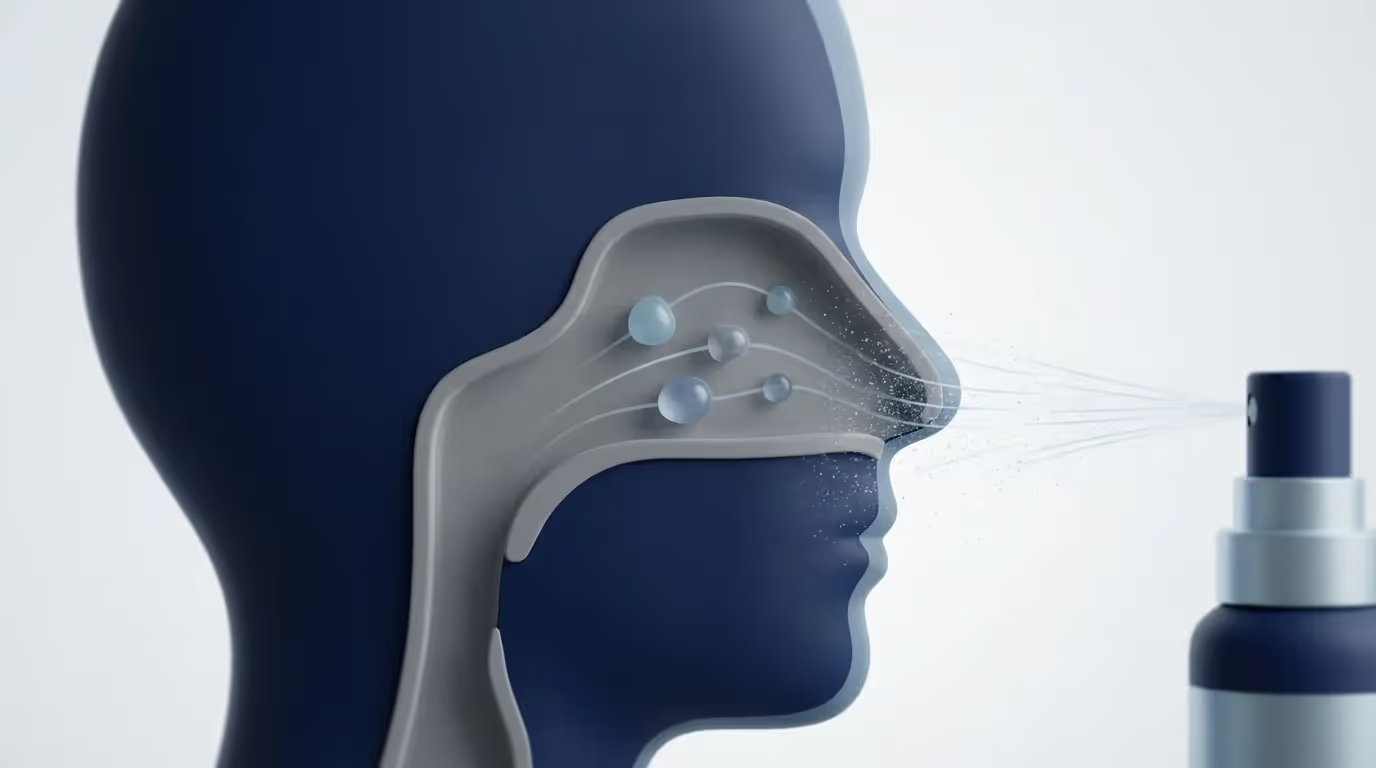
Steroid Nasal Spray for Nasal Polyps: Does It Work?
Quick Answer (For Patients in a Hurry)
Yes—steroid nasal sprays are a first-line treatment for chronic rhinosinusitis with nasal polyps (CRSwNP) and can help:
- reduce polyp size
- improve congestion and sense of smell
- reduce the chance of nasal polyp recurrence after surgery
Evidence summaries and guidelines support these benefits. [1][2]
What to do next (high-level, educational takeaways):
- Benefits often require consistent daily use for several weeks—it’s maintenance therapy, not a quick decongestant.
- Technique matters for getting medication where it needs to go.
- If symptoms persist, consider discussing higher-deposition options (like steroid nasal irrigation or a fluticasone exhalation delivery system) or other therapies—clinical trials of exhalation delivery systems show meaningful symptom and CT improvements. [3][4]
What Are Nasal Polyps—and Why They Cause So Many Symptoms?
What polyps are (simple explanation)
Nasal polyps are soft, non-cancerous inflammatory growths that form inside the nose and sinus passages. They’re usually tied to ongoing inflammation rather than infection alone—meaning antibiotics aren’t the main solution when inflammation is the real driver.
A simple way to picture them: polyps can act like small “water balloons” of swollen tissue that take up space where air should be moving freely. For a deeper overview, see our guide on what nasal polyps are: https://sleepandsinuscenters.com/blog/what-are-nasal-polyps
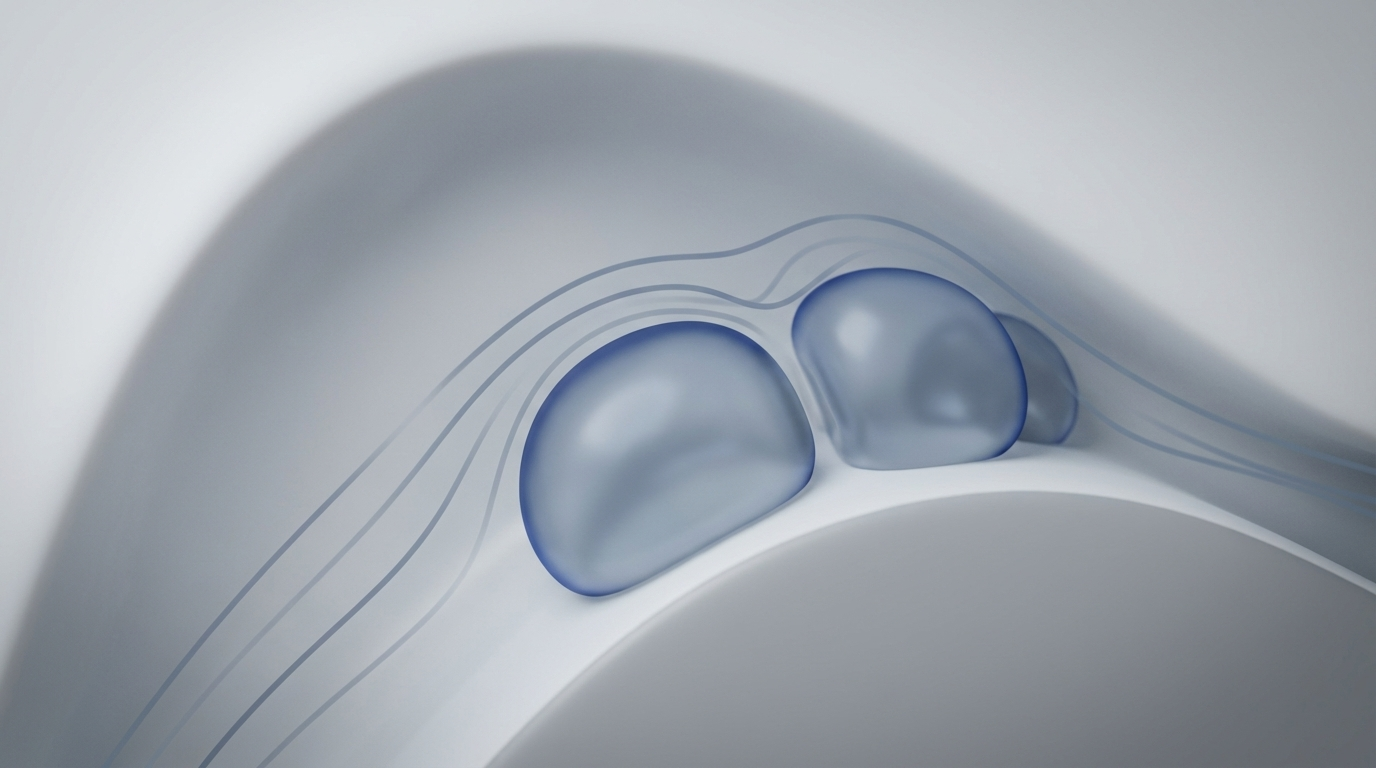
How polyps block airflow and drainage
Polyps cause symptoms in two main ways:
- Physical blockage: They can narrow the nasal airway, leading to persistent congestion, mouth breathing, and disrupted sleep.
- Inflammation effects: The sinus lining stays swollen and irritated, which can change mucus flow and contribute to facial pressure and drainage problems.
When drainage pathways narrow, mucus may linger longer than usual. That can make people feel “stuffy all the time,” even if they’re not actively sick.
Bottom line: polyps are a sign of chronic inflammation that narrows airflow and disrupts sinus drainage over time.
Symptoms of Nasal Polyps (When to Suspect Them)
Common symptoms
Nasal polyps often show up as a cluster of symptoms, such as:
- ongoing nasal congestion or a blocked nose
- reduced or lost sense of smell (hyposmia/anosmia)
- post-nasal drip or chronic runny nose
- facial pressure/fullness
- snoring or poor sleep related to nasal blockage
A common patient description is: “I can breathe through my nose for a day or two—then it’s clogged again.” That pattern can fit chronic inflammation.
Symptoms that suggest “more than allergies”
Allergies can cause congestion too—but polyps are more likely when:
- symptoms last longer than 12 weeks
- symptoms do not respond well to typical allergy medications
- there are frequent “sinus infection” flare-ups (sometimes inflammation is the driver, not bacteria)
If you’ve tried antihistamines or standard allergy sprays and still can’t smell or breathe well, it’s reasonable to ask your healthcare provider whether polyps or CRSwNP could be part of the picture.
When to seek urgent care (red flags)
Some symptoms should be evaluated urgently, including:
- vision changes or significant swelling around the eyes
- high fever with severe headache or neck stiffness
- heavy or recurrent nosebleeds, especially if new
If symptoms are persistent, severe, or include red flags, timely medical evaluation is important.
Causes & Risk Factors: Why Do Nasal Polyps Develop?
Chronic inflammation (the main driver)
CRSwNP involves long-term inflammation of the sinus lining. Over time, that inflammatory swelling can contribute to polyp growth and stubborn symptoms. [1][2]
One helpful analogy: if the sinus lining is like “skin on the inside,” CRSwNP is like a rash that keeps getting re-irritated—and polyps can be one of the physical results of that chronic irritation.
Common associated conditions
Nasal polyps commonly overlap with:
- asthma and other allergic/inflammatory conditions
- aspirin-exacerbated respiratory disease (AERD)
If you have asthma plus persistent nasal blockage and smell loss, it’s especially worth getting evaluated for CRSwNP and related conditions.
Why polyps keep coming back
Recurrence is common because:
- the underlying inflammatory signals can persist even after polyps shrink or are removed
- standard sprays may not always reach deeper sinus areas effectively, which can limit results for some people [2][3]
This “delivery challenge” is a big reason why newer options—like steroid nasal irrigation or an exhalation delivery device—can be discussed when symptoms don’t improve enough.
Because CRSwNP is a chronic inflammatory condition, ongoing control and effective medication delivery matter for long-term success.
How Steroid Nasal Sprays Work for Nasal Polyps
What “intranasal corticosteroid” means
An intranasal corticosteroid is an anti-inflammatory medication applied directly inside the nose. Unlike oral steroids that affect the whole body, topical nasal steroids are designed to focus treatment where inflammation lives in CRSwNP.
Many clinicians explain it this way: “We’re trying to calm the inflamed lining daily so it stops producing swelling and polyp tissue.” That’s why consistent use matters.
What benefits to expect (and what it won’t do)
A steroid nasal spray for nasal polyps can help:
- shrink polyp tissue over time
- reduce swelling and mucus
- improve nasal airflow and, for many people, smell
- reduce flare-ups in chronic disease [1][2]
However, sprays may be less effective when polyps are large, anatomy blocks medication flow, or inflammation is more refractory—situations where alternative delivery methods or additional treatments may be considered. [2][3]
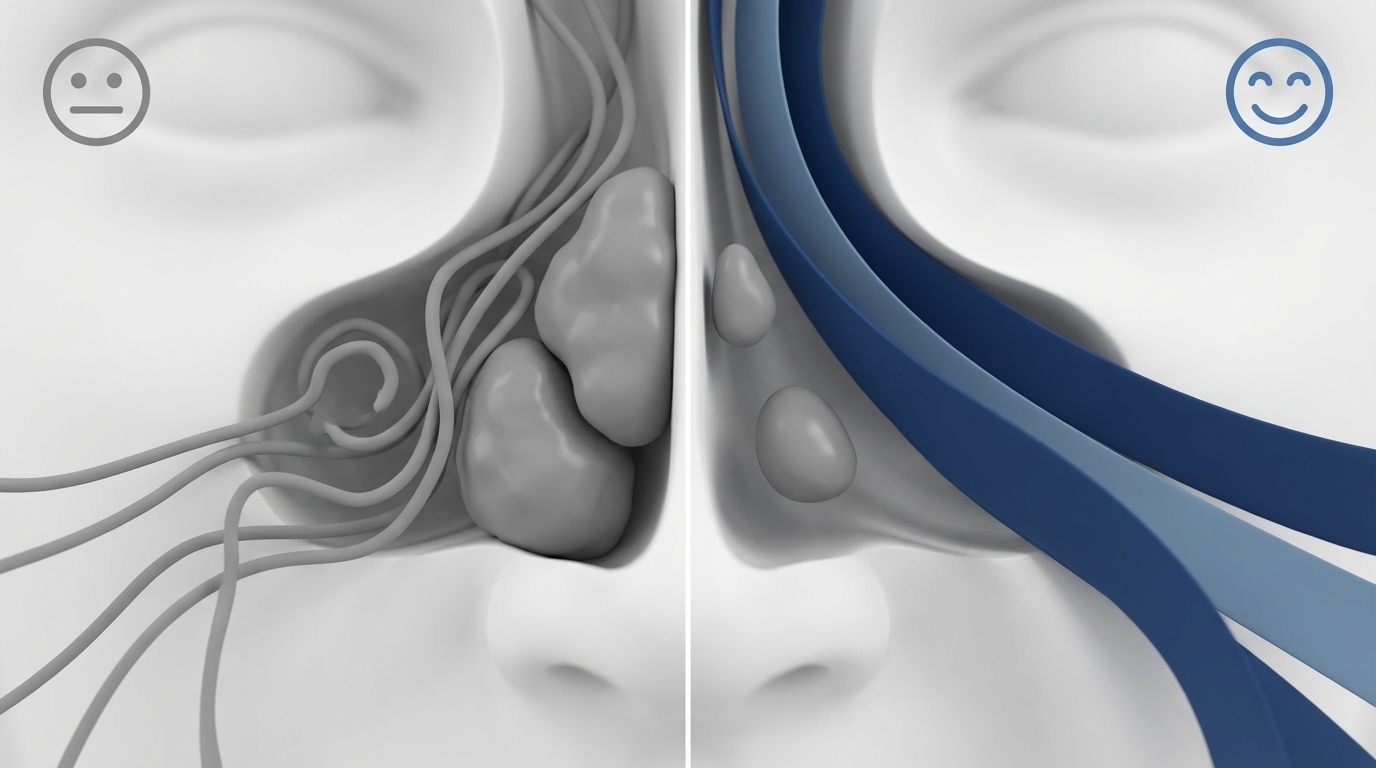
How long do they take to work?
Many people notice changes in days to a couple of weeks, but the full benefit often takes several weeks of consistent daily use. That timeline is important—especially for smell loss, which can improve more slowly. If you do not feel relief within days, keep using as directed and check your technique with a clinician.
Topical steroids calm inflammation gradually—steady daily use and good technique are key to results.
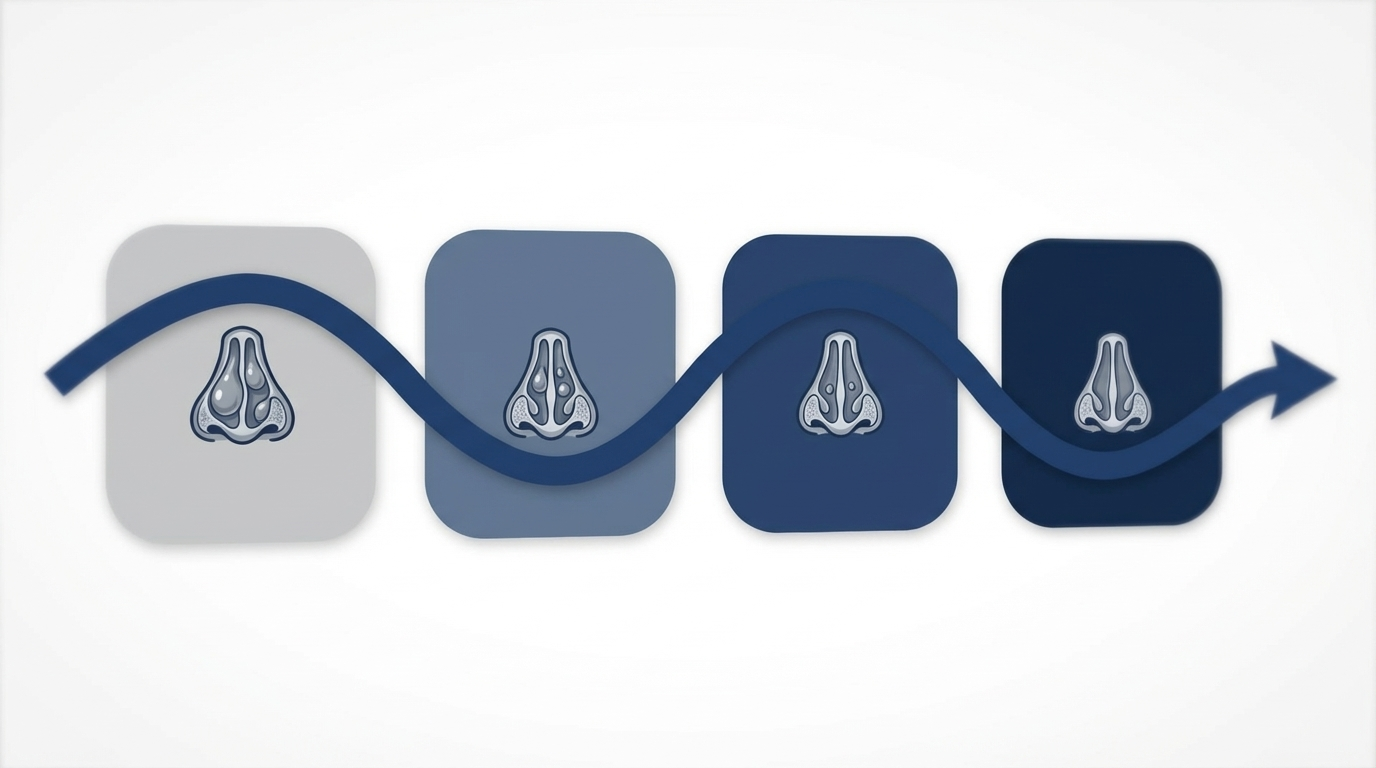
Does Steroid Nasal Spray Prevent Polyps from Coming Back After Surgery?
What the evidence says
Intranasal steroids have been shown to reduce recurrence after endoscopic sinus surgery and improve longer-term outcomes. [1] For many patients, topical steroid therapy becomes part of ongoing baseline control for CRSwNP.
In other words, surgery may “open the door,” but anti-inflammatory maintenance helps keep swelling and regrowth from taking over again.
Why delivery matters after surgery
After surgery, sinus openings may be more accessible, which can improve how well topical treatments reach inflamed areas—especially when higher-volume approaches (like irrigations) are used. [2] Patients often notice that rinses and sprays go farther post-op because the pathways are less obstructed than before.
Topical steroids remain important after surgery to help limit nasal polyp recurrence after surgery.
Treatment Options: Which Steroid Delivery Method Is Best?
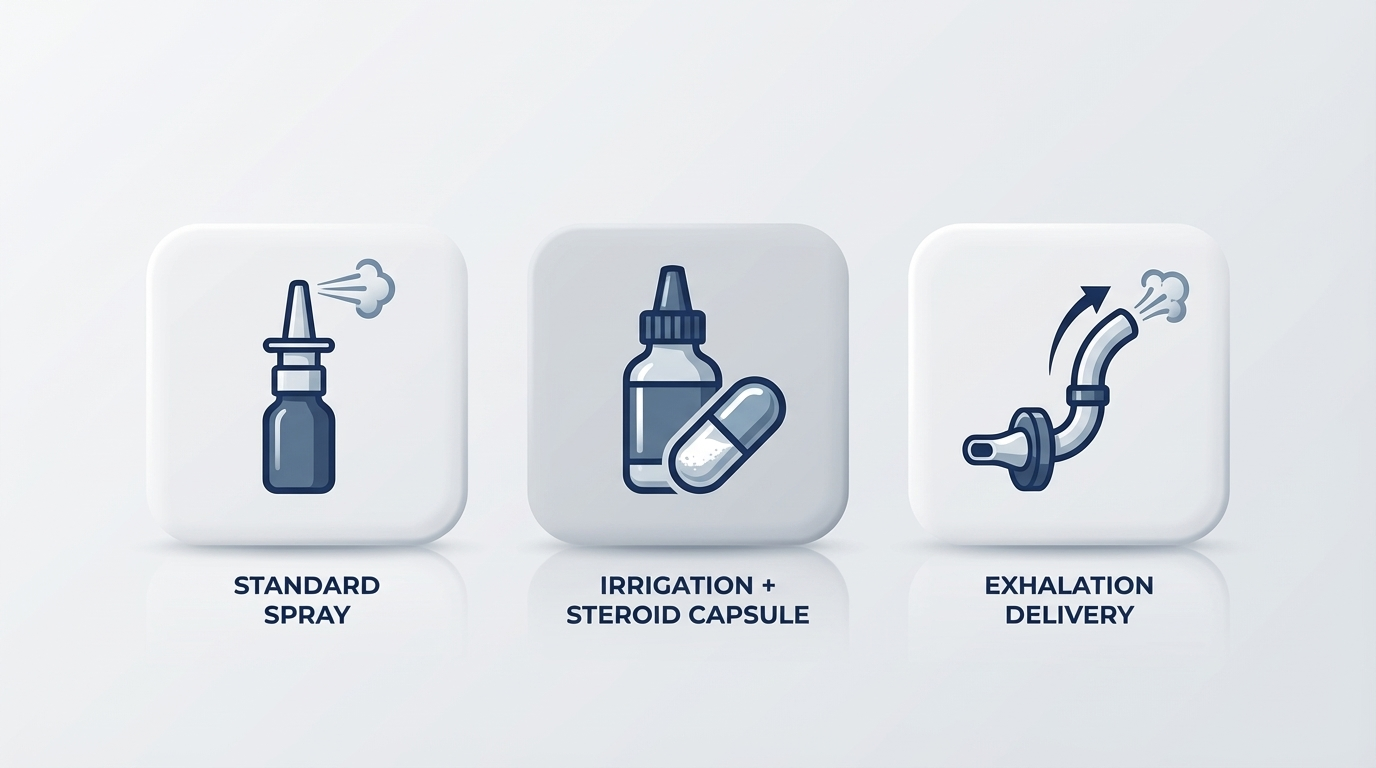
There are multiple topical steroid options, and the best choice depends on anatomy, severity, prior surgery, and symptom control. Direct head-to-head comparisons are limited, but several approaches have evidence for meaningful improvement. [2]
1) Standard steroid nasal sprays (most common first step)
Pros: easy to use, widely available, strong safety profile
Cons: may not deposit medication high/deep enough in all patients, especially when polyps obstruct airflow [2]
A helpful image: a standard spray can be like watering the front of a garden—useful, but it may not reach farther back areas if a fence (obstruction) is in the way.
2) Steroid nasal irrigations (high-volume rinses with steroid)
These are often considered after surgery or when symptoms persist. Higher-volume delivery can improve deposition in relevant areas, and some patients experience larger improvements than with spray alone (though comparisons vary). [2]
Related reading: https://sleepandsinuscenters.com/blog/steroid-rinses-a-modern-approach-to-sinus-relief
Many people use a routine like: rinse first → then apply steroid, so the medication has a cleaner surface to contact.
3) Exhalation Delivery System with fluticasone (EDS‑FLU)
This device uses exhaled breath to help move medication deeper/higher in the nasal passages than a traditional spray. In randomized clinical trials, a fluticasone exhalation delivery system was associated with:
- significant symptom score improvements
- improved CT findings (less sinus opacification)
- fewer acute exacerbations
- safety comparable to standard sprays [3][4]
While results are promising, more studies directly comparing delivery systems are ongoing. For patients who have used correct technique and dosing with a standard spray but still feel blocked, this is an evidence-supported option to discuss. [3][4]
4) Steroid-eluting stents (typically used around surgery)
In select surgical settings, ENTs may use steroid-eluting implants/stents to deliver medication locally to healing tissues. These can help reduce inflammation and scarring in appropriate candidates. [2]
What we can conclude today:
- Across studies and evidence summaries, multiple topical steroid delivery forms improve patient-important outcomes in CRSwNP. [2]
- If a steroid nasal spray for nasal polyps isn’t enough, it’s reasonable to discuss technique optimization, irrigations, an exhalation delivery device, and additional therapies (including surgery or biologics) depending on severity. [1][2][3][4]
Choose the delivery method that reliably reaches inflamed areas—better deposition often means better outcomes.
Safety: Are Steroid Nasal Sprays Safe for Long-Term Use?
Typical side effects (usually mild)
Most side effects are local and manageable, such as:
- nasal dryness or irritation
- mild nosebleeds
- throat irritation/aftertaste (varies by product and device)
If you experience nosebleeds, consult your healthcare provider to review technique and dosing before continuing.
What research shows about tolerability
Topical intranasal steroids are generally well tolerated, with mostly mild adverse events reported in reviews and trials. Rare side effects can occur; ongoing follow-up with a clinician helps ensure safe, effective use. [2][3] Note that oral corticosteroids have different risk profiles and are not the focus here.
Tips to reduce side effects
Educational technique and comfort tips often include:
- aiming away from the nasal septum (the middle wall)
- using saline for dryness
- checking with a clinician if nosebleeds are recurrent or worsening
- verifying your spray technique with a healthcare provider for personalized guidance
Used correctly, intranasal corticosteroids have a strong safety profile for long-term control.
How to Use a Steroid Nasal Spray Correctly (So It Actually Works)
Correct technique can improve comfort and results. For a detailed walkthrough, see our step-by-step guide: https://sleepandsinuscenters.com/blog/steroid-nasal-spray-technique-step-by-step-guide-for-effective-use
Step-by-step technique (patient-friendly)
1. Gently blow your nose first (don’t overdo it).
2. Keep your head level or slightly tilted forward (chin slightly down).
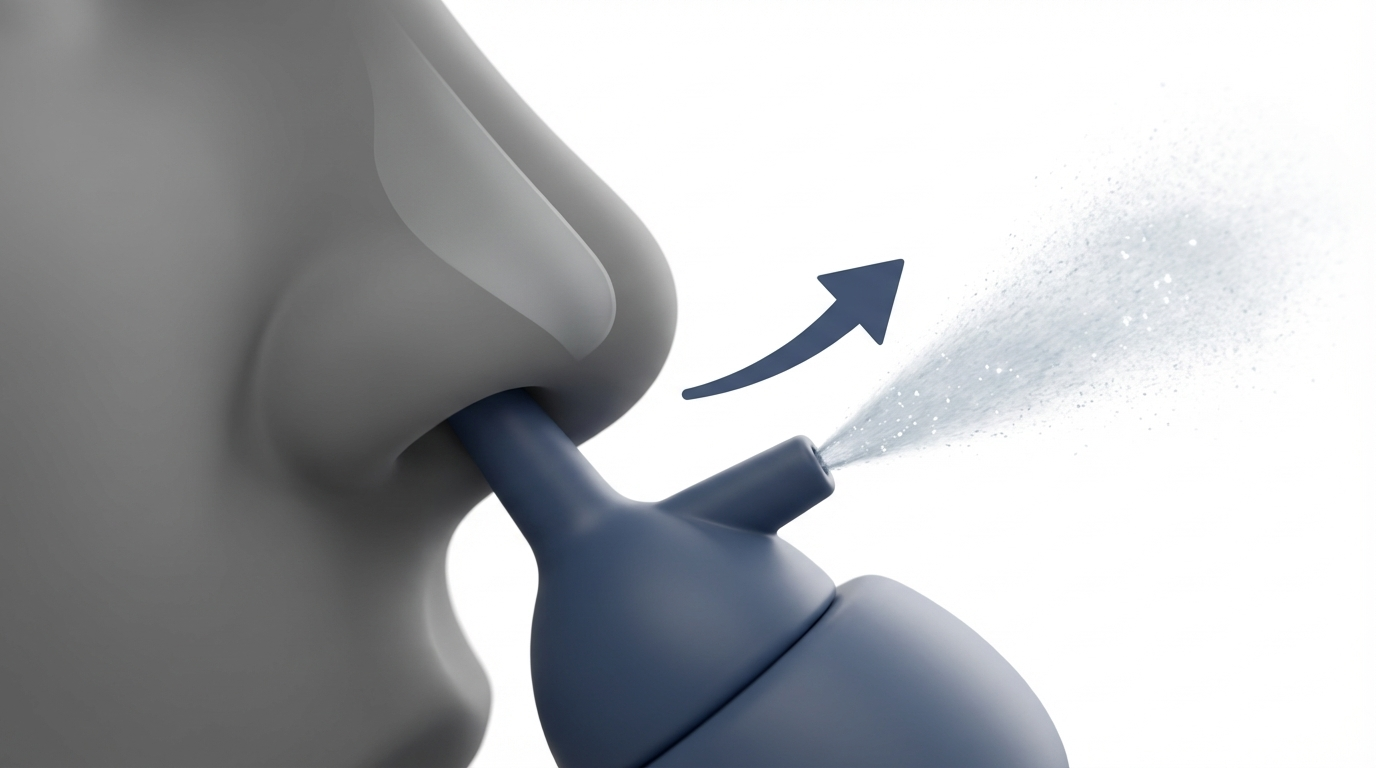
3. Insert the nozzle and aim outward toward the ear (not toward the septum).
4. Breathe in gently while spraying (avoid strong sniffing).
5. Repeat on the other side as directed on the product label.
If it helps, imagine the spray needs to land on the outer wall of the nose where inflammation often is—not directly onto the sensitive middle divider. If you’re unsure, ask your healthcare provider to confirm your technique.
Small technique tweaks can dramatically improve where the medicine lands—and how well it works.
Lifestyle Tips That Help Alongside Steroid Nasal Sprays
Saline rinses (when and why)
Saline can help clear mucus and irritants and may make it easier for topical medication to contact the nasal lining—many people use a rinse then spray routine.
Allergen and irritant control
Inflammation can worsen with triggers like smoke, strong fragrances, dust, and seasonal pollens. In some cases, allergy evaluation helps clarify contributors.
Sleep and breathing support
Dry indoor air can worsen irritation—humidification may help some people. If you use CPAP and nasal blockage interferes with comfort, addressing nasal inflammation can be an important part of overall sleep quality.
Daily habits that reduce irritation can amplify the benefits of your steroid spray.
When Steroid Nasal Spray Isn’t Enough: Next-Step Treatments
Signs you may need escalation
Common reasons to re-evaluate the plan include:
- persistent blockage or smell loss despite correct daily use
- frequent flares needing repeated oral steroid courses
- symptoms returning quickly after surgery
A practical checkpoint: if you’ve been consistent for several weeks with good technique and still feel significantly impaired, consider discussing next steps with a healthcare provider.
Options your ENT may discuss
Depending on severity and prior treatment history, discussions may include:
- optimizing topical delivery (irrigations, EDS‑FLU) [2][3][4]
- short courses of oral steroids in select situations
- endoscopic sinus surgery when appropriate medical therapy doesn’t control disease [1]
Related reading: https://sleepandsinuscenters.com/blog/endoscopic-sinus-surgery-what-patients-should-know
- biologic medications for severe/uncontrolled CRSwNP (for selected patients)
If standard sprays fall short, better delivery, surgery, or biologics may help control stubborn inflammation.
FAQs
Can a steroid nasal spray shrink nasal polyps?
Yes. Intranasal corticosteroids have been shown to reduce polyp size and improve symptoms in CRSwNP. [1][2]
How long does it take for steroid nasal spray to work for nasal polyps?
Some improvement can happen within days to weeks, but maximum benefit often takes several weeks of consistent use.
Do nasal polyps come back after I stop the spray?
They can. CRSwNP is a chronic inflammatory condition, and ongoing anti-inflammatory treatment is associated with lower recurrence risk. [1]
Is the exhalation delivery system better than a regular spray?
Randomized trials show significant symptom and CT improvements with exhalation delivery of fluticasone and similar safety to sprays; direct head-to-head comparisons are limited, and more comparative studies are ongoing. [3][4]
Are steroid nasal sprays safe every day?
They’re generally well tolerated with mostly mild local side effects in studies and reviews, but individual factors vary—discuss questions and risks with a clinician. [2][3]
What if I can’t smell at all?
Smell loss is common with polyps. Topical steroids may help, but persistent anosmia often warrants ENT evaluation (and sometimes imaging/endoscopy) to confirm the cause and consider next-step options.
If you have ongoing symptoms or questions, your healthcare provider can tailor a plan to your specific needs.
When to See an ENT for Nasal Polyps
Appointment triggers
Consider an evaluation if you have:
- symptoms lasting more than 12 weeks
- recurrent “sinus infections”/flares
- smell loss affecting quality of life
- interest in advanced delivery devices, surgery, or other step-up therapies
What an ENT visit may include
At Sleep and Sinus Centers of Georgia, an evaluation may include:
- nasal endoscopy
- CT imaging if needed
- a personalized plan that may involve spray, irrigation, an exhalation delivery device, and/or surgery depending on findings
Book an appointment: https://sleepandsinuscenters.com/appointments
Learn more about our services: https://www.sleepandsinuscenters.com/
Early evaluation helps confirm the diagnosis and match the delivery method to your anatomy and disease severity.
Conclusion
A steroid nasal spray for nasal polyps is an evidence-based first-line therapy for CRSwNP, with proven benefits for symptom relief and reducing recurrence after sinus surgery. [1][2] For people who don’t improve enough with standard sprays, higher-deposition approaches—such as steroid nasal irrigation or an exhalation delivery device with fluticasone—have strong supporting data and may be worth discussing. [2][3][4]
If you’re still congested, still losing your sense of smell, or symptoms have lasted more than 12 weeks, book an appointment with Sleep and Sinus Centers of Georgia to confirm whether polyps are present and review treatment options: https://sleepandsinuscenters.com/appointments
Effective care pairs the right diagnosis with the right delivery method—consistently.
References
1. European Position Paper on Rhinosinusitis and Nasal Polyps 2020 (EPOS2020). https://www.rhinologyjournal.com/Documents/Supplements/supplement_29.pdf
2. GRADE Systematic Review (J Allergy Clin Immunol, 2022). https://www.allergyparameters.org/uploads/documents/GRADE_Systematic_Review.pdf
3. Exhalation Delivery System with Fluticasone—trials & safety (Int Forum Allergy Rhinol, 2022). https://pmc.ncbi.nlm.nih.gov/articles/PMC10084243/
4. ReOpen1 & ReOpen2 randomized trials (JACI: In Practice, 2024). https://www.jaci-inpractice.org/article/S2213-2198(23)01365-X/fulltext
Disclaimer: This article is for educational purposes only and is not medical advice. Please consult a qualified healthcare provider for diagnosis and treatment.
Don’t let allergies slow you down. Schedule a comprehensive ENT and allergy evaluation at Sleep and Sinus Centers of Georgia. We’re here to find your triggers and guide you toward lasting relief.