Sleep Study Cost with Insurance: What You’ll Pay and How to Save
If you’re planning testing for possible sleep apnea or another sleep disorder, it’s normal to wonder what a sleep study will cost—especially once insurance, deductibles, and network rules get involved. The truth is that sleep study cost with insurance varies widely, but most people can get a clearer estimate (and often lower their out-of-pocket share) with a few smart steps before scheduling.
A helpful way to think about pricing: the number you see on a bill is often like a “menu price,” while your insurer typically pays a negotiated “member price” (the allowed amount). Your responsibility is then based on your deductible, copay, and coinsurance.
Featured snippet answer (what you may pay): With insurance, many patients may pay a copay or coinsurance after meeting their deductible; exact cost depends on your plan, network status, and whether you do an in-lab study or a home test. (Sleep Foundation, 2024; GoodRx, 2023)
Why Sleep Studies Can Be Expensive (and Why Prices Vary So Much)
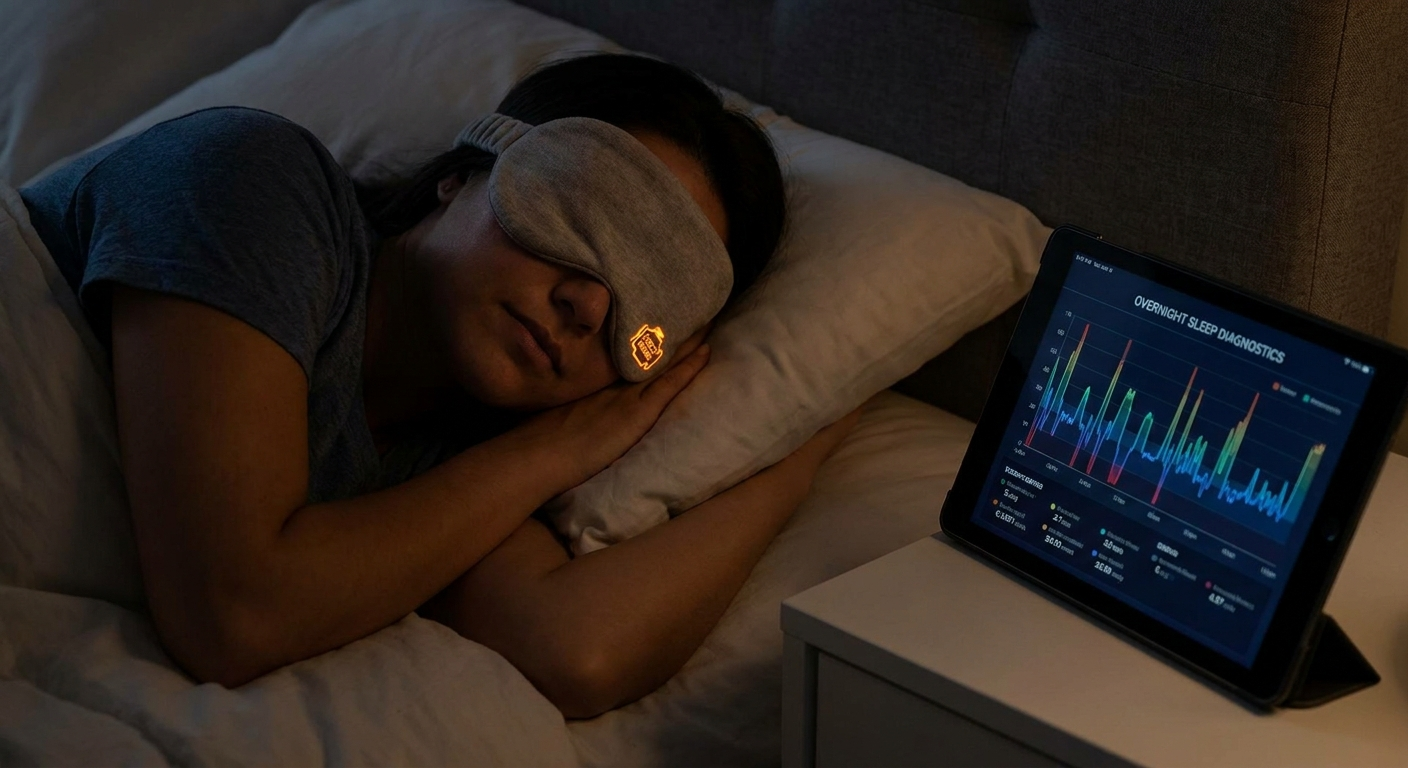
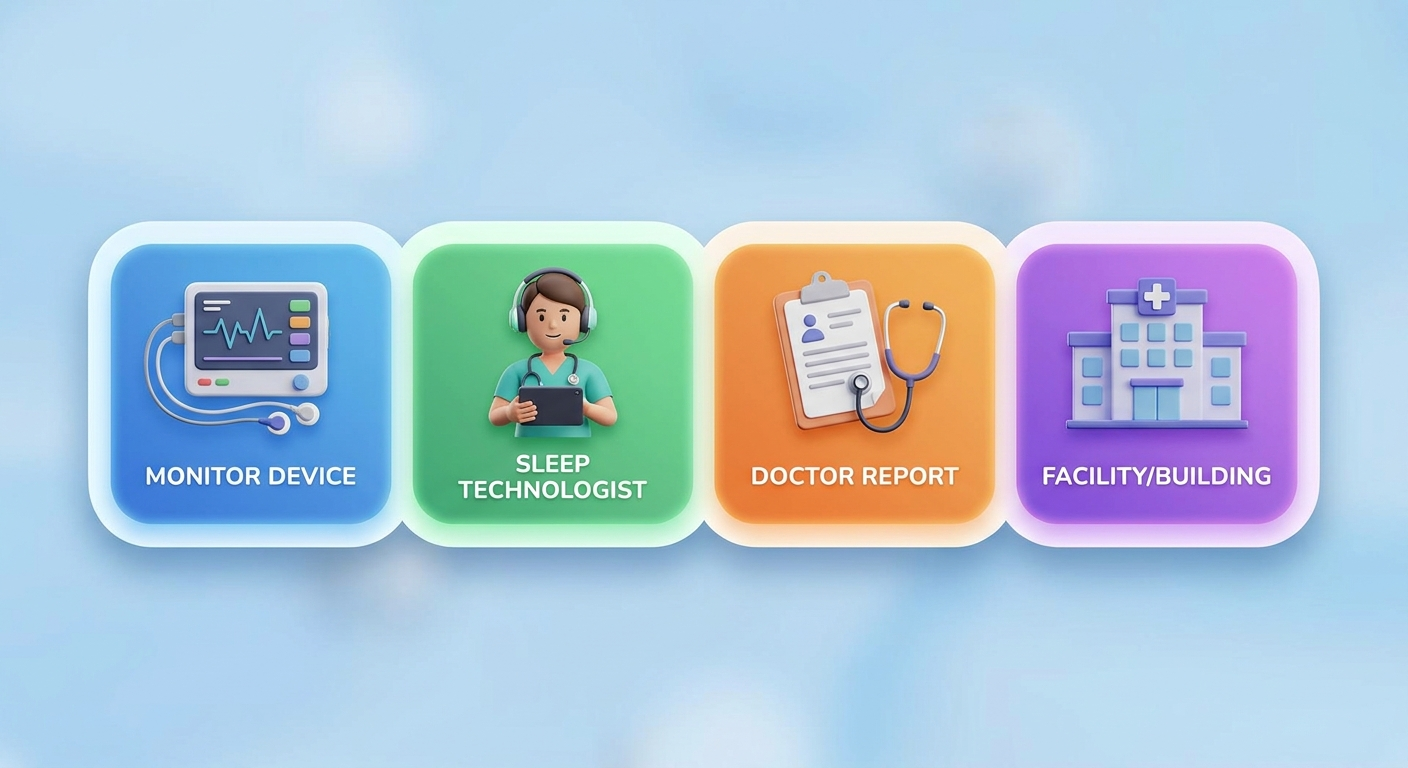
What you’re paying for in a sleep study:
- Specialized monitoring equipment (breathing, oxygen, heart rate, movement, and more)
- Sleep technologist time (especially in-lab overnight staffing)
- Physician scoring and interpretation of the data
- Facility overhead and billing (which can be significant for in-lab testing)
These pieces can be billed together or as separate line items, which is one reason the polysomnography cost (and your final out-of-pocket cost) can feel unpredictable. For example, you might see one charge for the lab/facility and another for the professional interpretation—even though it all feels like “one test” to you.
Key drivers of price differences:
- In-lab vs. home testing (often the biggest difference)
- Geography (local market prices vary)
- Facility type (hospital-based vs. independent sleep lab)
- In-network vs. out-of-network billing (often the biggest difference in what you pay)
In practice, two people can do the “same” study and pay very different amounts simply because one went in-network and the other didn’t—or because one person had already met their deductible.
Bottom line: Price is driven by test type and network status, and the allowed amount (not the billed charge) usually determines your share.
Symptoms That Often Lead to a Sleep Study (When to Ask Your Doctor)
Sleep studies are typically ordered when symptoms suggest sleep apnea or another disorder that affects breathing, oxygen levels, or sleep quality. Many people start with a simple question: “Am I tired because I’m not sleeping enough—or because I’m not breathing well during sleep?”
Nighttime symptoms:
- Loud, chronic snoring
- Witnessed pauses in breathing, gasping, or choking
- Frequent waking, restless or non-restorative sleep
Daytime symptoms:
- Excessive daytime sleepiness or fatigue
- Trouble concentrating or memory issues
- Morning headaches or mood changes
When symptoms are urgent: falling asleep while driving, severe breathing pauses reported by a bed partner, or significant heart/lung conditions along with symptoms of sleep-disordered breathing.
Screening tool (not a diagnosis): Epworth Sleepiness Scale — https://sleepandsinuscenters.com/test-your-sleepiness
If symptoms suggest sleep-disordered breathing, ask your clinician whether testing is appropriate.
Common Causes and Risk Factors Behind Sleep Apnea (and Related Sleep Disorders)
Obstructive sleep apnea (OSA) risk factors:
- Weight changes
- Airway anatomy
- Age and family history
- Alcohol or sedatives (which can relax airway muscles)
- Sleeping position (for some people)
If this list feels broad, that’s because OSA isn’t caused by a single factor for most patients. Clinicians often describe it as a “nighttime airway traffic jam”—small changes in anatomy, muscle tone, or sleep position can add up.
Nasal blockage and ENT factors that can worsen breathing at night: chronic congestion, a deviated septum, or enlarged turbinates can contribute to poor airflow and disrupted sleep for some patients.
Risk factors vary by person, and an airway-focused exam can clarify which issues matter most for you.
How Much Does a Sleep Study Cost With Insurance?
Typical “sticker price” ranges (before insurance):
- In-lab polysomnography (Type I): often $1,000 to $10,000+ depending on location and facility (GoodRx, 2023; Sleep Foundation, 2024)
- Home sleep apnea test (HSAT): generally less expensive, often under ~$3,000 (varies widely) (GoodRx, 2023; Sleep Foundation, 2024)
Sources: https://www.sleepfoundation.org/sleep-studies/how-much-does-a-sleep-study-cost | https://www.goodrx.com/health-topic/procedures/how-much-sleep-study-cost
These ranges are wide because they reflect different settings (hospital vs. independent lab), different billing structures, and different local costs.
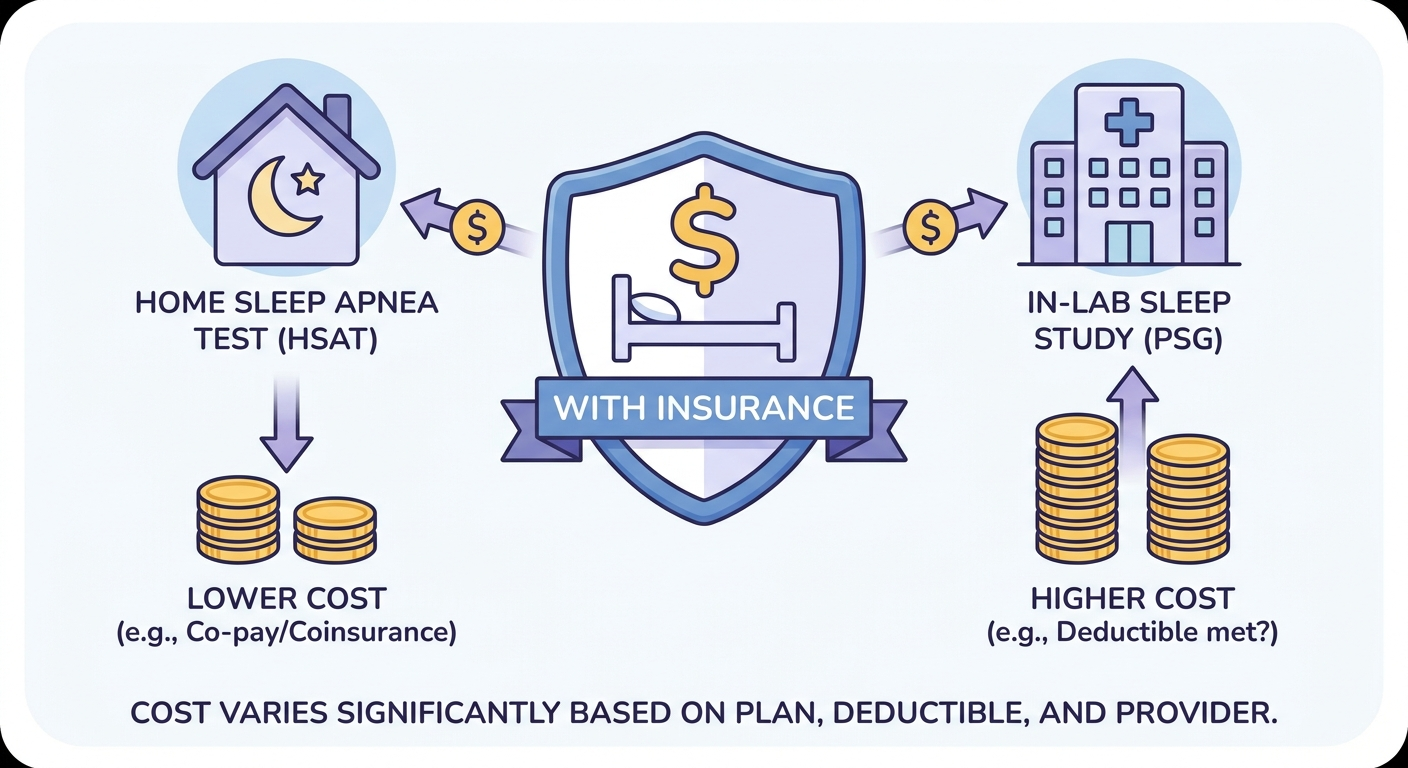
What most insured patients actually pay: Your sleep study cost with insurance is usually based on your plan’s cost-sharing rules and the insurer’s negotiated allowed amount, not necessarily the big billed charge you might see on paper.
Many insured patients pay one of the following:
- A copay (a flat fee), or
- Coinsurance (a percentage), typically after the deductible is met (Sleep Foundation, 2024)
Your out-of-pocket estimate often depends on:
- Whether you’ve met your deductible
- Your coinsurance rate (commonly 10%–40%)
- Whether the sleep lab and interpreting provider are in-network
- Whether your plan requires prior authorization
Example: If the billed charge is $5,000 but the allowed amount is $1,800, your coinsurance (say 20%) is calculated off $1,800, not $5,000—as long as everything is processed in-network and according to plan rules.
Quick definitions (plain English):
- Deductible: what you pay before insurance starts sharing costs
- Copay: a fixed amount (example: $50)
- Coinsurance: a percentage you pay (example: 20% of the allowed amount)
- Allowed amount: the insurer’s negotiated rate (often far lower than the billed charge)
Your plan’s allowed amount drives your cost, and in-network processing is key to getting it.

In-Lab vs. Home Sleep Study: Cost, Coverage, and When Each Is Used
In-lab polysomnography (Type I): Often used when the situation is more complex, when a home test is inconclusive, or when certain medical factors require closer monitoring. It’s usually the highest-cost option when comparing in-lab vs. home sleep test cost (GoodRx, 2023; Sleep Foundation, 2024).
Home sleep apnea test (HSAT): Common when OSA is suspected in an appropriate patient and a simplified test can answer the clinical question. It’s typically less expensive, so HSAT may lead to a lower out-of-pocket cost—coverage still depends on medical necessity and plan rules (Sleep Foundation, 2024).
To learn more: How accurate are home sleep tests? https://sleepandsinuscenters.com/blog/home-sleep-test-accuracy-how-reliable-are-at-home-sleep-tests
“Stepwise testing” (a common insurance approach): Some plans require a home test before authorizing an in-lab study. Verify before scheduling. More detail: https://sleepandsinuscenters.com/blog/home-sleep-test-vs-lab-study-which-sleep-test-is-best-for-you
Ask which test meets your medical needs and your plan’s rules—this choice can change your final cost.

Does Insurance Cover Sleep Studies? (Private Insurance, Medicare, Medicaid)
General rule: Many private insurers, Medicare, and Medicaid programs cover sleep studies when medically necessary, ordered by a clinician, and meeting plan-specific requirements (Sleep Foundation, 2024): https://www.sleepfoundation.org/sleep-studies/are-sleep-studies-covered-by-insurance
Medicare coverage basics: Physician order and specific criteria are required. Type I (in-lab) studies are reimbursed under defined conditions and typically performed in a lab that meets Medicare requirements (Medicare.gov, 2025): https://www.medicare.gov/coverage/sleep-studies
Medicaid coverage: Often covered when medically necessary; requirements vary by state/plan. Prior authorization and in-network site requirements are common.
Private insurance variations: Prior authorization rules; network requirements for lab, ordering clinician, interpreting provider; separate professional vs. facility billing can apply.
Practical tip: When you ask about “coverage,” also ask how the study is classified (e.g., outpatient hospital vs. independent facility), because that can affect cost-sharing.
What You’ll Pay: Real-World Scenarios (Simple Examples)
Below are simplified examples (illustrative only—your plan’s allowed amount and cost-sharing may differ).
Example A — Deductible not met yet
- Allowed amount: $1,800
- Deductible remaining: $1,200
- Coinsurance after deductible: 20%
Outcome: You pay $1,200 + 20% of remaining $600 ($120) = $1,320.
Example B — Deductible met
- Allowed amount: $1,800
- Coinsurance: 20%
Outcome: You pay $360.
Example C — Out-of-network surprise: Out-of-network claims may come with higher coinsurance and, in some situations, additional patient responsibility depending on setting and applicable protections. This is a common reason sleep study cost with insurance can rise unexpectedly—so network checks matter.
Two identical tests can cost very different amounts based on deductible status and network.

Hidden Costs to Ask About Before You Schedule
Separate bills you may receive: Facility/lab fee; physician interpretation; HSAT equipment, processing, and reporting fees. Ask whether billing is global (bundled) or split, and confirm network status for each billing entity.
Follow-up costs that may come next: Results review appointment; PAP therapy trial and supplies (coverage varies); additional testing in some cases.
For understanding results: AHI explained — https://sleepandsinuscenters.com/blog/ahi-score-explained-understanding-your-sleep-apnea-severity
If therapy is recommended: Affordable CPAP options — https://sleepandsinuscenters.com/blog/affordable-cpap-machines-what-to-look-for
Prior authorization and documentation pitfalls: Missing PA, referral requirements, incorrect diagnosis coding, or using a site that doesn’t meet plan requirements can trigger denials or delays. Ask for CPT/HCPCS codes and call your insurer for an estimate using your current deductible status.
Clarify billing structure and authorizations early to avoid surprise charges or delays.
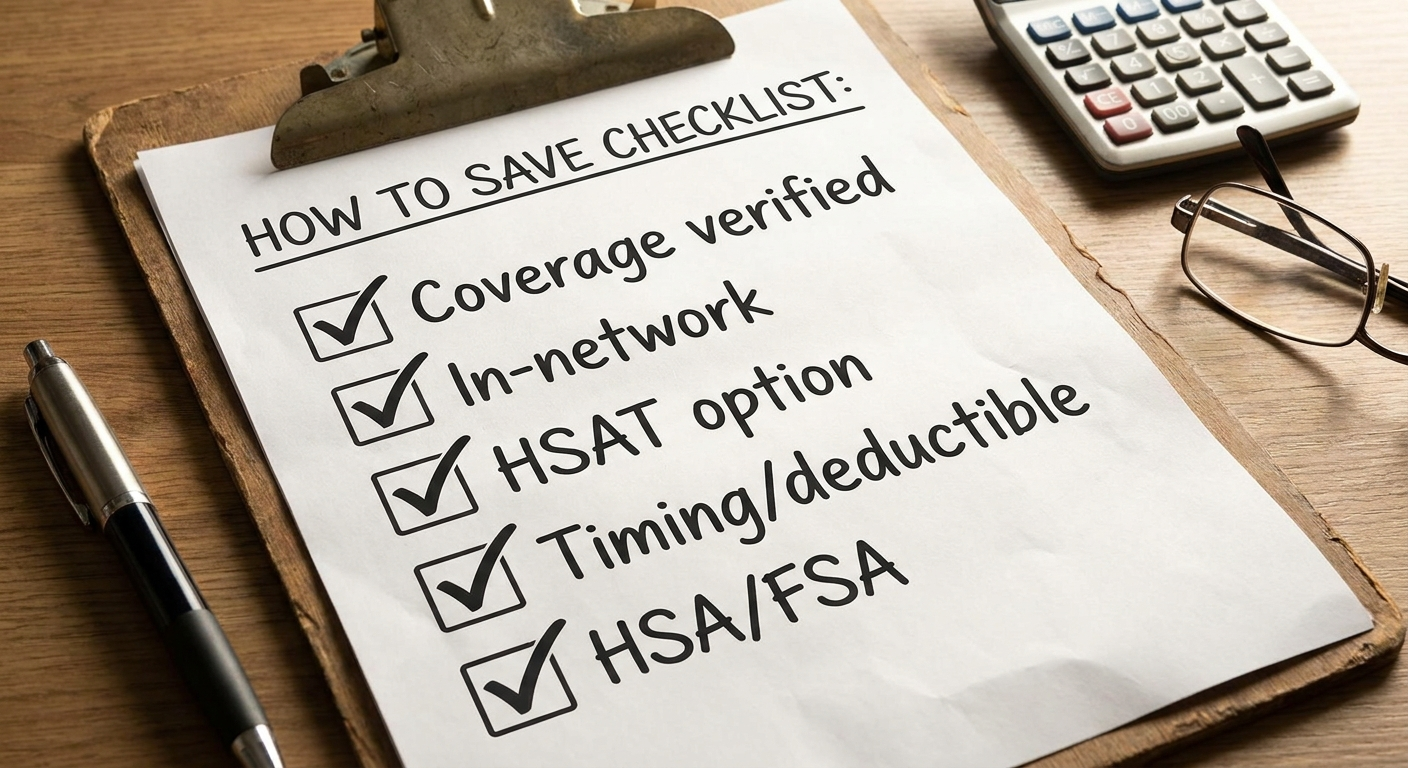
How to Save Money on a Sleep Study (Step-by-Step)
1) Confirm coverage in writing (or document your call). Ask your insurer: Is this test covered for my diagnosis? Do I need prior authorization? Which labs are in-network? What is the allowed amount and my estimated out-of-pocket?
2) Choose an in-network lab (confirm everyone involved is in-network). Verify facility/lab and interpreting provider network status.
3) Ask whether a home sleep apnea test is appropriate. HSAT often lowers out-of-pocket cost if clinically suitable.
4) Time the test strategically when feasible (consider deductible status).
5) Use pre-tax dollars (HSA/FSA) if eligible.
6) Request a self-pay estimate and compare, especially on high-deductible plans.
7) Ask about payment plans or financial assistance.
8) Appeal denials when medically necessary; request the reason and ask what documentation supports an appeal.
To schedule with Sleep and Sinus Centers of Georgia: https://sleepandsinuscenters.com/appointments
Verifying coverage, staying in-network, and considering HSAT are often the biggest cost savers.
Treatments After a Sleep Study (What Happens If You’re Diagnosed?)
A diagnosis doesn’t automatically mean one single treatment—options depend on severity, anatomy, symptoms, and preferences. The goal is to match therapy to your results and goals.
Common treatments for obstructive sleep apnea:
- CPAP/APAP therapy
- Oral appliance therapy (for appropriate cases)
- Positional therapy and lifestyle measures (as part of an overall plan)
When ENT evaluation may help: If nasal obstruction or structural factors contribute to poor airflow, an ENT-focused evaluation can clarify contributors to nighttime breathing issues.
More on treatment options: https://sleepandsinuscenters.com/snoring-sleep-apnea-treatment
FAQs: Sleep Study Cost With Insurance
Are sleep studies covered by insurance? Often yes—when a clinician orders the test and it meets medical necessity criteria—but coverage and cost-sharing vary by plan (Sleep Foundation, 2024).
Is a home sleep test covered by Medicare? Frequently, yes, when Medicare criteria are met. Documentation matters (Medicare.gov, 2025).
Why was my sleep study denied? Common reasons include missing prior authorization, out-of-network lab/provider issues, incomplete documentation, or not meeting plan criteria.
How can I get an accurate cost estimate before my test? Ask for CPT/HCPCS codes from your lab and call your insurer for an estimate based on the allowed amount and your deductible/coinsurance.
What if I can’t afford my share? Ask about HSAT eligibility, self-pay rates, payment plans, and financial assistance where available.
For cost clarity, combine CPT codes from your lab with your insurer’s allowed-amount estimate.
Key Takeaways
- Sleep studies are commonly covered by Medicare, Medicaid, and private insurance when medically necessary and clinician-ordered, subject to plan rules (Sleep Foundation, 2024; Medicare.gov, 2025).
- In-lab testing can have high list prices ($1,000–$10,000+), but many insured patients pay a copay or coinsurance after deductible (GoodRx, 2023; Sleep Foundation, 2024).
- HSAT is often cheaper and widely covered, but the right test depends on your situation and plan rules (GoodRx, 2023; Sleep Foundation, 2024).
- The biggest opportunities to lower cost: verify prior authorization, stay in-network, and confirm whether a home test is appropriate.
Sources: Sleep Foundation (2024), GoodRx (2023), Medicare.gov (2025)
https://www.sleepfoundation.org/sleep-studies/are-sleep-studies-covered-by-insurance
https://www.sleepfoundation.org/sleep-studies/how-much-does-a-sleep-study-cost
https://www.goodrx.com/health-topic/procedures/how-much-sleep-study-cost
https://www.medicare.gov/coverage/sleep-studies
This article is for educational purposes only and is not medical advice. Please consult a qualified healthcare provider for diagnosis and treatment.
Don’t let allergies slow you down. Schedule a comprehensive ENT and allergy evaluation at Sleep and Sinus Centers of Georgia. We’re here to find your triggers and guide you toward lasting relief.