Sleep Medicine Doctor: Expert Diagnosis and Treatment for Sleep Disorders
Sleep issues don’t just make you tired. Poor sleep can affect mood, focus, blood pressure, metabolism, and even safety—especially when drowsiness shows up behind the wheel or at work. The good news: many sleep problems are treatable once you know what’s causing them.
A helpful way to think about sleep care is “symptoms first, then the right test.” Snoring might point toward a breathing issue, frequent awakenings could be insomnia or reflux, and daytime sleepiness may have several possible causes. A sleep specialist’s job is to sort through those possibilities in a structured, evidence-based way.
This guide explains what a sleep medicine doctor is, which symptoms are worth checking out, how sleep disorders are diagnosed (including sleep lab testing and home options), and what treatment might look like at Sleep and Sinus Centers of Georgia.
What Is a Sleep Medicine Doctor (Somnologist)?
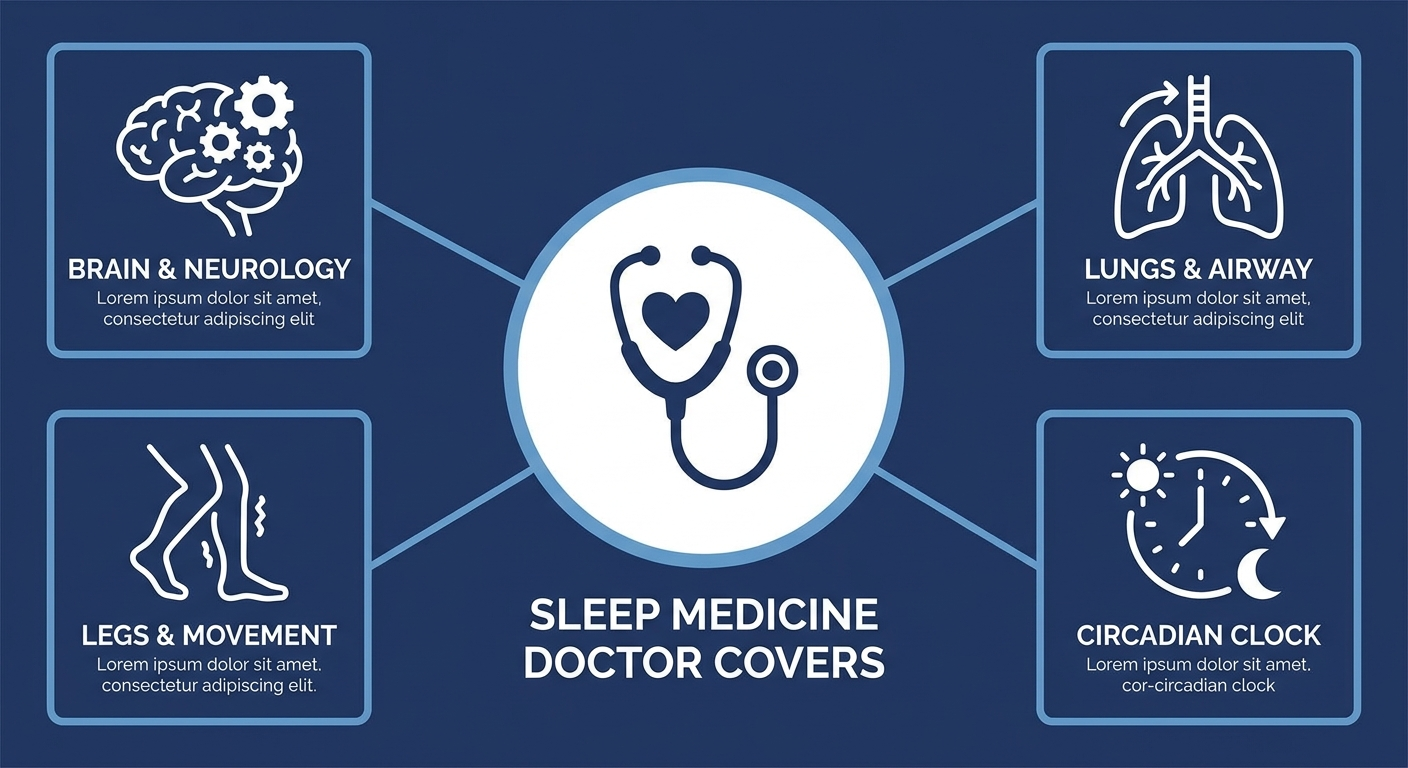
A sleep medicine doctor—also called a sleep specialist (somnologist)—is a physician with additional training in diagnosing and treating sleep disorders. Sleep medicine can involve breathing, brain function, movement, and circadian rhythms (your internal “clock”), so care blends medical history, questionnaires, and targeted testing.
If your primary care provider is the “quarterback” for your overall health, a sleep medicine doctor is the specialist you see when sleep symptoms become persistent, confusing, or high-impact—like a cardiologist for chest pain, but focused on sleep and alertness.
Common conditions a sleep specialist evaluates include:
- Obstructive sleep apnea (OSA)
- Insomnia and sleep-maintenance problems
- Restless legs syndrome (RLS)
- Narcolepsy and other hypersomnia disorders
- Circadian rhythm sleep-wake disorders (such as shift work disorder or delayed sleep phase)
Sleep clinic vs. sleep lab—what’s the difference?
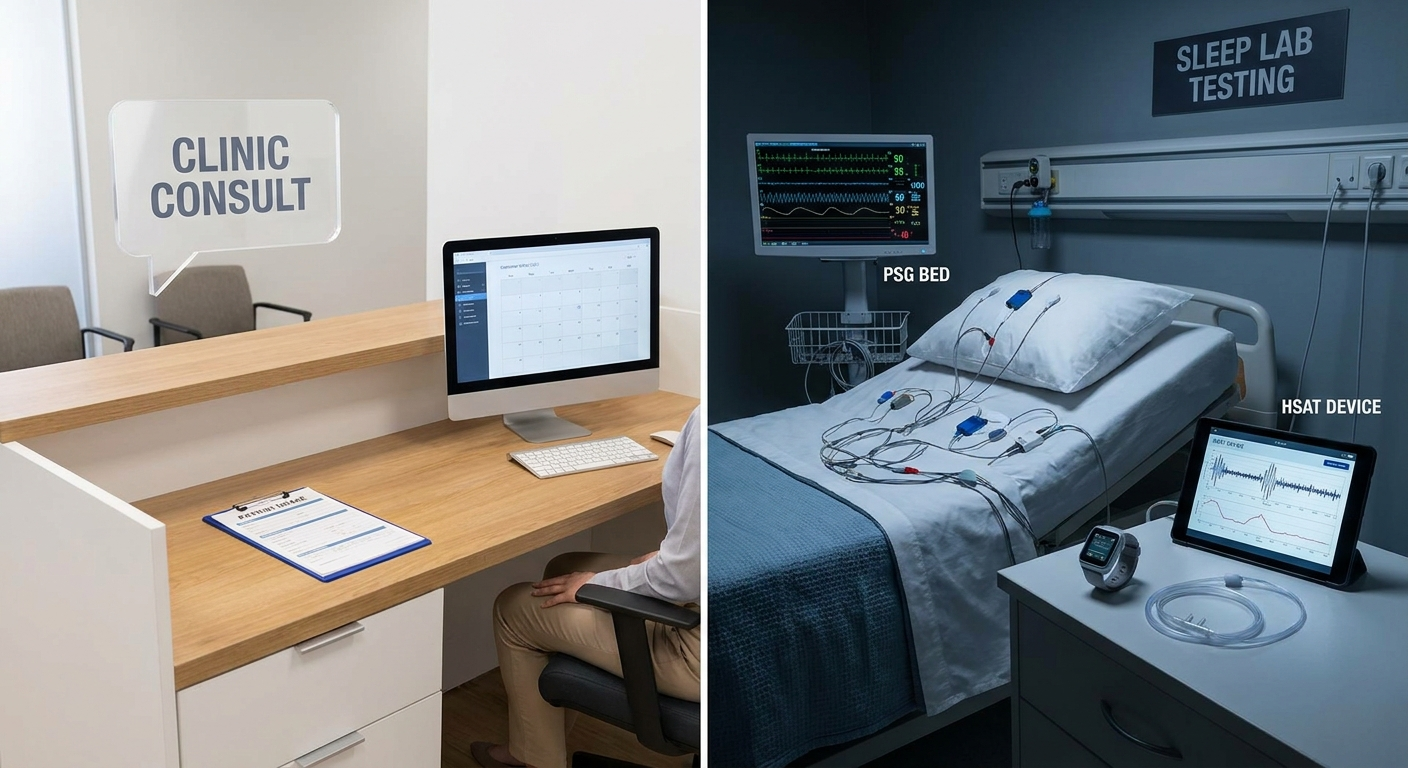
- Sleep clinic: Where you meet with a clinician, review symptoms, discuss risks, and create a treatment plan with follow-ups.
- Sleep lab: A dedicated setting for overnight testing like polysomnography (PSG) performed in an accredited sleep lab with standardized recording and scoring processes.
One practical example: you might start in a clinic visit because you’re snoring and exhausted, then do a sleep study (at home or in a lab), and then return to the clinic to go over results and choose a treatment you can realistically stick with.
Bottom line: a sleep medicine doctor connects your symptoms, history, and targeted tests to pinpoint the right diagnosis and plan.
What Training and Board Certification Should a Sleep Medicine Doctor Have?
Most physicians in sleep medicine begin in a primary specialty—commonly internal medicine, neurology, psychiatry, pediatrics, or family medicine—then complete additional training in sleep medicine through a dedicated fellowship program.
That background matters because sleep problems often overlap with other health areas. For example, internal medicine–trained clinicians may coordinate care when sleep symptoms and cardiometabolic risk factors coexist, while neurology-trained specialists may be attuned to disorders of alertness and neurologic sleep-wake conditions.
Board certification—why it matters for patients:
- A board-certified sleep doctor has completed required training, maintains licensure, and has passed a specialty certification exam. It signals formal sleep medicine training and testing.
What “accredited” means for sleep labs:
- An accredited sleep lab follows established standards for how sleep studies are performed, recorded, and scored—supporting quality and consistency when results guide treatment decisions.
Practical takeaway: board certification and accredited labs are useful markers of quality and consistency for patients.
Common Sleep Disorders a Sleep Medicine Doctor Treats
Many sleep symptoms overlap (for example, fatigue can occur with insomnia, sleep apnea, circadian issues, and more), which is why a careful history and appropriate testing matter. Clinicians look for the simplest explanation that fits the whole story—and what needs to be measured to confirm it.
Obstructive Sleep Apnea (OSA): Upper airway narrowing or collapse during sleep disrupts breathing and sleep quality. Clues include loud snoring, gasping, or unrefreshing sleep and daytime fogginess. Diagnosis matters because untreated OSA is linked with health risks over time.
Insomnia: Trouble falling asleep, staying asleep, or waking too early. It can be short-term or chronic. It’s not the same as “not enough time in bed”—specialists clarify whether it’s limited opportunity, a circadian mismatch, stress/arousal patterns, medical contributors, or a mix.
Restless Legs Syndrome (RLS): An urge to move the legs—often with uncomfortable sensations—worse in the evening or at night and improved by movement. It may look like “insomnia” due to delayed sleep onset, but the root cause differs.
Narcolepsy: A neurologic sleep-wake disorder marked by excessive daytime sleepiness, sometimes with cataplexy, vivid dreaming, and sleep paralysis. Because many conditions cause sleepiness, careful evaluation avoids assumptions.
Circadian Rhythm Sleep-Wake Disorders: A mismatch between schedule and internal clock (e.g., shift work disorder, delayed sleep phase, jet lag).
Because symptoms overlap across disorders, precise diagnosis helps avoid trial-and-error treatment.
Symptoms That Signal You Should See a Sleep Medicine Doctor
Nighttime symptoms—consider evaluation if you notice:
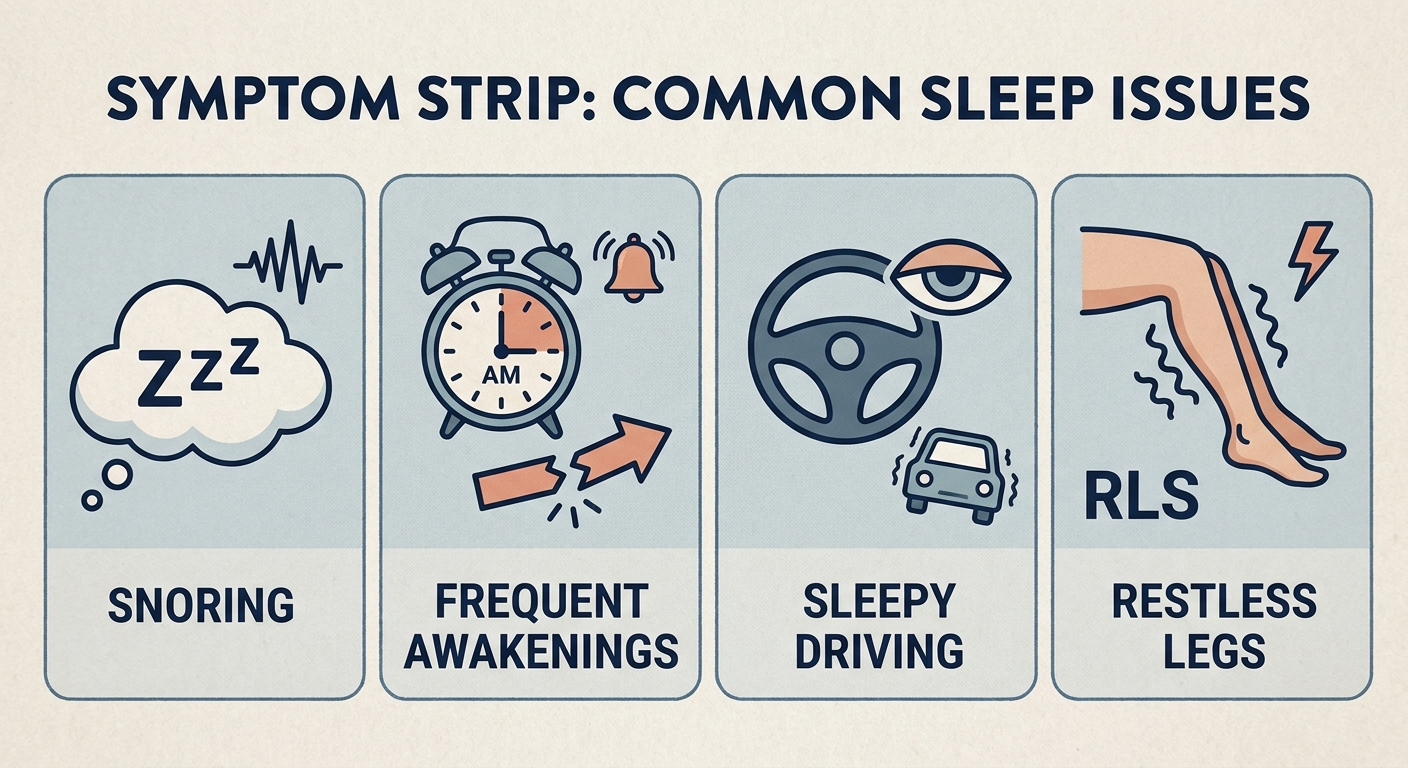
- Loud, persistent snoring
- Choking/gasping or witnessed pauses in breathing
- Frequent awakenings or unrefreshing sleep
- Nighttime reflux-like symptoms or waking up coughing
- Restlessness or uncomfortable leg sensations at night
Daytime symptoms—sleep disorders often show up during the day:
- Excessive sleepiness or persistent fatigue
- Morning headaches
- Brain fog, memory issues, or reduced concentration
- Irritability or mood changes
- Increased drowsy driving risk
To gauge sleepiness, many clinics use the Epworth Sleepiness Scale: https://sleepandsinuscenters.com/blog/epworth-sleepiness-scale-a-complete-guide-to-understanding-daytime-sleepiness
When to seek care sooner:
- Falling asleep while driving, at work, or during routine activities
- Breathing pauses plus significant daytime symptoms
- Severe insomnia for weeks that affects daily functioning
If sleep symptoms affect safety, work performance, or relationships, get assessed rather than “pushing through.”
What to Expect at Your First Sleep Clinic Appointment
Sleep history and medical review typically cover schedule (weekdays vs. weekends), naps, shift work, caffeine/alcohol/nicotine use, medications and supplements, nasal congestion, reflux symptoms, and mood factors.
Sleep questionnaires and tracking may include brief screening forms and a sleep diary. Wearables can offer context but are not a substitute for medical-grade testing when a disorder is suspected.
Physical exam may include an airway-focused evaluation, since anatomy and congestion can affect snoring and OSA—especially in clinics that integrate nasal and sinus care.
Tip: Bring a brief sleep timeline (sleep latency, awakenings, observed snoring/apneas) to make your visit more productive.
How Sleep Disorders Are Diagnosed: Sleep Lab Studies vs Home Sleep Tests
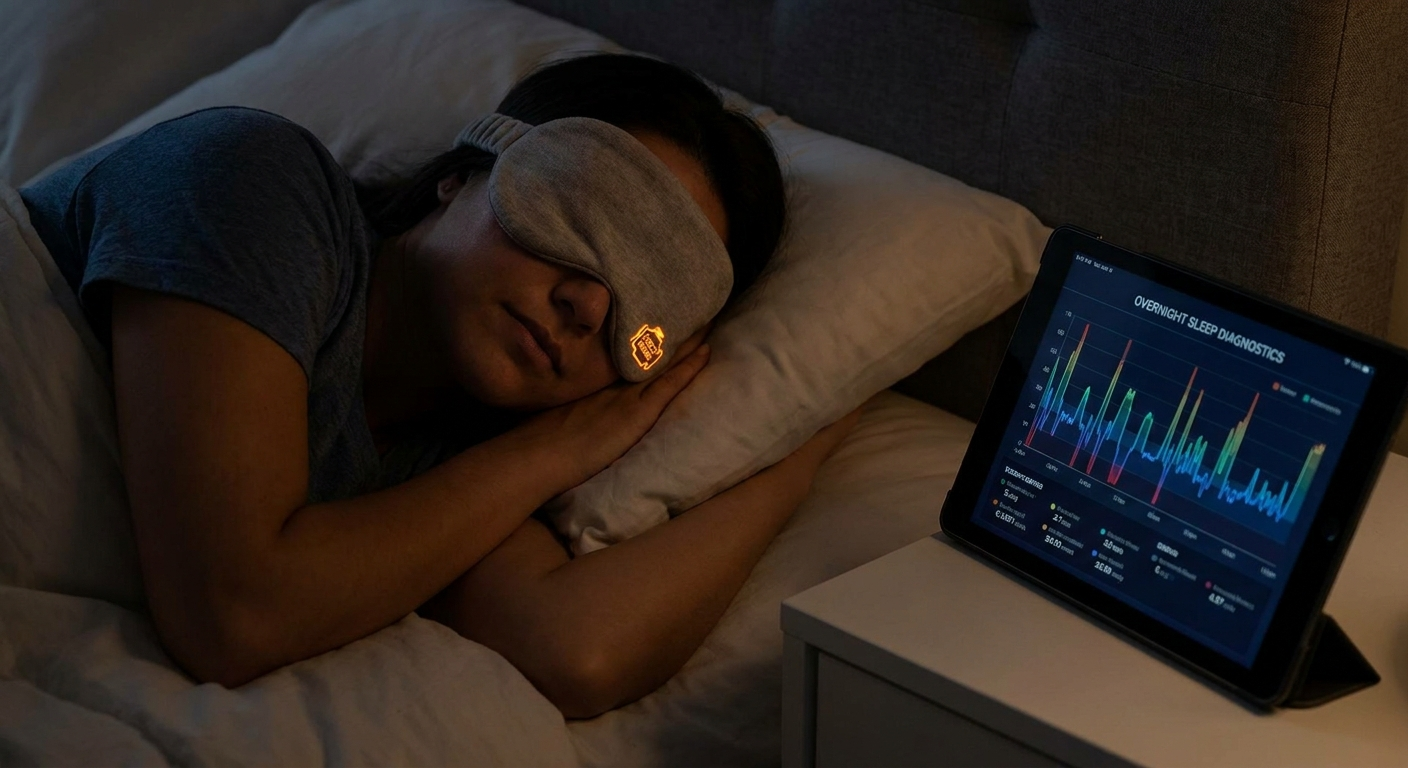
Polysomnography (PSG) in an accredited lab records sleep stages, breathing effort and airflow, oxygen levels, heart rhythm, and leg movements. It’s often used for complex symptoms, suspected comorbid sleep disorders, or when more complete data are needed.
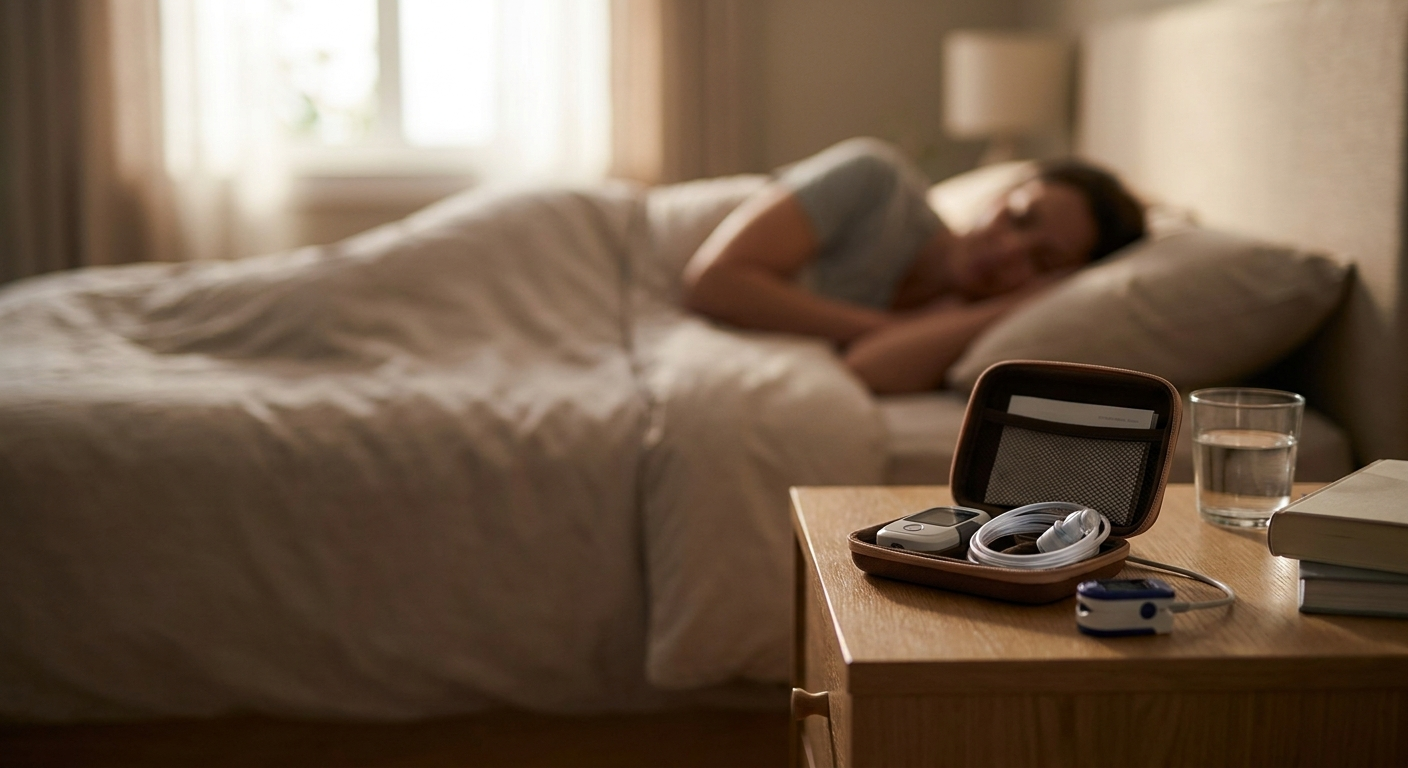
Home sleep apnea testing (HSAT) is designed primarily to evaluate suspected obstructive sleep apnea in appropriate patients. It records breathing/oxygen-related signals but not full sleep-stage data. If symptoms and results don’t align, follow-up or in-lab testing may be needed. More here: https://sleepandsinuscenters.com/blog/home-sleep-test-vs-lab-study-which-sleep-test-is-best-for-you
Clinic + lab teamwork: Your sleep doctor integrates symptoms, risk factors, and results to explain what the numbers mean and which options best fit your goals and health needs.
Bottom line: HSAT can be right for straightforward apnea; in-lab studies help in complex cases—always followed by a clear, personalized plan.
Treatment Options a Sleep Medicine Doctor May Recommend
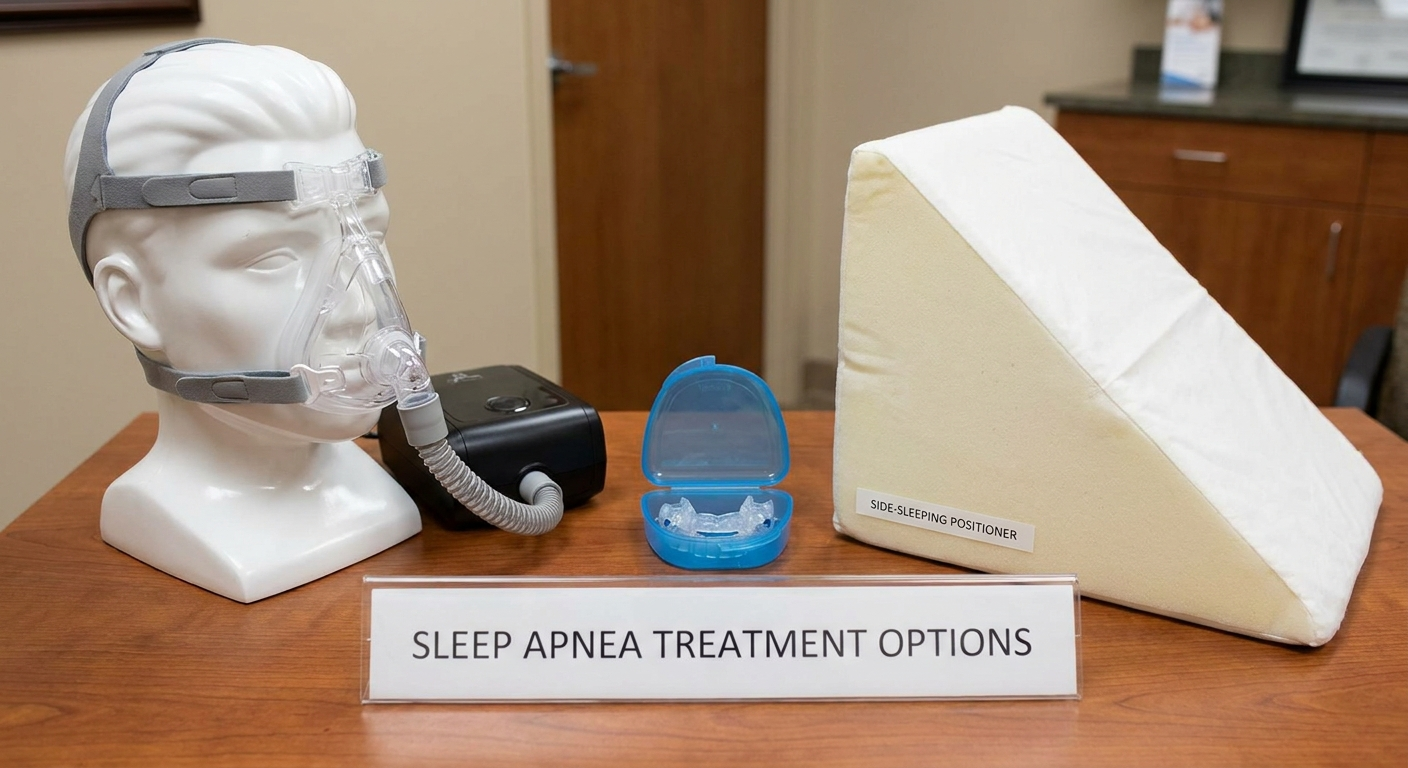
Treatments for sleep apnea (selected based on severity, anatomy, and preferences):
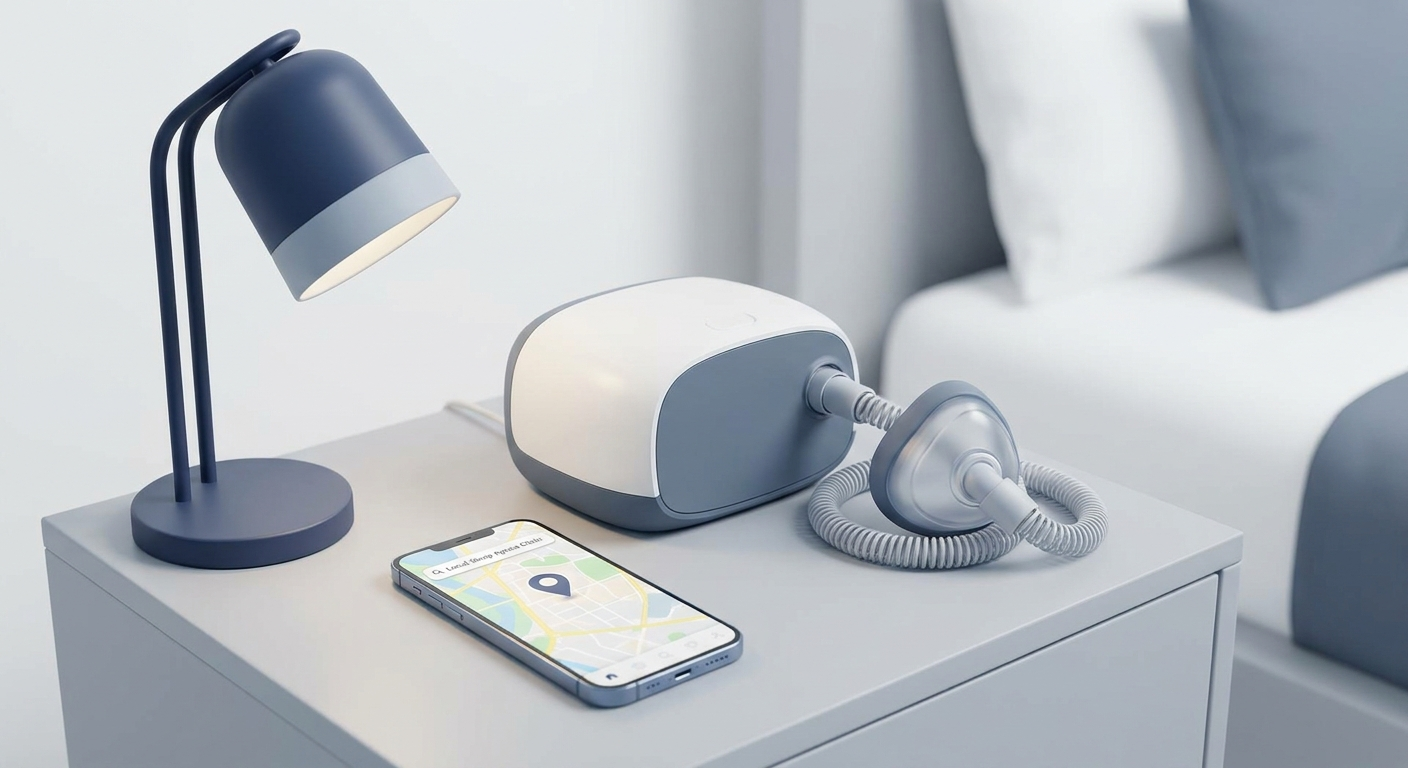
- CPAP/APAP therapy with comfort/adherence support (mask fit, humidity, pressure adjustments, troubleshooting)
- Oral appliance therapy for selected patients
- Positional therapy (for back-worse apnea)
- Risk-factor management (e.g., weight-related support when relevant)
- When appropriate, ENT-focused evaluation or procedures to help airflow
Overview: https://sleepandsinuscenters.com/snoring-sleep-apnea-treatment
Treatments for insomnia: Clarify contributors (schedule, stress, medications, other sleep disorders). CBT-I (Cognitive Behavioral Therapy for Insomnia) is a core, skills-based approach; medication may be considered short-term or in specific cases under clinician guidance.
Treatments for restless legs syndrome: Evaluate contributors (e.g., iron deficiency), use behavioral strategies, and consider medications when symptoms are frequent or disruptive.
Treatments for narcolepsy and hypersomnia: May include wake-promoting medications, scheduled naps, and safety planning (especially for driving/work risks).
Treatments for circadian rhythm problems: Focus on timing—light exposure strategies, sleep scheduling, and clinician-directed melatonin timing when appropriate.
Effective sleep care matches proven therapies to your goals and daily life so you can stick with the plan.
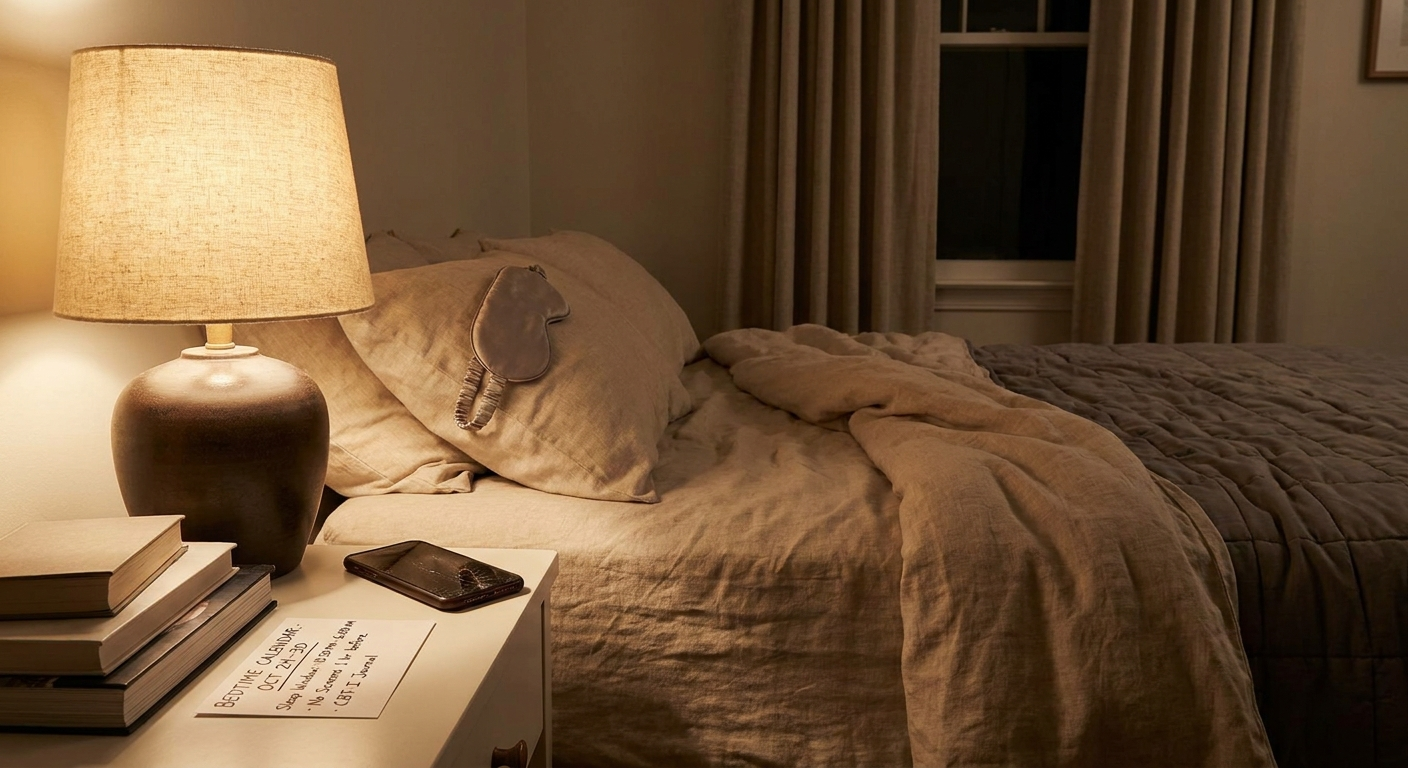
Lifestyle Tips to Support Better Sleep (Alongside Medical Care)
Sleep hygiene basics:
- Keep a consistent sleep and wake time
- Make the bedroom cool, dark, and quiet
- Reduce bright screens and strong light close to bedtime
Substances and habits that can worsen sleep:
- Alcohol near bedtime (may worsen fragmentation and snoring)
- Nicotine (stimulating)
- Late-day caffeine
- Heavy meals late at night
If you snore or suspect sleep apnea: Side-sleeping may help, but persistent symptoms deserve evaluation. Snoring alone doesn’t confirm sleep apnea—testing clarifies what’s happening.
Good habits help, but they don’t replace diagnosis and treatment when a sleep disorder is present.
How to Choose the Right Sleep Medicine Doctor
Look for board certification and appropriate credentials. Choose a clinic experienced with your concern—insomnia, restless legs, or sleep-breathing evaluation.
Ask whether they offer the right diagnostic options. Some patients do well with home testing; others benefit from in-lab studies. Ask if testing is coordinated through an accredited sleep lab.
Choose a team that supports follow-up and long-term success. Sleep care is iterative—seek practices that troubleshoot and adjust plans over time. Ask: “What happens after my test?”
FAQs About Sleep Medicine Doctors
What’s the difference between a sleep medicine doctor and a neurologist/pulmonologist/ENT? Many sleep physicians start in another specialty and then complete sleep fellowship training. ENT care may be involved when anatomy and airflow are central concerns.
Do I need a referral to see a sleep specialist? It depends on insurance and clinic policy; some allow direct scheduling, others require a referral.
Will I automatically need an overnight sleep study? Not always. Some qualify for a home sleep apnea test; others benefit from in-lab polysomnography.
What is polysomnography? An overnight study measuring sleep stages and multiple body functions—important for diagnosing sleep apnea and other sleep conditions.
If my home sleep test is “normal” but I still feel exhausted, what next? Follow up with your clinician; additional evaluation or in-lab testing may be considered.
What does “board-certified in sleep medicine” mean? The physician completed required training, maintains licensure, and passed a specialty certification exam.
Still unsure whether you need testing? A brief clinic visit can clarify next steps.
Next Steps
If snoring, daytime sleepiness, or persistent insomnia is affecting your life, it may be time to talk with a sleep medicine doctor about what’s going on and what testing—if any—makes sense. A structured evaluation can help pinpoint the cause and guide an effective, realistic treatment plan.
Request an appointment with Sleep and Sinus Centers of Georgia: https://sleepandsinuscenters.com/appointments
Sources
- Cleveland Clinic. “Sleep Specialist (Somnologist)” (2023). https://my.clevelandclinic.org/health/articles/sleep-specialist-somnologist
- Jefferson Health. “Sleep Medicine” (2022). http://jeffersonhealth.org/clinical-specialties/sleep-medicine
- American Board of Internal Medicine (ABIM). “Sleep Medicine Certification Policies” (2021). https://www.abim.org/certification/policies/internal-medicine-subspecialty-policies/sleep-medicine/
- American Academy of Sleep Medicine (AASM). “Clinic Versus Lab Fact Sheet” (2020). https://aasm.org/accreditation/resources/clinic-versus-lab-fact-sheet
This article is for educational purposes only and is not medical advice. Please consult a qualified healthcare provider for diagnosis and treatment.
Don’t let allergies slow you down. Schedule a comprehensive ENT and allergy evaluation at Sleep and Sinus Centers of Georgia. We’re here to find your triggers and guide you toward lasting relief.