Sleep Disorder Quiz: Identify Your Symptoms and Sleep Issues
Poor sleep can show up in many ways—trouble falling asleep, waking up exhausted, loud snoring, or feeling sleepy during the day. This sleep disorder quiz is an adapted, patient-friendly self-check inspired by three widely used screening tools: the Pittsburgh Sleep Quality Index (PSQI), Epworth Sleepiness Scale (ESS), and Insomnia Severity Index (ISI). It is not the official PSQI, ESS, or ISI.
Think of it like a simple screening tool for sleep symptoms: it can help you notice patterns and decide what to do next, but it can’t diagnose a specific condition by itself.
Jump to: Take the quiz • Interpret results • Treatments • When to see a professional • FAQs
Quick Take—What This Sleep Disorder Quiz Can (and Can’t) Tell You
This sleep disorder quiz is a screening and education tool, not a diagnosis. In sleep medicine, self-report questionnaires are often used to quickly identify symptom patterns, track severity over time, and decide when objective testing might be helpful. However, scores don’t confirm a specific condition on their own. Self-reported sleep issues may overlap with stress, anxiety/depression, pain, shift work, medications, and other health factors. (Overview: NCBI Bookshelf, 2021: https://www.ncbi.nlm.nih.gov/books/NBK592970)
A clinician might say it this way: “Questionnaires tell us what your nights and days feel like. Testing tells us what your body is doing during sleep.” Both pieces matter.
Safety note (skip quizzes and seek care promptly): If you’re falling asleep while driving, having frequent episodes of waking up choking/gasping, or someone notices repeated breathing pauses during sleep, it’s safest to seek professional evaluation rather than relying on an online sleep quiz.
Learn more about objective testing options: home sleep test vs. lab sleep study: https://sleepandsinuscenters.com/blog/home-sleep-test-vs-lab-study-which-sleep-test-is-best-for-you
Bottom line: use this quiz to organize your symptoms, then follow up with a clinician if concerns persist.
How Clinically Validated Sleep Questionnaires Work
Why self-report tools are popular for sleep screening
- Fast (often just a few minutes)
- Standardized (consistent scoring)
- Trackable over time (useful for monitoring trends)
- Widely used in clinics and research to flag risk and monitor response (NCBI Bookshelf, 2021: https://www.ncbi.nlm.nih.gov/books/NBK592970)
They’re also helpful because they translate a vague complaint (“I’m tired”) into clearer categories like sleep quality, sleepiness, and insomnia severity—each of which points to different next steps.
Key limitation—scores don’t equal a diagnosis
Even validated questionnaires have limits. Self-report sleep scores may correlate only modestly with objective measures (like actigraphy or a sleep study), and results can be influenced by mood symptoms, life stress, age, culture, and context. (NCBI Bookshelf, 2021: https://www.ncbi.nlm.nih.gov/books/NBK592970)
For example, two people can sleep the same number of hours: one feels restored, the other feels “wired but tired.” A quiz captures that experience—but may not reveal why it’s happening.
Learn more about excessive sleepiness and how clinicians assess it: Epworth Sleepiness Scale guide: https://sleepandsinuscenters.com/blog/epworth-sleepiness-scale-a-complete-guide-to-understanding-daytime-sleepiness
In short: questionnaires highlight patterns; diagnosis still depends on a clinical evaluation (and sometimes objective testing).

Take the Sleep Disorder Quiz (Patient-Friendly Checklist)
Timeframe: Think about the last 2–4 weeks.
How to answer:
For Sections A–C, rate each item:
- 0 = Not at all
- 1 = Mild / occasionally
- 2 = Moderate / often
- 3 = Severe / most nights/days
Medical disclaimer: This sleep disorder quiz is for education and screening only. It can’t diagnose insomnia, sleep apnea, or other sleep disorders. If symptoms are concerning, bring your results to a visit at Sleep and Sinus Centers of Georgia: https://sleepandsinuscenters.com/appointments
Section A — Sleep Quality (PSQI-style prompts; adapted, not the official PSQI)
Rate 0–3:
1) Trouble falling asleep (taking longer than you want)
2) Waking up during the night and struggling to fall back asleep
3) Waking too early
4) Sleeping fewer hours than you need
5) Not feeling restored on waking
6) Irregular sleep schedule (bed/wake times vary a lot)
Section A score (0–18): Add your points.
Educational score guidance: The official PSQI uses its own scoring method; in that validated tool, a global score > 5 is commonly used to suggest poor sleep quality. This threshold applies to the official PSQI, not the custom Section A score. (PSQI validation discussion: https://pmc.ncbi.nlm.nih.gov/articles/PMC3586742)
Concrete example: If you score high here but low in the sleepiness section, your main issue may be fragmented or low-quality sleep—not necessarily dozing off during the day.

Section B — Daytime Sleepiness (ESS-style prompts; adapted)
Rate your likelihood of dozing (0–3) in these situations:
1) Reading or using a screen while sitting quietly
2) Watching TV
3) Sitting inactive in a meeting or public place
4) Riding in a car as a passenger for 1+ hour
5) Lying down to rest in the afternoon
6) Sitting and talking to someone
7) Sitting quietly after lunch (no alcohol)
8) Stopped in traffic (as a driver)
Want an exact ESS score? Use our tool: https://sleepandsinuscenters.com/test-your-sleepiness
You can also learn more here: https://sleepandsinuscenters.com/blog/epworth-sleepiness-scale-a-complete-guide-to-understanding-daytime-sleepiness
Educational score guidance: A commonly used cutoff in the validated ESS is > 10, which is used to indicate higher daytime sleepiness and should prompt discussion with a clinician. (ESS overview/validation: https://pmc.ncbi.nlm.nih.gov/articles/PMC3586742)
Clinician-style framing: Sleepiness is about unintentional drifting off, not just feeling fatigued. If your “dozing” scores are climbing, it’s worth taking seriously.
Section C — Insomnia Severity (ISI-style prompts; adapted)
These mirror the 7 classic ISI domains. Rate 0–4 (slightly different scale):
- 0 = None
- 1 = Mild
- 2 = Moderate
- 3 = Severe
- 4 = Very severe
1) Difficulty falling asleep
2) Difficulty staying asleep
3) Waking too early
4) Dissatisfaction with sleep
5) Daytime interference (fatigue, mood, focus, performance)
6) Others noticing your sleep problem affects you
7) Distress/worry about your sleep
Section C score (0–28): Add your points.
ISI scoring bands (commonly used for the official ISI):
- 0–7: No clinically significant insomnia
- 8–14: Sub-threshold insomnia
- 15–21: Moderate insomnia
- 22–28: Severe insomnia
(Source: ISI instrument/scoring: https://www.med.upenn.edu/cbti/assets/user-content/documents/Insomnia%20Severity%20Index%20(ISI).pdf)
Quick interpretation tip: Items 5–7 (daytime impact + distress) often tell you whether it’s time to move from “tips” to a structured plan.
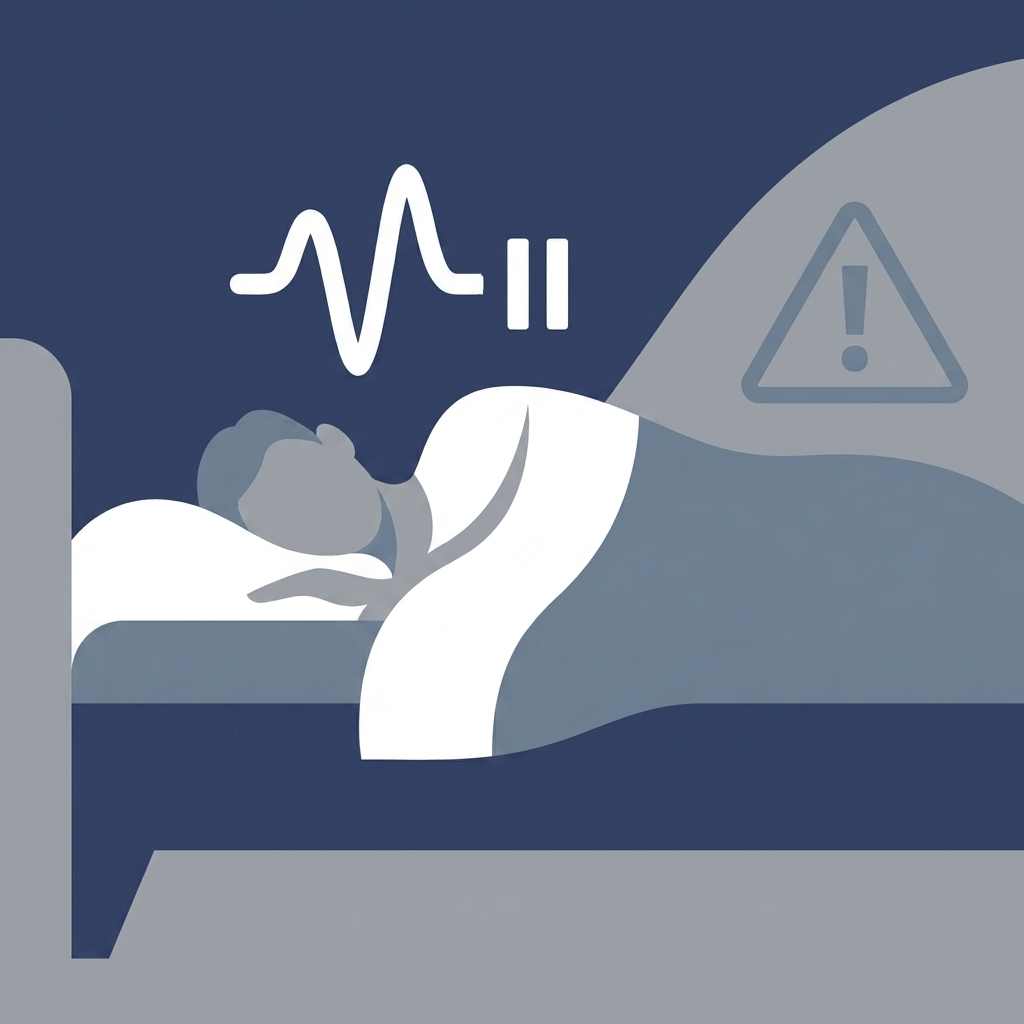
Section D — Sleep Apnea / Breathing-Related Symptoms and Risk Factors (quick triage)
Answer Yes/No:
- Loud snoring most nights
- Someone has witnessed breathing pauses, choking, or gasping
- Waking with dry mouth or morning headaches
- Waking up choking, panicked, or short of breath
- History of high blood pressure or atrial fibrillation (if applicable)
- Frequent nighttime urination
If you answered “Yes” to witnessed pauses/gasping or waking up choking, consider this a stronger red flag to discuss with a clinician. This section is not a validated diagnostic apnea test—just a prompt to get evaluated.
Learn more about sleep apnea symptoms and treatment options: https://sleepandsinuscenters.com/snoring-sleep-apnea-treatment
In brief: use your section scores as conversation-starters, not diagnoses.
Interpreting Your Results: What Your “Risk Pattern” May Suggest
Below is a simple, non-diagnostic way to organize your results from this sleep disorder quiz. Why questionnaires help—but have limits: NCBI Bookshelf, 2021: https://www.ncbi.nlm.nih.gov/books/NBK592970
- If sleep quality (Section A) is poor:
- Look for inconsistent sleep timing, frequent awakenings, feeling unrested, or a “light sleep” experience. Contributing factors may include stress, environmental disruptions, reflux symptoms, chronic congestion, pain, or an irregular schedule.
- Example: If you’re in bed 8 hours but still feel unrefreshed, your sleep may be fragmented (many brief awakenings) or misaligned with your natural rhythm.
- If daytime sleepiness (ESS-style) is high:
- High sleepiness can reflect insufficient sleep—but can also occur when sleep is fragmented (for example, from breathing events). If you feel sleepy while driving or at work, prioritize safety and consider prompt evaluation.
- Patient-style quote: “I don’t feel ‘sleepy’—but I keep nodding off on the couch at 7 p.m.” That kind of dozing pattern is exactly what ESS-style questions are designed to capture.
- If insomnia severity (ISI-style) is moderate–severe:
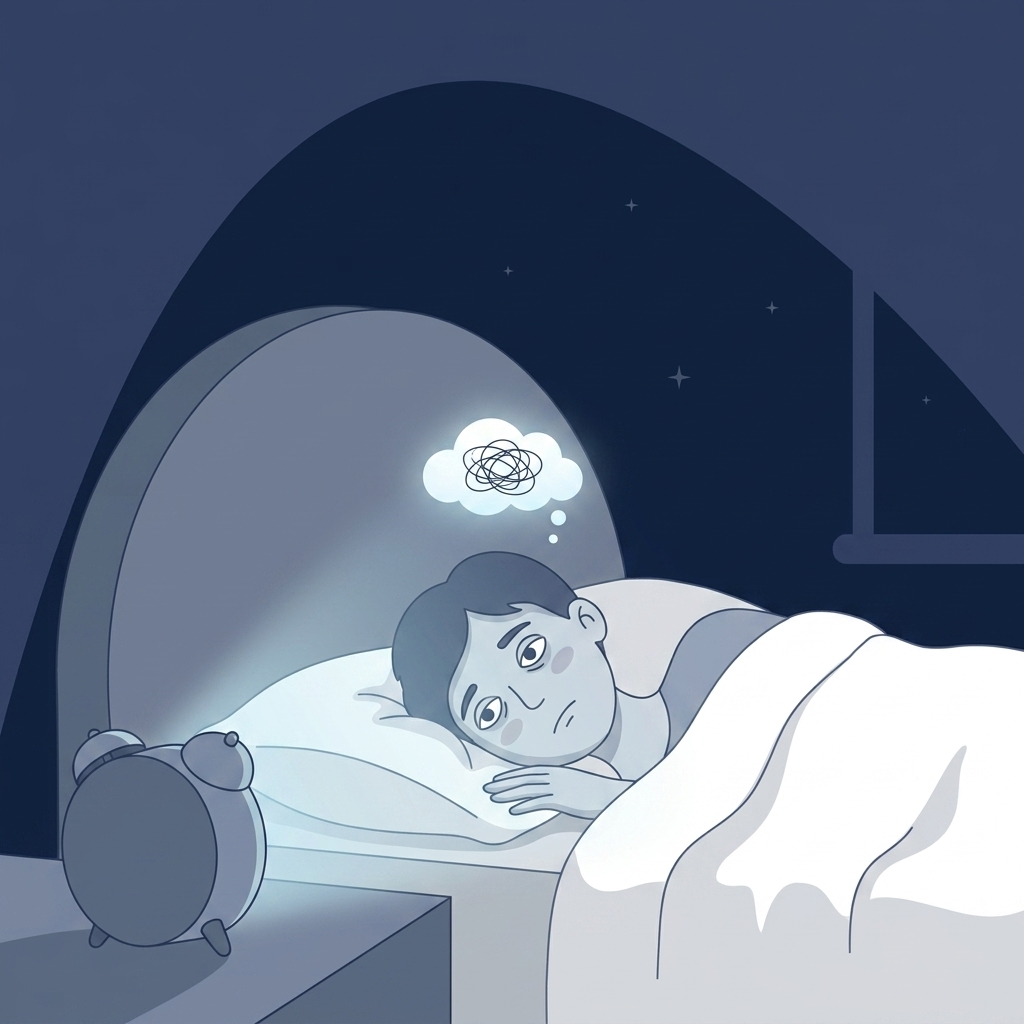
- Insomnia often becomes a loop: difficulty sleeping leads to worry and “trying harder,” which can make sleep even harder. An evaluation can help identify contributors and guide evidence-based treatment options.
- Helpful analogy: insomnia can act like a stuck alarm system—even when you want rest, your body stays on alert.
If you’re unsure where to start, consider booking an evaluation to turn symptoms into a clear plan: https://sleepandsinuscenters.com/appointments
Key takeaway: consider both nighttime symptoms and daytime impact when deciding your next steps.
Why Online Sleep Quizzes (and AI Symptom Checkers) Vary in Accuracy
What consumer quizzes do well
- Help you name your symptoms
- Encourage earlier care
- Provide a consistent way to track changes over time
Where they can mislead
- May over- or under-estimate risk if they don’t account for:
- Mental health symptoms (which can influence sleep perception)
- Medications or substances
- Age/life stage and cultural differences
- Coexisting sleep issues happening together
AI symptom-checkers: helpful for organizing concerns, not for diagnosis
- AI tools can suggest possibilities and next steps, but accuracy varies. Examples include Ubie’s sleep disorder page (https://ubiehealth.com/diseases/sleep-disorder) and consumer sleep habit tests (https://www.psychologytoday.com/us/tests/health/sleep-habits-test). Use them to organize your thoughts—not as a substitute for medical evaluation.
Bottom line: online tools are a starting point; a clinician visit is the decision point.
Symptoms to Watch For (By Category)
Insomnia symptoms
- Trouble falling asleep, staying asleep, or waking too early
- Irritability, low frustration tolerance, focus issues, “wired but tired” feeling
Excessive daytime sleepiness symptoms
- Unintentional dozing, “microsleeps,” fighting sleep during passive activities
- Drowsy driving or near-misses
Sleep apnea symptoms and common risk indicators
- Snoring, witnessed apneas, gasping/choking
- Morning headaches, dry mouth, nighttime urination
- Elevated cardiometabolic risk or craniofacial airway crowding (varies by person)
When symptoms might be related to nasal/sinus issues
- Chronic congestion and mouth breathing can affect sleep quality
- If nighttime blockage is a major theme, read more: https://sleepandsinuscenters.com/blog/cant-breathe-through-nose-at-night
In short: pay attention to both what happens at night and how you feel during the day.
Common Causes of Sleep Problems (Simple, Patient-Friendly)
Lifestyle and schedule factors
- Irregular timing, late caffeine, alcohol near bedtime, heavy late meals, and evening screen time can all worsen sleep.
- Small but common scenario: One late-afternoon coffee plus a later bedtime can shift your schedule just enough to create a “second wind,” making it harder to fall asleep.
Medical contributors
- Nasal obstruction/allergies, reflux, chronic pain, thyroid issues, and medication side effects may contribute.
Mental health and stress
- Stress and anxiety/depression can worsen insomnia symptoms and affect how sleep quality is perceived—one reason questionnaires are useful but imperfect. (NCBI Bookshelf, 2021: https://www.ncbi.nlm.nih.gov/books/NBK592970)
Essential idea: address the basics first, then check for medical contributors.
Treatment Options (What Usually Helps—Depending on Your Pattern)
If your quiz suggests insomnia
- First-line care often includes CBT-I (Cognitive Behavioral Therapy for Insomnia), which focuses on sleep habits, sleep-related thoughts, and strategies that rebuild a stronger sleep drive and bedroom-sleep association. If you’ve tried “perfect sleep hygiene” but still can’t sleep, CBT-I is often the step that adds structure and measurable progress.
If your quiz suggests possible sleep apnea
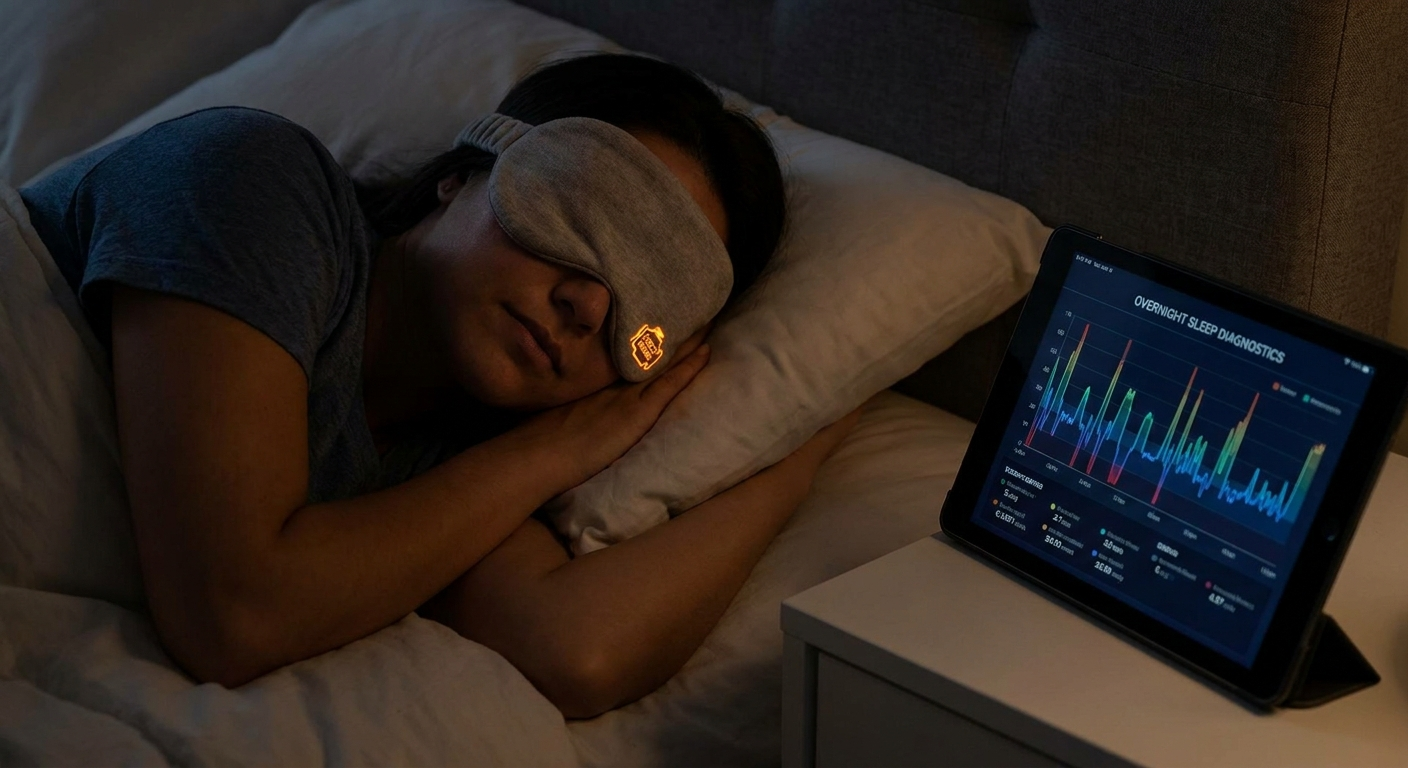
- Evaluation usually includes a careful history plus exam, and may include objective testing. Treatment options can include PAP therapy, oral appliances, positional strategies, and addressing nasal obstruction when relevant.
- Learn more about sleep apnea treatment approaches: https://sleepandsinuscenters.com/snoring-sleep-apnea-treatment
If your quiz suggests circadian rhythm issues
- A consistent wake time, light timing, and aligning sleep with your schedule can help—especially for shift work or “night owl” patterns.
If nasal obstruction is part of the problem
- Saline rinses and allergy management are commonly discussed. An ENT evaluation may help if obstruction is persistent or structural.
- When to see an ENT for sleep problems: https://sleepandsinuscenters.com/blog/when-to-see-an-ent-for-sleep-problems
Practical takeaway: match the treatment to the pattern—insomnia, sleepiness, circadian, or breathing-related.
Lifestyle Tips You Can Try This Week (Low-Risk, High-Value)
A “sleep basics” checklist
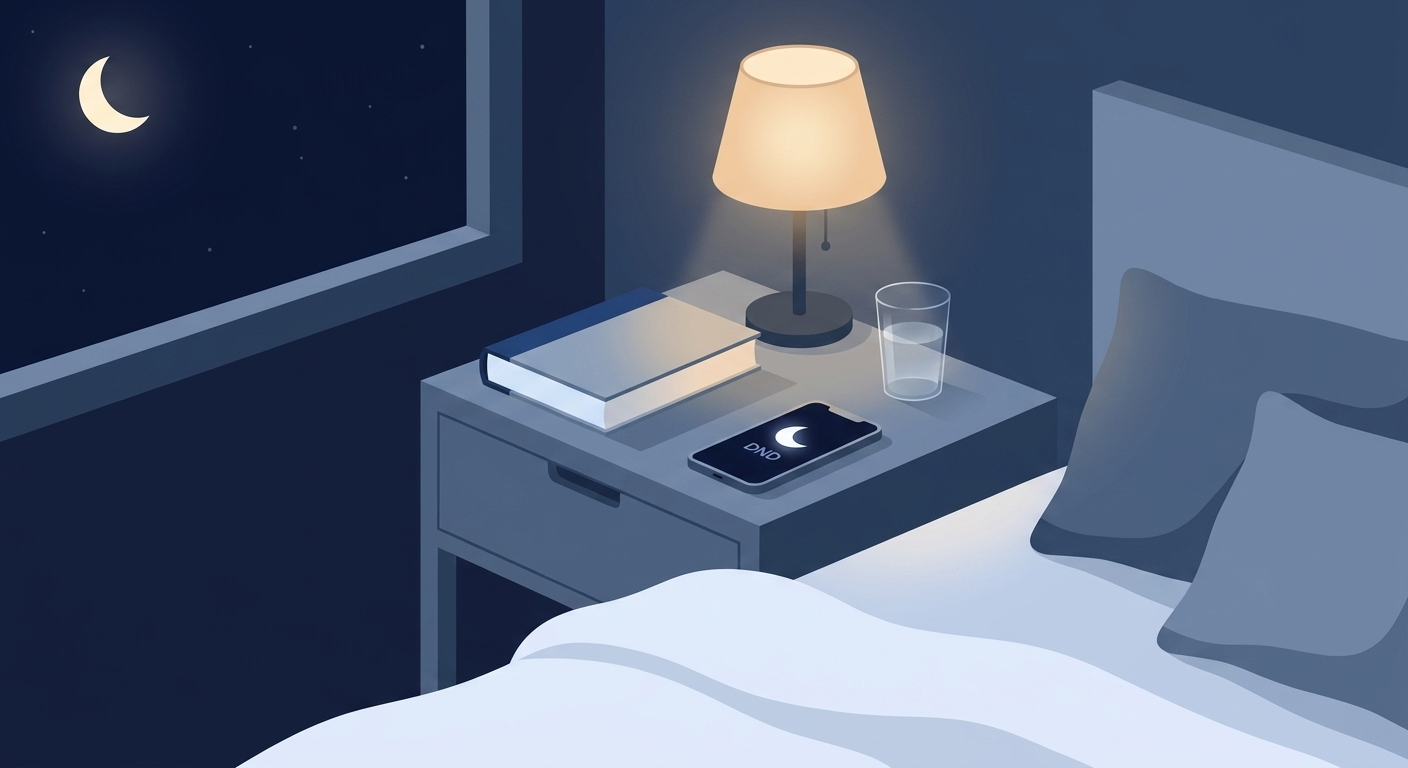
- Keep a consistent wake time (even weekends when possible)
- Build a short wind-down routine
- Limit caffeine later in the day; watch alcohol close to bedtime
- Keep your room dark, cool, and quiet
Track symptoms like a clinician would
- For 1–2 weeks, note: bedtime, wake time, awakenings, naps, caffeine/alcohol, and how you feel the next day. Repeating tools like an insomnia quiz (ISI-style) or the ESS over time can reveal trends.
- Practical tip: Bring the notes to your visit—one page of simple tracking can make your appointment more efficient and targeted.
Simple summary: small, consistent habits plus brief tracking often reveal the next best step.
When to See a Professional (and What Testing Might Be Recommended)
Signs you should book an evaluation soon
- High sleepiness scores (ESS-style) with safety concerns
- Loud snoring plus witnessed pauses/gasping
- Insomnia symptoms lasting 3+ months or affecting daily functioning
What diagnosis may require beyond quizzes
- Questionnaires support screening, but diagnosis may require:
- Clinical history + exam
- Objective testing when indicated:
- Polysomnography (sleep lab study)
- HSAT (home sleep apnea testing) for appropriate patients
- Overview: NCBI Bookshelf, 2021: https://www.ncbi.nlm.nih.gov/books/NBK592970
If you want to understand test options, read: https://sleepandsinuscenters.com/blog/home-sleep-test-vs-lab-study-which-sleep-test-is-best-for-you
Appointment note: If your results show red flags—or you simply want a clear plan—booking an evaluation can be the fastest way to turn symptoms into next steps: https://sleepandsinuscenters.com/appointments
Key message: if sleep is affecting safety, work, mood, or relationships, it’s worth getting checked.
FAQs
Are PSQI, ESS, and ISI considered “medical” sleep tests?
- They’re validated screening and monitoring questionnaires, not diagnostic tests. They help flag risk and track severity, but diagnosis may require clinical evaluation and sometimes objective testing. (NCBI Bookshelf, 2021: https://www.ncbi.nlm.nih.gov/books/NBK592970; validation overview: https://pmc.ncbi.nlm.nih.gov/articles/PMC3586742)
What does an ESS score over 10 mean?
- Commonly, ESS > 10 indicates higher daytime sleepiness and should prompt discussion with a clinician.
What ISI score should lead me to seek treatment?
- Many resources use ISI ≥ 15 (moderate insomnia) as a threshold to consider structured support such as CBT-I and professional evaluation. (ISI scoring bands: https://www.med.upenn.edu/cbti/assets/user-content/documents/Insomnia%20Severity%20Index%20(ISI).pdf)
Can I have sleep apnea if I don’t snore?
- Yes. Snoring is common but not required. Other signs—like witnessed breathing pauses, gasping, or significant sleepiness—can still be important.
Why do I feel tired if I’m “sleeping enough”?
- Total hours aren’t the only factor. Sleep fragmentation (including breathing events), insomnia-related non-restorative sleep, circadian mismatch, and medical contributors can all play a role.
How accurate are online sleep quizzes and AI symptom checkers?
- They’re useful for awareness and triage, but accuracy varies and they can’t diagnose. If your sleep disorder quiz results raise concerns, follow up with a professional. (Example AI tool: https://ubiehealth.com/diseases/sleep-disorder)
In essence: FAQs are a guide, but your specific situation deserves a personalized plan.
Conclusion — Your Next Best Step
Use this sleep disorder quiz as a signal, not a label. If your pattern suggests significant insomnia, high sleepiness, or breathing-related red flags, consider bringing your results (and a 1–2 week sleep diary) to a visit.
Primary CTA: Schedule a sleep evaluation: https://sleepandsinuscenters.com/appointments
FAQ Schema (JSON-LD)
{ "@context": "https://schema.org", "@type": "FAQPage", "mainEntity": [ { "@type": "Question", "name": "Are PSQI, ESS, and ISI considered “medical” sleep tests?", "acceptedAnswer": { "@type": "Answer", "text": "They are validated screening and monitoring questionnaires, not diagnostic sleep tests. They can help flag risk and track symptom severity, but diagnosis may require clinical evaluation and sometimes objective testing." } }, { "@type": "Question", "name": "What does an ESS score over 10 mean?", "acceptedAnswer": { "@type": "Answer", "text": "A commonly used cutoff is ESS > 10, which indicates higher daytime sleepiness and is a reason to discuss symptoms with a clinician." } }, { "@type": "Question", "name": "What ISI score should lead me to seek treatment?", "acceptedAnswer": { "@type": "Answer", "text": "Many resources use ISI ≥ 15 (moderate insomnia) as a threshold to consider structured support such as CBT-I and professional evaluation." } }, { "@type": "Question", "name": "Can I have sleep apnea if I don’t snore?", "acceptedAnswer": { "@type": "Answer", "text": "Yes. Snoring is common but not required. Other signs such as witnessed breathing pauses, gasping/choking, or significant daytime sleepiness can still be important." } }, { "@type": "Question", "name": "Why do I feel tired if I’m sleeping enough?", "acceptedAnswer": { "@type": "Answer", "text": "Tiredness can occur even with adequate time in bed if sleep is fragmented, non-restorative, or misaligned with your internal clock, or if medical and lifestyle factors contribute." } }, { "@type": "Question", "name": "How accurate are online sleep quizzes and AI symptom checkers?", "acceptedAnswer": { "@type": "Answer", "text": "They can be helpful for awareness and triage, but accuracy varies and they cannot diagnose. Concerning results should prompt follow-up with a qualified professional." } } ] }
This article is for educational purposes only and is not medical advice. Please consult a qualified healthcare provider for diagnosis and treatment.
Don’t let allergies slow you down. Schedule a comprehensive ENT and allergy evaluation at Sleep and Sinus Centers of Georgia. We’re here to find your triggers and guide you toward lasting relief.