Sleep Disorder Doctors Near Me: Find Local Sleep Specialists and Clinics
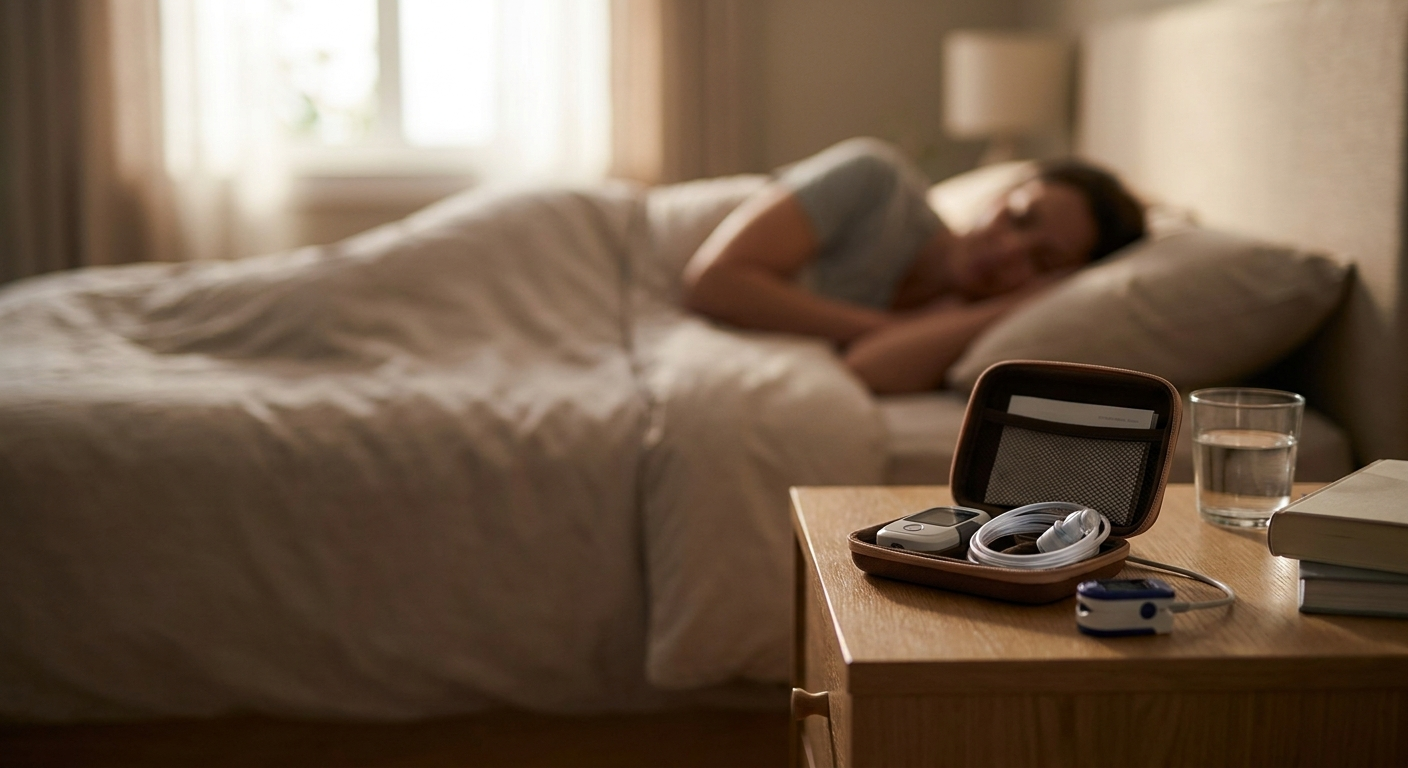
Feeling tired is common—but ongoing exhaustion, loud snoring, or waking up unrefreshed may be a sign of a treatable sleep disorder. Many people spend months (or years) blaming stress, aging, or a busy schedule when what they really need is a proper sleep evaluation.
A helpful way to think about it: if your vision was blurry every day, you wouldn’t just push through—you’d get your eyes checked. Persistent sleep symptoms deserve that same practical approach: evaluate, identify the cause, then treat what’s treatable.
This guide explains when to look for care, how to find trustworthy local specialists, and what to expect from testing and treatment—so searching for sleep disorder doctors near me leads to confident next steps, not confusion.
When to Look for a Sleep Disorder Doctor (Common Signs and Symptoms)
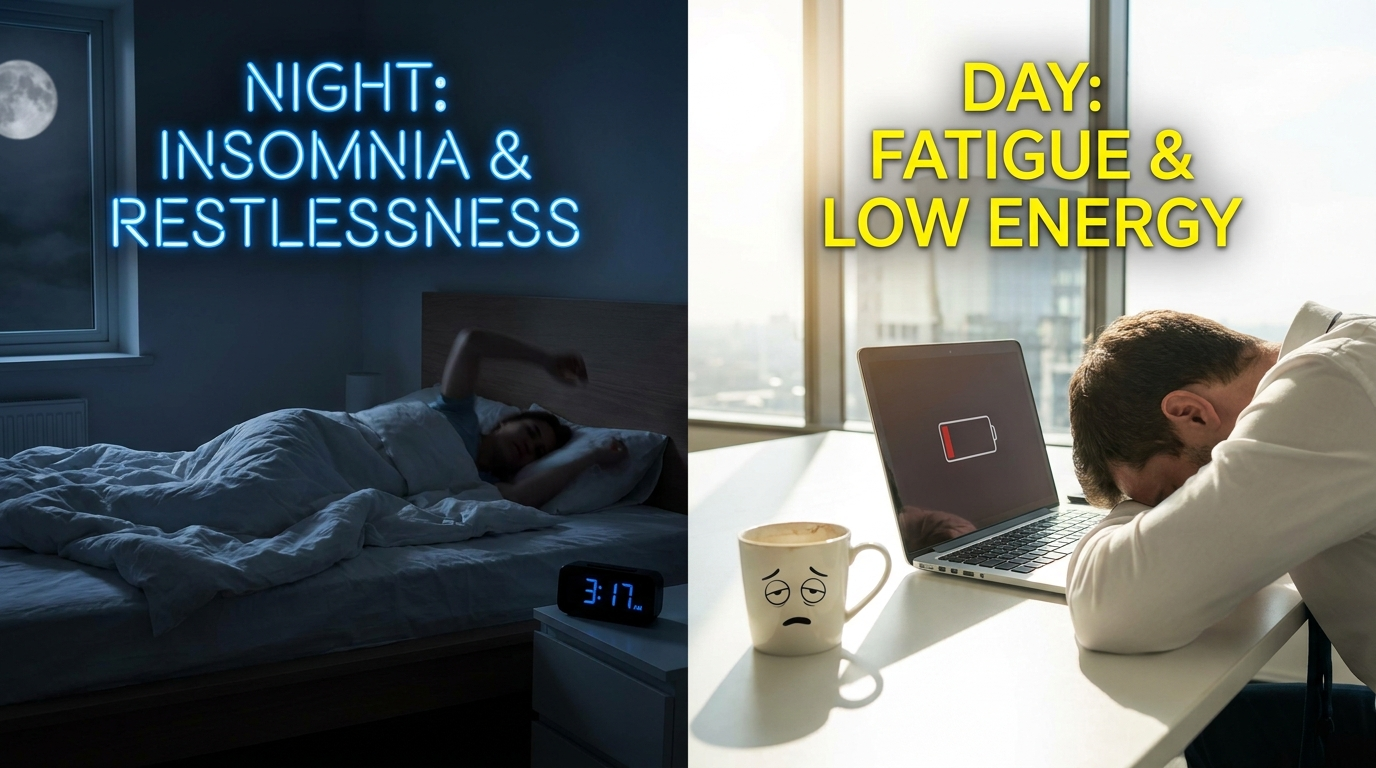
Sleep disorders can show up at night, during the day, or both. If any of the symptoms below feel familiar—especially if they’re affecting your health, mood, relationships, or safety—it may be time to consider a professional evaluation.
Many clinicians hear versions of: “I sleep eight hours, but I’m still exhausted.” That mismatch—enough time in bed, but not restorative sleep—can be an important clue.
Nighttime symptoms
- Loud snoring, gasping or choking sounds, or witnessed pauses in breathing
- Trouble falling asleep or staying asleep
- Restless legs sensations, frequent bathroom trips, or recurring nightmares
Daytime symptoms
- Excessive daytime sleepiness, “brain fog,” or morning headaches
- Mood changes (irritability, anxiety, depressed mood) or low motivation
- Poor concentration, drowsy driving risk, or dozing off unexpectedly
If you’re unsure how significant your daytime sleepiness is, you can start with a quick screening tool like this sleepiness self-test: https://sleepandsinuscenters.com/test-your-sleepiness
Safety “red flags” worth acting on sooner
If you’ve had near-misses while driving, you’re falling asleep at stoplights, or a partner reports repeated breathing pauses, it’s reasonable to move sleep evaluation higher on your priority list.
Symptoms in kids and teens (when pediatric sleep may be needed)
Children and teens can present differently than adults. Some signs that may warrant pediatric-focused sleep evaluation include:
- Snoring, mouth breathing, or restless sleep
- Behavior concerns, attention problems, or learning difficulties
Some clinics may only see pediatric patients above a certain age, and policies vary by location and staffing—ask when you call.
Summary: If persistent symptoms are affecting your days or your safety, a professional sleep evaluation is a reasonable next step.
What Causes Sleep Disorders? (And Why the Right Specialist Matters)
Sleep problems aren’t one-size-fits-all. The best evaluation considers breathing, health conditions, sleep timing, medications, and daily routines—because different causes often require different testing and treatment paths.
Put simply, “bad sleep” is a symptom—not a diagnosis. A sleep specialist’s job is to connect the dots between what you experience and what’s happening physiologically or behaviorally.
Common medical and airway-related causes
- Obstructive sleep apnea (OSA) and upper-airway narrowing
- Nasal obstruction, allergies, or sinus issues that can affect nighttime breathing
If you’re also dealing with chronic nasal congestion or recurring sinus concerns, this overview may help: When to See an ENT for Sleep Problems: https://sleepandsinuscenters.com/blog/when-to-see-an-ent-for-sleep-problems
Sleep-wake and behavioral causes
- Insomnia patterns related to stress, hyperarousal, or schedule disruption
- Circadian rhythm disorders (shift work, delayed sleep phase)
Neurologic and movement-related causes
- Restless legs syndrome / periodic limb movement disorder
- Narcolepsy or other hypersomnia conditions (less common, but important to evaluate carefully)
Summary: Pinpointing the cause is the fastest path to the right test—and the right treatment.
A Reliable Way to Find Sleep Disorder Doctors Near You
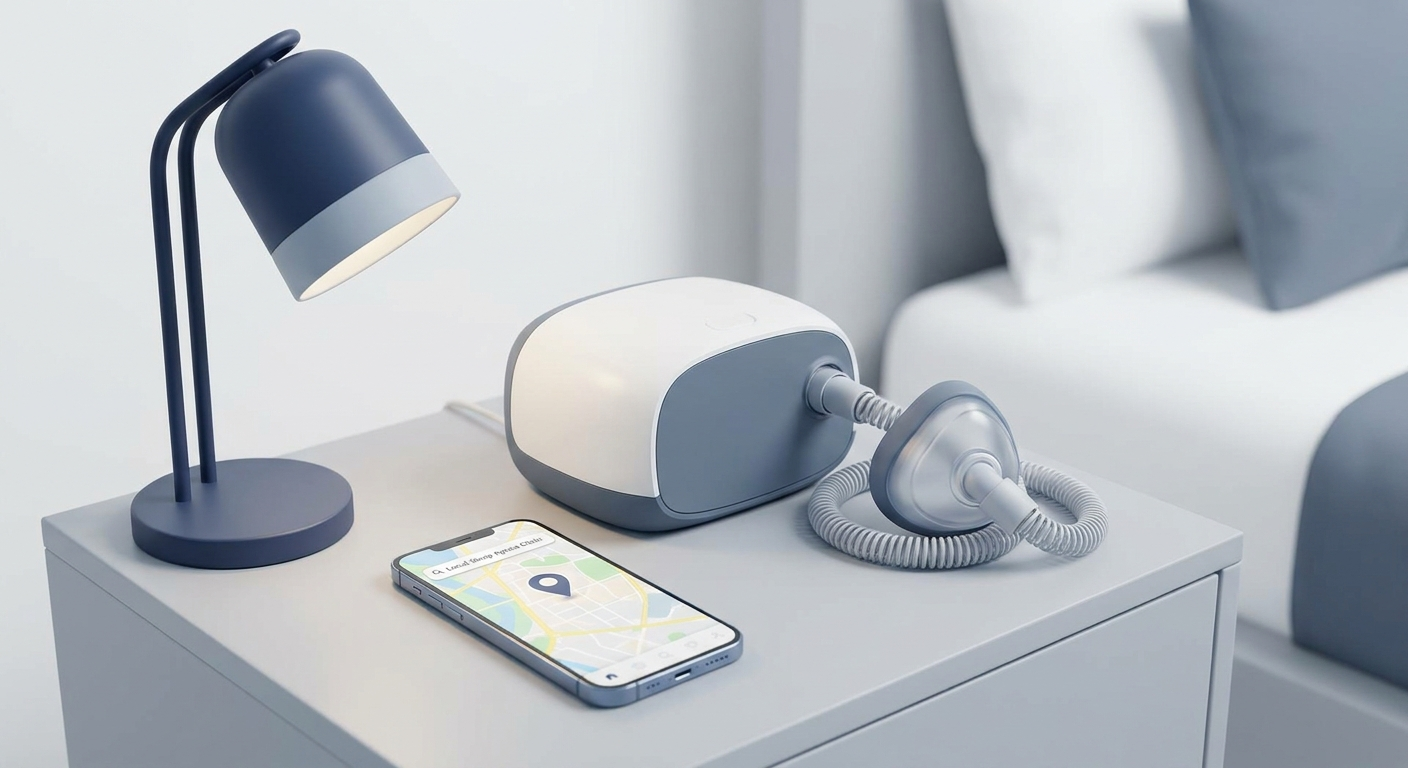
If you’ve been searching “sleep disorder doctors near me,” use this two-step approach to identify higher-quality options. The goal isn’t just the closest office—it’s finding a clinic set up for accurate diagnosis and follow-through, so you’re not left with unanswered questions after a test.
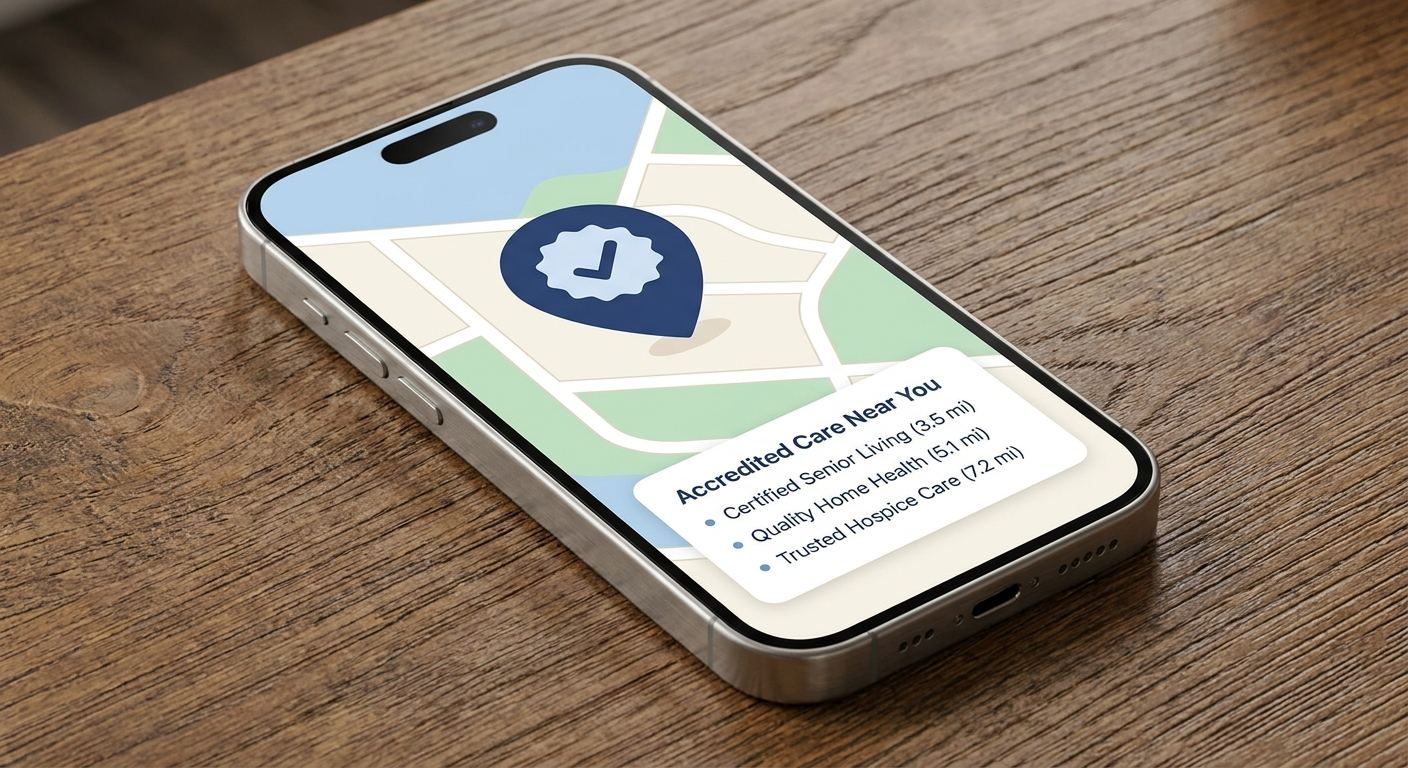
Start with the AASM Sleep Center Directory (accredited care)
A reliable starting point is the AASM Sleep Center Directory, which lists AASM-accredited sleep centers: https://sleepeducation.org/sleep-center
Accreditation generally indicates that a center follows defined standards for evaluation, testing, and ongoing care processes.
Why this matters in practice
Sleep care often involves multiple steps—screening, choosing the right test, interpreting results, starting treatment, then adjusting it based on how you feel and (when applicable) therapy data. Clinics that manage this full pathway tend to offer smoother experiences and clearer outcomes.
Clinic vs. sleep lab—what’s the difference?
- Sleep clinic: Outpatient visits for consultation, follow-up, education, and coordinating next steps
- Sleep lab: A facility equipped for overnight testing (in-lab sleep studies) when appropriate
- Many patients start through a clinic and may complete home sleep tests through that clinic’s process
Summary: Start with accredited centers, then choose the team that can evaluate, test, and follow through.
Credentials Checklist—How to Identify a Qualified Sleep Specialist
When comparing “sleep disorder doctors near me,” credentials can help you separate general “sleep services” from dedicated sleep medicine care.
Look for board certification in Sleep Medicine
“Board-certified in sleep medicine” generally indicates a physician has completed specific training and passed a sleep medicine exam.
Multiple board certifications can be a strength
Many sleep physicians also have training in areas like pulmonary medicine or internal medicine. That can be helpful because sleep disorders—especially sleep apnea—often overlap with breathing health and broader medical concerns.
Verify credentials and fit
- Confirm board certifications and affiliations on the practice website or official medical board listings, as these can change over time.
- When you call or book online, ask whether the practice supports:
- Adult sleep care vs. pediatric sleep care
- Behavioral sleep medicine (including CBT-I for insomnia)
- Older adult sleep concerns or complex medical cases
Summary: Credentials don’t replace rapport, but they do raise the odds you’ll get the right workup.

Sleep Clinics Near Me—What Services They Typically Offer
A comprehensive sleep clinic supports a full care pathway—from first visit to diagnosis to follow-up—so you’re not left figuring out treatment on your own.
Evaluation and diagnosis
Common first steps include:
- Detailed medical history and symptom review
- Sleep questionnaires and risk screening
- Discussion of bedtime/wake time, naps, alcohol use, and medications (these can influence sleep architecture and symptoms)
Diagnostic testing options
Your clinician may discuss testing options such as:
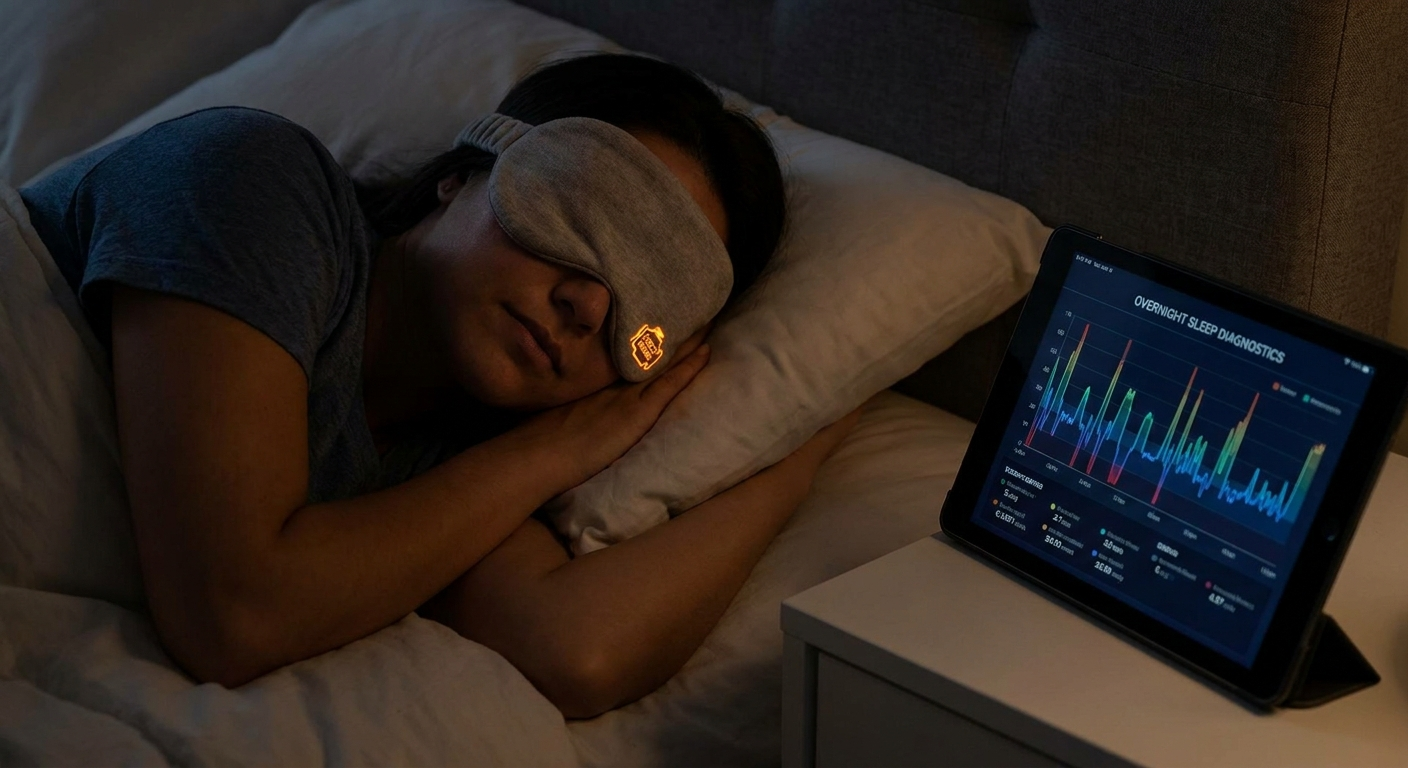
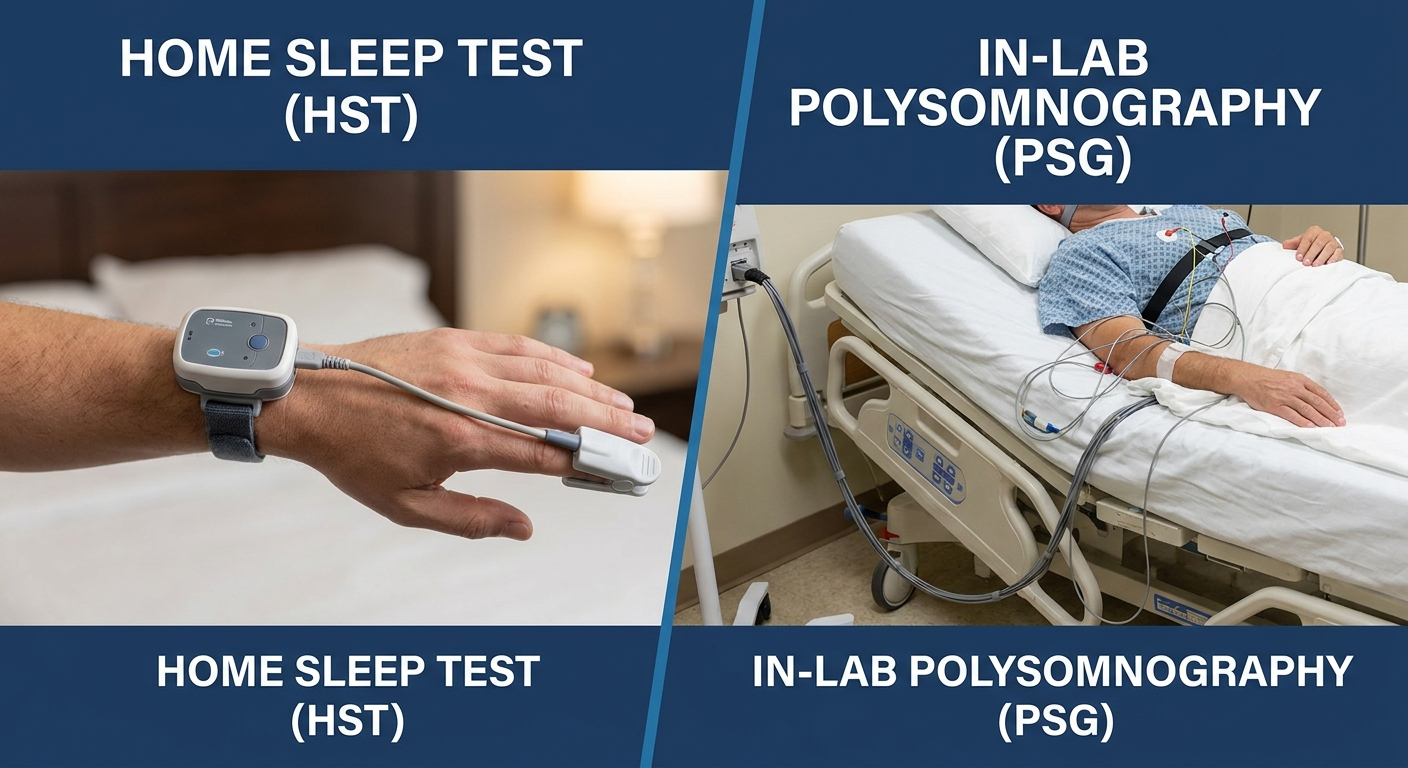
- Home sleep apnea test (HSAT): Often used when there’s a strong suspicion of obstructive sleep apnea in an otherwise appropriate candidate
- In-lab polysomnography (PSG): May be recommended when symptoms are complex, when other sleep disorders are suspected, or when a more detailed evaluation is needed
- Other monitoring or titration studies when clinically appropriate
If you want to dive deeper before scheduling:
- How accurate is a home sleep test? https://sleepandsinuscenters.com/blog/home-sleep-test-accuracy-how-reliable-are-at-home-sleep-tests
- Home Sleep Test vs. Lab Study: Which Sleep Test Is Best? https://sleepandsinuscenters.com/blog/home-sleep-test-vs-lab-study-which-sleep-test-is-best-for-you
A simple “which test is right?” example
If symptoms strongly suggest OSA and your history is otherwise straightforward, HSAT may be discussed. If there are multiple sleep complaints (for example, significant insomnia plus unusual movements or other concerns), PSG can provide a broader view. Your clinician will guide this decision based on your situation.
Treatment planning and follow-up
Sleep care works best when follow-up is built in. Many clinics provide:
- Therapy education and equipment support (when PAP therapy is prescribed)
- Troubleshooting for comfort, mask fit, and adherence
- Ongoing check-ins to confirm treatment is working as intended
Summary: A strong clinic guides you from first visit to effective, sustainable treatment.
Common Sleep Disorder Treatments (What Your Doctor May Recommend)
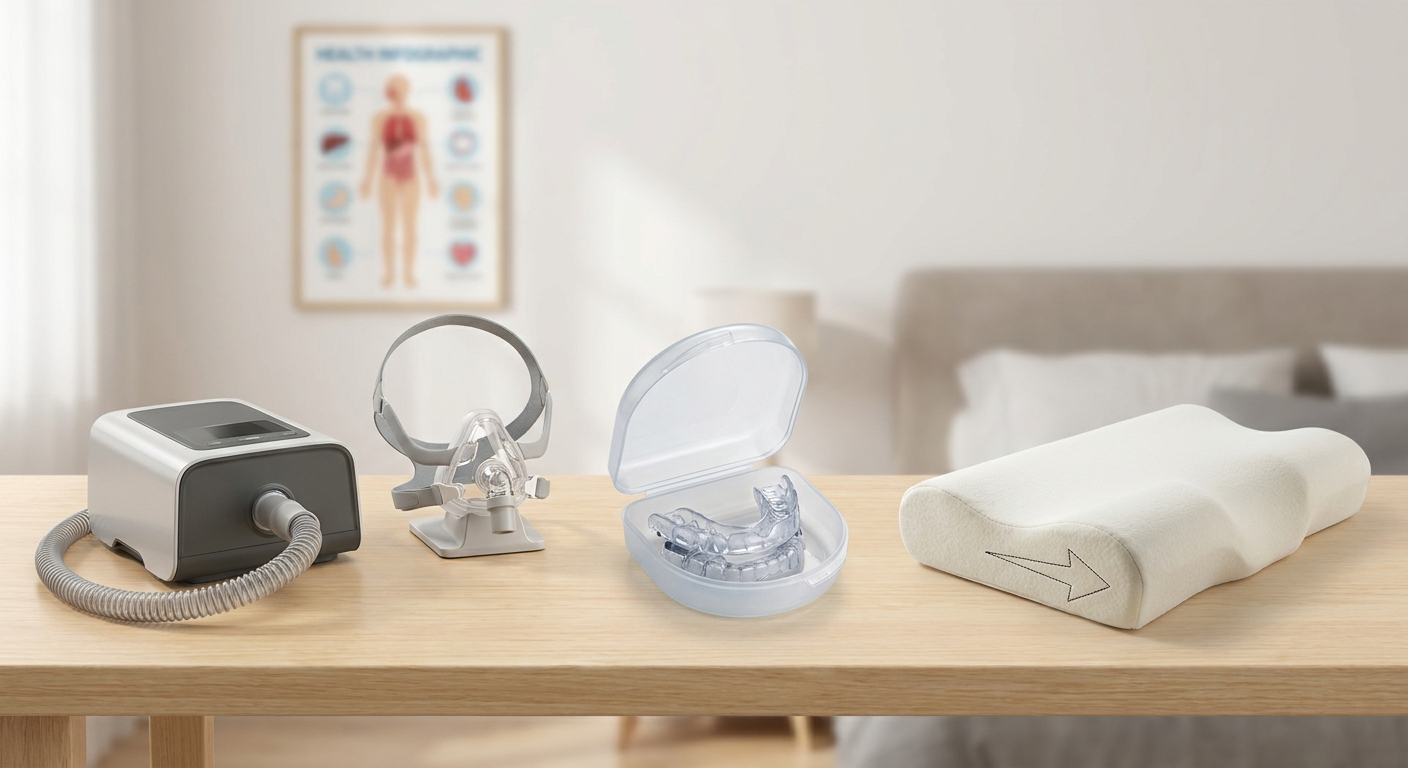
Your plan depends on your diagnosis, test results, symptoms, and overall health. The goal is to improve sleep quality, daytime function, and longer-term health risks associated with untreated sleep disorders. Expect a process: education, adjustments, and follow-up often matter as much as the initial prescription.
Treatments for sleep apnea
Depending on severity and individual factors, options may include:
- CPAP/APAP therapy with individualized mask options
- Oral appliance therapy (in appropriate candidates, often coordinated with qualified dental partners)
- Positional therapy and weight management support (when relevant)
- ENT evaluation for nasal/airway contributors (when indicated)
If you’re specifically looking for help with snoring or suspected OSA, explore:
- Snoring and Sleep Apnea Treatment: https://sleepandsinuscenters.com/snoring-sleep-apnea-treatment
- Sleep Apnea Doctors Near Me: How to Choose (Checklist): https://sleepandsinuscenters.com/blog/sleep-apnea-doctors-near-me-how-to-choose-checklist
Treatments for insomnia
Insomnia treatment often includes:
- CBT-I (Cognitive Behavioral Therapy for Insomnia), commonly considered a first-line approach
- Sleep habit changes (helpful support tools, though not always sufficient on their own)
- Medication in selected cases, with careful monitoring and clear goals
Treatments for restless legs and movement disorders
Plans may involve:
- Considering iron evaluation when appropriate
- Medication or behavioral strategies depending on the suspected cause and symptom pattern
Summary: The best plan is personalized, adjustable, and supported with follow-up.
How to Choose Between Two “Near Me” Options (Practical Comparison Guide)
If you’ve narrowed your list to two local clinics and still feel stuck, compare them using factors that affect real outcomes—not just convenience.
Quick decision checklist
- AASM accreditation status
- Board certification(s)
- Testing options (HSAT vs. in-lab)
- Appointment availability and follow-up support
- Insurance participation and transparent billing practices
Questions to ask when you call
- Is the interpreting physician board-certified in sleep medicine?
- Do you offer home sleep testing? When do you recommend in-lab testing?
- What does follow-up look like after I start treatment?
Summary: Choose the option that pairs access with quality and follow-through—not just the shortest drive.
What to Expect at Your First Sleep Appointment
Most first visits are conversation-heavy (not procedure-heavy). The focus is on understanding your symptoms and choosing the right next step.
What to bring
- A medication and supplement list
- Typical sleep schedule (workdays vs. weekends)
- A short symptom log (snoring, awakenings, naps, morning headaches)
- If possible, a bed partner’s observations (snoring, pauses, gasping)
- Wearable data (optional—helpful context, not a diagnosis)
What typically happens
- Review of symptoms, health history, and sleep habits
- Discussion of whether a sleep study is appropriate (and which type)
- A timeline for testing, results review, and next steps
Summary: Knowing the steps ahead can make booking—and sticking with care—easier.
Lifestyle Tips While You Wait to See a Sleep Doctor (Safe, Supportive Steps)
These strategies may support sleep quality while you’re waiting for an appointment, though they’re not a substitute for evaluation if symptoms suggest a sleep disorder.
Sleep-friendly habits that help many patients
- Keep a consistent wake time and get morning light exposure
- Limit alcohol close to bedtime (it can worsen snoring and sleep-disordered breathing)
- Watch caffeine timing and avoid late-day use if it disrupts sleep
- Exercise regularly, ideally earlier in the day if evening workouts keep you wired
If you suspect sleep apnea
- Side-sleeping strategies may reduce snoring for some people
- Avoid self-prescribing devices without an evaluation—delays can prolong symptoms and miss important diagnoses
Summary: Support your sleep now, and let a clinician tailor a plan after evaluation.
FAQs
Do I need a referral to see a sleep specialist?
It depends on your insurance plan and the clinic’s policies. Some clinics accept self-referrals, while others may request a referral from your primary care provider.
Is a home sleep test accurate?
Home sleep testing can be accurate for many people with suspected obstructive sleep apnea, especially in appropriate, uncomplicated cases. A sleep clinician can help decide which test best fits your symptoms and health history.
What does AASM accreditation mean?
It means the center meets defined standards related to sleep medicine care, including evaluation processes and testing protocols.
What kind of doctor treats sleep apnea?
Sleep apnea is often treated by physicians who are board-certified in sleep medicine. Some also have training in pulmonary or internal medicine, and ENT specialists may be involved when airway anatomy or nasal obstruction is a contributor.
How quickly will I feel better after starting treatment?
Some people notice improvement within days to weeks once effective therapy is established, while others may need adjustments and follow-up to optimize results.
Summary: If you’re unsure where to begin, scheduling an initial consult is a solid first move.
Request a Sleep Evaluation (Local Next Step)
If your symptoms match the signs above, it may be worth scheduling an evaluation. Sleep disorders are common, and many are highly treatable with the right diagnosis and follow-up plan.
Request a Sleep Evaluation: https://sleepandsinuscenters.com/appointments
This article is for educational purposes only and is not medical advice. Please consult a qualified healthcare provider for diagnosis and treatment.
Don’t let allergies slow you down. Schedule a comprehensive ENT and allergy evaluation at Sleep and Sinus Centers of Georgia. We’re here to find your triggers and guide you toward lasting relief.