Sleep Apnea Specialist Near Me: Find Trusted Local Experts for Diagnosis and Treatment
Why "Near Me" Matters for Sleep Apnea Care
If you’re searching for a sleep apnea specialist near me, you likely want two things: a clear explanation for why you feel exhausted and a practical plan to get tested and treated without months of delays. Sleep apnea is common, and many patients benefit from well-studied treatment options. The key is finding a local team that can move you from “I think something’s wrong” to a diagnosis and a plan you can follow.
In this guide, you’ll learn:
- Who qualifies as a sleep apnea specialist
- Symptoms that commonly lead people to seek care
- How diagnosis typically works (consult → testing → treatment plan)
- How to find reputable local options in the U.S. and Canada
Bottom line: Local, coordinated care can make testing and treatment much easier to complete.
What Is Sleep Apnea (and Why Getting the Right Specialist Matters)?
Sleep apnea is a condition where breathing is repeatedly disrupted during sleep. It’s often a recurring pattern that fragments sleep—sometimes without you realizing it.
- Obstructive sleep apnea (OSA) happens when the upper airway narrows or collapses during sleep, reducing airflow.
- Central sleep apnea (CSA) happens when the brain doesn’t consistently send signals to the breathing muscles.
Because OSA and CSA can share overlapping symptoms but may require different evaluation and treatment approaches, a clinician-led pathway is often best rather than self-diagnosis.
Why untreated sleep apnea can become a bigger health issue: When breathing is disrupted overnight, sleep quality drops and oxygen levels may fluctuate. Over time, untreated sleep apnea is associated with:
- Excessive daytime sleepiness and reduced concentration
- Cardiovascular strain (including effects on blood pressure)
- Safety risks such as drowsy driving
Think of it like charging a battery that never quite reaches full—time passes, but you still wake up underpowered.
Takeaway: Identifying the right type of sleep apnea helps guide the most appropriate testing and treatment.
Signs & Symptoms That Often Lead People to Search "Sleep Apnea Specialist Near Me"
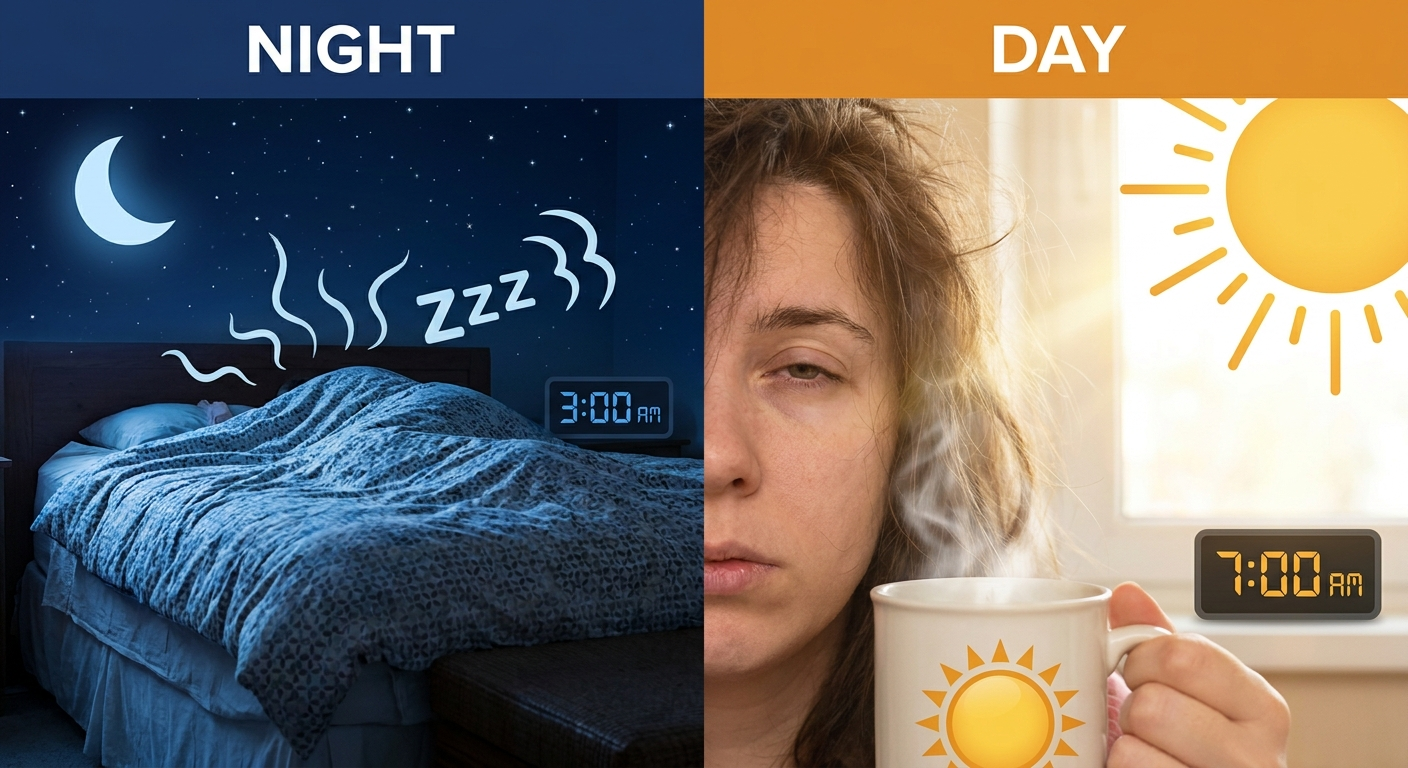
Nighttime symptoms: People often seek help after noticing (or being told about) patterns such as:
- Loud, persistent snoring
- Pauses in breathing witnessed by a partner
- Gasping or choking awakenings
- Restless sleep or frequent nighttime bathroom trips
A common scenario is a partner noticing breathing pauses while the person mainly remembers unrefreshing sleep.
Daytime symptoms: Daytime clues can be just as important, including:
- Excessive sleepiness, low energy, or morning headaches
- “Brain fog,” irritability, or mood changes
- Trouble focusing at work or school
- Increased risk of drowsy driving
Some people don’t describe themselves as “sleepy”—they describe being “wired but tired,” using extra caffeine, or feeling unusually short-tempered by mid-afternoon.
When symptoms should be evaluated sooner (red flags):
- Significant daytime sleepiness or unintentional dozing
- High blood pressure that’s hard to control
- A safety-sensitive job (commercial driving, heavy machinery, shift work)
Unintentional daytime sleepiness is a common reason to seek medical evaluation sooner. If daytime sleepiness, partner-witnessed breathing pauses, or safety concerns are present, getting evaluated sooner can be helpful.
What Causes Sleep Apnea? Common Risk Factors (Patient-Friendly)
Airway anatomy and congestion (OSA often relates to airway structure and airflow):
- Nasal obstruction or chronic congestion
- Enlarged tonsils (more common in children, can matter in adults)
- Jaw/tongue position that narrows the airway during sleep
If your airway is like a flexible straw, certain shapes and pressure changes during sleep can make it more likely to narrow.
Lifestyle and health factors that can influence risk include:
- Weight changes (even modest changes can affect airway mechanics)
- Alcohol use near bedtime (can relax airway muscles)
- Smoking (can irritate and inflame airway tissues)
- Age and family history
Risk factors aren’t “fault.” They’re clues that help a clinician estimate likelihood and choose the right test.
Conditions that may overlap: Other conditions—like chronic allergies/congestion or reflux—can worsen sleep quality or make treatment (like CPAP) harder to tolerate until addressed. These are often discussed during evaluation. Knowing your risk factors helps your clinician tailor testing and treatment to your situation.
What Kind of Doctor Treats Sleep Apnea?
Board-certified sleep medicine physicians (the “sleep apnea specialist” most people mean): When people say “sleep apnea specialist,” they’re often referring to a board-certified sleep medicine physician. These doctors commonly come from pulmonology, neurology, or otolaryngology (ENT) and then complete additional training in sleep medicine [1].
Pulmonologist vs. Neurologist vs. ENT—who to see first?
- Pulmonologist (pulmonary/sleep): focuses on breathing and sleep-disordered breathing
- Neurologist (sleep-focused): evaluates sleep regulation and neurologic contributors
- ENT for sleep apnea: evaluates nose/throat anatomy and may discuss procedural options when anatomy is a key driver
Many patients start with a sleep clinic or sleep physician for testing and diagnosis, and add ENT evaluation if nasal obstruction or airway anatomy affects treatment success.
What about dentists and oral appliance therapy? Some patients are candidates for oral appliance therapy (a custom-fit mouthpiece). This is typically coordinated after a sleep apnea diagnosis and includes follow-up to ensure comfort and effectiveness. The device is only half the treatment—fitting, adjustment, and follow-up make it work in real life. The “right” specialist is usually a sleep-trained clinician who can coordinate testing and a full range of treatment options.
How to Find a Trusted "Sleep Apnea Specialist Near Me" (Step-by-Step)
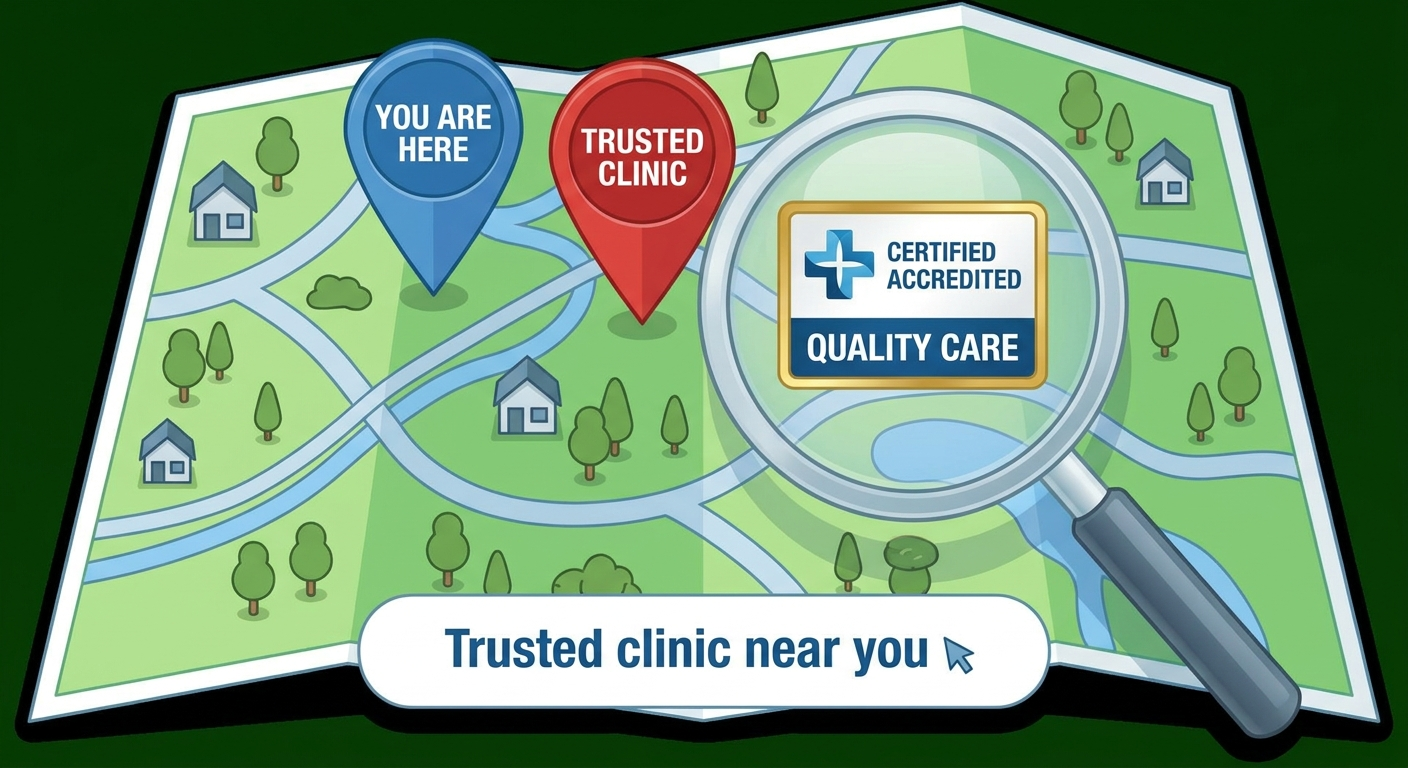
Step 1 — Look for accreditation/quality signals (U.S. and beyond): In the U.S., a commonly used starting point is the American Academy of Sleep Medicine (AASM) Sleep Center Directory, which lists accredited sleep centers [2]. Accreditation generally signals consistent standards for testing, scoring, and clinical processes.
Step 2 — Confirm credentials and experience. When comparing local options, look for:
- Board certification in sleep medicine (or a strong sleep-focused practice)
- Experience with multiple treatment options (not one-size-fits-all)
- Clear follow-up support (equipment setup, troubleshooting, progress checks)
A useful litmus test is whether the clinic describes what happens after the test—results without follow-through can leave people stuck.
Step 3 — Read reviews the “right” way. Focus on patterns like:
- Communication and responsiveness
- Ease of scheduling a sleep study near you
- Help navigating insurance and prior authorizations
Look for repeated themes such as “clear explanations” or “helpful with masks,” rather than overweighing a single vague complaint.
Step 4 — Ask the office these 8 questions before booking:
1. Do you offer home sleep tests and in-lab studies?
2. Who interprets the results (is it a sleep physician)?
3. How soon after testing do I get a treatment plan?
4. Do you help with CPAP setup and mask fitting?
5. What CPAP alternatives do you offer if CPAP isn’t tolerated?
6. Do you coordinate with ENT/dentistry/cardiology if needed?
7. Do you accept my insurance?
8. What follow-ups happen in the first 30–90 days?
For a more detailed vetting list, see: https://sleepandsinuscenters.com/blog/sleep-apnea-doctors-near-me-how-to-choose-checklist
Aim for a clinic that offers accredited testing, sleep-trained clinicians, and hands-on support after your results.
U.S. vs. Canada: Where to Look for Local Sleep Apnea Clinics
United States: AASM Sleep Center Directory (accredited options). For an accredited sleep center near you, the AASM directory is a useful tool [2]. You can filter by location and view center details.
Canada: Provincial pathways and local sleep clinic options. In Canada, availability and referral requirements vary by province. Many patients start by checking:
- Whether a referral is required under their provincial system or insurance
- Which local clinics offer home testing vs. in-lab testing
- Whether the clinic provides follow-up support (equipment education, troubleshooting, and reassessment)
Check local requirements first, then choose a clinic that supports you from testing through follow-up.
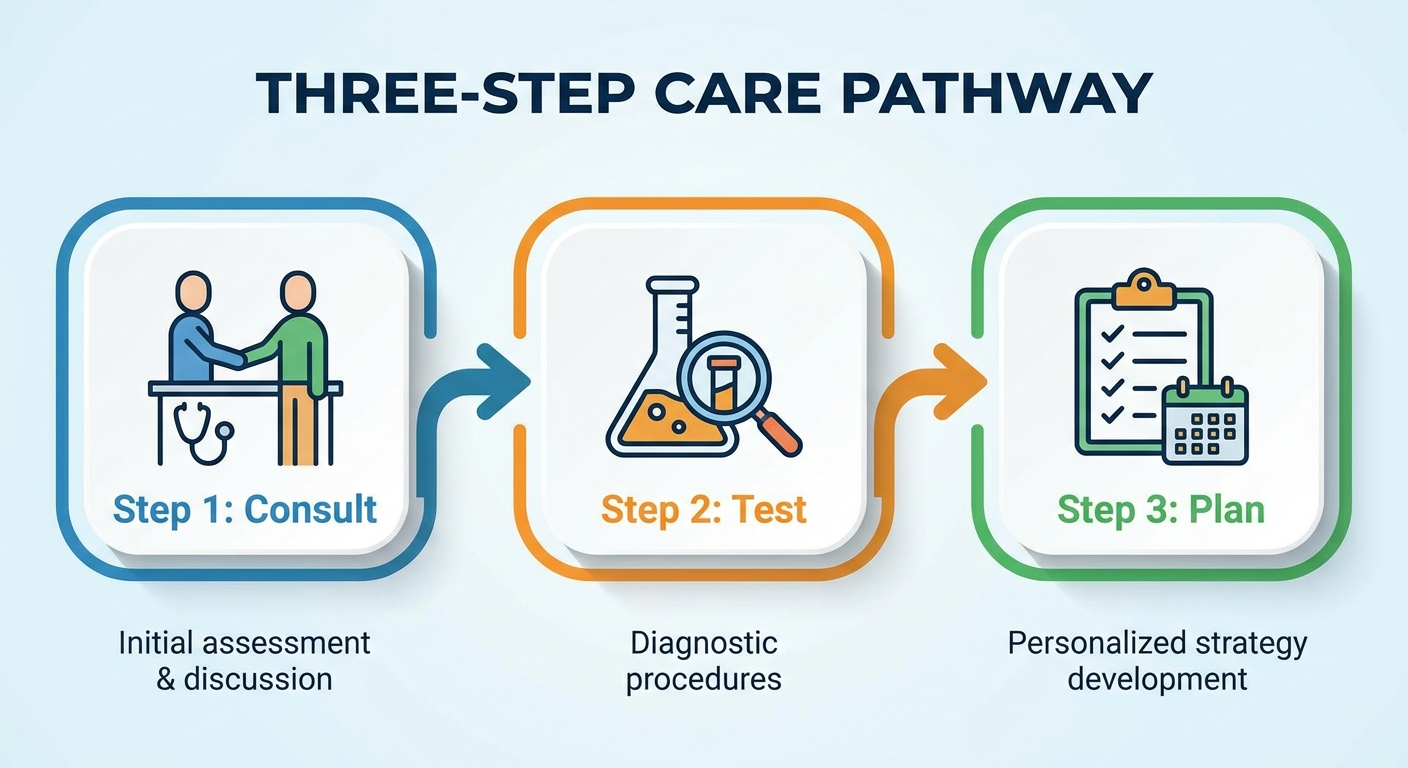
What to Expect at Your Sleep Apnea Appointment (Typical Care Pathway)
Step 1 — Consultation (history + targeted exam). A first visit typically covers: snoring patterns, witnessed pauses, awakenings; sleep schedule, insomnia symptoms, daytime fatigue; medications, alcohol use, nasal symptoms; relevant health history and risk factors. Bed partner observations can be surprisingly helpful (for example, snoring that’s worse on your back).
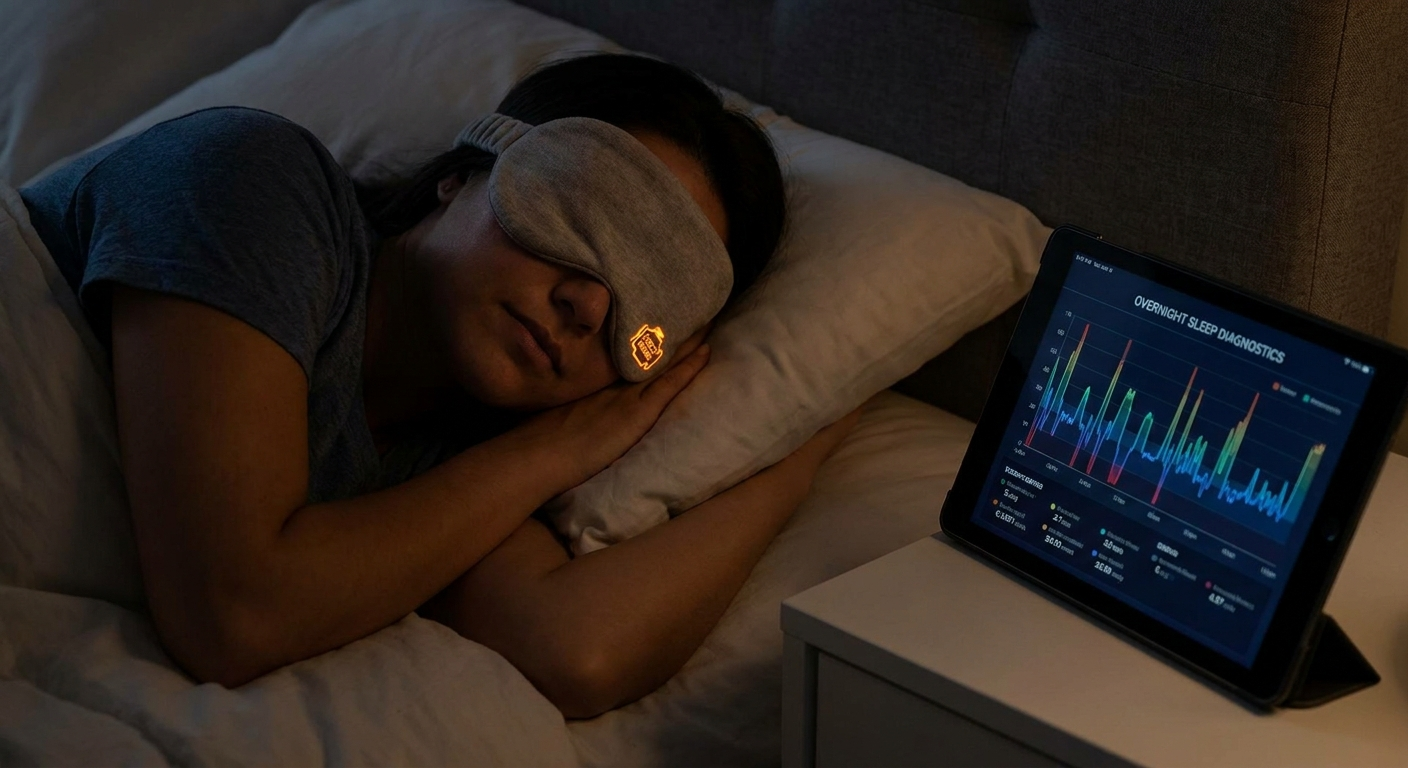
Step 2 — Diagnostic testing (home vs. in-lab). Your clinician may recommend: Home Sleep Apnea Test (HSAT): often used for suspected OSA in appropriate patients. In-lab polysomnography: often preferred when symptoms are complex or when other sleep disorders are possible. For a deeper comparison, see: https://sleepandsinuscenters.com/blog/home-sleep-test-vs-lab-study-which-sleep-test-is-best-for-you
Step 3 — Results review and severity discussion. Results are usually explained using indices like AHI and RDI—measures of how many breathing events occur per hour—along with oxygen trends and sleep quality markers. A patient-friendly breakdown is here: https://sleepandsinuscenters.com/blog/ahi-score-explained-understanding-your-sleep-apnea-severity
Step 4 — Shared decision-making: matching treatment to your needs. Treatment selection considers severity, anatomy, comfort preferences, lifestyle, and insurance coverage—so your plan should feel personalized, not generic. The best plan is one you can realistically use week after week. Expect a stepwise pathway: discussion, testing, results, and a tailored plan you can stick with.
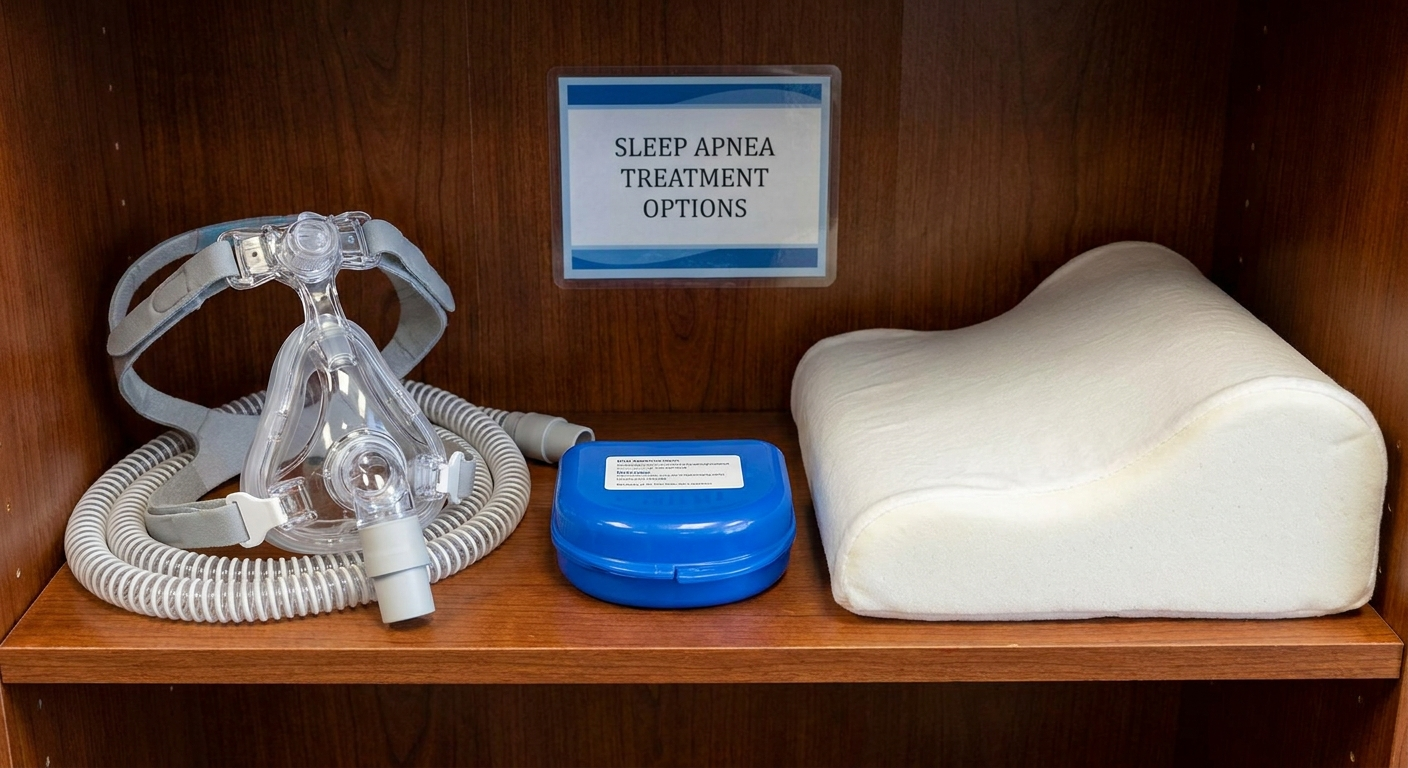
Sleep Apnea Treatment Options Your Specialist May Recommend
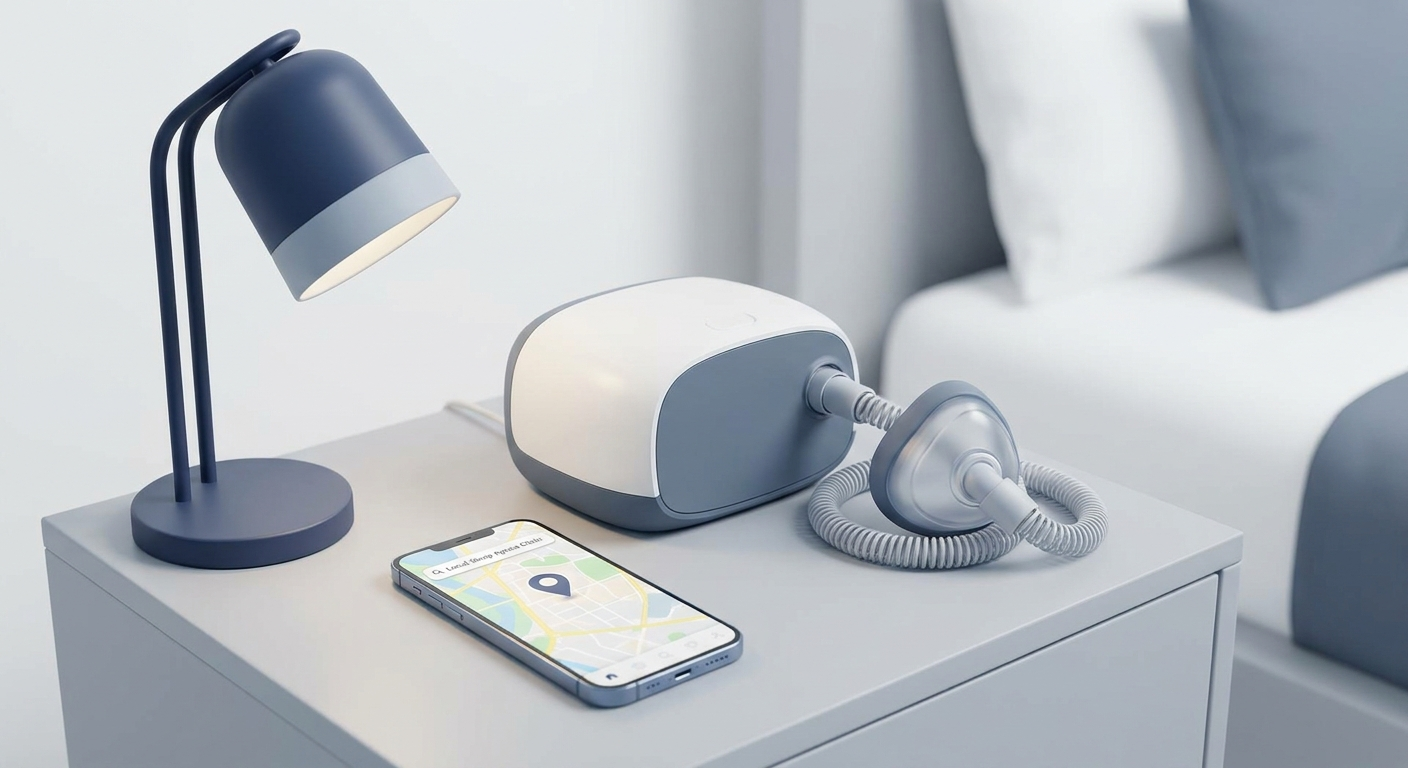
CPAP/APAP therapy (often a first-line option for many patients). CPAP keeps the airway open with gentle air pressure. Auto-adjusting Positive Airway Pressure (APAP) varies pressure based on your needs through the night. Early issues—mask leak, dryness, congestion—are common, and supportive clinics can help with mask choice, settings, and comfort features. Struggling at first doesn’t automatically mean “CPAP failed.” It often means the settings, mask style, or comfort supports need refinement.
Oral appliance therapy (mouthpiece). Custom oral appliances can be appropriate for some patients (often mild–moderate OSA, or those who can’t tolerate CPAP). Effectiveness depends on precise fitting, gradual adjustments, and follow-up.
Positional therapy and sleep position strategies. Some people have positional OSA, meaning breathing events are worse on their back. In those cases, strategies that encourage side-sleeping may help, especially when testing suggests position strongly influences events.
ENT procedures and surgery (when anatomy is a major driver). If nasal obstruction or throat anatomy plays a key role, an ENT evaluation may be part of the plan. Procedures vary by goal and candidacy, and some patients find that improving nasal breathing also makes other treatments easier to tolerate.
Other therapies you may hear about. Your clinician may discuss implantable options (for example, hypoglossal nerve stimulation) in select cases. Eligibility requires specialist evaluation. Most people do best with a personalized combination: the right therapy plus ongoing adjustments to improve comfort and results.
Lifestyle Tips That Can Improve Symptoms (Alongside Medical Care)
Sleep habits that support treatment success: Keep a consistent sleep schedule. Follow any position guidance if recommended (for example, side-sleeping strategies).
Avoid common “worseners”: Alcohol close to bedtime (can worsen airway collapse). Sedating medications only as directed by your prescribing clinician. Smoking (can worsen airway irritation and congestion).
Weight and activity (non-judgmental framing): Gradual, supported changes in weight and physical activity can affect symptoms for some people. If weight is part of the discussion, realistic goals are most helpful.
Nasal breathing support (if congestion is a barrier): If congestion makes sleep or CPAP uncomfortable, options like saline rinses/sprays or allergy evaluation may be discussed. Healthy sleep habits often strengthen the impact of formal treatments and improve comfort.
FAQs About Finding a Sleep Apnea Specialist Near Me
Do I need a referral to see a sleep apnea specialist? It depends on your insurance and (in Canada) provincial pathways. Calling the clinic before booking is often the fastest way to clarify.
What’s the difference between a sleep clinic and an ENT office for sleep apnea? A sleep clinic typically focuses on diagnosis/testing and medical management. ENT focuses on airway anatomy and procedural options, often collaborating with sleep clinicians.
Are home sleep tests accurate? They can be appropriate for many people with suspected OSA, but in-lab testing may be preferred for complex symptoms or when additional sleep disorders are considered.
If I dislike CPAP, what are my next options? Depending on your diagnosis and anatomy, options may include oral appliances, positional strategies, addressing nasal obstruction, or other specialist-guided therapies.
How quickly can I get diagnosed and treated? Timelines vary by scheduling and insurance, but many patients move through: consult → test → results review → treatment setup and early follow-ups. When in doubt, ask the clinic how they guide patients from testing through the first 90 days of treatment.
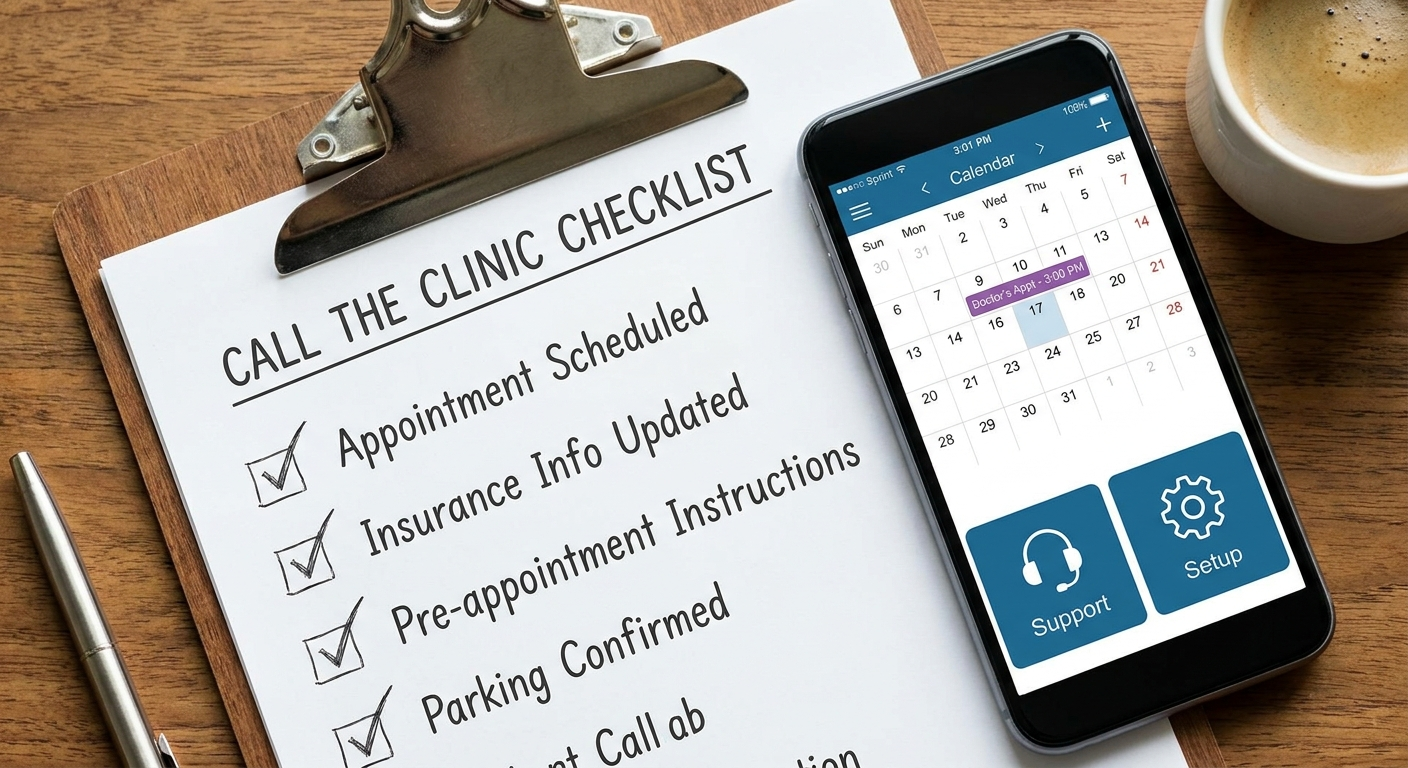
Next Steps: How to Book the Right Local Specialist (Simple Checklist)
If you’re ready to move from searching to scheduling, use this quick checklist:
- Use a reputable directory to identify an accredited sleep center near you (U.S.) [2]
- Look for a board-certified sleep medicine physician and a clinic that offers multiple treatment paths [1]
- Prepare for your consult:
- Medication list
- Any partner observations (snoring, pauses in breathing)
- Optional sleep notes (bedtime/wake time, awakenings)
If you prefer a local option in Georgia, Sleep and Sinus Centers of Georgia is one example of a clinic that provides consultations and testing. To request an appointment: https://www.sleepandsinuscenters.com/
Choosing a clinic with accredited testing, sleep-trained clinicians, and strong follow-up support can make all the difference.
Sources
[1] Intercoastal Medical. Types of Doctors Who Treat Sleep Apnea. https://www.intercoastalmedical.com/2021/11/02/types-of-doctors-who-treat-sleep-apnea/
[2] American Academy of Sleep Medicine (AASM). Sleep Center Directory / Accredited Sleep Centers. https://aasm.org/
This article is for educational purposes only and is not medical advice. Please consult a qualified healthcare provider for diagnosis and treatment.
Don’t let allergies slow you down. Schedule a comprehensive ENT and allergy evaluation at Sleep and Sinus Centers of Georgia. We’re here to find your triggers and guide you toward lasting relief.