Sleep Apnea in Women: Symptoms, Causes, and Treatment Options
Sleep apnea doesn’t always look the way people expect—especially for women. Many women with obstructive sleep apnea (OSA) don’t fit the “classic” picture of loud snoring and obvious breathing pauses. Instead, symptoms may be mistaken for stress, insomnia, or hormone changes.
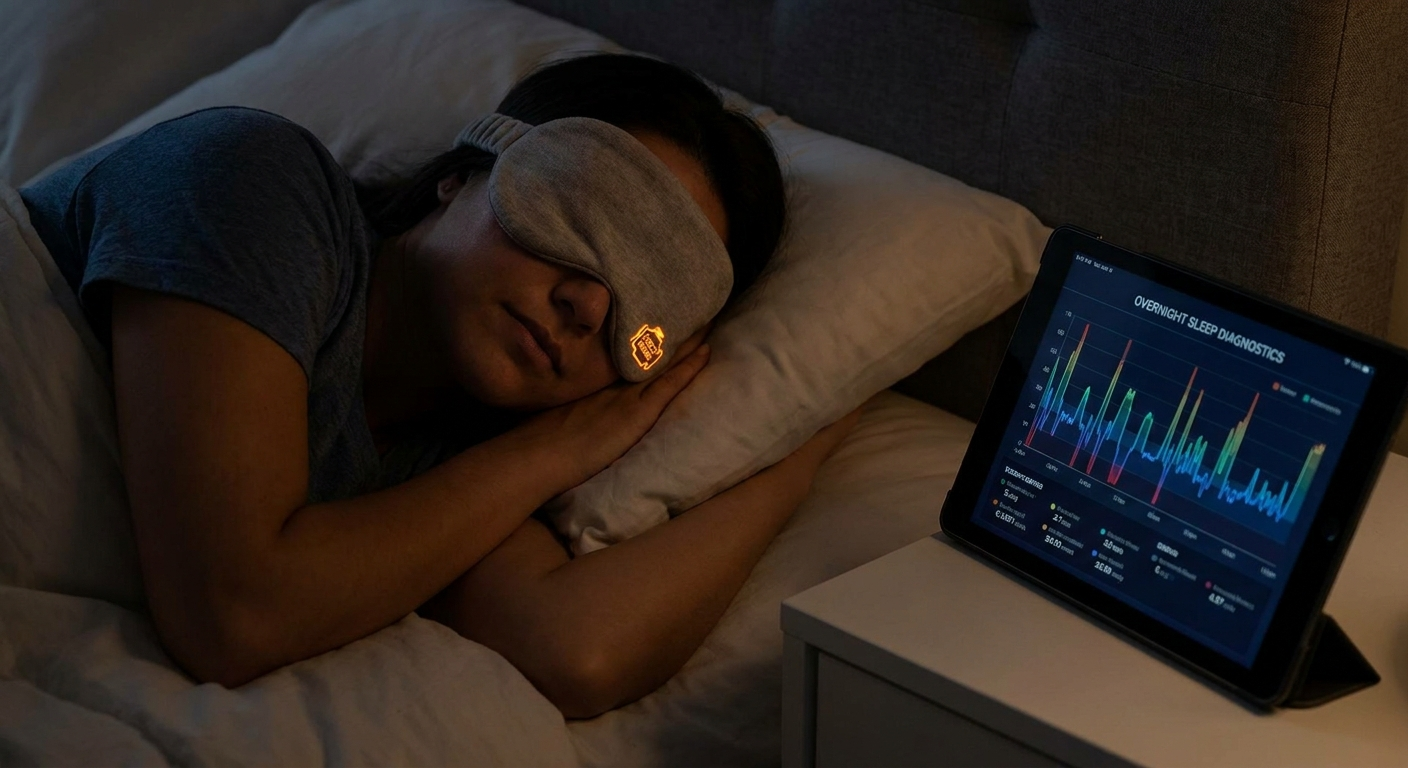
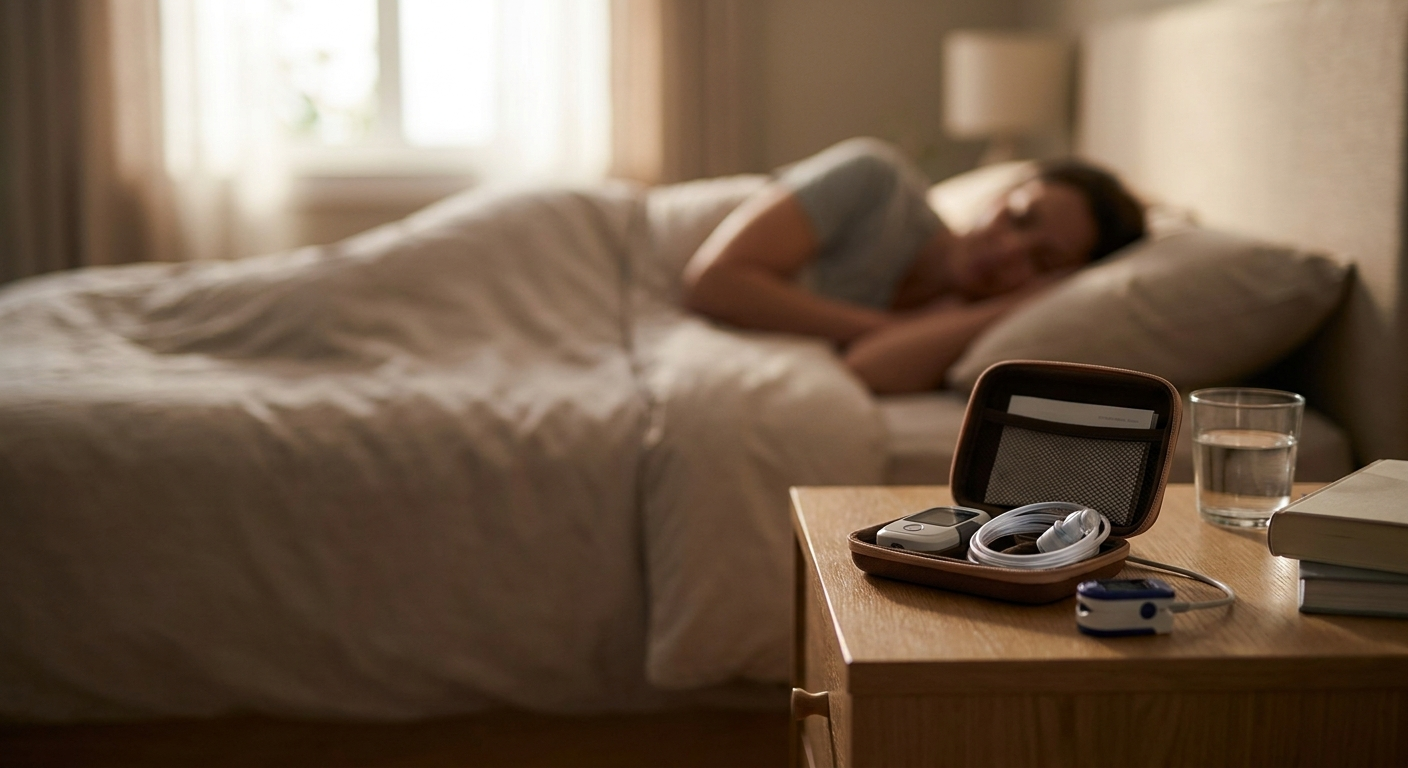
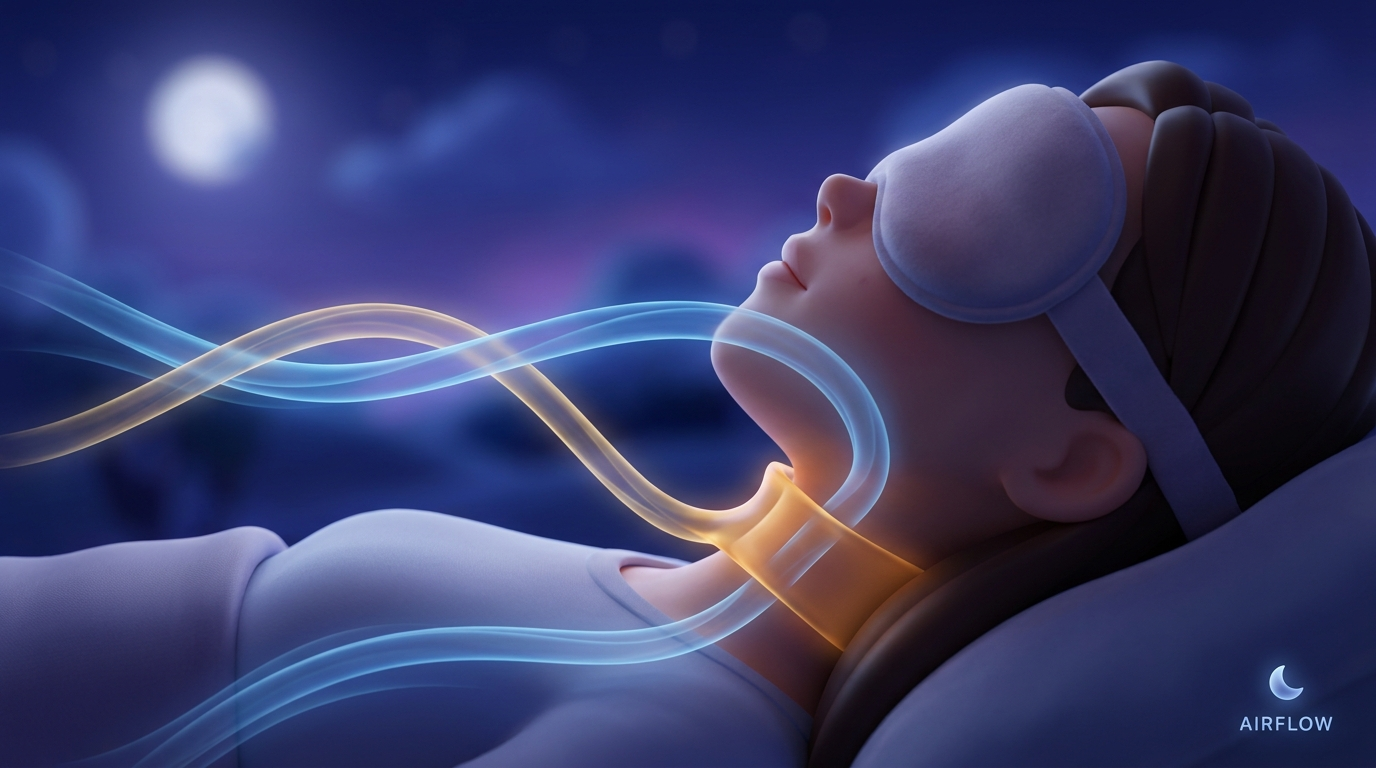
A helpful way to think about OSA is “nighttime airflow traffic.” When the airway narrows, your brain has to repeatedly step in and restore breathing—often through tiny awakenings you may not remember. You might still spend 7–8 hours in bed, yet wake up feeling like you barely slept.
Below is a patient-friendly guide to sleep apnea in women, including what it can feel like, why risk rises around menopause and pregnancy, how testing works, and what treatment options may help.
Why sleep apnea in women is often missed
Obstructive sleep apnea (OSA) happens when the upper airway repeatedly narrows or collapses during sleep, reducing airflow and disrupting sleep quality. Over time, these breathing events can affect energy, mood, and long-term health.
Sleep apnea in women is often underdiagnosed because symptoms can be subtle—or simply different. Women are more likely to report:
- Insomnia (trouble falling asleep or staying asleep)
- Fatigue (often more than “sleepiness”)
- Mood changes (anxiety, irritability, low mood)
- “Unrefreshing sleep,” even after a full night in bed
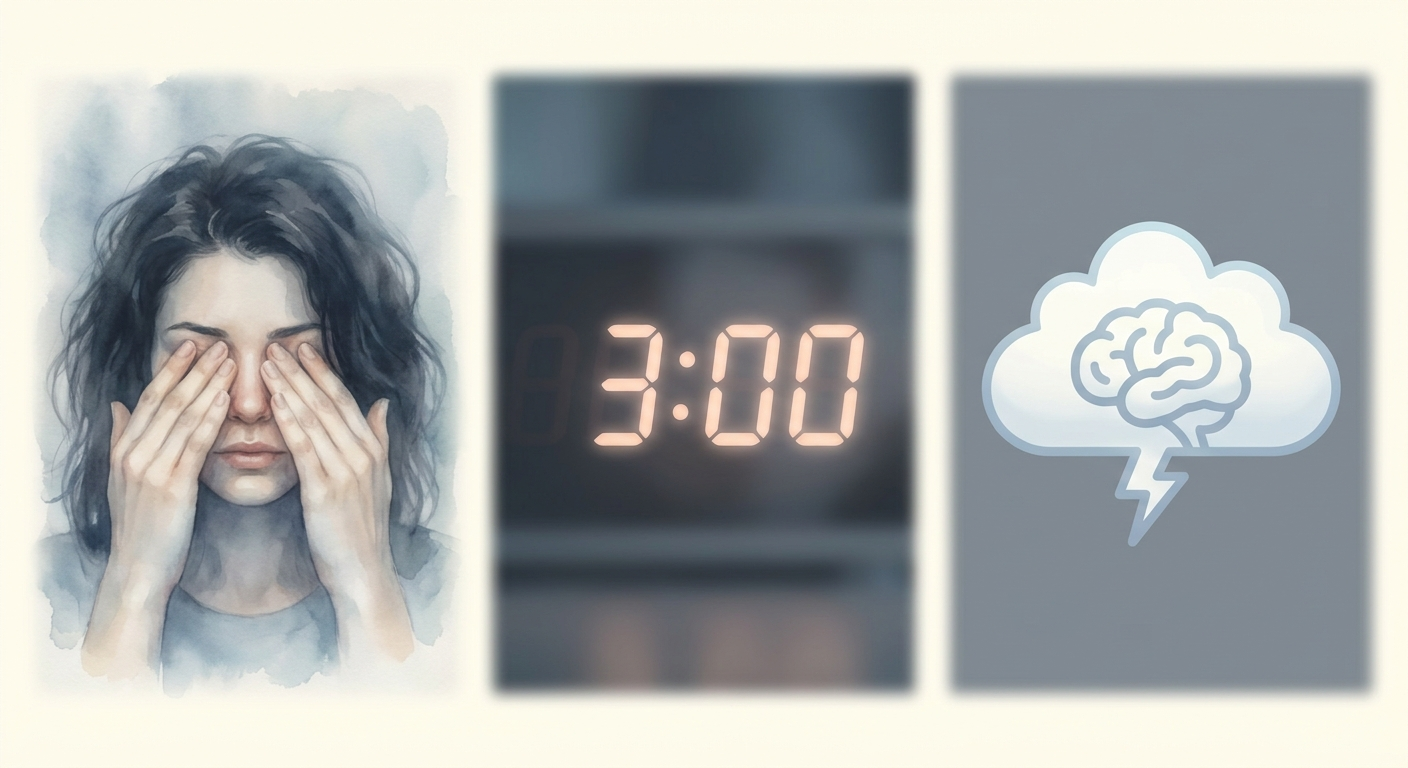
A common scenario: someone comes in saying, “I’m exhausted, but I can’t sleep,” or “I wake up at 3 a.m. and can’t get back to sleep.” If the conversation stops there, OSA can be missed—especially if snoring isn’t front-and-center.
Prevalence also changes across life stages. Research suggests OSA becomes more common after menopause. Some studies in selected postmenopausal cohorts have reported prevalence rates in the 47–67% range, and some report up to two-thirds affected. Separately, about 25% of U.S. women may screen as high risk for OSA on certain questionnaires. (Moscucci et al., 2024; PMC5323064)
Summary: It’s common for women’s OSA to be overlooked because symptoms often present as insomnia, fatigue, or mood changes rather than obvious snoring.
What does sleep apnea look like in women? (Symptoms to watch for)
"Classic" sleep apnea symptoms (still important)
Even if they aren’t the main complaint, these symptoms still matter:
- Loud or frequent snoring (may be underreported)
- Witnessed breathing pauses, gasping, or choking
- Morning headaches
- Dry mouth or sore throat on waking
- Frequent nighttime urination
Common “atypical” symptoms in women
For many patients, these are the symptoms that bring them in:
- Insomnia (difficulty falling asleep, frequent awakenings, or early waking)
- Unrefreshing sleep despite “enough” hours
- Daytime fatigue and low energy
- Mood changes (anxiety, irritability, depression-like symptoms)
- Brain fog, forgetfulness, or trouble concentrating
- Night sweats (which can overlap with perimenopause)
This overlap is one reason insomnia and sleep apnea can be confused—or can occur together. (PMC5323064)
Real-life examples (what patients often say)
- “I’m not falling asleep at work, but I’m running on fumes all day.”
- “I wake up tired and feel ‘wired but exhausted’ by afternoon.”
- “My mood is shorter than it used to be, and I can’t focus like I used to.”
A clinician might put it simply: “If you’re doing the right things—time in bed, a decent routine—and you still feel depleted, it’s worth evaluating breathing during sleep.”
When symptoms may spike
Symptoms of sleep-disordered breathing may become more noticeable during:
- Perimenopause and menopause
- Pregnancy (especially later trimesters)
- Significant weight changes
- New or worsening high blood pressure
Summary: If persistent fatigue, “tired-but-wired” insomnia, or brain fog continue despite good sleep habits, consider an evaluation for sleep-breathing issues.

Why OSA risk rises after menopause (and other female-specific risk factors)
Menopause and hormonal shifts
Menopause and sleep apnea are closely linked in population studies. Hormonal shifts are associated with changes that may contribute to airway narrowing during sleep, including:
- Increased airway collapsibility
- Changes in fat distribution and upper-airway anatomy
These physiologic changes help explain why sleep apnea in women becomes more common after menopause, with higher prevalence ranges reported in some cohorts. (Moscucci et al., 2024; PMC5323064)
If symptoms begin in perimenopause or after menopause, a clinician can help determine whether hormones, sleep disruption, or a sleep-breathing issue is contributing.
Pregnancy and sleep apnea risk
Sleep apnea during pregnancy can develop for the first time or worsen due to pregnancy-related changes such as:
- Nasal congestion
- Fluid shifts
- Weight gain
- Airway swelling/edema
Why it matters: studies have associated OSA in pregnancy with complications including gestational hypertension, preeclampsia, and preterm birth. (PMC12287190)
If a pregnant patient reports new, loud snoring or waking up gasping—especially alongside blood pressure changes—many clinicians treat that as a signal to look more closely.
Other risk factors that affect women
OSA can occur across body types and ages. Risk may increase with:
- Family history of OSA
- Higher BMI (though OSA can occur at many weights)
- Nasal obstruction (allergies, deviated septum, chronic congestion)
- Alcohol or sedatives near bedtime
- Smoking
Summary: Hormonal transitions and pregnancy can raise OSA risk, and new snoring or fragmented sleep during these times deserves attention.
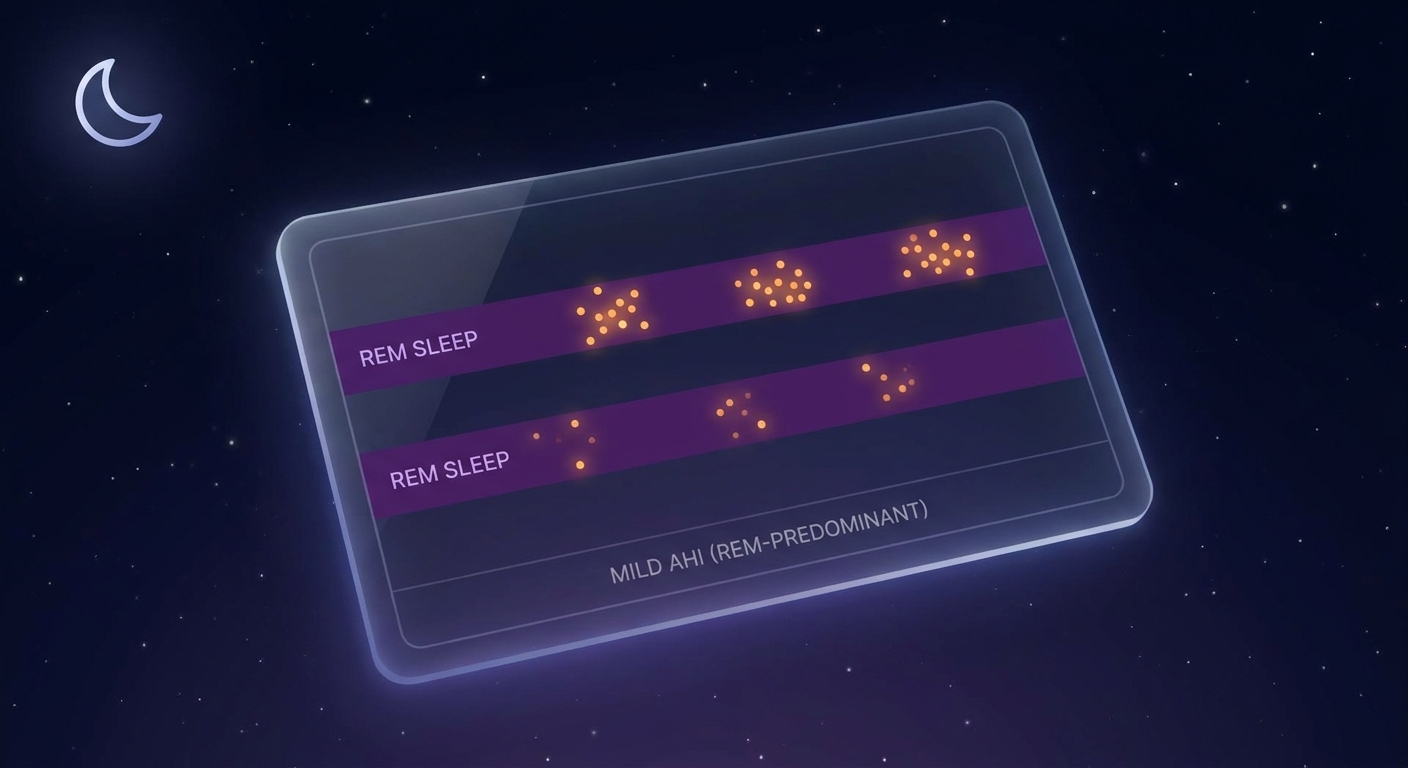
How women’s sleep studies can look different (why "mild AHI" can still feel significant)
Common polysomnography patterns in women
Sleep testing doesn’t always show the “textbook” pattern. Women more commonly have:
- REM-predominant OSA, where events cluster during REM sleep
- A lower overall (or “milder”) AHI, but significant symptoms
- More hypopneas (partial reductions in breathing) and flow limitation (partial obstruction)
These patterns can contribute to under-recognition if someone is judged only by a single number without considering symptoms and sleep-stage patterns. (PMC5323064)
If you want a deeper explanation of this key metric, see: What your AHI score means https://sleepandsinuscenters.com/blog/ahi-score-explained-understanding-your-sleep-apnea-severity
Quick explanation of key sleep study terms (patient-friendly)
- AHI (apnea-hypopnea index): average number of apneas + hypopneas per hour of sleep
- Oxygen desaturation: dips in blood oxygen during breathing events
- REM vs. non-REM sleep: REM is the dream-heavy stage; airway muscle tone can be lower
- Apnea vs. hypopnea: apnea is a near-complete pause; hypopnea is a partial reduction
If you’ve been told you have REM-related sleep apnea, this explainer may help: REM-related sleep apnea https://sleepandsinuscenters.com/blog/rem-sleep-apnea-basics-understanding-symptoms-and-treatment
Summary: A “mild” AHI can still feel disruptive when events cluster in REM sleep or involve frequent partial obstructions.
Health risks of untreated sleep apnea in women (it’s not "just snoring")
Cardiovascular risks (especially important in women)
Research increasingly emphasizes cardiovascular risk in women with OSA. OSA is described as an independent risk factor associated with:
- Hypertension
- Atrial fibrillation
- Heart failure
- Stroke (Moscucci et al., 2024)
It’s also why many providers pay close attention when sleep symptoms show up alongside blood pressure concerns, palpitations, or a strong family history of cardiovascular disease.
Quality-of-life and mental health impact
Beyond physical health, untreated OSA can affect:
- Memory and concentration
- Work performance and motivation
- Mood and stress tolerance
Because these symptoms overlap with anxiety or depression, sleep apnea may be missed unless sleep is evaluated directly. If your mood is changing and your sleep feels broken, it’s reasonable to ask whether breathing disturbances could be part of the picture.
Pregnancy-specific risks (brief recap)
During pregnancy, OSA has been associated with hypertensive disorders and preterm birth in research studies, supporting early recognition when symptoms appear. (PMC12287190)
Summary: Treating sleep apnea can support heart, brain, and daytime functioning—so it’s worth addressing, not ignoring.
Getting diagnosed: when to talk to a sleep specialist
Signs you should get evaluated
Consider an evaluation if you notice:
- Persistent fatigue plus insomnia or frequent awakenings
- Snoring or witnessed apneas (even if not nightly)
- Morning headaches
- High blood pressure, palpitations, or new/worsening cardiovascular concerns
- Pregnancy with new loud snoring and/or blood pressure changes
- Postmenopausal sleep changes that don’t improve
If a bed partner has mentioned gasping or breathing pauses, that’s especially useful information to bring—many people with OSA don’t fully realize what’s happening at night.
What testing options look like
Testing is typically done with either:
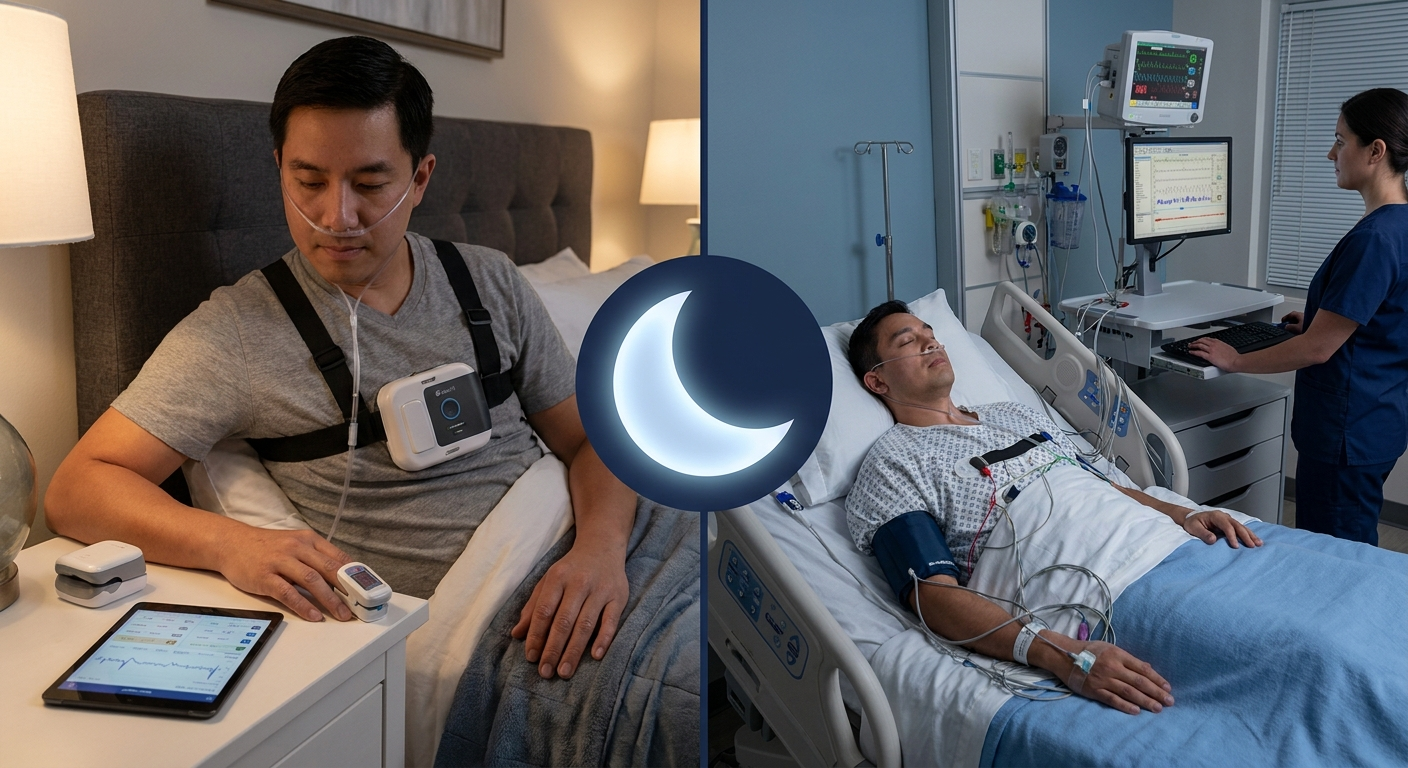
- Home sleep apnea testing (HSAT): often used when uncomplicated OSA is suspected
- In-lab polysomnography: may be preferred when insomnia is significant, symptoms are complex, another sleep disorder is possible, or REM-predominant patterns are suspected
For a practical comparison, read: Home sleep test vs. lab sleep study https://sleepandsinuscenters.com/blog/home-sleep-test-vs-lab-study-which-sleep-test-is-best-for-you
Summary: If symptoms persist, a sleep study—at home or in a lab—can clarify what’s happening and guide the right treatment.
Treatment options for sleep apnea in women
Many patients do well with treatment once the diagnosis is clear and therapy is matched to their needs. A sleep specialist can review severity, symptoms, and preferences to build a plan.
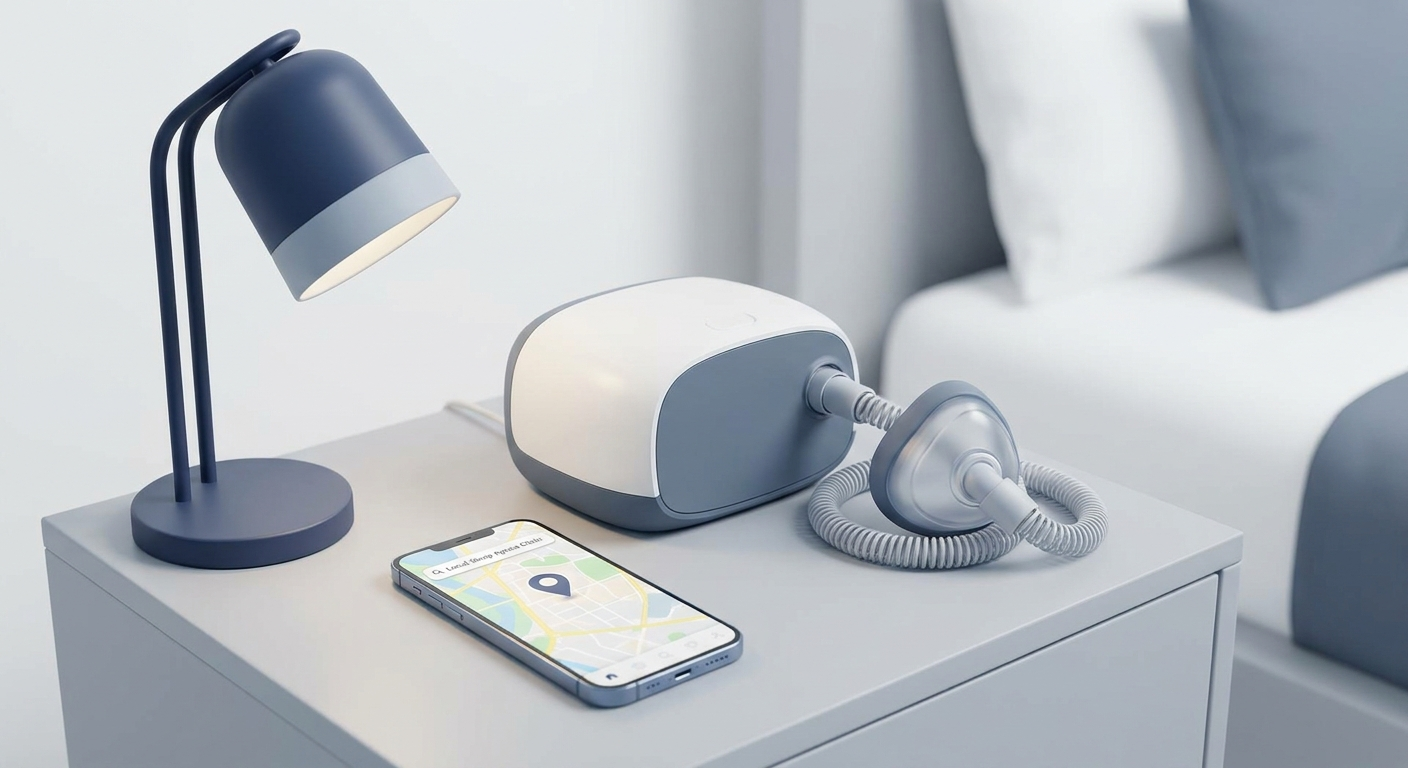
CPAP therapy (gold standard for many patients)
CPAP for women (continuous positive airway pressure) uses gentle air pressure to keep the airway open during sleep. Studies in women suggest CPAP may improve blood pressure and overall functional status/daytime well-being for some patients. (Moscucci et al., 2024)
Some people notice changes quickly (like fewer headaches or less daytime fatigue), while for others the improvement is more gradual as sleep becomes less fragmented.
Common barriers to CPAP—and how to troubleshoot
- Trying different mask styles (nasal vs. full-face)
- Using heated humidification and addressing nasal congestion
- Getting coaching for mask fit and leak control
- Considering behavioral support for insomnia (such as CBT-I), when appropriate
A practical mindset is to treat CPAP like “finding the right shoe fit”—small adjustments in size, style, or settings can dramatically change comfort and consistency.
Oral appliance therapy (mandibular advancement device)
Oral appliances may help some people—often those with mild to moderate OSA or those who cannot tolerate CPAP. These devices are fitted and adjusted over time, with follow-up to confirm they’re working.
Positional therapy (when events are worse on your back)
If OSA is clearly position-dependent, strategies that support side sleeping may reduce events. This may be used alone in select cases or combined with other therapies.
Weight management (when relevant) and airway training
If weight changes are part of the picture, a health-focused, non-blaming approach can support overall goals. Some people also explore targeted exercises (often called myofunctional therapy); expectations should be realistic and individualized.
Surgery and device-based options (when appropriate)
When anatomy or nasal obstruction is a major factor, an ENT evaluation may be helpful. The right option depends on airway structure, severity, and shared decision-making.
To see a full overview, visit Sleep & Sinus Centers of Georgia’s Sleep apnea treatment options page: https://sleepandsinuscenters.com/snoring-sleep-apnea-treatment
Summary: Effective treatment is available—most patients improve once therapy is tailored to their needs and comfort.
Lifestyle tips that support treatment (and may reduce symptoms)
Sleep-friendly habits that help OSA and insomnia
These general habits can support better sleep quality:
- Keep a consistent sleep schedule
- Reduce alcohol near bedtime (it can relax airway muscles)
- Manage nasal congestion (saline rinses and an allergy plan when appropriate)
- Use side-sleeping strategies if back-sleeping worsens symptoms
If insomnia is part of your story, consistency matters even more—irregular sleep timing can amplify the “tired-but-wired” cycle that makes OSA feel worse.
Menopause-focused tips
If sleep changes start in perimenopause or after menopause, it may help to discuss the full pattern—sleep, hot flashes, mood, weight changes, and snoring—with a clinician. If hormone therapy is being considered, it should be individualized and guided by a women’s health professional.
Pregnancy-focused tips
During pregnancy, sleep positioning and breathing changes matter. New snoring—especially alongside blood pressure changes—can be a useful signal to bring up with an OB/GYN and a sleep specialist.
Summary: Small, consistent habit changes can support any medical therapy and may reduce symptom intensity over time.
FAQs about sleep apnea in women
Can you have sleep apnea without snoring?
Yes. Snoring may be less prominent or less reported, and some women present mainly with insomnia, fatigue, or mood changes. (PMC5323064)
Why did my symptoms start or worsen after menopause?
Hormonal and body-composition changes are associated with higher OSA risk after menopause, and studies show higher prevalence in some postmenopausal cohorts. (Moscucci et al., 2024)
Can sleep apnea affect mood or anxiety?
It can. Sleep fragmentation and oxygen dips may worsen concentration, irritability, and mood symptoms, which is why evaluating sleep can be important when these concerns persist.
Is sleep apnea dangerous during pregnancy?
Studies have associated OSA in pregnancy with hypertensive disorders and preterm birth. If symptoms appear, evaluation can help clarify risk and next steps. (PMC12287190)
If my AHI is “mild,” why do I feel so bad?
Women may have REM-predominant events and more hypopneas/flow limitation, so symptoms can be significant even with a lower AHI. (PMC5323064)
Does CPAP lower blood pressure?
Evidence suggests CPAP may help improve blood pressure and daytime functioning in some patients. (Moscucci et al., 2024)
When to seek care urgently (brief safety note)
Seek urgent/emergency care for concerning symptoms such as chest pain, fainting, or signs of stroke. During pregnancy, urgent symptoms such as severe headache, swelling, very high blood pressure, or reduced fetal movement should be handled through emergency/OB guidance.
Conclusion: A treatable condition that deserves a closer look
Sleep apnea in women is common, often overlooked, and highly treatable. If you recognize patterns like persistent fatigue, insomnia, brain fog, snoring, or sleep changes after menopause—or you’re concerned about sleep apnea during pregnancy—a sleep evaluation can provide clarity.
To explore testing and personalized therapy, you can connect with Sleep & Sinus Centers of Georgia, review available Sleep apnea treatment options https://sleepandsinuscenters.com/snoring-sleep-apnea-treatment and book an appointment at: https://www.sleepandsinuscenters.com/
Medical disclaimer: This article is for general education and is not a substitute for personalized medical advice, diagnosis, or treatment.
References
1. Moscucci V. et al. Obstructive sleep apnea syndrome (OSAS) in women: A forgotten cardiovascular risk factor. Maturitas. 2024. https://www.sciencedirect.com/science/article/pii/S0378512224002652
2. Obstructive Sleep Apnea: Women’s Perspective. Sleep Medicine Reviews. (Referenced in research brief)
3. Obstructive Sleep Apnea Syndrome in women: gender in sleep respiratory medicine is a first step towards personalized medicine. Sleep Medicine Reviews. (Referenced in research brief)
4. PMC5323064: https://pmc.ncbi.nlm.nih.gov/articles/PMC5323064/
5. PMC12287190: https://pmc.ncbi.nlm.nih.gov/articles/PMC12287190/
This article is for educational purposes only and is not medical advice. Please consult a qualified healthcare provider for diagnosis and treatment.
Don’t let allergies slow you down. Schedule a comprehensive ENT and allergy evaluation at Sleep and Sinus Centers of Georgia. We’re here to find your triggers and guide you toward lasting relief.