

Sleep Apnea Doctor Atlanta: How to Find the Right Specialist
If you’re searching for a sleep apnea doctor Atlanta residents trust, you’re likely trying to solve two problems at once: getting clear answers and finding a care team that can guide you from testing through long-term follow-up. That combination matters, because sleep apnea is often very treatable—but your path is smoother when you start with the right specialist and the right sleep center.
Think of it like choosing a pilot, not just a plane: the equipment (testing and treatment) matters, but so do the team’s qualifications and how well they support you once you’re in the air.
Below is a practical, patient-friendly guide to help you compare providers and sleep centers in the Atlanta area using objective criteria like accreditation, board certification, testing options, and follow-up services.
—
Why Finding the Right Sleep Apnea Doctor in Atlanta Matters
Obstructive sleep apnea (OSA) is a common sleep-related breathing disorder where the airway repeatedly narrows or collapses during sleep. The good news: it’s commonly treatable, and many people feel noticeably better once they’re properly diagnosed and their therapy is optimized over time.
The key phrase there is “over time.” Sleep apnea care is rarely a one-and-done appointment. Many patients do best with:
• accurate testing and interpretation
• a clear treatment plan
• troubleshooting support (especially early on)
• follow-ups that adjust therapy as your needs change
In real life, “support” can mean practical wins—like getting a mask that doesn’t leak, adjusting humidity to reduce dryness, or reviewing data to see why you still feel tired. Always make mask or device changes with guidance from your clinician or sleep equipment provider to ensure safety and effectiveness. You may also see “top doctor” lists for Atlanta that can be useful for brainstorming names, but think of lists as a starting point—not the final filter. Verification (credentials, accreditation, and services) is what protects you as a patient.
—
It’s not just about getting diagnosed—it’s about having a team that helps you succeed with treatment over time.
—
Quick Refresher—What Is Sleep Apnea?
Obstructive vs. Central Sleep Apnea (and Why It Changes Who You See)
• Obstructive sleep apnea (OSA): The most common type. Breathing interruptions happen because the upper airway collapses or becomes blocked during sleep.
• Central sleep apnea (CSA): Less common. Breathing interruptions occur because the brain’s signaling to breathe is unstable.
Because CSA can be linked to different medical factors, it may require a different workup and closer coordination with other clinicians. That’s one reason it’s helpful to choose a qualified sleep medicine team rather than relying only on internet symptom lists.
A helpful way to picture the difference: OSA is more like a “blocked tube,” while CSA is more like an “unstable signal.” Both affect breathing, but they don’t always follow the same testing and treatment pathway.
Common Sleep Apnea Symptoms (When to Seek Care)
Consider scheduling an evaluation if you notice a pattern of symptoms such as:
• Loud snoring (especially with witnessed pauses or gasping)
• Excessive daytime sleepiness or persistent fatigue
• Morning headaches
• Trouble concentrating, memory issues, or “brain fog”
• Mood changes (irritability, low mood)
• Waking to urinate frequently
• High blood pressure or heart issues that aren’t improving as expected
These symptoms can overlap with other conditions—excessive daytime sleepiness, for example, can have multiple causes—which is exactly why formal assessment and proper testing matter.
—
If you suspect sleep apnea, a formal evaluation is the fastest route to an accurate diagnosis and a personalized plan.
—
What Causes Sleep Apnea? (Risk Factors Atlanta Patients Should Know)
Airway and anatomy factors
Some risk factors are structural—meaning the shape or airflow of the upper airway makes obstruction more likely, such as:
• nasal obstruction
• enlarged tonsils (in some patients)
• jaw or tongue position that crowds the airway
Health and lifestyle factors
Other contributors are related to health history and daily habits, including:
• weight changes
• alcohol or sedative use (especially close to bedtime)
• sleeping position (back-sleeping can worsen apnea for some)
• aging
Why causes matter for choosing a specialist
These factors influence what “good care” looks like. Some patients do best with sleep medicine–led care and PAP therapy support, while others may also benefit from coordinated options (for example, addressing nasal obstruction, or evaluating candidacy for an oral appliance). Weight loss can improve OSA severity for some individuals but is not a guaranteed cure and shouldn’t replace medical therapy when indicated.
When you’re comparing a sleep apnea doctor Atlanta patients recommend, ask whether the practice can coordinate a plan tailored to your drivers and goals. For example, if congestion is a major issue, you’ll want a team that helps you problem-solve nasal comfort—because comfort often drives consistency.
—
Matching your treatment to the root contributors of your apnea improves comfort, consistency, and results.
—
Start Here—Use the AASM Directory to Find Qualified Atlanta Care
Why AASM accreditation is a key trust signal
The American Academy of Sleep Medicine (AASM) is the primary accrediting body for sleep centers and maintains a directory to help patients locate accredited care. Accreditation reflects standards for staffing, testing processes, scoring quality, and patient safety; it does not guarantee individual outcomes, but it is a strong quality baseline.
How to use the AASM directory (step-by-step)
1) Search by Atlanta or your ZIP code (include nearby suburbs if you’re flexible).
2) Look for AASM-accredited sleep centers and board-certified sleep medicine physicians.
3) Make a shortlist of 3–5 options before calling, so you can compare appointment availability, insurance acceptance, and services.
—
Accreditation and board certification are quick, objective checks that help you compare clinics with confidence.

Atlanta Options: What “Full-Service” Sleep Centers Typically Offer
“Full-service” can mean different things, so ask what’s actually available—not just what’s listed on a website. In general, many established sleep centers offer a mix of diagnostic and treatment services. Major health systems in the area publicly describe AASM-accredited sleep centers, board-certified specialists, and common testing options. That doesn’t automatically make one center “best” for you—but it shows what a robust program often includes.
Core diagnostic services you may need
• In-lab polysomnography (PSG): A comprehensive overnight sleep study.
• Home sleep apnea testing (HSAT): A simplified test done at home, appropriate for some (not all) patients.
• PAP/CPAP titration studies: A study focused on finding effective pressure settings and improving comfort when PAP is prescribed.
If your symptoms are significant, your history is complex, or your provider suspects more than uncomplicated OSA, access to in-lab testing and titration may be especially helpful.
—
A center that can test, treat, and follow up under one roof often delivers smoother, faster care.

How to Choose the Right Sleep Apnea Doctor (Credentials + Fit Checklist)
A smart way to choose a sleep apnea doctor Atlanta patients can rely on is to separate the decision into two categories: credentials and fit.
If you want a quick companion resource, this sleep apnea doctor checklist can help you compare options side-by-side: https://sleepandsinuscenters.com/blog/sleep-apnea-doctors-near-me-how-to-choose-checklist
Confirm the clinician’s training
• Look for board certification in Sleep Medicine and/or fellowship training focused on sleep disorders.
• Ask: “Is the physician board-certified in sleep medicine, and will they be the one reviewing my results with me?”
Confirm the facility is AASM-accredited
Accreditation signals standards for staffing and supervision, testing protocols, scoring accuracy, and safety. It’s a quality safeguard, though not a guarantee of any individual result.
Make sure they offer the tests and treatments you might actually need. Ask about board-certified sleep apnea treatment at our Lawrenceville and Athens offices.
• coordinating CPAP/PAP setup and follow-up
• mask fitting and comfort troubleshooting
• referrals for oral appliance therapy (dental sleep medicine) when appropriate
• evaluation for nasal obstruction/anatomy issues when relevant
• referral pathways for advanced options if first-line therapy isn’t a match
Practical filters (that affect real-life care)
• Insurance plans accepted
• Appointment availability / wait times
• Location, parking, and hours
• Telehealth options (when offered)
—
The “best” doctor is the one with the right credentials who also offers accessible, end-to-end support you can actually use.

Sleep Apnea Testing in Atlanta—What to Expect
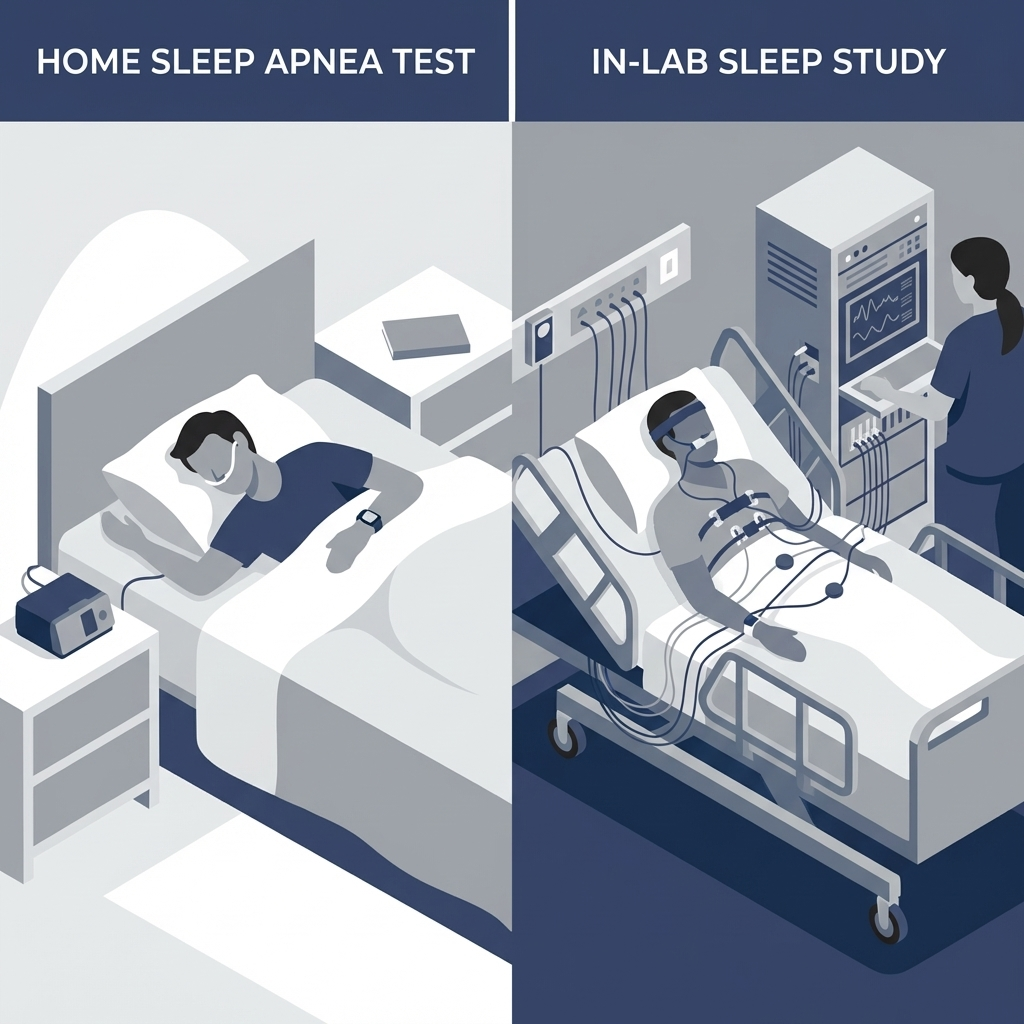
Home sleep test vs. in-lab sleep study (simple comparison)
In general terms:
• HSAT is commonly used when a clinician suspects uncomplicated obstructive sleep apnea and you’re a good candidate for home testing.
• In-lab PSG is often preferred when symptoms or history suggest a more complex sleep issue, other sleep disorders are being considered, or a more comprehensive data set is needed.
Learn more: Home sleep test vs. lab study https://sleepandsinuscenters.com/blog/home-sleep-test-vs-lab-study-which-sleep-test-is-best-for-you
What a PAP titration study is—and who needs it
A PAP titration study is designed to find settings that effectively treat breathing events while keeping therapy as comfortable as possible. Not everyone needs a separate titration (some start with auto-adjusting devices), but it can be useful depending on your situation and your clinician’s plan.
Questions to ask when scheduling a sleep study
• “Is this test scored by qualified sleep technologists?”
• “How long until results are ready—and what’s the next step?”
• “Will I meet with a sleep specialist to review the results and discuss options?”
Understanding your report
You may see terms like the AHI (apnea-hypopnea index), which helps describe severity: https://sleepandsinuscenters.com/blog/ahi-score-explained-understanding-your-sleep-apnea-severity
—
The right test type—and timely follow-up with a sleep specialist—lays the groundwork for treatment that actually works.

Treatments Your Atlanta Sleep Apnea Doctor May Recommend
Treatment should be individualized based on your sleep study results, symptoms, anatomy, and preferences. A qualified sleep apnea doctor Atlanta patients choose will typically walk you through options like:
CPAP/APAP/BiPAP (PAP therapy)
PAP therapy is a common first-line treatment for many patients with OSA. Success often depends on:
• mask fit and comfort
• humidity settings
• pressure comfort
• early follow-up to troubleshoot issues
Always make equipment and setting changes with your clinician or equipment provider to ensure safety and effectiveness.
Oral appliance therapy (for selected patients)
For some patients—often those with mild to moderate OSA or those who cannot tolerate CPAP—an oral appliance may be considered. This is typically recommended by a sleep clinician after proper assessment and delivered by a dentist trained in dental sleep medicine, with follow-up (and often repeat testing) to confirm effectiveness.
ENT-based treatments (when anatomy is a major driver)
If nasal obstruction or other anatomical factors are a major contributor, addressing them may improve breathing and sometimes improve CPAP tolerance. Options vary, and candidacy is individualized.
Advanced therapies and referrals
If first-line therapy isn’t working or isn’t tolerated, some patients may be evaluated for additional options through appropriate referral pathways.
Explore care pathways: https://sleepandsinuscenters.com/snoring-sleep-apnea-treatment
—
Effective treatment is a matched fit between your diagnosis, your anatomy, and a therapy you can live with.
Lifestyle Tips That Support Medical Treatment (Not a Substitute)
Lifestyle changes aren’t a replacement for diagnosis or prescribed therapy, but they may support better results for some people.
Sleep position strategies
Side-sleeping may help in positional OSA (when breathing events happen mostly on the back). Whether that applies depends on your testing.
Alcohol/sedative timing
Alcohol and sedatives can worsen airway collapse for some people, especially close to bedtime. If you suspect a connection, bring it up during your evaluation.
Weight management and nasal breathing support
Weight loss can reduce OSA severity for some individuals, but it rarely cures OSA and should not replace medical therapy when indicated. Nasal comfort can also affect sleep quality and PAP tolerance.
Track symptoms and adherence
Bring simple notes to follow-ups:
• daytime energy and alertness
• snoring feedback from a partner
• mask comfort issues
• dryness, congestion, or air leaks
—
Think of lifestyle steps as performance boosters for your prescribed therapy—not stand-alone solutions.
Using “Top Doctors” Lists the Smart Way (Without Getting Misled)
Why lists can help—but shouldn’t be the final filter
Local “Top Doctors” lists can surface well-known names and help you build an initial shortlist. The limitation: lists don’t show whether a specific location offers the testing you need, has timely appointments, or is in-network for your insurance.
Verification checklist before you book
• AASM accreditation
• Sleep medicine board certification
• Your needed testing options (HSAT vs. in-lab PSG, and whether titration is available)
• Insurance coverage and appointment availability
—
Use lists to brainstorm—but let credentials, services, and access drive your final choice.
FAQs: Sleep Apnea Doctor Atlanta
What kind of doctor treats sleep apnea?
Sleep apnea is often treated by sleep medicine specialists. These clinicians may originally train in pulmonology, neurology, internal medicine, or ENT, then complete additional sleep medicine training/certification.
Should I choose a sleep center or an ENT first?
If you need diagnosis, starting with an accredited sleep center is usually the most direct route. If you already have diagnosed OSA and struggle with PAP due to nasal blockage or airway anatomy concerns, an ENT evaluation may be discussed as part of coordinated care.
How do I check if a sleep center is accredited?
Use the AASM directory to confirm accreditation status.
Do Atlanta sleep centers offer home sleep tests and lab studies?
Many do. The best approach is to ask directly what’s offered and which test type is appropriate for your situation.
What should I bring to my first appointment?
• your symptom list and timeline
• current medications
• typical sleep schedule
• partner observations (snoring, pauses, gasping)
• prior sleep study results and PAP reports (if you have them)
—
If you’re unsure where to start, book an evaluation and bring your questions—your care team will guide the next steps.
Conclusion + Next Step
When choosing a sleep apnea doctor Atlanta patients can feel confident about, a simple three-part rule helps keep the decision objective:
1) A board-certified sleep medicine clinician
2) An AASM-accredited center
3) A clinic that offers the testing and treatment pathway you’re likely to need (home testing and/or in-lab studies, PAP setup support, and appropriate referrals)
If symptoms are affecting your health, safety, or daytime functioning, consider scheduling an evaluation to get clear answers and a plan.
—
Choose a qualified team, get the right test, and commit to a follow-up plan—that’s how sleep apnea care succeeds.
—
Sources
• American Academy of Sleep Medicine (AASM) / Sleep Education. Directory + accreditation information. https://aasm.org/
• Emory Healthcare — Sleep Center: Sleep Study and testing/titration information. https://www.emoryhealthcare.org/services/sleep-center/treatments/sleep-study
• Northside Hospital — Sleep Disorders Centers: AASM accreditation and services overview. https://www.northside.com/services/sleep-disorders
• Atlanta Magazine — Top Doctors: Sleep Medicine. https://www.atlantamagazine.com/top-doctors/sleep-medicine/
Disclaimer
This article is for educational purposes only and is not medical advice. Please consult a qualified healthcare provider for diagnosis and treatment.
Don’t let allergies slow you down. Schedule a comprehensive ENT and allergy evaluation at Sleep and Sinus Centers of Georgia. We’re here to find your triggers and guide you toward lasting relief.