Severe Allergy Symptoms: Causes, Triggers, and Relief Tips
Allergies can be more than a minor nuisance. For some people, symptoms escalate into intense congestion, swelling, widespread hives, or breathing issues that disrupt sleep, work, and daily life. This guide breaks down severe allergy symptoms, the most common allergy triggers, practical ways to identify what’s setting you off, and a step-by-step overview of today’s treatment options—starting with over-the-counter basics and moving to specialist-directed care when needed.
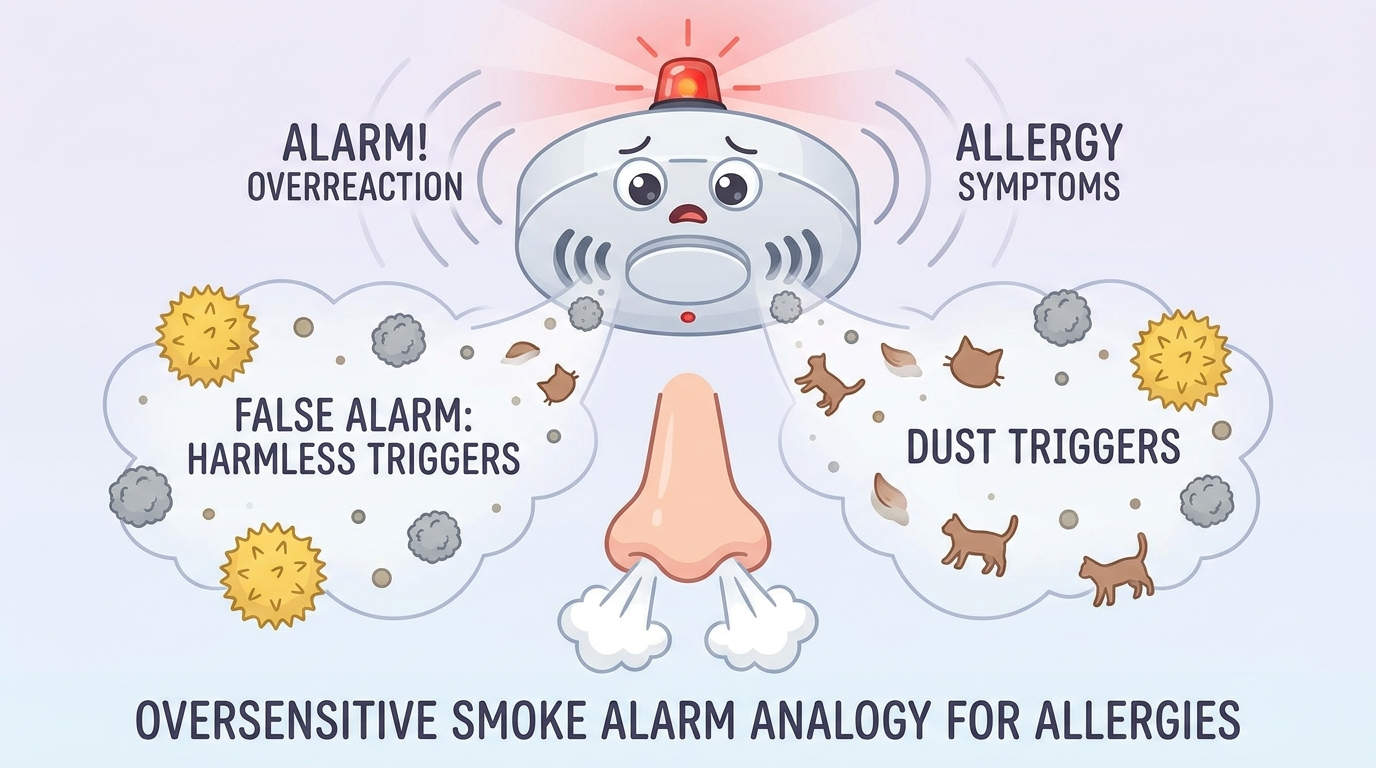
A helpful way to think about allergies: your immune system is acting like an oversensitive smoke alarm. The “smoke” (pollen, dust, pet dander) isn’t truly dangerous for most people—but the alarm still blares, and the fallout (histamine and inflammation) can be loud enough to affect your entire day.
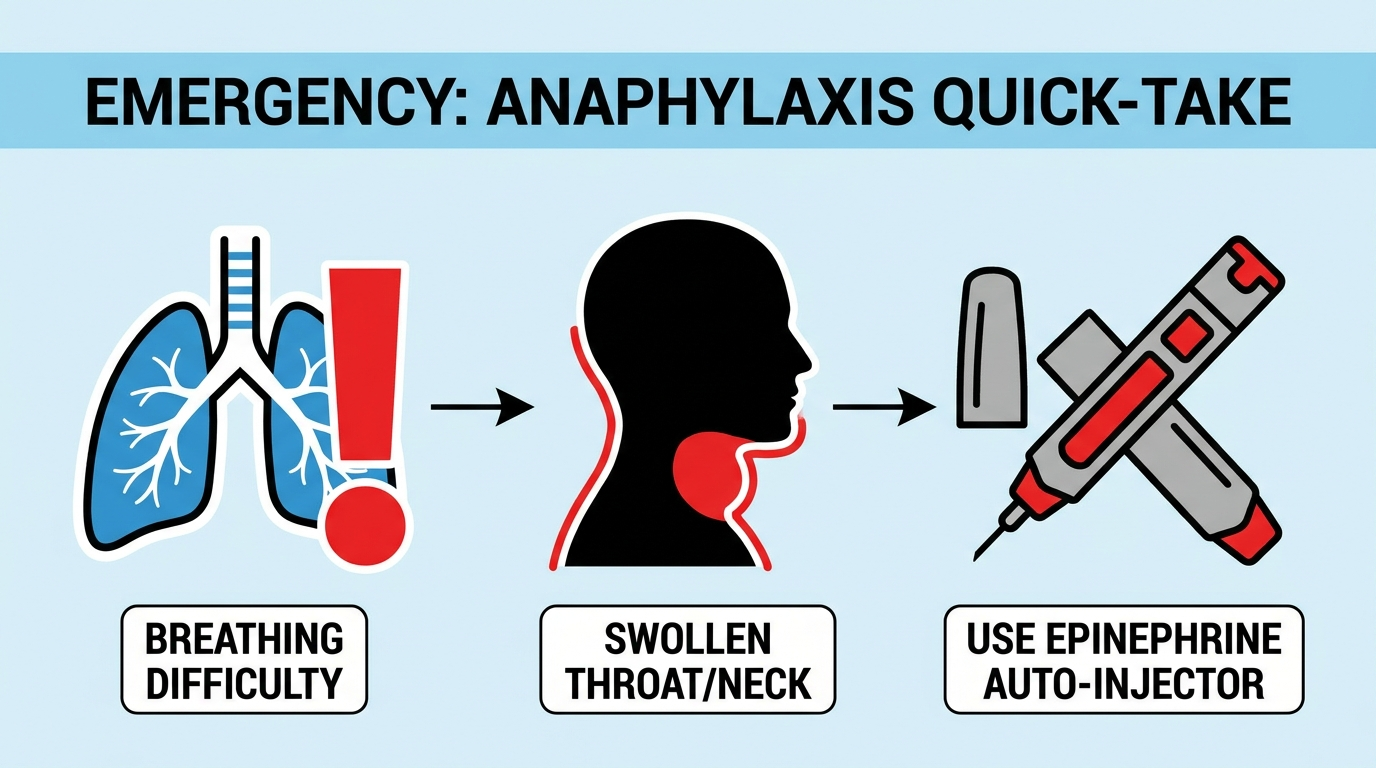
Quick Take—When Allergy Symptoms Are an Emergency
Call 911 / seek emergency care for possible anaphylaxis. Some allergic reactions can become life-threatening. Anaphylaxis symptoms may include trouble breathing or wheezing, throat tightness, swelling of the lips/tongue/throat, fainting, severe dizziness, or widespread hives combined with other symptoms. If you have a history of anaphylaxis, don’t wait—get prompt evaluation.
If you carry an epinephrine auto-injector and think you’re having anaphylaxis, follow your clinician’s emergency plan and seek immediate care.
Source: Mayo Clinic overview of anaphylaxis symptoms and causes: https://www.mayoclinic.org/diseases-conditions/anaphylaxis/symptoms-causes/syc-20351468
Urgent (same-day) evaluation signs. Even when it’s not an emergency, some situations deserve timely medical attention, such as: - Facial swelling around the eyes - Rapidly worsening symptoms over hours - Chest tightness or uncontrolled asthma symptoms - Significant vomiting/diarrhea with concern for food-related reaction and dehydration
If you’re unsure whether symptoms require urgent attention, consider contacting a healthcare provider or seeking urgent evaluation.
— Not all severe allergy symptoms are anaphylaxis, but breathing problems, throat tightness, fainting, or rapidly worsening swelling require urgent emergency care. —
What Counts as “Severe” Allergy Symptoms?
Mild vs. moderate vs. severe (patient-friendly definitions). Severity isn’t just about discomfort—it’s about impact and risk. - Mild: occasional sneezing, runny nose, mild itch, brief eye irritation - Moderate: persistent congestion, fatigue, sleep disruption, reduced focus, missed school/work - Severe: widespread hives, significant swelling (angioedema), breathing symptoms, or symptoms that don’t improve with appropriate OTC measures and avoidance efforts
When people search for severe allergy symptoms, they’re often describing either (1) intense day-to-day symptoms that won’t let up, or (2) reactions that feel scary—especially if swelling or breathing changes are involved.
Why severity can change over time. Allergy intensity can fluctuate for many reasons, including: - Higher pollen counts (and longer seasons) - New indoor exposures (pet, mold, dust, workplace irritants) - Co-existing issues like asthma, chronic sinus inflammation, or nasal polyps - Inconsistent treatment routines (some medications work best when used consistently)
One common scenario: symptoms feel “manageable” most days, then suddenly spike after yard work, a windy afternoon, or a night in a dusty guest room.
— Think impact and risk: the more your symptoms affect breathing, sleep, or daily function—or resist OTC care—the more important it is to seek guidance. —
Common Severe Allergy Symptoms (By Body System)
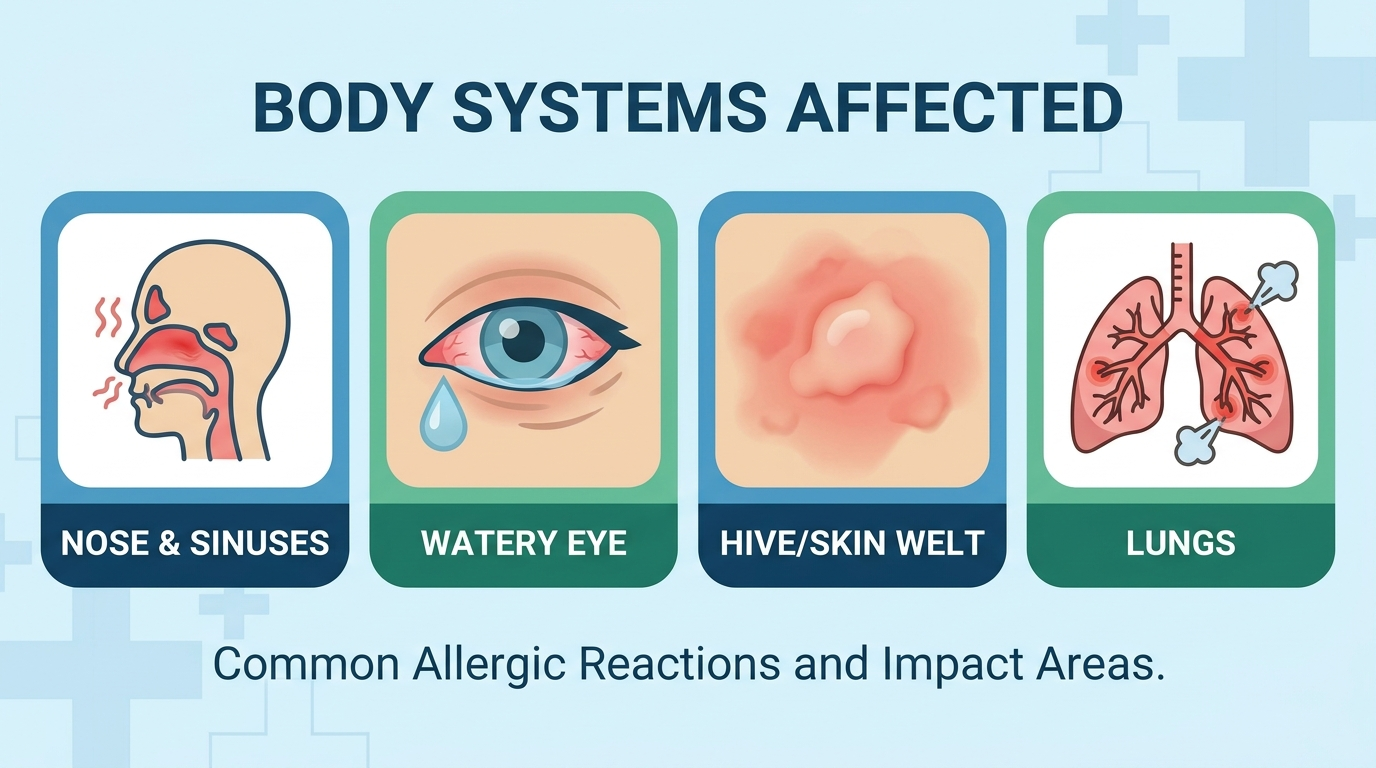
Different allergens and body systems can produce different “profiles” of severe allergy symptoms. Not everyone has the same pattern—some people are mostly “nose and eyes,” while others get more skin swelling or asthma flares.
Nose and sinuses - Severe congestion and mouth breathing - Constant runny nose or postnasal drip - Sinus pressure or facial heaviness - Reduced sense of smell (sometimes) Example: you may feel like you have a “permanent cold,” but it’s worse after being outside or when you wake up in the morning.
Eyes - Intense itching and watery eyes - Redness and light sensitivity - Eyelid swelling (can look dramatic even when not dangerous) Example: eyes that water so much you keep wiping them, paired with itching that makes it hard not to rub (even though rubbing often worsens irritation).
Skin - Hives (raised, itchy welts) - Generalized itching or flushing - Swelling of lips, eyelids, hands, or face (angioedema) Hives can come and go in “waves,” and swelling tends to feel deeper—more puffy and tight than itchy.
Lungs and airways (more concerning) - Wheezing - Coughing fits - Shortness of breath - Chest tightness (especially in people with asthma) Breathing symptoms deserve extra caution. If allergies appear to be triggering asthma symptoms, it’s a strong reason to seek medical guidance.
Whole-body symptoms - Significant fatigue and “brain fog” - Poor sleep quality due to congestion/itching - Headaches often related to congestion and pressure
— Track which systems flare (nose/eyes/skin/chest), because patterns can point to the most effective next steps. —
What Causes Severe Allergy Symptoms? (What’s Happening in the Body)
Allergens trigger an immune “overreaction.” Allergies happen when the immune system overreacts to a harmless substance (like pollen or pet dander). This reaction can release histamine and activate other inflammatory pathways. Histamine is a major reason many people experience itching, sneezing, runny nose, and hives—while ongoing inflammation tends to drive stubborn congestion. A practical translation: antihistamines often help the “itchy/sneezy” side of allergies, while anti-inflammatory treatments are usually needed for the “blocked/swollen” side.
Why some people get swelling or hives. Hives (urticaria) and deeper swelling (angioedema) can occur when inflammatory chemicals affect the skin and blood vessels. Some people are simply more prone to these patterns—especially during heavy exposure or when multiple triggers stack up. For example, being around a known allergen plus poor sleep plus seasonal peaks can sometimes make reactions feel more intense than usual.
Allergic rhinitis vs. non-allergic rhinitis (brief clarification). Not every stuffy nose is an allergy. Allergic rhinitis (hay fever) is triggered by allergens like pollen, dust mites, or pet dander. Non-allergic rhinitis can be triggered by irritants (smoke, fragrances, temperature changes) and may require a different strategy. If you’d like a clear, patient-friendly breakdown, see: allergic rhinitis (hay fever) https://sleepandsinuscenters.com/blog/what-is-allergic-rhinitis-hay-fever
— Knowing whether you’re dealing with allergy-driven inflammation or non-allergic irritation helps you choose the right tools. —
Top Allergy Triggers That Commonly Lead to Severe Symptoms
Outdoor triggers - Tree, grass, and weed pollen (often worse in seasonal spikes) - Windy days (pollen spreads more easily) - Lawn mowing or yard work (direct exposure) If symptoms surge seasonally, it can help to check today’s Georgia pollen levels: https://sleepandsinuscenters.com/georgia-pollen-tracker Practical example: a quick walk may be fine, but an hour of gardening can be a direct, high-dose exposure—especially on dry, windy days.
Indoor triggers - Dust mites (especially in bedrooms) - Pet dander - Mold spores (often linked to dampness/water damage) - Cockroach allergen (more common than many people realize) Indoor triggers matter because exposure can be constant. Even low-grade exposure, day after day, can keep symptoms “stuck on.”
Irritants that worsen symptoms (not “true allergies,” but can amplify). Even without a true allergy, irritants can worsen swelling and congestion: - Smoke - Strong fragrances - Air pollution - Cleaning sprays Think of these as adding fuel to an already irritated nose and airway—making allergy symptoms feel more severe.
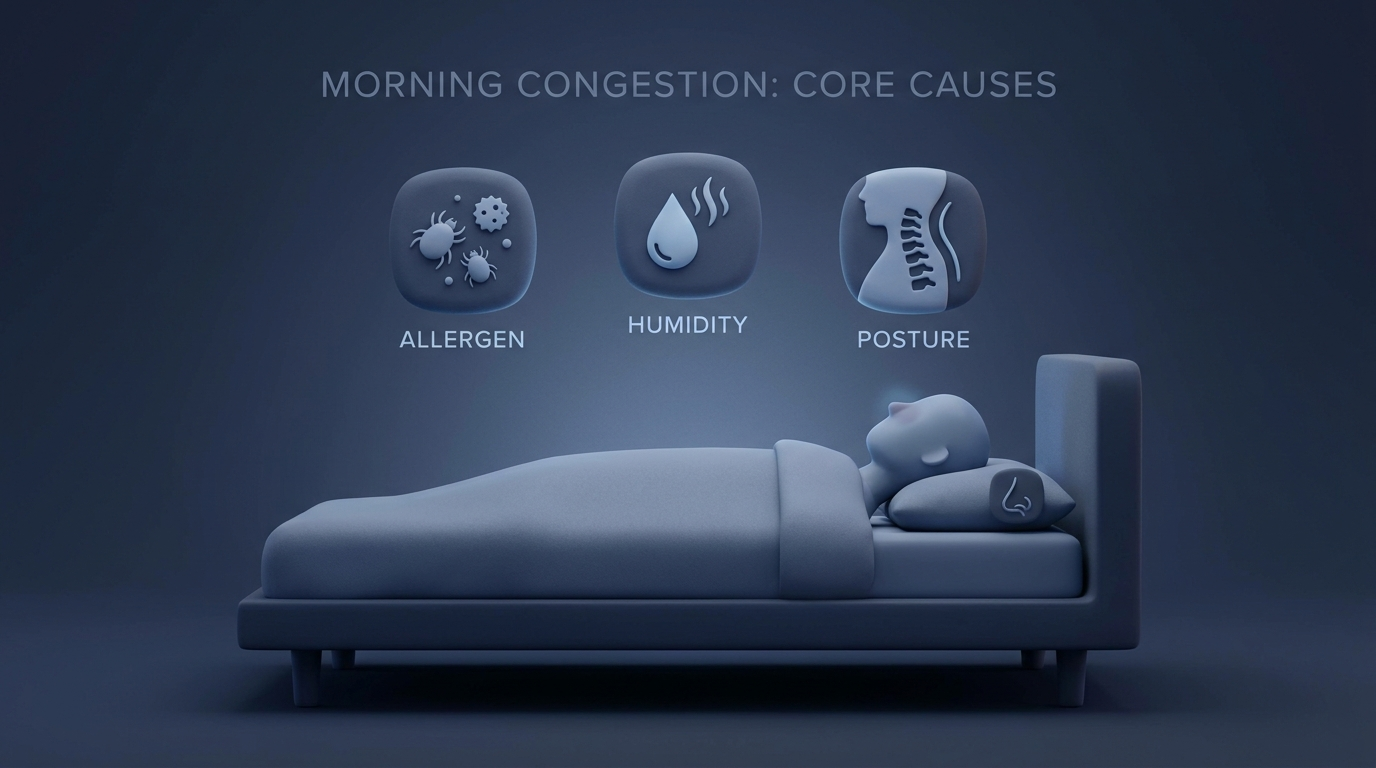
Hidden triggers. Some of the biggest “mystery” drivers of severe allergy symptoms are easy to miss: - Bedroom exposures (pillows, carpeting, bedding) - HVAC filters that aren’t changed regularly - Humidifiers that aren’t cleaned thoroughly - Past or ongoing water damage with mold risk If symptoms are worst overnight or first thing in the morning, the bedroom environment is a smart place to investigate first.
— Identify and reduce exposures where you spend the most time—especially your bedroom—to lower day-to-day symptom load. —

How to Identify Your Triggers (So You Can Prevent Severe Flares)
Symptom diary (simple template). A short log for 1–2 weeks can reveal patterns. Track: - When: time of day, season, after rain/wind, after cleaning - Where: bedroom, workplace, outdoors, specific rooms - What was present: pets, open windows, humidifier use, strong scents - How you felt: nose/eyes/skin/chest symptoms, sleep quality - What you used: antihistamines, nasal spray, decongestant—did it help? This doesn’t need to be perfect. Even a few notes like “worse after vacuuming” or “better after keeping windows closed” can point you toward the most meaningful next step.
When allergy testing helps. Testing can help confirm which allergens are relevant for you and guide a prevention and treatment plan. Learn more about options through Sleep and Sinus Centers of Georgia here: https://sleepandsinuscenters.com/allergy-testing In clinic, one of the most helpful outcomes of testing is clarity: it can separate “likely triggers” from the ones that are less important, so your plan is targeted instead of guesswork.
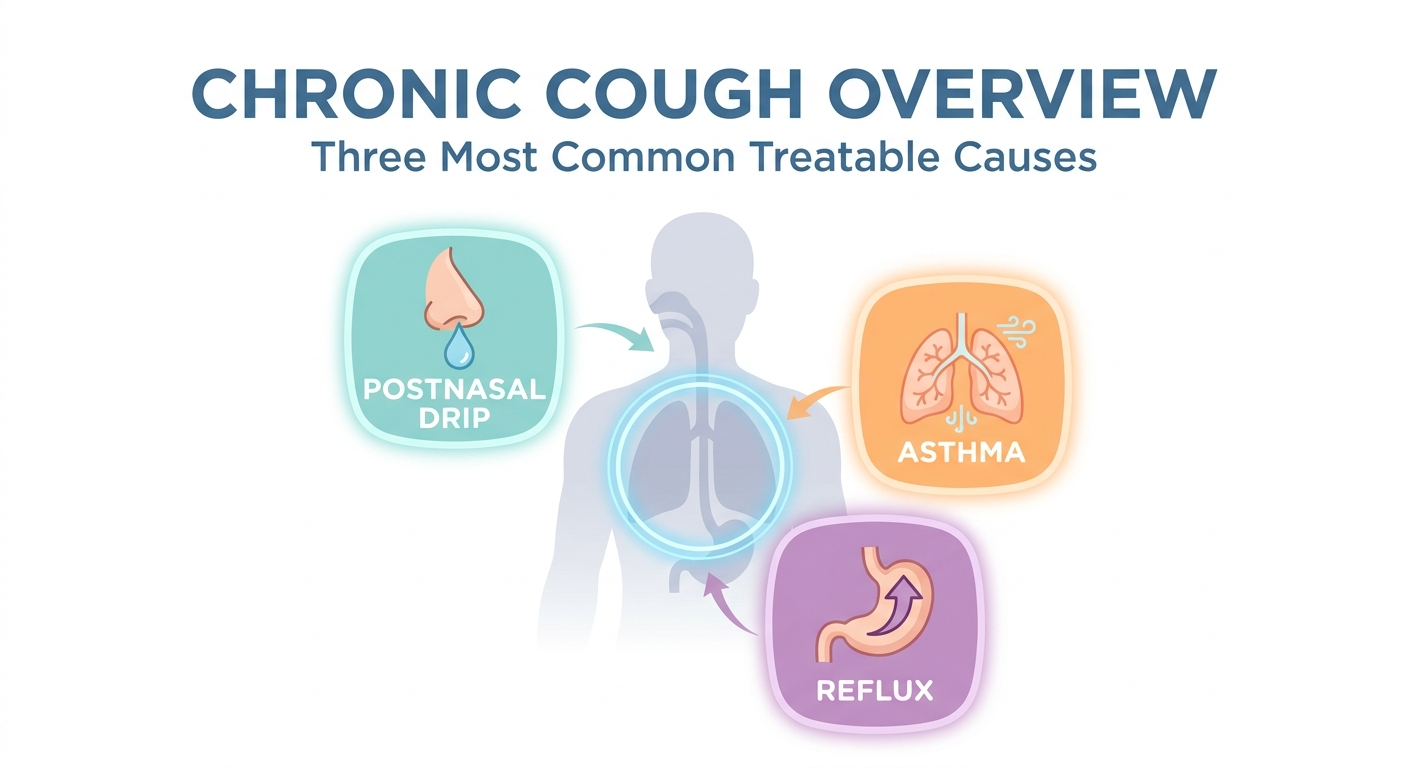
Consider co-existing conditions. Sometimes symptoms don’t fit a “typical allergy” pattern—or they persist even with good avoidance. In those cases, clinicians often consider overlapping contributors such as asthma, chronic sinusitis, nasal polyps, or reflux.
— Simple tracking plus targeted testing can replace guesswork with a focused plan. —
Relief and Treatment Options (Step-by-Step, From OTC to Specialist Care)
The goal is usually twofold: reduce exposure where possible and calm the immune-driven inflammation that causes symptoms. The following is general information, not a diagnosis or treatment plan.
Step 1 — Oral antihistamines for common allergy symptoms. Oral antihistamines are commonly used for runny nose, itchy/watery eyes, and some mild skin symptoms such as hives and itching. One widely used, non-drowsy option for many people is loratadine. These medications may work best when taken consistently during known trigger seasons rather than only after symptoms become intense—for some people, a steady routine helps keep symptoms from “snowballing.” Source: Mayo Clinic allergy medications overview: https://www.mayoclinic.org/diseases-conditions/allergies/in-depth/allergy-medications/art-20047403
Step 2 — If nasal symptoms persist: nasal corticosteroids and/or decongestants.
Nasal corticosteroid sprays. For stubborn nasal blockage and inflammation, a nasal corticosteroid spray is often a mainstay. Many patients find these sprays address congestion more effectively than antihistamines alone—especially when used consistently as directed. Source: Mayo Clinic allergy medications overview: https://www.mayoclinic.org/diseases-conditions/allergies/in-depth/allergy-medications/art-20047403 Related reading: https://sleepandsinuscenters.com/blog/corticosteroid-nasal-sprays-friend-or-foe A simple analogy: antihistamines can help “turn down the itch,” while nasal steroids help “turn down the swelling” inside the nose that causes blockage.
Decongestants. Decongestants for allergies can provide short-term congestion relief for some people, but they’re not a long-term solution. Certain nasal decongestant sprays can cause rebound congestion if used longer than directed—something many people experience without realizing what’s happening. Helpful explainer on rebound congestion (Afrin rebound): https://sleepandsinuscenters.com/blog/afrin-rebound-how-long-does-nasal-congestion-last-after-use Medication class comparison: https://sleepandsinuscenters.com/blog/decongestant-vs-antihistamine-when-to-use-each-for-allergy-relief If you feel like you “can’t breathe without it” after several days of a decongestant spray, rebound congestion may be part of the picture—consider discussing safer long-term options with a clinician.
Step 3 — When OTC isn’t enough: prescription options and specialist-directed therapy.
Allergy shots (immunotherapy). Allergy shots (immunotherapy) may be considered for people with allergic rhinitis who continue to have frequent or severe allergy symptoms despite thoughtful avoidance steps and appropriate medication use. In plain language, immunotherapy aims to gradually retrain the immune system to be less reactive to specific allergens over time. - AAAAI patient education: https://www.aaaai.org/tools-for-the-public/conditions-library/allergies/allergy-shots - Evidence overview: Cochrane Library summary (related evidence): https://cochranelibrary.com/content?_scolariscontentdisplay_WAR_scolariscontentdisplay_action=related-content&doi=10.1002/central/CN-02212863 A clinician might frame it like this: “Medications help control symptoms; immunotherapy is aimed at changing the underlying sensitivity.” It’s a longer-term strategy, so it’s most useful when your triggers are clear and your symptoms are recurring.
Advanced biologic therapy (specialist discussion). In some specialist settings, advanced biologic therapies such as dupilumab may be discussed for related conditions like asthma or chronic rhinosinusitis with nasal polyps, depending on the clinical picture. These therapies involve specific eligibility criteria, monitoring, and insurance authorization steps, so they’re typically considered after a careful evaluation.
Step 4 — Build a personalized action plan with a healthcare professional. When symptoms are frequent, it often helps to have a clear plan that outlines: - A daily “controller” routine (often combining medication classes thoughtfully) - A “flare plan” for high-pollen days or known exposures - Clear thresholds for when to escalate care Source: Mayo Clinic allergy medications overview: https://www.mayoclinic.org/diseases-conditions/allergies/in-depth/allergy-medications/art-20047403
— Start with simple tools, use them consistently, and consider specialist care if symptoms remain disruptive. —

Lifestyle and Home Relief Tips (Prevention That Actually Helps)
Bedroom and sleep-focused strategies. Because you spend hours in the bedroom, small changes can matter: - Shower/rinse after outdoor exposure (especially hair) - Keep windows closed on high-pollen days - Wash bedding regularly If you’re congested at night, your sleep suffers—and when sleep suffers, everything feels harder. Improving the bedroom environment is often one of the highest-return steps.
Air quality upgrades - Keep up with HVAC filter changes - Consider a HEPA purifier in the bedroom - Maintain reasonable indoor humidity to reduce dust mites and mold risk
Pet-related adjustments - Keep pets out of the bedroom when possible - Regular grooming/bathing routines may reduce dander spread - Vacuum using good filtration and clean floors consistently
Nasal hygiene. Saline sprays and rinses can help clear mucus and allergens from the nasal passages. If using irrigation devices, water safety matters—use sterile/distilled water or boiled then cooled water. Learn more about Neti pot water safety (distilled/boiled water): https://sleepandsinuscenters.com/blog/neti-pot-water-safety-why-boiled-or-distilled-water-is-essential-a906d
Workplace exposures can matter too. See: https://sleepandsinuscenters.com/blog/allergy-proof-your-workspace-top-ent-tips-for-relief
— Reducing exposure where you live and sleep, plus simple nasal care, can improve both daytime comfort and sleep quality. —

When to See a Doctor for Severe Allergy Symptoms
You should be evaluated if… Consider an evaluation when: - Symptoms are frequent, disruptive, or impacting sleep and daily function - OTC options haven’t controlled symptoms after a reasonable trial - You’ve had swelling reactions, breathing symptoms, or a history concerning for anaphylaxis If you’re cycling through medicines without a clear plan—or relying on short-term fixes—an evaluation can help you find a safer, steadier path.
What an appointment may include. A visit often involves a symptom review, a nasal exam, discussion of environmental exposures, consideration of asthma/sinus contributors, and—when helpful—targeted testing. To schedule with Sleep and Sinus Centers of Georgia: https://sleepandsinuscenters.com/appointments
— If symptoms persist or feel risky, a structured evaluation can turn trial-and-error into a clear plan. —
FAQs About Severe Allergy Symptoms
What are the most concerning allergy symptoms? Breathing symptoms (wheezing, shortness of breath, throat tightness) and systemic reactions (fainting, severe dizziness, widespread hives with other symptoms) are among the most concerning and may signal anaphylaxis. Source: Mayo Clinic: https://www.mayoclinic.org/diseases-conditions/anaphylaxis/symptoms-causes/syc-20351468
What’s the best first medication for runny nose, itchy eyes, or hives? Oral antihistamines are commonly used for these symptoms; loratadine is one example often chosen for its non-drowsy profile for many people. Source: Mayo Clinic: https://www.mayoclinic.org/diseases-conditions/allergies/in-depth/allergy-medications/art-20047403
Why does congestion linger even after I take antihistamines? Antihistamines can help itching, sneezing, and runny nose, but congestion often reflects ongoing inflammation. That’s one reason a nasal corticosteroid spray is frequently used for persistent blockage—especially with consistent use. Source: Mayo Clinic: https://www.mayoclinic.org/diseases-conditions/allergies/in-depth/allergy-medications/art-20047403
When should I consider allergy shots (immunotherapy)? Allergy shots (immunotherapy) may be considered when symptoms persist despite avoidance measures and appropriate medication options, and when testing confirms relevant triggers.
Can severe allergies be connected to sinus problems? Yes. Allergies can overlap with chronic rhinitis and sinus inflammation, and persistent congestion can contribute to pressure, postnasal drip, and sleep disruption. An ENT evaluation may help when symptoms don’t respond as expected.
Conclusion — A Practical Next Step for Patients
Severe allergy symptoms can be exhausting—and sometimes dangerous. Knowing the emergency signs of anaphylaxis is essential. For many people, a stepwise approach starts with oral antihistamines (such as loratadine) for common symptoms, then adds a nasal corticosteroid spray and carefully selected decongestants for allergies when congestion persists. When OTC options aren’t enough, allergy shots (immunotherapy) and, in select situations, advanced therapies for related conditions may be discussed with a specialist.
If you’re dealing with frequent or severe allergy symptoms, a personalized plan can make flare-ups more predictable and manageable. To get answers—and a clear next-step plan—book an appointment with Sleep and Sinus Centers of Georgia here: https://sleepandsinuscenters.com/appointments
This article is for educational purposes only and is not medical advice. Please consult a qualified healthcare provider for diagnosis and treatment.
Don’t let allergies slow you down. Schedule a comprehensive ENT and allergy evaluation at Sleep and Sinus Centers of Georgia. We’re here to find your triggers and guide you toward lasting relief.