Rest vs Sleep: Key Differences, Benefits, and How Much You Really Need
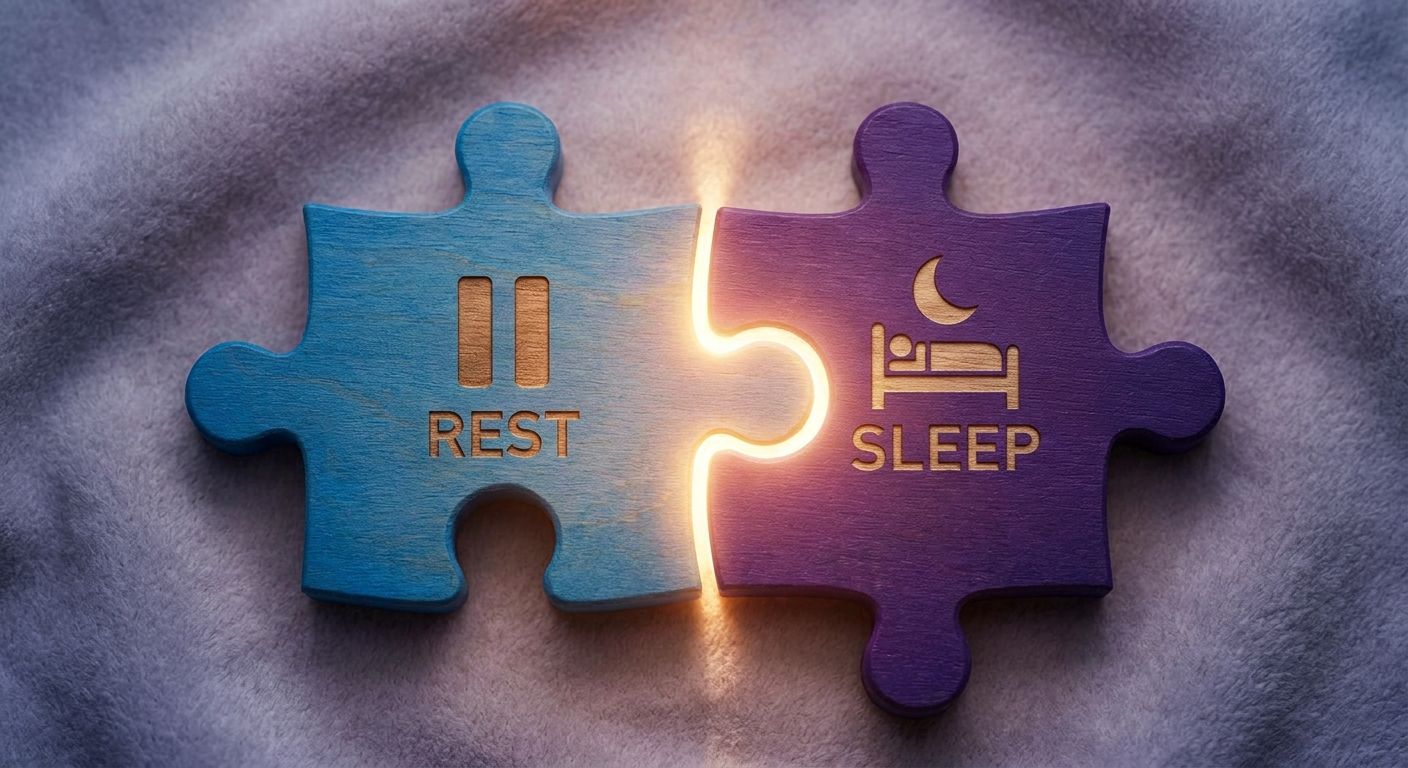
Many people try to “make up for” short nights by lying down, closing their eyes, or taking a break during the day. That raises a practical question: can rest replace sleep? Understanding rest vs sleep helps you use both more effectively—without expecting one to do the other’s job.
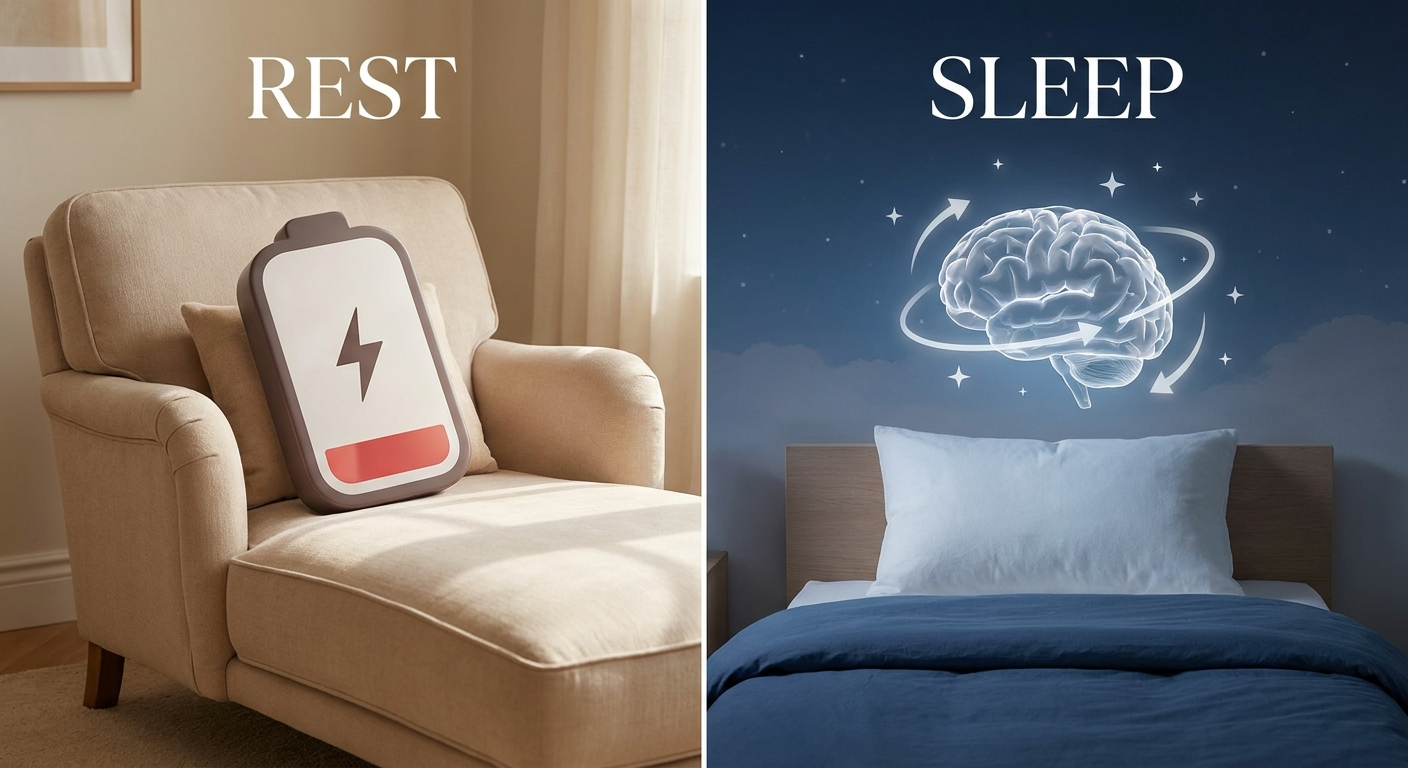
A helpful way to think about it: rest is like putting your phone in low-power mode, while sleep is closer to a full system update plus background maintenance. Both reduce “wear and tear,” but they’re not the same process.
Quick Takeaway (for skimmers)
- Rest helps—but it doesn’t fully replace sleep
- Quiet, eyes-closed rest (quiet wakefulness) can reduce stress and help stabilize new learning compared with staying busy and mentally “on.”
- Sleep adds unique brain and body processes—stage-specific brain activity and faster brain waste (glymphatic) clearance—that wakeful rest does not fully match.
- Research suggests sleep is associated with increased clearance of certain metabolic byproducts compared with wakefulness (Xie et al., Science, 2013). Some studies also suggest quiet rest may support memory consolidation in certain tasks, sometimes showing short-term benefits similar to brief sleep under specific lab conditions (PMC, 2020).
What Counts as “Rest” vs “Sleep”?
What “rest” usually means
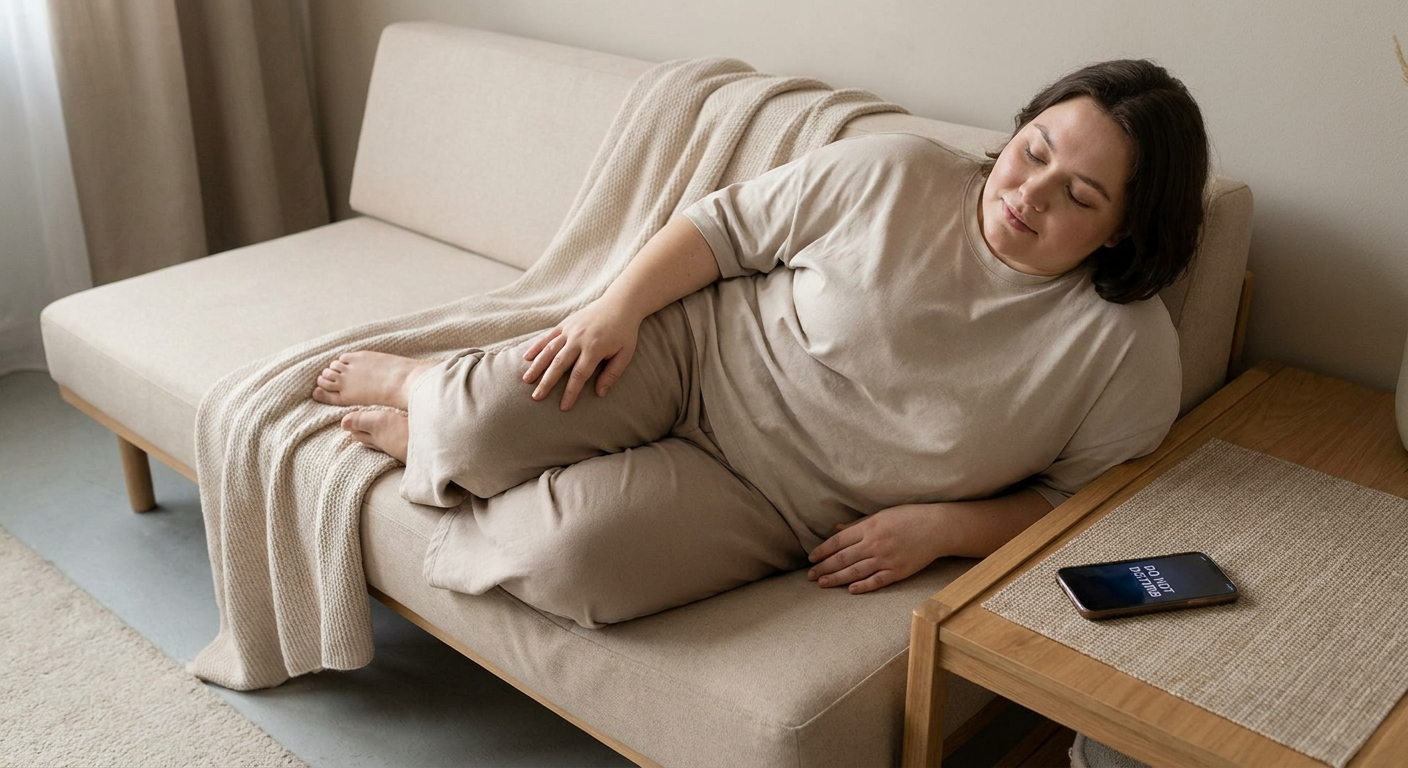
- Quiet wakefulness: lying down, eyes closed, minimal stimulation
- A low-input “brain break”: calm breathing, meditation, gentle stretching, or sitting quietly outside
A concrete example: you finish a training session, then spend 15 minutes reclining in a dim room with your phone on silent. You’re awake, but you’re giving your brain fewer inputs to process.
What rest is not (if your goal is recovery):
- Scrolling, TV, multitasking, intense conversations, or anything that keeps your brain processing lots of input. These activities may feel relaxing, but they’re often still cognitively and sensory “loud.”
What “sleep” is (clinically)
- Sleep isn’t just “deep rest.” It’s a distinct brain state with predictable sleep stages: N1, N2, N3 (slow-wave sleep), and REM, with lower environmental responsiveness and different brain rhythms than wakeful rest.
These stages matter because different sleep features are tied to memory-related physiology and broader restoration (Rasch & Born, 2013). That’s why “I’m in bed for eight hours” doesn’t always translate to “I got eight hours of sleep.”
- In short: rest is a low-input wakeful state; sleep is a distinct brain state with stages that support unique recovery processes.
Rest vs Sleep—Key Differences (Simple Comparison)
Brain activity
- Rest: brain activity may shift into calmer patterns, but you remain awake and responsive.
- Sleep: includes sleep spindles, slow waves, and REM patterns linked with learning, plasticity, and memory processing (Rasch & Born, 2013).
In plain terms: during rest, your brain may “idle.” During sleep, it runs specialized programs that waking rest doesn’t reliably trigger.
Body systems
- Rest: may lower stress, ease muscle tension, and slow heart rate—especially if it’s truly quiet and low-stimulation.
- Sleep: supports broader regulation across systems, including hormonal, immune, and cardiovascular function.
“Brain cleaning” and recovery
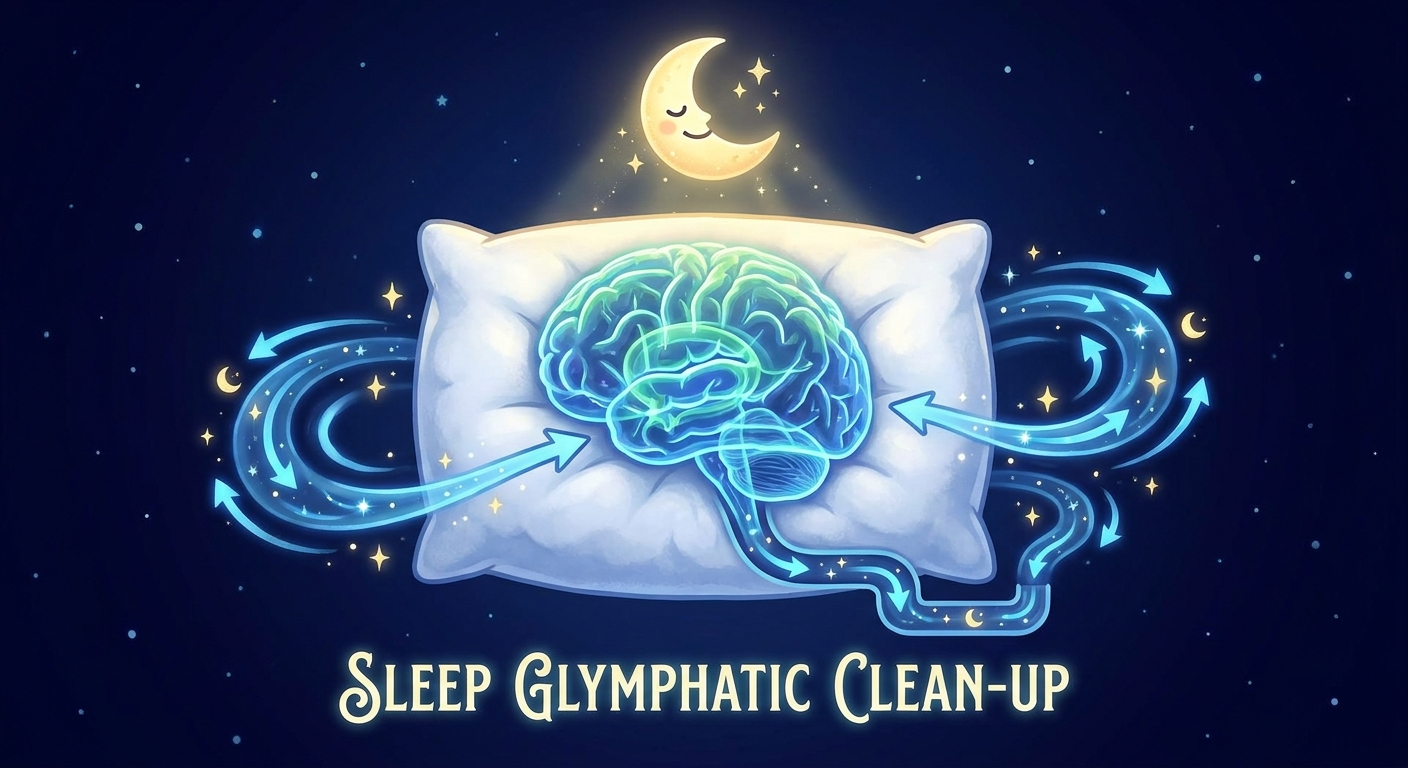
One of the clearest biological differences in the rest vs sleep conversation is what happens in the brain’s waste-clearance pathways (glymphatic system). Research suggests sleep is associated with increased clearance of certain metabolic byproducts compared with wakefulness (Xie et al., Science, 2013). This helps explain why you may still feel “foggy” after a day of resting without enough sleep: you reduced stimulation, but you may not have fully accessed the brain’s overnight housekeeping.
- Bottom line: rest can calm your system, while sleep engages specialized brain and body processes that wakeful rest doesn’t fully provide.
Benefits of Quiet Rest (and When It’s Actually Helpful)
Memory stabilization after learning
Quiet rest can be useful right after you learn something—studying, training, or practicing a skill. Instead of immediately jumping into high-input tasks, a short quiet break may help protect what you just learned.
A 2020 review in PMC notes evidence that post-learning rest (quiet wakefulness with eyes closed) may support memory consolidation for certain tasks compared with active wakefulness, and under specific lab conditions these short-term benefits can look similar to brief sleep (PMC, 2020). Translation: if you can’t sleep right then, quiet rest may still help your brain “hold onto” new material.
Stress reduction and nervous system reset
Quiet rest can also be valuable when you feel mentally overloaded or “wired,” anxious or emotionally drained, or headache-prone on a high-stimulation day.
- Takeaway: short, truly low-input rest can reduce stress and help protect new learning when sleep isn’t possible right away.
A Practical Rest Toolkit
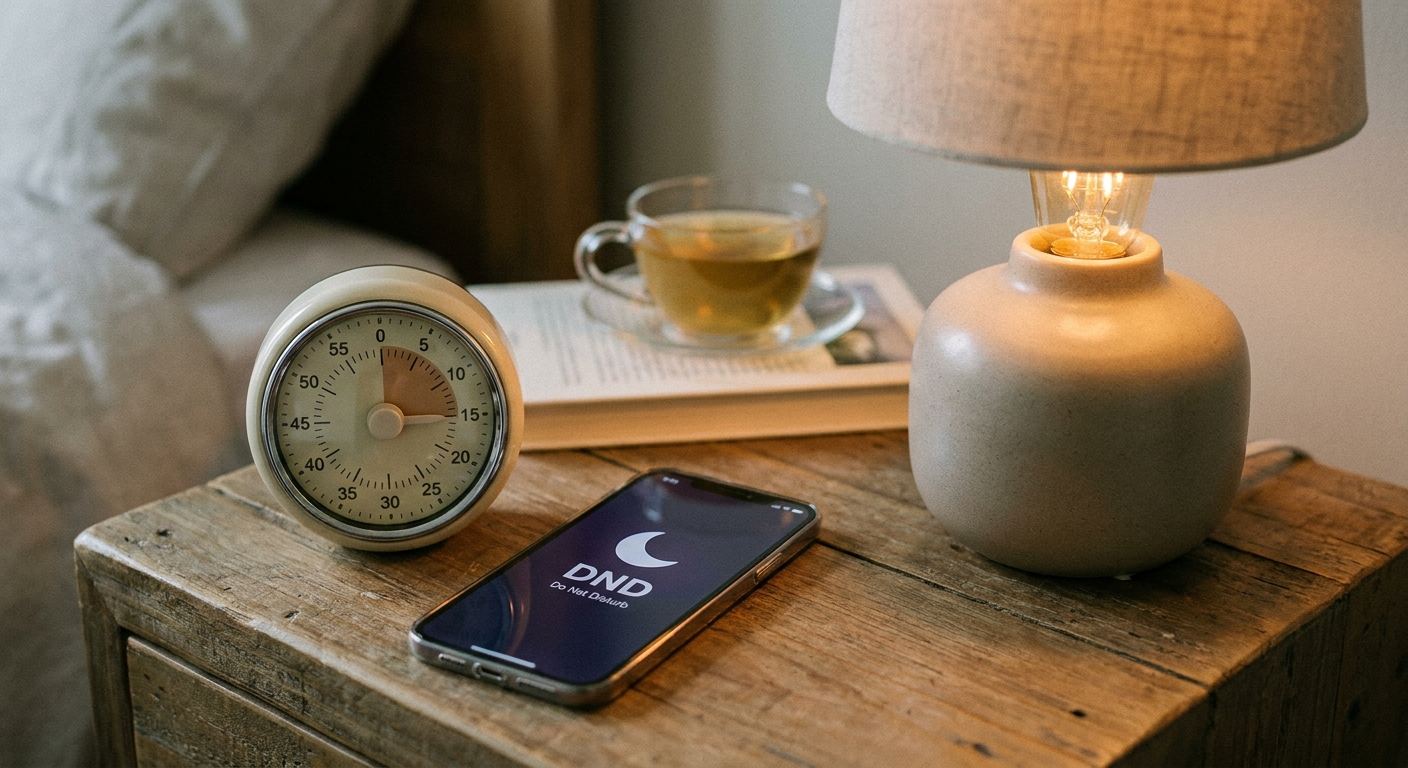
- 10–20 minutes in a quiet room
- Eyes closed, low light
- Phone on Do Not Disturb
- If your thoughts race: try slower breathing with longer exhales
A clinician-style frame: “Rest works best when your brain isn’t taking in new material.” You’re not trying to be productive—you’re trying to be low-input.
Benefits of Sleep (Why Your Brain and Body Still Need It)
Deeper brain restoration
- Sleep supports processes that don’t happen in the same way during quiet wakefulness: sleep-stage-related brain activity (slow waves and spindles), synaptic plasticity, and longer-term memory reorganization (Rasch & Born, 2013).
Metabolic waste clearance (glymphatic system)
- Sleep is associated with more efficient brain housekeeping (glymphatic clearance) than wakefulness (Xie et al., 2013).
Long-term learning and performance
- Findings vary by task and timing. Some experiments show little difference between rest, sleep, and active wake for specific tasks (PMC, 2020). Across many areas of sleep science, sleep benefits often become clearer over longer retention intervals, different memory types, and tasks that depend on particular sleep stages.
- In practice: think of rest as helping you “save your work,” while sleep helps your brain “organize the files” for better recall later.
Can Rest Replace Sleep?
The honest answer
For most people, rest can be a short-term support—especially for stress reduction and post-learning recovery. But rest does not fully replace whole-body restoration linked with sleep, sleep-stage-dependent memory processing, or glymphatic clearance at sleep-associated levels.
Common scenarios
- “I lay down for 30 minutes—why am I still exhausted?” Lying down reduces input, but it may not provide the deeper physiology of sleep.
- “I nap and feel better—does that count as sleep?” A nap is sleep (just shorter), and it can help—depending on timing and duration.
- “I’m sleeping 6 hours but resting a lot—am I okay?” Extra rest can feel supportive, but it typically doesn’t erase chronically short sleep for most adults.
- Short version: rest is helpful, but prioritizing adequate, good-quality sleep remains essential for most people.
Symptoms You May Need More Sleep (Not Just More Rest)
Daytime signs
- Excessive sleepiness or dozing off unintentionally
- Irritability, low mood, or feeling emotionally “amped”
- Brain fog, poor focus, and forgetfulness
If you’re unsure how significant your daytime sleepiness is, the Epworth Sleepiness Scale is a patient-friendly screening tool—though it is not a diagnostic test: https://sleepandsinuscenters.com/blog/epworth-sleepiness-scale-a-complete-guide-to-understanding-daytime-sleepiness
Nighttime clues
- Waking unrefreshed
- Frequent awakenings
- Loud snoring, gasping/choking, dry mouth, or morning headaches (these can be associated with sleep-disordered breathing, among other causes)
Safety red flags
- Drowsy driving or near-misses
- Falling asleep at work
- Severe sleepiness that interferes with daily function
For a deeper guide on next steps, see when to see an ENT for sleep problems: https://sleepandsinuscenters.com/blog/when-to-see-an-ent-for-sleep-problems
- Bottom line: if sleepiness or sleep disruption is affecting safety or daily life, consider an evaluation.
Causes of “Not Resting Well” vs “Not Sleeping Well”
Why rest doesn’t feel restorative
- Stimulation continues (phone/TV/notifications)
- Stress and rumination keep the brain on high alert
- Pain or an irregular schedule disrupts downshifting
Why sleep may be poor even when time in bed is adequate
- Insomnia patterns (trouble falling or staying asleep)
- Nasal obstruction or congestion (including allergies)
- Sleep apnea or other breathing-related sleep disruption
- Alcohol near bedtime, late caffeine timing, or certain medications
- Key idea: lower input for a few minutes can help, but addressing underlying sleep disruptors matters more for feeling truly restored.
Treatments & Practical Fixes
Build a two-part plan: better rest breaks + better sleep. Think of quiet rest as a daytime tool, and sleep as the nighttime foundation. Using both strategically can be more effective than relying on one—especially during busy or stressful seasons.
How to Do a “True Quiet Rest” Session (10–20 Minutes)
- Choose a consistent time (midday or after learning works well)
- Set a timer for 10–20 minutes
- Lie down or recline; close your eyes
- Keep the room cool and dim if possible
- If you fall asleep, that’s okay—now it’s a nap
Sleep Hygiene Basics That Actually Move the Needle
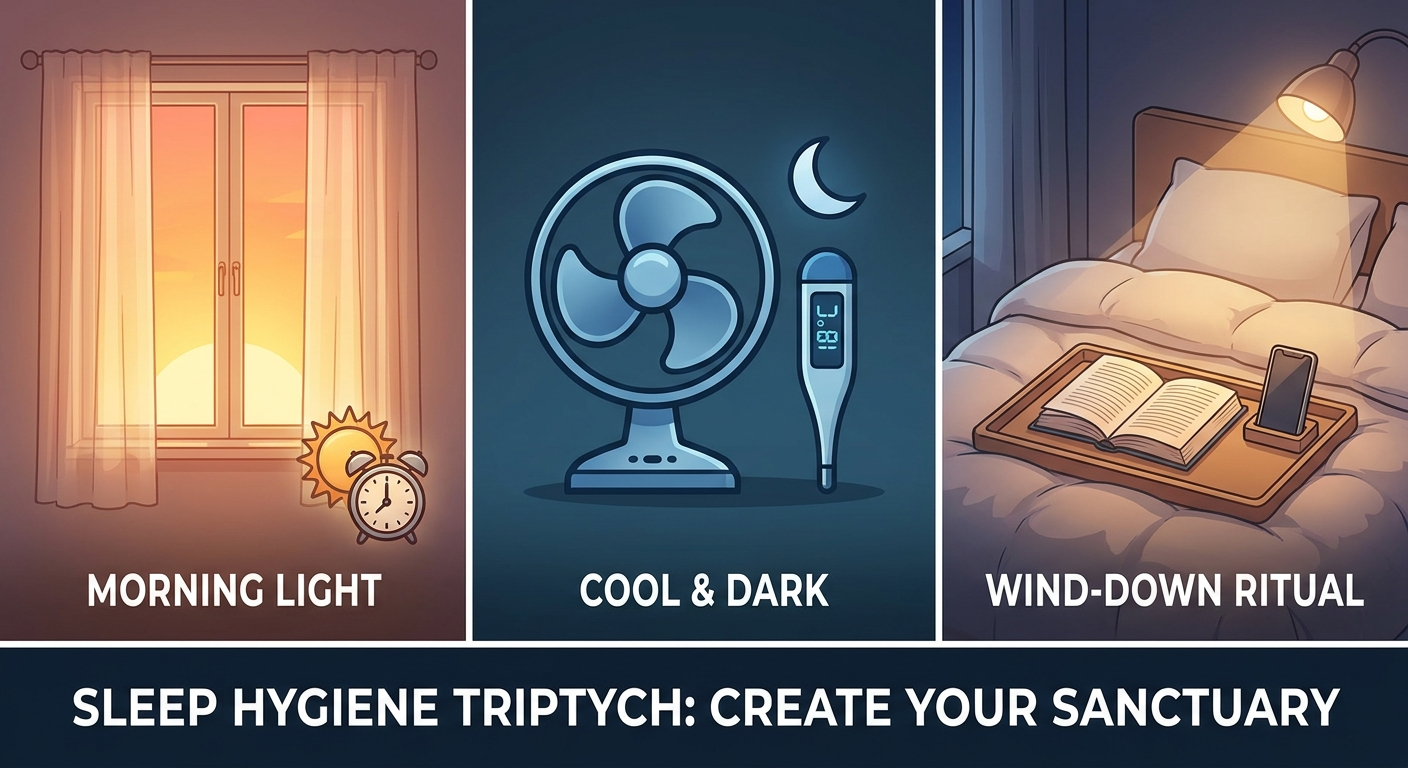
- Consistent wake time
- Bright light exposure in the morning; dimmer light at night
- Cool, dark, quiet bedroom
- A short wind-down routine (ideally away from screens)
For a detailed walkthrough, see sleep hygiene basics: https://sleepandsinuscenters.com/blog/sleep-hygiene-and-its-impact-on-ent-disorders-key-insights
If Congestion or Snoring Is Affecting Your Sleep
If snoring, mouth breathing, or nasal blockage is part of your nightly pattern, it may be worth learning about evaluation and options. Educational information on snoring and sleep apnea treatment is available here: https://sleepandsinuscenters.com/snoring-sleep-apnea-treatment
- Practical takeaway: combine short, low-input rest breaks with consistent sleep habits—and address breathing or congestion issues that may disrupt sleep.
How Much Sleep Do You Really Need?
General targets (by age)
- Adults: about 7–9 hours (with individual variation)
- Older adults: often around 7–8 hours, though sleep timing and continuity can change
Quality vs quantity
You generally can’t “out-rest” chronically short sleep. Signs you may be getting enough include more stable daytime energy and mood, good alertness without unintended naps, and easier focus with less brain fog.
What about naps?
- Short nap (10–30 minutes): often feels refreshing with less grogginess
- Longer naps: can cause sleep inertia and may affect nighttime sleep for some people
- In essence: aim for adequate nightly sleep, and use short naps strategically if they help without disrupting nighttime rest.
FAQs
Is lying down with my eyes closed the same as sleep?
No. Quiet rest can help, but sleep is a different brain state with unique stages and physiology (Rasch & Born, 2013; Xie et al., 2013).
Can quiet rest improve memory like sleep can?
Some studies suggest quiet rest may support memory consolidation in certain tasks, sometimes showing short-term benefits similar to brief sleep under specific lab conditions. Over longer intervals or with different memory types, sleep may show clearer advantages (PMC, 2020).
If I “rest a lot,” can I get by on 5–6 hours of sleep?
Rest may ease stress, but it typically does not replace full sleep restoration for most adults.
Why do I feel tired after “resting” but not sleeping?
Rest reduces input, but sleep adds deeper physiological recovery and is associated with faster brain waste (glymphatic) clearance than wakefulness (Xie et al., 2013).
When should I talk to a doctor about my sleep?
Consider an evaluation for loud snoring, witnessed pauses in breathing, gasping/choking, severe daytime sleepiness, insomnia lasting weeks, or safety concerns. Learn more about when to see an ENT for sleep problems: https://sleepandsinuscenters.com/blog/when-to-see-an-ent-for-sleep-problems
Conclusion
Rest is a valuable tool—especially quiet rest for short resets, stress reduction, and protecting new learning. But sleep remains essential for broader restoration, sleep-stage biology, and brain housekeeping processes that quiet rest does not fully replicate. If you’re deciding between rest vs sleep, prioritize consistent sleep and use rest strategically as a supplement—not a substitute.
If snoring, congestion, or persistent daytime sleepiness is getting in the way of good sleep, consider booking an appointment to discuss next steps with Sleep and Sinus Centers of Georgia: https://www.sleepandsinuscenters.com/
References
- Xie L, et al. Sleep Drives Metabolite Clearance from the Adult Brain. Science. 2013. https://www.science.org/doi/10.1126/science.1241224
- Comparing the Effects of Sleep and Rest on Memory Consolidation. 2020. PMC. https://pmc.ncbi.nlm.nih.gov/articles/PMC7007500/
- Rasch B, Born J. About sleep’s role in memory. Physiological Reviews. 2013.
Medical Disclaimer
This article is for general education only and is not a substitute for personalized medical advice, diagnosis, or treatment. Please consult a qualified healthcare provider for diagnosis and treatment.
Don’t let allergies slow you down. Schedule a comprehensive ENT and allergy evaluation at Sleep and Sinus Centers of Georgia. We’re here to find your triggers and guide you toward lasting relief.