Nausea From Lack of Sleep: Causes, Symptoms, and How to Feel Better
You stay up too late, drag yourself through the next day—and your stomach feels “off.” Queasy. Unsettled. Maybe even a little gagging when you smell coffee or hop in the car. If you’ve ever wondered whether nausea from lack of sleep is a real thing, you’re not imagining it.
Sleep loss may contribute to nausea and is associated with changes across several body systems—your stress response, inflammatory signaling, the gut-brain axis, reflux sensitivity, and even migraine pathways. A helpful way to think about it: when sleep is short, your body’s “timing” and “tolerance” systems can get less coordinated, and your stomach is often one of the first places you feel it. (Sleep Foundation: https://www.sleepfoundation.org/physical-health/can-lack-of-sleep-cause-nausea)
At the same time, nausea that’s severe, persistent, or repeatedly returning deserves medical evaluation so other causes aren’t missed.
This guide covers: common symptoms, why sleep loss may be linked with nausea, quick relief steps, longer-term sleep fixes, and when to see a doctor.
Medical disclaimer: This article is for educational purposes and is not a substitute for personal medical advice, diagnosis, or treatment.
Can Lack of Sleep Cause Nausea?
The short answer: Yes—can lack of sleep cause nausea? For many people, it can be associated with next-day queasiness. Some notice nausea after a night without sleep almost immediately (for example, after an all-nighter). Others feel it after a few short nights in a row, when the “sleep debt” starts to add up.
It may happen more often if you’re also dealing with stress, reflux, migraine tendencies, dehydration, caffeine overload, or motion/vestibular sensitivity. (Sleep Foundation: https://www.sleepfoundation.org/physical-health/can-lack-of-sleep-cause-nausea)
Why it’s not “all in your head”: Sleep and digestion are closely linked through the gut-brain axis—two-way communication between your nervous system and gastrointestinal (GI) tract. When sleep is disrupted, those signals can get out of rhythm, which may affect nausea signaling, appetite, and stomach movement.
A clinician might describe it like a “mis-timed conversation” between your brain and your gut: the messages still go back and forth, but they’re less coordinated—so normal sensations can feel more intense or more unpleasant. (PMC: https://pmc.ncbi.nlm.nih.gov/articles/PMC4849511/; https://pmc.ncbi.nlm.nih.gov/articles/PMC3882397/)
Summary: Short sleep may contribute to nausea, especially when other triggers stack up.

Symptoms of Nausea From Sleep Deprivation
Common nausea symptoms
- Queasy, unsettled stomach
- Reduced appetite
- Gagging or increased sensitivity to smells
- Feeling worse with movement (including riding in the car)
Some people also notice they’re fine while sitting still, but nausea ramps up the moment they start walking around, looking at screens, or being in bright environments—especially if they’re also overtired.
Digestive symptoms that may come along with it
- Heartburn or a sour taste (reflux)
- Bloating, burping, mild stomach discomfort
- Changes in bowel habits (some people notice diarrhea or constipation when sleep-deprived)
If your nausea is paired with a sour taste, throat irritation, or symptoms that worsen after eating late, reflux may be part of the picture—not necessarily the only cause, but a common “multiplier.”
Whole-body symptoms that suggest sleep loss is part of the problem
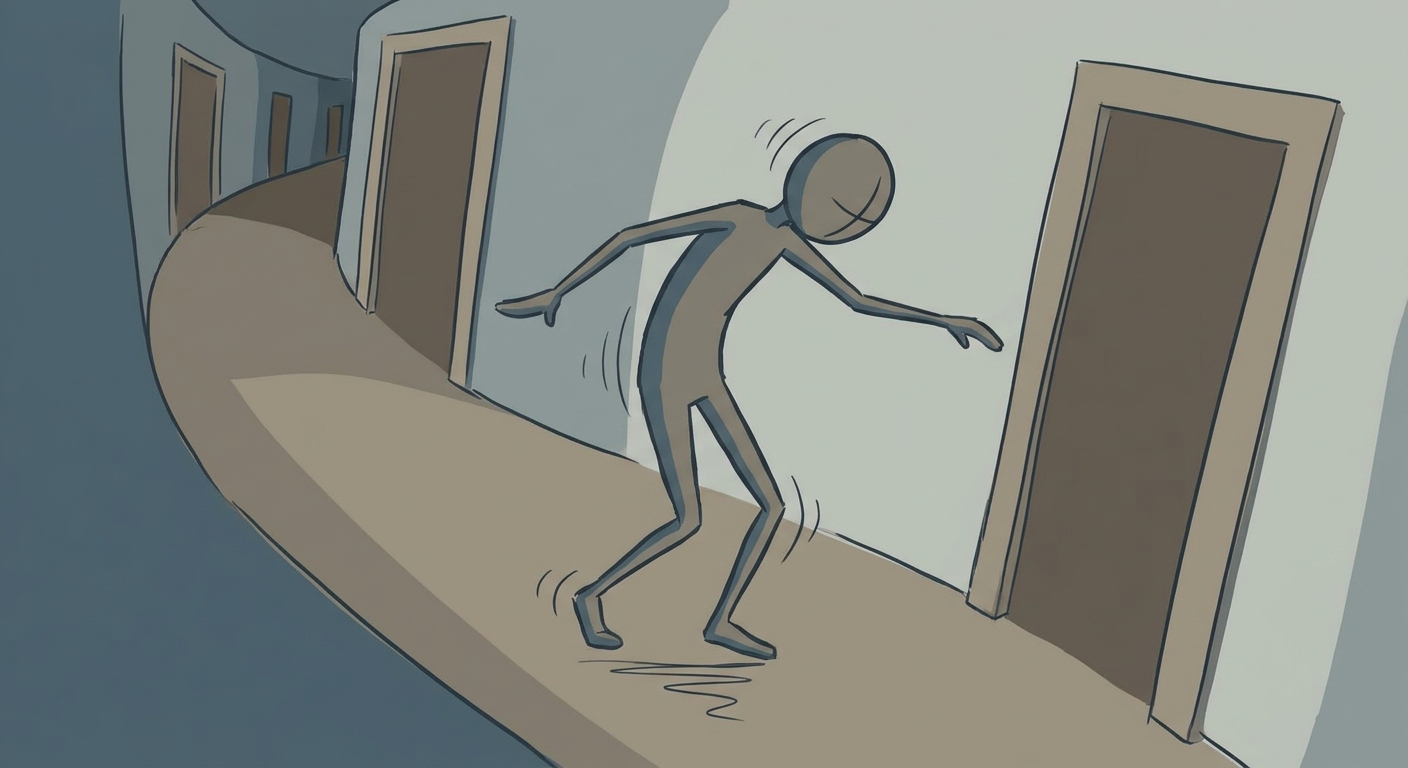
- Headache, light sensitivity, dizziness
- Fatigue and nausea together (plus brain fog or irritability)
- A “wired but tired” feeling or a faster heartbeat sensation
If dizziness is prominent, it may help to understand the difference between spinning vertigo and general wooziness—see our guide on vertigo vs. dizziness: https://sleepandsinuscenters.com/blog/bppv-vertigo-vs-true-dizziness-key-differences-explained
Red flags (don’t ignore these)
- Severe abdominal pain, chest pain, fainting
- Vomiting blood or black/tarry stools
- Signs of dehydration (very dark urine, dizziness when standing)
- Pregnancy possibility
- Nausea lasting more than a few days or recurring frequently
If you’re unsure, seek prompt medical evaluation.
Summary: If nausea pairs with fatigue, headache, or light sensitivity after short sleep, sleep loss may be part of the picture—but don’t ignore red flags.
Causes — Why Lack of Sleep Can Make You Nauseous
Multiple pathways can stack together. Here are common “why” explanations behind nausea that follows poor sleep.
1) Inflammatory signaling may increase after short sleep
Poor sleep can shift the immune system toward a more inflammatory state. Research links sleep loss with changes in inflammatory signaling (including cytokines such as IL‑1, IL‑6, and TNF). These shifts can influence GI function and may amplify nausea signaling in susceptible people. (PMC: https://pmc.ncbi.nlm.nih.gov/articles/PMC4849511/)
In practical terms, you might feel “more reactive” after poor sleep—foods, smells, or motion that wouldn’t usually bother you can suddenly feel like too much.
2) Gut-brain axis disruption: digestion and nausea signaling get “out of sync”
When sleep is disrupted, the gut-brain axis can be affected in ways that may increase nausea, including:
- Changes in gastric motility (how quickly the stomach empties)
- Increased visceral sensitivity (feeling GI sensations more intensely)
- A higher tendency toward reflux symptoms for some people
The result can feel like your stomach is “stuck,” overly sensitive, or easily unsettled—like digestion is moving at the wrong speed for the day you’re trying to have. (PMC: https://pmc.ncbi.nlm.nih.gov/articles/PMC3882397/; https://pmc.ncbi.nlm.nih.gov/articles/PMC4849511/)
3) Stress response and hormone changes (cortisol/adrenaline)
Short sleep can amplify the body’s stress response. That can mean changes in cortisol and other stress hormones, which may reduce appetite, increase queasiness, and aggravate reflux symptoms.
Many people recognize this pattern: you’re exhausted, but your body feels revved—hands a bit shaky, thoughts racing, stomach unsettled. That “wired but tired” state is a common setup for nausea. (Sleep Foundation: https://www.sleepfoundation.org/physical-health/can-lack-of-sleep-cause-nausea; PMC: https://pmc.ncbi.nlm.nih.gov/articles/PMC4849511/)
4) Migraine and vestibular sensitivity can spike after poor sleep
Sleep deprivation is a common migraine trigger. Migraine can cause nausea with or without a severe headache, and it can overlap with dizziness or vertigo symptoms.
If you suspect a headache pattern, our post on how to tell migraine from a sinus headache may help you sort out clues: https://sleepandsinuscenters.com/blog/migraine-vs-sinus-headache-key-differences-and-symptoms-explained (Sleep Foundation: https://www.sleepfoundation.org/physical-health/can-lack-of-sleep-cause-nausea; PMC: https://pmc.ncbi.nlm.nih.gov/articles/PMC3882397/)
5) Reflux (GERD/LPR) may worsen when you’re sleep-deprived
Sleep loss may increase symptom sensitivity and disrupt normal digestive rhythms, which can make reflux feel worse. If nausea is mostly in the morning (or you notice sour taste, throat irritation, or frequent throat clearing), reflux-related nausea is worth considering.
For deeper detail on throat symptoms, see LPR vs. GERD: https://sleepandsinuscenters.com/blog/lpr-vs-gerd-throat-symptoms-key-differences-and-treatment-guide. And if reflux is a major trigger at night, these best sleep positions for acid reflux relief may help: https://sleepandsinuscenters.com/blog/best-sleep-positions-for-acid-reflux-relief-tips-to-stop-heartburn
Summary: No single pathway explains it for everyone; several small factors often add up.

Why You Might Feel Nauseous After One Bad Night vs. Ongoing Poor Sleep
After one night of short sleep
- Stress hormones and “wired” physiology
- Dehydration (especially if you had alcohol or salty food)
- Extra caffeine or energy drinks
- Motion sensitivity
- Mild reflux
A common example: you sleep 4–5 hours, grab strong coffee, skip breakfast, and then feel queasy during your commute. In that scenario, several triggers are stacking at once—fatigue, caffeine, and an empty (or acidic) stomach.
After several nights (or chronic insomnia)
- Ongoing stress dysregulation
- More persistent sleep-loss-related inflammation
- Worsening reflux patterns
- Increased migraine frequency (nausea and migraine overlap)
If the sleep issue is chronic, it’s often more effective to address the sleep pattern itself rather than only “band-aiding” the nausea.
Summary: One rough night can nudge queasiness; repeated short sleep makes the triggers more entrenched.

Quick Relief: What to Do Right Now If You’re Nauseous and Sleep-Deprived
These options are educational and commonly used for symptom support; individual needs vary.
Step 1 — Hydrate gently
Small sips of water, ice chips, or an electrolyte drink may be easier than chugging large amounts at once. If plain water turns your stomach, trying a few sips every 5–10 minutes can be more tolerable. (Sleep Foundation: https://www.sleepfoundation.org/physical-health/can-lack-of-sleep-cause-nausea)
Step 2 — Try small, bland foods (if you can eat)
Many people tolerate bland, low-fat foods better during nausea:
- Crackers, toast, rice
- Bananas, applesauce
- Oatmeal or broth
Smaller amounts every 2–3 hours may feel better than a big meal. (Sleep Foundation: https://www.sleepfoundation.org/physical-health/can-lack-of-sleep-cause-nausea)
Step 3 — Avoid common nausea triggers (for 24 hours)
These commonly worsen queasiness:
- Fatty, spicy, or very salty foods
- Alcohol
- Excess caffeine/energy drinks
- Large late-night meals
If you need caffeine to function, consider scaling down rather than going “cold turkey”—for some people, too much caffeine can worsen nausea, but sudden withdrawal can also feel rough.
Step 4 — Reduce sensory triggers and stabilize your body
- Sitting upright may help, especially after eating
- Cool room, fresh air, and slow breathing can reduce “sensory overload”
- If you’re dizzy, minimizing head movement and screen time may help
A simple cue: if scrolling makes you feel worse, give your nervous system a break—dim light, quiet room, eyes closed for a few minutes.
Step 5 — Consider safe OTC options (with a safety note)
Some people use:
- Ginger tea or ginger candies
- Bismuth subsalicylate for mild nausea/indigestion (not appropriate for everyone)
Caution: Avoid bismuth subsalicylate if you have an aspirin/salicylate allergy, are pregnant, or are a child/teen recovering from a viral illness. It can also interact with certain medications (for example, some blood thinners). When in doubt, ask a pharmacist or clinician.
Summary: Small, steady steps beat big swings when your stomach is unsettled.

The Real Fix: Treat the Sleep Problem Behind the Nausea
If nausea from lack of sleep keeps happening, improving sleep consistency often reduces how often nausea flares.
Build a “tonight” plan (fast improvements)
Educational strategies many people find helpful:
- Aim for a realistic bedtime and wake time (including weekends)
- Keep the room cool, dark, and quiet
- Avoid heavy meals 2–3 hours before bed
- Limit alcohol and late caffeine
For more practical habits, see Sleep Hygiene and Its Impact on ENT Disorders (Key Insights): https://sleepandsinuscenters.com/blog/sleep-hygiene-and-its-impact-on-ent-disorders-key-insights
7-day sleep reset (simple, trackable)
A simple way to make changes without doing everything at once:
- Day 1–2: lock in a consistent wake time
- Day 3–4: reduce evening screen exposure
- Day 5–7: optimize bedroom environment + get morning light exposure
Consider tracking: sleep duration, nausea severity, reflux symptoms, and headaches. Patterns often make triggers more obvious—like nausea showing up mainly after late meals, or mainly after nights with frequent awakenings.
If sleep apnea may be involved
Sleep apnea can fragment sleep and may contribute to morning symptoms in some people, sometimes via reflux or disrupted sleep architecture. Clues can include:
- Loud snoring
- Witnessed pauses in breathing
- Waking up choking/gasping
- Morning headaches or dry mouth
If that sounds familiar, read Can Sleep Apnea Make You Nauseous in the Morning?: https://sleepandsinuscenters.com/blog/can-sleep-apnea-make-you-nauseous-in-the-morning
Summary: Improving sleep consistency is the most reliable long-term lever for reducing nausea recurrences.

When Nausea Isn’t Just From Lack of Sleep (Other Conditions to Rule Out)
Sleep loss can be a trigger, but it isn’t the only possible cause of nausea.
GERD/LPR (reflux-related nausea): Often worse in the morning or after late meals, and may include sour taste, cough, or throat clearing. See LPR vs. GERD: https://sleepandsinuscenters.com/blog/lpr-vs-gerd-throat-symptoms-key-differences-and-treatment-guide
Migraine (including vestibular migraine): Nausea plus light/sound sensitivity, with or without head pain, sometimes with dizziness. For clues, see migraine vs. sinus headache: https://sleepandsinuscenters.com/blog/migraine-vs-sinus-headache-key-differences-and-symptoms-explained
GI illness or food-related causes: Viral gastroenteritis, food poisoning, and food intolerances can mimic sleep-related nausea.
Medication/supplement side effects: Iron, certain antibiotics, pain relievers, or vitamins taken on an empty stomach can cause nausea.
Anxiety/stress cycles: A common loop is: poor sleep → higher stress response → more nausea → more trouble sleeping. Sleep support and stress regulation together can help interrupt that cycle. (Sleep Foundation: https://www.sleepfoundation.org/physical-health/can-lack-of-sleep-cause-nausea; PMC: https://pmc.ncbi.nlm.nih.gov/articles/PMC4849511/)
Summary: Consider other explanations—don’t assume sleep is the only factor.
When to See a Doctor (and What to Expect at the Visit)
Make an appointment if:
- Nausea lasts more than a week, or repeatedly returns with poor sleep
- Reflux symptoms are frequent
- Migraine/vestibular symptoms are suspected
- Sleep problems are ongoing (insomnia, frequent awakenings, loud snoring)
If you’re unsure what kind of evaluation fits your symptoms, this guide on when to see an ENT for sleep problems may help: https://sleepandsinuscenters.com/blog/when-to-see-an-ent-for-sleep-problems
Seek urgent care/ER if:
- Severe pain, confusion, or fainting
- Blood in vomit or black stools
- Severe dehydration
- New neurologic symptoms (weakness, slurred speech, or sudden severe headache)
Helpful info to bring
- A simple sleep log (bedtime, wake time, awakenings)
- Nausea timing (morning vs. evening, relation to meals)
- Caffeine/alcohol intake and a list of medications/supplements
Summary: Timely evaluation can catch treatable contributors like reflux, migraine, or sleep apnea.
Lifestyle Tips to Prevent Sleep-Loss Nausea Long-Term
Eating patterns that support sleep and digestion
- Earlier, smaller dinners tend to be easier on reflux and sleep
- Some people do well with balanced dinners (protein + complex carbs) and a light snack if needed later
Caffeine strategy (so you sleep—and don’t feel worse)
- Consider a cutoff time (often early afternoon)
- Watch hidden caffeine (tea, soda, energy drinks, chocolate)
Stress regulation that also helps the gut
A short wind-down routine can support both sleep and digestion:
- Breathing exercises, gentle stretching, journaling
- A brief morning walk/light exposure to support circadian rhythm
Movement (but not too late)
Regular daytime exercise can improve sleep quality. Very intense workouts late at night can make some people feel more “wired,” which may worsen nausea the next day.
Summary: Simple, consistent routines support both sleep and digestion over time.
FAQs
Can lack of sleep cause nausea the next day?
Yes. Short sleep can be associated with shifts in inflammatory signaling, the gut-brain axis, and stress hormones—all of which may contribute to next-day nausea. (Sleep Foundation: https://www.sleepfoundation.org/physical-health/can-lack-of-sleep-cause-nausea; PMC: https://pmc.ncbi.nlm.nih.gov/articles/PMC4849511/)
Why do I feel nauseous in the morning after staying up late?
Common contributors include reflux, dehydration, caffeine effects, migraine sensitivity, and fragmented sleep.
How many hours of sleep do I need to avoid nausea?
Most adults do best with 7–9 hours, but sleep quality and consistency matter too. (Sleep Foundation: https://www.sleepfoundation.org/physical-health/can-lack-of-sleep-cause-nausea)
Can insomnia cause nausea even if I’m not stressed?
It can. Sleep disruption alone can alter gut-brain signaling and increase sensitivity to GI sensations. (PMC: https://pmc.ncbi.nlm.nih.gov/articles/PMC3882397/; https://pmc.ncbi.nlm.nih.gov/articles/PMC4849511/)
Is nausea a sign of sleep apnea?
Not always, but morning nausea can occur in some people with sleep apnea–related sleep fragmentation or reflux. Learn more: https://sleepandsinuscenters.com/blog/can-sleep-apnea-make-you-nauseous-in-the-morning
What foods help nausea when I’m exhausted?
Small, bland meals are often better tolerated (toast, crackers, rice, bananas, applesauce, broth) while avoiding greasy/spicy foods. (Sleep Foundation: https://www.sleepfoundation.org/physical-health/can-lack-of-sleep-cause-nausea)
Summary: Your triggers may differ—tracking sleep, meals, and symptoms can clarify your pattern.
Conclusion
Nausea linked to lack of sleep is common—and often explainable. Sleep loss may influence nausea through inflammatory signaling, gut-brain axis disruption, and stress-related pathways, while also increasing susceptibility to reflux and migraine-related nausea.
If you’re feeling sick today, supportive steps like gentle hydration and bland foods may help you get through the moment. Over the next week, focusing on consistent, higher-quality sleep is often the most meaningful long-term fix.
If nausea is persistent, severe, or keeps coming back—or if sleep problems have become your normal—book an appointment with Sleep and Sinus Centers of Georgia to rule out contributors like reflux, migraine patterns, or sleep apnea and to discuss appropriate next steps: https://www.sleepandsinuscenters.com/
This article is for educational purposes only and is not medical advice. Please consult a qualified healthcare provider for diagnosis and treatment.
Don’t let allergies slow you down. Schedule a comprehensive ENT and allergy evaluation at Sleep and Sinus Centers of Georgia. We’re here to find your triggers and guide you toward lasting relief.