Natural Remedies for Deep Sleep: 10 Evidence-Based Ways to Sleep Better Naturally
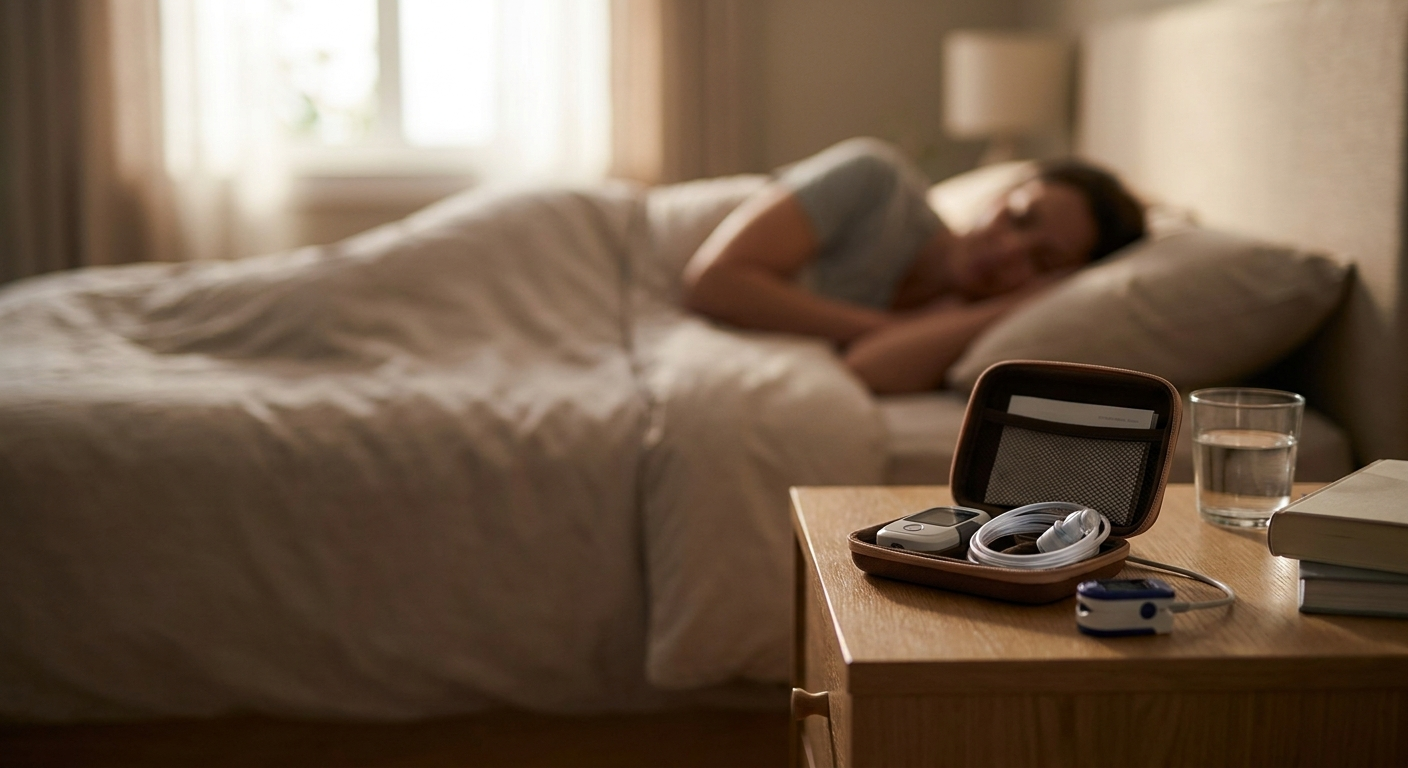
If you wake up feeling unrefreshed—even after what should have been enough hours—you’re not imagining it. Deep sleep (slow-wave sleep) supports physical restoration, energy, mood, learning, memory, and immune function. When it’s disrupted, mornings can feel like you never truly powered down.
Think of deep sleep as your body’s “overnight maintenance mode.” If that mode gets interrupted (light, stress, breathing issues, noise, late-night habits), you can log hours in bed but wake up undercharged.
The good news: many natural remedies are practical, low-cost, and research-supported. Behavior-first strategies (like CBT-I and circadian routines) have the strongest evidence, while supplements can be helpful add-ons when used thoughtfully and safely. The NHS recommends non-medication approaches such as sleep hygiene and CBT-I as core strategies for insomnia.¹
Companion read: sleep hygiene basics — https://sleepandsinuscenters.com/blog/sleep-hygiene-and-its-impact-on-ent-disorders-key-insights
What Deep Sleep Is (and Why You Might Not Be Getting Enough)
The basics: sleep stages and where deep sleep fits
– NREM sleep (non-rapid eye movement): lighter stages (N1/N2) and deep sleep (N3, slow-wave sleep)
– REM sleep: vivid dreaming, emotional processing, memory integration
Deep sleep is concentrated in the first half of the night, while REM grows toward morning. Late nights, fragmented sleep, or frequent awakenings can disproportionately reduce deep sleep—especially if the first few hours are choppy.
Signs you may be missing deep sleep
– Waking unrefreshed despite “enough” time in bed
– Daytime sleepiness, brain fog, low motivation
– Irritability or feeling more reactive to stress
– Strong afternoon cravings or heavy caffeine reliance
– Frequent awakenings or a sense of “light sleep”
A common pattern: you fall asleep “fine,” but wake repeatedly after a few hours—or wake too early and can’t return to sleep.
When poor deep sleep is a red flag
– Loud snoring, gasping/choking, or witnessed pauses in breathing
– Morning headaches, high blood pressure, severe daytime sleepiness
– Restless legs symptoms (uncomfortable urge to move legs at night)
– Sleep problems >3 months with distress or daytime impairment (consistent with chronic insomnia)¹
A clinician might put it this way: “If your sleep is consistently affecting safety, mood, work performance, or blood pressure, look for a root cause—not just another bedtime trick.”
— In short: deep sleep shows up when your first hours are protected and sleep is consolidated. —
Common Causes of Poor Deep Sleep (Patient-Friendly Checklist)
Lifestyle and schedule factors
– Irregular sleep/wake times (weekday/weekend “social jet lag”)
– Late caffeine, alcohol, or heavy meals
– Too little morning daylight and too much evening light
Even a 1–2 hour weekend sleep-in can shift your clock enough to make Sunday night feel like mini jet lag.
Stress + conditioned insomnia
Many get stuck in a “tired but wired” loop: racing thoughts, clock-watching, and a brain that associates bed with wakefulness instead of sleep.
Medical/physiologic contributors
– Sleep apnea, nasal obstruction/congestion, chronic mouth breathing
– Chronic pain, reflux, menopause symptoms
– Certain medications/supplements can interfere with sleep (discuss with a clinician if you suspect this)
More on mouth breathing and sleep quality: https://sleepandsinuscenters.com/blog/chronic-mouth-breathing-and-its-impact-on-sleep-quality-causes-and-solutions-cdd3c
— Small, repeatable habits that steady your body clock often remove the biggest barriers to deeper sleep. —
The 10 Evidence-Based Natural Remedies for Deep Sleep (Best Evidence First)
A behavior-first list. Expect improvements in sleep quality and continuity—conditions that let deep sleep appear more reliably—rather than “forcing” deep sleep directly.

1) Try CBT-I (Cognitive Behavioral Therapy for Insomnia) — the gold standard
What it is: A structured, evidence-based program that targets the behaviors and thoughts that keep insomnia going.
Why it helps: Among approaches to better sleep, CBT-I has some of the strongest, most consistent evidence for improving sleep quality and reducing insomnia symptoms.¹
How to try it tonight: Start a simple sleep diary (bedtime, estimated sleep time, awakenings, wake time, naps, caffeine/alcohol timing). Explore a CBT-I program (digital or with a trained provider).
Common pitfalls: Trying to “force sleep” or changing too many things at once—CBT-I works best when steps are consistent and tracked.

2) Keep a consistent sleep-wake schedule (even on weekends)
What it is: A steady wake time and a bedtime that fits your natural sleep window.
Why it helps: Consistency strengthens circadian timing, helping build sleep pressure and consolidate sleep—key for deep sleep naturally.
How to try it tonight: Pick a realistic wake time you can keep most days. If needed, shift bedtime earlier gradually (15–30 minutes every few days).
Common pitfalls: “Sleeping in to catch up,” which often delays your next night’s sleep. Example: if you wake at 6:30 a.m. on weekdays, keep 6:30–7:30 a.m. on weekends instead of 9:30 a.m.

3) Reduce evening light (especially bright/blue light)
What it is: Dimming light in the 1–2 hours before bed.
Why it helps: Evening light can delay your internal clock and weaken the melatonin signal for sleep timing.
How to try it tonight: Dim overheads; use warm lamps; lower screen brightness; avoid prolonged scrolling. Bonus: get outdoor light within an hour of waking. More: https://sleepandsinuscenters.com/blog/blue-light-and-its-impact-on-ent-related-sleep-disorders-1bca5
Common pitfalls: Dimming lights but staying mentally activated (emails, news, work). Try swapping bright kitchen lighting + phone scrolling for a warm lamp + paper book or audiobook.

4) Build a 10–20 minute wind-down routine (relaxation that actually works)
What it is: A short, repeatable “landing sequence” that reduces hyperarousal.
Why it helps: Relaxation can quiet the stress response that fragments sleep and makes sleep feel lighter.¹
How to try it tonight: Pick one for a week—progressive muscle relaxation, slow breathing (longer exhale than inhale), or a guided body scan. Add a 2-minute brain dump if your mind reviews the day.
Common pitfalls: Switching techniques nightly; benefits often come from repetition, not novelty.

5) Optimize your sleep environment (temperature, sound, comfort)
What it is: Tuning room and bed to reduce micro-awakenings.
Why it helps: Deep sleep is sensitive to discomfort, noise, and overheating.
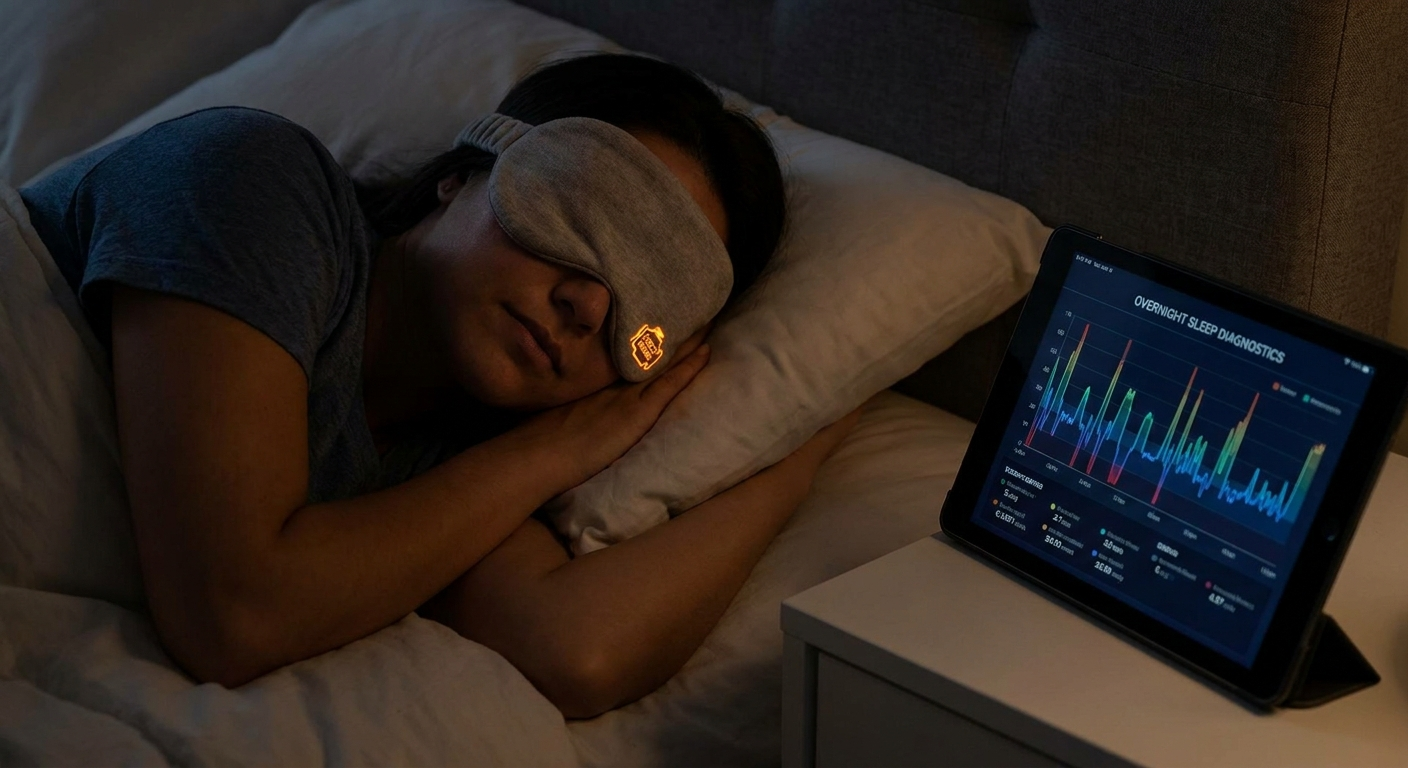
How to try it tonight: Aim for a cooler room; use blackout curtains or an eye mask; consider white noise for unpredictable environments.
Common pitfalls: Ignoring pain or reflux triggers that repeatedly wake you. If you wake at the same time nightly, look for environmental culprits (trash pickup, neighbor door, thermostat cycle).
6) Move your body most days—but time it right
What it is: Regular activity (walking counts) with attention to timing.
Why it helps: Exercise supports sleep pressure and overall sleep quality.
How to try it tonight: If evening workouts feel activating, move them earlier. Gentle evening stretching is often less stimulating.
Common pitfalls: Jumping from zero to intense training quickly (can increase soreness and disrupt sleep). A practical target: daily walking plus a few light strength sessions per week.
7) Watch caffeine, alcohol, and heavy meals (often deep-sleep thieves)
What it is: A focused experiment on three common diet-related disruptors.
Why it helps: These can fragment sleep and increase awakenings.
How to try it tonight: Caffeine cutoff 8–10 hours before bed (earlier if sensitive); be cautious with alcohol near bedtime; finish heavy meals 2–3 hours before bed.
Common pitfalls: Late caffeine to fight fatigue, perpetuating the cycle. If you need “something,” try a lighter snack earlier rather than a heavy late meal.
8) Consider glycine as an adjunct
What it is: An amino acid studied for sleep quality.
Why it helps: Small randomized trials suggest modest improvements in subjective sleep quality and conditions favorable to deeper sleep, possibly via thermoregulation.²
How to try it (educational): Studies often use ~3 g near bedtime. Track next-day alertness and perceived sleep depth for 1–2 weeks.
Common pitfalls: Starting multiple supplements at once. Safety: If pregnant/breastfeeding, managing chronic conditions, or using sedatives, ask a clinician first.
9) Magnesium may slightly improve sleep efficiency (choose carefully)
What it is: A mineral involved in nervous system regulation.
Why it helps: Some studies suggest small benefits for sleep efficiency in certain groups, though results are inconsistent.⁵
How to try it (educational): Consider a time-limited trial while tracking sleep onset, awakenings, and next-day grogginess.
Common pitfalls: Assuming more is better; some forms cause GI upset. Safety: People with kidney disease or complex medication regimens should consult a clinician first.
10) Melatonin can help you fall asleep faster (deep sleep effects are limited)
What it is: A hormone signaling “biological night.”
Why it helps: May modestly increase total sleep time for some and most reliably helps with sleep onset and circadian timing (jet lag, delayed sleep phase).¹
What it won’t reliably do: Consistently increase slow-wave sleep for everyone.
Common pitfalls: High doses late at night and expecting stronger results; timing often matters more than dose. Think of melatonin as a “clock cue,” not a knockout pill.
Honorable Mention (Herbal Options): Valerian, Lemon Balm, and Other Botanicals
Evidence: Mixed and generally modest improvements in perceived sleep quality, with large differences between products and studies.³⁴
If you try an herbal sleep aid (educational): Use one product at a time; avoid mixing with alcohol or other sedatives; stop if you feel paradoxically wired or groggy the next day.
— Behavior first, environment second, supplements last—this order tends to deliver the most reliable improvements in sleep depth and continuity. —
Putting It Together — A Simple 7-Day “Deep Sleep Reset” Plan
Nights 1–2 (high impact, low effort): Fixed wake time; dim lights 90 minutes before bed; 10-minute wind-down routine.
Nights 3–5 (behavioral upgrade): Add stimulus control (bed is for sleep and intimacy, not scrolling/worrying); run a caffeine cutoff experiment.
Nights 6–7 (optional adjunct): If still struggling, consider one supplement approach (glycine or magnesium or melatonin) with appropriate safety checks.
Tip: Keep your experiment simple—change one major variable at a time so results are interpretable.
— Test one lever at a time so you can see what truly helps. —
Treatments and When to Seek Medical Help
If sleep problems last more than 3 months or cause significant distress or daytime impairment, consider a thorough evaluation.¹
Also consider evaluation for sleep-disordered breathing or ENT contributors if snoring, congestion, or mouth breathing are prominent. Guidance: https://sleepandsinuscenters.com/blog/when-to-see-an-ent-for-sleep-problems
Medical disclaimer: Educational purposes only; not medical advice. Strategies and supplements affect people differently and may interact with conditions or medications—check with a qualified clinician if unsure.
— If red flags are present or insomnia persists, an evaluation can clarify the root cause and next steps. —
FAQs
How much deep sleep do I need? It varies by age and person. Track morning refreshment, daytime energy, and how often you wake rather than chasing a perfect number.
What’s the fastest natural way to get more deep sleep tonight? Consistent wake time, a cool/dark room, reduced evening light, and a brief relaxation practice are quick, high-yield steps.
Is glycine safe for sleep every night? Studies often use ~3 g near bedtime with modest subjective benefits.² Individual factors matter; check with a clinician if you have conditions or take sedatives.
Which magnesium is best for sleep? Evidence varies by formulation and population; tolerance and safety matter as much as “best.” Possible small benefits for sleep efficiency for some people.⁵
Does melatonin increase deep sleep? It more reliably helps with sleep onset and circadian timing than directly increasing deep sleep.¹
Do valerian and lemon balm really work? Evidence is mixed—some perceive modest improvement, but results and product quality vary.³⁴
When should I worry poor sleep is sleep apnea? If you have loud snoring, gasping/choking, witnessed pauses, significant daytime sleepiness, or high blood pressure, seek an evaluation.
Conclusion + Next Step
Start with the basics that move the needle most: CBT-I–style strategies, a consistent schedule, evening light management, and a short wind-down routine. Supplements like glycine, magnesium, or melatonin can help some people—but they work best as add-ons, not the foundation.
To make progress measurable, consider a simple sleep diary (bedtime, wake time, awakenings, caffeine/alcohol timing, next-day energy). If red flags are present or insomnia persists, reach out for an evaluation.
CTA: Schedule an evaluation with our team if snoring, nasal congestion, mouth breathing, or persistent insomnia is getting in the way of restorative sleep — https://www.sleepandsinuscenters.com/
References
1. NHS. Insomnia (2023). https://www.nhs.uk/conditions/insomnia/
2. Yamadera, W., et al. The Sleep-Promoting and Hypothermic Effects of Glycine (2015). https://pmc.ncbi.nlm.nih.gov/articles/PMC4397399/
3. Fernández-San-Martín, M. I., et al. Valerian Root in Treating Sleep Problems and Associated Symptoms (2020). https://pubmed.ncbi.nlm.nih.gov/33086877/
4. Medicinal Plants for Management of Insomnia: A Systematic Review (2019). https://pmc.ncbi.nlm.nih.gov/articles/PMC8343774/
5. Magnesium Supplementation and Sleep Efficiency (PMCID: PMC12412596). https://pmc.ncbi.nlm.nih.gov/articles/PMC12412596/
This article is for educational purposes only and is not medical advice. Please consult a qualified healthcare provider for diagnosis and treatment.
Don’t let allergies slow you down. Schedule a comprehensive ENT and allergy evaluation at Sleep and Sinus Centers of Georgia. We’re here to find your triggers and guide you toward lasting relief.