Melatonin Nightmares: Causes, Symptoms, and How to Reduce Vivid Dreams
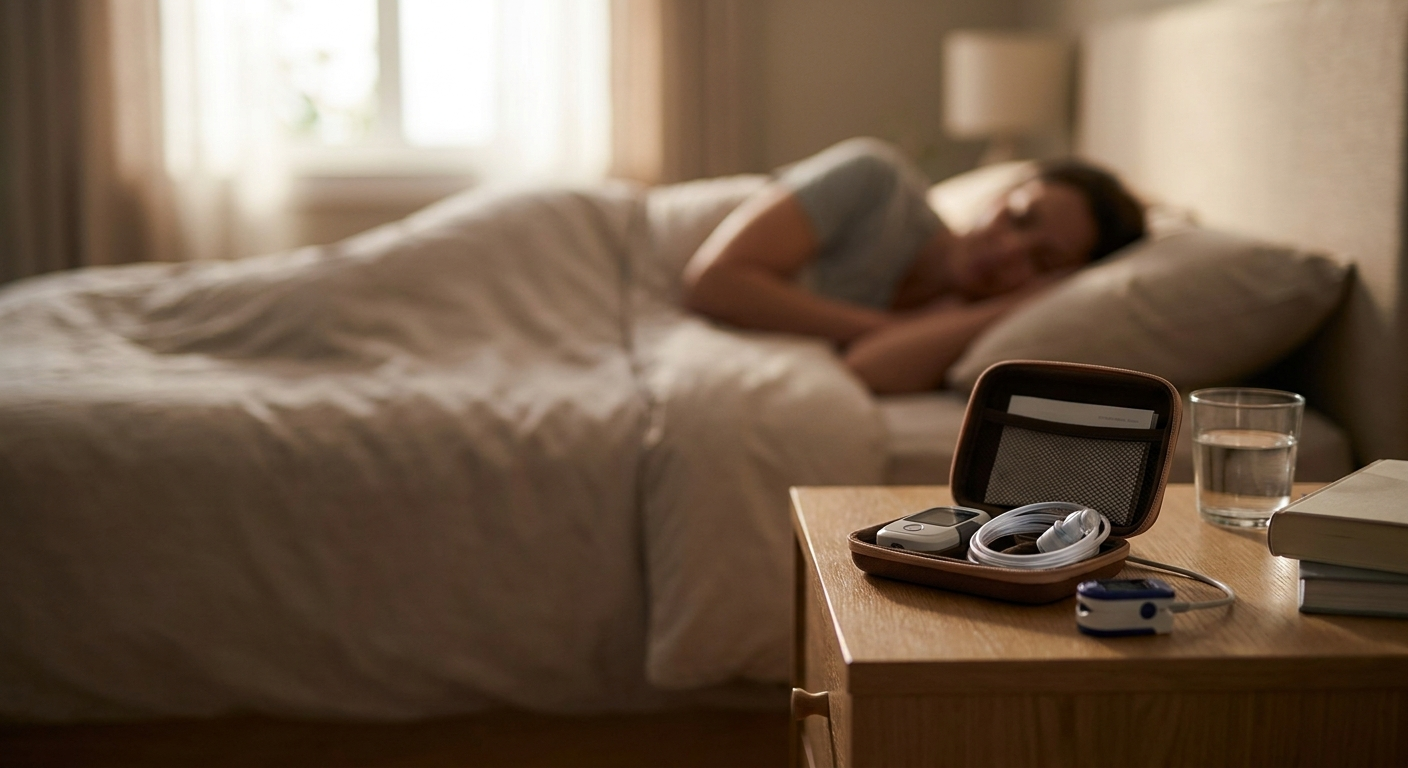
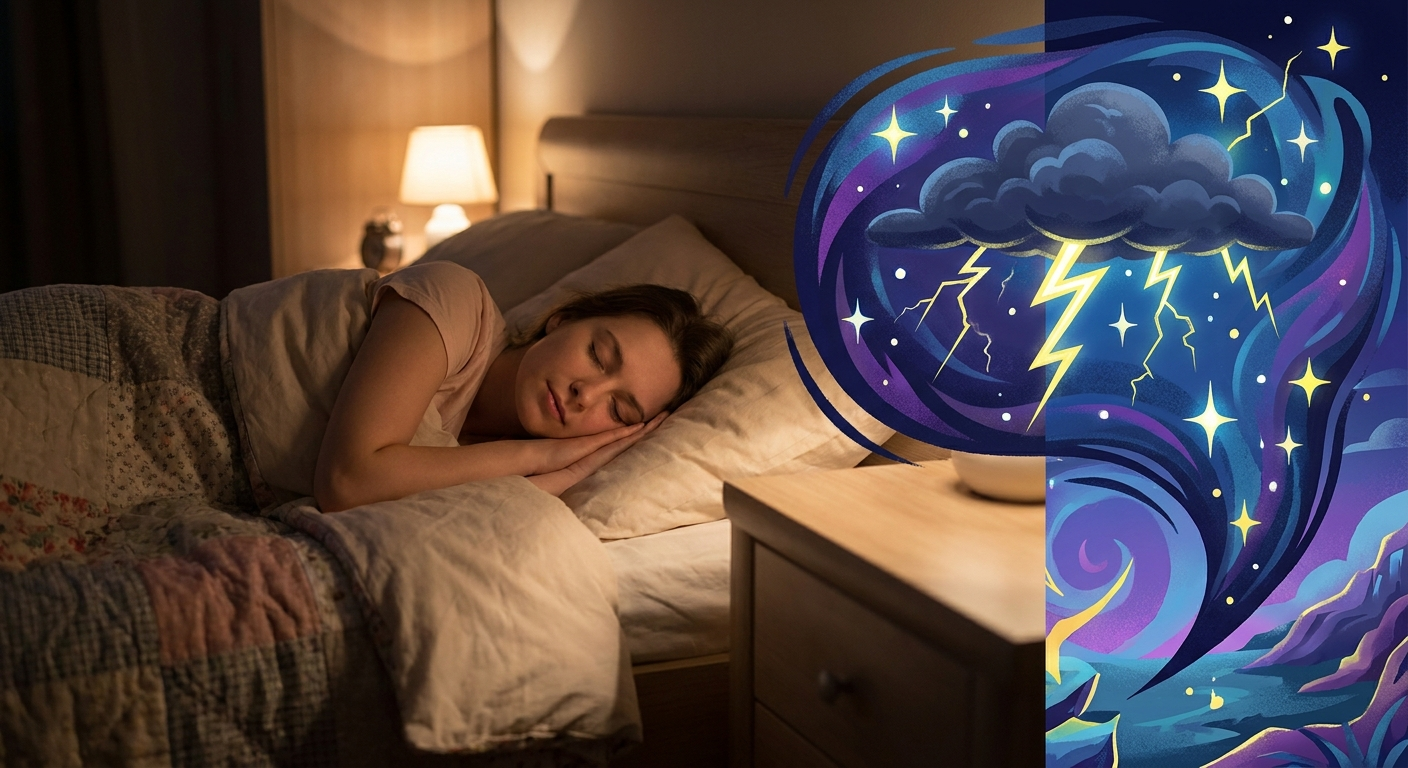
Melatonin is a popular over-the-counter (OTC) sleep aid, and many people tolerate it well. Still, a recurring concern shows up in reviews and real-world reports: vivid dreams—sometimes intense enough to feel like melatonin nightmares.
For some, the change is subtle (“my dreams feel more detailed”). For others, it’s disruptive: waking startled, replaying a scary dream, or feeling uneasy about going back to sleep. Parents may notice a child who suddenly resists bedtime, asks to sleep with the lights on, or wakes up crying after starting melatonin.
This article explains what those dream changes can look like, why they may happen, and practical, educational steps that may reduce the problem—especially for parents and caregivers.
Medical note: This content is for education and is not a substitute for personalized medical advice—especially for children, pregnancy, epilepsy, or complex medical conditions.
Quick Take—Can Melatonin Cause Nightmares?
The short answer: Yes. Vivid dreams and nightmares have been reported as side effects in pediatric clinical reviews, and many adults describe similar experiences. Melatonin may not “create” a specific nightmare, but it can influence sleep timing and awakenings in ways that make dreams feel louder, clearer, and easier to remember—like turning up the contrast on a screen.
How common is it (especially in kids)? In one U.S. parent survey, 6.1% of children taking melatonin were reported to have nightmares, while 19.9% had drowsiness. That doesn’t mean melatonin will cause nightmares for most children, but it’s a meaningful signal to consider if dream changes start after melatonin use.
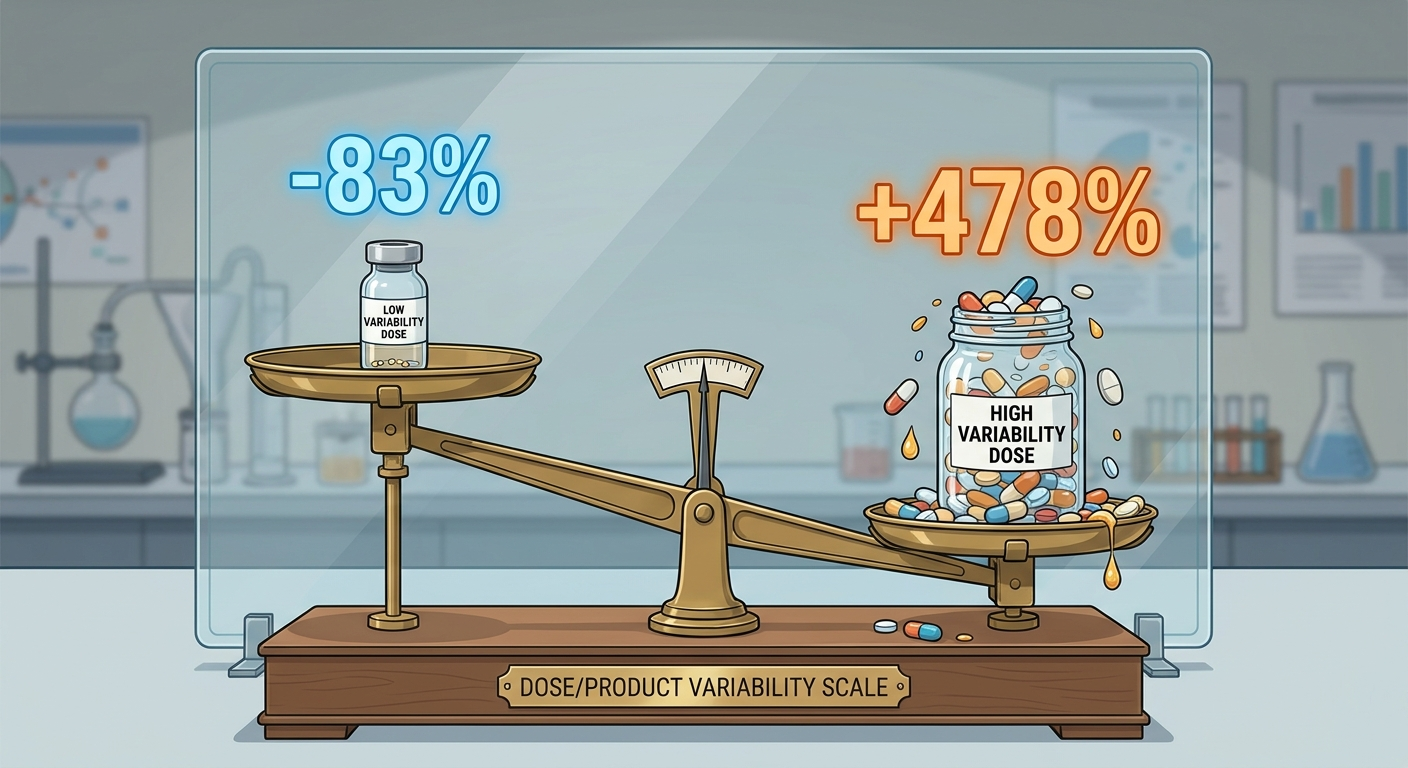
Why this article matters: One practical complication is OTC melatonin variability. In some studies, over-the-counter melatonin products contained far less or far more melatonin than listed on the label, ranging from 83% below to 478% above the stated amount. That kind of inconsistency can make side effects—including nightmares after melatonin—feel unpredictable.
Bottom line: melatonin-related dream changes have been reported, and product variability can make them feel inconsistent from night to night.

What Counts as a “Melatonin Nightmare” (Symptoms to Watch For)
Common dream-related symptoms
- Vivid, intense, unusually realistic dreams
- Nightmares (frightening dreams that may cause waking)
- Increased dream recall, like remembering more detail than usual
These changes are often grouped under “melatonin vivid dreams,” and they can happen even if you’ve never had frequent nightmares before. Some people also report that dreams feel more “story-like” or emotional—less random, more immersive.
Sleep and daytime symptoms that may come with it
- Middle-of-the-night awakenings
- Restless or “lighter” sleep
- Morning grogginess or a “hangover” feeling
- New bedtime anxiety (especially in children who become worried about falling asleep)
A common pattern is: the dream itself is scary, but the bigger issue becomes the aftermath—fear of going back to sleep, repeated check-ins, or starting the day feeling drained.
When symptoms may signal something else
- Nightmares usually occur during REM sleep and are often remembered.
- Night terrors tend to involve sudden screaming or panic with little or no memory afterward (more common in kids).
Also, if vivid dreams started before melatonin—or persist long after stopping—it may be worth considering other contributors such as stress, sleep deprivation, fever or illness, obstructive sleep apnea, or other medications or supplements. Parasomnias—unusual experiences or behaviors during sleep—can overlap with these symptoms.
If you’re unsure which you’re seeing, it can help to jot down what happens during the event (eyes open or closed, ability to be comforted, memory in the morning). That detail can guide a more accurate conversation with a clinician.
In short: keep notes on what happens and when; specifics help you and your clinician sort out the cause.
Why Melatonin Might Trigger Vivid Dreams (The Science—In Plain English)
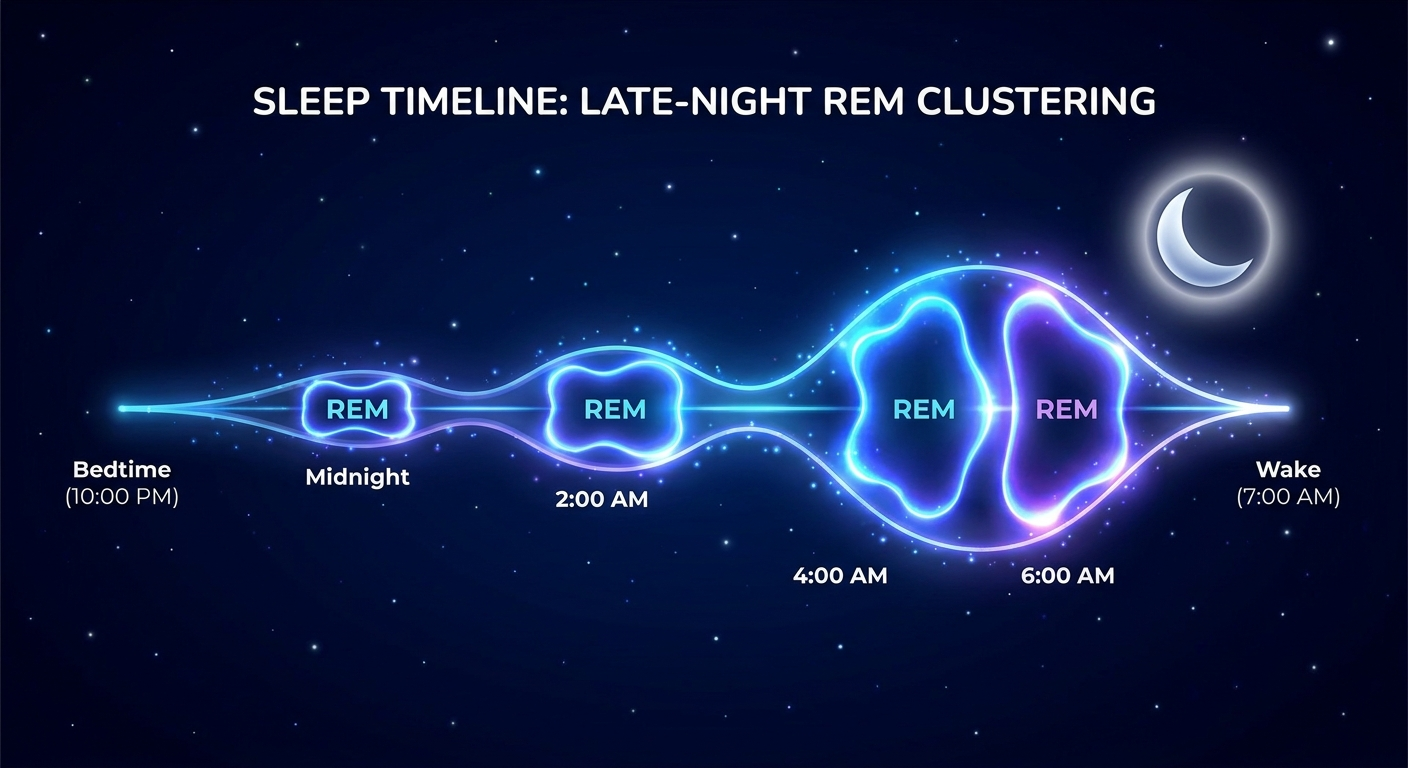
Sleep architecture basics (REM is the dream-heavy stage). Sleep cycles through stages. REM sleep and dreams are closely linked, and REM often clusters in the later part of the night. That’s one reason anything that changes sleep timing or continuity can change how dreams feel—or how often you wake up and remember them. For more, see Sleep and Sinus Centers of Georgia’s overview of REM sleep: https://sleepandsinuscenters.com/blog/rem-sleep-apnea-basics-understanding-symptoms-and-treatment
Plausible mechanism: shifting REM timing. Melatonin may influence sleep timing and REM patterns, which could affect dream recall. Even subtle shifts—like entering REM differently or waking more during REM—can make dreams feel more vivid or more memorable.
Receptor-level theory (what MT1 and MT2 do). Melatonin interacts with MT1 and MT2 receptors, which help your body recognize “it’s nighttime.” How that signaling translates into dream intensity isn’t fully mapped, but it may indirectly affect sleep stage timing and arousal patterns—two factors that can influence dream recall.
Important reality check. It’s hard to prove direct cause-and-effect for dream changes because dreams are subjective and influenced by many factors. The evidence base includes reported side effects, clinical observations, and reviews rather than definitive mechanistic trials.
Think timing and awakenings—not just the dream content—when evaluating melatonin-related dream changes.
Common Causes & Risk Factors for Melatonin Nightmares
Dose may be an important contributor. For many side effects, higher doses raise the odds of unwanted effects, and melatonin may be similar. Taking “more” doesn’t necessarily improve sleep and may increase next-day grogginess, fragmented sleep, or melatonin vivid dreams in some people.
Unpredictable OTC melatonin content. Even if you never change brands or “the dose,” actual content can vary. In some studies, OTC products contained 83% less to 478% more melatonin than the label stated. This helps explain why someone might suddenly develop nightmares after melatonin on what seems like the same routine.
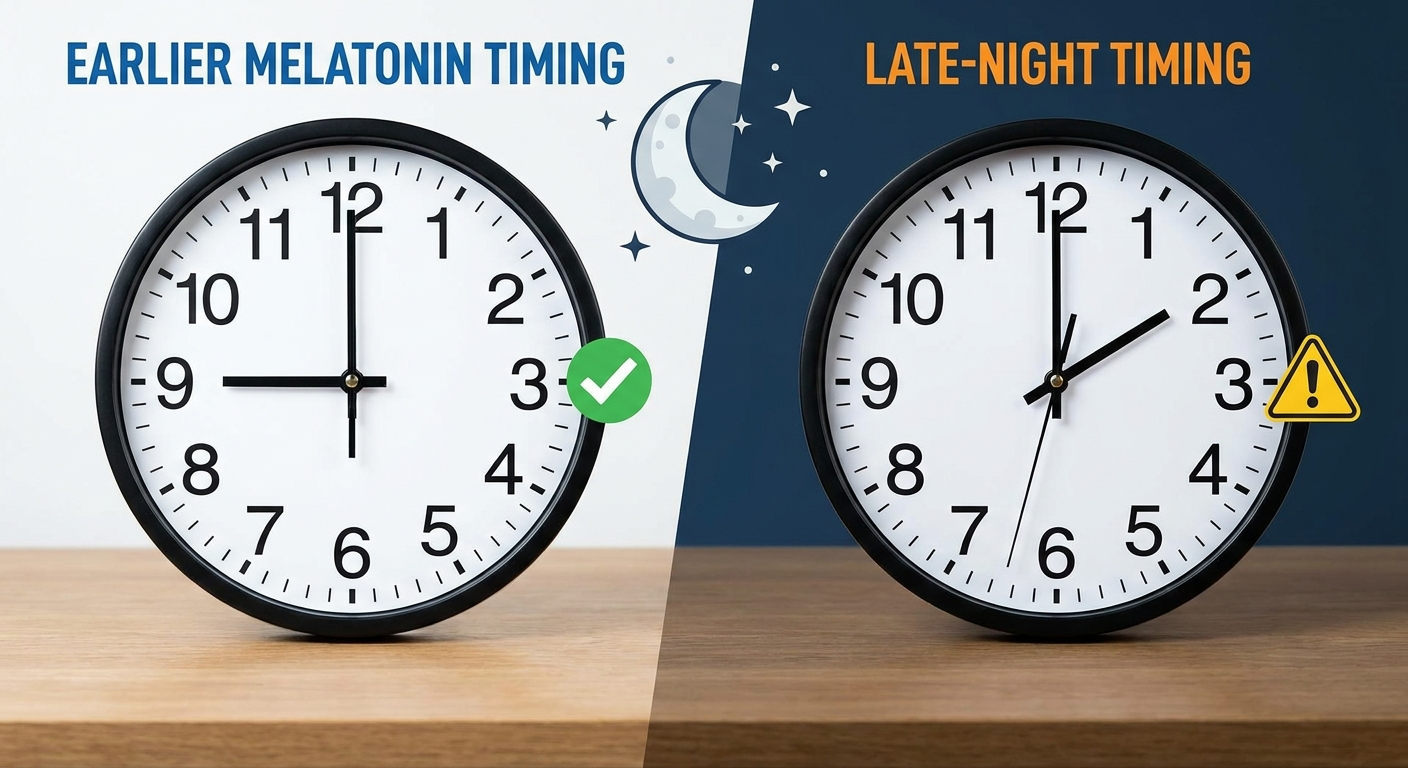
Timing issues. Timing can influence how melatonin affects sleep. Some people who take it too late may experience more awakenings or more dream recall—making dreams feel more intense simply because they’re remembered more often.
Formulation differences
- Immediate-release products may have a stronger effect early in the night.
- Extended-release products may keep melatonin levels elevated longer.
Responses vary, and switching products can introduce new variability.
Age and sensitivity (especially children). In pediatrics, dosing guidance is not standardized and ranges widely across references (roughly 0.5 to 6 mg). Combined with product variability, children may be more susceptible to higher-than-intended exposure and associated dream changes.
Co-triggers that can intensify dreams
- Stress or anxiety
- Trauma exposure
- Fever or illness
- Sleep deprivation (which can lead to REM rebound)
- Other medications or substances
Small shifts in dose, timing, or co-factors can tip dreams from neutral to intense.
How to Reduce Vivid Dreams or Nightmares From Melatonin (Step-by-Step)
Step 1 — Document exactly what you’re taking
- Brand and product name
- Form (gummy, tablet, liquid)
- Labeled dose per serving and how much you took
- Time you took it
- Bedtime and wake time, awakenings
- Dream intensity (0–10) and whether you woke from a nightmare
Step 2 — Consider lowering the dose (with clinician guidance). Because dose may influence side effects, some people explore whether a lower amount reduces melatonin vivid dreams. Avoid “stacking” doses unless specifically directed by a prescriber. Pediatric changes should be discussed with the child’s clinician.
Step 3 — Adjust timing. Some people report that taking melatonin earlier—rather than right at lights-out—helps reduce awakenings and dream recall, though responses vary. If you’re experimenting (with appropriate guidance), change only one variable at a time so you can tell what helped.
Step 4 — Reassess the product quality
- Choose a reputable manufacturer
- Look for third-party testing or verification when available
- Carefully check serving size (especially gummies)
Step 5 — Consider pausing melatonin if nightmares persist. If nightmares continue despite adjustments, discontinuing melatonin is one way to test whether it’s a driver. Many people notice dream intensity normalizes after stopping, though timelines vary. If melatonin was recommended by a specialist for a specific condition, discuss changes with that clinician first.
Step 6 — Report concerning side effects. Share concerning effects with a clinician—especially in children or if you suspect higher-than-intended dosing. Bring the bottle and serving instructions to help estimate exposure.
Change one variable at a time, keep a brief log, and loop in a clinician—especially for kids.
Safer Sleep Alternatives (Lifestyle Tips That Reduce Reliance on Melatonin)
Build a circadian-friendly evening routine. A consistent wake time, a short wind-down, and a cool or dark bedroom can make sleep feel more natural. Guide to sleep hygiene: https://sleepandsinuscenters.com/blog/sleep-hygiene-and-its-impact-on-ent-disorders-key-insights
Reduce light that suppresses natural melatonin. Evening light—especially bright, blue-leaning light—can delay your body’s natural melatonin rise. Dimming lights, shifting screens, and using night modes can help. Learn more: https://sleepandsinuscenters.com/blog/blue-light-and-its-impact-on-ent-related-sleep-disorders-1bca5
Daytime anchors that improve nighttime sleep
- Morning outdoor light exposure
- Regular physical activity (ideally earlier in the day)
Address common sleep disruptors. For adults: caffeine timing, alcohol, and late meals can fragment sleep and increase awakenings. For many people: nasal congestion or allergies and snoring can disrupt sleep continuity.
When behavioral support matters most. If insomnia is persistent, structured behavioral strategies (often CBT-I–style) can be highly effective and may reduce the need for sleep aids.
Stronger routines often reduce the need for supplements and the chance of vivid dreams.
Special Considerations for Children Taking Melatonin
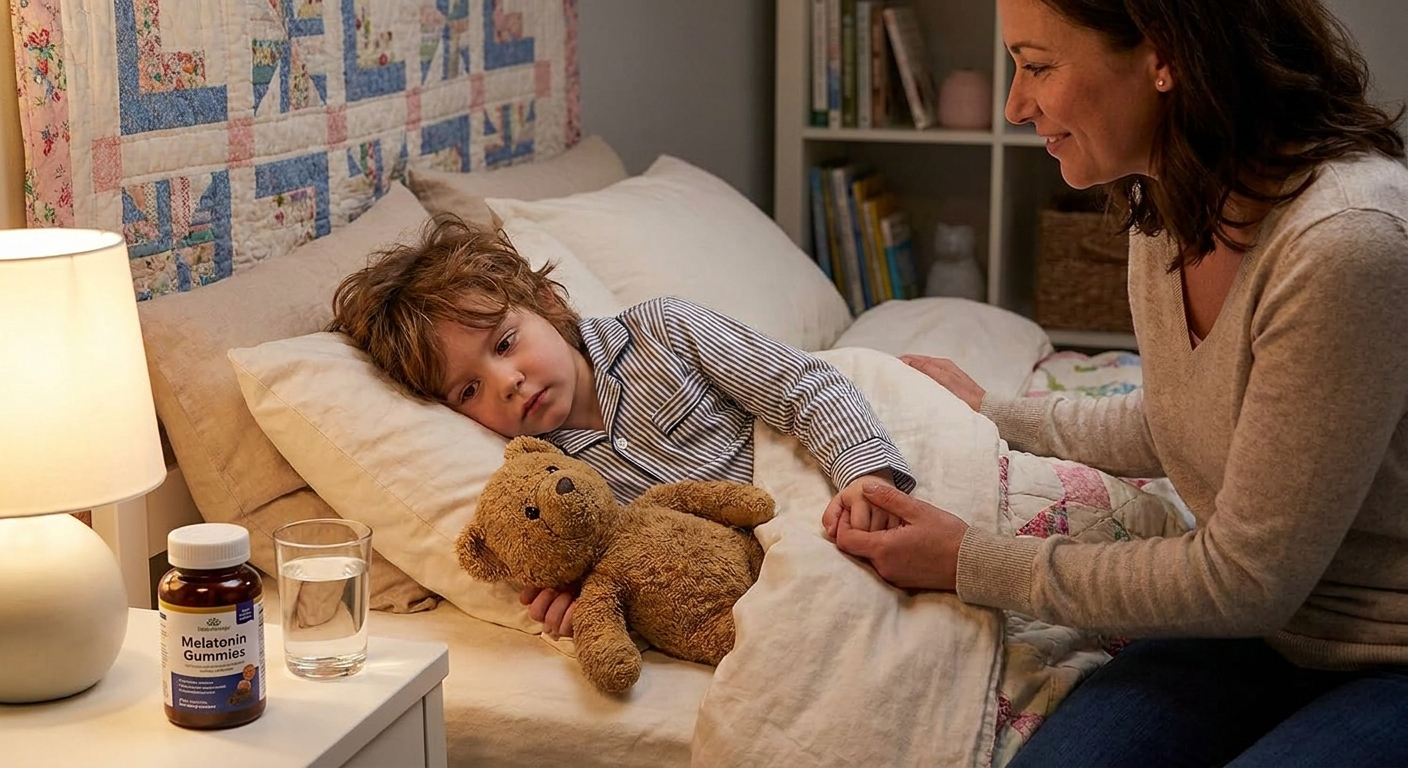
Why kids are uniquely at risk for side effects. Pediatric reviews note dream-related effects like vivid dreams and nightmares in some children. With variable dosing guidance and product inconsistencies, children may experience side effects even when caregivers are cautious. Because children may struggle to describe what they’re feeling, the first clues can be behavioral (bedtime refusal, new fears, increased clinginess at night).
Practical caregiver checklist
- Avoid multi-ingredient “sleep” gummies when possible
- Confirm dose per serving (and servings per container)
- Track sleep, dreams, and daytime behavior changes
- Store melatonin like any medication to prevent accidental ingestion
When to involve the pediatrician right away. Seek prompt input if nightmares cause severe distress, notable daytime behavior changes, frequent night waking, confusion, or if there is concern for accidental overuse.
If nightmares start after melatonin, consider pausing use and discuss the plan with your child’s clinician.
When to See a Doctor (Red Flags)
Urgent or same-day concerns. Seek urgent guidance for symptoms such as confusion, fainting, severe headache, breathing problems, or suspected ingestion of a large amount (especially in children).
Schedule an appointment if
- Nightmares persist despite adjustments
- There is significant daytime sleepiness
- Snoring, gasping, or suspected sleep apnea is present
- Mood changes, worsening anxiety or depression, or new parasomnias appear
Sleep-related breathing issues can be evaluated; signs to watch for: https://sleepandsinuscenters.com/blog/when-to-see-an-ent-for-sleep-problems
For a sleep-focused evaluation: https://www.sleepandsinuscenters.com/
If symptoms persist or red flags are present, seek medical evaluation.
FAQs
1) Can melatonin cause nightmares or vivid dreams? Yes—vivid dreams and nightmares have been reported as side effects in pediatric reviews, and many adults describe similar experiences.
2) How long do melatonin nightmares last after stopping? Many people notice improvement after discontinuation, but timelines vary with sleep patterns, stress, and other contributors.
3) Does a higher dose make nightmares more likely? Dose may be an important contributor to side effects in some individuals.
4) Why did I suddenly start having vivid dreams on the same dose? Two common explanations are product variability (actual dose changing despite the label) and shifts in stress or sleep debt (which can change REM pressure and dream intensity).
5) Is melatonin safe for kids if they’re having nightmares? Nightmares can occur as a side effect in some children. If they happen, involve a clinician to reassess dose, timing, product choice, and whether melatonin is still appropriate.
6) Do melatonin gummies cause more side effects? Not necessarily—but gummies can make dosing easier to misunderstand (serving size, multiple gummies), and some products show large content variability.
7) Should I switch to extended-release or immediate-release? Formulation can change how long melatonin levels stay elevated overnight. Discuss your pattern (trouble falling asleep vs. staying asleep, dream awakenings) with a clinician to guide the choice.
8) What should I do if my child is scared to sleep after melatonin nightmares? Keep a consistent, calming bedtime routine, provide reassurance, and discuss whether to pause or adjust melatonin with the child’s clinician—especially if fear is escalating or sleep refusal is developing.
Conclusion (Action-Oriented Summary)
Melatonin nightmares and vivid dreams can happen—and they’re often reversible. Practical next steps include:
- Document the product, dose, and timing, plus a brief sleep or dream log
- Consider whether lowering the dose or changing timing reduces symptoms (with clinician involvement for children)
- Keep OTC melatonin variability in mind as a reason reactions can feel sudden or inconsistent
- If problems persist, consider a sleep-focused evaluation—especially if snoring or frequent awakenings are part of the picture
For more guidance on building better sleep without relying on supplements, start with sleep hygiene basics and consider an evaluation if symptoms continue.
Most people can resolve melatonin-related dream issues with small, guided adjustments.
References
1. Melatonin Use in Pediatrics: A Clinical Review on Indications, Multisystem Effects, and Toxicity. Children (MDPI), 2024. https://www.mdpi.com/2227-9067/11/3/323
2. Hartstein et al. Factors Contributing to U.S. Parents’ Decisions to Administer Melatonin to Children, 2023. https://pmc.ncbi.nlm.nih.gov/articles/PMC10872239/
3. Skrzelowski et al. Melatonin Use in Pediatrics: Evaluating the Discrepancy in Evidence Based on Country and Regulations Regarding Production, 2021. https://pmc.ncbi.nlm.nih.gov/articles/PMC7792147/
This article is for educational purposes only and is not medical advice. Please consult a qualified healthcare provider for diagnosis and treatment.
Don’t let allergies slow you down. Schedule a comprehensive ENT and allergy evaluation at Sleep and Sinus Centers of Georgia. We’re here to find your triggers and guide you toward lasting relief.