Melatonin Dose Chart for Children: Safe Dosage by Age and Weight
Parents often look for a simple melatonin dose chart for children when bedtime turns into a nightly struggle—especially when a child is exhausted but still “can’t shut their brain off.” Melatonin can be helpful in some situations (most often, trouble falling asleep), but it also comes with important dosing and safety considerations for kids.
This content is for general educational purposes only and is not a substitute for medical evaluation or personalized treatment advice. Talk with your child’s pediatric clinician before starting any supplement.
Quick Answer: What’s a Typical Safe Melatonin Dose for Kids?
A common, education-focused approach is to start with the lowest effective dose, use melatonin short-term, and speak with your pediatrician first—especially for younger children. Most guidance recommends giving melatonin 30–60 minutes before bedtime and only increasing cautiously if needed. In the U.S., melatonin is sold as a dietary supplement and is not FDA-approved as a treatment for insomnia or for pediatric use; supplement quality and dosing can vary. ¹⁴⁵
Think of melatonin more like a “body clock cue” than a knockout medication. For many kids, the goal is falling asleep a little easier at the right time—not sedation.
Bottom line: Use the smallest amount that helps, time it well, and involve your child’s clinician early.
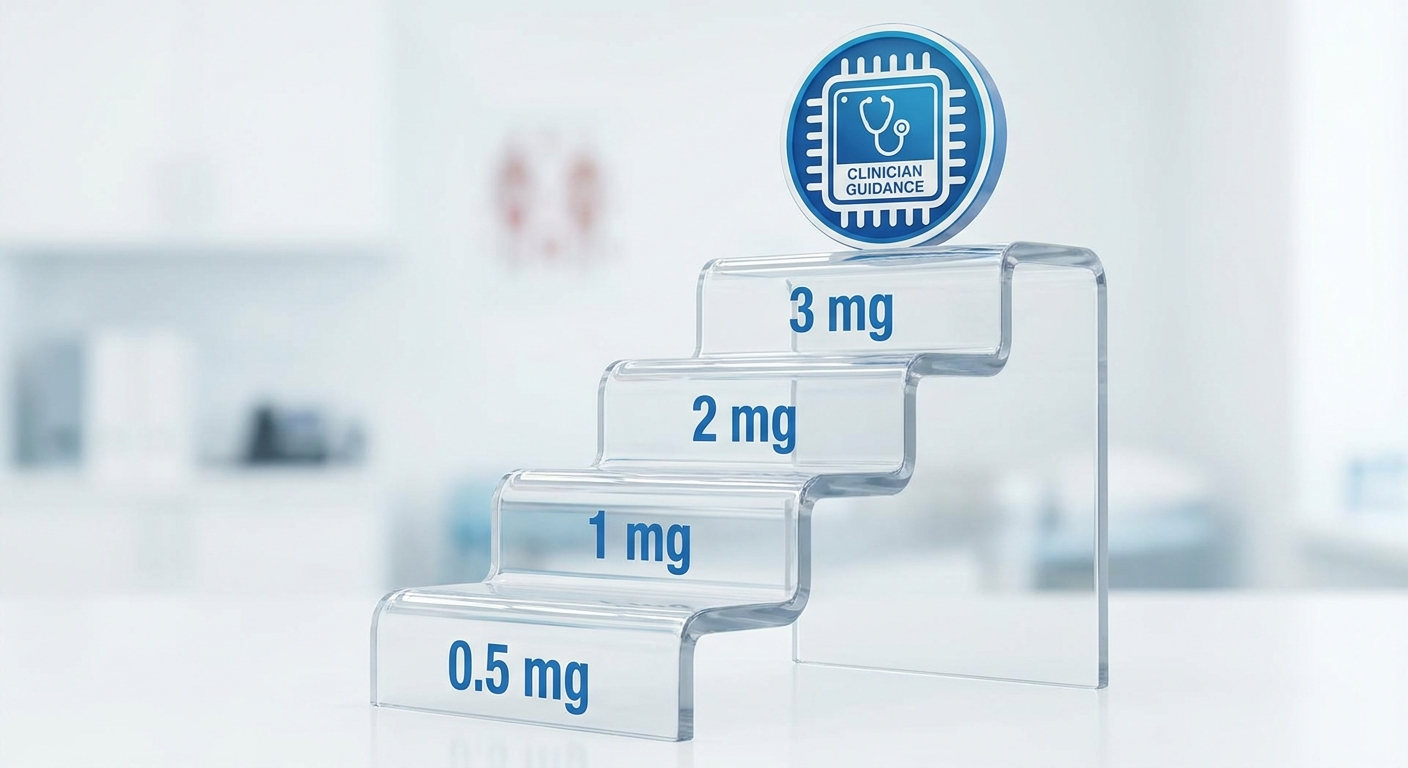
Melatonin Dose Chart for Children (By Age and Weight)
Important notes before you read the chart:
- These ranges are conservative educational examples, not individualized medical recommendations.
- There is no universal pediatric melatonin dosing standard; dose choice depends on the child, the sleep issue, product formulation, and clinician guidance. ¹³⁴
- Weight can influence sensitivity, but dosing is often guided by age, sleep concern, and response rather than strict mg/kg rules. ¹⁴
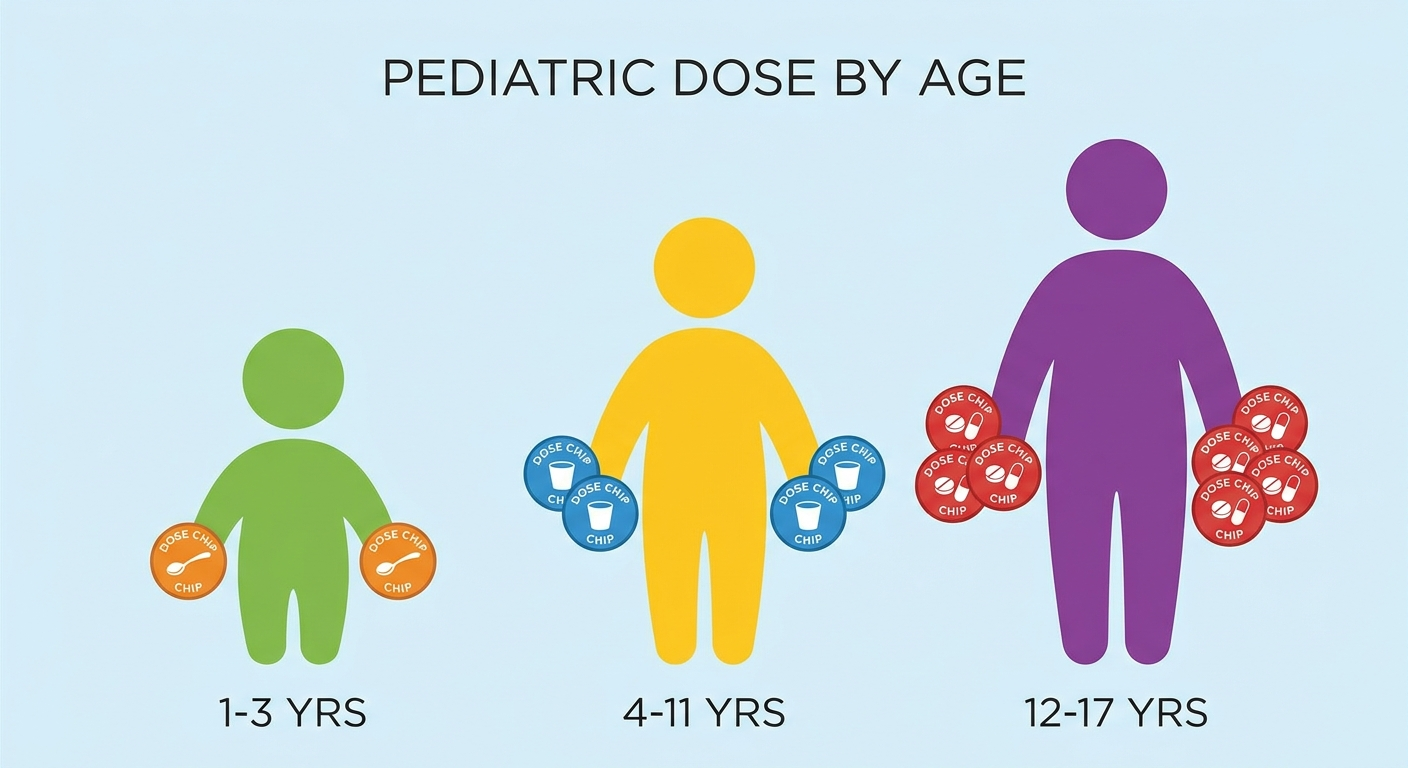
Pediatric Melatonin Dosage Chart (Educational Guidance Only)
Toddlers (3–5 years; ~30–45 lb): start 0.5 mg; commonly cited range 0.5–1 mg; many clinicians keep total nightly dose at or below 1 mg unless directed otherwise; timing 30–60 minutes before bed; reassess frequently and avoid long-term use without clinician oversight. ²³
School-age (6–12 years; ~45–95 lb): start 1 mg; commonly cited range 1–3 mg; up to ~3 mg is commonly cited (needs vary by child and clinician advice); timing 30–60 minutes before bed; use the smallest dose that works and prioritize routine and timing. ¹
Adolescents (13–18 years; ~95–180+ lb): start 1 mg; commonly cited range 1–5 mg; up to ~5 mg is commonly cited (higher dosing should be clinician-directed); timing 30–60 minutes before bed; often used for delayed sleep-wake phase—avoid “more is better.” ¹
A practical example (why “start low” matters): if a 7-year-old takes 90 minutes to fall asleep, a clinician might suggest starting at 1 mg for several nights and watching for changes in sleep onset and morning mood. If the child falls asleep 20–30 minutes earlier but feels groggy the next day, that’s a sign the dose or timing may need adjusting—not necessarily increasing.
Can kids take “high doses” like 10 mg? In certain clinician-supervised situations, some references describe doses up to 10 mg/day, but this is not a typical starting dose for children. ³ Higher doses can increase side effects—such as morning grogginess, headaches, and vivid dreams—without improving sleep.
How to increase the dose safely (if your pediatrician approves):
- Use the starting dose for several nights.
- If needed (and approved), increase in small steps (for example, 0.5–1 mg depending on age/product).
- Reassess after 1–2 weeks and avoid indefinite nightly use without medical guidance. ¹³⁴
Key takeaway: These dose ranges are educational examples only—work with your child’s clinician and use the lowest effective dose for the shortest time needed.
When Melatonin Might Help (and When It Often Doesn’t)
Sleep problems melatonin may help:
- Difficulty falling asleep (sleep-onset delay)
- Delayed sleep-wake phase (common in teens)
- Short-term schedule disruptions (travel, temporary stress)
- Certain neurodevelopmental situations (best handled with clinician guidance rather than DIY dosing) ¹⁴
Sleep issues that need a different approach first:
- Frequent night waking or restless sleep tied to routines/behavioral patterns
- Snoring, gasping, or mouth breathing (possible obstructive sleep apnea)
- Anxiety, reflux symptoms, allergies, or chronic congestion ¹⁴
If your child regularly snores or seems to struggle with breathing at night, it may be more important to investigate airway factors than to keep adjusting supplements. Related reading: loud snoring can be a sign of obstructive sleep apnea: https://sleepandsinuscenters.com/blog/what-is-sleep-apnea-and-why-does-loud-snoring-matter
In short: Melatonin helps most with sleep-onset problems and a “late” body clock—fix the root cause when breathing or medical issues are suspected.
Symptoms & Side Effects: What Parents Should Watch For
Common side effects:
- Morning sleepiness (“hangover” effect)
- Headache, dizziness, nausea
- Vivid dreams or nightmares
- Bedwetting or mood/irritability changes (discuss if noticed)
Red flags—stop and call a clinician:
- Worsening mood or behavior
- New or worsening headaches
- Persistent daytime sleepiness that affects school or safety
- Possible interactions with other medicines or supplements
If melatonin “works” but mornings are worse, revisit the dose, timing, or the decision to use it at all.
Causes of Insomnia in Children (So You Treat the Right Problem)
Schedule and sleep-hygiene causes (most common):
- Inconsistent bedtime/wake time (including weekends)
- Late naps (or naps that are too long)
- Screens/bright light close to bedtime
- Caffeine (including sodas/energy drinks in teens)
Medical or airway-related causes (important not to miss):
- Snoring, mouth breathing, or pauses in breathing (possible obstructive sleep apnea)
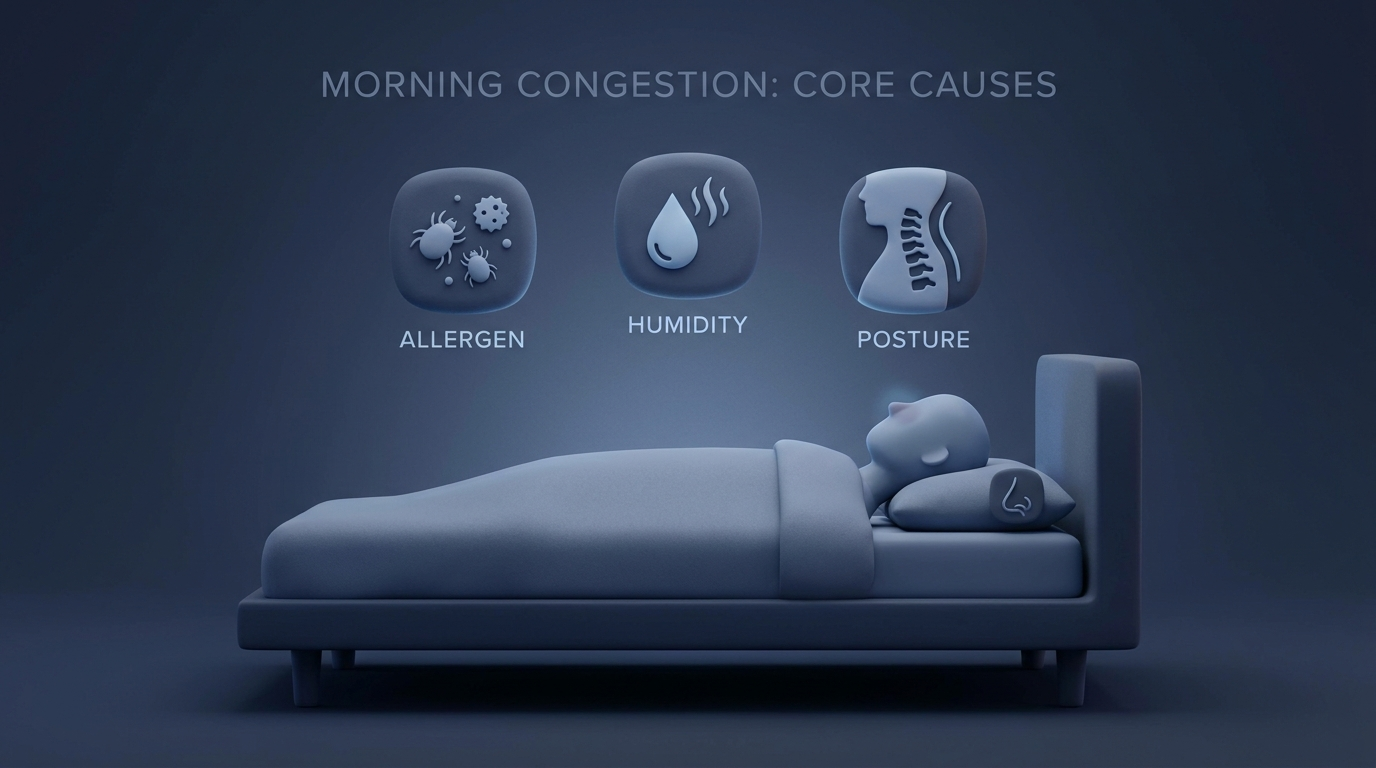
- Allergic rhinitis or nasal obstruction
- Reflux symptoms at night
- Restless legs symptoms (sometimes associated with iron issues—ask your pediatric clinician)
Related reading if congestion is a recurring theme: can’t breathe through the nose at night: https://sleepandsinuscenters.com/blog/cant-breathe-through-nose-at-night
Fixing schedules and light exposure helps many kids—but don’t miss airway or medical contributors when signs point that way.

Treatments That Work Before (or Alongside) Melatonin
Many families find that melatonin works better—or becomes unnecessary—when paired with a strong foundation. Start here: sleep hygiene checklist: https://sleepandsinuscenters.com/blog/sleep-hygiene-and-its-impact-on-ent-disorders-key-insights
Lifestyle and bedtime routine checklist:
- Keep bedtime and wake time consistent (including weekends)
- Build a 30–60 minute wind-down routine (same steps, same order)
- Cool, dark room; consider white noise if it helps
- Morning daylight exposure (helps anchor the body clock)
- Reduce screens 1 hour before bed (or dim + night mode if screens must be used)
Behavioral strategies (quick wins):
- Keep the bed associated with sleep rather than play
- Younger kids: graduated, brief check-ins (calm and consistent)
- Anxiety tools: worry journal, calming breathing, predictable routine
When to consider a medical evaluation instead of supplements:
- Loud snoring, gasping, or mouth breathing
- Frequent awakenings
- Daytime sleepiness or attention issues
- Bedwetting plus snoring, or morning headaches
Strong routines and light management are “first-line” for most kids—then decide if melatonin adds value.
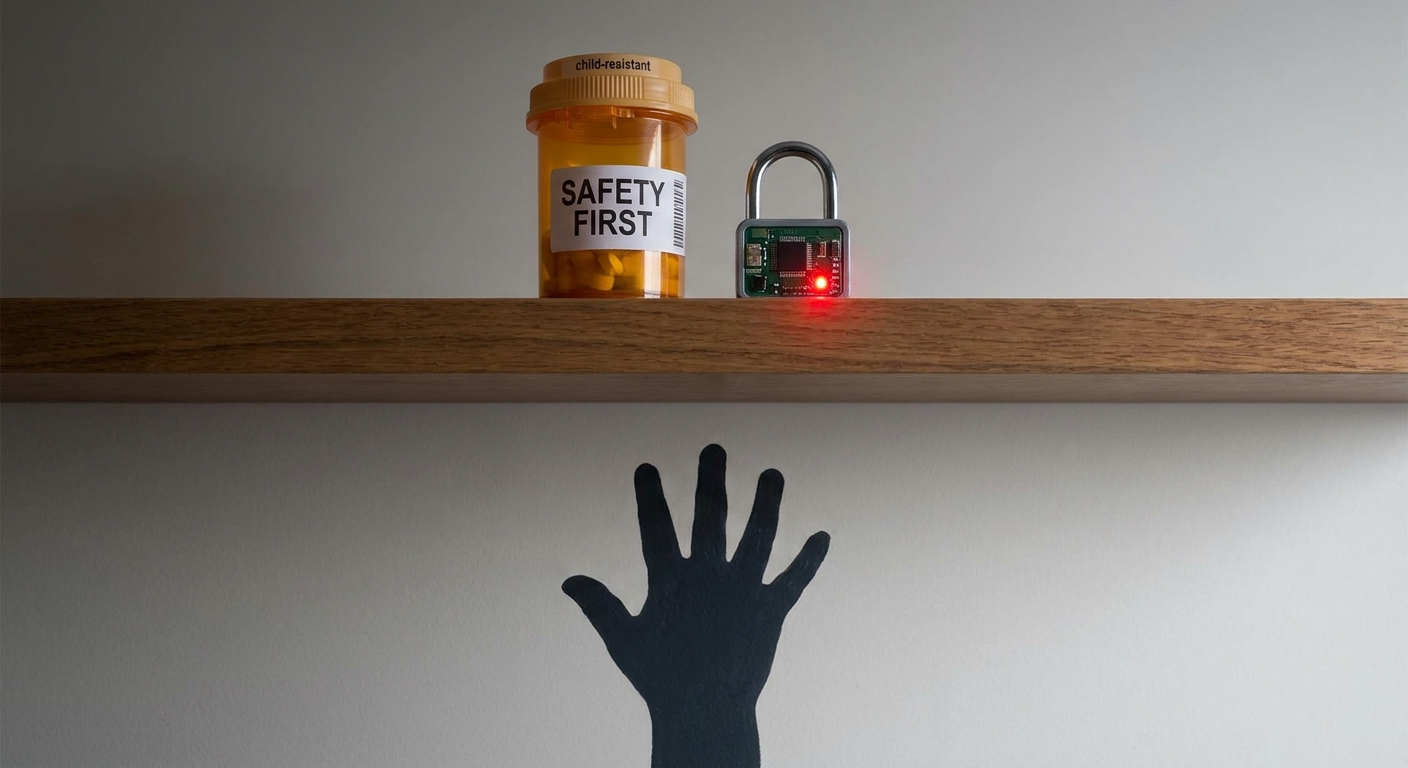
Safety First: Why Melatonin Needs Extra Caution in Kids
Melatonin isn’t FDA-approved for pediatric insomnia in the U.S. In the U.S., melatonin is sold as a dietary supplement and is not FDA-approved as a treatment for insomnia or for pediatric use. The American Academy of Sleep Medicine urges caution, and research has raised concerns about supplement labeling accuracy and dose variability. ⁴⁵ This matters when you’re trying to follow a melatonin dose chart precisely.
Preventing accidental ingestion (this is a big deal):
- Store melatonin like medicine: high, locked, out of sight
- Prefer child-resistant packaging
- Be cautious with gummies (they resemble candy)
- If accidental ingestion happens, contact Poison Control (U.S.: 1-800-222-1222) or follow local emergency guidance. Authoritative trend data: CDC/NPDS analysis (2012–2021). ⁶
Choosing a product (quality tips):
- Look for third-party testing verification on the label (independent quality testing)
- Avoid high-dose adult products when shopping for pediatric use
- Choose forms that allow precise dosing (especially at low doses)
Because supplement quality varies, treat melatonin like medicine: store securely, dose carefully, and choose products verified by independent testing.

How to Give Melatonin Correctly (Timing, Form, and Practical Tips)
Best timing: 30–60 minutes before bedtime. Timing affects results. Melatonin given too late can push sleep later or increase morning grogginess. ¹³ Most guidance supports 30–60 minutes before bed, paired with a dim, calming routine.
Which form is best? (Gummies vs liquid vs tablets)
- Gummies: convenient but easier to overdo; higher accidental-ingestion risk for young kids
- Liquids: useful for very small doses; measure with a proper dosing tool
- Tablets: often easier to keep consistent, depending on the dose needed
How long should children take melatonin? The AASM recommends caution with routine use in kids and encourages clinician involvement—especially for longer-term use. ⁴ If melatonin is used, have a plan to reassess and taper rather than continuing indefinitely.
Consistent timing plus a calm, dark routine makes melatonin more effective—and may reduce how much you need.
FAQs
Q: What’s the safest starting dose of melatonin for a child?
A: Many recommendations start very low (often 0.5–1 mg, depending on age), using the lowest effective dose and adjusting only with clinician guidance. ¹²
Q: Can I give melatonin every night?
A: Regular nightly use should be approached cautiously in children and discussed with a clinician, especially for longer-term use. ⁴
Q: What if melatonin doesn’t work?
A: Recheck timing (30–60 minutes before bed), routines, screen exposure, and consider underlying causes like anxiety, congestion, or snoring. If sleep problems persist, consult a clinician. ¹
Q: Is melatonin safe for toddlers?
A: For ages 3–5, published guidance is conservative (often at or below 1 mg total nightly dose unless specifically directed by a clinician). ²
Q: Is melatonin dosing based on weight (mg/kg)?
A: Not in a standardized way for kids. Many resources rely more on age and response than strict mg/kg dosing. ¹⁴
Q: What medications or conditions can interact with melatonin?
A: Melatonin may interact with some medications or health conditions. A pharmacist or pediatric clinician can help evaluate potential interactions for your child.
Q: What should I do if my child accidentally eats melatonin gummies?
A: Treat it like a medication ingestion: contact Poison Control promptly (U.S.: 1-800-222-1222) or follow local emergency guidance, especially if the amount is unknown or symptoms occur. ⁶
Remember: FAQs summarize general information—they’re not a substitute for your child’s medical care.
When to Talk to an ENT or Sleep Specialist
Signs the sleep issue may be breathing-related:
- Snoring, mouth breathing, restless sleep
- Pauses in breathing, gasping, or choking sounds
- Morning headaches or significant daytime sleepiness
What an evaluation may include:
- Detailed sleep and health history
- Airway and nasal exam
- When appropriate, referral for sleep testing
Learn more about when to see an ENT for sleep problems: https://sleepandsinuscenters.com/blog/when-to-see-an-ent-for-sleep-problems
If your child snores, mouth-breathes, or still struggles despite consistent routines, consider scheduling a professional evaluation with Sleep and Sinus Centers of Georgia. Book an appointment: https://www.sleepandsinuscenters.com/
If breathing is part of the problem, treating the airway—not adding more supplements—is often the fastest path to better sleep.
Conclusion: A Safer Plan for Better Sleep
A child-focused melatonin plan is safest when it’s conservative and structured: use a low starting dose, get the timing right, and be extra careful about product quality and storage. Just as important, build strong routines and look for underlying issues—especially snoring, mouth breathing, or chronic congestion.
Read more about when to see an ENT for sleep problems: https://sleepandsinuscenters.com/blog/when-to-see-an-ent-for-sleep-problems and why sleep apnea warning signs matter: https://sleepandsinuscenters.com/blog/what-is-sleep-apnea-and-why-does-loud-snoring-matter
Start with routines, add melatonin cautiously if needed, and address airway issues early when signs point that way.
Sources
1. Sleep Foundation (2023). “Melatonin Dosage for Kids.” https://www.sleepfoundation.org/melatonin/melatonin-dosage-for-kids
2. PMC (conservative dose guidance for ages 3–5). https://pmc.ncbi.nlm.nih.gov/articles/PMC10968776/
3. NCBI Bookshelf (timing/titration; clinician-supervised dosing details). https://www.ncbi.nlm.nih.gov/books/NBK603669
4. American Academy of Sleep Medicine (AASM) Health Advisory (2022). https://aasm.org/advocacy/position-statements/melatonin-use-in-children-and-adolescents-health-advisory/
5. JAMA (2023/2022) supplement quality/labeling concerns. https://jamanetwork.com/journals/jama/fullarticle/2804077
6. CDC/Morbidity and Mortality Weekly Report (MMWR) (2022). “Pediatric Melatonin Ingestions — United States, 2012–2021.” https://www.cdc.gov/mmwr/volumes/71/wr/mm7122a1.htm
This article is for educational purposes only and is not medical advice. Please consult a qualified healthcare provider for diagnosis and treatment.
Don’t let allergies slow you down. Schedule a comprehensive ENT and allergy evaluation at Sleep and Sinus Centers of Georgia. We’re here to find your triggers and guide you toward lasting relief.