Is Some Sleep Better Than None? Sleep Deprivation Effects and Health Risks
When you’re staring at the clock at 2 a.m., it’s normal to wonder: is some sleep better than none—or will a couple of hours just make you feel worse? The answer depends on what you’re trying to protect (next-day alertness versus long-term health), how often it’s happening, and whether there’s an underlying sleep-quality issue.
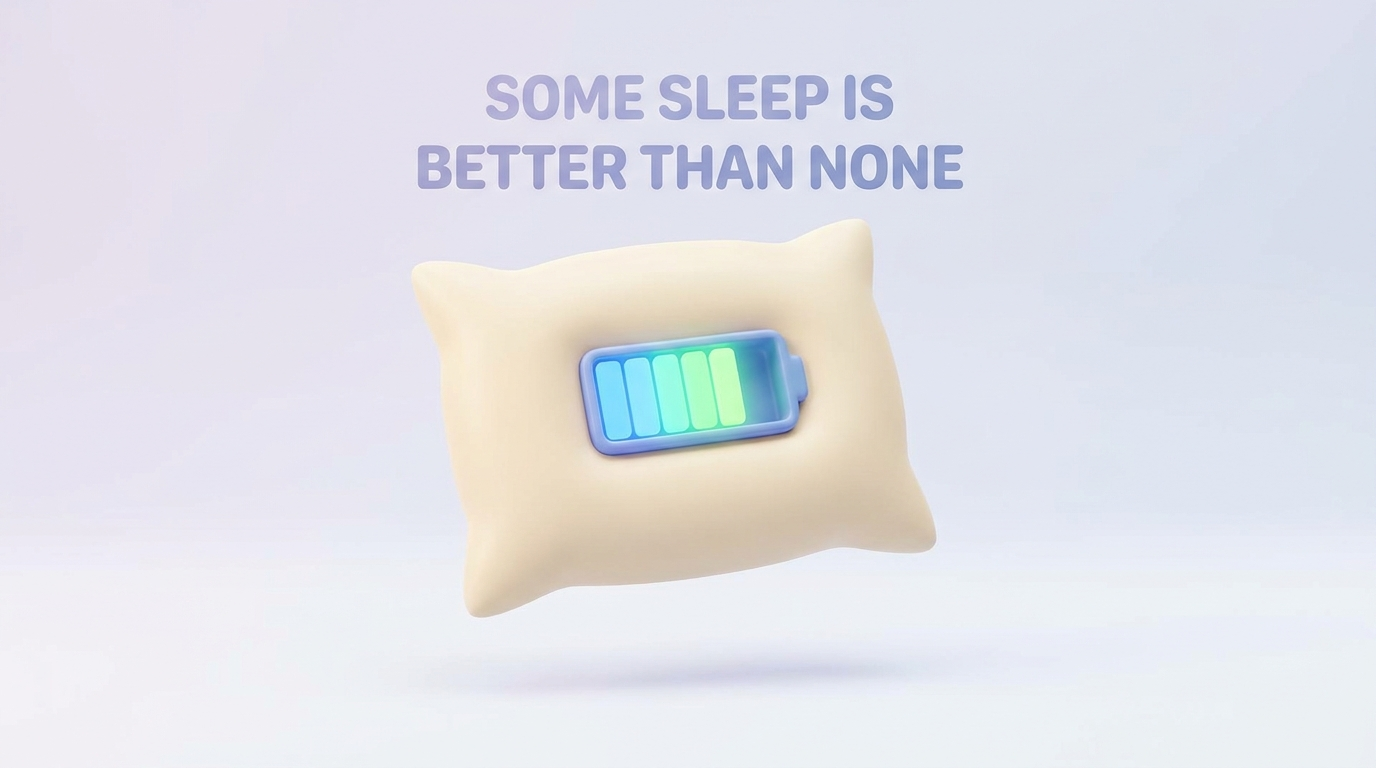
One way to think about it: if your brain is running on a “battery,” even a short charge can help you get through the next morning—but it doesn’t fix a battery that’s been draining for weeks.
Quick Answer — Is Some Sleep Better Than None?
Key takeaway: For many people, getting some sleep (even a short nap or one to two hours) can improve next-day alertness compared with staying awake all night. Research on sleep deprivation consistently shows that sleep loss impairs attention, reaction time, and decision-making, and that limited sleep can be better than none for next‑day functioning. (Alhola & Polo‑Kantola, 2007)
A real-life example: if you have an early flight, a night shift, or if a sick child wakes you repeatedly, getting any protected sleep window can leave you less foggy than powering through completely sleepless.
Important caveat: This does not cancel out the effects of chronic sleep restriction, which can build across days and weeks and is associated with long‑term health risks. (Alhola & Polo‑Kantola, 2007; CDC sleep indicators)
What this article covers:
- Short-term versus long-term sleep deprivation effects
- Best nap lengths and how to reduce grogginess
- Symptoms and warning signs (including safety red flags)
- Practical recovery ideas and when to seek clinical evaluation
In short: some sleep often helps for tomorrow, but consistency matters most for your long-term health.
What Counts as Sleep Deprivation (and Why the Definition Matters)
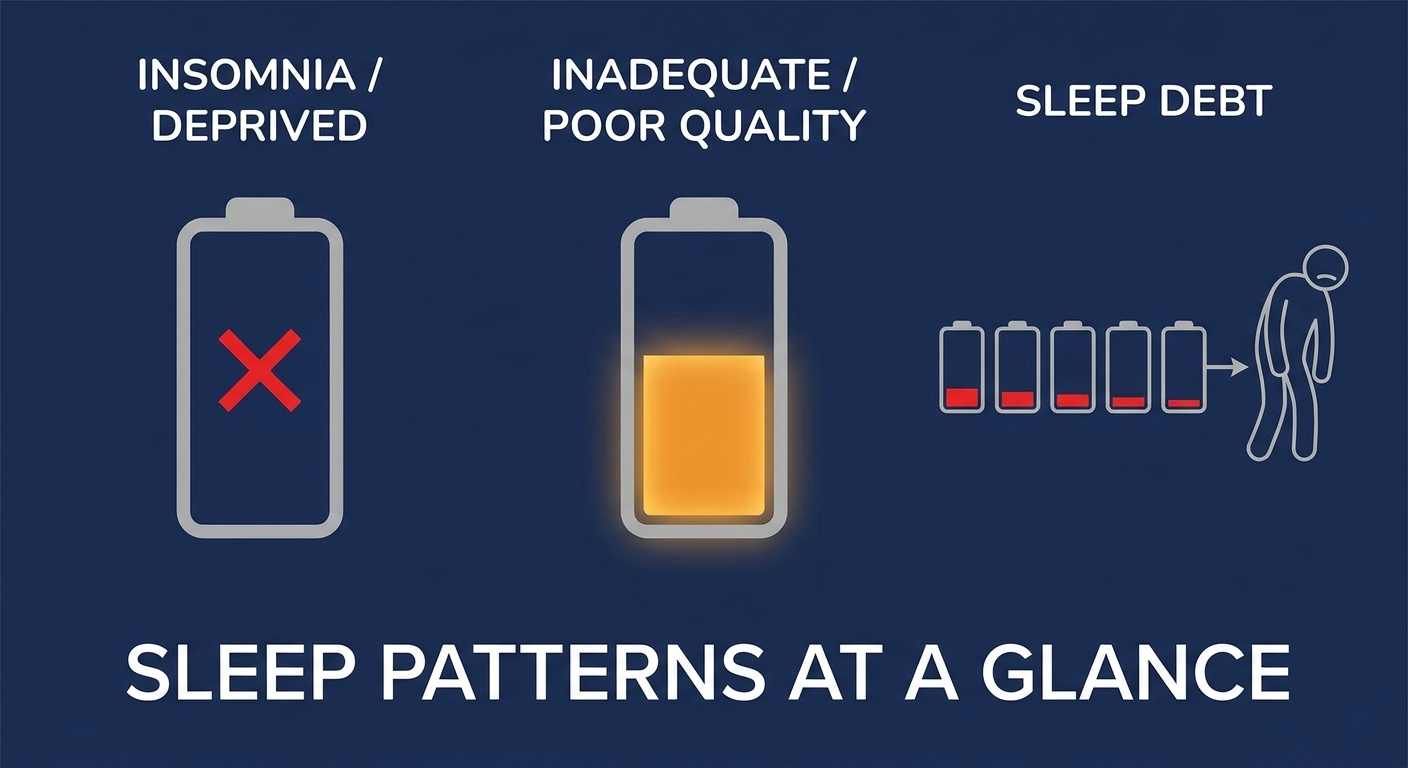
Sleep deprivation isn’t just “barely slept.” It can mean different patterns—and those patterns affect how you feel and what risks matter most.
Acute total sleep deprivation (zero hours of sleep)
This is an all-nighter—no sleep at all. Common situations include travel delays, overnight work, exam cramming, or caregiving. A single all-nighter can hit hard because you’ve removed every chance for normal overnight restoration. Many people describe it as being “wired but unfocused”: awake, yet unable to sustain attention.
Partial sleep deprivation (short sleep, for example, one to six hours)
This is the classic “I only got a couple of hours.” While two hours of sleep versus no sleep is far from ideal, it is not the same as zero. Some sleep can provide partial restoration for alertness and attention compared with staying awake continuously. (Alhola & Polo‑Kantola, 2007) You may still be impaired—but you’ve likely reduced the intensity of sleepiness-related lapses relative to no sleep at all.
Chronic sleep restriction (repeated short nights)
Chronic restriction is when short nights happen over and over—and that’s where risks compound. People often call this “sleep debt.” Performance and mood can keep worsening across consecutive days, even when you feel like you’re adapting. (Alhola & Polo‑Kantola, 2007)
In short: the pattern matters—an occasional short night is not the same as chronic sleep loss.
Immediate Effects — What Happens When You Get No Sleep vs. Some Sleep
Brain and performance changes you may notice the next day
Whether you pulled an all-nighter or slept a little, you may notice:
- Slower reaction time and more attention lapses
- Microsleeps (brief, unplanned dozing) during quiet moments
- Memory and decision-making difficulties, especially with complex tasks
- Mood changes: irritability, anxiety, lower frustration tolerance (Alhola & Polo‑Kantola, 2007)
Safety risks (especially driving and operating equipment)
From a safety standpoint, severe sleepiness can be dangerous—particularly for driving. Public health guidance emphasizes that drowsiness can impair attention and reaction time in ways that may raise crash risk. (CDC sleep indicators)
If driving is unavoidable, consider safety-focused precautions such as breaks and a brief nap beforehand. Planning your route, avoiding long monotone stretches, and scheduling stops can help lower risk.
In short: even small decrements in alertness can have outsized safety consequences.

Naps 101 — The Best Evidence-Based Way to Get “Some Sleep”
Why naps help (short term)
A large review suggests that daytime naps can reduce sleepiness and improve vigilance/alertness compared with pushing through while tired—supporting the idea that “some sleep is often better than none” in the short run. (Dutheil et al., 2021)
Nap length matters (choose based on your goal)
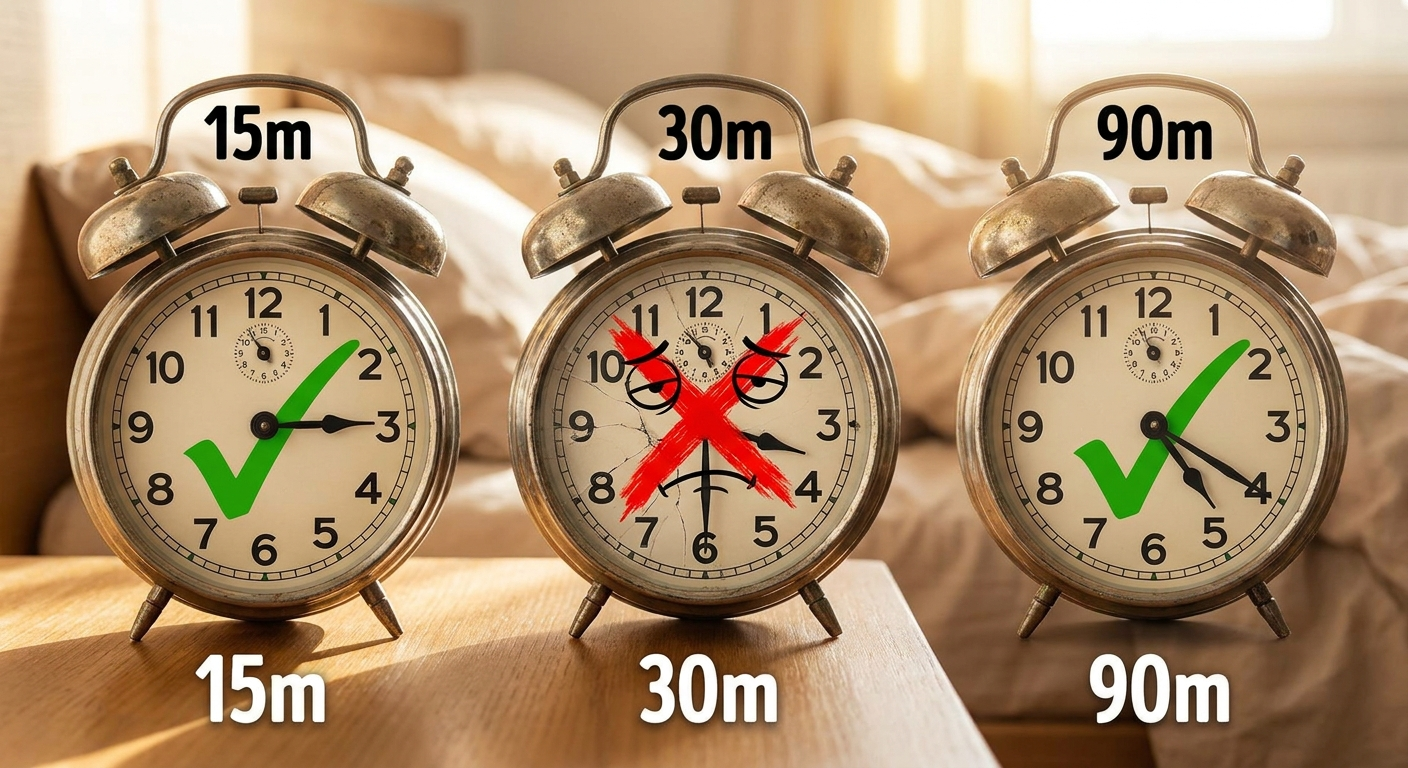
- 10–20 minutes (“power nap”)
- Often the best option for a quick alertness boost
- Lower risk of grogginess (sleep inertia) (Dutheil et al., 2021)
- 20–30 minutes
- Can still help, but some people are more likely to wake groggy than with a very short nap
- 90–110 minutes (roughly a full sleep cycle)
- A more complete reset
- May reduce grogginess because you’re less likely to wake from deep sleep (Dutheil et al., 2021)
A practical example: if you have 25 minutes between obligations, a 10–20 minute nap is usually the safer bet. If you have a larger protected window (like a weekend afternoon when you’re truly exhausted), a full-cycle nap may leave you feeling clearer than a “middling” nap length.
How to reduce sleep inertia (wake-up grogginess)
- Set an alarm and nap earlier in the day when possible
- Use bright light and gentle movement after waking
- Consider a “caffeine nap” (some people drink coffee quickly, then nap ~15–20 minutes; effects vary by tolerance)
In short: short naps or full-cycle naps tend to maximize benefits and minimize grogginess.
Why “Some Sleep” Isn’t a Long-Term Solution
The cumulative effect of repeated short nights
Even if some sleep helps you get through tomorrow, repeated short nights can create accumulating cognitive deficits that aren’t fully fixed by one long sleep-in. (Alhola & Polo‑Kantola, 2007)
Recovery usually takes more than one night
After significant sleep loss, recovery often requires multiple nights of adequate sleep. (Alhola & Polo‑Kantola, 2007) Stabilizing your schedule—especially wake time—often helps more than a single marathon “catch-up” sleep.
In short: use “some sleep” as a short-term tool, not a long-term plan.

Sleep Quantity vs. Sleep Quality — Which Matters More?
Sleep quality can be as important as duration for some outcomes
It’s not just hours in bed. A 2021 review suggests that sleep quality and sleep duration both matter, and sleep quality can be an important predictor of health and functioning. Fragmented sleep (frequent awakenings) can leave you unrefreshed even if the clock says you got enough. (2021 review on sleep quantity and quality)
Common reasons sleep quality is poor even when you “sleep”
- Snoring or suspected sleep apnea
- Nasal obstruction/allergies
- Reflux symptoms
- Stress/insomnia patterns
- Alcohol (can fragment sleep) and certain medications
If breathing seems to be a factor, see our guide on “can’t breathe through your nose at night,” which explains how nighttime nasal congestion and mouth breathing can undermine sleep quality: https://sleepandsinuscenters.com/blog/cant-breathe-through-nose-at-night
In short: how well you sleep can matter as much as how long you sleep.
Symptoms of Sleep Deprivation (What People Commonly Report)
Short-term symptoms (hours to one to two days)
- Heavy eyelids, frequent yawning, headache
- Brain fog, forgetfulness, clumsiness
- Increased appetite/cravings
- Mood swings and irritability (Alhola & Polo‑Kantola, 2007)
Signs you may be chronically sleep-deprived
- Relying on caffeine most days
- Falling asleep easily when sitting quietly
- Some people report more frequent illness or feeling less resilient to stress; note that these can have multiple causes
You can use our quick sleepiness test as an educational screening tool, but it does not replace medical evaluation: https://sleepandsinuscenters.com/test-your-sleepiness
In short: daytime sleepiness and impaired focus are common signals your sleep needs attention.
Causes — Why People End Up Sleep-Deprived
Lifestyle and schedule causes
- Shift work and long work hours
- Travel/jet lag
- Caregiving demands
- Late-night scrolling and screen exposure (learn more about blue light and sleep here: https://sleepandsinuscenters.com/blog/blue-light-and-its-impact-on-ent-related-sleep-disorders-1bca5)
Medical/behavioral causes
- Insomnia patterns, anxiety, depression
- Possible sleep apnea risk factors
- Chronic congestion and mouth breathing
Environmental causes
- Noise and light exposure
- Too-warm bedroom temperature
- Uncomfortable mattress/pillow
Often it’s a combination: a stressful season of life, an uncomfortable sleep environment, and symptoms like congestion that make sleep lighter and more fragmented.
In short: identifying the drivers of short or poor sleep helps you target the right fixes.
Health Risks of Chronic Short Sleep (The Big Picture)
Chronic insufficient sleep is associated with important health concerns. (CDC sleep indicators)
Metabolic risks
Short sleep is associated with higher risk patterns for weight gain/obesity and type 2 diabetes. (CDC; 2021 review on sleep quantity and quality)
Cardiovascular risks
Insufficient sleep is linked with higher risk patterns for hypertension and cardiovascular disease. (CDC sleep indicators)
Mental health and emotional regulation
Chronic short or poor-quality sleep can worsen mood and stress resilience and is associated with mental health challenges. (2021 review on sleep quantity and quality)
In short: persistent short or poor-quality sleep is linked with meaningful long-term health risks.
What to Do If You Only Have Two Hours (or Less) Tonight
This section is educational—think of it as a risk-reduction and recovery framework, not individualized medical advice.
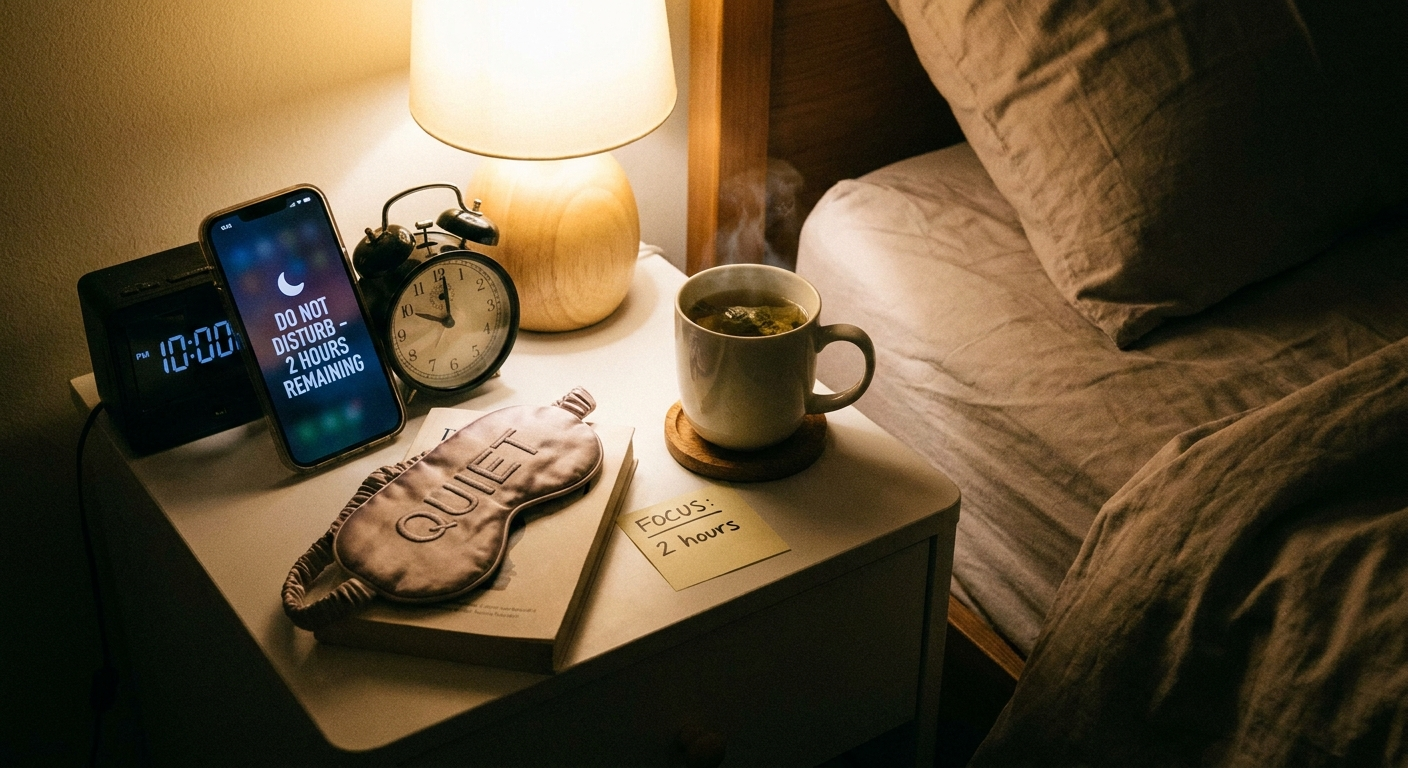
If you can sleep at all: prioritize a protected sleep window
If you have any chance to sleep, protecting even a short block may support next-day function compared with staying awake all night. (Alhola & Polo‑Kantola, 2007) Treat that window like an appointment—silence notifications, lower lights, and aim for “good enough” sleep rather than perfect sleep.
If you cannot sleep: reduce next-day risk
- Avoid driving if you’re severely drowsy; if driving is unavoidable, consider breaks and a brief nap beforehand
- Use caffeine strategically (many people avoid it later in the day to protect the following night)
- Get daylight exposure in the morning and keep activity gentle
- Avoid using alcohol to fall asleep, since it can fragment sleep
If possible, consider rescheduling high-stakes tasks when you are severely sleep-deprived.
The next night: how to recover without wrecking your schedule
- Aim for a slightly earlier bedtime (rather than a drastic shift)
- Keep a consistent wake time
- Consider a short early‑afternoon nap (often 10–20 minutes) if needed (Dutheil et al., 2021)
In short: think short sleep now, safety tomorrow, and steady recovery over several nights.
Treatments That Actually Help (When Sleep Loss Is Recurrent)
Lifestyle and sleep hygiene basics (high-yield list)
Public health guidance supports a consistent schedule, a wind-down routine, reducing evening light exposure, and optimizing a cool, dark, quiet bedroom. (CDC sleep indicators) If you want a simple starting point, pick one change you can keep for two weeks—such as a consistent wake time—and build from there.
Behavioral treatment for insomnia (when applicable)
For persistent insomnia, CBT‑I (cognitive behavioral therapy for insomnia) is widely considered a first‑line approach because it targets the patterns that maintain insomnia, not just the symptoms.
Medical evaluation (when there may be an underlying disorder)
Consider discussing evaluation with a clinician if you have:
- Loud snoring
- Witnessed breathing pauses
- Waking up choking/gasping
- Morning headaches
- Severe daytime sleepiness despite “enough” time in bed
If you suspect an ENT‑related contributor, here’s guidance on when to see an ENT for sleep problems: https://sleepandsinuscenters.com/blog/when-to-see-an-ent-for-sleep-problems
Ready for next steps? If your sleep issues are persistent—or you suspect nasal obstruction, mouth breathing, or snoring is undermining sleep quality—you can book an appointment with Sleep and Sinus Centers of Georgia: https://www.sleepandsinuscenters.com/
In short: pair good habits with evaluation when red flags or persistent problems are present.
When to Seek Medical Help (Red Flags)
Urgent/safety-related reasons
Seek urgent care or emergency evaluation for concerning symptoms like chest pain, severe shortness of breath, or confusion. From a safety perspective, near‑miss accidents or frequent microsleeps are strong signals that sleepiness may be becoming dangerous.
Schedule a visit if sleep problems persist
It may be reasonable to seek evaluation if you have:
- Poor sleep three or more nights per week for three months or longer
- Daytime sleepiness affecting work/school or mood
- Signs of sleep-disordered breathing or chronic nasal obstruction
In short: don’t ignore safety red flags or problems that persist over time.
FAQs
1) Is two hours of sleep better than none?
Often, yes. For many people, two hours of sleep versus no sleep can support better next‑day alertness than staying awake all night, though impairment can still be significant. (Alhola & Polo‑Kantola, 2007)
2) What’s the best nap length for energy?
Many people do well with 10–20 minutes for a quick boost, or 90–110 minutes for a fuller reset. (Dutheil et al., 2021)
3) Why do I feel worse after a nap?
That heavy, foggy feeling is commonly sleep inertia, especially if you wake from deep sleep. Shorter naps or full‑cycle naps may reduce it; bright light and movement after waking can help.
4) Can you “catch up” on sleep over the weekend?
Some recovery is possible, but chronic restriction can create cumulative deficits that typically require more consistent sleep over multiple nights. (Alhola & Polo‑Kantola, 2007)
5) Is sleep quality more important than sleep quantity?
Both matter. Research suggests sleep quality may be as important as duration for some health and functioning outcomes. (2021 review on sleep quantity and quality)
6) How many hours of sleep do adults need?
Public health guidance generally recommends seven or more hours for most adults; individual needs vary. (CDC sleep indicators)
Conclusion — The Practical Bottom Line
So, is some sleep better than none? For most people, yes—some sleep can improve short-term alertness and next-day safety compared with zero sleep. But it’s not a long-term solution. The bigger goal is consistent, sufficient, high-quality sleep, because chronic restriction is where health risks rise and recovery becomes harder.
If poor sleep is becoming a pattern, track symptoms, use naps strategically, and consider a clinical evaluation—especially if breathing issues, heavy snoring, or severe daytime sleepiness are part of the picture.
In short: use short sleep tactically, but build habits and seek help to protect long‑term health.
References
- Alhola P, Polo-Kantola P. Sleep deprivation: Impact on cognitive performance. (2007). https://pmc.ncbi.nlm.nih.gov/articles/PMC2656292/
- Dutheil F, et al. Short daytime naps and performance: systematic review/meta-analysis. (2021). https://pmc.ncbi.nlm.nih.gov/articles/PMC8507757/
- Which Is More Important for Health: Sleep Quantity or Sleep Quality? (2021 review). https://pmc.ncbi.nlm.nih.gov/articles/PMC8304732/
- CDC. Sleep indicators / insufficient sleep definitions and surveillance. (2020–2024). https://www.cdc.gov/cdi/indicator-definitions/sleep.html
This article is for educational purposes only and is not medical advice. Please consult a qualified healthcare provider for diagnosis and treatment.
Don’t let allergies slow you down. Schedule a comprehensive ENT and allergy evaluation at Sleep and Sinus Centers of Georgia. We’re here to find your triggers and guide you toward lasting relief.