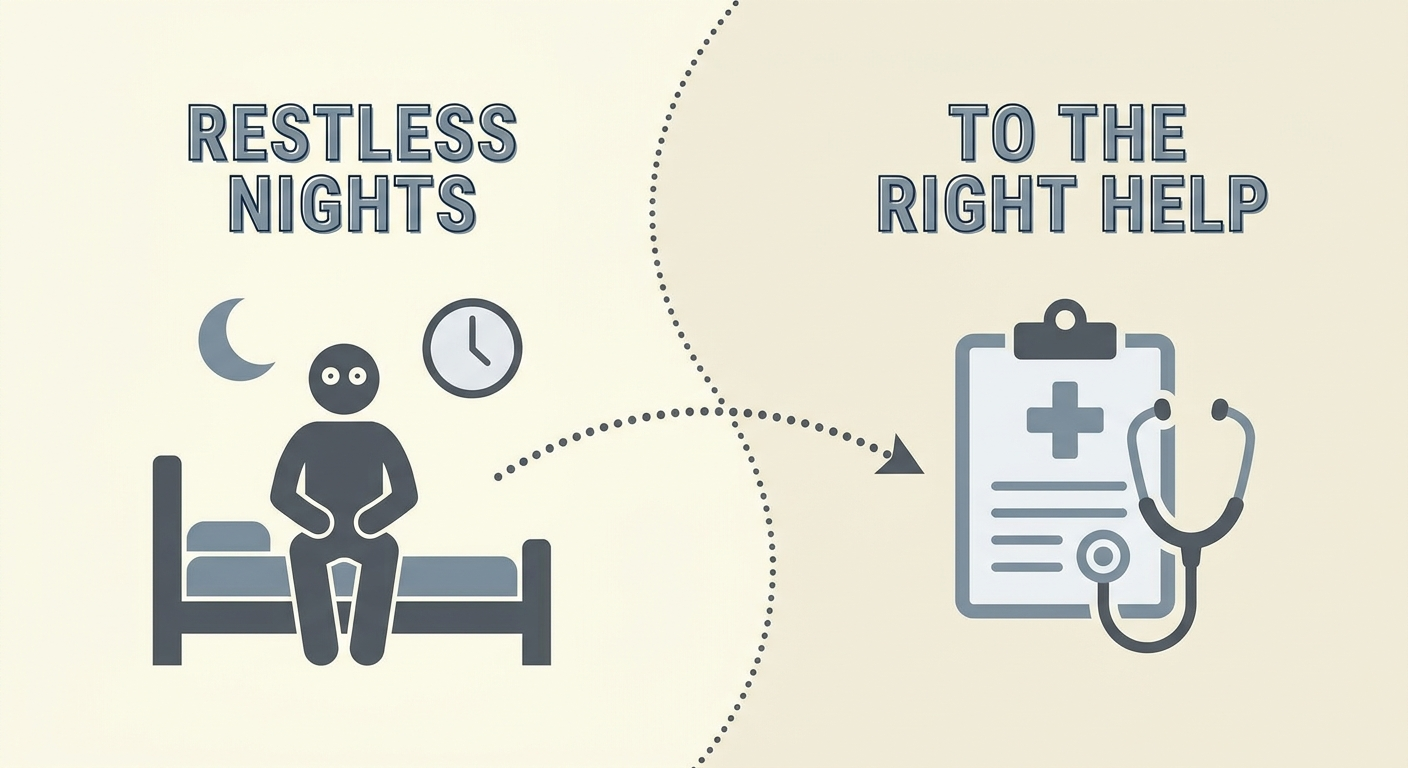
Insomnia Doctor: When to See a Sleep Specialist for Chronic Insomnia
A rough night here and there is common. But when poor sleep becomes the norm—and starts affecting your energy, mood, focus, or safety—it may be time to treat insomnia like the medical issue it can be. Many people begin by talking with a primary care clinician, then move to a more targeted evaluation if symptoms persist. This care pathway is common because insomnia can have more than one driver, and it may take a team to identify what’s keeping sleep off track. WebMD describes insomnia care as often involving multiple healthcare professionals depending on symptoms and underlying causes.¹ Think of chronic insomnia like a “check engine” light: the symptom is real, but there may be multiple reasons it’s showing up—and treatment depends on the underlying causes and contributing factors. This article explains what “chronic insomnia” means, what an insomnia doctor (often a sleep-medicine clinician) looks for, and what evidence-based treatments—especially CBT-I—tend to involve. Bottom line: when sleep problems become persistent and disruptive, a structured, stepwise approach can help you get unstuck.
What Counts as Chronic Insomnia?
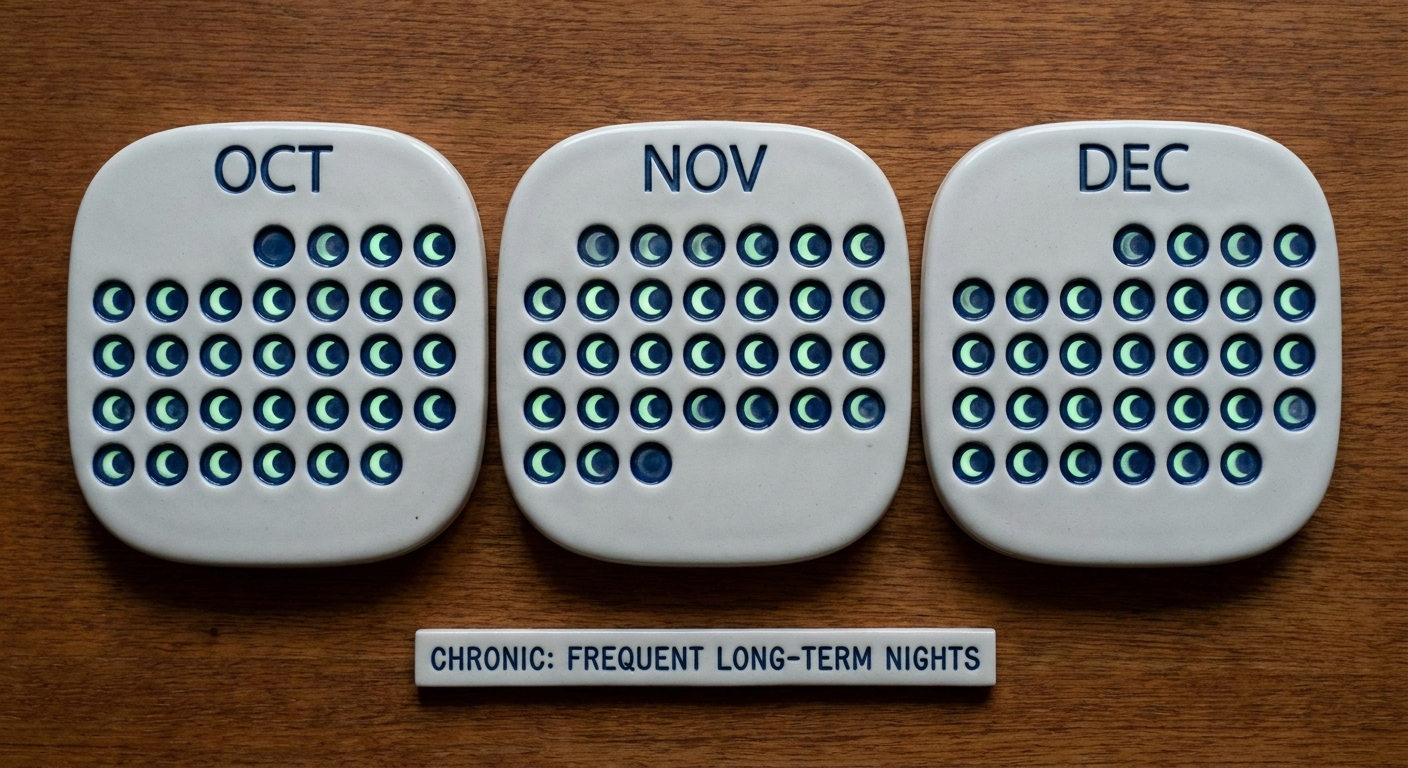
Quick definition (in plain language): ongoing trouble falling asleep, staying asleep, or waking too early and not being able to return to sleep, plus daytime impairment such as fatigue, irritability, low motivation, or concentration problems. A common clinical threshold for chronic insomnia is symptoms at least 3 nights per week for 3 months or longer. Note: “more than 30 minutes to fall asleep” is a common screening threshold, not a universal diagnostic rule. If insomnia is frequent, long-lasting, and affecting your days, it’s worth a structured evaluation.
Common Symptoms an Insomnia Doctor Will Take Seriously
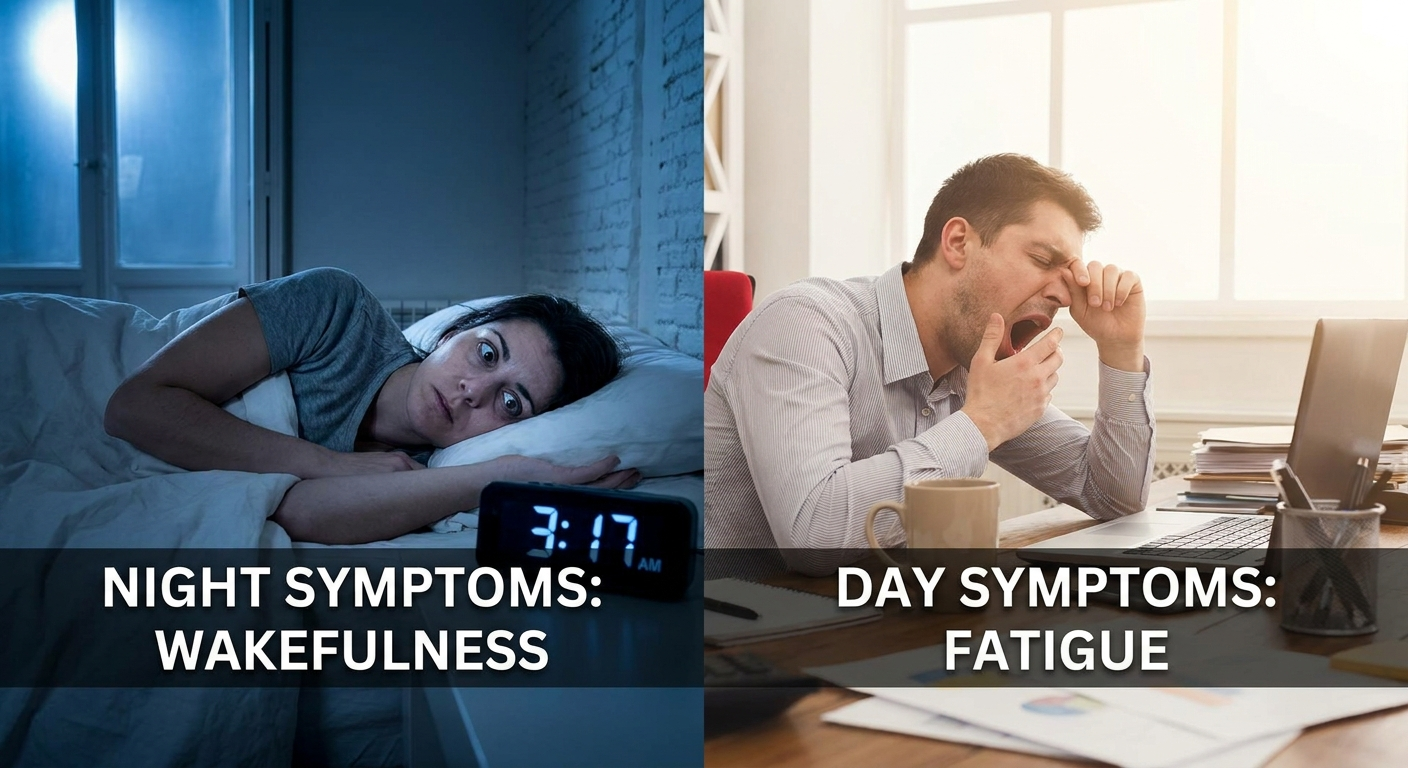
Nighttime symptoms: taking more than 30 minutes to fall asleep; waking multiple times; early-morning waking with difficulty returning to sleep; anxiety or dread around bedtime despite exhaustion. Many describe feeling “tired all day but wired at bedtime,” a cycle an insomnia-focused evaluation aims to untangle.
Daytime symptoms (often the reason people seek help): fatigue, low energy, irritability; trouble concentrating, forgetfulness, brain fog; mood changes including anxiety or depression symptoms; increased mistakes at work or school; drowsy driving or reduced alertness in safety-sensitive tasks. If sleep is affecting work, relationships, or safety, escalate care sooner rather than later.
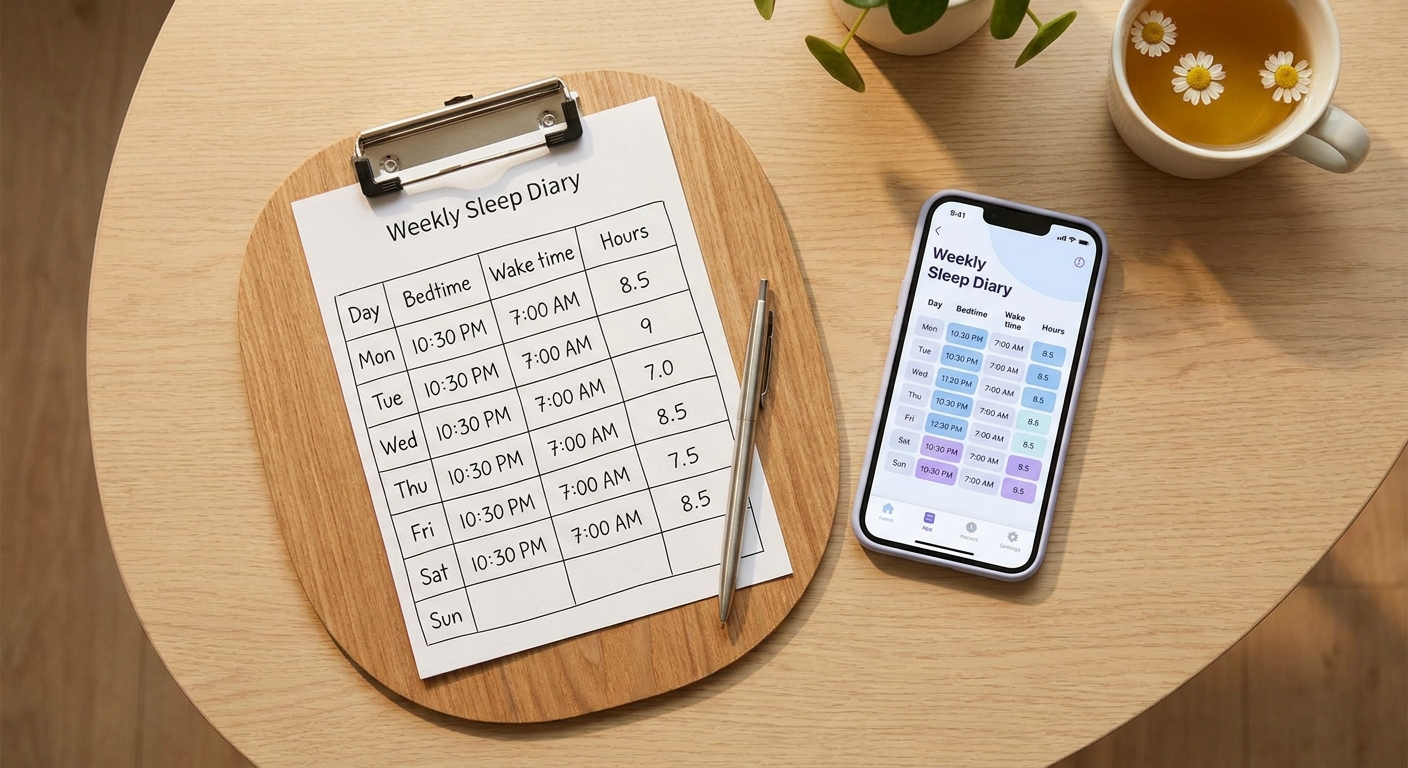
Tracking tip (simple and actionable): a 1–2 week sleep diary can clarify patterns in bedtime and wake time, time to fall asleep, awakenings, naps, caffeine/alcohol timing, and medications or supplements taken for sleep. Even a brief phone note like “Bed 10:30, asleep ~12:00, awake 3:40–4:15, up 6:30” helps patterns emerge. Unsure what to share at an appointment? A short diary quickly highlights issues worth addressing.
What Causes Chronic Insomnia? (And Why Causes Are Often “Mixed”)
Stress and conditioned sleeplessness: short-term stress can trigger insomnia; over time, the brain can link the bed with alertness or worry, keeping insomnia going even after the stressor eases. CBT-I helps retrain this association so bed cues sleep again, not struggle.
Medical contributors: chronic pain; reflux/heartburn; thyroid dysfunction; menopause-related symptoms (hot flashes/night sweats); breathing or nasal issues that interrupt sleep. If nighttime breathing feels difficult, congestion persists, or snoring is present, this may be a meaningful clue. More on breathing pathways and sleep: https://sleepandsinuscenters.com/blog/nasal-obstruction-and-insomnia-understanding-the-link-for-better-sleep
Mental health contributors: anxiety, depression, and PTSD can contribute to insomnia—and insomnia can worsen these conditions. Coordinated, structured care often works best when both are present. Treating sleep can ease other treatment, and treating mood/anxiety can enhance sleep treatment.
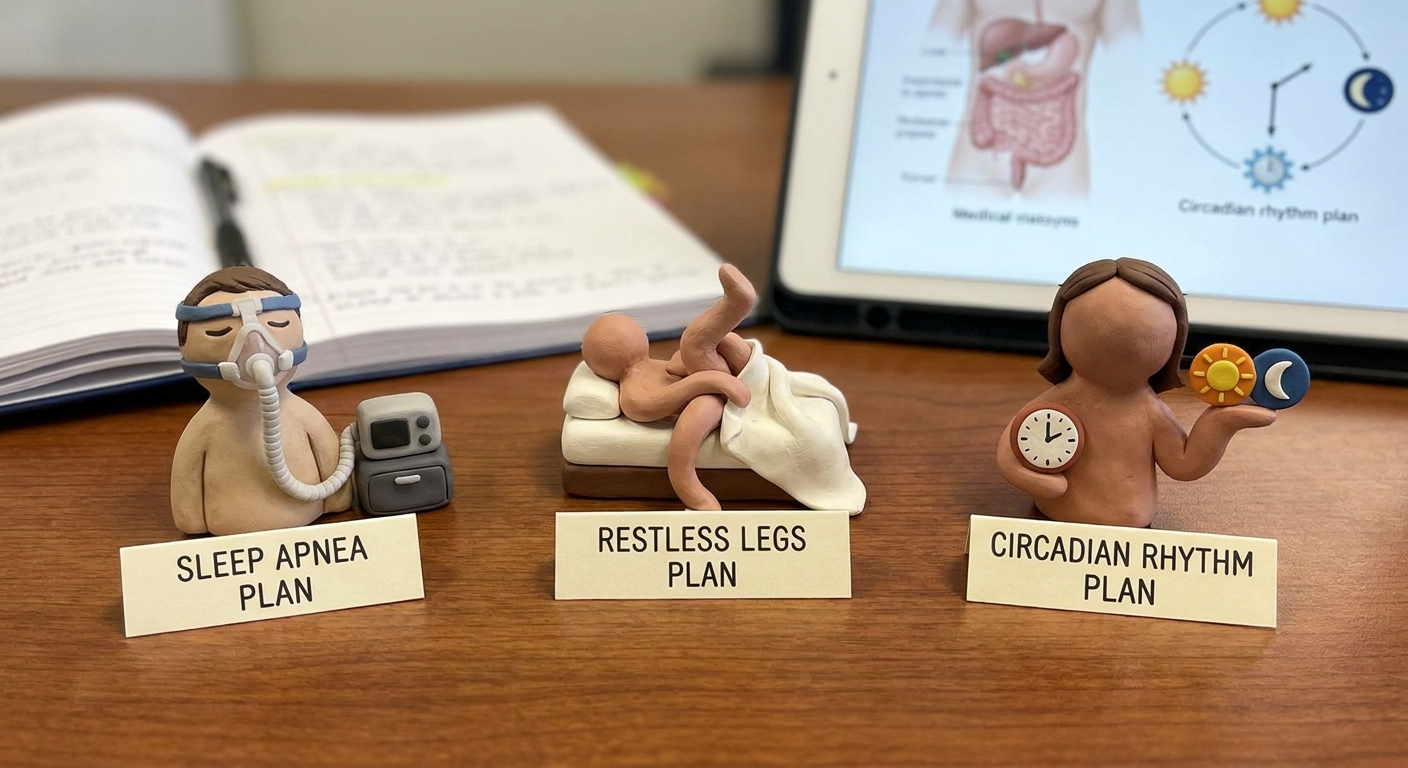
Sleep-disorder look-alikes needing a different plan: obstructive sleep apnea (snoring, witnessed pauses, gasping); restless legs syndrome (urge to move legs, worse at night); circadian rhythm disorders (a strong night-owl pattern that won’t shift). Treating “insomnia symptoms” alone may not resolve the root cause if another sleep disorder drives the disruption. For testing options, see home sleep tests vs lab sleep studies: https://sleepandsinuscenters.com/blog/home-sleep-test-vs-lab-study-which-sleep-test-is-best-for-you Effective care often addresses more than one contributor at a time.
Start Here: Primary Care Evaluation (What They Can Do)
What your primary care clinician can screen for: medication side effects (for example stimulants, steroids, some antidepressants); substance factors (alcohol, cannabis, nicotine); labs when appropriate (thyroid testing; iron/ferritin when RLS is suspected). Targeted questions help decide on specialty testing; sometimes small changes (like medication timing) make a meaningful difference.
First steps they may recommend: sleep-hygiene changes (basics here: https://sleepandsinuscenters.com/blog/sleep-hygiene-and-its-impact-on-ent-disorders-key-insights); referral to CBT-I; short-term use of an insomnia medication when appropriate and monitored. As WebMD notes, many patients begin with primary care and are referred onward when a more comprehensive evaluation is needed.¹ Primary care can address quick wins and triage who benefits most from targeted sleep evaluation.
When to See a Sleep Specialist (Insomnia Doctor) — Key Referral Triggers
If your insomnia lasts 3 months or more or keeps returning: when doing “all the right things” still doesn’t yield reliable sleep, structured treatment becomes especially valuable.
If insomnia is affecting safety or functioning: examples include near-miss car accidents or drowsy driving, major performance issues at work, and difficulty managing daily responsibilities due to fatigue. Treat drowsy driving as urgent.
If you suspect another sleep disorder: loud snoring, breathing pauses, or gasping (possible sleep apnea); an uncomfortable urge to move your legs at night (possible RLS); a persistent late schedule that conflicts with obligations (possible circadian rhythm issue). If breathing issues, snoring, or nasal blockage are present, an ENT evaluation can help. Overview: https://sleepandsinuscenters.com/blog/when-to-see-an-ent-for-sleep-problems
If you rely on sleep meds (or alcohol) to sleep: needing higher doses, rebound insomnia, or next-day grogginess may signal the need for a more structured plan. A sleep-medicine clinician can evaluate medication use and discuss tapering strategies when appropriate.
If you have complex mental health or neurologic history: insomnia with bipolar disorder, seizure disorders, or PTSD may benefit from coordinated specialty care. Escalate when insomnia is persistent, risky, complicated, or unresponsive to first steps.
Who Treats Chronic Insomnia? Your Multidisciplinary Care Team
The insomnia care team model may include: primary care clinician (initial evaluation and referrals); sleep-medicine doctor (diagnosis, comorbidity screening, medication planning); clinical psychologist trained in CBT-I; psychiatrist (when mood/anxiety medication management is needed); neurologist (when neurologic sleep disorders are suspected). WebMD and Healthline describe insomnia care as potentially involving multiple specialists depending on the situation.¹ ² You’re not being handed off—you’re getting the right expertise at the right step.
What to Expect at a Sleep Specialist Appointment
History questions you’ll likely be asked: weekday vs weekend schedule; night awakenings and early waking; naps and exercise timing; caffeine and alcohol timing; bed partner observations (snoring, breathing pauses, movement); stress, mood, and medical history. You may be asked what you do when you can’t sleep and whether you stay in bed trying harder or get up—details that help tailor CBT-I and rule out other sleep disorders.
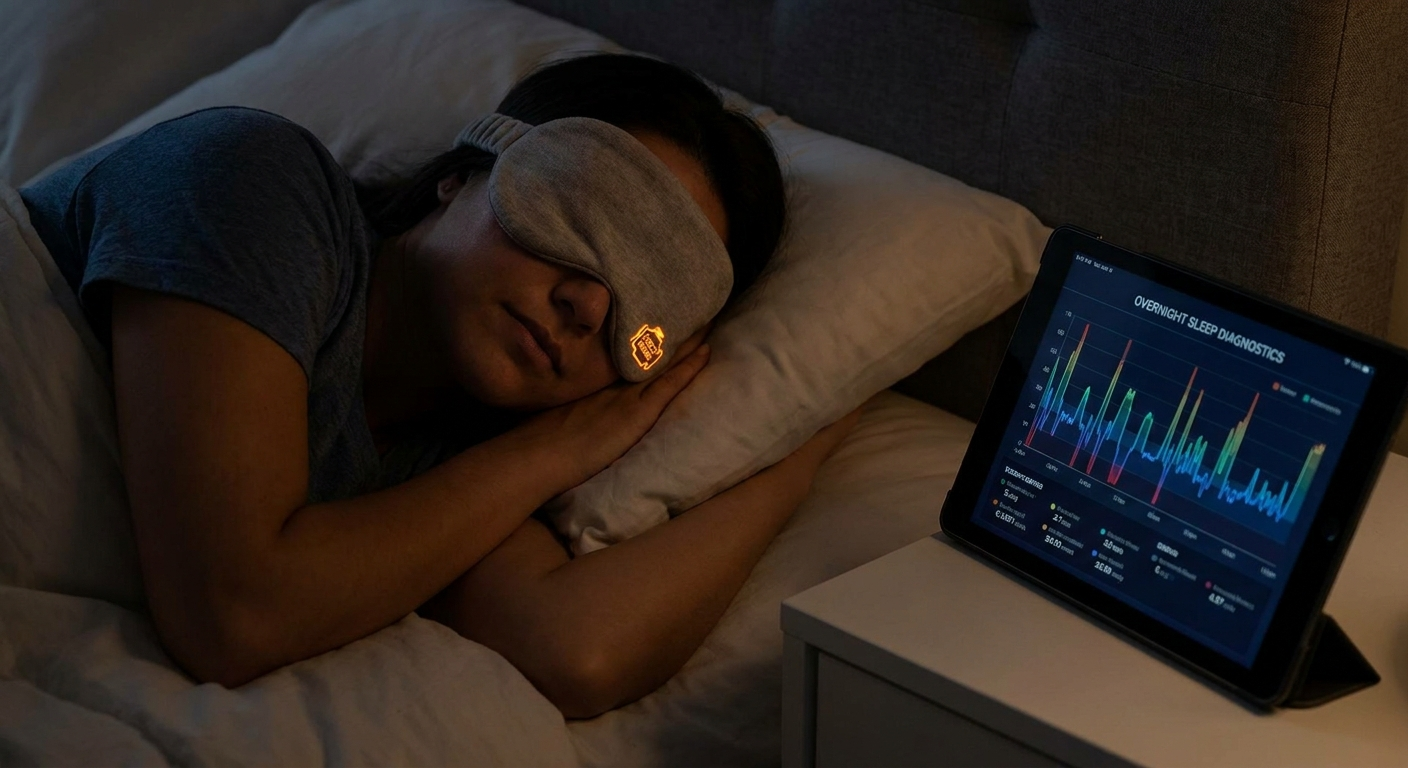
Tools they may use: sleep diary review and questionnaires; medication and supplement review; sometimes actigraphy (a watch-like device tracking movement/sleep timing).
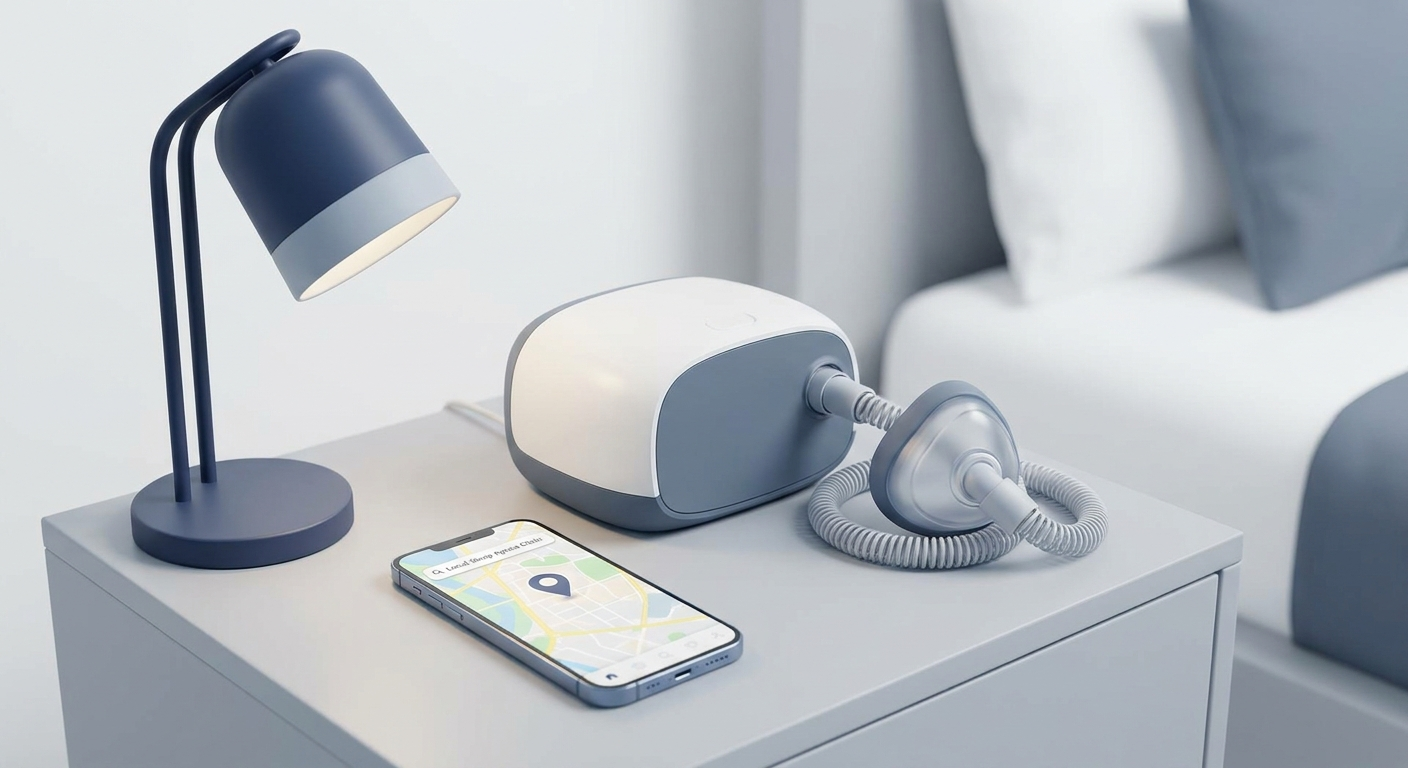
Will you need a sleep study? Not everyone with insomnia needs one. Testing is more likely when symptoms suggest sleep apnea, unusual nighttime behaviors, or other sleep disorders. More detail: https://sleepandsinuscenters.com/blog/home-sleep-test-vs-lab-study-which-sleep-test-is-best-for-you An effective evaluation clarifies what’s driving disruption and matches you to the right next step.
Evidence-Based Treatments a Sleep Specialist May Recommend
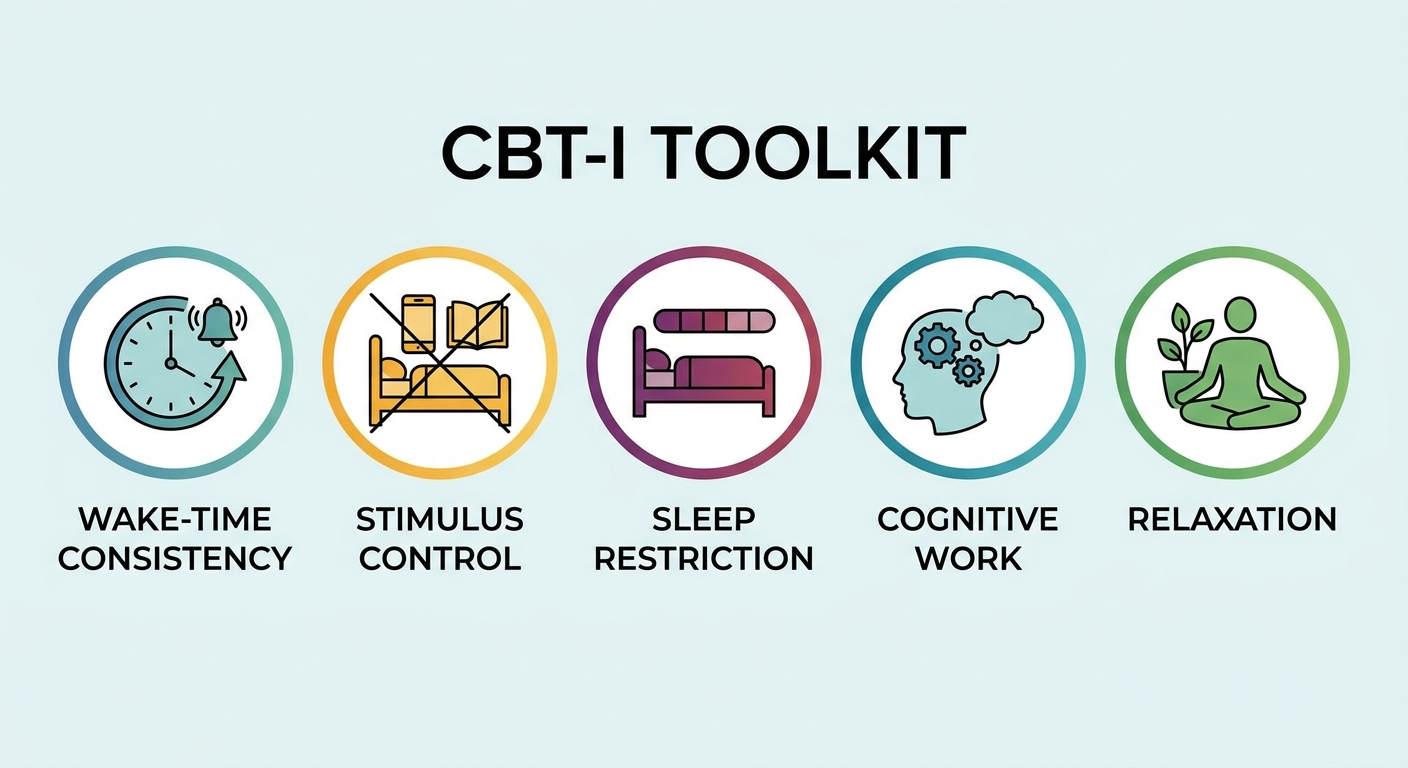
CBT-I (Cognitive Behavioral Therapy for Insomnia) is first-line.³ It’s a structured program targeting the patterns that keep insomnia going—not talk therapy about your past. Common components: consistent sleep scheduling (especially a steady wake time); stimulus control (re-linking the bed with sleep, not wakefulness); sleep restriction therapy (supervised to build sleep drive); cognitive strategies (reducing sleep-related worry and catastrophic thinking); relaxation skills and wind-down routines. The goal is to make sleep more automatic—less effort, less struggle.
Medication (when appropriate): plans often emphasize the lowest effective dose, time-limited use when possible, monitoring next-day sedation or impaired alertness, and avoiding risky interactions (e.g., alcohol or other sedatives). Medications are typically a tool alongside behavioral treatment, not the entire plan.
Combination therapy (used selectively): some adults may benefit from combining CBT-I with medication when appropriate.⁴ Behavioral treatment remains foundational; medication can be added strategically when symptoms are severe, functioning is impacted, or momentum is needed while CBT-I skills develop.
Treating coexisting problems that block progress: sleep apnea treatment when diagnosed; addressing persistent nasal obstruction or sinus issues that impair nighttime breathing; managing reflux, pain, or mood symptoms that fragment sleep. Most long-term success pairs CBT-I with targeted steps that address specific barriers.
Lifestyle Tips That Support Treatment (Not a Substitute for Care)
Sleep schedule anchors: keep a consistent wake time (even after a rough night); align time in bed with actual sleep opportunity (often guided within CBT-I). If you take one habit, make it the steady wake time.
Light, caffeine, alcohol, and screens: bright light in the morning and dimmer light in the evening; a caffeine cutoff earlier in the day (timing varies); recognize alcohol can fragment later sleep; create a screen wind-down plan to reduce stimulation near bedtime. Start with basics while pursuing evaluation: https://sleepandsinuscenters.com/blog/sleep-hygiene-and-its-impact-on-ent-disorders-key-insights
Bedroom and behavior cues (simple reset strategies): keep the bed strongly associated with sleep (and intimacy), not work or scrolling; if awake for a long stretch, a brief reset out of bed can reduce the struggle cycle (often personalized within CBT-I). Think of lifestyle steps as scaffolding that supports the main plan.
FAQs
What kind of doctor should I see for insomnia? Many start with primary care. If symptoms are chronic, severe, or complicated, a sleep specialist (often a sleep-medicine clinician) can provide detailed evaluation and treatment options.¹ ²
Do I need a sleep study for insomnia? Not always. Testing is more likely when another disorder is suspected—especially sleep apnea or unusual nighttime behaviors. Details: https://sleepandsinuscenters.com/blog/home-sleep-test-vs-lab-study-which-sleep-test-is-best-for-you
Is CBT-I better than sleeping pills? For chronic insomnia, CBT-I is considered first-line.³ Medication may be added in some cases, and some guidance supports combination treatment for adults when appropriate.⁴
How long does CBT-I take to work? Many programs run 4–8 weeks; some notice changes earlier, but consistency matters.
Can an ENT help with insomnia? Sometimes. If insomnia is linked to breathing problems—nasal obstruction, snoring, or suspected sleep apnea—an ENT evaluation can be part of the solution. https://sleepandsinuscenters.com/blog/when-to-see-an-ent-for-sleep-problems
Conclusion + Clear Next Step
Chronic insomnia is common—and treatable. If sleep problems have lasted three months or longer, keep returning, or affect daytime functioning, consider involving an insomnia doctor for a structured evaluation. Many care plans focus on CBT-I, sometimes combined with medication and treatment of coexisting issues (like sleep apnea or nighttime breathing problems). Consult a qualified healthcare provider or sleep specialist to discuss options. To learn more about sleep and airway care: https://www.sleepandsinuscenters.com/ Small, consistent steps—guided by the right clinician—often make sleep feel automatic again.
Medical disclaimer
This article is for educational purposes only and is not medical advice. Please consult a qualified healthcare provider for diagnosis and treatment.
References
1. WebMD. Insomnia Health Care Team. https://www.webmd.com/sleep-disorders/insomnia-health-care-team
2. Healthline. Insomnia Doctors. https://www.healthline.com/health/insomnia-doctors
3. PubMed Central (2026). Review on insomnia care and CBT-I as first-line. https://pmc.ncbi.nlm.nih.gov/articles/PMC13076838/
4. American Academy of Sleep Medicine (2026). Combination treatment guideline for chronic insomnia. https://aasm.org/combination-treatment-chronic-insomnia-guideline/
Don’t let allergies slow you down. Schedule a comprehensive ENT and allergy evaluation at Sleep and Sinus Centers of Georgia. We’re here to find your triggers and guide you toward lasting relief.