
Hypersomnia Treatment Medications: Options for Excessive Daytime Sleepiness
If you’re sleeping “enough” but still feel overwhelmingly tired, you’re not alone—and you’re not imagining it. Many people use the word hypersomnia to describe several different problems, from sleeping long hours to feeling an uncontrollable urge to doze off during the day. That overlap is exactly why choosing hypersomnia treatment medications depends heavily on what’s actually causing the sleepiness.
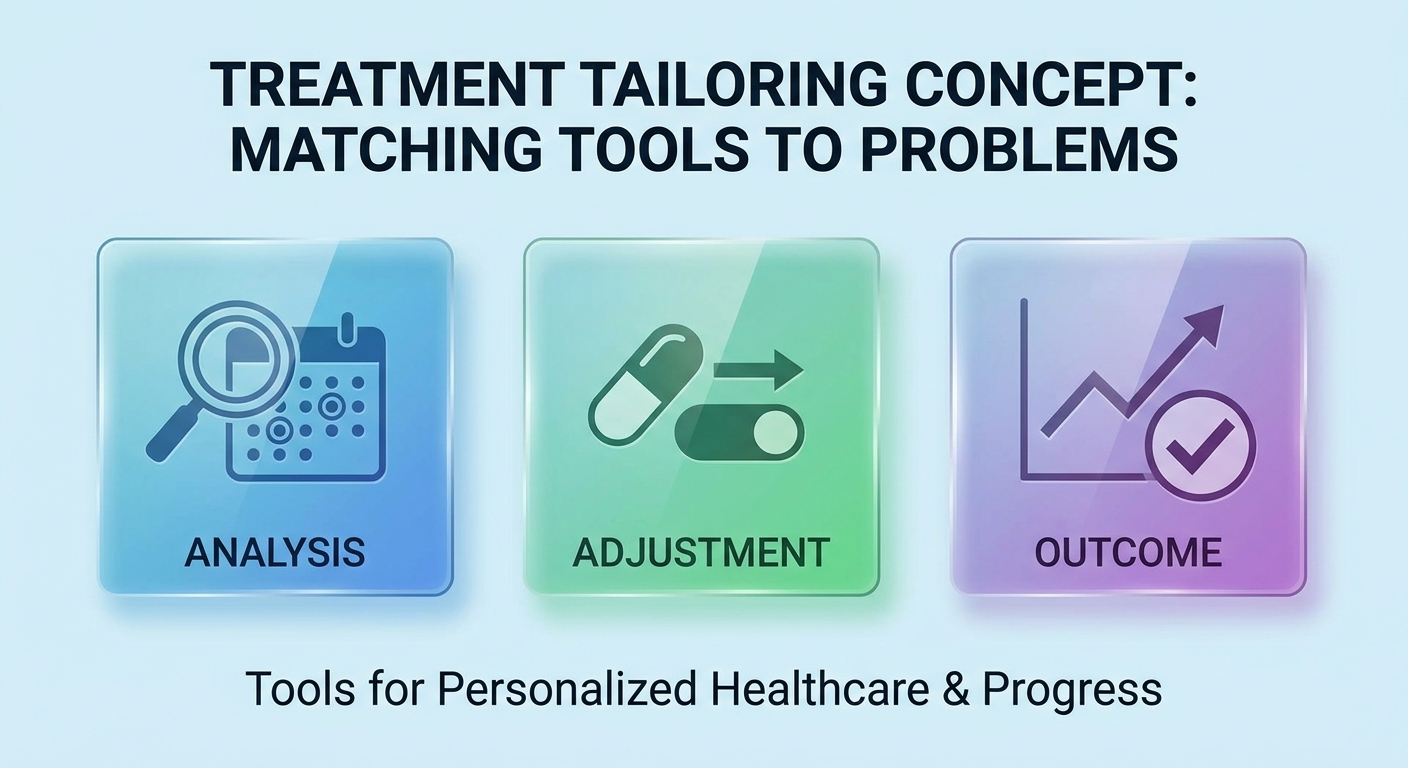
A helpful way to think about it: treating EDS is less like “finding the one right pill” and more like matching the right tool to the right problem. The best medication plan for idiopathic hypersomnia (IH) is not necessarily the best plan for sleep apnea-related sleepiness, circadian misalignment, or medication side effects.
Below is a patient-friendly guide to common medication options for excessive daytime sleepiness (EDS), what’s FDA-approved for idiopathic hypersomnia (IH), what’s often used off-label, and what’s in development.
Understanding hypersomnia and excessive daytime sleepiness (EDS)
Medication choices are different for sleep apnea-related sleepiness than for a central disorder like idiopathic hypersomnia. So it helps to start with definitions—because “sleepy” can mean very different things in sleep medicine.
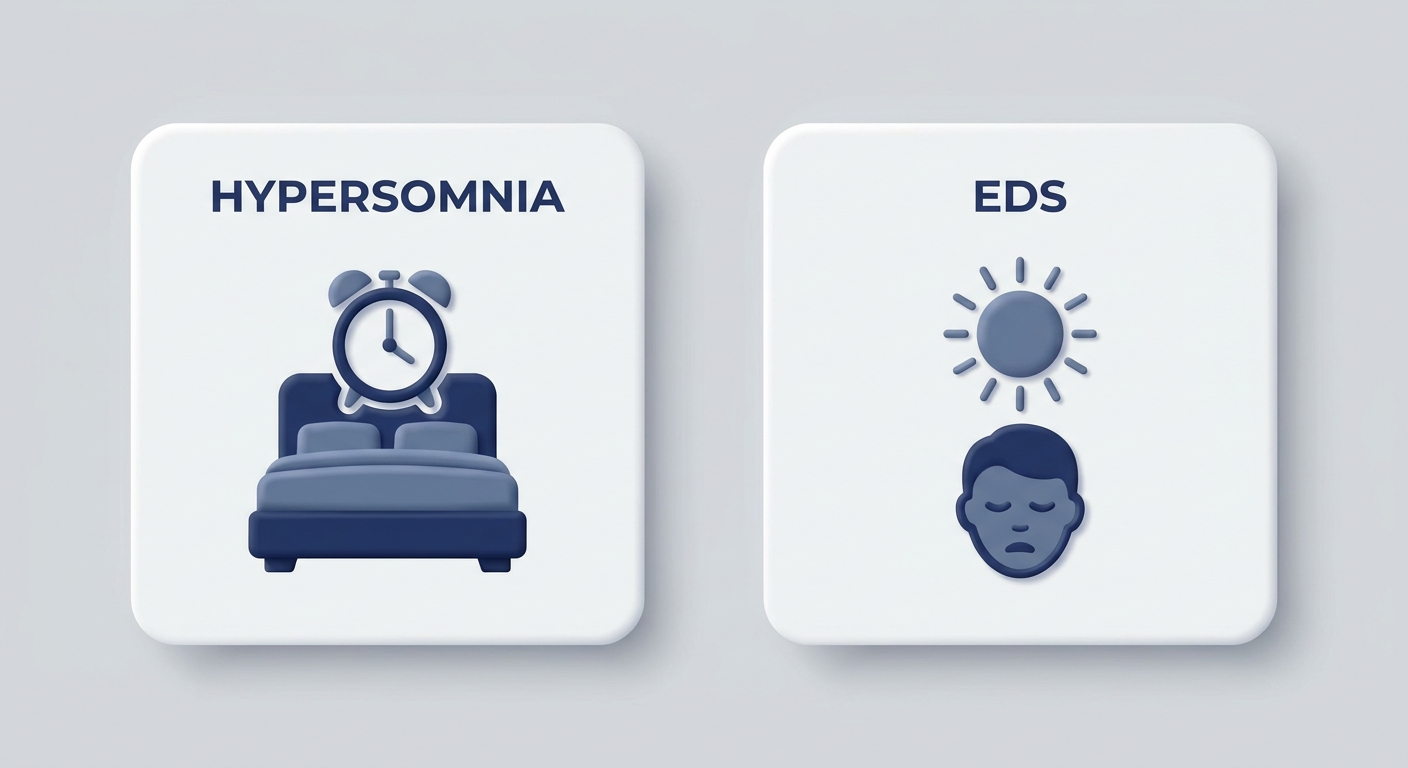
What is hypersomnia vs. excessive daytime sleepiness?
- Hypersomnia is commonly used to mean sleeping too long, feeling hard to wake, or struggling with sleep inertia (that “stuck in sleep” feeling).
- Excessive daytime sleepiness (EDS) means strong, unwanted sleepiness during the day—nodding off at work, in class, while reading, or even while driving.
- Importantly, you can have EDS even with normal time-in-bed, especially in certain sleep disorders.
A concrete example: someone might sleep 7–8 hours nightly yet still “hit a wall” mid-morning, while another person might sleep 11 hours and still feel like their brain never fully “boots up.” Both are real—and they may need different approaches.
Idiopathic hypersomnia (IH) in plain language
- Idiopathic means no clear cause is found after appropriate evaluation. Idiopathic hypersomnia is often described as:
- Long sleep time (for some people)
- Significant sleep inertia (“sleep drunkenness”)
- “Brain fog,” reduced concentration, and low energy even after sleep
Some patients describe IH as “waking up feeling like I pulled an all-nighter,” even when the clock says they didn’t. That mismatch—between time asleep and how you function—often becomes the key clue.
Bottom line: clear definitions help clinicians match the right medication approach to the right problem.
Hypersomnia symptoms (what patients commonly notice)
Daytime symptoms
Many people seek help because EDS impacts daily function, such as:
- Unintentional dozing (meetings, school, watching TV, reading)
- Difficulty concentrating, memory lapses, “foggy” thinking
- Irritability or low mood tied to persistent exhaustion
In real life, this might look like re-reading the same paragraph multiple times, struggling to stay alert during a commute, or feeling “wired but tired” while trying to work. A clinician might ask, “When do you feel sleepiest, and what happens if you try to push through?”
Nighttime and morning symptoms
- Sleeping 10–12+ hours yet still not refreshed
- Extreme grogginess and slow “boot-up” in the morning
- Naps that are long and not restorative (a common report in IH)
People often assume that if naps don’t help, the problem must be motivation. In disorders like IH, naps can be long and still leave you feeling heavy-headed afterward—more like you’ve been pulled deeper into sleep rather than “recharged.”
When symptoms are urgent
- Drowsy driving, near-misses, or workplace safety incidents
- Sudden major worsening of sleepiness—especially if paired with new neurologic symptoms
If you’re unsure whether your sleepiness is at a level that could affect safety, a simple rule is: if it affects safety (especially driving), it’s worth addressing quickly rather than waiting for a routine check-in.
If EDS is affecting safety or daily function, fast evaluation is warranted.
Common causes of hypersomnia/EDS (why diagnosis matters before meds)
A key reason there isn’t one “best pill” is that medication strategy changes based on the cause. Hypersomnia treatment medications for IH aren’t the same first step when sleepiness is coming from untreated sleep apnea, a circadian rhythm issue, or medication side effects.
Sleep-related causes
- Obstructive sleep apnea (OSA) (a very common “mimic” of hypersomnia). Learn more about evaluation and care for obstructive sleep apnea (OSA) here: https://sleepandsinuscenters.com/snoring-sleep-apnea-treatment
- Insufficient sleep (sleep debt) or an inconsistent sleep schedule
- Circadian rhythm disorders (shift work, delayed sleep phase)
A practical example: if OSA is fragmenting your sleep all night, a wake-promoting medication may help you “feel less sleepy,” but it won’t fix the repeated breathing-related arousals driving the problem. That’s why treating the underlying sleep disorder is often step one.
Medical and medication-related causes
- Thyroid disease, anemia, chronic pain, inflammatory conditions
- Sedating medications (some antihistamines, certain antidepressants, and others)
- Substance use, including alcohol (which can worsen sleep quality)
It can be surprisingly helpful to bring every medication and supplement to your visit—even “natural” sleep aids—because sedating effects can stack.
Central disorders of hypersomnolence
- Idiopathic hypersomnia (IH)
- Narcolepsy (type 1 or type 2)
Central disorders are typically where specialized testing, careful history, and symptom pattern recognition matter most—especially when people have been told for years that they “just need more sleep.”
Identifying the cause first prevents treating symptoms while missing the root problem.
How clinicians choose hypersomnia treatment medications
Clinicians often use a stepwise approach that combines evaluation, targeted therapy, and follow-up. Mayo Clinic notes that treatment frequently includes addressing underlying conditions, medication, and lifestyle strategies: https://www.mayoclinic.org/diseases-conditions/hypersomnia/diagnosis-treatment/drc-20362338
Step 1 — Confirm the diagnosis and rule out treatable mimics
- Sleep history, timing patterns, and screening tools
- Sleep testing when indicated
- If you’re comparing options, this guide to home sleep test vs. lab study can help: https://sleepandsinuscenters.com/blog/home-sleep-test-vs-lab-study-which-sleep-test-is-best-for-you
- Treating underlying causes first (for example, optimizing OSA therapy)
If you’ve already had a sleep study, you may see severity metrics like an AHI score in your results: https://sleepandsinuscenters.com/blog/ahi-score-explained-understanding-your-sleep-apnea-severity
Step 2 — Match medication type to symptom pattern
- Prominent sleep inertia vs. primarily daytime EDS
- Need for all-day coverage vs. “workday-only” alertness
- Side-effect tolerance and comorbid conditions (like anxiety or blood pressure concerns)
One way clinicians think about this: do you need help “getting started” in the morning, help “staying steady” through the day, or both? That framing can guide timing and medication selection.
Step 3 — Monitor response and safety
- Tracking sleepiness scores and real-life functioning
- Watching for side effects (and adjusting timing/dose strategy when appropriate)
- Avoiding rebound fatigue, insomnia, or inconsistent use patterns
In practice, that might mean adjusting dose timing so you’re not wide awake at midnight—or so you’re covered during the part of the day you’re most at risk for unplanned dozing.
Medication plans work best when they’re diagnosis-driven, symptom-matched, and regularly adjusted.

FDA-approved medication for idiopathic hypersomnia (IH)
Xywav (calcium/magnesium/potassium/sodium oxybates) — the first U.S.-approved IH drug
In the U.S., Xywav is currently the only FDA-approved medication specifically for adult idiopathic hypersomnia: https://www.xywav.com/
In general terms, Xywav is taken at night and is designed to improve nighttime sleep quality/architecture, which can translate into better daytime functioning. People may notice (results vary):
- Less EDS
- Easier morning wake-up
- Improved ability to function during the day
Because it’s the one on-label option for IH, it’s often central to conversations about hypersomnia treatment medications when IH is the confirmed diagnosis.
Safety and practical considerations (patient-friendly)
As with any prescription therapy, benefits must be balanced with safety and logistics. Topics commonly reviewed with a prescriber include:
- Potential side effects (for example: nausea, dizziness, enuresis, mood effects)
- Alcohol and sedative interactions (especially important for oxybate products)
- Controlled substance status and access requirements (a REMS program may apply; REMS requirements may apply)
Many clinicians also set expectations early: you’re not “failing” a medication if it takes careful titration. For some patients, the right dose and schedule is found through gradual adjustments and close follow-up.
For adult IH in the U.S., Xywav is the only on-label therapy, with careful safety monitoring required.

Off-label medications doctors often use for IH-related EDS
Many people with IH are treated with medications approved for other conditions (like narcolepsy) but used off-label for IH. Use depends on individual risk factors, diagnosis, and clinician judgment.
Modafinil (Provigil) / Armodafinil (Nuvigil)
Modafinil/armodafinil are wake-promoting medications taken during the day. Practical pros/cons often discussed include:
- Coverage during work/school hours (timing matters)
- Possible headache, jitteriness/anxiety, or insomnia if taken too late
- Interaction considerations, including reduced effectiveness of some hormonal contraceptives, plus monitoring for blood pressure/heart rate concerns when relevant
Traditional stimulants (selected cases, specialist-guided)
Some patients may be considered for stimulant medications such as methylphenidate or amphetamine derivatives, generally under close oversight. Reasons they may be used include stronger wakefulness effects for some individuals. Common drawbacks include:
- Appetite suppression, anxiety worsening, and cardiovascular effects (BP/HR)
- Tolerance and dose escalation risk in some cases
- Misuse risk and tighter prescribing controls
Other off-label wake-promoting approaches (brief overview)
Depending on the person’s diagnosis, comorbidities, and side-effect limitations, clinicians may consider other options. Examples can include solriamfetol (approved for EDS in narcolepsy and OSA; sometimes considered off-label in IH). The “best fit” is highly individualized and often involves trial, tracking, and adjustment.
Off-label options can help manage EDS in IH, but selection and dosing are individualized and closely monitored.
Medications in the pipeline (what’s coming next)
Research in IH and related disorders is active. If you’re following new options, these are a few notable developments—especially for people who want more targeted therapies and more practical dosing.
Pitolisant — regulatory interest (orphan-drug designation)
Pitolisant has received FDA orphan-drug designation for idiopathic hypersomnia, which supports research but does not mean it is approved for this use: https://www.accessdata.fda.gov/scripts/opdlisting/oopd/detailedIndex.cfm?cfgridkey=958123
Pitolisant works through the histamine system to promote wakefulness. Orphan-drug designation is not the same as FDA approval, but it can support research momentum and development.
ALKS 2680 — targeted orexin-2 receptor agonist (Phase 2/3)
ALKS 2680 is a selective orexin-2 receptor agonist being studied in Phase 2/3 trials: https://investor.alkermes.com/news-releases/news-release-details/alkermes-present-new-research-related-alks-2680-sleep-2025/
Orexin signaling plays a central role in wakefulness regulation, so a targeted therapy like an orexin-2 receptor agonist is a notable direction for future care. For now, it remains investigational and typically only available through clinical trials.
Once-nightly sodium oxybate (Lumryz) — REVITALYZ Phase 3 trial
A Phase 3 trial called REVITALYZ is evaluating the once-nightly sodium oxybate (Lumryz) trial in idiopathic hypersomnia, with results anticipated in Q2 2026: https://www.neurologylive.com/view/phase-3-revitalyz-trial-once-nightly-sodium-oxybate-idiopathic-hypersomnia-finishes-enrollment
This is investigational research; once-nightly sodium oxybate is not yet approved for idiopathic hypersomnia.
Pipeline therapies are promising but remain investigational until safety and efficacy are established and approvals are granted.
Non-medication treatments and lifestyle tips that can improve EDS
Medications can be important, but they often work best alongside routine and safety strategies (Mayo Clinic overview: https://www.mayoclinic.org/diseases-conditions/hypersomnia/diagnosis-treatment/drc-20362338).
Sleep routine that supports medication effectiveness
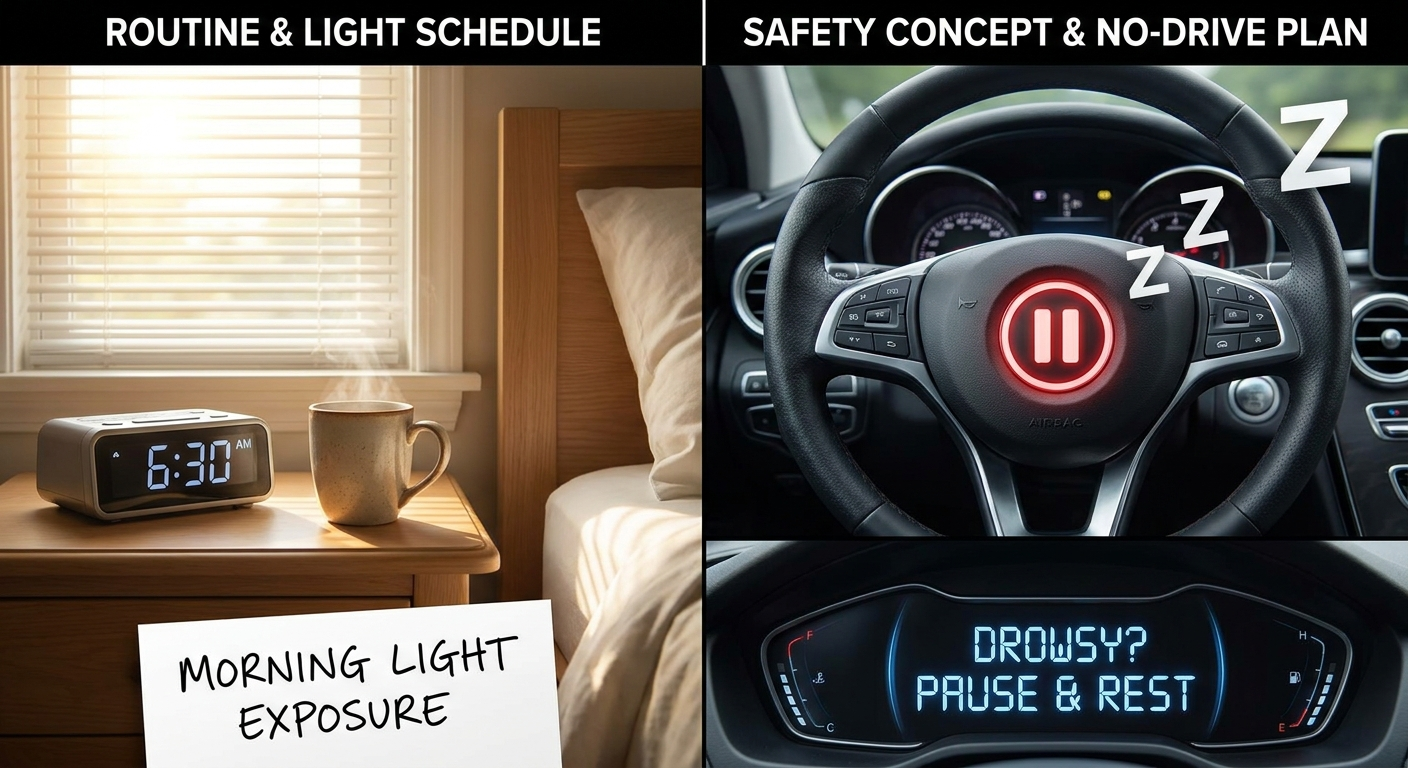
- Keep a consistent wake time (even on weekends when possible)
- Get morning light exposure; reduce bright light late at night
- Use caffeine strategically (late-day caffeine can mask sleepiness and disrupt sleep later)
For a deeper dive, see this Sleep and Sinus Centers of Georgia guide to sleep hygiene: https://sleepandsinuscenters.com/blog/sleep-hygiene-and-its-impact-on-ent-disorders-key-insights
Strategic naps (if appropriate)
Some people do better with short, planned naps. Others—especially those with significant sleep inertia—may feel worse after long naps. Tracking nap length and how you feel afterward can be useful data to share during follow-up.
Safety planning for drowsy driving
Warning signs can include frequent yawning, heavy eyelids, drifting lanes, or missing exits. Many people benefit from having clear “no-drive” rules and backup transportation options on high-sleepiness days.
Think of it like a migraine plan: you don’t wait until you’re in danger to decide what to do—you decide ahead of time what “too sleepy to drive” means for you.
Consistent routines, strategic naps, and safety planning can amplify the benefits of medication.
FAQs about hypersomnia treatment medications
What is the best medication for hypersomnia?
There isn’t one “best.” The best choice depends on the diagnosis (IH vs narcolepsy vs OSA-related sleepiness), symptom pattern (sleep inertia vs EDS), and side-effect profile. That’s why hypersomnia treatment medications are usually personalized.
Is Xywav the only FDA-approved medication for idiopathic hypersomnia?
In the U.S., yes—Xywav is the only FDA-approved medication specifically for adult idiopathic hypersomnia: https://www.xywav.com/
Why do doctors prescribe modafinil for idiopathic hypersomnia if it’s off-label?
Because it’s a commonly used wake-promoting option for EDS, and clinicians may consider it when the potential benefits outweigh risks—typically with evaluation, monitoring, and follow-up.
What does “orphan-drug designation” for pitolisant mean?
It indicates FDA-recognized need in a rare condition and supports research incentives, but it is not approval: https://www.accessdata.fda.gov/scripts/opdlisting/oopd/detailedIndex.cfm?cfgridkey=958123
Are there new medications coming for IH?
Multiple investigational approaches are in progress, including orexin-targeted therapies like ALKS 2680 and the REVITALYZ study of once-nightly sodium oxybate (Lumryz): https://investor.alkermes.com/news-releases/news-release-details/alkermes-present-new-research-related-alks-2680-sleep-2025/ and https://www.neurologylive.com/view/phase-3-revitalyz-trial-once-nightly-sodium-oxybate-idiopathic-hypersomnia-finishes-enrollment
When should I see a sleep specialist?
If sleepiness persists despite adequate sleep time, affects safety, or you suspect IH, narcolepsy, or sleep apnea, a sleep evaluation can help clarify next steps.
Treatment answers come faster when you match the medication to a confirmed diagnosis and track real-life response.
When to seek care (and what to bring to your appointment)
Signs you need evaluation now
- Drowsy driving or near-misses
- Work-related safety incidents
- Sudden escalation in sleepiness, especially with new symptoms
What helps your clinician help you
Bringing objective info can speed up answers:
- A 2-week sleep diary
- A complete medication/supplement list
- Your Epworth Sleepiness Scale score and how it changes over time
- Learn more here: Epworth Sleepiness Scale (how to measure daytime sleepiness) → https://sleepandsinuscenters.com/blog/epworth-sleepiness-scale-a-complete-guide-to-understanding-daytime-sleepiness
- Or start with: Take our sleepiness self-check → https://sleepandsinuscenters.com/test-your-sleepiness
If your symptoms overlap with snoring, breathing concerns, or ENT-related sleep issues, this may also be helpful: When to see an ENT for sleep problems → https://sleepandsinuscenters.com/blog/when-to-see-an-ent-for-sleep-problems
Book an appointment
If persistent daytime sleepiness is affecting your health, mood, work, or safety, it’s worth getting evaluated. You can book an appointment with Sleep and Sinus Centers of Georgia here: https://www.sleepandsinuscenters.com/
If EDS is disrupting your life or safety, seek a tailored evaluation and plan.
References
- Xywav (official site): https://www.xywav.com/
- Mayo Clinic—Hypersomnia diagnosis & treatment: https://www.mayoclinic.org/diseases-conditions/hypersomnia/diagnosis-treatment/drc-20362338
- FDA Orphan Drug Database—Pitolisant designation: https://www.accessdata.fda.gov/scripts/opdlisting/oopd/detailedIndex.cfm?cfgridkey=958123
- Alkermes investor update—ALKS 2680: https://investor.alkermes.com/news-releases/news-release-details/alkermes-present-new-research-related-alks-2680-sleep-2025/
- NeurologyLive—REVITALYZ trial (once-nightly sodium oxybate): https://www.neurologylive.com/view/phase-3-revitalyz-trial-once-nightly-sodium-oxybate-idiopathic-hypersomnia-finishes-enrollment
Medical disclaimer
This article is for general education and is not medical advice. Medication decisions should be made with a licensed clinician who can evaluate symptoms, testing results, and safety considerations. “This article is for educational purposes only and is not medical advice. Please consult a qualified healthcare provider for diagnosis and treatment.”
Don’t let allergies slow you down. Schedule a comprehensive ENT and allergy evaluation at Sleep and Sinus Centers of Georgia. We’re here to find your triggers and guide you toward lasting relief.