How to Wake Yourself Up in the Morning: Easy Tips to Feel Alert Fast
If you’ve ever opened your eyes and still felt like your brain is “offline,” you’re not alone. That heavy, foggy feeling is often sleep inertia—a normal transition period between sleep and full wakefulness that can temporarily reduce alertness and performance.[1][2]
The good news: there are practical, low-risk strategies that may help you wake up faster and feel more alert in the morning. The important reality: no single method reliably restores full mental performance within the first ~15 minutes for everyone, especially after short sleep or an early alarm.[2] Think of it like starting a car on a cold morning—most engines will run, but they may need a little time before they’re running smoothly.
Below is a patient-friendly, evidence-informed guide on how to wake yourself up in the morning—plus when ongoing morning fatigue may be a sign to look deeper at your sleep health.
Why You Feel Groggy After Waking (Sleep Inertia, Explained)
What sleep inertia feels like
- “Foggy brain” or slow thinking
- Heavy eyelids, clumsiness, or sluggish movement
- Irritability or low motivation
- Feeling awake-ish, but not sharp (reaction time and judgment can still be dulled)
A common experience is being able to get out of bed but feeling like your brain is still loading—simple tasks (finding your keys, following a conversation, answering email) feel harder than they “should” in the first part of the morning.
How long sleep inertia lasts
For many people, sleep inertia improves in 15–60+ minutes, but it can last longer depending on sleep loss, the time you wake, and whether you woke from deeper sleep.[1][2]
If you’ve ever felt fine on a weekend wake-up but noticeably foggier on a workday alarm, that’s a classic clue that timing and sleep depth are involved—not a lack of willpower.
Why it happens
Your brain and body don’t flip from sleep to wake like a light switch. Sleep inertia tends to be worse when:
- You wake abruptly from deep sleep
- You’re sleep-deprived
- Your wake time clashes with your internal body clock (circadian rhythm)
In other words, it’s not just how long you slept—it’s also when you woke and how your sleep was structured that night.
*Bottom line: Sleep inertia is common and usually improves with time, but you can nudge it along with a few smart steps.*
Morning Grogginess Symptoms: What’s Normal vs. a Red Flag
Common symptoms that are usually normal
Occasional morning grogginess may include:
- Sleepiness and a slow start
- Mild headache
- Dry mouth
- Trouble focusing for the first part of the morning
These symptoms are especially common after a late night, a stressful week, travel, or a disrupted sleep schedule.
Signs you may need to look deeper
Consider a closer look at sleep health if you notice:
- Excessive sleepiness most days
- “Unrefreshing” sleep even with enough time in bed
- Loud snoring, choking/gasping, or witnessed breathing pauses
- Frequent awakenings
- Morning headaches, mood changes, or drowsy driving
If those sound familiar, a screening can be a helpful first step. You can start with Take our sleepiness test: https://sleepandsinuscenters.com/test-your-sleepiness
*If morning grogginess is frequent or severe, a quick screening can guide next steps.*
Common Causes of Feeling Tired in the Morning
Not enough sleep or an inconsistent schedule
“Social jet lag” (sleeping in on weekends, then switching back Monday) can make it harder to feel alert at your usual wake time. Even if you get “enough” hours, a shifting schedule can leave your body clock out of sync.
Being awakened from deeper sleep
Being awakened from deeper sleep can make sleep inertia feel worse. That’s why two people who slept the same number of hours can feel very different after waking—one may have woken naturally during a lighter stage of sleep, while the other got pulled out of deeper sleep by an alarm.
Sleep quality issues (not just quantity)
Even with adequate hours in bed, sleep may be less restorative due to factors such as:
- Nasal congestion/allergies
- Reflux symptoms
- Stress
- Alcohol close to bedtime
- Possible obstructive sleep apnea risk
This is the “I slept 8 hours but feel like I didn’t” scenario—often a sign that sleep is being fragmented.
Lifestyle contributors
Common morning fatigue strategies start with basics that affect sleep quality:
- Dehydration on waking
- Heavy late meals
- Late caffeine (which can quietly reduce sleep quality)
- Bright screens/light late at night
These don’t mean you’re doing anything “wrong”—they’re simply high-impact levers you can adjust.
*Improving timing, quality, and consistency of sleep often reduces morning sluggishness most effectively.*
The “First 15 Minutes” Wake-Up Plan (Safe, Low-Risk Steps)
Save this checklist for tomorrow morning. It’s designed to reduce morning grogginess without complicated tools.
1) Get out of bed—skip the snooze button
Repeated snoozing can increase grogginess because you may drift back into lighter sleep and then wake again mid-cycle. If you’re trying to avoid snooze-button habits, placing your alarm across the room can help create a natural “stand up” cue.
If you must use snooze, consider limiting it to one cycle—multiple restarts can make your morning feel like it’s stuck in neutral.
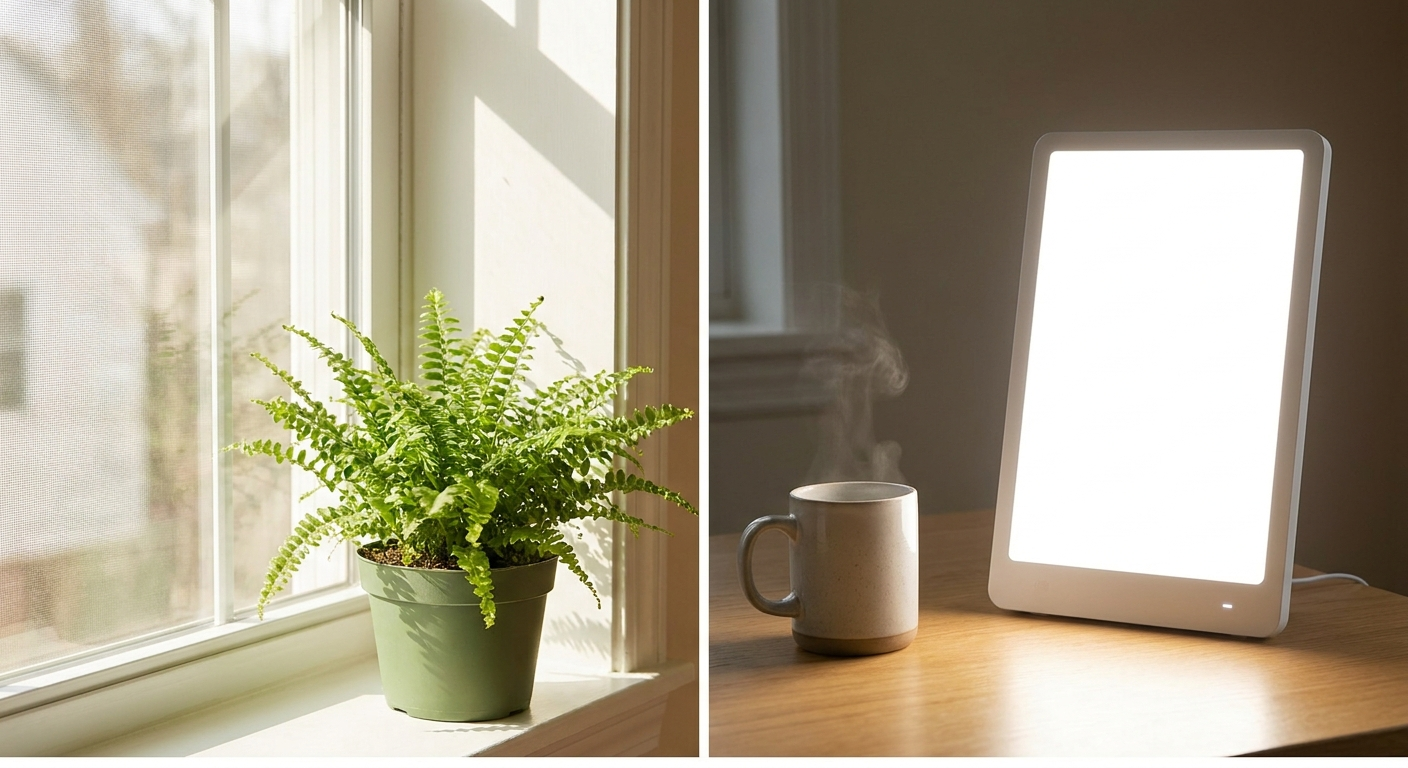
2) Bright light ASAP (sunlight is best)
Light tells your brain, “It’s daytime.” Open curtains right away, step outside for 2–10 minutes, or stand near a bright window. Bright light can improve subjective alertness, even if immediate performance effects vary in the first minutes after waking.[1][2]
Concrete example: drink water by a sunny window, then take a quick walk to the mailbox—small, repeatable, and surprisingly helpful for many people.
3) Drink a full glass of water
Dehydration can contribute to that drained feeling. Keeping water by your bed makes this easy to do before you get distracted.
4) Do 60–180 seconds of gentle movement
Think “signal wakefulness,” not “workout.” Options:
- March in place
- Light stretching
- A quick lap around the house
- A few bodyweight squats
Brief movement raises heart rate and can help reduce sleepiness momentum. If you feel stiff in the morning, start with slower range-of-motion movements and build up.
5) Wash your face or try a brief cool splash (optional)
A cool splash is a simple sensory cue. It’s not required, but many people find it helps them feel alert in the morning—especially when paired with light and movement.
6) Add airflow + simple sensory cues
Open a window, turn on a fan, play upbeat music, or use a consistent scent (like peppermint). These cues won’t “cure” sleep inertia—but they can reinforce your wake routine, which is often half the battle on low-sleep mornings.
*Stack a few small cues—light, water, and movement—for a quicker glide from groggy to functional.*

Caffeine Strategy: How to Use It Without Making Sleep Worse
Caffeine is one of the best-studied countermeasures—timing matters
Caffeine is one of the best-studied countermeasures for sleep inertia, but it usually takes ~12–30 minutes to noticeably kick in.[2] That lag is why pairing caffeine with light and movement can be helpful while you wait.
If caffeine is part of your routine, aim to use it intentionally—more isn’t always better, especially if it pushes into the afternoon and disrupts sleep later.
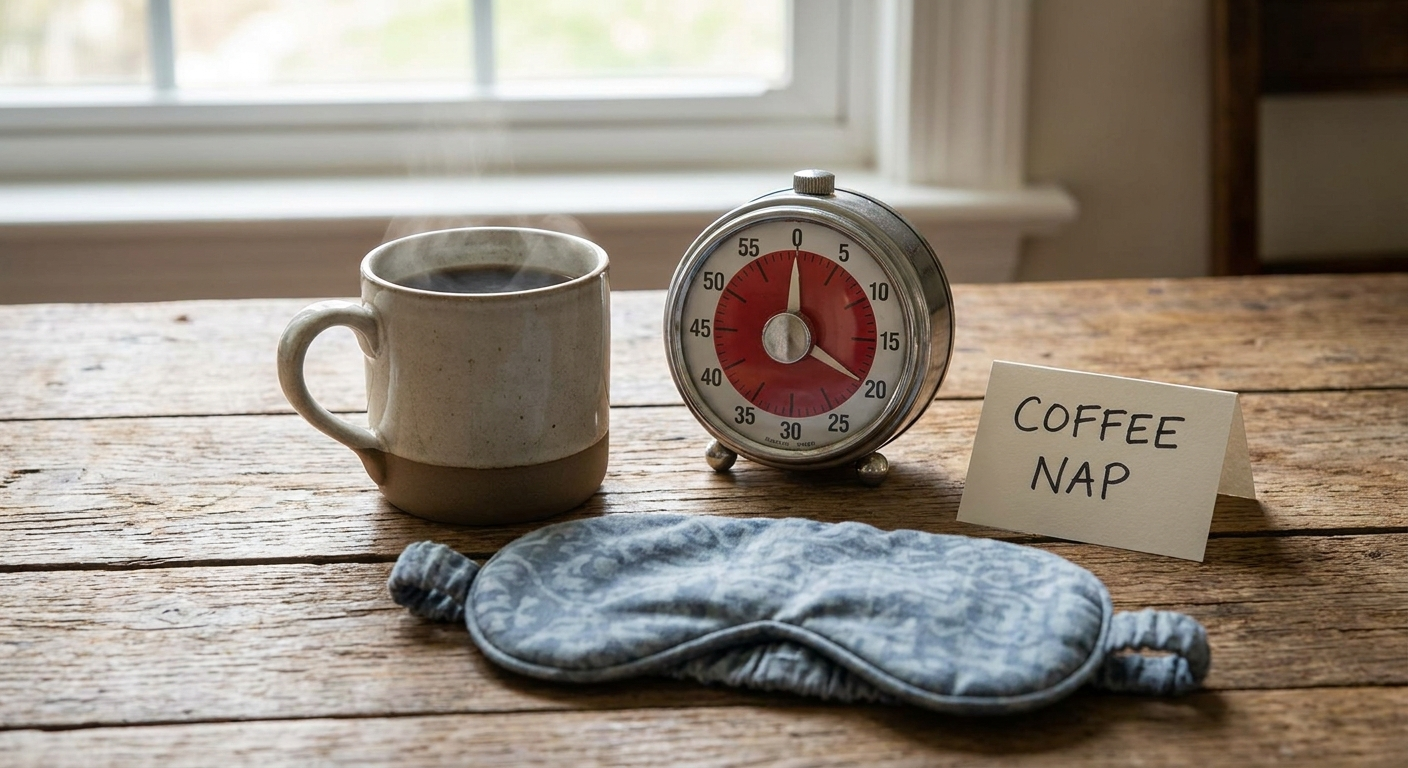
Best practice: “Caffeine + nap” (when feasible)
A coffee nap may help some people:
1) Drink coffee or tea
2) Take a short 10–20 minute nap
3) Wake as caffeine starts to take effect
This can be especially useful for shift workers or after a short night of sleep, as part of fatigue-risk strategies described in occupational guidance.[2][3]
If you can’t nap: what to do instead
If napping isn’t realistic, consider caffeine soon after waking, then stack the basics: bright light + hydration + 2 minutes of movement. This creates a “bridge” until caffeine starts working.
How much caffeine is “enough”
Many people do well starting low (around 50–100 mg) and adjusting based on sensitivity. Caffeine tolerance and side effects vary. People who are pregnant, prone to anxiety, or managing heart rhythm concerns, reflux, or certain medications may want to discuss caffeine use with a clinician.
Cutoff time to protect sleep
A common rule of thumb is avoiding caffeine 6–8 hours before bed, though some people need a longer or shorter buffer.
*Use caffeine as a tool, not a crutch—dose and timing matter as much as the cup itself.*
Bright Light: Natural Sun vs. Light Therapy Lamps
Sunlight routine (easy default)
If you’re looking for how to wake yourself up in the morning without supplements or gadgets, daylight is the simplest starting point:
- Step outside
- Face the direction of daylight (don’t stare at the sun)
- Combine with a short walk for an added alertness boost
Even on cloudy days, outdoor light is often brighter than typical indoor lighting.
When a light box might help
In darker winters, early commutes, or window-limited homes, light therapy boxes may be useful for some people.[1] Because bright light can affect mood and eyes, those with certain eye conditions or mood disorders such as bipolar disorder should seek individualized guidance before using a lamp.
*When in doubt, choose outdoor daylight first; use light boxes cautiously and with guidance if you have eye or mood concerns.*
Breakfast, Hydration, and Temperature: Small Tweaks That Add Up
Eat something balanced (protein + fiber helps)
Breakfast doesn’t have to be big to be stabilizing. Examples:
- Eggs + whole-grain toast
- Greek yogurt + berries + nuts
- Oatmeal + nut butter
A sugar-only breakfast may lead to a faster energy dip later. If mornings are hectic, a simple “default” breakfast you can repeat can reduce decision fatigue.
Consider a warm shower if you feel stiff or slow
A warm shower won’t erase sleep inertia instantly, but it can support comfort and routine consistency—often a big factor in morning success.
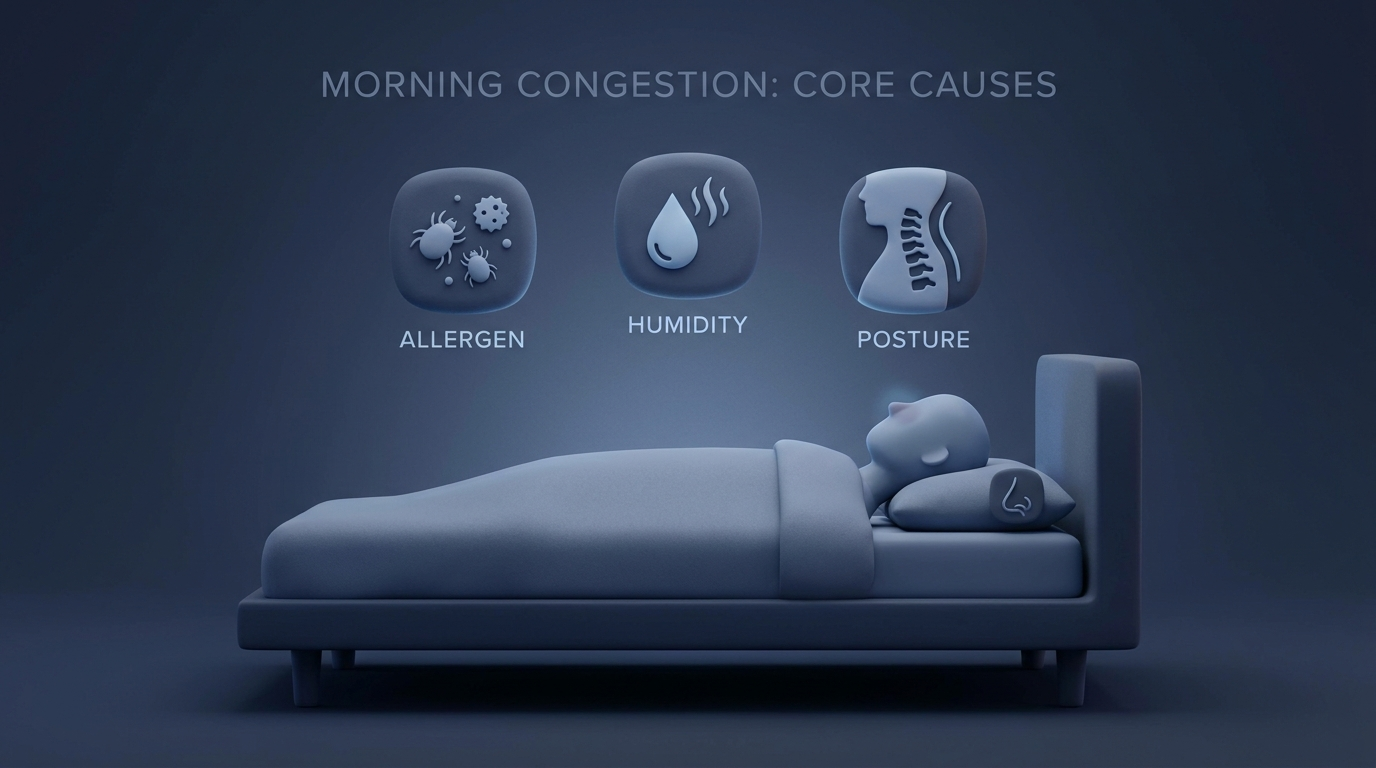
If you wake up congested, address nasal congestion or breathing issues
Nasal congestion can affect sleep quality and morning energy. Simple, non-medicated steps (like saline rinse/spray and humidity adjustments) may help some people feel clearer on waking.
*Small, sustainable habits—hydration, balanced fuel, and comfort—can steady your energy curve through the morning.*
Night-Before Habits That Make Mornings Easier (Prevention > Reaction)
If you’re constantly searching for how to wake yourself up in the morning, it often helps to shift some effort to the night before.
Keep a consistent sleep and wake time
Even a 60–90 minute weekend swing can make weekday mornings feel harder. Consistency helps your body “predict” wake time, which can make wake-ups feel less abrupt.
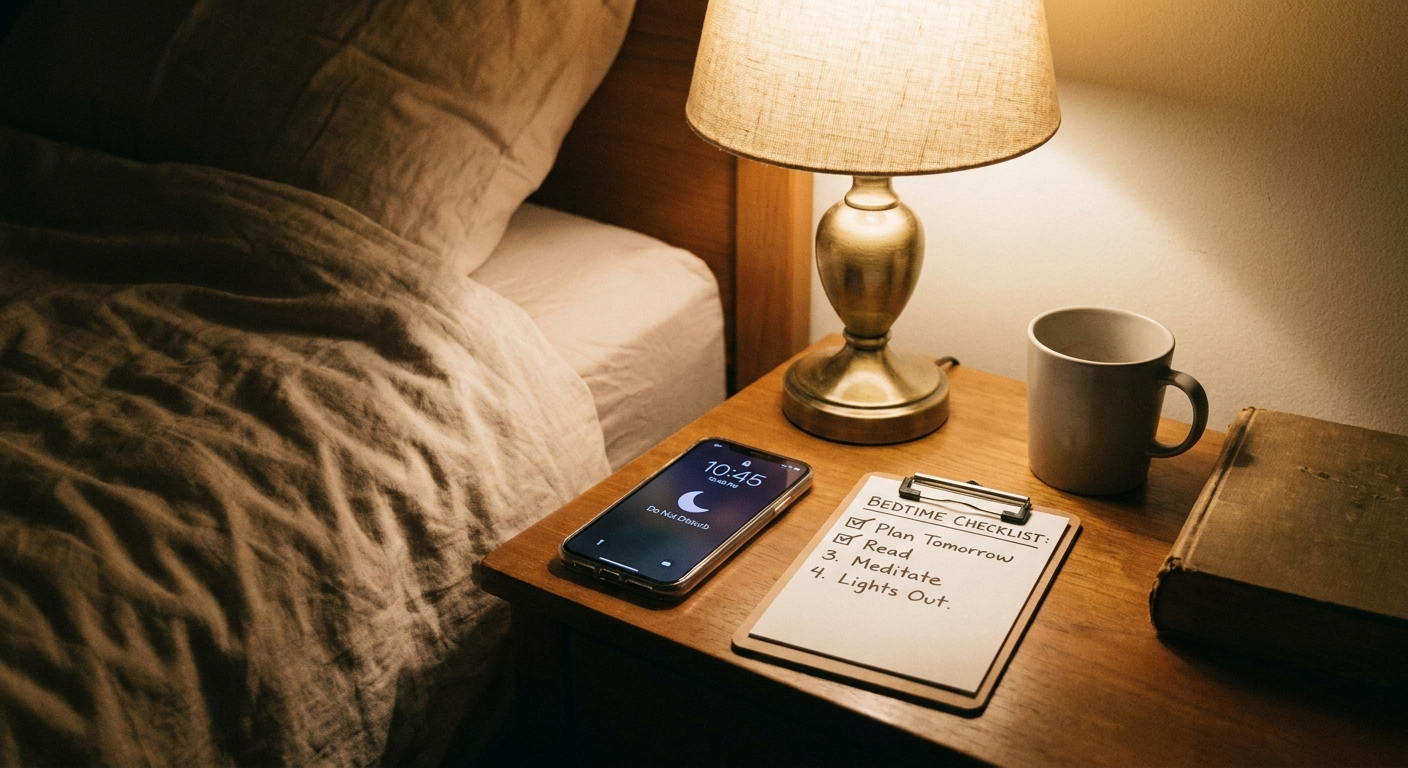
Build a wind-down routine
Dim lights, reduce screens, and pick calm activities that help your brain “downshift.” The goal is repetition—your brain learns the pattern and transitions more smoothly.
Avoid alcohol close to bedtime
Alcohol can fragment sleep and contribute to morning fatigue.[3]
Bedroom environment quick wins
A cooler, darker, quieter room supports deeper sleep—making morning strategies more effective.
For longer-term improvements, see our guide on sleep hygiene and ENT disorders: https://sleepandsinuscenters.com/blog/sleep-hygiene-and-its-impact-on-ent-disorders-key-insights
*The more predictable your nights, the easier your mornings tend to feel.*
Special Situations: What If You Work Nights or Rotating Shifts?
Why shift work increases sleep inertia risk
Shift work often creates circadian mismatch and shorter sleep windows—both of which can increase sleep inertia.[2][3] It’s common to feel “wired but tired,” or to have trouble feeling fully alert at unconventional wake times.
A safer “alertness ladder” for shift workers
Educational strategies often include:
- Bright light at wake time
- Planned caffeine timing
- Strategic short naps when possible
- Protecting a consistent sleep block on off-days when you can
Work-hour guidance highlights these types of fatigue-management approaches for safety-sensitive roles.[3]
*With shift work, plan your light, naps, and caffeine like tools—timing is your best advantage.*
Treatments & When to Seek Medical Help
If sleepiness persists despite lifestyle changes
Ongoing excessive daytime sleepiness may relate to issues such as sleep apnea, insomnia, restless legs, circadian rhythm disorders, medication side effects, or mood disorders. A sleep-focused evaluation can help clarify next steps.
A common clinician framing is: if you’re giving yourself enough time to sleep and still waking up consistently unrefreshed, it’s worth checking why.
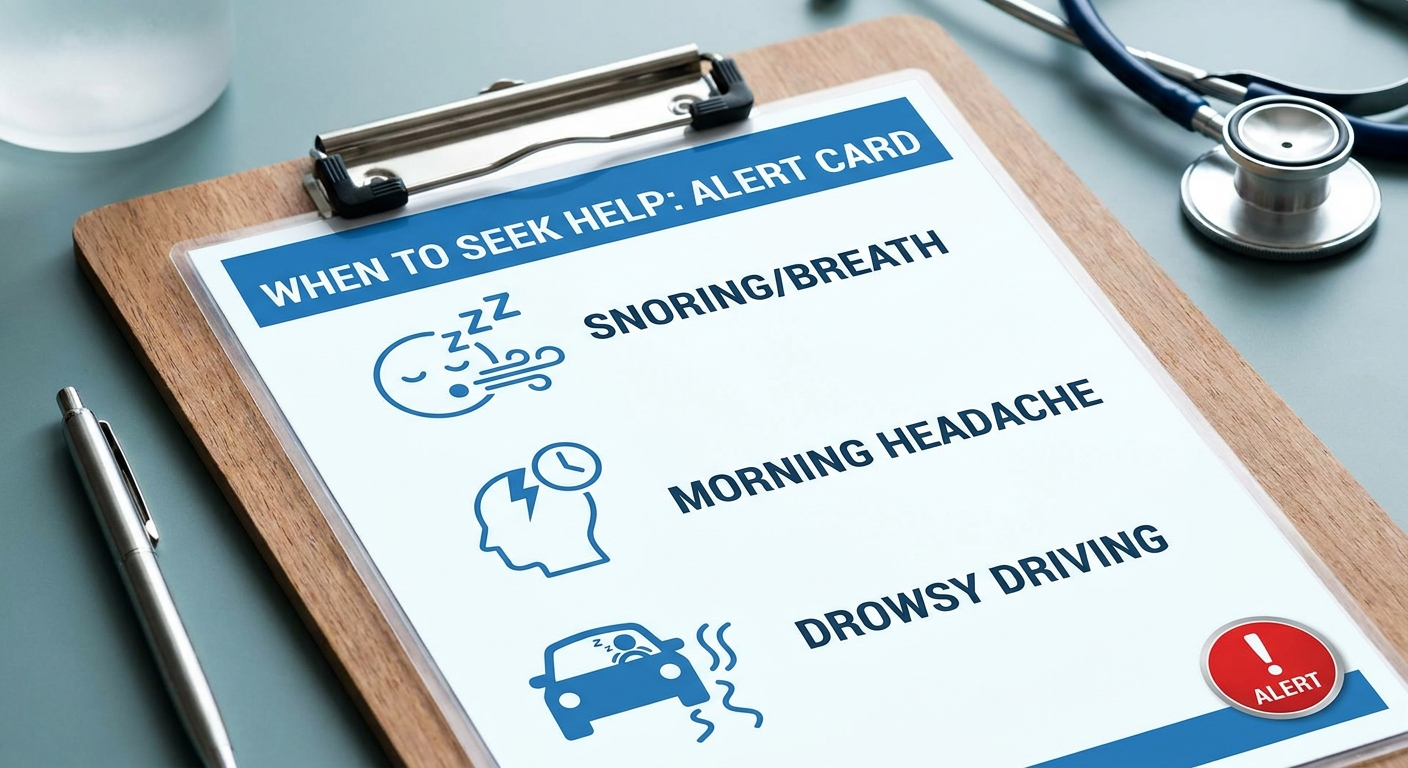
When to talk to a clinician urgently (red flags)
Educationally, it’s worth escalating sooner if there’s:
- Drowsy driving or near-misses
- Falling asleep at work/school unexpectedly
- Waking up choking/gasping
- Loud snoring with witnessed pauses
- Severe morning headaches
What a clinician may recommend
Common next steps include screening questionnaires and, when appropriate, a sleep study. If you want to understand one of the most-used screening tools, see our Epworth Sleepiness Scale (ESS) guide: https://sleepandsinuscenters.com/blog/epworth-sleepiness-scale-a-complete-guide-to-understanding-daytime-sleepiness
If your symptoms are persistent or you’re noticing red flags, a clear next step is to take our quick sleepiness screening and then book an appointment to review your results and options: https://www.sleepandsinuscenters.com/
*If mornings feel unrefreshing most days, a focused sleep evaluation can make a meaningful difference.*
FAQs
What’s the fastest way to wake up?
For many people, the fastest stack is: get out of bed + bright light + water + 2 minutes of movement, then caffeine if appropriate. This combination supports efforts to wake up fast without relying on a single “magic” trick.
Why does hitting snooze make me more tired?
Because you may fall back into sleep and then wake again mid-cycle—often increasing sleep inertia.
How long does it take coffee to wake you up?
Often 12–30 minutes for noticeable effects, though it varies.[2]
Does a cold shower wake you up better than warm?
Some people feel more alert with cold exposure, but evidence is limited and it is not necessary. The best routine is one you can do consistently and safely.
Why am I tired even after 8 hours of sleep?
This can happen when sleep quality is disrupted (fragmented sleep, breathing issues, or schedule mismatch). If it’s frequent, consider screening and follow-up.[1]
Key Takeaways (Summary Box)
- Sleep inertia is real and common—especially after short sleep or abrupt wake-ups.[1][2]
- There’s no guaranteed instant fix for everyone in the first 15 minutes.[2]
- The most helpful low-risk combo: light + movement + hydration + no snooze + smart caffeine timing.
- If excessive sleepiness is persistent or includes red flags, consider screening and clinical support.
References
[1]: Sleep Foundation. (2023). Sleep Inertia. https://www.sleepfoundation.org/how-sleep-works/sleep-inertia
[2]: Hilditch, C. J., Dorrian, J., & Banks, S. (2016). Time to wake up: reactive countermeasures to sleep inertia. https://pmc.ncbi.nlm.nih.gov/articles/PMC5136610/
[3]: CDC/NIOSH. (2020). Work Schedules: Shift Work and Long Work Hours (training module). https://www.cdc.gov/niosh/work-hour-training-for-nurses/longhours/mod7/03.html
“This article is for educational purposes only and is not medical advice. Please consult a qualified healthcare provider for diagnosis and treatment.”
Don’t let allergies slow you down. Schedule a comprehensive ENT and allergy evaluation at Sleep and Sinus Centers of Georgia. We’re here to find your triggers and guide you toward lasting relief.