How to Sleep Through the Night Without Waking Up: Proven Tips for Better Sleep
Introduction — You’re Not Alone If You Wake Up at Night
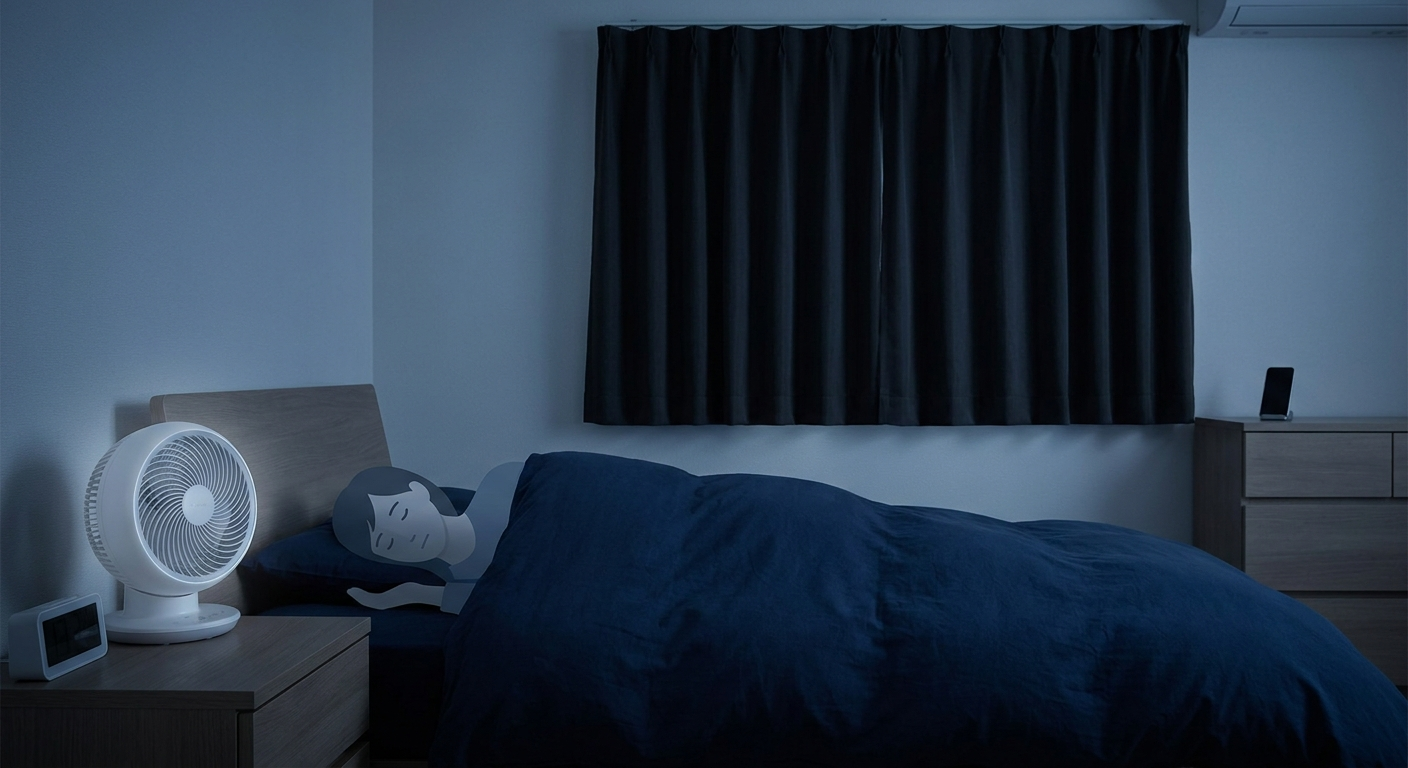
If you wake up at night and wish you could sleep through the night without waking up, you’re in good company. Brief awakenings can happen naturally between sleep cycles—many people simply roll over and never remember it the next morning.
The problem is when sleep becomes fragmented often enough that you feel it the next day: low energy, irritability, poor focus, or that “I slept, but I’m not rested” feeling. This guide covers common symptoms, likely causes, practical lifestyle and environment fixes, evidence-based CBT‑I strategies, and signs it’s worth talking with a clinician—based on trusted guidance from the CDC, Mayo Clinic, and the Sleep Foundation. Bottom line: occasional brief awakenings are common, but frequent or prolonged wake-ups that affect your days are worth addressing.
What “Sleeping Through the Night” Really Means
Normal brief awakenings vs. a real sleep problem
“Sleeping through the night” doesn’t necessarily mean being unconscious for 7–9 hours straight. Brief awakenings can happen naturally between sleep cycles, but frequent or prolonged awakenings may signal a problem. A useful analogy: sleep is more like taking a long flight than flipping a switch. You might “surface” briefly without fully waking, then settle back in. The difference is duration and impact. If you’re awake long enough to feel frustrated, start problem-solving, or need a long time to fall back asleep, that’s more likely to be disruptive.
When waking up becomes a concern
Pay attention if you’re waking most nights, regularly struggling to fall back asleep, or feeling unrefreshed on most mornings. A simple sleep log for 1–2 weeks can help you spot patterns (bedtime, wake time, caffeine/alcohol, screen use, stress, nighttime bathroom trips). If you like structure, keep it simple: jot down the time you went to bed, the time you woke up for the day, and a quick note like “2 awakenings + phone scrolling” or “warm room + thirsty.” Think patterns, not perfection: consistent clues in your log can point to the most effective fixes.
Symptoms to Watch For (Sleep Fragmentation Signs)
Nighttime symptoms
Waking up multiple times per night; racing thoughts, worry, or a “wired” feeling when you wake; sweating, gasping, choking, or suddenly snorting awake (possible breathing-related issue).
Daytime symptoms
Sleepiness, fatigue, low energy; irritability or mood changes; trouble concentrating or feeling foggy; headaches—especially morning headaches, which can be a clue for sleep-disordered breathing in some people. A practical way to gauge severity: ask yourself whether you’re compensating. More caffeine than usual, naps you don’t want, or feeling “fine” until you sit down—those can be signs your sleep isn’t as continuous as it needs to be. If your days feel propped up by caffeine or naps, your nights likely need attention.
Why You Keep Waking Up at Night (Most Common Causes)
A helpful way to think about nighttime awakenings is a “two-bucket” approach: sleep habits/environment plus health/medical contributors. Often, it’s not one dramatic cause—it’s several small things stacking up.
Sleep schedule and circadian rhythm mismatch
Inconsistent sleep and wake times can weaken your body clock cues, which may make sleep lighter and more easily disrupted. Keeping a steady schedule is a core CDC recommendation for better sleep. Source: CDC Sleep Basics (2024) https://www.cdc.gov/sleep/about/index.html. If your bedtime swings by a couple hours across the week, your brain can end up unsure when “night” really is—making those early-morning hours more vulnerable to wake-ups.
Bedroom environment problems (too warm, bright, or noisy)
An overly warm, bright, or noisy bedroom can contribute to nighttime awakenings. Light leaks, phone notifications, pets moving around, a warm room, or an inconsistent fan can all play a role. Source: Sleep Foundation Sleep Hygiene (2023) https://www.sleepfoundation.org/sleep-hygiene. Think of it as “micro-wake-ups”: you might not fully wake each time, but enough small disturbances can add up to lighter, choppier sleep. For practical, ENT-informed tips, see: https://sleepandsinuscenters.com/blog/sleep-hygiene-and-its-impact-on-ent-disorders-key-insights
Screen time and light exposure at night
Bright screens and late-night scrolling can delay sleepiness, reduce wind-down time, and make it easier to wake again. A common pattern: you wake briefly, grab your phone “just for a second,” then your brain gets re-engaged—now you’re awake-awake. Learn more about blue light and sleep: https://sleepandsinuscenters.com/blog/blue-light-and-its-impact-on-ent-related-sleep-disorders-1bca5
Caffeine timing (it lasts longer than most people think)
Many people focus on “how much” caffeine, but the more overlooked issue is when. Coffee, tea, soda, and energy drinks later in the day can contribute to lighter, more fragmented sleep—especially if you’re sensitive to caffeine. If you fall asleep quickly but wake at 2–4 a.m. feeling alert, caffeine timing is a reasonable experiment to run.
Alcohol: helps you fall asleep—then backfires later
Alcohol can feel sedating at first, but it’s linked with reduced REM sleep and more awakenings later in the night, which can worsen sleep continuity and sleep maintenance insomnia. Source: Alcohol and the Sleeping Brain (2018) https://pmc.ncbi.nlm.nih.gov/articles/PMC5821259/
Stress, anxiety, and “conditioned wakefulness”
Stress can cause awakenings—and so can the habit that sometimes follows: the bed becomes associated with planning, worrying, or clock-watching. Over time, that association can keep the brain more alert at night. Many clinicians describe it like this: your bed can accidentally become a “thinking station.” CBT‑I works in part by turning it back into a “sleep station.”
Medical causes that deserve evaluation
Some causes of waking up at night are best addressed by treating an underlying condition. Common examples include sleep apnea (often with snoring, witnessed pauses, gasping/choking); pain conditions (arthritis, headaches, reflux); nocturia (waking to urinate); mood disorders (depression/anxiety) and certain medications. Mayo Clinic notes that addressing underlying contributors can be an important part of insomnia care. Source: Mayo Clinic (2022) https://www.mayoclinic.org/diseases-conditions/insomnia/in-depth/insomnia-treatment/art-20046677. Most nighttime awakenings stem from a few fixable factors—identify yours, and your sleep can get deeper and steadier.
Foundational Lifestyle Tips That Improve Sleep Continuity (Start Here)
If your goal is to sleep through the night without waking up, start with the basics. These changes often make the biggest difference because they reduce preventable triggers for sleep disruption.
Keep a consistent sleep–wake schedule (even weekends)

A steady wake time is often the anchor habit. Consistency supports circadian rhythm and may reduce middle-of-the-night wake-ups over time. Source: CDC Sleep Basics (2024) https://www.cdc.gov/sleep/about/index.html. If weekends derail you, try a “middle step”: keep your wake time within about an hour, then use earlier light exposure and movement to help your body clock lock in.
Make your bedroom “sleep-only”: cool, dark, quiet
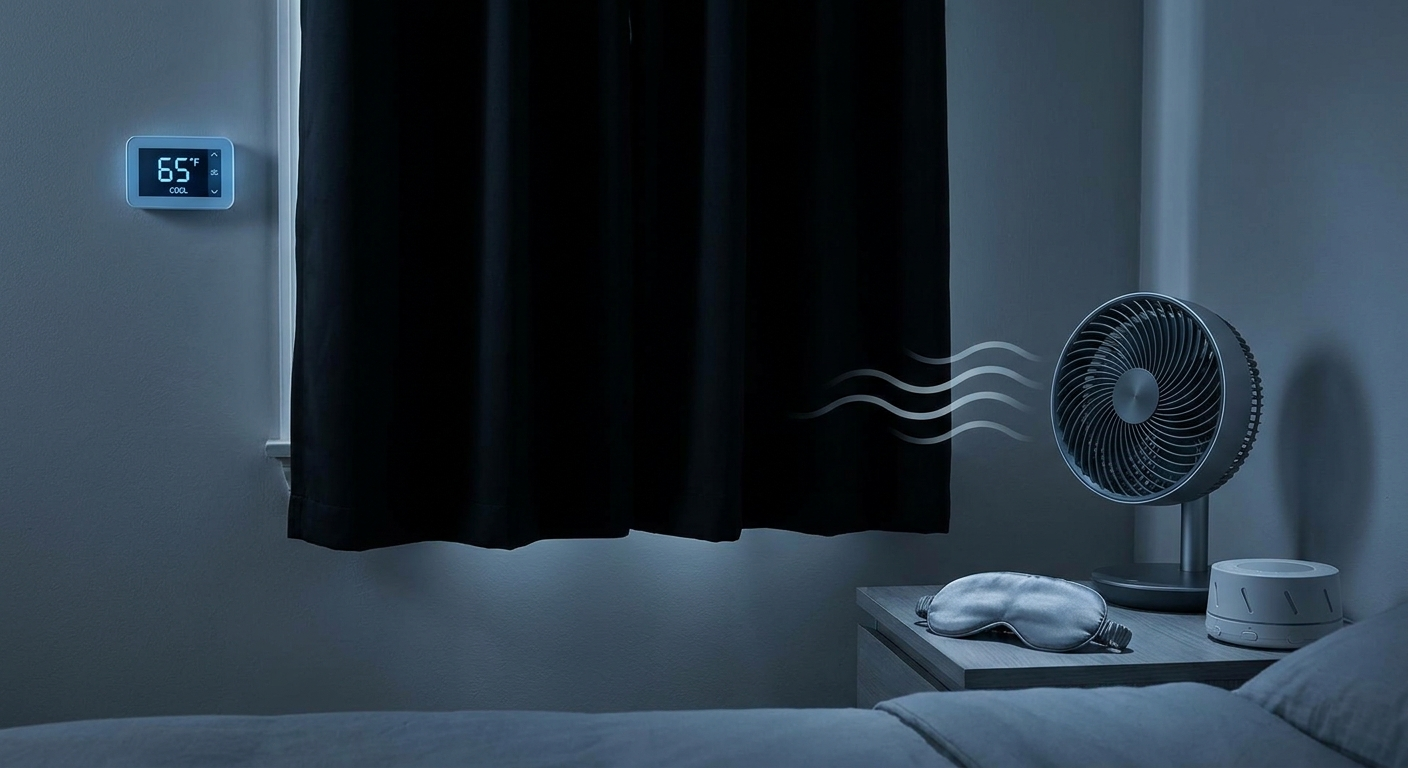
Aim for a bedroom setup that supports continuous sleep: cooler temperature, darkness (blackout curtains or an eye mask), and quiet (white noise, a fan, or earplugs if appropriate). For more on improving sleep hygiene: https://sleepandsinuscenters.com/blog/sleep-hygiene-and-its-impact-on-ent-disorders-key-insights. Sources: CDC Sleep Basics (2024) https://www.cdc.gov/sleep/about/index.html; Sleep Foundation (2023) https://www.sleepfoundation.org/sleep-hygiene. One easy audit: stand in your room at bedtime and look for tiny light sources (chargers, hallway light, TV standby lights). Small fixes can reduce small awakenings.
Create a 30–60 minute “wind-down” routine

A repeatable routine helps signal your brain and body that sleep is approaching. Examples: dim lights, shower, gentle stretching, reading, relaxing audio, journaling a quick “tomorrow list.” If your mind tends to rev up at night, that “tomorrow list” can act like a mental bookmark: you’re not ignoring tasks—you’re postponing them on purpose.
Cut screens earlier than you think you need to
Try a “digital sunset” (for example, 30–60 minutes before bed). Practical ideas: charge the phone outside the bedroom, switch to audio-only content, or use low-light settings—while keeping the goal of reducing stimulation. The goal isn’t perfection. It’s making it less likely you’ll reach for your phone during a 3 a.m. wake-up.
Rethink evening food and drink
Heavy or spicy meals close to bedtime can worsen reflux for some people and lead to awakenings. If nighttime bathroom trips are your pattern, adjusting late-evening fluids (without restricting hydration overall) may help. A simple test: keep dinner a bit earlier for a week and note whether your awakenings change.
Time caffeine carefully
If you suspect caffeine is part of your sleep maintenance insomnia, experiment with a personal cutoff time (often earlier afternoon). Your best cutoff depends on sensitivity, dose, and sleep pattern.
Avoid alcohol as a sleep aid
If alcohol is part of your evening routine, it may be worth testing a week or two without it to see whether you experience fewer awakenings and better sleep quality. Source: Alcohol and the Sleeping Brain (2018) https://pmc.ncbi.nlm.nih.gov/articles/PMC5821259/
Exercise (but avoid very intense workouts right before bed)
Regular physical activity supports sleep for many people. Timing matters: some find that vigorous exercise close to bedtime is overly stimulating, while earlier activity improves sleep depth. Small, consistent lifestyle shifts often do more for continuous sleep than any single “hack.”
What to Do When You Wake Up at 2–4 a.m. (In-the-Moment Strategies)
Don’t “try harder” to sleep (it often backfires)
When you wake and immediately start forcing sleep, the brain can interpret that effort as a threat, increasing arousal and making it harder to drift off—especially during those nights when you’re wondering how to stop waking up at 3 a.m. A more helpful mindset: “My job is to stay calm and sleepy-friendly. Sleep will follow.”
Use a CBT‑I stimulus-control approach
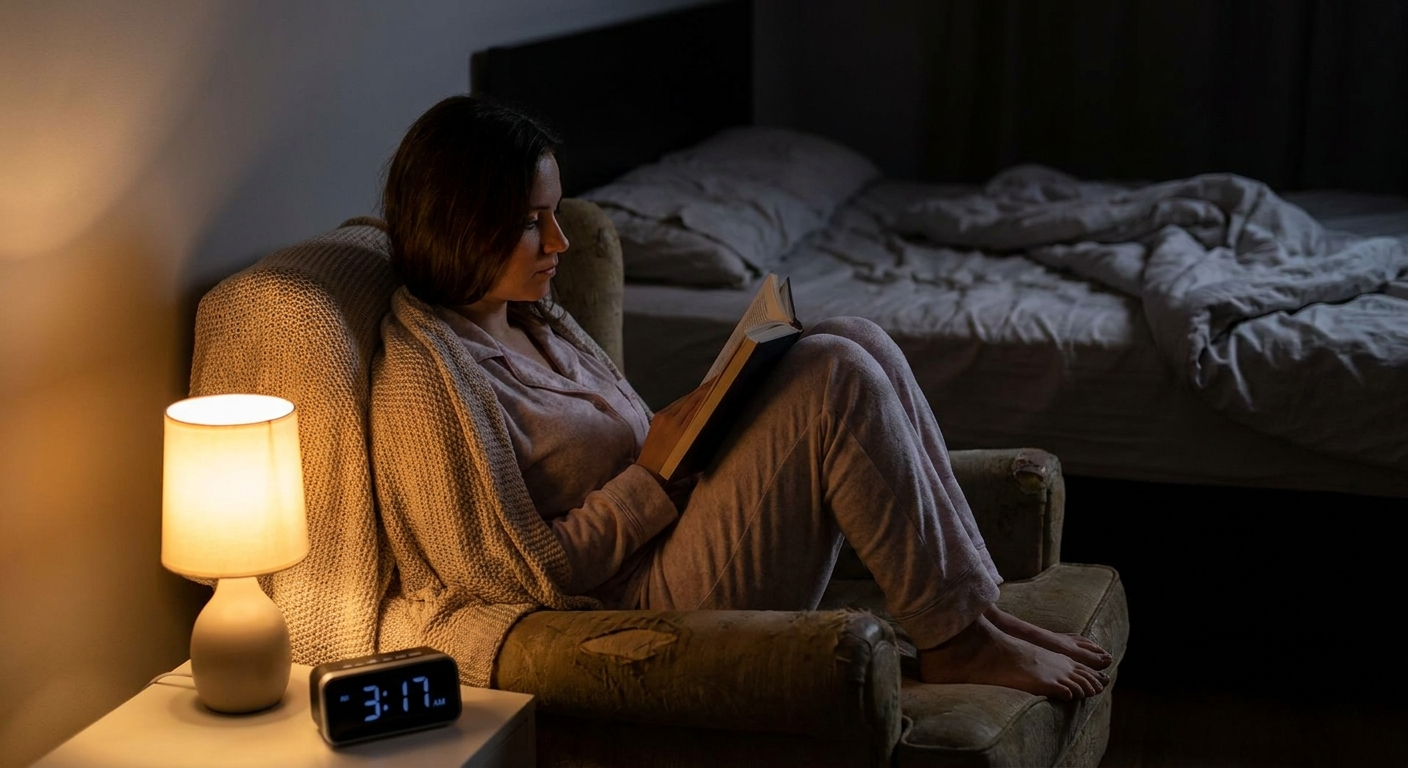
If you find yourself awake for an extended period, get out of bed briefly and do something quiet in dim light (reading, calming music, gentle breathing). Return to bed only when sleepy. This helps retrain the brain to link the bed with sleep rather than wakefulness. Source: Mayo Clinic (2022) https://www.mayoclinic.org/diseases-conditions/insomnia/in-depth/insomnia-treatment/art-20046677. Example: sit in a chair with a low lamp and read something neutral.
Keep lights low and avoid clock-watching
Clock-checking can fuel stress and mental math. Turn the clock away and keep the phone out of reach.
Calm your body quickly
Use paced breathing, progressive muscle relaxation, or a short guided audio track at low volume. In the middle of the night, your goal is to reduce arousal—not to “win” sleep on command.
When Sleep Hygiene Isn’t Enough: Evidence-Based Treatment for Persistent Awakenings
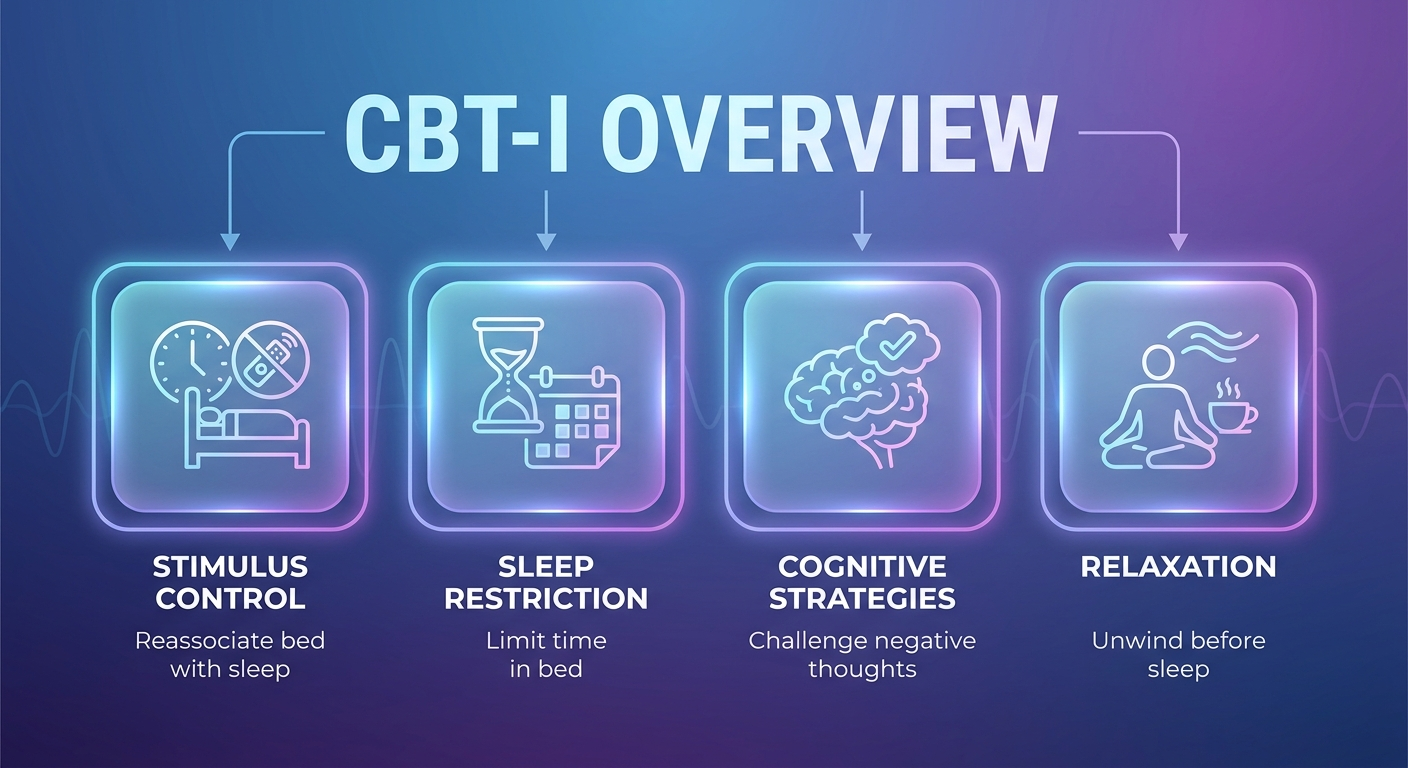
CBT‑I is first-line treatment for chronic insomnia (including sleep-maintenance insomnia)
When awakenings are frequent and ongoing, CBT‑I is widely recommended as a first-line treatment because it targets the patterns that maintain insomnia (behaviors, scheduling, and unhelpful thoughts about sleep). Source: Mayo Clinic (2022) https://www.mayoclinic.org/diseases-conditions/insomnia/in-depth/insomnia-treatment/art-20046677. In plain language, CBT‑I helps you stop “feeding” insomnia—often by adjusting what you do when sleep doesn’t happen on schedule.
Key CBT‑I tools (patient-friendly overview)
Stimulus control (re-associating the bed with sleep); sleep restriction (temporarily adjusting time-in-bed to strengthen sleep drive, typically with guidance); cognitive strategies (reducing catastrophic thinking and “sleep performance” pressure); relaxation training (lowering physical and mental arousal); sleep education (realistic expectations and a workable schedule).
How to access CBT‑I
Options can include a therapist trained in CBT‑I or structured digital CBT‑I programs, sometimes supported by a clinician depending on availability.
What about medications or supplements?
Some people explore medications or supplements for short-term relief, but they’re generally not the long-term foundation for sleeping well. Discuss options, risks, and interactions with a clinician—especially if awakenings are frequent, severe, or tied to other symptoms. If simple changes haven’t helped, structured CBT‑I often provides the roadmap back to steady sleep.
When to See a Clinician (Important Red Flags)
Signs you should be evaluated for sleep apnea or another condition
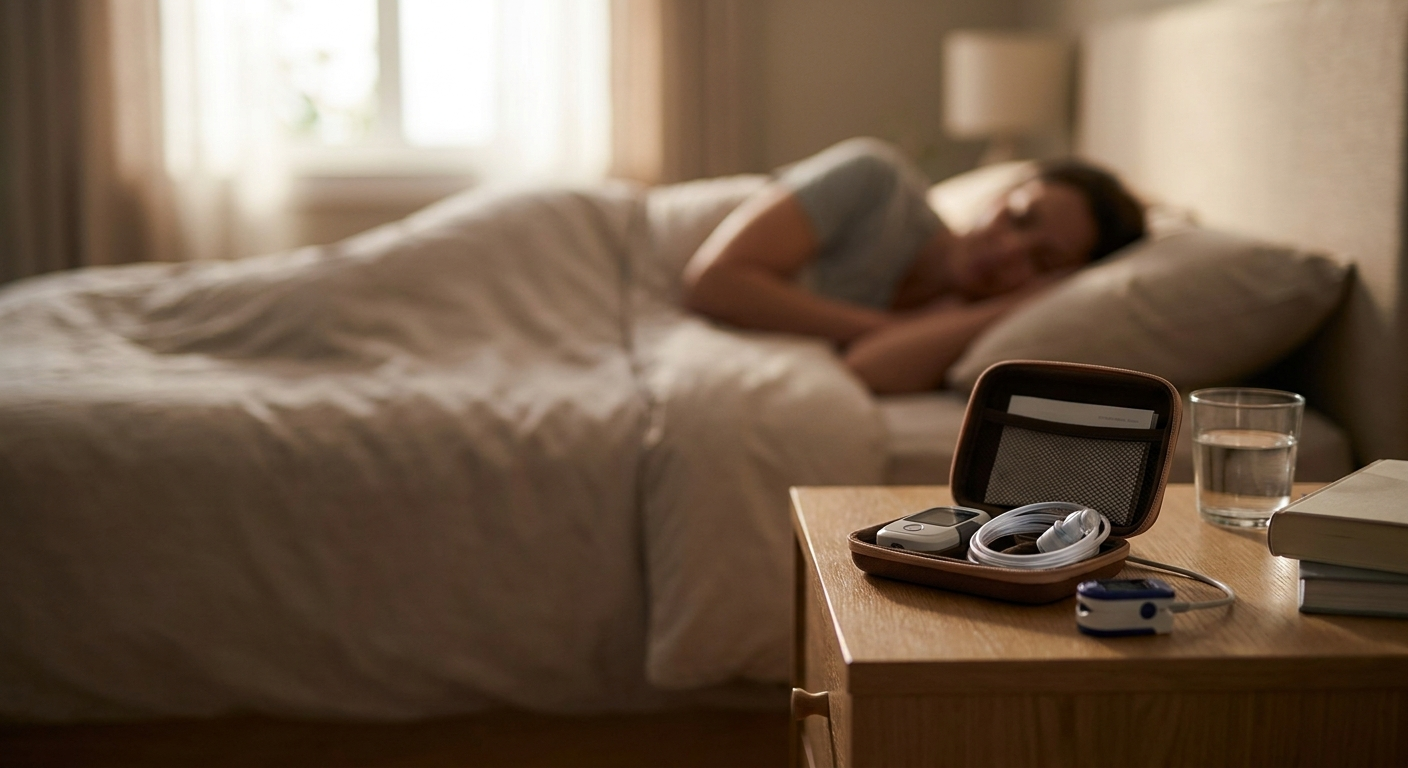
Consider a clinical evaluation if you notice: loud snoring, witnessed breathing pauses, or gasping/choking awakenings; significant daytime sleepiness, morning headaches, or concerns about high blood pressure; persistent nocturia; pain or reflux symptoms that repeatedly wake you. If sleep apnea may be contributing to your symptoms, a clinician can determine whether testing is appropriate. Learn more about care options: https://sleepandsinuscenters.com/snoring-sleep-apnea-treatment
Why medical evaluation matters
When a medical contributor is driving awakenings, treating the underlying issue can be the turning point that helps you sleep through the night more consistently. If red flags are present, getting evaluated can unlock targeted treatments that improve sleep quickly.
Treatment Paths If a Medical Cause Is Found
Sleep apnea treatment options (high-level overview)
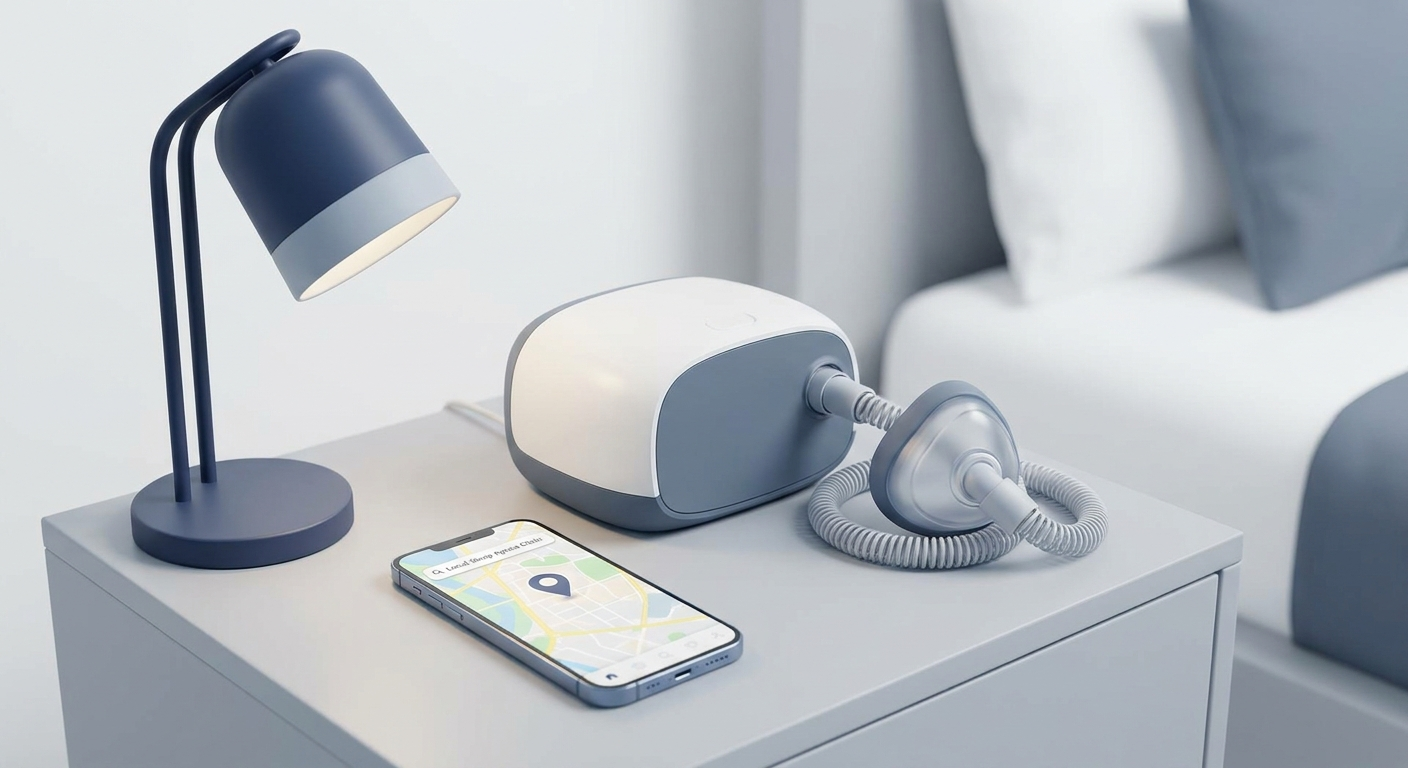
Depending on the individual, treatment can include CPAP, oral appliances, positional therapy, weight management, and other ENT- or sleep-medicine–guided options. Explore care options: https://sleepandsinuscenters.com/snoring-sleep-apnea-treatment
Pain, reflux, and nocturia management
If awakenings are driven by pain, reflux, or nighttime urination, treatment often involves coordinating care and addressing the specific trigger(s) rather than focusing only on sleep habits. When the root cause is treated, continuous sleep usually follows.
FAQs (SEO-Friendly)
Is it normal to wake up at 3 a.m. every night?
Occasional awakenings can be normal, but a consistent 3 a.m. pattern may suggest a schedule issue, stress-related arousal, environmental disruption, or a health factor worth evaluating—especially if you feel unrefreshed.
How long should it take to fall back asleep?
There’s no single right number, but if you’re regularly awake long enough to feel stressed or exhausted the next day, that’s a sign to try structured strategies (like stimulus control) and consider CBT‑I.
Does alcohol help sleep quality?
Alcohol may help with falling asleep at first, but it can reduce REM and increase later-night awakenings—worsening sleep continuity. Source: https://pmc.ncbi.nlm.nih.gov/articles/PMC5821259/
What’s the best bedroom temperature for sleep?
Many people sleep best in a slightly cool room. If you’re waking sweaty or tossing and turning, adjust thermostat settings, bedding, or airflow as a practical experiment.
Should I take melatonin if I wake up in the middle of the night?
Melatonin is more of a body clock signal than a sedative. Whether it’s appropriate depends on the sleep pattern and timing, so discuss with a clinician—especially if you take other medications or have ongoing insomnia.
What if I wake up to pee every night?
Occasional nighttime urination can happen, but frequent nocturia can be related to timing of fluids, sleep disruption, bladder issues, or other medical factors. If it’s persistent or worsening, consider bringing it up with a clinician.
When is CBT‑I recommended?
CBT‑I is often recommended when insomnia symptoms (including sleep maintenance insomnia) occur multiple nights per week for several months, or when self-directed sleep hygiene tips haven’t resolved the issue. Source: Mayo Clinic (2022) https://www.mayoclinic.org/diseases-conditions/insomnia/in-depth/insomnia-treatment/art-20046677
Quick “Better Sleep Tonight” Checklist
Keep the same wake time tomorrow; set up a cool, dark, quiet bedroom; screens off 30–60 minutes before bed; avoid late caffeine and avoid alcohol as a sleep aid; if awake too long, get out of bed in dim light for a calm activity (CBT‑I stimulus control).
Conclusion + Next Step
Most people improve sleep continuity by combining a consistent schedule, a bedroom setup that supports sleep, and proven CBT‑I strategies—while also checking for medical causes when needed. If you’ve been trying to sleep through the night without waking up and the problem persists (especially with snoring, gasping, morning headaches, or heavy daytime sleepiness), consider scheduling an evaluation to look for underlying contributors like sleep apnea. Next step (CTA): If you’re ready to get answers, you can book an appointment with Sleep and Sinus Centers of Georgia: https://www.sleepandsinuscenters.com/. A few targeted changes—and, when needed, the right evaluation—can turn choppy nights into steady, restorative sleep.
References
CDC — Sleep Basics (2024): https://www.cdc.gov/sleep/about/index.html; Mayo Clinic — Insomnia Treatment / CBT‑I (2022): https://www.mayoclinic.org/diseases-conditions/insomnia/in-depth/insomnia-treatment/art-20046677; Sleep Foundation — Sleep Hygiene (2023): https://www.sleepfoundation.org/sleep-hygiene; Alcohol and the Sleeping Brain (NCBI/PMC, 2018): https://pmc.ncbi.nlm.nih.gov/articles/PMC5821259/
This article is for educational purposes only and is not medical advice. Please consult a qualified healthcare provider for diagnosis and treatment.
Don’t let allergies slow you down. Schedule a comprehensive ENT and allergy evaluation at Sleep and Sinus Centers of Georgia. We’re here to find your triggers and guide you toward lasting relief.