How to Adjust CPAP Pressure: Step-by-Step Guide for Safe, Effective Therapy
Quick Safety Takeaway
- CPAP pressure is prescription therapy—it’s not something to change casually or “experiment” with on your own.
- The safest way to review CPAP pressure settings is clinician-guided and data-driven, using a titration study and/or your device’s therapy data.
- Some modern machines allow clinician-initiated remote setting changes, depending on the device and care setup.¹ ²
- A helpful mindset: instead of “How do I change my pressure?” think “How do I get my pressure reviewed safely?”
Takeaway: Always ask your sleep clinician to review your data before any pressure change is made.
What CPAP Pressure Does (and Why the “Right” Number Matters)
CPAP pressure explained in plain language
A CPAP machine delivers a steady flow of air that helps hold (“splint”) your airway open during sleep. When the airway stays open, breathing disruptions—like apneas, hypopneas, and snoring—are reduced.
CPAP pressure is measured in centimeters of water (cm H₂O). Think of CPAP pressure as a gentle air “support”—enough to keep the airway from collapsing, but not so much that it becomes uncomfortable or hard to tolerate.
The “right” number is the one that effectively treats airway collapse while staying comfortable enough that you can use the therapy consistently. In real life, “effective” and “comfortable” have to work together—because even a perfectly chosen pressure won’t help if you can’t sleep with it.
What clinicians aim for when setting pressure
- Reduce breathing events so residual AHI is often targeted to be below 5 events/hour, depending on the patient and clinical context.¹
- Maintain oxygenation, with SpO₂ commonly kept above 90% during titration when feasible, while avoiding unnecessarily high pressures.¹ ³
If you’ve heard the terms “events per hour,” “AHI,” or “residual AHI,” this is the metric many devices report and many clinicians use as part of follow-up. For a clear explanation, see: https://sleepandsinuscenters.com/blog/ahi-score-explained-understanding-your-sleep-apnea-severity
Takeaway: The right pressure is the lowest setting that controls events and feels comfortable enough to use every night.
The Safest Ways CPAP Pressure Gets Adjusted (Gold Standard vs. At-Home Options)
Gold standard: In-lab CPAP titration study (polysomnography)
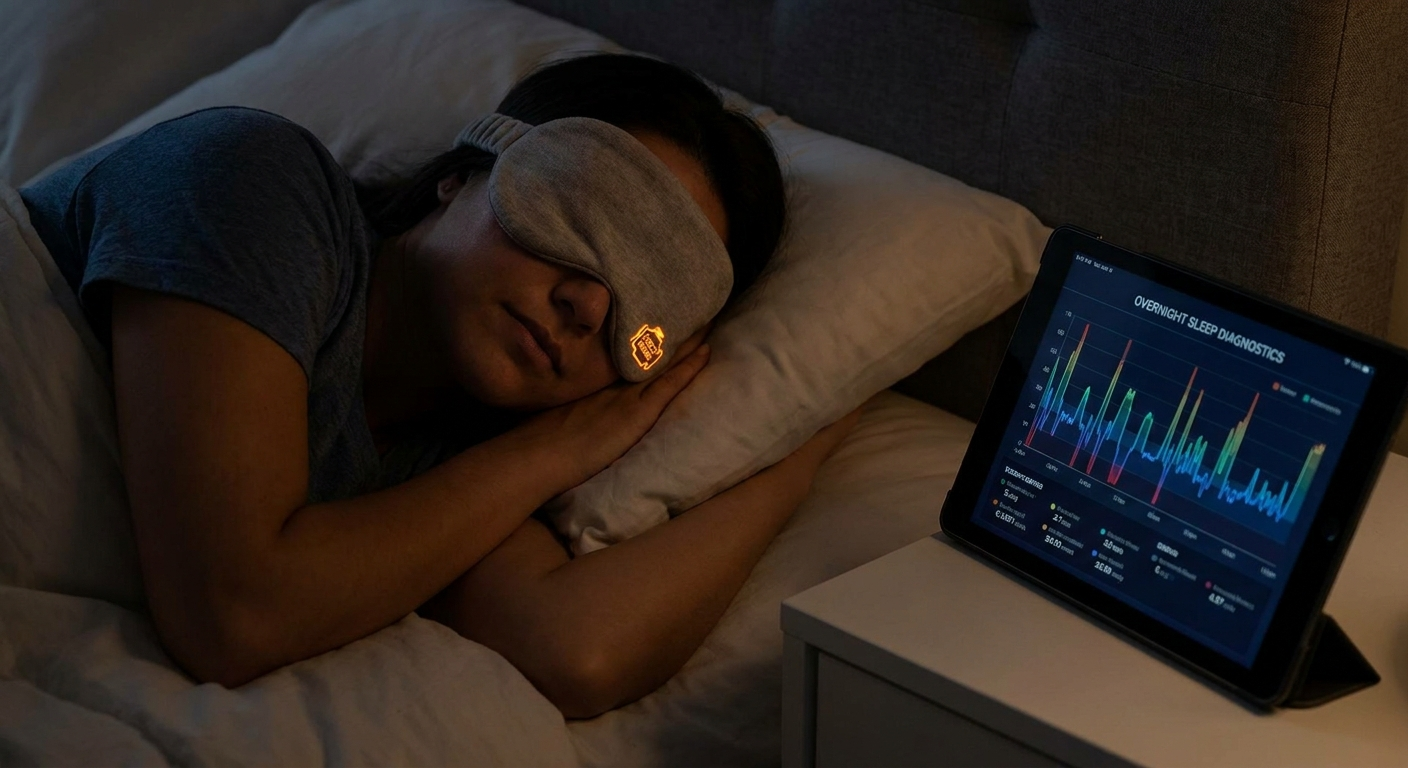
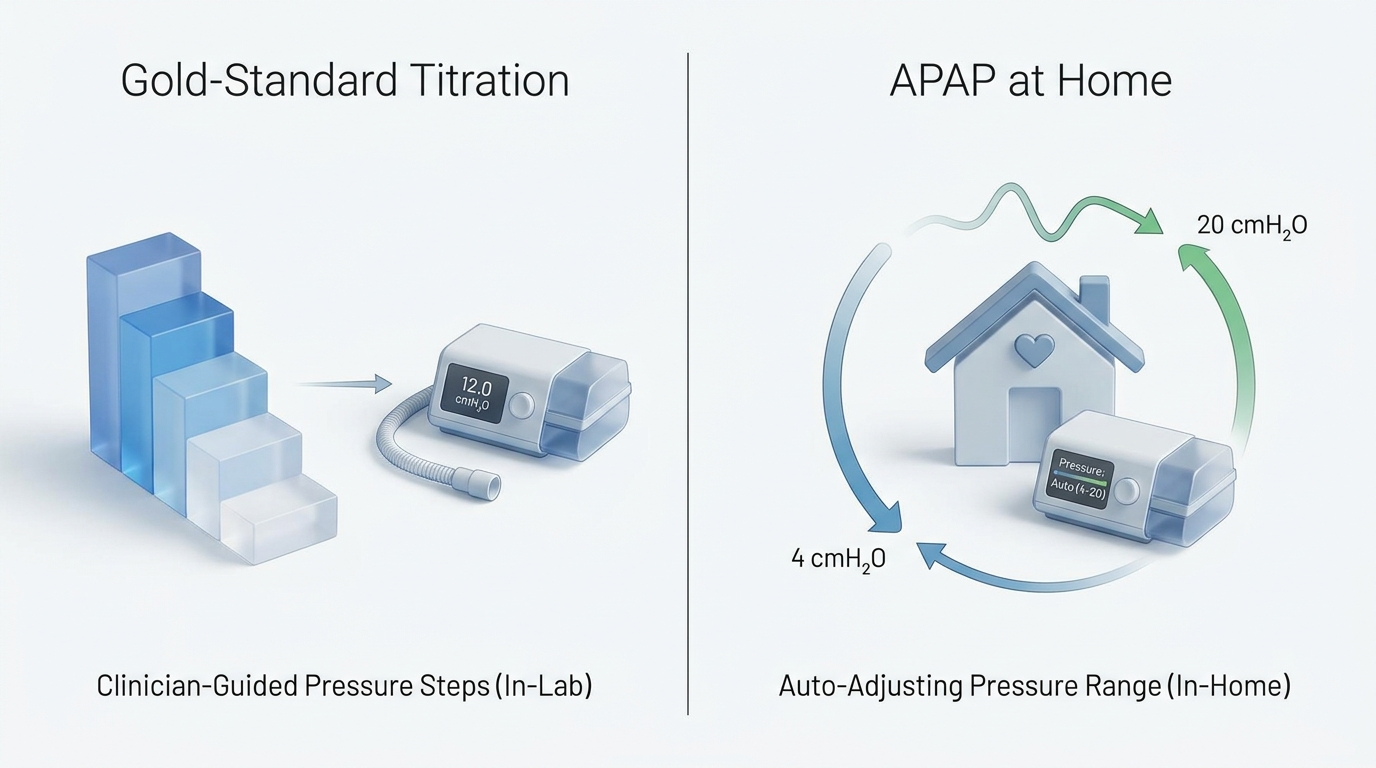
The most established method for determining an effective fixed pressure is an attended, in-lab CPAP titration study. During the study, a trained sleep technologist adjusts pressure while monitoring breathing, oxygen levels, sleep stages, and respiratory events.
AASM titration guidance commonly uses small stepwise increases, often 1 cm H₂O or more, with time allowed between adjustments to observe response.¹ That “pause and watch” period matters—it allows the team to see whether breathing stabilizes, oxygenation improves, and events truly drop before moving higher.
A simple way to picture it: titration is like dialing in a prescription lens. Small changes can sharpen the outcome, and going too far can make things worse.
Common alternative: APAP (auto-adjusting PAP) at home
Many people start on, or transition to, APAP, where an auto-adjusting machine changes pressure within a set range based on breathing patterns and airflow signals during sleep.
APAP can be useful when pressure needs vary by:
- Sleep position (back vs. side)
- Alcohol or sedative use
- Nasal congestion
- REM vs. non-REM sleep
A practical example: someone might be prescribed an auto range, and the device may spend most of the night at lower pressures—but climb during REM or back-sleeping when the airway is more likely to collapse. Your clinician can then review those trends to decide whether to narrow the range, convert to a fixed pressure, or keep auto mode.
Clinicians can review APAP data to:
- Set a long-term fixed CPAP pressure, or
- Keep the device in auto mode when appropriate.² ³
Deeper overview: https://sleepandsinuscenters.com/blog/apap-machine-what-it-is-better

Remote monitoring and clinician-initiated wireless adjustments
Many newer devices upload nightly information (usage, leak estimates, residual AHI, and pressure behavior) through secure cloud platforms. In some cases, that enables clinician-initiated remote setting changes—your clinician can adjust settings after reviewing the data, then monitor whether therapy improves.²
This is one reason the safest answer to “how to adjust CPAP pressure” is often: don’t adjust it yourself—ask for a data review.
“Before we change pressure, we want to understand the full picture—leaks, comfort settings, and residual events together. Pressure is only one piece of the puzzle.”
Takeaway: The safest path is data review plus clinician-guided adjustments—not DIY changes.
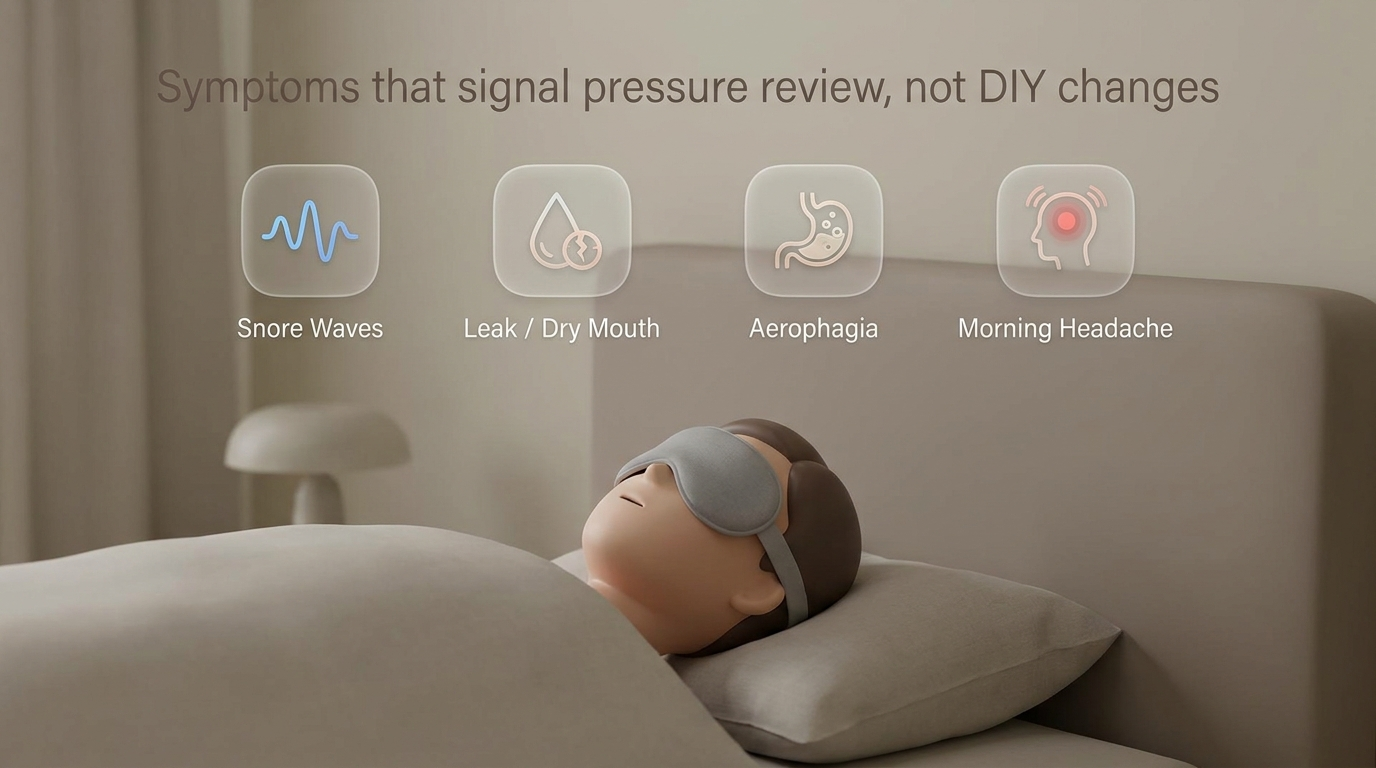
Signs Your CPAP Pressure Might Need Review (Symptoms Patients Notice)
These aren’t reasons to self-adjust. Think of them as signals to contact your sleep team if they persist or are worsening.
Nighttime symptoms
- Persistent or returning snoring
- Waking up choking/gasping
- Dry mouth
- Aerophagia (bloating, burping, gassiness)
- Mask feeling like it “blows off” or becomes hard to keep sealed
- Frequent awakenings or fragmented sleep patterns ⁴
Daytime symptoms
- Ongoing daytime sleepiness
- Morning headaches
- Brain fog or trouble concentrating
- Mood changes/irritability
Device or mask red flags that can mimic “wrong pressure”
- Large or frequent CPAP mask leak
- Dryness or congestion from comfort settings that aren’t optimized
- Elevated residual AHI on the device report (if your clinician has shown you what to look for)² ⁴
If leaks are a recurring theme, start here: https://sleepandsinuscenters.com/blog/mask-leak-solutions-quick-fixes-to-stop-air-leaks
Takeaway: If therapy feels “off,” leaks and comfort settings are common culprits—ask your team to review your data before changing pressure.
Why Pressure Needs Can Change (Common Causes)
Weight changes
Weight gain can increase airway narrowing and raise pressure needs, while weight loss may reduce them for some people.²
Mask or equipment changes
Switching mask types, changing cushion style, or using worn-out supplies can change leak patterns and how pressure is delivered.
Nasal or sinus issues
Congestion, allergies, and nasal resistance can affect comfort and tolerance—sometimes making CPAP feel “too strong” or “not strong enough” even when the prescribed pressure is reasonable.⁴
Alcohol/sedatives or sleeping position
These factors can worsen airway collapse or change night-to-night variability—often visible in APAP data trends.
Takeaway: Shifts in health, equipment, or habits can change pressure needs over time—periodic clinician review helps keep therapy effective.
Step-by-Step: The Safe Way to “Adjust CPAP Pressure” (Without DIY Changes)
Step 1 — Confirm you’re using CPAP consistently enough to judge results
Pressure decisions work best with enough real-world data. Many devices track hours of use per night, and consistent use helps your clinician interpret residual AHI, leak, and comfort patterns. If you’ve recently restarted therapy or had several nights off, share that context.
Step 2 — Check the most common fixable issues first (often not pressure)
Before any pressure change is considered, many teams rule out common barriers:
- Mask fit issues and cushion wear
- Mouth leak or mouth breathing
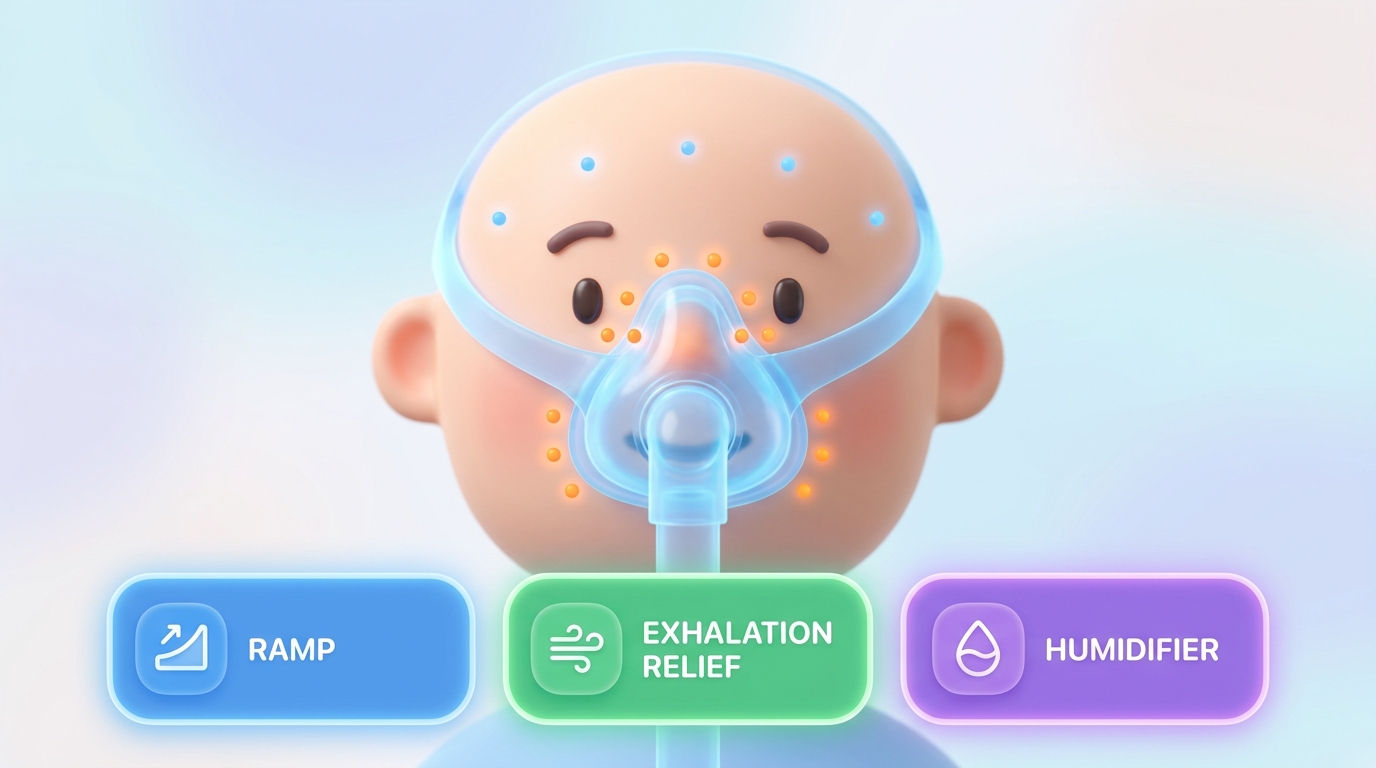
- Humidifier and tube temperature comfort settings that may affect dryness or congestion ⁴
Leak checklist: https://sleepandsinuscenters.com/blog/mask-leak-solutions-quick-fixes-to-stop-air-leaks
“I assumed I needed higher pressure because I was still tired—turns out my mask was leaking half the night.”
Step 3 — Track symptoms + a simple sleep log for 1–2 weeks
Consider noting snoring reports, awakenings, morning symptoms, daytime sleepiness, weight changes, alcohol near bedtime, new medications, and any leak alerts or comfort issues. Keep it simple—bullet points are fine.
Step 4 — Contact your sleep clinician or equipment provider (DME)
Bring your symptom log and ask what data they want (commonly usage, leaks, residual AHI, and pressure trends). Adjusting CPAP pressure is safest when it’s based on device data plus your medical history.²
Step 5 — Clinician reviews data and chooses the safest adjustment pathway
Depending on your situation, your clinician may recommend:
1) Clinician-initiated remote setting changes (when supported by your device and setup)²
2) An APAP trial to establish an effective range, then fine-tune therapy from those findings² ³
3) A repeat in-lab titration if symptoms persist, the case is complex, or results are unclear¹
When to repeat a sleep study: https://sleepandsinuscenters.com/blog/when-to-repeat-a-sleep-study-key-signs-and-timing-explained

Step 6 — Re-check results after the change
After clinician-directed changes, follow-up typically focuses on: symptom improvement; residual events trending down (often aiming for less than 5/hour, as appropriate); better oxygenation with fewer side effects and better tolerance.¹ ³
Takeaway: Review, adjust, and re-check—this loop is the safest way to optimize pressure.
What Not to Do: Risks of Changing CPAP Pressure on Your Own
If pressure is too low
Undertreatment may lead to ongoing apneas/hypopneas, snoring, fragmented sleep, and persistent sleepiness—sometimes despite “wearing it all night.”
If pressure is too high
Excess pressure may increase leaks, cause discomfort, worsen aerophagia, and reduce tolerance—leading to less CPAP use and poorer overall results.
Special situations where self-adjusting can be especially risky
If you have significant heart or lung disease, possible central sleep apnea, use supplemental oxygen, or require advanced PAP modes, pressure changes should be handled with close clinical oversight.¹
Takeaway: DIY pressure changes can backfire—especially if you have other medical conditions.
Treatment Options If “Pressure Problems” Aren’t the Real Issue
Mask/interface optimization (often the biggest lever)
- Try different mask styles/sizes
- Replace worn cushions and headgear on schedule
- Address mouth leak when relevant
Comfort settings your clinician may adjust (besides pressure)
- Ramp
- Exhalation relief (EPR/Flex)
- Humidification and tube temperature ⁴
When bilevel PAP or other therapy changes are considered
If high pressures are needed or side effects limit adherence, a clinician may consider bilevel PAP or other modes.
Takeaway: Optimizing mask fit and comfort features often fixes “pressure” problems without raising pressure.
Lifestyle Tips That Support Better CPAP Results
- Limit alcohol close to bedtime if it worsens snoring or sleep quality.
- Ask whether positional strategies (like side sleeping) matter for your pattern of apnea.
- Support nasal breathing by managing allergies or congestion with guidance from your clinician; humidification may help comfort.⁴
- Keep follow-up appointments—even if you feel better—because therapy needs can shift over time.
Takeaway: Small habit changes can make your prescribed settings work even better.
FAQs
Can I adjust CPAP pressure myself?
It’s strongly recommended that patients do not change prescribed pressure on their own. The safest path is to contact your sleep clinician or DME so changes are documented and based on therapy data.²
How do doctors decide what pressure I need?
Often through an in-lab titration study where pressure is increased in stepwise increments (commonly around 1 cm H₂O with time between changes) while monitoring breathing and oxygen.¹ APAP data may also be used to identify an effective range.² ³
What is a “normal” CPAP pressure?
There isn’t one universal “normal.” The goal is the lowest effective pressure that controls events and supports oxygenation with minimal side effects.²
Why am I still snoring on CPAP?
Common contributors include mask leak, mouth breathing, nasal obstruction, alcohol/sleep position effects, or pressure that needs reassessment.⁴ A data review helps sort out which factor is dominant.
When should I request a repeat titration study?
Discuss if symptoms persist despite good adherence, after major weight changes, after significant equipment changes, or if device data raises concerns.¹ ²
Can my clinician change my settings remotely?
Often yes—many cloud-connected devices support clinician-initiated changes after data review, though availability depends on your model and care setup.²
When to Call Your Sleep Team Urgently
Seek prompt medical advice for severe shortness of breath, chest pain, fainting, new or worsening heart/lung symptoms, dangerously worsening sleepiness (such as falling asleep while driving), or if intolerance prevents you from using therapy.
Conclusion: Getting the Right Pressure Is Common—and Fixable
If you don’t feel better yet, you’re not alone. CPAP therapy often needs fine-tuning, but the best results come from a clinician-guided, data-driven process—not DIY changes. If you think your CPAP pressure settings need review—or you’re unsure whether the issue is pressure, leaks, or comfort—Sleep and Sinus Centers of Georgia can help you coordinate a therapy check and next steps.
Book a sleep apnea follow-up / CPAP therapy check: https://www.sleepandsinuscenters.com/
References
1. American Academy of Sleep Medicine (AASM). Clinical Guidelines for the Manual Titration of Positive Airway Pressure (2008). https://aasm.org/resources/clinicalguidelines/040210.pdf
2. SleepApnea.org. CPAP Pressure Settings (updated 2026). https://www.sleepapnea.org/cpap/cpap-pressure-settings/
3. Morgenthaler TI, et al. / Chediak A, et al. Clinical Guidelines (2008). https://pmc.ncbi.nlm.nih.gov/articles/PMC2335396/
4. Mayo Clinic. CPAP tips: Avoiding 10 common problems (2024). https://www.mayoclinic.org/diseases-conditions/obstructive-sleep-apnea/in-depth/cpap/art-20044164
This article is for educational purposes only and is not medical advice. Please consult a qualified healthcare provider for diagnosis and treatment.
Don’t let allergies slow you down. Schedule a comprehensive ENT and allergy evaluation at Sleep and Sinus Centers of Georgia. We’re here to find your triggers and guide you toward lasting relief.