Healthy Sleeping Habits: Tips to Improve Sleep Quality and Rest Better
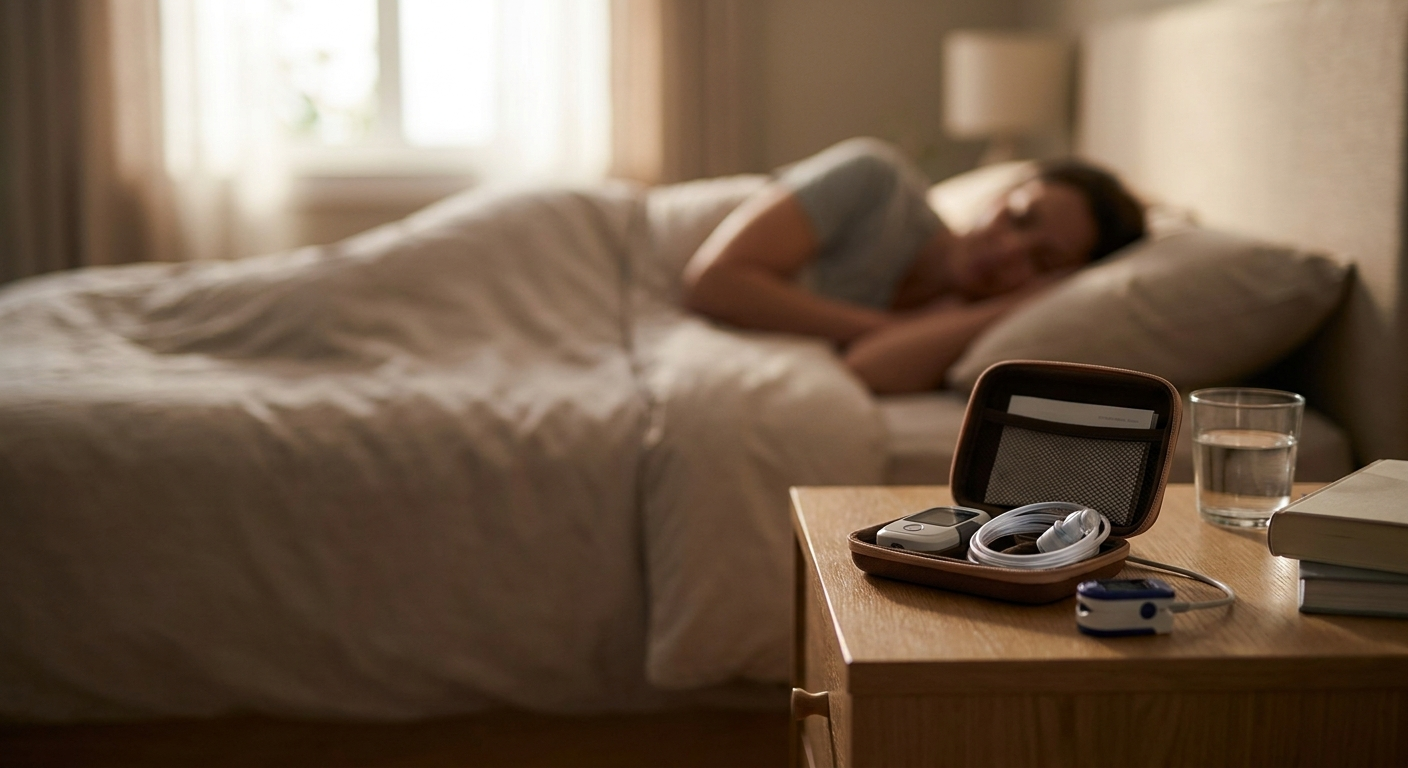
Sleep can feel like a mystery—especially when you’re doing “all the right things” and still wake up tired. The good news: better sleep is a skill. For many people, small, consistent changes add up to meaningful improvement, even if progress isn’t linear.
And you’re not alone. In U.S. surveys, about one-third of adults report getting fewer than 7 hours of sleep—below the recommended minimum for most adults. Over time, short or irregular sleep is associated with changes in energy, mood, focus, immune function, and long-term health risks.
This guide walks through patient-friendly, evidence-informed healthy sleeping habits, a practical 2‑week plan, and clear signs it may be time to talk with a clinician or a sleep specialist.
Why Healthy Sleep Matters More Than You Think
Sleep isn’t just “time off.” It’s active recovery for your brain and body—supporting memory, emotional regulation, and physical restoration. Think of it like your body’s overnight “maintenance shift”: tissues repair, stress systems recalibrate, and your brain organizes what you learned and felt during the day.
When sleep is cut short or fragmented, it often shows up the next day as brain fog, irritability, reduced productivity, and cravings for quick energy. Many people describe it as, “I’m awake, but I’m not fully online.”
Population research and clinical guidance consistently associate insufficient or irregular sleep with broader health risks over time, including cardiometabolic and mental-health concerns.
• Bottom line: Small, steady changes to your routine can meaningfully improve sleep over time.
How Much Sleep Do You Really Need?
Recommended sleep by age
- Adults: Most adults need at least 7 hours per night.
- Teens: 8–10 hours per night is recommended.
If you’ve been asking, “how many hours of sleep do I need?” start with your age-based target—then look at quality and consistency.
The “quality + consistency” point
Sleep isn’t only about the total hours. You can spend 8 hours in bed and still feel unrefreshed if you:
- wake up frequently,
- have an irregular schedule, or
- go to bed much later on weekends (often called “social jet lag”).
A stable sleep-wake schedule helps your circadian rhythm—your internal clock—predict when it’s time to be alert and when it’s time to wind down. In plain terms: your body likes patterns. When wake time swings around, your “sleep drive” and your “clock” stop lining up.
• Aim for enough sleep hours, delivered consistently, to help your internal clock do its job.
Signs You’re Not Getting Enough (or Good-Quality) Sleep
Nighttime signs
Use this checklist to spot common problems:
- Taking a long time to fall asleep (long sleep onset)
- Waking up often or waking too early
- Restless, light, or non-restorative sleep
- Snoring, gasping, choking, or witnessed pauses in breathing (possible sleep apnea)
A common comment is: “I’m in bed for eight hours, but it doesn’t feel like eight hours.” That can be a clue that sleep is fragmented—even if the clock says you had “enough.”
Daytime symptoms
- Morning headaches or dry mouth
- Excessive daytime sleepiness, “microsleeps,” or dozing unintentionally
- Irritability, anxiety, or depressed mood
- Brain fog, poor concentration, or more mistakes at work/school
If you’re unsure whether your fatigue rises to a clinically meaningful level, consider taking our daytime sleepiness self-check: https://sleepandsinuscenters.com/test-your-sleepiness
• If sleep feels “light” or you’re sleepy during the day, it’s a sign to review your habits—or get evaluated.
Common Causes of Poor Sleep (and What’s Most Fixable)
Lifestyle and schedule factors
A lot of sleep disruption comes from patterns that can be adjusted:
- Inconsistent bed/wake times
- Late or long naps
- Heavy meals too close to bedtime
- Alcohol close to bedtime (may cause initial drowsiness but often worsens fragmentation later)
A practical example: if you sleep in 2–3 hours later on weekends, Monday morning can feel like you flew back from another time zone—because, in a sense, your body clock did.
Stress, anxiety, and racing thoughts
Stress can keep the nervous system in “high alert,” making it hard to transition into sleep. This is where a structured bedtime routine and a predictable wind-down window can help most—because you’re training your brain to downshift at the same time each night.
Screen time and nighttime light exposure
Late-night screen use can delay sleepiness because of both light exposure and stimulating content. This can push bedtime later and make it harder to keep a consistent schedule—especially for teens.
- Deeper dive on blue light and sleep: https://sleepandsinuscenters.com/blog/blue-light-and-its-impact-on-ent-related-sleep-disorders-1bca5
Medical contributors (a checklist to discuss, not self-diagnose)
Sometimes the barrier isn’t willpower—it’s physiology. Topics to discuss with a clinician may include:
- Insomnia disorder (persistent trouble falling or staying asleep)
- Obstructive sleep apnea (OSA)
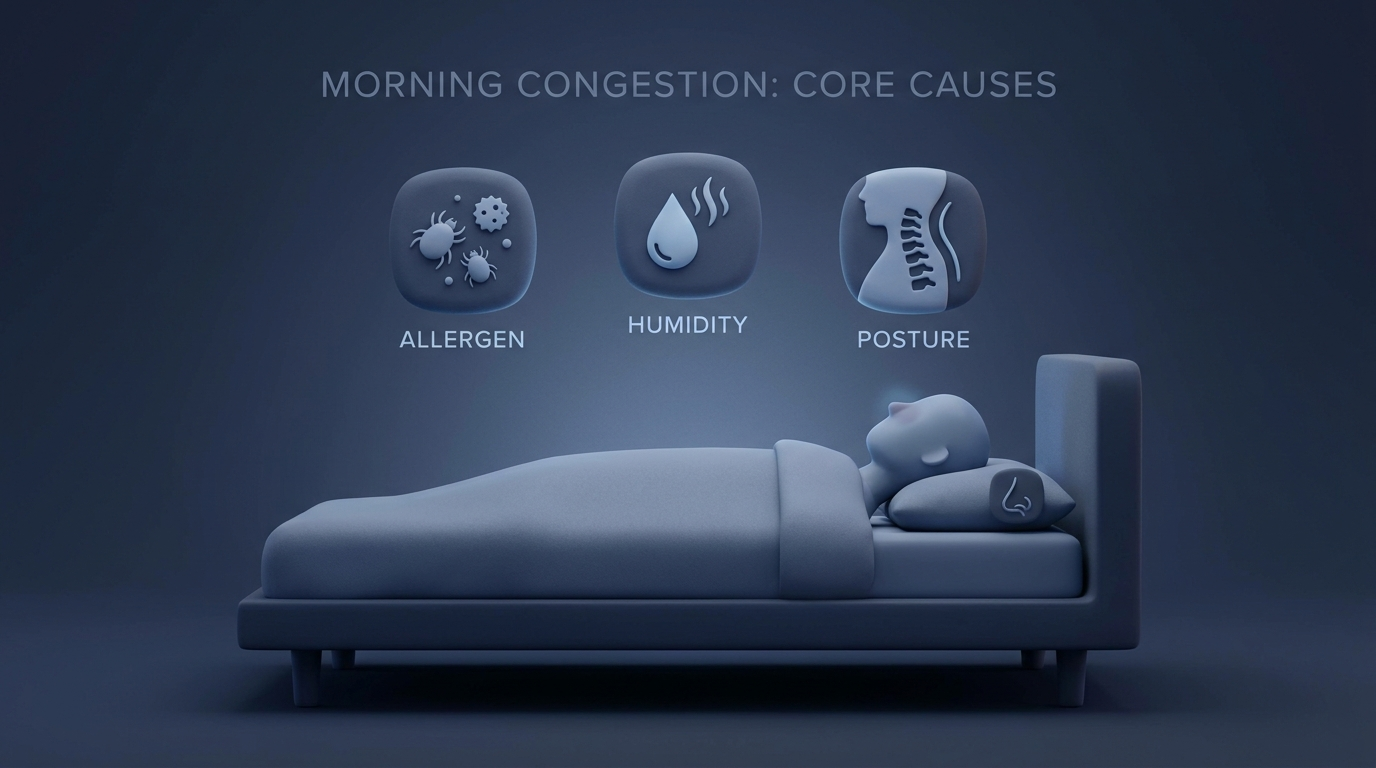
- Nasal obstruction/allergies/chronic congestion (can affect nighttime breathing comfort)
- Restless legs symptoms
- Reflux, chronic pain, or medication effects
• If you’ve tightened your routine and still feel stuck, ask whether a medical factor could be involved.
Healthy Sleeping Habits (Sleep Hygiene) That Actually Improve Sleep Quality
“Sleep hygiene” is the set of behaviors and environmental choices that support sleep. Not every tip helps every person, but these are consistently high-yield sleep hygiene tips that can improve sleep quality.
- Related resource: Sleep hygiene overview: https://sleepandsinuscenters.com/blog/sleep-hygiene-and-its-impact-on-ent-disorders-key-insights
Keep a consistent sleep schedule (even on weekends)
- Aim for the same wake time within about 1 hour every day.
- If shifting your schedule, try moving it gradually (about 15–30 minutes every few days).
A steady wake time often makes bedtime easier because it anchors your circadian rhythm.
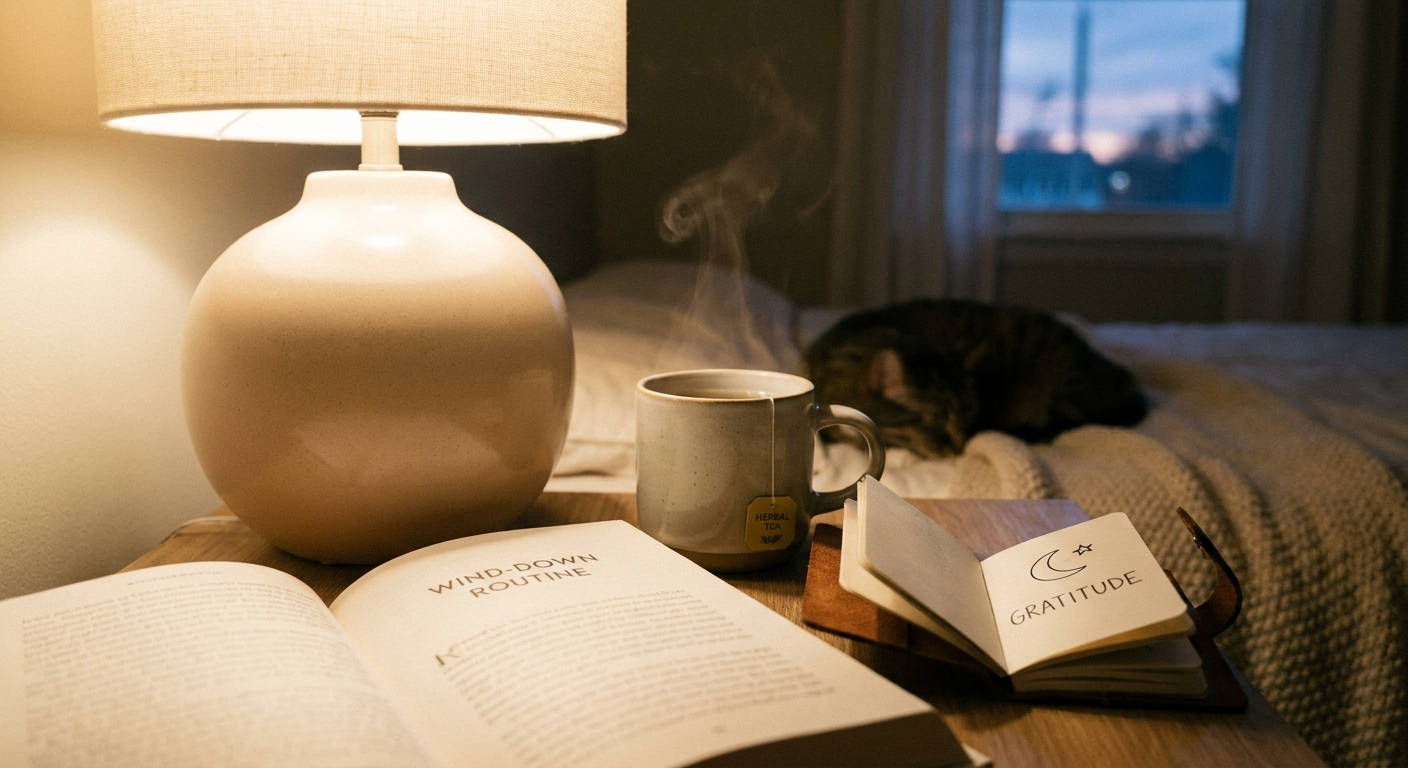
Build a 30–60 minute wind-down routine
Choose low-light, low-stimulation activities:
- Reading (paper preferred), gentle stretching, calming music
- A warm shower
- A “brain dump” journal: write tomorrow’s to-dos earlier in the evening so they don’t loop at bedtime
Make your bedroom a “sleep cue”
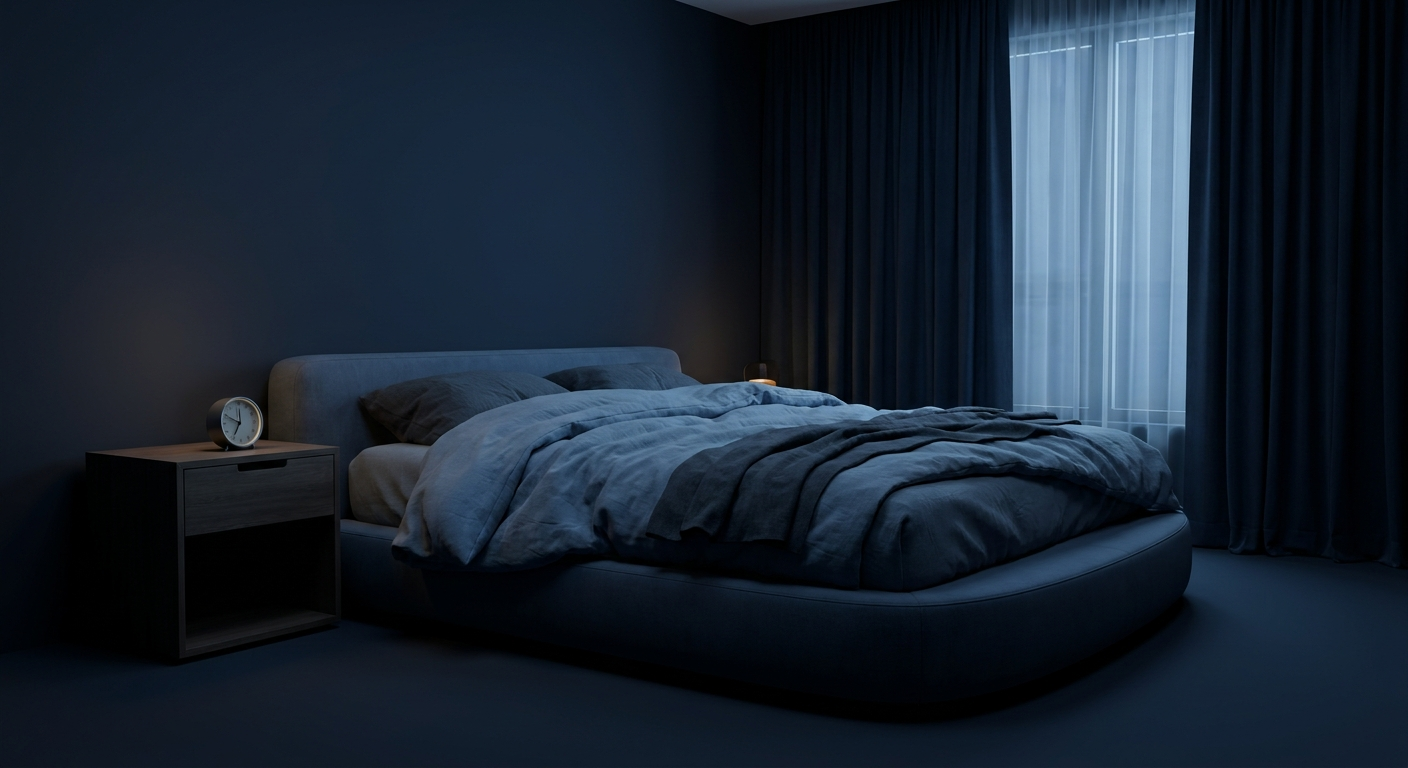
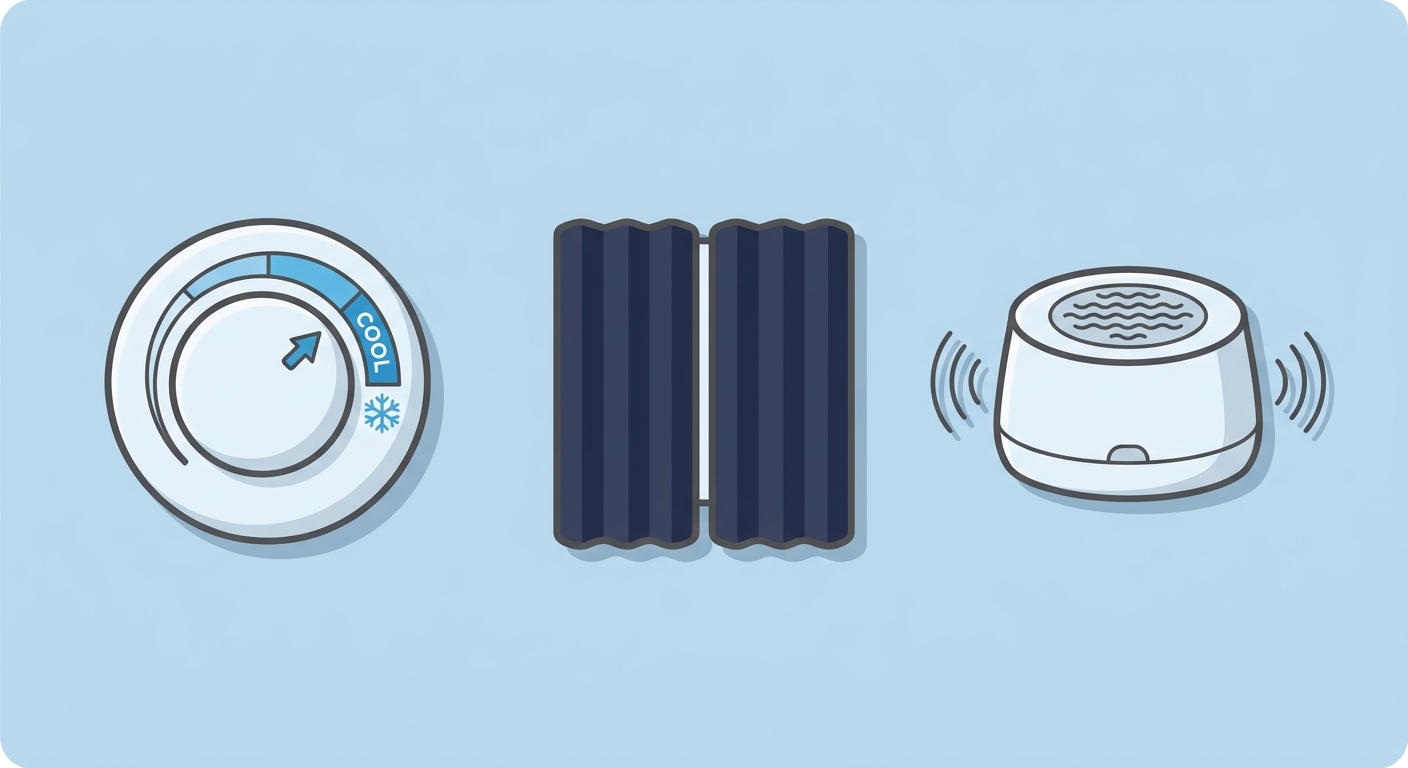
- Keep it cool, dark, and quiet
- Consider blackout curtains, white noise, or earplugs if needed
- Reserve the bed for sleep and intimacy (this helps reduce “conditioned wakefulness”)
Caffeine, nicotine, alcohol—timing matters
- Caffeine: Many people sleep better with an early-afternoon cutoff.
- Nicotine: Can be stimulating and may worsen sleep.
- Alcohol: Can increase awakenings later in the night and worsen sleep fragmentation.
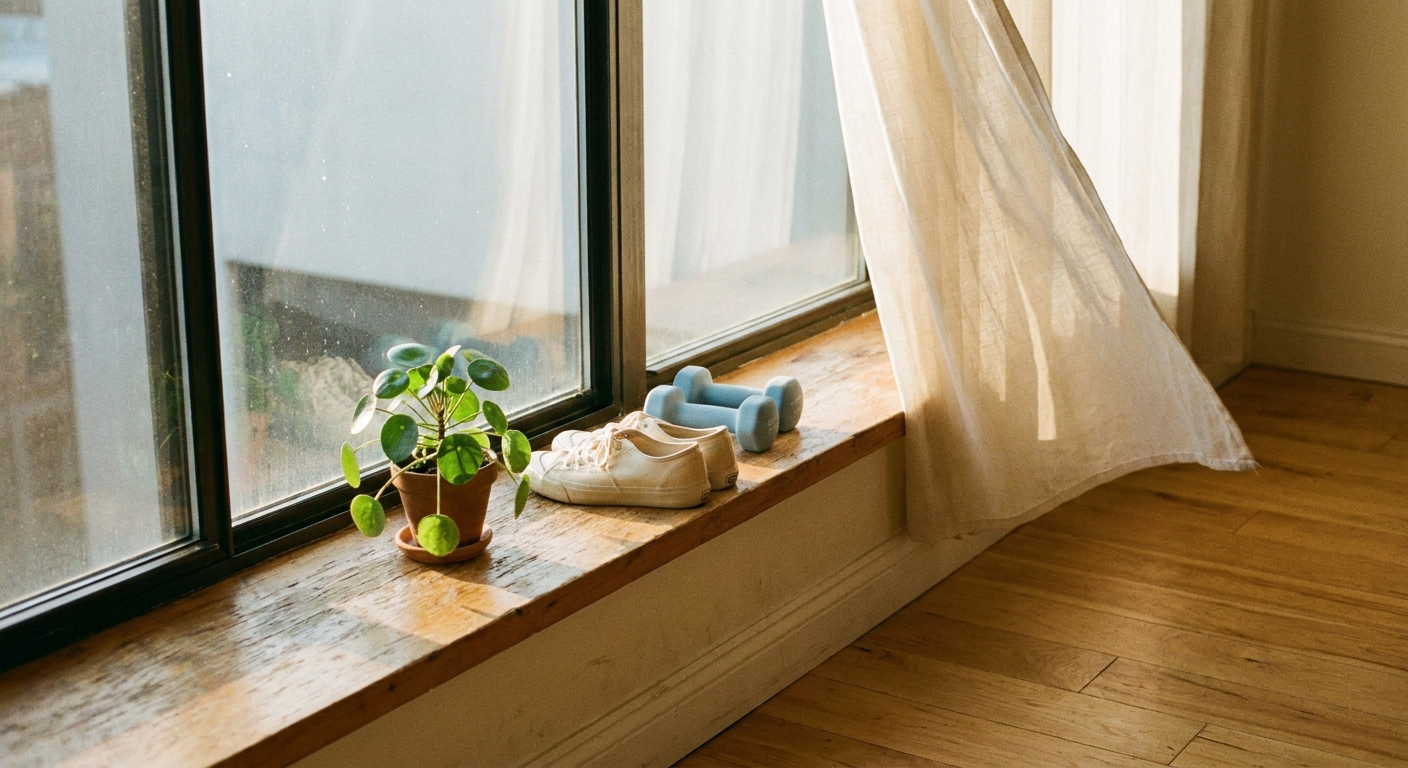
Exercise and daylight: your natural sleep regulators
- Morning daylight exposure helps anchor circadian rhythm.
- Regular activity supports deeper sleep for many people; very intense workouts close to bedtime can be activating for some.
• Consistency, a calm wind-down, and a sleep-friendly bedroom are the highest-yield healthy sleeping habits.
A Patient-Friendly “2-Week Better Sleep Plan”
If you want structure without perfectionism, try this. The goal is to make a few changes you can actually sustain—core healthy sleeping habits you can build on.
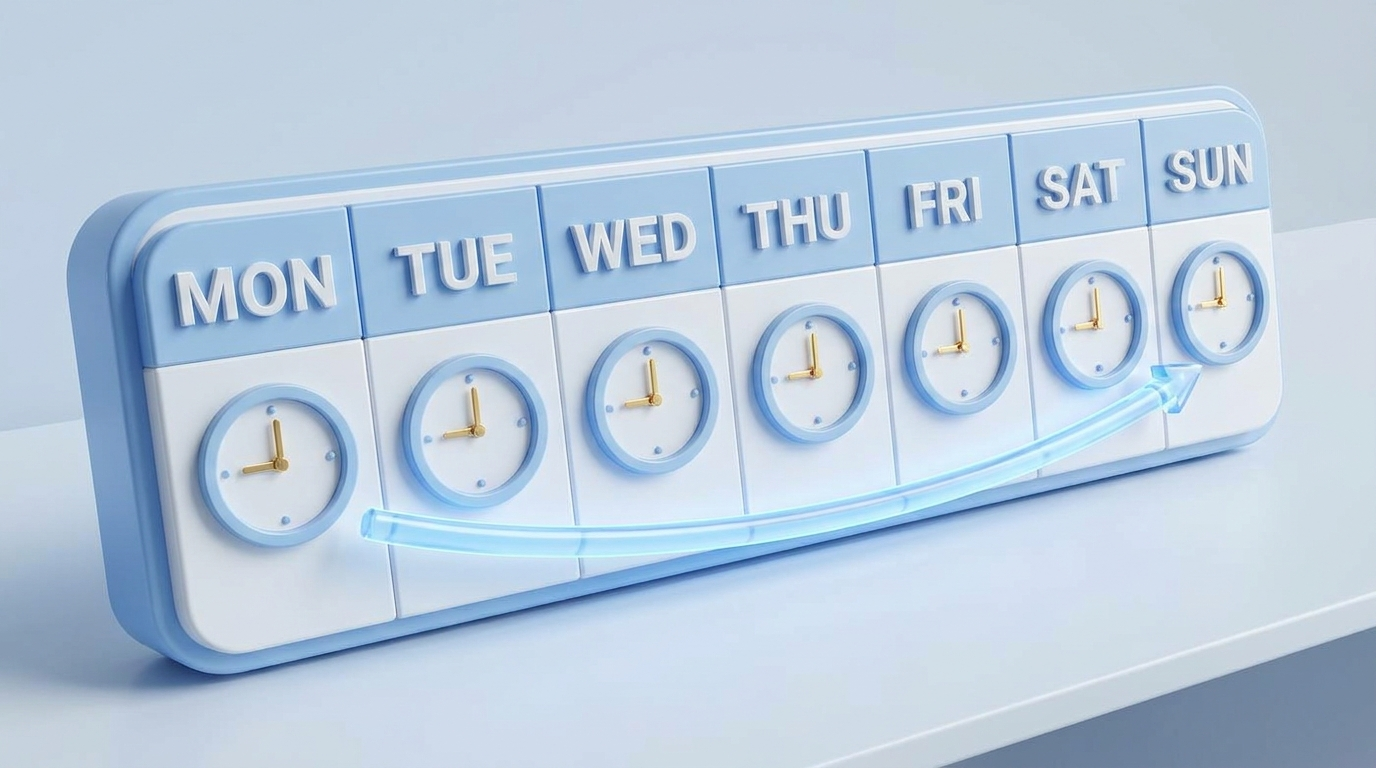
Week 1 — Stabilize your schedule
- Pick a realistic, consistent wake time.
- Set a “screens off” target time (start with 30 minutes before bed, then build).
- Limit naps, or cap them at 20–30 minutes in the early afternoon.
If you’re currently all over the place, aim for “less irregular,” not perfect. Even reducing weekend sleep-in time can make Monday feel dramatically better.
Week 2 — Optimize your environment + habits
- Adjust the bedroom: temperature, noise control, light control.
- Add one relaxation strategy (breathing practice, progressive muscle relaxation, guided audio).
- Track what helps using simple notes (avoid over-monitoring or chasing perfect scores).
When to expect results
Some people notice improvement within 1–2 weeks, though longstanding sleep problems may take longer—especially if insomnia symptoms have been present for months.
• Think “progress, not perfection,” and give changes at least two weeks before judging results.
Treatments for Ongoing Sleep Problems (What to Try Next)
First-line treatment for chronic insomnia: CBT-I
For chronic insomnia, Cognitive Behavioral Therapy for Insomnia (CBT‑I) is widely considered a first-line approach. It targets:
- unhelpful sleep beliefs,
- conditioned arousal around bedtime,
- behaviors that unintentionally keep insomnia going.
It’s often preferred over relying on sleep medications long-term, though medication decisions should be individualized with a clinician.
When sleep apnea may be part of the problem
Clues that warrant discussion/evaluation include:
- Loud, habitual snoring
- Witnessed pauses in breathing, choking, or gasping
- Morning headaches
- Significant daytime sleepiness
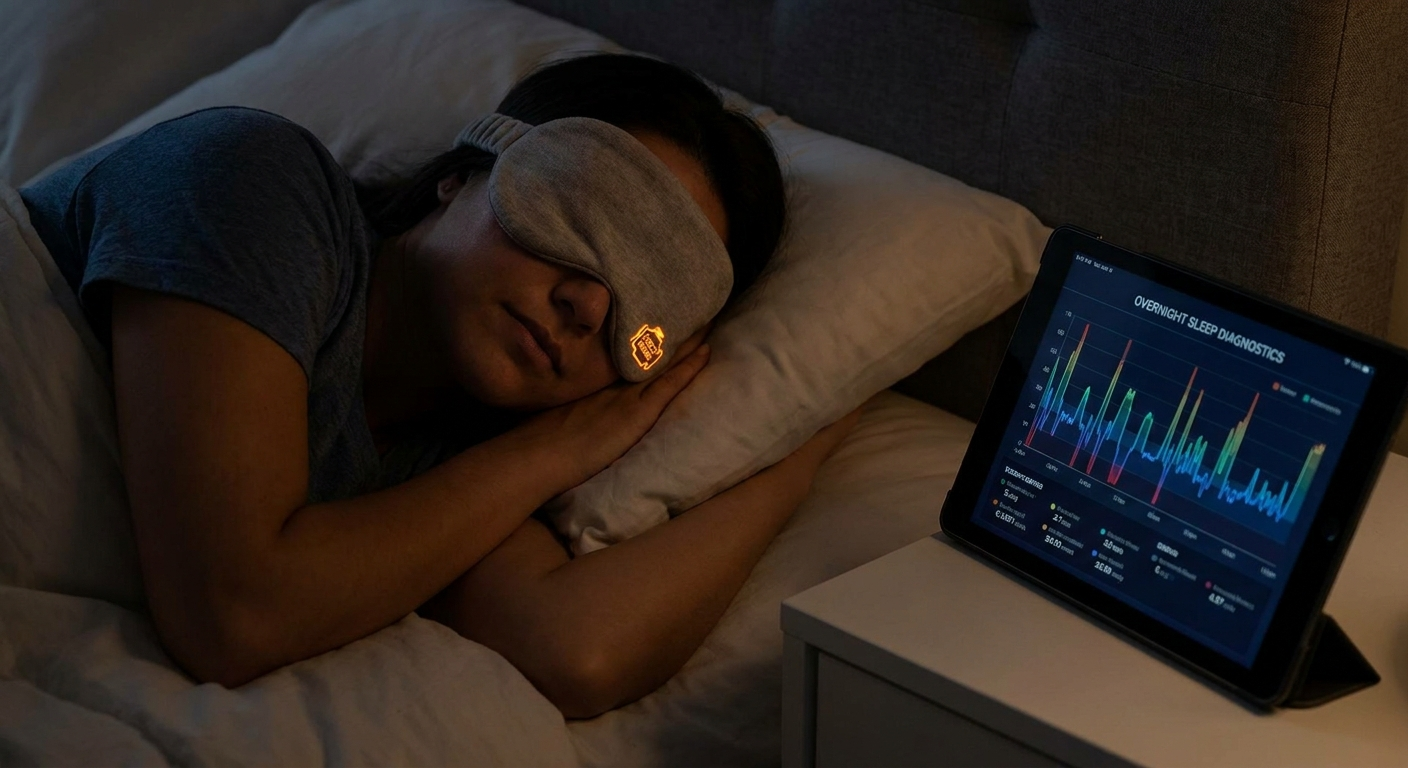
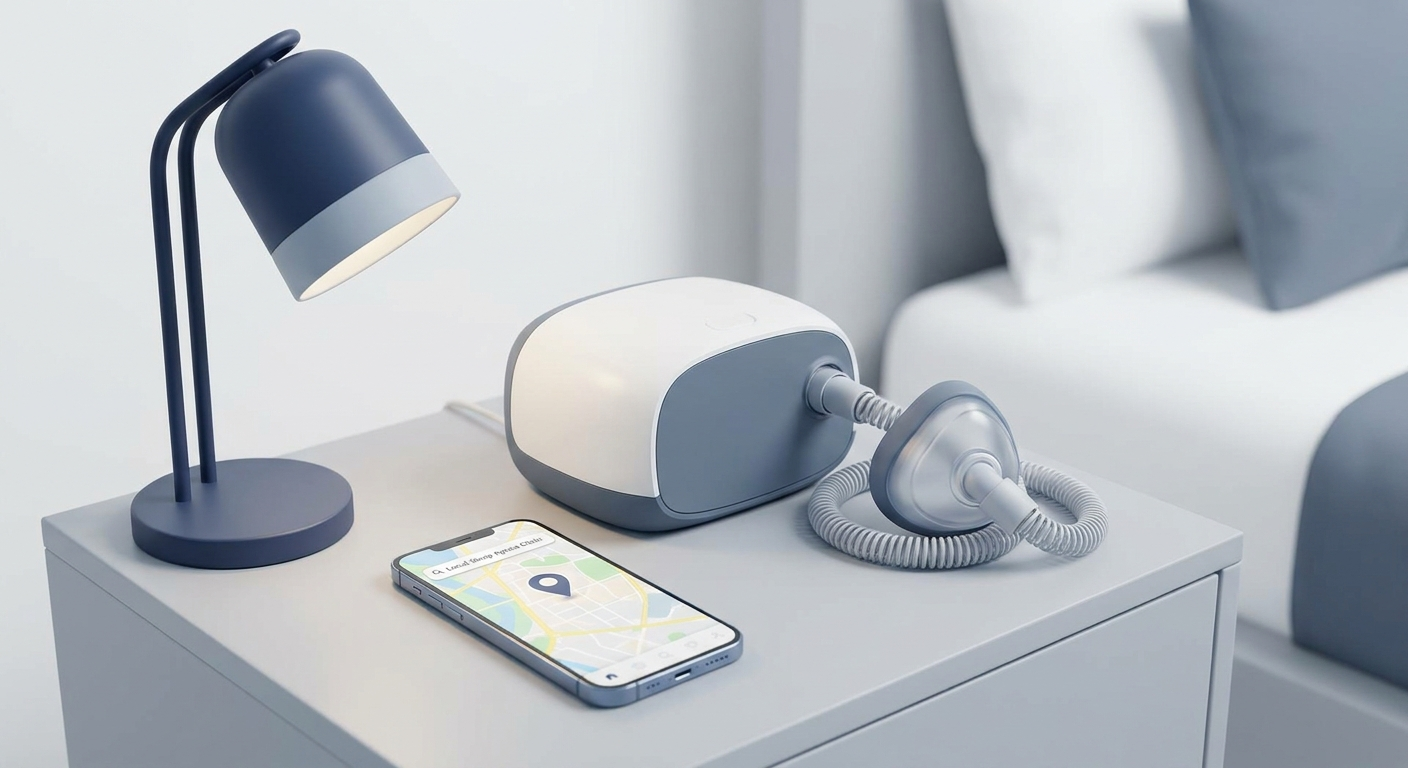
A typical pathway is: screening → sleep testing (when appropriate) → treatment options tailored to results.
Other supportive options (case-by-case)
- Addressing nasal congestion or allergies that affect nighttime breathing comfort
- Reviewing medications and timing with your clinician
- Short-term medication support only when clinically appropriate
• If symptoms persist despite solid habits, evaluation can help you find the right next step.
Healthy Sleep for Teens & Families (Special Considerations)
Why teens are uniquely vulnerable to sleep loss
Teens generally need 8–10 hours, yet many get less due to late-night device use, busy schedules, and early school start times. Because teen circadian rhythms naturally shift later, early wake times can be especially challenging.
Practical parent/teen strategies
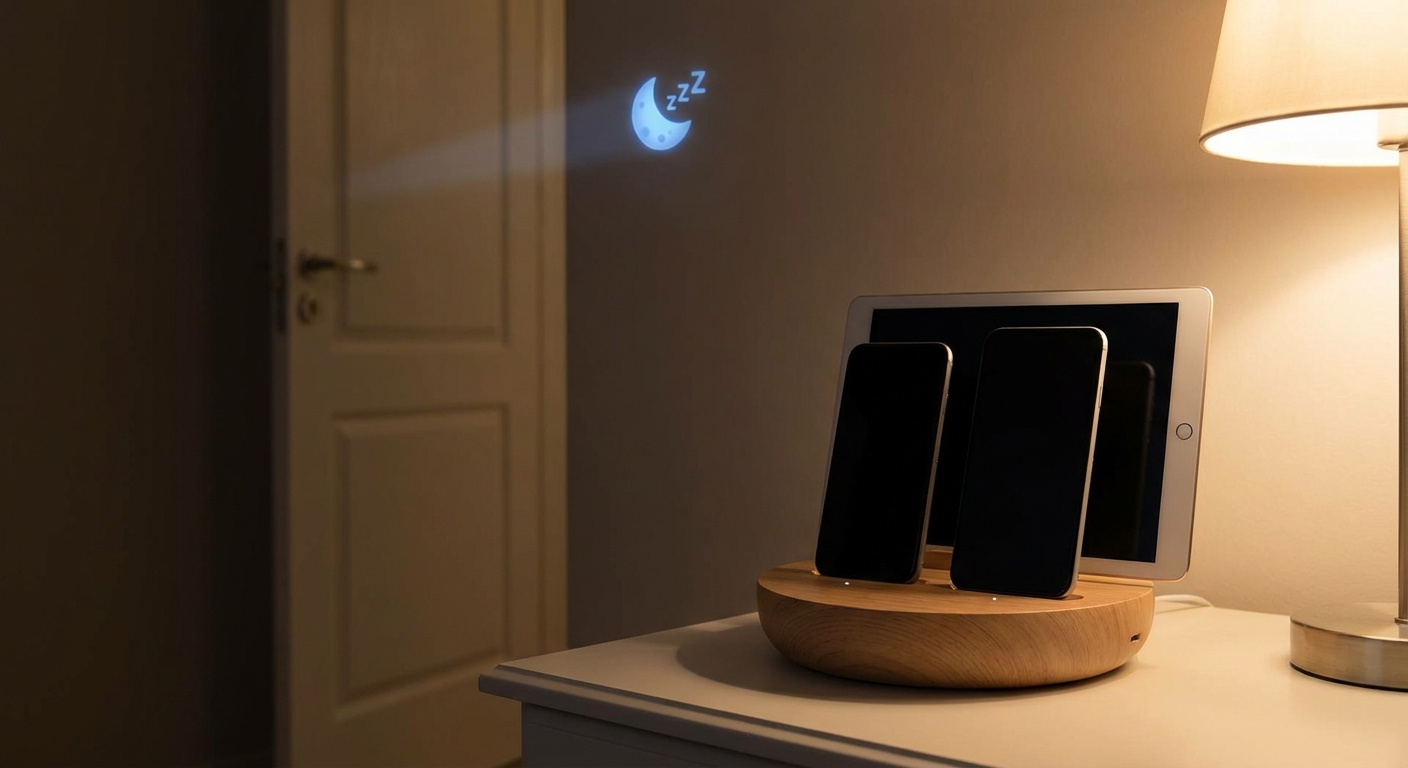
- Create a family charging station outside bedrooms.
- Keep wake time consistent; limit extreme “catch-up” sleep that disrupts weekday schedules.
- Reduce evening screen exposure and bright light.
- When possible, support schedules that better align with teen sleep needs.
• Aligning routines with teen biology can make school days far more manageable.
FAQs About Healthy Sleeping Habits
Is 6 hours of sleep enough for adults?
For most adults, fewer than 7 hours is not recommended as a long-term pattern.
What if I can’t fall asleep in 20–30 minutes?
A common strategy is to get out of bed briefly and do a calm activity in dim light, returning when sleepy. This can help reduce frustration and the “bed = wakefulness” association.
Do naps help or hurt?
Short, early-afternoon naps can help some people. Long or late naps often interfere with nighttime sleep drive.
Does watching TV help me fall asleep?
It can feel soothing, but it may reinforce a dependency and increase light/stimulation exposure. If it’s a hard habit to break, consider using a timer or transitioning to audio-only content as a step-down.
When should I talk to a clinician or sleep specialist?
Consider reaching out if symptoms:
- persist longer than 3 months,
- significantly affect daytime functioning, or
- include red flags like snoring + gasping, drowsy driving risk, or major mood changes.
When Poor Sleep Might Signal a Bigger Health Issue (Red Flags)
Seek evaluation if you notice:
- Loud snoring with choking/gasping or witnessed pauses
- Significant daytime sleepiness (especially falling asleep while driving)
- New or worsening insomnia with marked depression/anxiety symptoms
- High blood pressure that’s difficult to control—if you also have snoring, gasping, or daytime sleepiness, ask a clinician whether sleep apnea screening is appropriate
- Severe sleep disruption in shift workers with safety risks (possible schedule-related sleep disorder)
• Safety risks, breathing changes, or persistent insomnia are reasons to get checked.
Conclusion — Start Small, Stay Consistent
If you want the highest-yield starting points, focus on these three: 1) Keep a consistent wake time 2) Reduce nighttime screen exposure 3) Use a wind-down routine + sleep-friendly bedroom setup
Try tracking your changes for two weeks. If you’re still struggling—especially with loud snoring, breathing disruptions, or persistent insomnia symptoms—it may be time to get expert help and rule out treatable causes.
Ready for the next step? Book an appointment with Sleep and Sinus Centers of Georgia: https://sleepandsinuscenters.com/appointments
You can also start with the daytime sleepiness self-check (non-diagnostic): https://sleepandsinuscenters.com/test-your-sleepiness
Visit: https://www.sleepandsinuscenters.com/
Sources
- CDC. FastStats: Sleep in Adults (2024). https://www.cdc.gov/sleep/data-research/facts-stats/adults-sleep-facts-and-stats.html
- American Academy of Sleep Medicine (AASM). CDC publishes new estimates of U.S. adult sleep duration (2024). https://aasm.org/cdc-publishes-new-estimates-of-u-s-adult-sleep-duration/
- National Sleep Foundation (NSF). Sleep in America Polls (2024). https://www.thensf.org/sleep-in-america-polls/
- Mayo Clinic. How many hours of sleep are enough? (2024). https://www.mayoclinic.org/healthy-lifestyle/adult-health/expert-answers/how-many-hours-of-sleep-are-enough/faq-20057898
- AASM Sleep Education. Healthy Sleep Tips. https://sleepeducation.org/healthy-sleep/healthy-sleep-tips/
- AASM Sleep Education. Obstructive Sleep Apnea. https://sleepeducation.org/sleep-disorders/obstructive-sleep-apnea/
- AASM Sleep Education. Cognitive Behavioral Therapy for Insomnia (CBT‑I). https://sleepeducation.org/patients/cognitive-behavioral-therapy-for-insomnia/
This article is for educational purposes only and is not medical advice. Please consult a qualified healthcare provider for diagnosis and treatment.
Don’t let allergies slow you down. Schedule a comprehensive ENT and allergy evaluation at Sleep and Sinus Centers of Georgia. We’re here to find your triggers and guide you toward lasting relief.