Health Problems That Cause Insomnia: Common Medical Conditions Disrupting Sleep
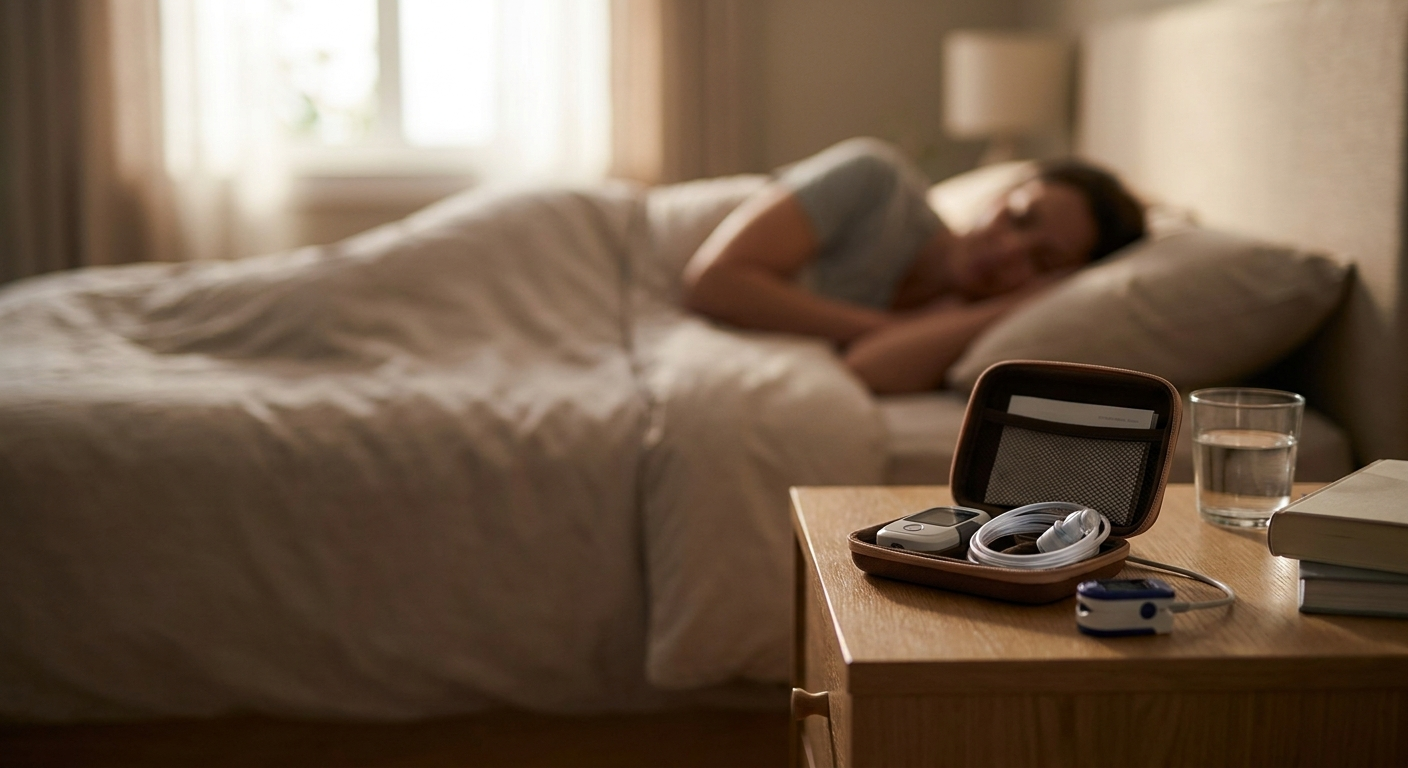
Insomnia is often blamed on “stress,” but ongoing sleep trouble can also be a sign that something else is going on—physically, hormonally, mentally, or even in your breathing during sleep. Understanding the health problems that cause insomnia can help you focus on the right next step: identifying patterns, ruling out sleep disorders, and treating the underlying cause or causes.
A helpful way to think about insomnia is as a smoke alarm: it gets your attention, but it doesn’t always tell you where the smoke is coming from. Sometimes the “fire” is an overworked nervous system. Other times it’s reflux, pain, blood glucose changes, or fragmented breathing that keeps pulling you out of deeper sleep.
Why insomnia isn’t “just stress” (and why it matters)
Stress can absolutely trigger sleep issues. But insomnia can also be a symptom of an underlying medical or mental health condition—or a side effect of medications and substances. The distinction matters because persistent sleep disruption can affect energy, mood, performance, and safety, and it’s linked with long-term health risks when it becomes chronic (CDC, 2024: https://www.cdc.gov/sleep/about/index.html).
The CDC also notes that insufficient sleep is common in adults, which helps explain why “I’m not sleeping” is one of the most frequent concerns people bring to primary care. What’s easy to miss is why it started and what keeps it going.
Many people try to “push through” insomnia for months (or years). If your sleep difficulty is actually driven by reflux, breathing interruptions, hormone shifts, anxiety, or another condition, addressing that root cause can make sleep treatments work better—and feel less frustrating (Mayo Clinic, 2024: https://www.mayoclinic.org/diseases-conditions/insomnia/symptoms-causes/syc-20355167).
Bottom line: persistent insomnia deserves a closer look at what’s driving it, not just “more sleep tips.”
What insomnia feels like (common symptoms)
Insomnia isn’t only “not sleeping.” It can show up in several patterns.
Nighttime symptoms
- Trouble falling asleep
- Waking up frequently or waking too early
- “Light” or non-restorative sleep (feeling tired even after enough hours)
A common patient description is: “I’m exhausted, but my brain won’t let me drop off,” or “I wake up at 3 a.m. and it’s like a switch flips on.”
Daytime symptoms
- Sleepiness, low energy, irritability
- Difficulty concentrating or “brain fog”
- Worry about sleep (a sleep-anxiety loop that can keep the brain on alert)
(Mayo Clinic, 2024: https://www.mayoclinic.org/diseases-conditions/insomnia/symptoms-causes/syc-20355167)
If daytime sleepiness is a major issue, you may find it helpful to take our daytime sleepiness screening: https://sleepandsinuscenters.com/test-your-sleepiness
If your nights are rough and your days feel foggy, that’s a signal to investigate further.
The big picture—how medical problems disrupt sleep
When people search for health problems that cause insomnia, it helps to think in terms of how the condition interferes with sleep.
3 common pathways
1) Physical discomfort: pain, reflux/heartburn, coughing, nasal obstruction, breathing events
2) Hormone/metabolic shifts: thyroid imbalance, blood glucose highs and lows, menopause changes
3) Hyperarousal: anxiety, depression, PTSD—where the nervous system stays “on” at night
These pathways can overlap. For example, GERD can cause discomfort and trigger a sense of alarm (racing heart, coughing) that looks like anxiety. Sleep apnea can cause repeated arousals that feel like “light sleep,” even when you technically spent enough hours in bed.
Quick self-check: when to suspect a medical cause
- It began around a new diagnosis, medication change, pregnancy/perimenopause, weight change, or worsening snoring
- It includes night symptoms like gasping, heartburn, unusual leg sensations, frequent urination, or panic-like awakenings
Think “what changed?”—timing and symptoms often point to the cause.

Mental health conditions that commonly cause or worsen insomnia
Insomnia and mental health can reinforce each other: poor sleep can worsen symptoms, and symptoms can worsen sleep. This “two-way street” is why anxiety and insomnia and depression and insomnia are so often linked.
Anxiety disorders
How it disrupts sleep: racing thoughts, physical tension, “wired but tired,” and difficulty shutting the mind down.
Clues: frequent worry, restlessness, muscle tension, and increased sensitivity to sleep loss.
Depression
How it disrupts sleep: early-morning waking, fragmented sleep, or sometimes longer sleep time with poor sleep quality.
Clues: low mood, loss of interest, appetite changes, and lower motivation.
PTSD and trauma-related conditions
How it disrupts sleep: nightmares, nighttime hypervigilance, and panic awakenings.
(Mayo Clinic, 2024: https://www.mayoclinic.org/diseases-conditions/insomnia/symptoms-causes/syc-20355167; Cleveland Clinic, 2024: https://my.clevelandclinic.org/health/diseases/12119-insomnia)
Treating both mood/anxiety concerns and sleep patterns typically leads to better, more durable results.
Chronic medical conditions linked to insomnia (and what to look for)
Many medical conditions that cause or contribute to insomnia do so by repeatedly interrupting sleep—sometimes without the person realizing the connection at first.
Chronic pain (arthritis, back/neck pain, headaches, nerve pain)
Why it disrupts sleep: discomfort makes it hard to settle into one position and can trigger frequent awakenings. Pain and mood also influence each other, so addressing both often matters for sleep quality.
Heart disease and heart failure
Why it disrupts sleep: some heart conditions, especially heart failure, can contribute to poor sleep via shortness of breath when lying down, nighttime symptoms, frequent urination, and medication effects.
Important note: chest pain or severe shortness of breath can be urgent symptoms—prompt evaluation matters.
Lung disease (asthma, COPD) and breathing symptoms at night
Why it disrupts sleep: cough, wheeze, nighttime flare-ups, or lower oxygen can fragment sleep.
Clues: waking up coughing, needing an inhaler at night, or frequent nighttime congestion.
Diabetes (and nighttime blood glucose changes)
Why it disrupts sleep: nighttime highs or lows, frequent urination, thirst, and neuropathy symptoms can keep sleep shallow.
Clues: multiple nighttime bathroom trips, sweating/shakiness, or morning headaches.
Higher body weight (often overlaps with sleep apnea and GERD)
Why it disrupts sleep: higher body weight can increase the risk of obstructed breathing events and reflux—both can create repeated awakenings. It’s best viewed as one factor among several (not a blame issue).
GERD / acid reflux
Why it disrupts sleep: burning in the chest or throat, coughing, sour taste, and symptoms that worsen when lying down—leading to awakenings and lighter sleep. GERD is a common “hidden” contributor when people are reviewing insomnia contributors.
If reflux is part of your symptoms, this may be useful: best sleep positions for acid reflux relief: https://sleepandsinuscenters.com/blog/best-sleep-positions-for-acid-reflux-relief-tips-to-stop-heartburn

Hyperthyroidism
Why it disrupts sleep: a faster metabolism can feel like being “amped,” with heat intolerance, palpitations, and anxiety-like symptoms—commonly experienced as insomnia associated with hyperthyroidism.
(Mayo Clinic, 2024: https://www.mayoclinic.org/diseases-conditions/insomnia/symptoms-causes/syc-20355167; Cleveland Clinic, 2024: https://my.clevelandclinic.org/health/diseases/12119-insomnia)
If symptoms cluster around pain, breathing, reflux, glucose, or thyroid changes, target those first while also treating the insomnia pattern.
Sleep disorders that can look like “insomnia” (but need specific treatment)
Some of the most important health problems that cause insomnia are actually primary sleep disorders. People may describe them as “I can’t stay asleep,” “I’m a light sleeper,” or “I wake up all night.”
A clinician might put it this way: “If your sleep is repeatedly interrupted, we have to ask what’s doing the interrupting—pain, reflux, or breathing events—before we assume it’s only insomnia.”
Obstructive sleep apnea (OSA)
People with sleep apnea and insomnia may not always identify as “sleepy”—but they often report frequent awakenings, unrefreshing sleep, or waking up abruptly.
Clues:
- Loud snoring
- Witnessed pauses in breathing
- Choking/gasping episodes
- Morning headaches or dry mouth
Testing and targeted treatment are usually needed for OSA (Mayo Clinic, 2024: https://www.mayoclinic.org/diseases-conditions/sleep-disorders/symptoms-causes/syc-20354018).
Learn more about sleep apnea evaluation and treatment at Sleep and Sinus Centers of Georgia: https://sleepandsinuscenters.com/snoring-sleep-apnea-treatment

Restless legs syndrome (RLS)
RLS-related insomnia typically shows up as trouble falling asleep due to uncomfortable leg sensations and an urge to move, often worse at rest and in the evening.
Clues: symptoms improve with movement; bedtime can become a nightly struggle.

(Mayo Clinic, 2024: https://www.mayoclinic.org/diseases-conditions/insomnia/symptoms-causes/syc-20355167; Cleveland Clinic, 2024: https://my.clevelandclinic.org/health/diseases/12119-insomnia)
If your nights feel “choppy” despite enough hours in bed, consider whether a sleep disorder is interrupting your rest.
Neurologic conditions associated with sleep disruption
Neurologic conditions can affect sleep regulation, movement during sleep, and circadian rhythm.
Parkinson’s disease
Sleep disruption may relate to nighttime motor symptoms, medication timing, RLS-like symptoms, or REM sleep behavior symptoms.
Alzheimer’s disease and other dementias
Sleep issues may include circadian rhythm disruption and nighttime confusion/agitation (“sundowning”), which can fragment sleep even if insomnia isn’t the primary problem (Mayo Clinic, 2024: https://www.mayoclinic.org/diseases-conditions/sleep-disorders/symptoms-causes/syc-20354018).
When neurologic conditions are present, tailoring sleep strategies to symptoms and medication timing is essential.
Medications and substances that can trigger or worsen insomnia
When reviewing insomnia contributors, medications and common substances are easy to overlook—especially if they’re taken daily.
Common medication categories (examples to discuss with a clinician)
- Some antidepressants or stimulants (dose timing can matter)
- Steroids
- Decongestants
- Some medications used for blood pressure or asthma may affect sleep in certain people
- Diuretics (can increase nighttime urination)
A small but meaningful detail: even when a medication is appropriate, when you take it can change how you sleep. That’s why “med list + timing” is so valuable to review.
Substances that affect sleep
- Caffeine/stimulants: even afternoon use can disrupt sleep for some people
- Nicotine: stimulant effect plus overnight withdrawal
- Alcohol: can make you sleepy initially but often fragments sleep and worsens breathing issues
(Mayo Clinic, 2024: https://www.mayoclinic.org/diseases-conditions/insomnia/symptoms-causes/syc-20355167; Cleveland Clinic, 2024: https://my.clevelandclinic.org/health/diseases/12119-insomnia)
If sleep worsened after a new medicine or habit change, review timing and dose with your clinician.
Life stages and hormone shifts that commonly affect sleep
Hormonal changes can influence temperature regulation, mood, breathing, and comfort—making them common health problems that cause or worsen insomnia.
Menopause and perimenopause
Menopause-related insomnia can be driven by hot flashes/night sweats, mood changes, and (for some people) an increased risk of sleep apnea with age.
Pregnancy and postpartum
Pregnancy-related insomnia can relate to reflux, nasal congestion, frequent urination, discomfort, anxiety, and shifting hormones (Mayo Clinic, 2024: https://www.mayoclinic.org/diseases-conditions/insomnia/symptoms-causes/syc-20355167).
Normal life stages can shift sleep; targeted symptom relief plus good sleep habits can help you adapt.
Getting the right diagnosis (what to track and what to ask)
What to track for 1–2 weeks (simple sleep log)
- Bedtime, wake time, awakenings, and naps
- Caffeine/alcohol timing
- Symptoms: snoring/gasping, reflux, pain, leg sensations, panic symptoms
- Medications and timing
If possible, add a quick “one-line note” each morning (for example: “reflux at 1 a.m.” or “legs felt jumpy”). Patterns often show up faster than you’d expect.
Questions to bring to your appointment
- Could a sleep disorder like sleep apnea or restless legs be causing this?
- Could my medication timing be contributing?
- Should we screen for thyroid issues, reflux, mood disorders, or diabetes control?
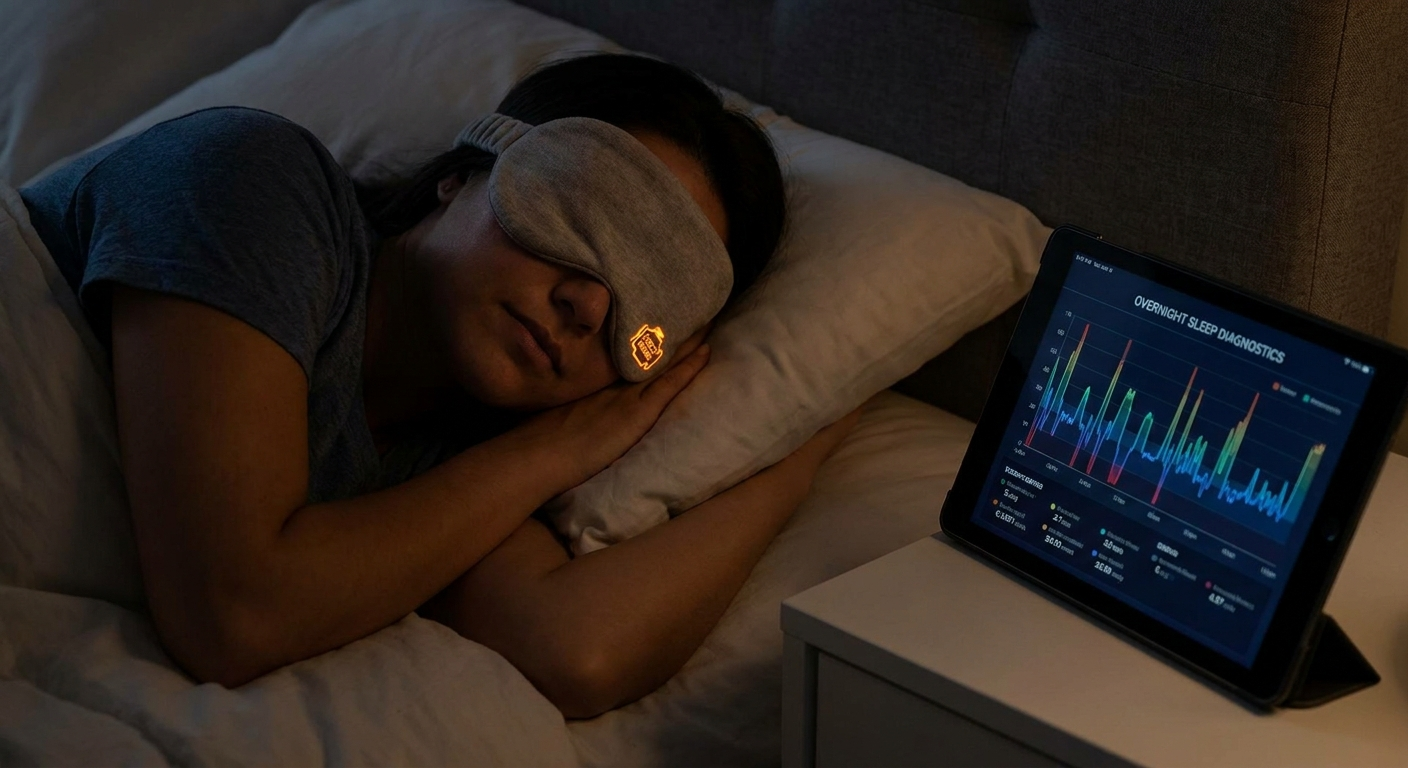
When a sleep test may be needed
A sleep study may be considered when symptoms such as snoring, gasping, or daytime sleepiness suggest sleep apnea (Mayo Clinic, 2024: https://www.mayoclinic.org/diseases-conditions/sleep-disorders/symptoms-causes/syc-20354018).
For more guidance on next steps, here’s an overview on when to see an ENT for sleep problems: https://sleepandsinuscenters.com/blog/when-to-see-an-ent-for-sleep-problems
Track patterns, bring targeted questions, and ask whether a sleep study could clarify what’s interrupting your rest.
Treatments that work (focus on the underlying cause + evidence-based insomnia care)
The best results usually come from addressing both: (1) the underlying condition and (2) the insomnia pattern itself.
Treat the root condition (examples)
- Optimizing pain strategies and timing
- Reflux approaches (meal timing, head-of-bed elevation, and medical therapy when indicated)
- Thyroid treatment for hyperthyroidism
- Diabetes management and nighttime glucose planning
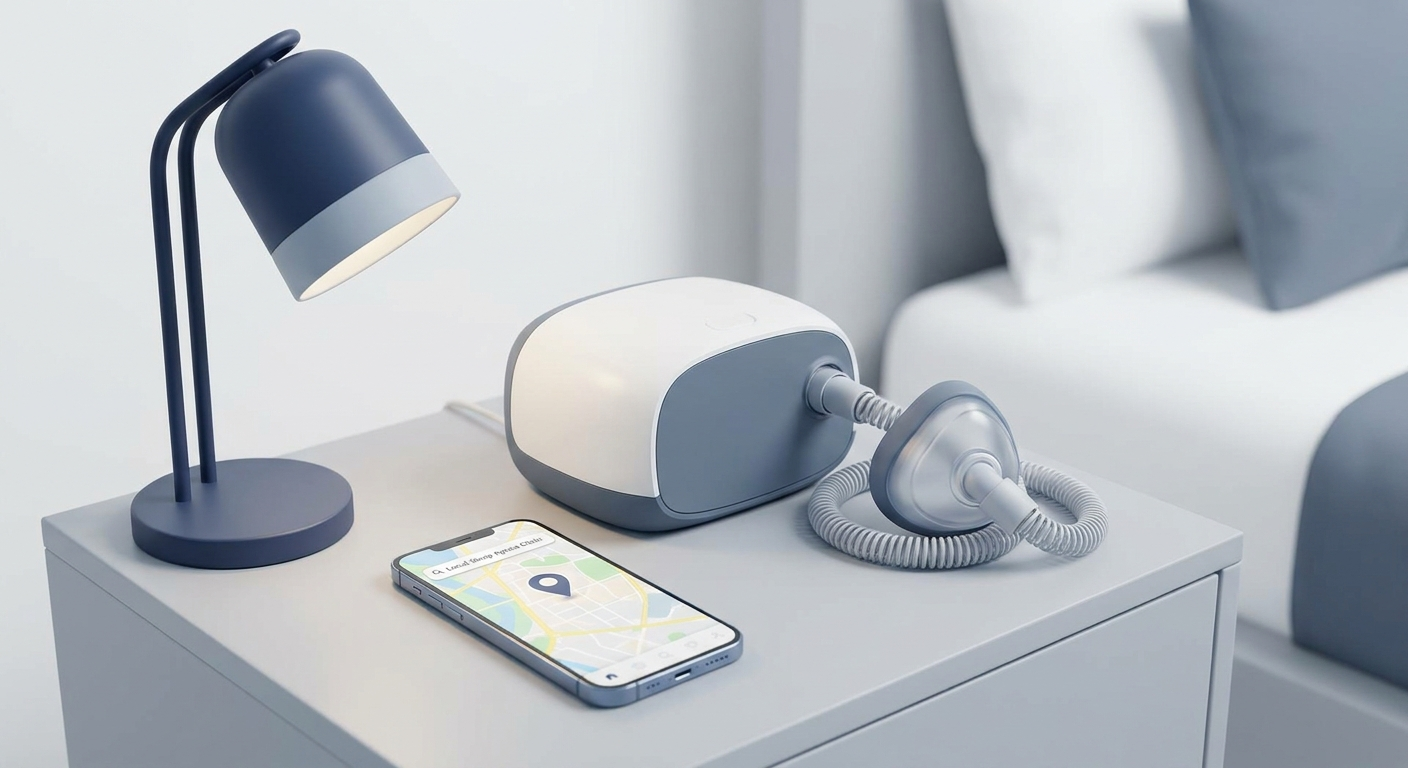
- Sleep apnea therapy (CPAP, oral appliance, and other options)
- RLS management (sometimes includes checking iron/ferritin when appropriate—clinician-guided)
Cognitive Behavioral Therapy for Insomnia (CBT-I): the cornerstone for chronic insomnia
CBT-I focuses on the habits and thoughts that keep sleep from consolidating—like irregular sleep schedules, time-in-bed mismatch, and the “performance pressure” of trying to force sleep. It’s considered a first-line, evidence-based treatment with durable benefits for many people (Cleveland Clinic, 2024: https://my.clevelandclinic.org/health/diseases/12119-insomnia; Mayo Clinic, 2024: https://www.mayoclinic.org/diseases-conditions/insomnia/symptoms-causes/syc-20355167).

Medication for sleep—when it’s considered (and cautions)
Sleep medications may be used in some cases under clinician guidance, often short term, but they shouldn’t replace evaluation for contributors like sleep apnea or restless legs.
Treat what’s causing the wake-ups and use proven insomnia tools—this one-two approach is where most people see real gains.
Patient-friendly lifestyle tips to support better sleep (while you address medical causes)
Lifestyle steps won’t “fix” every condition, but they can reduce friction around sleep and improve the effectiveness of other treatments.
Sleep hygiene that actually helps (keep it realistic)
- A consistent wake time (even after a rough night)
- A wind-down routine; reduce bright light close to bedtime
- A bedroom that’s cool, dark, and quiet
(CDC, 2024: https://www.cdc.gov/sleep/about/index.html)
Symptom-targeted tips
- Reflux (GERD-related insomnia): earlier/lighter dinners; left-side sleeping and elevation strategies
- Pain: supportive pillows, gentle stretching, and temperature-based comfort (heat/ice)
- Anxiety: “scheduled worry time,” relaxation breathing, and limiting doomscrolling
Small, sustainable changes can make medical treatments work better and help sleep feel less like a nightly battle.
When to seek medical help (and urgent red flags)
Make an appointment if:
- Insomnia lasts more than 3 months, happens 3+ nights/week, or affects daytime function
- You suspect snoring/gasping or RLS symptoms
- You’re relying on alcohol or OTC sleep aids most nights
Seek urgent care immediately for:
- Chest pain, severe shortness of breath, or fainting
- Signs of severe depression or suicidal thoughts
- Severe allergic reaction or medication reaction symptoms
If sleep problems persist or feel unsafe, don’t wait—get evaluated.
FAQs
What health problems commonly contribute to insomnia?
Common contributors include anxiety, depression, chronic pain, reflux (GERD), thyroid issues, diabetes-related symptoms, and sleep disorders like obstructive sleep apnea and restless legs syndrome (Mayo Clinic, 2024: https://www.mayoclinic.org/diseases-conditions/insomnia/symptoms-causes/syc-20355167; Cleveland Clinic, 2024: https://my.clevelandclinic.org/health/diseases/12119-insomnia).
Can sleep apnea cause insomnia even if I don’t feel sleepy during the day?
Yes. Some people experience OSA as frequent awakenings, lighter sleep, or early morning waking more than classic daytime sleepiness. A sleep test can clarify whether breathing events are fragmenting sleep (Mayo Clinic, 2024: https://www.mayoclinic.org/diseases-conditions/sleep-disorders/symptoms-causes/syc-20354018).
Why does acid reflux wake me up at night?
Reflux often worsens when lying down, and acid irritation can trigger burning sensations, coughing, or throat discomfort that interrupts sleep—leading to GERD-related insomnia patterns.
Can hyperthyroidism cause trouble falling asleep?
Yes. Hyperthyroidism can raise heart rate and create heat intolerance, restlessness, and anxiety-like symptoms that make it harder to fall asleep (Mayo Clinic, 2024: https://www.mayoclinic.org/diseases-conditions/insomnia/symptoms-causes/syc-20355167).
What’s the difference between insomnia and poor sleep from anxiety?
They overlap. Anxiety can be a driver of insomnia (hyperarousal), while insomnia can increase anxiety about sleep and worsen daytime worry. Addressing both the anxiety pattern and the sleep pattern is often important.
What is CBT-I, and how long does it take to work?
CBT-I is a structured therapy that targets behaviors and thoughts that perpetuate insomnia. Many programs run over several weeks, and improvements often build over time (Cleveland Clinic, 2024: https://my.clevelandclinic.org/health/diseases/12119-insomnia; Mayo Clinic, 2024: https://www.mayoclinic.org/diseases-conditions/insomnia/symptoms-causes/syc-20355167).
Conclusion (clear next steps)
Insomnia is common—and it’s treatable, especially when the underlying driver is identified. If you’ve been trying general tips without success, it may be time to look deeper at health problems that cause insomnia, including sleep apnea, restless legs syndrome, reflux, hormone shifts, and mental health factors.
Helpful next steps can include tracking symptoms for 1–2 weeks, reviewing medications/substances with your clinician, and asking about evidence-based options like CBT-I for insomnia—along with screening for conditions like sleep apnea when breathing symptoms are present.
If sleep issues persist or include snoring, gasping, or frequent awakenings, you can book an appointment with Sleep and Sinus Centers of Georgia to clarify the cause and review treatment options: https://www.sleepandsinuscenters.com/
This article is for educational purposes only and is not medical advice. Please consult a qualified healthcare provider for diagnosis and treatment.
Don’t let allergies slow you down. Schedule a comprehensive ENT and allergy evaluation at Sleep and Sinus Centers of Georgia. We’re here to find your triggers and guide you toward lasting relief.