Evidence-Based Tinnitus Treatment That Actually Works: Proven Options for Relief
Tinnitus can be frustrating, exhausting, and—at times—scary. Many people search for a tinnitus treatment that works and quickly run into conflicting claims: supplements, “detoxes,” sound apps, devices, and miracle cures. So what actually helps?
This guide breaks down evidence-based tinnitus treatment options supported by modern research and tinnitus guidelines, focusing on what tends to improve real-life outcomes like sleep, concentration, and quality of life. The best plans don’t rely on hype—they rely on repeatable results and realistic expectations.
Quick Take: What “Works” for Tinnitus (and What Doesn’t)
What “success” usually means
In most cases, effective care doesn’t promise to erase tinnitus completely. Instead, the goal of evidence-based tinnitus treatment is to reduce distress and improve daily functioning—including sleep, focus, mood, and the feeling of control. Major guidelines emphasize this practical, measurable definition of improvement. (NICE, 2020; Langguth et al., 2024)
A helpful way to think about it: tinnitus has a “sound signal” and an internal nervous system “alarm response” that causes distress. Treatment often turns down the alarm response—even if the signal doesn’t disappear.
Set expectations (without losing hope)
There is no single cure that reliably eliminates tinnitus for everyone. But there are proven tinnitus relief options that can significantly reduce suffering—especially when tailored to your hearing profile, symptoms, and triggers.
Many clinicians describe the goal like this: “We’re not chasing perfect silence—we’re helping your brain stop treating the sound like an emergency.” That shift alone can be life-changing.
The best-supported options at a glance
- CBT for tinnitus: the most consistent evidence for reducing tinnitus-related distress (Cochrane, 2020/2022; NICE, 2020)
- Hearing aids for tinnitus (when hearing loss is present): can reduce tinnitus impact and improve communication (NICE, 2020; Langguth et al., 2024)
- Sound therapy for tinnitus: helpful for some people, but overall trial evidence is mixed (NICE, 2020; Langguth et al., 2024)
- Tinnitus retraining therapy (TRT): education + counseling + sound enrichment; evidence is mixed compared to CBT (NICE, 2020; Langguth et al., 2024)
- Neuromodulation tinnitus treatments (rTMS/tDCS) and bimodal stimulation tinnitus devices: promising, but not yet routine first-line care in guidelines (Conlon et al., 2020; Langguth et al., 2024)
- Medications/supplements: no medication is approved specifically for tinnitus; medications are mainly used for related issues like anxiety, depression, or insomnia (NICE, 2020; Langguth et al., 2024)
Bottom line: Effective tinnitus care focuses on reducing distress and improving function, not chasing a guaranteed cure.
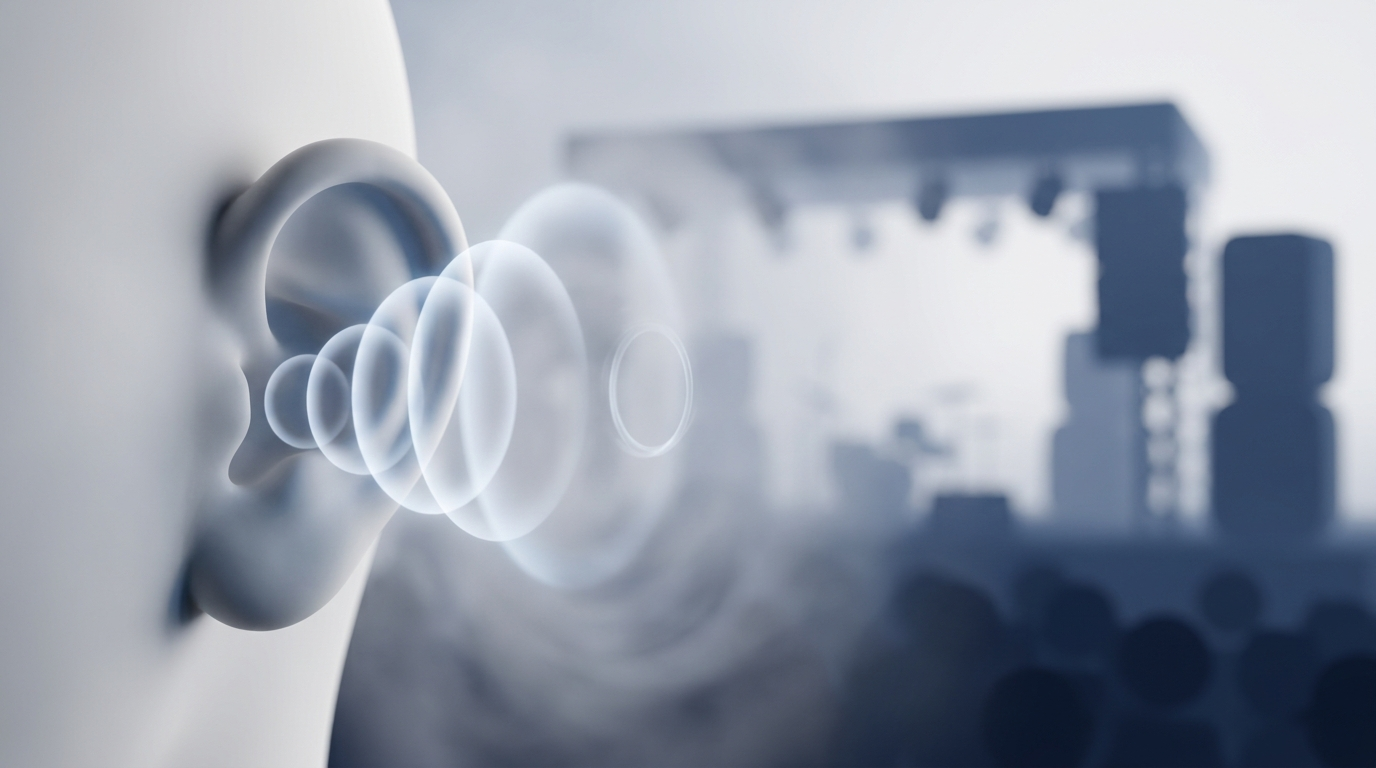
What Is Tinnitus, Exactly?
Tinnitus is the perception of sound without an external sound source. If you’re exploring the basics, Sleep and Sinus Centers of Georgia also has a helpful overview on constant ear ringing and what it can mean: https://sleepandsinuscenters.com/blog/what-is-constant-ear-ringing
Common tinnitus descriptions patients report
- Ringing, buzzing, hissing, humming
- Clicking or chirping
- Whooshing (sometimes rhythmic)
Tinnitus may affect one ear or both ears, and it may be constant or intermittent. A distinct pattern is pulsatile tinnitus, which sounds like a rhythm in sync with the heartbeat and typically warrants a focused medical evaluation. (NICE, 2020)
Why tinnitus can feel so overwhelming
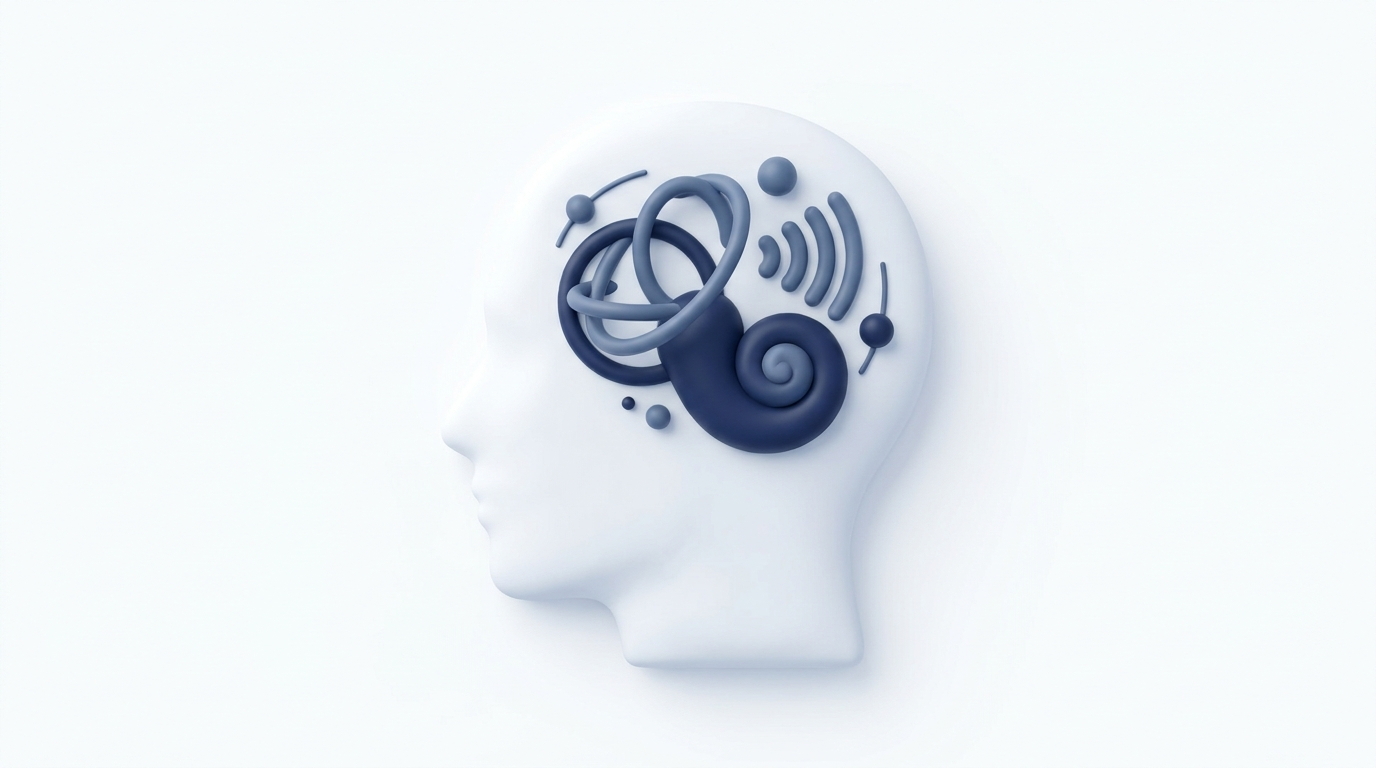
Tinnitus is not just an “ear problem.” The brain’s attention and threat systems can amplify it—especially when the sound is interpreted as dangerous or uncontrollable. Stress, anxiety, and sleep disruption can further increase the brain’s “spotlight” on tinnitus, creating a loop that makes symptoms feel louder or more intrusive. (Langguth et al., 2024)
That’s why people often say, “It’s worst at bedtime.” The quiet makes tinnitus stand out, and worry makes the brain monitor it even more.
Key idea: Tinnitus involves both a sound and your brain’s reaction—treatment often calms the reaction even if the sound remains.
Tinnitus Symptoms (Beyond the Sound)
Tinnitus often affects more than hearing. Many people report:
- Noticing tinnitus most in quiet rooms or at bedtime
- Trouble falling asleep or staying asleep
- Difficulty concentrating (“brain fog”)
- Irritability, anxiety, or low mood
- Sound sensitivity (hyperacusis), which may overlap for some individuals (Langguth et al., 2024)
Understanding these broader effects is important, because the most effective evidence-based tinnitus treatment plans usually target impact—not just loudness. For example, if tinnitus mainly disrupts sleep, a plan that stabilizes sleep can reduce next-day distress even if the sound itself is unchanged.
Remember: Targeting sleep, mood, and focus can meaningfully improve life—even when loudness doesn’t change much.
What Causes Tinnitus? (Most Common Contributors)
Hearing-related causes (very common)
A large share of tinnitus is linked to hearing system changes, including:
- Noise-induced hearing damage
- Age-related hearing loss
- Ear canal or middle ear problems (less common, but important to rule out)
Medical/medication contributors
Some medications can trigger or worsen tinnitus in certain people, so a medication review can be useful. Jaw and neck factors (like TMJ symptoms or neck tension) may contribute for some individuals as well, though they’re not the most common root cause. (Langguth et al., 2024)
A practical example: if tinnitus flared after a new medication—or after a period of heavy noise exposure—those clues are worth bringing to your clinician.
When tinnitus has a “different” pattern
Pulsatile tinnitus and other unusual patterns can sometimes point to treatable underlying causes and are handled differently in evaluation pathways. (NICE, 2020)
If your tinnitus has a sudden, one-sided, or rhythmic pattern, prompt medical evaluation is especially important.

When to See an ENT (Red Flags You Shouldn’t Ignore)
Tinnitus is often non-dangerous, but certain patterns are considered “red flags” in tinnitus guidelines because they may need prompt assessment:
- Sudden hearing loss (often treated as time-sensitive)
- New or worsening tinnitus in one ear
- Pulsatile tinnitus
- New neurologic symptoms (new dizziness/imbalance, facial weakness, severe headache)
- Ear pain, drainage, or fever along with tinnitus (NICE, 2020)
For more detail on evaluation, see Sleep and Sinus Centers of Georgia’s guide on when to see an ENT for tinnitus: https://sleepandsinuscenters.com/blog/ent-care-for-tinnitus-relief-effective-treatments-and-tips
If the sound is only on one side, this resource on single-sided tinnitus explains why that pattern often deserves special attention: https://sleepandsinuscenters.com/blog/single-sided-tinnitus-when-to-seek-urgent-medical-attention
If any red flags apply, seek care promptly—early evaluation can be time-sensitive.
Evidence-Based Tinnitus Treatments (Ranked by Strength of Evidence)

1) Cognitive Behavioral Therapy (CBT): The Most Proven Option
CBT for tinnitus has the strongest and most consistent evidence for reducing tinnitus-related distress. (Cochrane, 2020/2022; NICE, 2020)
What CBT does (and what it doesn’t)
CBT typically does not “turn off” tinnitus directly. Instead, it helps reduce:
- Distress and anxiety around tinnitus
- Sleep disruption
- Avoidance behaviors and constant monitoring
- The feeling that tinnitus is controlling life (Cochrane, 2020/2022)
A concrete example: rather than spiraling after noticing a spike (“This will never stop”), CBT helps you practice a more accurate response (“This is uncomfortable, but I have tools—and spikes usually settle”).
Who may benefit most?
CBT can help many people, especially when tinnitus affects:
- Sleep
- Mood
- Concentration
- Day-to-day function
It’s also particularly relevant when anxiety or depression overlaps with tinnitus. (NICE, 2020)
In-person vs online/digital CBT
Both in-person and internet-delivered CBT formats show benefit. Digital CBT is recognized in guidelines as an option, especially when access to in-person care is limited. (NICE, 2020; Cochrane, 2020/2022)
What CBT often includes (in plain language)
- Identifying and challenging catastrophic thoughts
- Attention-shifting and habituation skills
- Relaxation and stress-management strategies
- Sleep-focused techniques adapted for tinnitus
CBT is the best-supported way to reduce tinnitus distress and reclaim daily function—even if loudness stays the same.

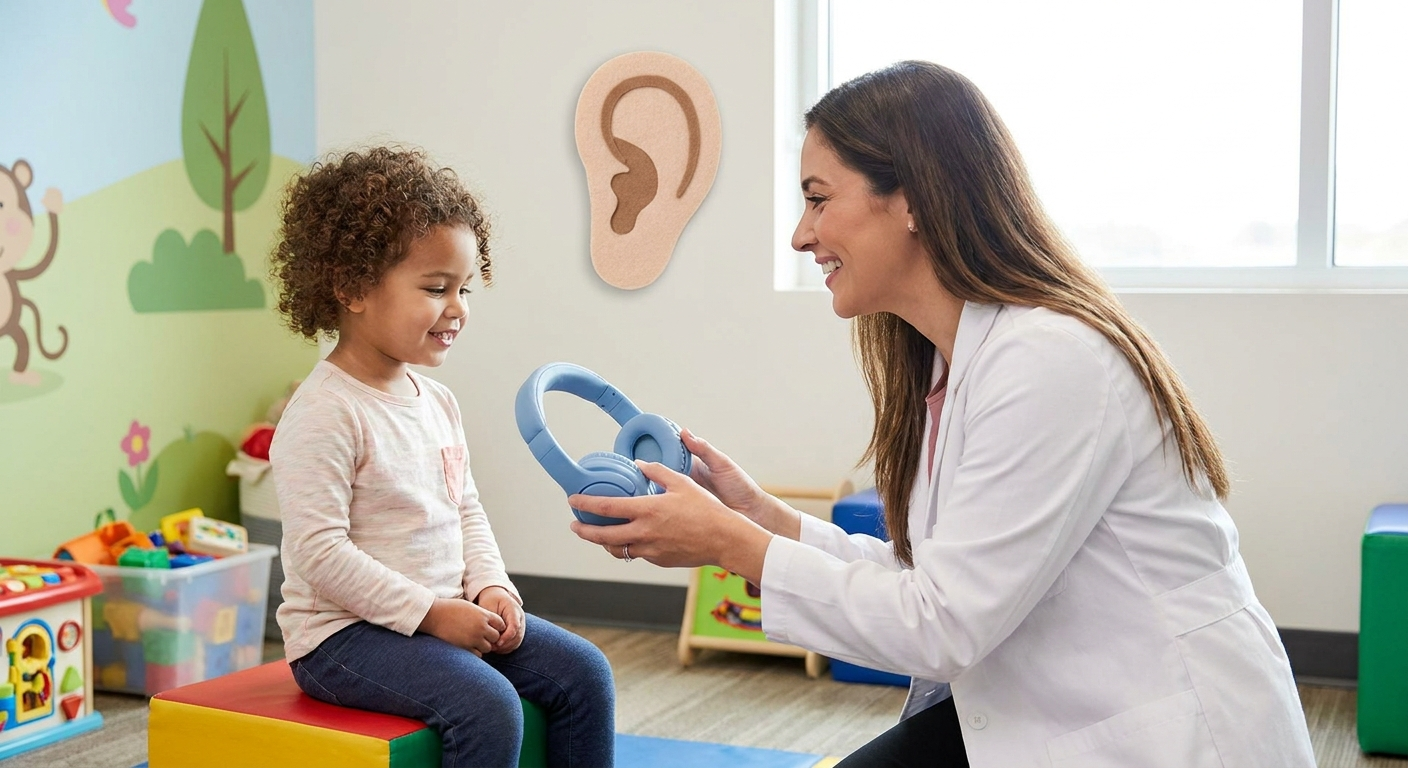
2) Treat Hearing Loss (If Present): Hearing Aids and Cochlear Implants
When hearing loss is present, treating it can reduce tinnitus burden and make the day feel easier. (NICE, 2020; Langguth et al., 2024)
Why hearing care can help tinnitus
Improving access to external sound can make tinnitus less dominant. Better hearing can also reduce listening effort and communication stress—two common amplifiers of tinnitus distress. (Langguth et al., 2024)
Hearing aids for tinnitus
Hearing aids for tinnitus are commonly recommended when an audiogram shows hearing loss. Many people notice:
- Tinnitus feels less prominent during daily activities
- Speech becomes clearer, reducing strain (NICE, 2020)
If you’re new to hearing tests, this guide explains audiogram basics in a patient-friendly way: https://sleepandsinuscenters.com/blog/audiogram-basics-explained-a-patients-guide-to-hearing-tests
Cochlear implants (for specific candidates)
For severe/profound hearing loss—or selected cases such as single-sided deafness when clinically appropriate—cochlear implants may reduce tinnitus impact in properly selected candidates. (NICE, 2020; Langguth et al., 2024)
A key nuance
For people with normal hearing, evidence that hearing aids improve tinnitus is weaker overall. (Langguth et al., 2024)
If hearing loss is part of the picture, treating it often reduces tinnitus dominance and listening strain.

3) Sound Therapy & Masking: Helpful for Some, Mixed Evidence Overall
“Sound therapy” can mean many things, from a bedside fan to specialized devices.
What sound therapy means in practice
- Background noise (fan, white noise, nature sounds)
- Sound generators in hearing aids
- Environmental sound enrichment, especially at bedtime
What the research says
Many people report relief, but across high-quality trials, results are mixed and not consistently strong for any single sound protocol. (NICE, 2020; Langguth et al., 2024)
Practical, safer use (general education)
Sound is typically most comfortable when it’s low-level and used for “blending” rather than overpowering tinnitus. A common goal is to reduce the contrast between tinnitus and surrounding silence—particularly at night (for example, setting a fan across the room rather than playing audio directly into the ear).
Use low-level, soothing sounds to blend—not blast—your tinnitus, especially at bedtime.
4) Tinnitus Retraining Therapy (TRT): Education + Sound + Counseling
Tinnitus retraining therapy combines structured education with counseling and sound enrichment aimed at habituation.
Evidence summary
TRT may benefit some people, but overall trial evidence is mixed, and it’s not as consistently supported as CBT for tinnitus distress outcomes. (NICE, 2020; Langguth et al., 2024)
Who may consider it?
TRT may appeal to people who want a habituation-focused framework and can access experienced providers. In real-world care, TRT and CBT elements are sometimes blended.
TRT can help some individuals, but CBT remains the more consistently supported option.
5) Neuromodulation (rTMS, tDCS) & Emerging Bimodal Stimulation
Newer approaches try to influence neural activity involved in tinnitus perception.
Non-invasive brain stimulation (rTMS/tDCS)
Research suggests small-to-moderate benefits for some people, but effects may be temporary and results vary across studies. (Langguth et al., 2024)
Bimodal stimulation (sound + tongue/skin stimulation)
Bimodal stimulation tinnitus devices have shown positive results in large randomized studies, but guidelines remain cautious pending further replication and long-term outcome data. While some large studies show promise, these devices are not yet widely endorsed as standard treatment and require further research to confirm effectiveness and long-term benefits. (Conlon et al., 2020; Langguth et al., 2024)
Questions to ask before trying a device/program
- Is it FDA-cleared for a specific medical indication or marketed as general “wellness”?
- Does it aim to reduce loudness, distress, sleep problems—or something else?
- What is known about durability of benefit after stopping?
These approaches are promising but remain add-ons—not first-line care—in most guidelines.
6) Medications & Supplements: What Evidence Says
The key point
There is no medication approved specifically for tinnitus, and many drug/supplement trials are negative or inconclusive. Some medications can potentially worsen tinnitus symptoms; therefore, careful review by a healthcare provider is recommended. (NICE, 2020; Langguth et al., 2024)
When medication may still help
Medications can be used to treat associated issues—such as insomnia, anxiety, or depression—which can indirectly reduce tinnitus suffering. (NICE, 2020)
Because supplements and off-label options can carry side effects and interactions, it’s worth discussing risks with a qualified clinician rather than relying on “miracle cure” marketing.
Medications target sleep and mood—not tinnitus itself—and should be reviewed carefully with your clinician.

A Practical, Step-by-Step Treatment Plan (What to Do First)
A useful way to approach evidence-based tinnitus treatment is to build from the strongest fundamentals:
1) Get the right evaluation
This often includes a hearing test (audiogram), a review of triggers (noise exposure, medications, stress, sleep), and checking for red-flag patterns. (NICE, 2020)
2) Choose a proven foundation
CBT (including online formats) remains the most reliable starting point for reducing distress. (Cochrane, 2020/2022; NICE, 2020)
3) Add hearing care if indicated
Hearing aids and, for selected candidates, cochlear implant evaluation can reduce tinnitus impact when hearing loss is part of the picture. (NICE, 2020; Langguth et al., 2024)
4) Layer supportive tools
Sound enrichment, a sleep plan, and stress-management skills often improve day-to-day control.
5) Consider specialty options if needed
TRT, neuromodulation tinnitus approaches, or bimodal stimulation tinnitus programs may be explored with realistic expectations and careful vetting. (Langguth et al., 2024; Conlon et al., 2020)
Start with evaluation and CBT, add hearing care when needed, then consider add-ons if symptoms persist.
Lifestyle Tips That Can Make Tinnitus Easier to Live With
Sleep strategies (high impact for many people)
- Low-level background sound at night can reduce the contrast between tinnitus and surrounding silence
- A consistent wind-down routine and stable wake time can support sleep regulation
- Some people find caffeine or alcohol worsens sleep or tinnitus perception; tracking patterns can be informative
Hearing protection—without overprotecting
Protecting hearing in truly loud environments is important. At the same time, constant earplug use in normal-volume settings may increase sound sensitivity for some individuals. (Langguth et al., 2024)
Stress and symptom flares
Stress doesn’t “cause” most tinnitus, but it can amplify perception and distress. Skills taught in CBT—relaxation, cognitive reframing, and attention shifting—often help during flares. (Langguth et al., 2024)
Small, steady habit changes—especially for sleep—often pay the biggest dividends.
FAQs
Can tinnitus be cured permanently?
Most cases do not have a single reliable cure, but tinnitus distress and life impact can improve substantially with the right plan. (NICE, 2020; Langguth et al., 2024)
What is the most effective treatment for tinnitus?
Across studies and guidelines, CBT for tinnitus has the strongest evidence for reducing tinnitus-related distress. (Cochrane, 2020/2022; NICE, 2020)
Do hearing aids help tinnitus?
Often yes—when hearing loss is present. Evidence is weaker for people with normal hearing. (NICE, 2020; Langguth et al., 2024)
Is tinnitus retraining therapy (TRT) evidence-based?
It can help some people, but overall evidence is mixed compared with CBT. (Langguth et al., 2024)
Are there any proven medications for tinnitus?
No medication is specifically approved for tinnitus; medications are mainly used to treat associated insomnia, anxiety, or depression. Some medications can also worsen tinnitus for some individuals, so review your list with your clinician. (NICE, 2020; Langguth et al., 2024)
What does it mean if tinnitus is only in one ear?
Unilateral tinnitus is a common reason to seek evaluation, especially if it’s new, changing, or accompanied by hearing changes. (NICE, 2020)
Conclusion: The Goal Is Relief You Can Measure
The most reliable path forward isn’t chasing a miracle cure—it’s choosing a plan grounded in results: CBT as a foundation, hearing care when indicated, and supportive strategies like sound enrichment and sleep improvements. That combination is the core of evidence-based tinnitus treatment and aligns with modern tinnitus guidelines.
If you’d like to take the next step with an evaluation, you can learn more about care options at: https://www.sleepandsinuscenters.com/
Book an appointment here: https://sleepandsinuscenters.com/appointments
(If you’re unsure where to start, scheduling a hearing evaluation and tinnitus-focused visit is often the simplest first step.)
Focus on measurable relief—sleep better, worry less, and regain control of your day.
References
1. Langguth B, et al. The Current State of Tinnitus Diagnosis and Treatment (2024). https://pmc.ncbi.nlm.nih.gov/articles/PMC11528090/
2. NICE. Tinnitus: assessment and management (2020). https://www.bmj.com/content/368/bmj.m976
3. Cochrane Review. Cognitive behavioural therapy for adults with tinnitus (2020/2022). https://www.cochrane.org/evidence/CD012614_cognitive-behavioural-therapy-adults-tinnitus
4. Conlon B, et al. Bimodal Neuromodulation Combining Sound and Tongue Stimulation (2020). https://www.science.org/doi/10.1126/scitranslmed.abb2830
Disclaimer
This article is for educational purposes only and is not medical advice. Please consult a qualified healthcare provider for diagnosis and treatment.
Don’t let allergies slow you down. Schedule a comprehensive ENT and allergy evaluation at Sleep and Sinus Centers of Georgia. We’re here to find your triggers and guide you toward lasting relief.