Does Zyrtec Cause Sleeplessness? Side Effects, Insomnia Risk & Tips
If you’re taking Zyrtec for allergies and suddenly lying awake at night, you’re not alone in wondering: does Zyrtec cause sleeplessness? Cetirizine (Zyrtec) is better known for making people sleepy—yet a small number of people report the opposite.
Below is an educational, patient-friendly guide to Zyrtec-related insomnia, why it can happen, what to watch for (especially in children), and practical next steps to discuss with your clinician.
Quick Answer — Can Zyrtec Cause Sleeplessness?
Yes, it can happen, though it appears to be uncommon.
Cetirizine (Zyrtec) is a second-generation antihistamine that is more commonly sedating, but insomnia and trouble sleeping have been reported. Some drug references list trouble sleeping as an uncommon side effect, and it may also appear among possible symptoms listed for overdose information.
Sources: Mayo Clinic cetirizine monograph and Drugs.com Zyrtec page (Mayo Clinic, Drugs.com)
What “paradoxical insomnia” means
A paradoxical reaction is when a medication causes the opposite of what you’d expect. With antihistamines, that can mean feeling more awake, wired, restless, or sleep-disrupted instead of drowsy—one way Zyrtec may cause sleeplessness can show up in real life.
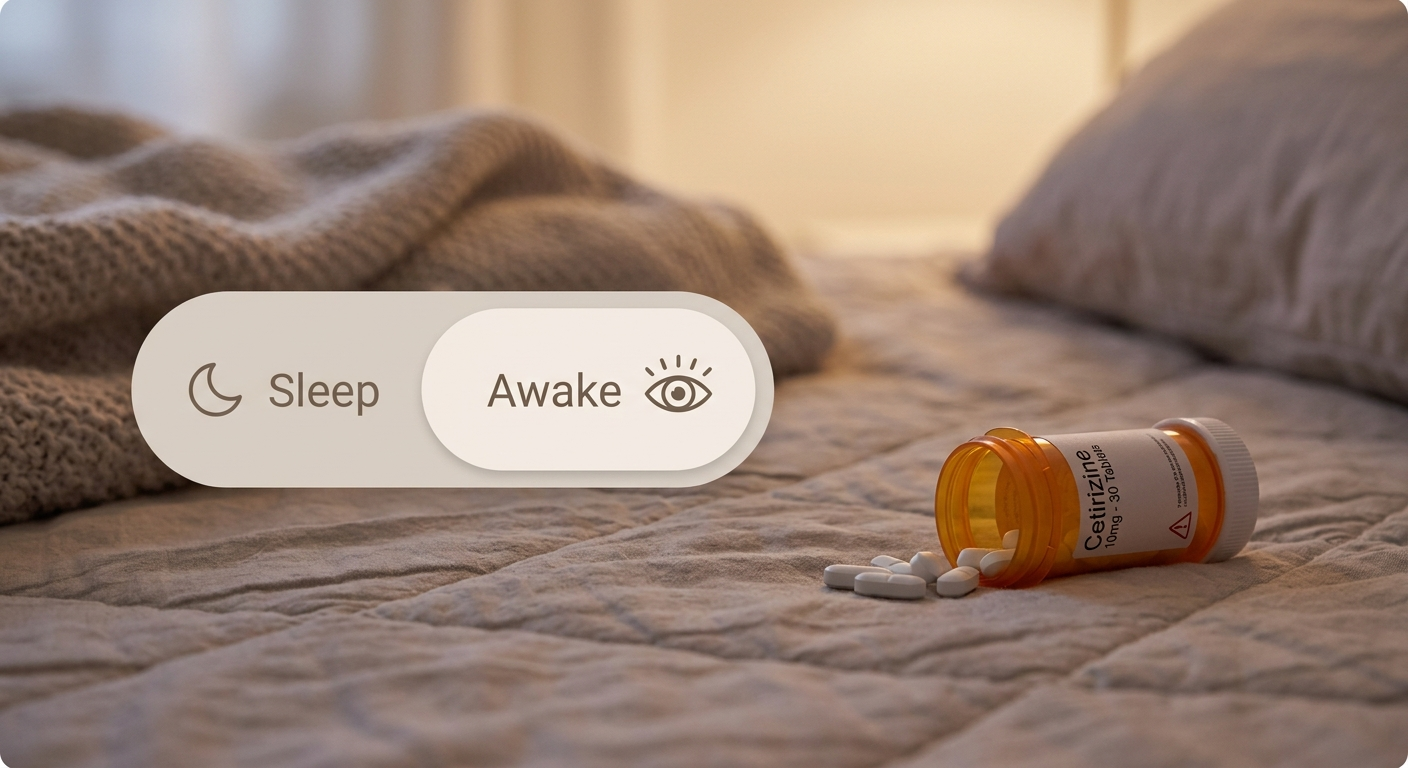
A simple analogy: most people experience cetirizine like a “dim switch” on alertness, but a few experience it more like an “on switch” for restlessness.
What Is Zyrtec (Cetirizine) and What Is It Used For?
Zyrtec is the brand name for cetirizine, an antihistamine used for common allergic conditions. (Source: Mayo Clinic)
Common reasons people take Zyrtec
- Seasonal allergies (allergic rhinitis): sneezing, runny nose, itchy/watery eyes
- Hives (urticaria): itchy raised welts
Why Zyrtec often affects sleep in the first place
Histamine isn’t only involved in allergy symptoms—it also plays a role in wakefulness. Antihistamines block histamine signals, which is why many people experience drowsiness (the expected effect). That same “histamine–wakefulness” connection also explains why sleep effects can feel noticeable—whether that’s sedation or, more rarely, sleep disruption.
Typical Sleep-Related Side Effects: Drowsiness Is More Common
For most people, the sleep-related story with cetirizine is sleepiness, not insomnia. Drugs.com and Mayo Clinic both discuss drowsiness and fatigue among commonly discussed effects. (Drugs.com, Mayo Clinic)
Drowsiness, fatigue, or a “hangover” feeling the next day
- Sleepy within hours of a dose
- Slower reaction time
- Grogginess the next morning
Who may be more likely to feel sedated
- People who are generally more sensitive to medications
- People combining cetirizine with other sedating substances/medications (for example alcohol or certain sleep aids)
Why some people take Zyrtec at night
- Reduce daytime drowsiness
- Get relief from nighttime allergy symptoms (postnasal drip, congestion) that can disrupt sleep
If nighttime dosing helps symptoms but worsens sleep, it’s a clue worth documenting and discussing rather than simply “pushing through.”
The Uncommon but Real Issue — Zyrtec-Related Insomnia (Paradoxical Reaction)
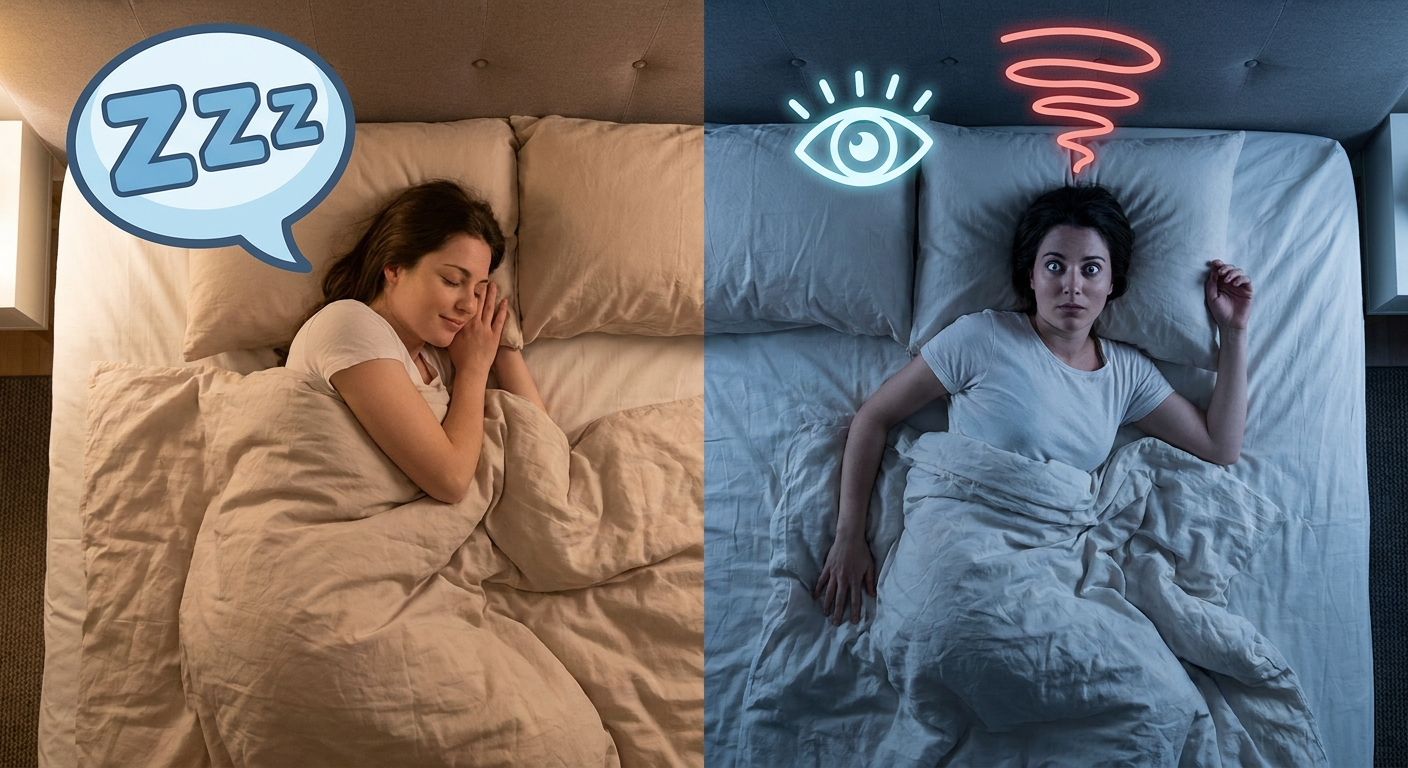
While less common, Zyrtec-associated insomnia is reported—and it’s one reason people search does cetirizine keep you awake?
What “Zyrtec insomnia” can look like
- Trouble falling asleep (sleep-onset insomnia)
- Nighttime awakenings or lighter, more fragmented sleep
- Feeling unusually alert, wired, or restless
- Vivid dreams or nightmares (occasionally reported anecdotally)
- In children: new or worsening nighttime events (see below)
A quick pattern example: you start cetirizine and, within a couple nights, you’re wide awake at 1 a.m. despite feeling tired—then you feel irritable or foggy the next day.
What the medical literature says (rare case reports)
- A 2021 case report described sleep terrors worsening after cetirizine, with improvement after discontinuation. (Journal of Clinical Sleep Medicine case report, PMC)
- A 2010 case report described insomnia in a toddler that improved after cetirizine was discontinued. (Southern Medical Journal, PubMed)
These are not common outcomes, but they support that paradoxical sleep disruption can happen, especially when families are trying to sort out whether Zyrtec is involved.
Symptoms to Watch For (Adults vs. Children)
Because sleep disruption can have many causes, it helps to focus on timing and patterns—particularly after starting or changing an allergy medication.
Adults — signs Zyrtec may be disrupting sleep
- New insomnia starting within days of starting cetirizine
- More nighttime awakenings without another clear reason
- Next-day effects such as irritability, headaches, reduced focus, or feeling “off”
A helpful clinician-style question is: “Did anything change the week your sleep changed?” If the main change was cetirizine timing or dose, that’s relevant data.
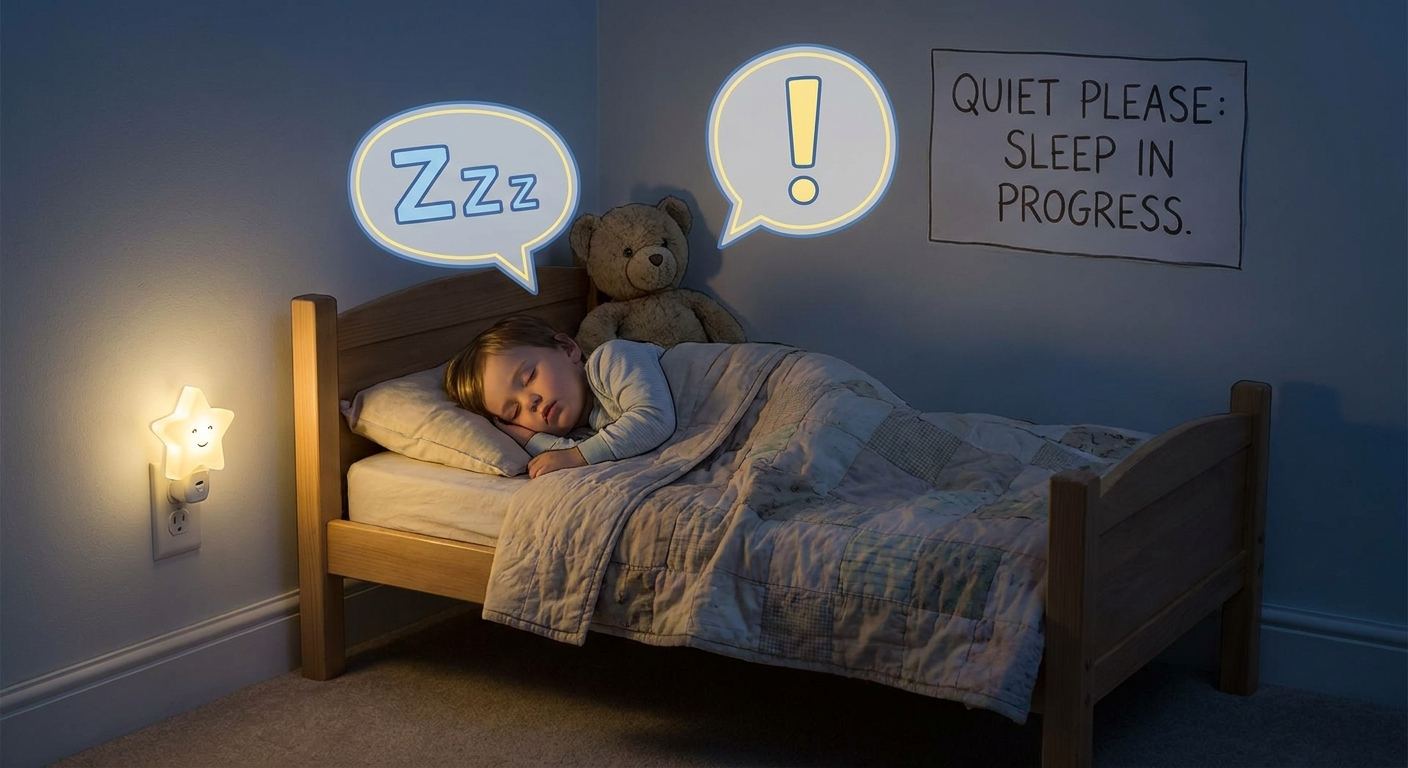
Children — when to be extra cautious
Rare pediatric reports suggest watching for:
- New bedtime resistance or difficulty settling
- More frequent nighttime awakenings
- Sleep terrors (often called night terrors) getting worse, which are different from nightmares
- Behavior changes the next day (overtiredness can look like hyperactivity)
Related case reports: J Clin Sleep Med (2021) on PMC, South Med J (2010) on PubMed
Why Might Zyrtec Keep Some People Awake? (Possible Causes & Contributing Factors)
If you’re asking does Zyrtec cause sleeplessness, consider a few possibilities that can overlap.
Paradoxical CNS stimulation (the “opposite effect”)
Bodies vary. Differences in brain chemistry, medication sensitivity, and how an individual processes drugs can lead to stimulation rather than sedation—a classic paradoxical pattern seen with some medications.
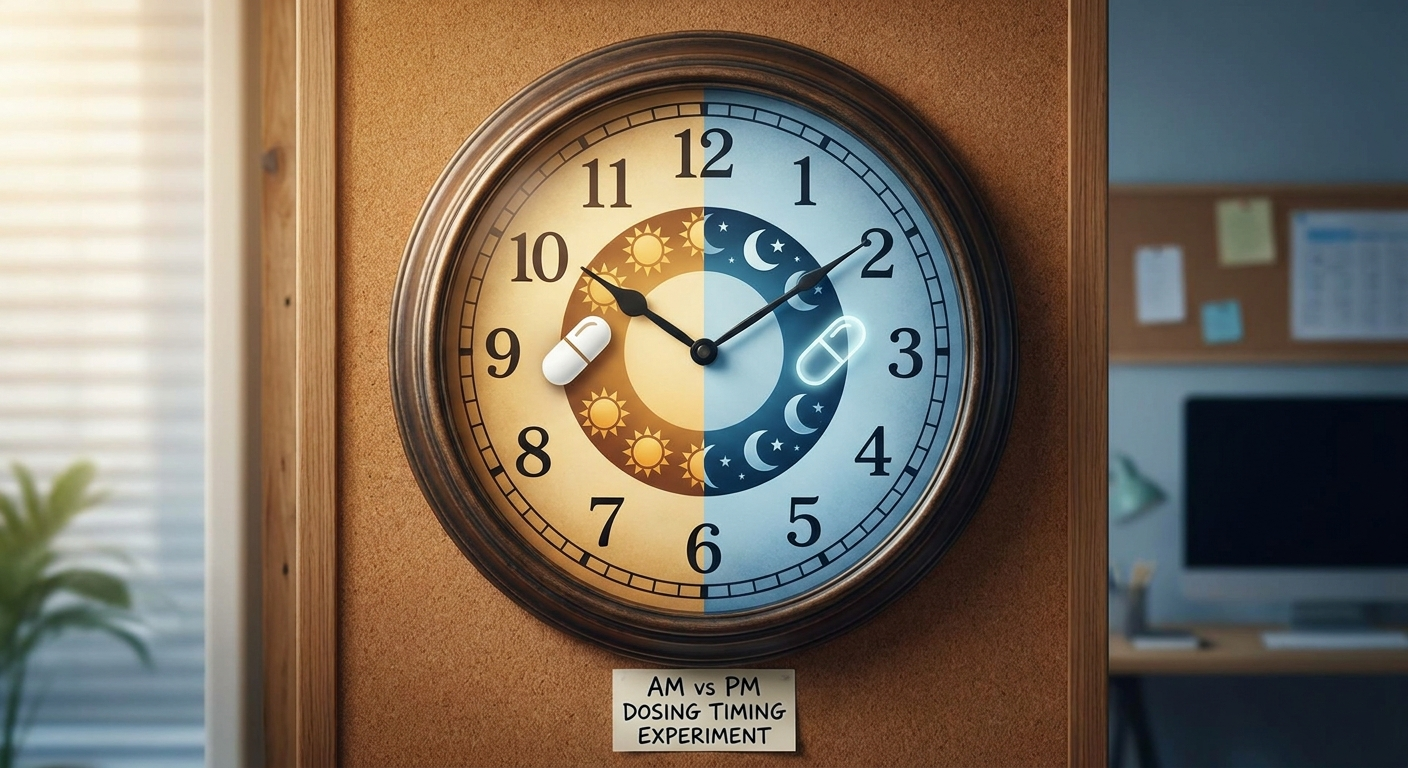
Dose timing and “wrong time for your body”
The same medication can feel different depending on when it’s taken. Some people feel more alert after an evening dose; others feel sleepy after a morning dose. If you’re deciding on timing, this provider blog resource on the best time to take allergy medicine (morning vs. night dosing) can help you think through patterns to discuss with your clinician: https://sleepandsinuscenters.com/blog/best-times-to-take-allergy-medicine-morning-vs-night
Overdose or accidental double-dosing
Mistakes happen—especially during busy allergy seasons. Some drug information resources list trouble sleeping among possible symptoms for overdose information. Always follow label directions and clarify dosing questions with a clinician.
Sources: Mayo Clinic, Drugs.com
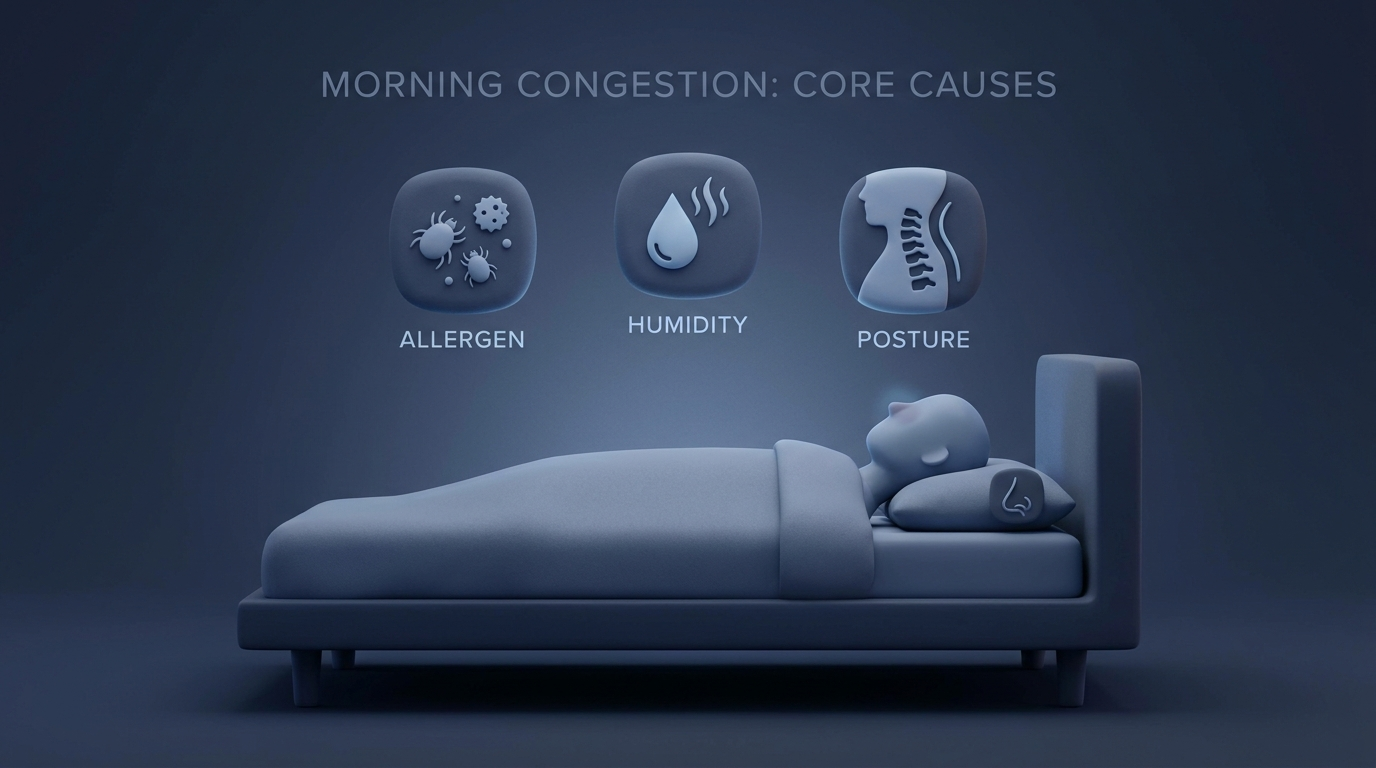
Your allergies (not Zyrtec) may be the real sleep disruptor
It’s also possible you’re dealing with confusion about whether sleep disruption is caused by the antihistamine or by uncontrolled allergy symptoms, such as:
- Nasal congestion → mouth breathing, snoring, frequent awakenings
- Postnasal drip → coughing/throat clearing at night
- Sinus pressure → discomfort and lighter sleep
For background on how allergic rhinitis can affect sleep quality, see: https://sleepandsinuscenters.com/blog/chronic-allergic-rhinitis-and-its-impact-on-sleep-quality
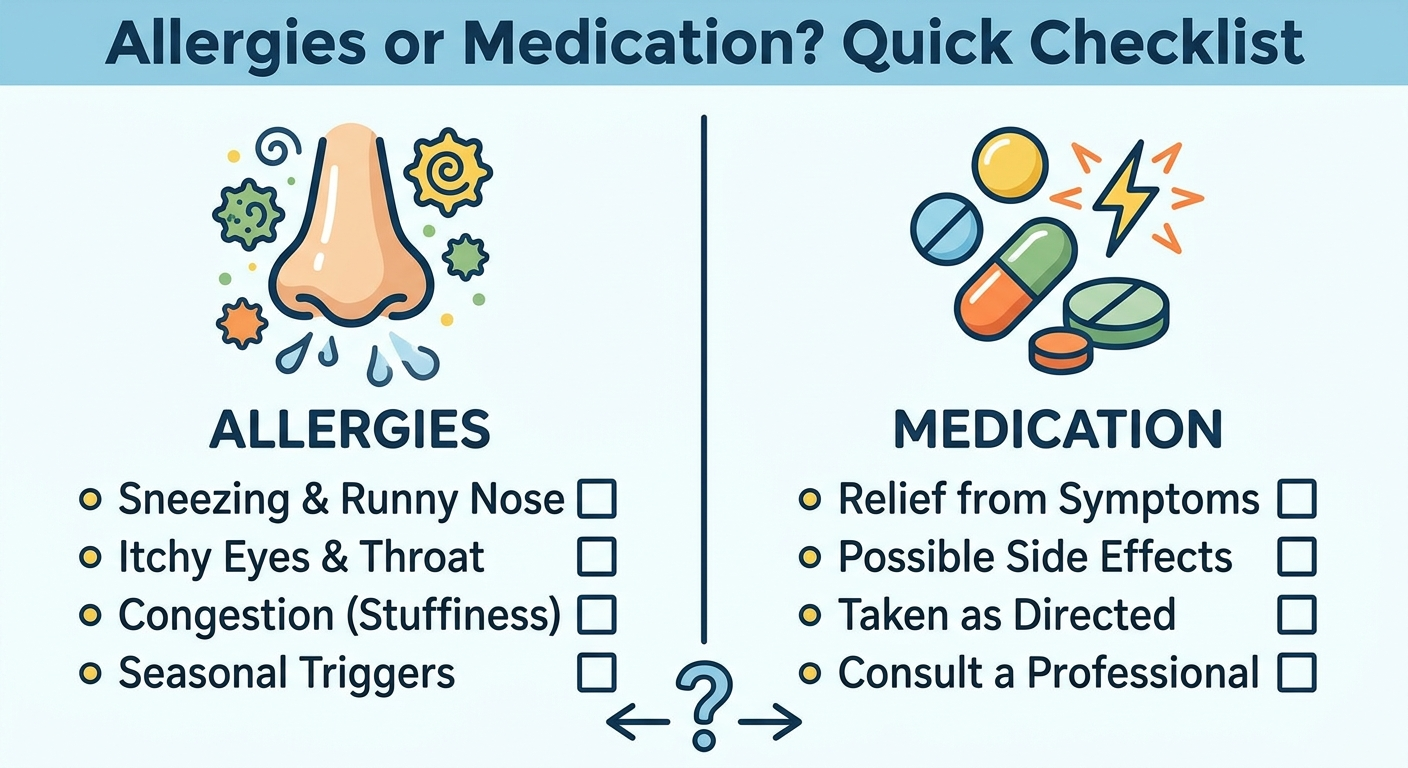
“Is It Zyrtec or Allergies?” (Quick Symptom Checklist)
Use this to organize what you’re noticing (and what to share with your clinician):
More suggestive of a medication-related effect
- Sleep problems start within a few days of starting/changing cetirizine
- Feeling wired or restless at bedtime (not just congested)
- Sleep improves when the medication is skipped or switched (when medically appropriate)
More suggestive of uncontrolled allergies
- Waking due to congestion, coughing, or postnasal drip
- Symptoms are clearly worse on high-pollen days or after known exposure
- Sleep improves with better symptom control measures (environmental changes, nasal care, etc.)
What to Do If You Think Zyrtec Is Causing Sleeplessness
This section is educational. If symptoms are significant, contact your clinician, and be especially cautious with children.
Step 1 — Track the pattern for 3–7 days
- Start date, dose, and time taken
- Caffeine and alcohol intake
- Bedtime/wake time and number of awakenings
- If a child: any night events (waking episodes, fear, confusion, screaming)
Step 2 — Consider a timing adjustment (with clinician guidance if needed)
Some people do better moving a dose earlier (or later). If you want help thinking through timing, see this provider resource: https://sleepandsinuscenters.com/blog/best-times-to-take-allergy-medicine-morning-vs-night
For children, avoid changing schedules without checking with a pediatric clinician.
Step 3 — Ask about switching antihistamines
If insomnia began after Zyrtec and persists, clinicians may consider switching to another second-generation antihistamine (for example, loratadine or fexofenadine). Individual responses vary—one person’s “non-drowsy” option may still cause side effects in another. Some case reports note improvement after discontinuation.
Sources: J Clin Sleep Med (2021), South Med J (2010)
Step 4 — Address allergy symptoms that fragment sleep
Simple environmental steps (covered below) can reduce nighttime symptoms that mimic Zyrtec-related insomnia.
Treatment Options Beyond Zyrtec (Allergy Control Without Wrecking Sleep)
If cetirizine side effects on sleep are a concern, other strategies may be worth discussing with a clinician.
Non-drowsy medication alternatives to discuss
- Other second-generation oral antihistamines (responses vary person to person)
- Intranasal steroid sprays, which can be especially helpful for congestion/postnasal drip—common drivers of nighttime waking
Longer-term solutions
If you’re regularly relying on medications and still not sleeping well, identifying triggers can reduce guesswork. Sleep and Sinus Centers of Georgia offers allergy testing to help pinpoint what you react to: https://sleepandsinuscenters.com/allergy-testing

Lifestyle Tips for Better Sleep While Treating Allergies
Nighttime allergy control (sleep-friendly)
- Shower before bed to remove pollen from hair and skin
- Change pillowcases frequently during high-pollen periods
- Keep pets out of the bedroom if pet dander is a trigger
Sleep hygiene basics (especially during medication changes)
- Keep a consistent sleep/wake schedule
- Limit caffeine after early afternoon
- Make the bedroom cool, dark, and quiet
For more ideas, see our sleep hygiene tips: https://sleepandsinuscenters.com/blog/sleep-hygiene-and-its-impact-on-ent-disorders-key-insights
When to Call a Doctor (or Seek Urgent Care)
Call your clinician soon if:
- Insomnia is severe or lasts more than 1–2 weeks after starting or changing cetirizine
- A child develops new or worsening sleep terrors (often called night terrors) or major bedtime disruption
- You need allergy control but can’t tolerate the current medication effects
Seek urgent help if:
- Signs of a serious allergic reaction occur (such as trouble breathing or swelling of the face/lips/tongue)
- There’s concern for overdose (especially in children), confusion, severe agitation, or other alarming symptoms
Drug references discussing side effects and warnings: Mayo Clinic, Drugs.com
FAQs
Can Zyrtec cause insomnia even though it usually makes you sleepy?
Yes. While drowsiness is more typical, rare paradoxical reactions have been reported, including insomnia and nighttime events. Sources: J Clin Sleep Med (2021), South Med J (2010)
How long does Zyrtec insomnia last?
It varies. Some people notice improvement after a timing change or after stopping/switching medications (with clinician guidance). If sleep disruption persists, other causes—like uncontrolled congestion—may need attention.
Is Zyrtec more likely to cause sleep problems in children?
Most children tolerate cetirizine well, but pediatric case reports describe insomnia and worsening sleep terrors that improved after discontinuation. If new sleep disruption starts, it’s reasonable to contact a pediatric clinician. Sources: J Clin Sleep Med (2021), South Med J (2010)
Should I take Zyrtec in the morning or at night?
It depends on whether you feel sleepy or stimulated and when symptoms are worst. This timing guide can help you organize what you’re experiencing: https://sleepandsinuscenters.com/blog/best-times-to-take-allergy-medicine-morning-vs-night
What antihistamine is least likely to affect sleep?
There’s no single best choice for everyone. Many people find some options feel less sedating than others (often fexofenadine is considered less likely to cause drowsiness), but individual response matters. Drug references list sleep-related effects across products. Sources: Drugs.com, Mayo Clinic
Key Takeaways (Summary)
- Zyrtec commonly causes drowsiness, but sleeplessness can occur in a small number of people—so the question “does Zyrtec cause sleeplessness?” has a real (though uncommon) yes.
- Rare published case reports describe insomnia and worsening sleep terrors that resolved after stopping cetirizine.
- If new insomnia starts after Zyrtec: track the timing, consider whether allergies are still disrupting sleep, and discuss timing changes or switching allergy medications with a clinician.
Need help sorting it out?
Need help sorting out whether your sleep disruption is coming from allergies, medication timing, or something else? Book an appointment with Sleep and Sinus Centers of Georgia: https://www.sleepandsinuscenters.com/
Sources
Mayo Clinic, Drugs.com, J Clin Sleep Med (2021) on PMC, South Med J (2010) on PubMed
Medical disclaimer
This article is for general education and is not a substitute for personalized medical advice. For dosing, switching medications, or pediatric concerns, contact a licensed clinician. This article is for educational purposes only and is not medical advice. Please consult a qualified healthcare provider for diagnosis and treatment.
Don’t let allergies slow you down. Schedule a comprehensive ENT and allergy evaluation at Sleep and Sinus Centers of Georgia. We’re here to find your triggers and guide you toward lasting relief.