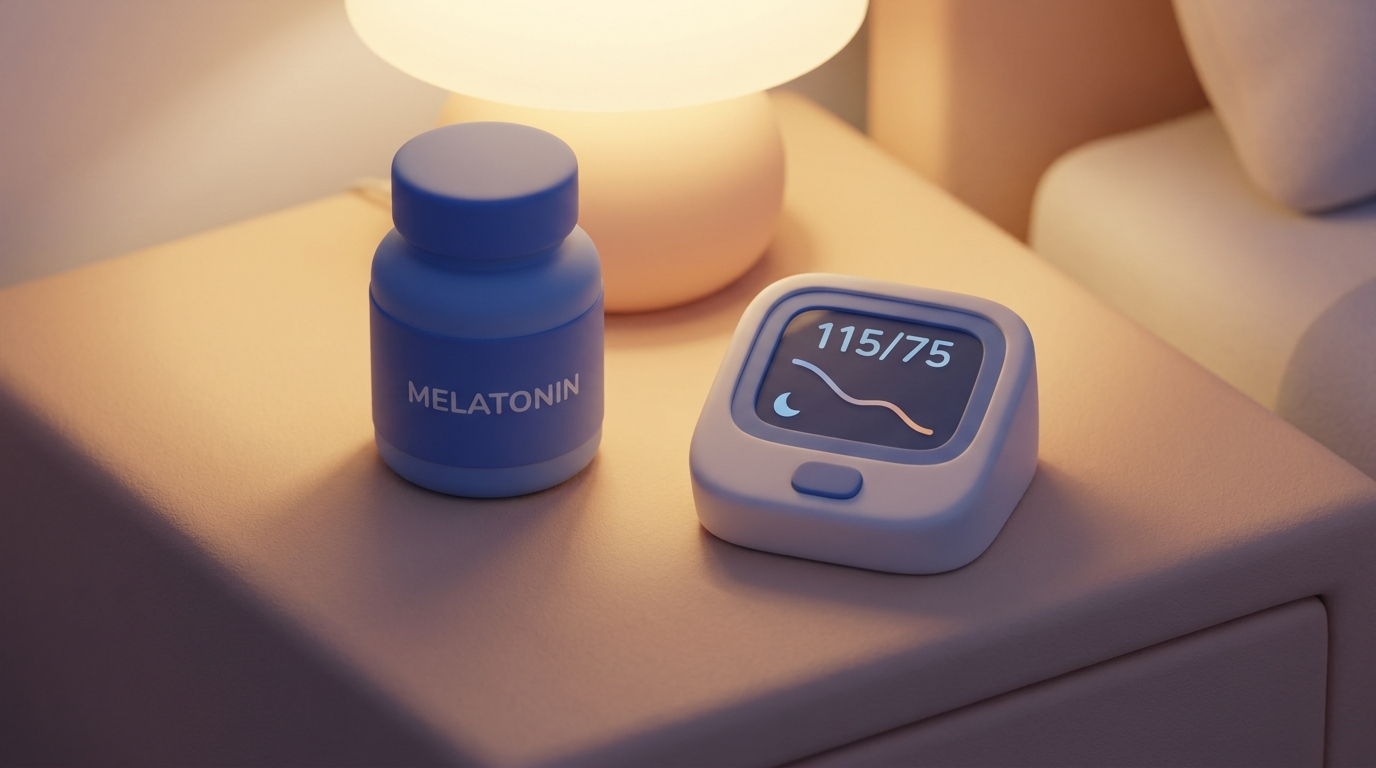
Does Melatonin Lower Blood Pressure? Benefits, Risks, and What Research Says
Many people think of melatonin as a “sleep supplement”—but because sleep and blood pressure are closely linked, it’s natural to wonder: does melatonin lower blood pressure, especially overnight?
Below is a patient-friendly look at what research suggests, why nighttime readings matter, and what to know about side effects and medication interactions—particularly if you’re already treating hypertension or tracking higher readings at night.
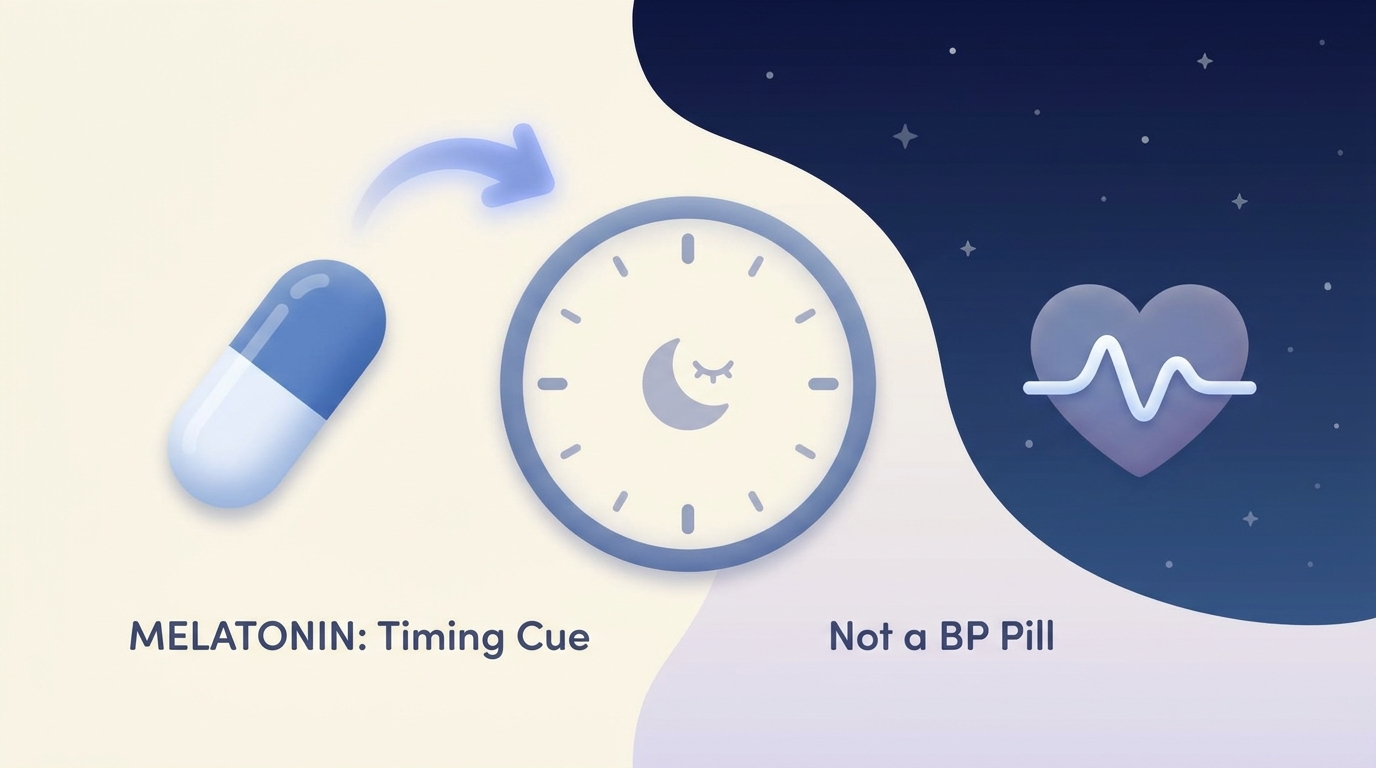
A helpful way to think about it: melatonin isn’t a “blood pressure pill.” It’s more like a timing signal—a cue that helps your body shift into nighttime mode. If blood pressure is partly being pushed up by a mis-timed or fragmented night, that cue may make a modest difference for some adults.
Quick Answer: Can Melatonin Lower Blood Pressure?
The takeaway in one sentence: Melatonin may modestly reduce nighttime systolic blood pressure in some adults, but it has not consistently shown meaningful daytime blood pressure effects in available studies—and it may interact with medications—so it isn’t a substitute for proven hypertension care.
Source: 2023 randomized trial (PubMed 37642281) and NCCIH melatonin overview.
Who this article is for
• People with high blood pressure who notice higher readings at night or in the early morning
• Anyone taking melatonin for sleep and wondering if it affects blood pressure
• People on antihypertensive medications who want to avoid risky supplement interactions
In short: melatonin may influence nighttime patterns for some adults, but it’s not a standalone blood pressure treatment.
Understanding Blood Pressure Patterns (Day vs. Night)
Why blood pressure at night matters
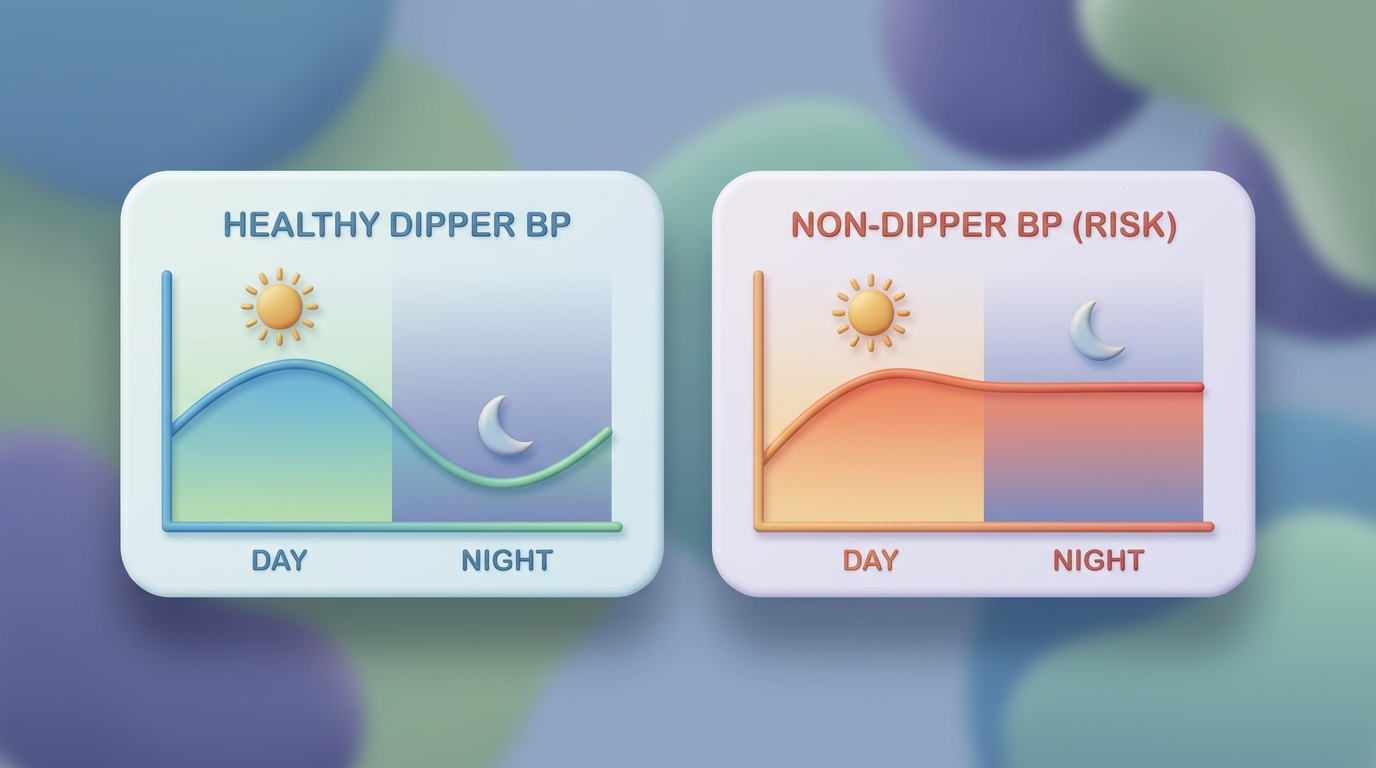
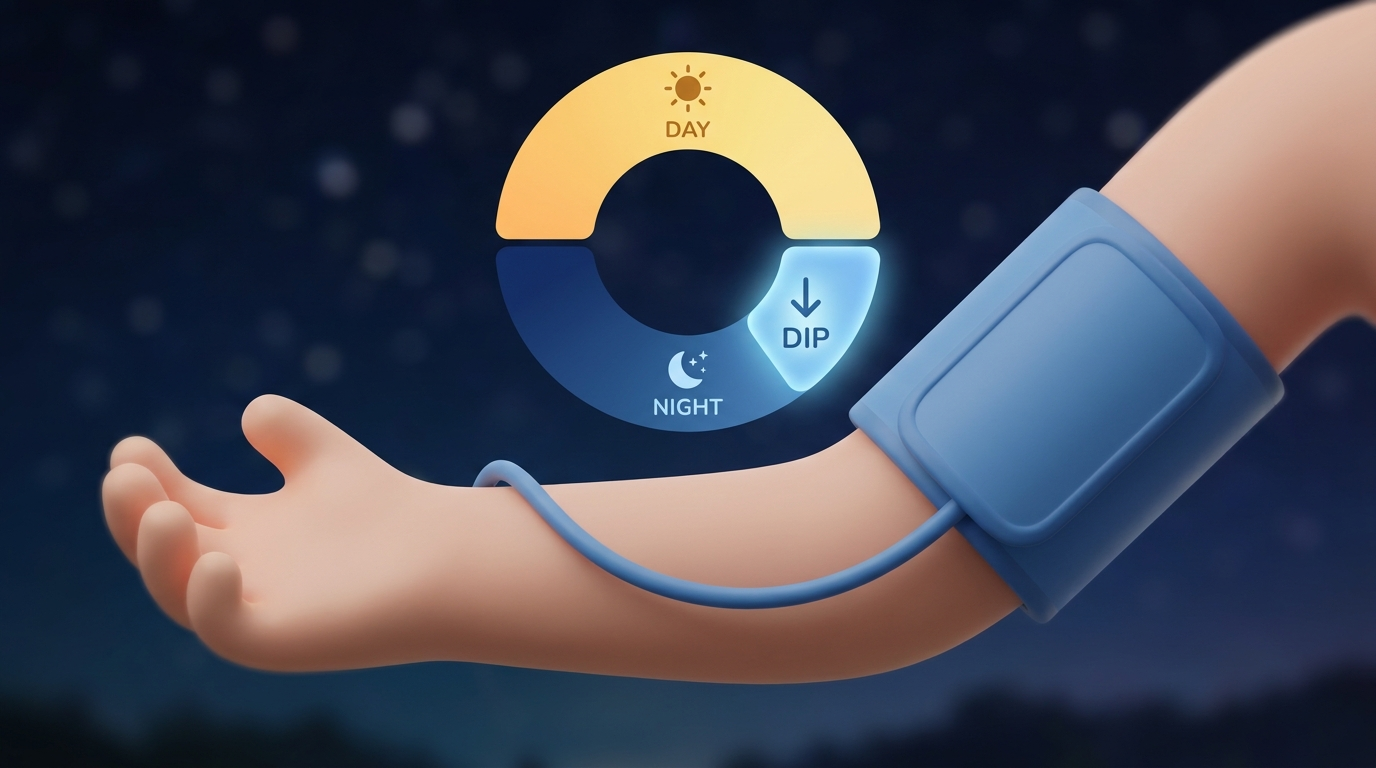
Blood pressure isn’t fixed—it follows a daily pattern tied to your circadian rhythm and blood pressure regulation. In many people, blood pressure naturally “dips” during sleep and rises again toward morning.
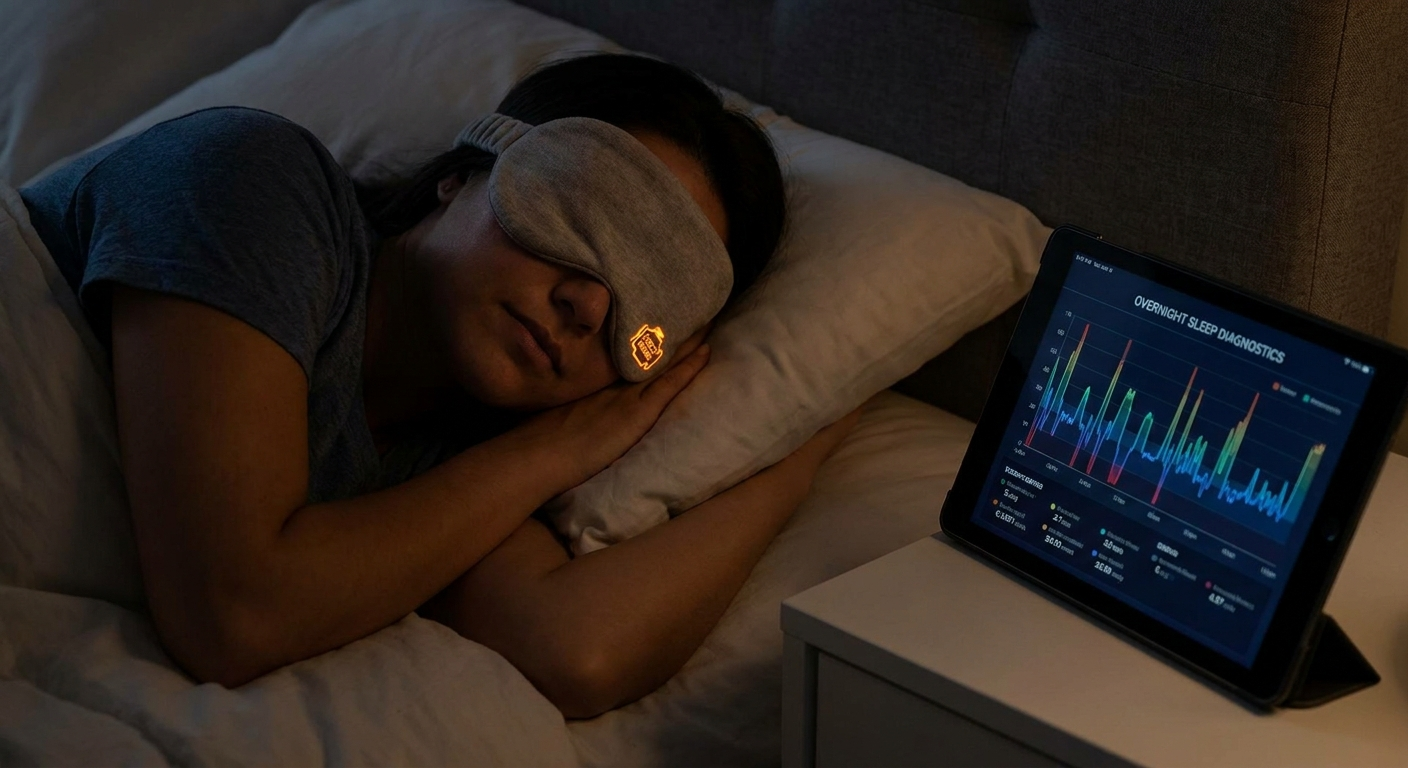
Some people don’t dip much (“non-dipping”), and some may even have higher readings at night (often discussed as nocturnal hypertension). Nighttime patterns matter because persistently elevated overnight blood pressure has been associated with higher cardiovascular risk in research and is one reason clinicians sometimes use 24-hour ambulatory blood pressure monitoring.
Concrete example: it’s possible to have a “good” clinic reading at 2 p.m., but still have a pattern of higher pressures at 2 a.m. That mismatch is exactly what overnight monitoring is designed to catch.
Symptoms that may suggest nighttime blood pressure issues (clues, not a diagnosis)
• Morning headaches
• Poor sleep quality or frequent awakenings
• Waking up feeling panicky, with a racing heart, or “wired”
• Daytime fatigue (which can overlap with sleep disorders)
If snoring is part of the picture, you may also find this helpful: does snoring cause high blood pressure? https://sleepandsinuscenters.com/blog/does-snoring-cause-high-blood-pressure
Key point: nighttime blood pressure patterns can differ from daytime numbers—and those overnight trends carry health relevance.
What Is Melatonin—and Why Would It Affect Blood Pressure?
Melatonin’s role in the body
Melatonin is a hormone your brain produces (mainly from the pineal gland) that helps signal “nighttime” to the body. Many people use supplemental melatonin for short-term sleep support—especially for sleep-onset insomnia or schedule shifts. The National Center for Complementary and Integrative Health (NCCIH) discusses melatonin’s common uses and safety considerations.
Some clinicians describe melatonin this way: “It’s less of a sedative and more of a biological ‘lights out’ message.” That framing helps set expectations—because a stronger “night message” may influence nighttime physiology more than midday numbers.
The circadian timing connection to BP
Blood pressure changes across the day partly due to nervous system activity (calm/rest vs. alert/stress states), sleep timing and sleep quality, and circadian signaling. Because melatonin is closely tied to sleep timing, researchers have explored whether melatonin affects nighttime blood pressure—even when daytime blood pressure doesn’t change much.
Possible vascular and nervous system mechanisms (what researchers think)
Researchers have proposed that melatonin could affect nighttime blood pressure through several pathways, such as shifting the body toward a more “rest-and-digest” nighttime state and influencing blood vessel tone and overnight regulation. These are hypothesized mechanisms—meaning they may help explain study findings, but they don’t guarantee the same effect for every person. Source: discussion and findings in the 2023 randomized trial (PubMed 37642281).
Analogy: if your overnight system is supposed to “downshift,” melatonin may help the body find that lower gear—at least in some situations. But it doesn’t rebuild the whole engine (i.e., it doesn’t replace core hypertension treatment).
Takeaway: melatonin mainly serves as a timing cue, which is why any effect would most likely show up at night.
What Research Says: Melatonin and Blood Pressure (Key Findings)
Highlight: 2023 randomized trial findings (nighttime effect)
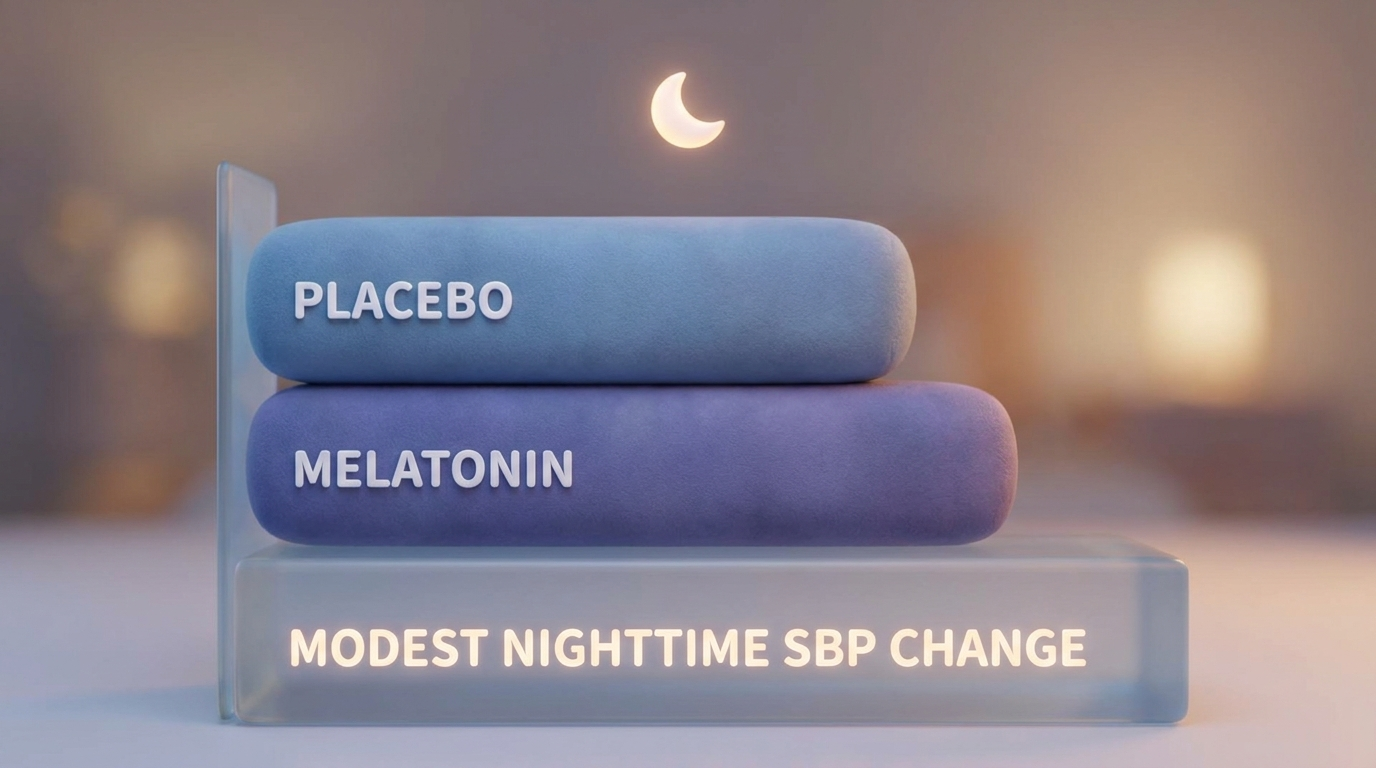
A 2023 randomized trial reported that melatonin supplementation was associated with a modest reduction in nighttime systolic blood pressure in the group studied. Source: American Journal of Physiology – Regulatory, Integrative and Comparative Physiology (2023), PubMed 37642281.
“Modest” is the key word here. Think small, measurable shifts—the kind of change that might show up across multiple nights of consistent tracking, rather than a dramatic “instant drop” after one dose.
Why daytime blood pressure usually doesn’t change much
In that same study, melatonin did not show a significant impact on daytime blood pressure. That may sound disappointing—but it’s still relevant because nighttime blood pressure patterns can carry meaningful health information, and nighttime improvements (even modest ones) are exactly where melatonin’s circadian effects would be expected to show up. Source: PubMed 37642281.
Practical takeaway: if you’re checking home BP only during the day, you may not see a clear change—even if nighttime physiology shifts slightly.
Mixed overall evidence—what “mixed” means for patients
• Some studies find small improvements (often in nocturnal readings)
• Others find little effect or inconsistent results
A few reasons results can differ
• Dose and timing vary across studies
• Participants may or may not have insomnia or circadian misalignment
• Different measurement methods (clinic readings vs. overnight monitoring)
• Medication use and nighttime dosing patterns differ
So, if you’re asking whether melatonin lowers blood pressure, the most accurate answer is: sometimes, modestly, and mostly at night—depending on the adult and the context.
Bottom line: current evidence suggests a modest, nighttime-focused effect for some adults, with inconsistent daytime changes.
Potential Benefits of Melatonin (Beyond Blood Pressure)
Sleep benefits that may indirectly support heart health
Better sleep doesn’t “cure” hypertension, but sleep quality can support healthier daily regulation. If melatonin helps a person fall asleep more consistently, that may indirectly support healthier nighttime physiology over time.
It’s still important to keep expectations realistic: melatonin is not considered a primary hypertension treatment, and it should not replace proven approaches like prescribed medications and lifestyle measures. Source: NCCIH (2023).
Real-world example: someone who lies awake for an hour nightly (and feels “revved up”) may notice that better sleep timing reduces those stressful awakenings. That doesn’t automatically translate to better daytime BP—but it may improve the overall night pattern.
When the nighttime BP effect might be most relevant
• A non-dipping pattern
• A misaligned sleep schedule (late bedtime, irregular sleep timing)
• Frequent awakenings that fragment sleep
Summary: melatonin may help select adults align sleep timing and potentially nudge nighttime blood pressure in a healthier direction.
Risks, Side Effects, and Who Should Be Cautious
Common side effects adults should know
• Next-day drowsiness
• Headache
• Dizziness
• Nausea
• Vivid dreams or an “unusual” sleep experience
If you’re specifically concerned about melatonin side effects related to blood pressure, it’s also worth knowing that anything that causes significant dizziness or lightheadedness could be a safety issue—especially overnight or when getting up in the dark. Source: NCCIH (2023).
Concrete safety scenario: if you wake up to use the bathroom and feel unsteady, that’s more than “annoying”—it can raise fall risk.
Long-term safety is still unclear
Short-term use appears to be generally safe for many adults, but long-term safety data are limited. This is one reason it’s smart to treat melatonin as a targeted tool rather than an “automatic forever” supplement. Source: NCCIH (2023).
Important: medication interactions and cautions
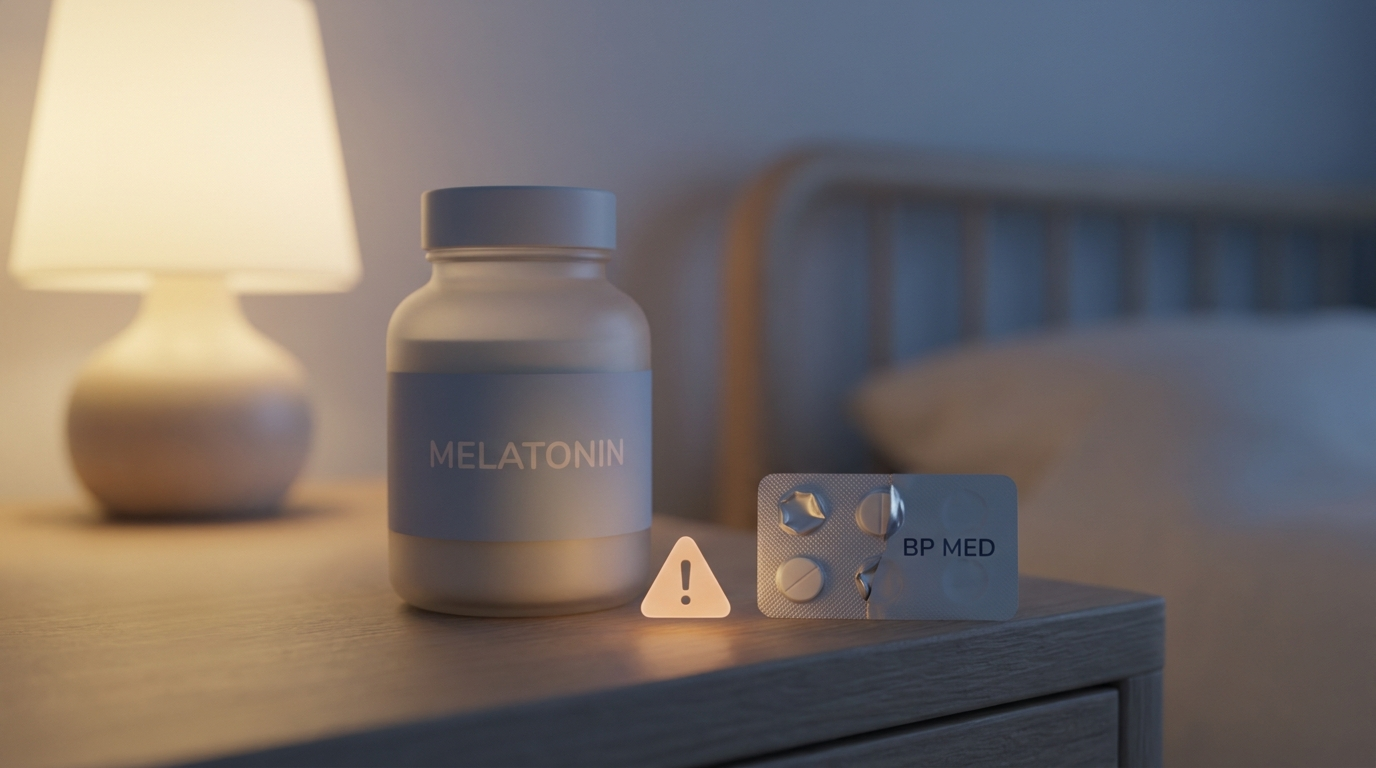
• Melatonin may have additive blood-pressure-lowering effects with some antihypertensive medications
• Interactions with other drugs are also possible
• Effects can vary with medication type, dose, and timing, and may increase dizziness or unsteadiness in susceptible individuals
Groups who should talk to a clinician before using melatonin
• Adults taking antihypertensive medications (especially if taken at night)
• Adults taking blood thinners or seizure medications
• Pregnancy/breastfeeding (limited safety data)
• Older adults with fall risk or morning grogginess concerns
Essential point: consider melatonin only with clinician guidance if you take prescription medications or have fall risk or other safety concerns.
Symptoms & Causes: When Sleep Problems and Blood Pressure Overlap
Sleep disruption that can worsen BP control (common causes)
• Insomnia and short sleep duration
• Chronic stress and circadian disruption
• Nasal congestion or chronic sinus issues that fragment sleep
• Snoring and possible sleep apnea
If nasal blockage or sinus symptoms are part of your sleep disruption, you may find this related read useful: can sinus issues raise your blood pressure? https://sleepandsinuscenters.com/blog/can-sinus-issues-raise-your-blood-pressure
When to consider screening for sleep apnea
• Loud snoring
• Witnessed pauses in breathing or gasping
• Morning headaches
• Significant daytime sleepiness
Treating sleep apnea may help improve blood pressure control for many people, which is one reason screening matters when symptoms fit. Learn more: sleep apnea and high blood pressure https://sleepandsinuscenters.com/blog/sleep-apnea-and-high-blood-pressure-the-connection
Core idea: evaluate and treat sleep disorders when suspected—they commonly intersect with blood pressure control.
How to Use Melatonin More Safely (If Your Clinician OKs It)
Timing matters (circadian alignment)
Melatonin tends to work best as a timing cue for the body. Many people use it 30–60 minutes before bedtime, but timing can vary based on the sleep problem (for example, shifting a delayed schedule vs. occasional sleep-onset trouble). Because blood pressure can vary by time of day, timing is also one reason studies focus on whether melatonin affects nighttime blood pressure rather than daytime readings.
Helpful checkpoint: if you take melatonin and then scroll on a bright phone for an hour, you may be sending mixed signals to your brain—“nighttime” from the supplement, “daytime” from the light.
Dose considerations (keep conservative)
Across products, melatonin doses vary widely. A “lowest effective dose” approach is often emphasized, since higher doses can increase next-day grogginess for some adults and don’t necessarily work better.
Practical safety tips
• Avoid combining with alcohol (sleep and balance can worsen)
• Avoid driving or risky tasks if drowsy the next morning
• If you monitor at home, consider tracking readings consistently over time and sharing patterns with your clinician
For non-supplement approaches that support circadian rhythm, these sleep hygiene strategies can be a helpful starting point: https://sleepandsinuscenters.com/blog/sleep-hygiene-and-its-impact-on-ent-disorders-key-insights
Practical takeaway: use melatonin, if at all, as a short-term timing aid with clinician input—alongside light, routine, and sleep-habit supports.
Treatments That Actually Lower Blood Pressure (Melatonin Is Not a Replacement)
Evidence-based BP treatments to prioritize
• Taking prescribed medications consistently (if prescribed)
• Home monitoring and sharing logs with your clinician
• Sodium reduction and heart-healthy eating patterns
• Physical activity, weight management when appropriate
• Limiting alcohol and avoiding tobacco
Sleep-focused lifestyle tips that may support healthier BP
• Consistent sleep and wake times
• Bright light exposure in the morning; dimmer light at night
• Addressing nasal congestion/sinus symptoms that disrupt sleep
• Evaluating persistent snoring or suspected sleep apnea
Bottom line: proven BP treatments come first; sleep optimization is a valuable complement, not a replacement.
FAQs (Patient-Friendly)
Does melatonin lower blood pressure immediately?
Research suggests the effect—when seen—tends to show up as modest changes in nighttime systolic blood pressure, not dramatic immediate drops, and not consistent changes in daytime readings. Source: PubMed 37642281.
Can melatonin cause low blood pressure?
It may contribute to lower nighttime blood pressure in some adults, and dizziness can occur—especially if combined with other BP-lowering substances or medications. That’s one reason supplement use should be discussed with a clinician when hypertension is part of your health picture. Source: NCCIH (2023).
Is melatonin safe with lisinopril/amlodipine/metoprolol (or other BP meds)?
Melatonin may have additive blood-pressure-lowering effects with some antihypertensive medications, and interactions with other drugs are also possible. Safety can depend on the full medication list, timing, and individual sensitivity. It’s generally safest not to self-adjust prescription medications or add supplements without checking with a clinician or pharmacist first. Source: NCCIH (2023).
If my blood pressure is higher at night, should I try melatonin?
Nighttime blood pressure patterns can have multiple causes (including sleep apnea and sleep fragmentation). Rather than self-treating, it’s usually more helpful to focus on accurate measurement and discussing the pattern with a clinician—especially if symptoms suggest a sleep disorder.
What’s better for blood pressure—melatonin or better sleep habits?
Sleep habits and evaluation for sleep-disrupting conditions are foundational. Melatonin may help select adults short-term, but it’s usually best thought of as an adjunct—not the main strategy for blood pressure control.
When to Call a Doctor (Safety / Red Flags)
Seek urgent care for:
• Very high blood pressure readings with symptoms such as chest pain, shortness of breath, severe headache, or neurologic symptoms
• Fainting or severe dizziness after starting a supplement
Make a routine appointment if:
• You suspect sleep apnea (snoring + daytime sleepiness)
• You’re considering melatonin while taking BP medications
• Your morning readings look fine but nighttime readings trend high (if you have nighttime data)
CTA: If you’re dealing with snoring, nighttime awakenings, or suspected sleep apnea—and you’re also concerned about blood pressure—consider scheduling a visit so you can review symptoms and next steps with a clinician. You can book an appointment at Sleep & Sinus Centers here: https://www.sleepandsinuscenters.com/
Conclusion: The Bottom Line
• Melatonin may modestly lower nighttime systolic blood pressure in some adults.
• It has not consistently shown meaningful daytime blood pressure effects in available studies.
• Short-term use is generally considered safe for many adults, but long-term safety data are limited.
• Because additive effects and drug interactions are possible—especially with antihypertensive medications—it’s wise to involve a clinician before adding melatonin to a blood pressure treatment plan.
Sources: PubMed 37642281; NCCIH (2023).
References
- American Journal of Physiology – Regulatory, Integrative and Comparative Physiology (2023). Randomized trial on melatonin and nocturnal blood pressure. PubMed: https://pubmed.ncbi.nlm.nih.gov/37642281/
- National Center for Complementary and Integrative Health (NCCIH) (2023). Melatonin: What You Need to Know. https://www.nccih.nih.gov/health/melatonin-what-you-need-to-know
- Mayo Clinic. Melatonin. https://www.mayoclinic.org/drugs-supplements-melatonin/art-20363071
This article is for educational purposes only and is not medical advice. Please consult a qualified healthcare provider for diagnosis and treatment.
Don’t let allergies slow you down. Schedule a comprehensive ENT and allergy evaluation at Sleep and Sinus Centers of Georgia. We’re here to find your triggers and guide you toward lasting relief.