Do Steroids Cause Insomnia? How Anabolic Steroids Affect Sleep
Some people notice sleep disruption after starting a steroid medication. A common question is: do steroids cause insomnia—and if so, why, and what can help?
Sleep disruption is most often linked to systemic corticosteroids (like prednisone or dexamethasone), but the word “steroids” can mean different medications with different effects. Below is a patient-friendly guide to steroid-related insomnia, why it happens, who’s most at risk, and practical, education-focused ways to protect sleep while you’re on steroids.
Bottom line: understanding which steroid you’re taking and when you take it can make a meaningful difference for sleep.
Quick Answer — Can Steroids Cause Insomnia?
Yes, especially with systemic corticosteroids such as prednisone and dexamethasone (Cole et al., 2020; Healthline, 2024; Medical News Today, 2024). When people ask, do steroids cause insomnia, the most frequent concern is oral or IV corticosteroids.
It also helps to clarify what “steroids” means:
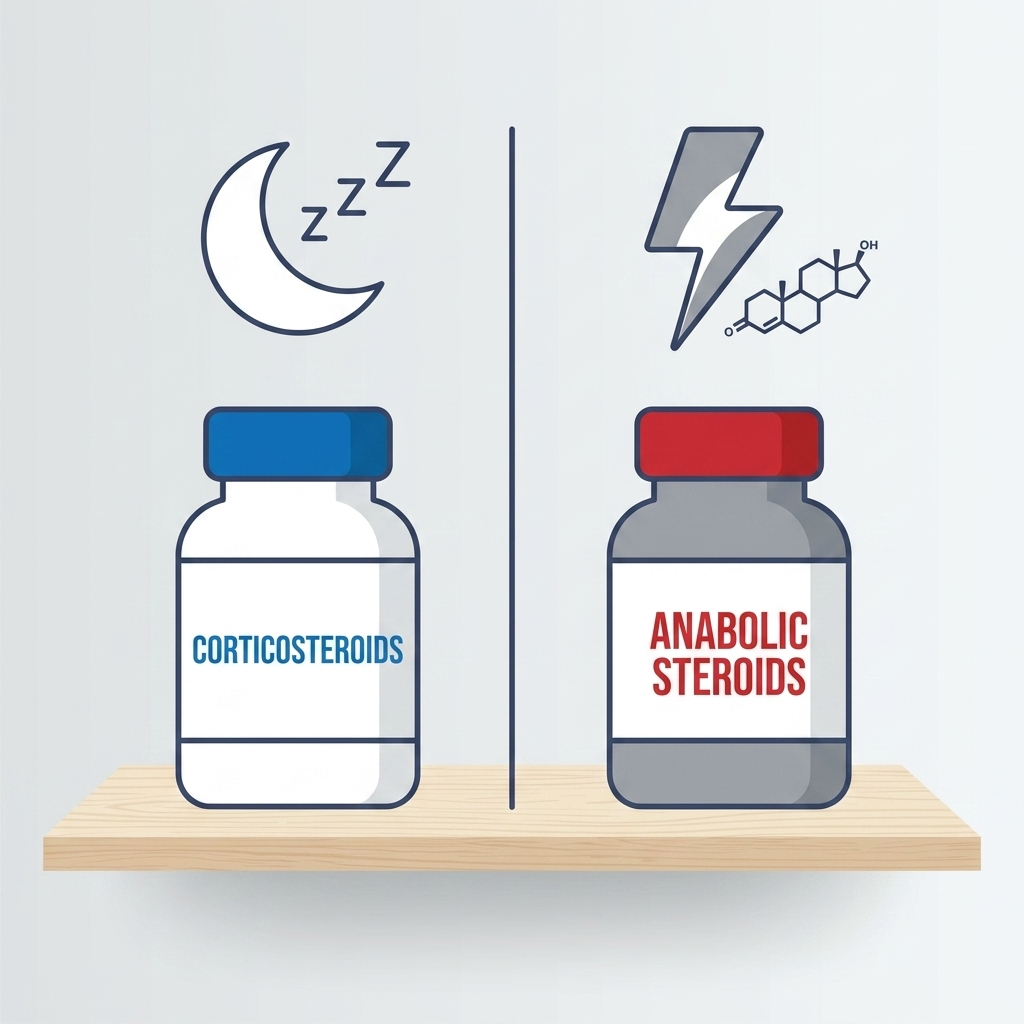
- Corticosteroids (prednisone, dexamethasone) are used to reduce inflammation (asthma flares, severe allergies, autoimmune conditions).
- Anabolic-androgenic steroids (AAS) are testosterone-related compounds used medically in limited situations but sometimes misused for bodybuilding; they can influence hormones, mood, and sleep in different ways.
A practical takeaway: sleep worsening after starting steroids is often related to corticosteroids, although the underlying condition and other factors can also contribute.
If your sleep changed right after a new steroid, timing, dose, and type are important clues to discuss with your clinician.
Steroids 101 — Corticosteroids vs Anabolic Steroids (Why This Matters for Sleep)
What are corticosteroids?
Corticosteroids (often called “steroids” in everyday conversation) are synthetic medicines that mimic the effects of cortisol and are commonly prescribed for inflammatory conditions such as:
- Asthma or COPD flare-ups
- Severe allergic reactions
- Autoimmune disease flares
- Sinus inflammation or significant swelling
Common examples include prednisone, dexamethasone, and methylprednisolone.
Why sleep is affected: systemic corticosteroids circulate throughout the body, including the brain, which is one reason corticosteroids and sleep problems can show up quickly. In contrast, localized steroids (such as many topical formulations) generally have less systemic effect.
Clinician-style framing: “These medicines can be highly effective for inflammation—but they can also feel activating, particularly if the timing conflicts with your natural sleep rhythm.”
What are anabolic steroids?
Anabolic steroids are related to testosterone. When used non-medically, they may affect:
- Mood and irritability
- Hormonal balance and recovery
- Energy levels and nighttime “wired” feelings
Because use patterns vary widely, the sleep impact of anabolic steroids can be less predictable than classic corticosteroid side effects—but sleep changes are commonly reported, especially when mood and arousal shift.
Knowing which steroid you’re on helps set realistic expectations about sleep effects and next steps.
Steroid-Related Insomnia — What It Feels Like (Symptoms Patients Notice)
Common sleep symptoms
Steroid-related insomnia doesn’t always look like simply “not sleeping.” Many people describe:
- Trouble falling asleep (longer time to drift off)
- Frequent awakenings or light sleep
- Waking too early and feeling “wired”
- Restless sleep or vivid dreams
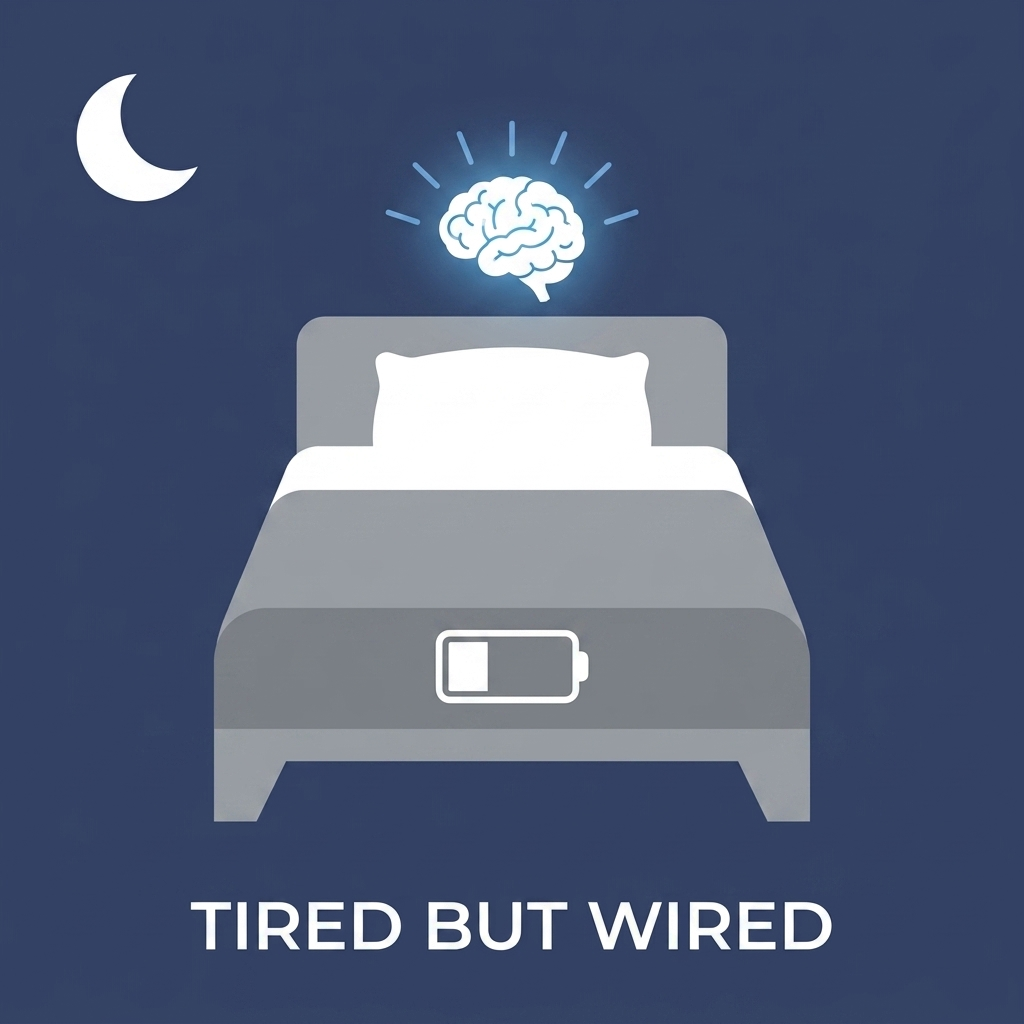
A common description is: “I’m exhausted, but my mind feels turned on.” That “tired-but-alert” mismatch is typical of medication-related sleep disruption.
Daytime symptoms that often come with it
Even with a normal number of hours in bed, disrupted sleep quality can lead to:
- Daytime fatigue and brain fog
- Irritability or short temper
- Reduced focus and motivation
When sleep issues overlap with steroid mood effects
Sleep problems may appear alongside increased mental “activation,” such as:
- Anxiety or agitation
- Racing thoughts
- Feeling unusually energized late in the day
These neuropsychiatric effects have been discussed in medical literature on corticosteroids (Cole et al., 2020). If insomnia appears with noticeable mood or behavior changes, it’s reasonable to contact the prescribing clinician for guidance.
Noticing both sleep and mood changes together is a cue to check in sooner rather than later.

Why Do Steroids Disrupt Sleep? (Patient-Friendly Mechanisms)
They can “turn up” the body’s stress-response system
Corticosteroids can influence the body’s stress-response network, including the HPA axis (hypothalamic–pituitary–adrenal axis). When that system is more activated, the brain may interpret it as a time to be alert rather than sleepy (Cole et al., 2020).
A helpful analogy: it can feel like your internal “daytime dial” got turned up—so bedtime arrives, but your body doesn’t fully get the memo.
They can change sleep architecture (quality, not just time)
Even if total sleep time doesn’t drop dramatically, corticosteroids may reduce restorative sleep and increase fragmentation—so you wake feeling unrefreshed (Cole et al., 2020). In other words, it’s not only “how long you slept,” but “how well you slept.”
This is why some people say they “slept” but still feel hungover the next morning—because sleep became lighter or more broken.
Dose and timing matter (a lot)
Sleep disturbance is often dose-related, and later dosing may increase sleep disruption. A 2023 study on dexamethasone-associated sleep disturbance suggested a dose-related pattern (PMC10732373). This is also why prednisone-related insomnia is often worse when doses are taken later in the day.
If sleep gets rocky on steroids, timing and dose are common levers to review with your prescriber.
Which Steroids Are Most Likely to Cause Insomnia?
Systemic (oral/IV) corticosteroids are the most common culprits
When people report insomnia after starting steroids, it is frequently tied to:
- Prednisone
- Dexamethasone
- Similar systemic corticosteroids
Patient education resources also commonly note insomnia as a recognized side effect (Healthline, 2024; Medical News Today, 2024).
Inhaled, topical, or nasal steroids: can they cause insomnia?
In general, inhaled, topical, or nasal steroids have lower risk of sleep side effects than oral/IV forms, but some people still notice changes—especially if they are sensitive to medications or if overall exposure is higher.
Also, sleep disruption may come from the underlying condition rather than the medication alone. For example, nasal blockage, postnasal drip, coughing, or itching can fragment sleep. If congestion is part of the picture, these may be helpful reads from Sleep and Sinus Centers of Georgia:
- Allergic rhinitis and sleep: https://sleepandsinuscenters.com/blog/chronic-allergic-rhinitis-and-its-impact-on-sleep-quality
- Nasal obstruction and insomnia: https://sleepandsinuscenters.com/blog/nasal-obstruction-and-insomnia-understanding-the-link-for-better-sleep
Systemic exposure drives most steroid-related sleep issues, but underlying ENT or allergy problems can compound them.
Risk Factors — Who Gets Steroid Insomnia More Often?
Medication-related factors
Sleep disruption is more likely when there is:
- A higher dose
- A longer course
- Late-day dosing
- Multiple daily doses that include an afternoon/evening dose
These patterns are commonly discussed in patient resources and supported by dose-related findings in dexamethasone research (Healthline, 2024; PMC10732373).
Personal/health factors
You may be more vulnerable if you have:
- Baseline insomnia or anxiety
- Shift work or an irregular schedule
- Another sleep disorder (suspected sleep apnea, restless legs)
- Pain, reflux, or nasal congestion that disrupts sleep on their own
Think of it as “stacking”: if sleep is already fragile, an activating medication effect can push it over the edge more easily.
Reducing other sleep disruptors (like late caffeine or untreated congestion) can make steroid effects easier to manage.
How Long Does Steroid Insomnia Last?
Short courses vs long courses
For a short “burst” (like a few days), insomnia may begin quickly and can improve after the course ends. With longer courses, sleep may remain disrupted until the dose is reduced or stopped when appropriate (Healthline, 2024; Cole et al., 2020). Sleep may also be influenced by the underlying illness, not just the steroid.
If you’re tapering, sleep can improve as the dose comes down—so tracking dose and symptoms on a simple calendar can help you and your clinician spot patterns.
What not to do
Because some steroids require tapering, it’s generally important not to stop or change a steroid suddenly without guidance from the prescribing clinician.
In many cases, sleep improves as treatment changes—avoid making dose or timing changes without clinician input.

Treatments & Practical Fixes (What Helps Most)
This section is educational; timing and dosing decisions should always be discussed with your prescribing clinician.
1) Adjust the timing (often the biggest win)
When feasible, taking corticosteroids earlier in the day may better align with natural cortisol rhythms and reduce nighttime stimulation (Healthline, 2024; Medical News Today, 2024).
A concrete question to ask: “Could I take my full dose in the morning instead of splitting it into a later dose?” Only do this if your prescriber says it’s appropriate for your regimen.
2) Dose adjustments or alternatives (clinician-guided)
In some cases, clinicians may consider:
- The lowest effective dose
- A different dosing schedule or formulation
Medical literature on steroid neuropsychiatric effects supports that dose can matter (Cole et al., 2020). Even a small schedule tweak may reduce insomnia without sacrificing symptom control.
3) Sleep hygiene strategies (simple, high-impact)
Strong sleep hygiene while on steroids can reduce the “second hit” of lifestyle-related insomnia. Helpful basics include:
- Keep a consistent wake time
- Reduce caffeine after late morning/early afternoon
- Keep the bedroom dark, cool, and quiet
- Use a wind-down routine (gentle stretching, reading, relaxation breathing)
For a deeper dive, see Sleep and Sinus Centers of Georgia’s overview: https://sleepandsinuscenters.com/blog/sleep-hygiene-and-its-impact-on-ent-disorders-key-insights
4) Short-term sleep supports (ask your clinician)
If insomnia is severe—especially when steroids can’t be changed—your clinician can discuss options that fit your health history and current medications. Extra caution is important if you use other sedating medications or have suspected sleep apnea.
Many people find relief by combining earlier dosing (when feasible) with strong sleep hygiene and clinician-guided adjustments.
Lifestyle Tips While You’re on Steroids (Day + Night Plan)
Daytime habits that protect sleep
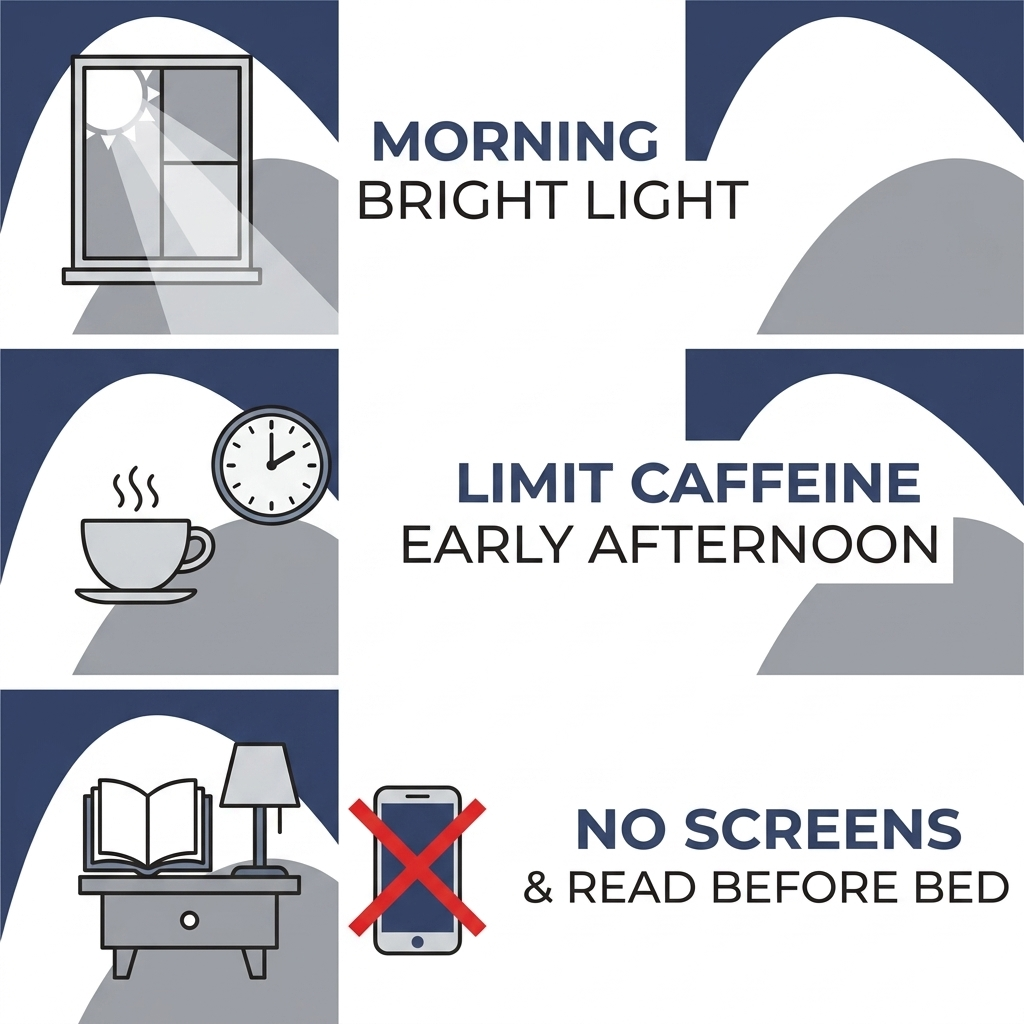
- Get morning light exposure (supports the circadian rhythm)
- Do gentle activity/exercise earlier in the day if permitted
- Keep naps short and earlier in the afternoon (long late naps can worsen nighttime sleep)
Nighttime tips if you feel “wired”
- Write a quick “brain dump” list to offload worries and tasks
- Try guided relaxation or slow breathing exercises
- Reduce bright light and screens close to bedtime (helps lower arousal)
If you wake up and feel alert, consider a low-stimulation reset (dim light, quiet reading) rather than clock-watching, which tends to increase stress and prolong wakefulness.
Think of it as a 24-hour plan: lower overall arousal by day so sleep has a better chance at night.
When to Call Your Doctor (Red Flags)
Call promptly if you have:
- Severe insomnia lasting several nights with significant distress
- Panic, severe agitation, major mood swings, confusion, or hallucinations
These symptoms can overlap with known steroid neuropsychiatric effects discussed in the medical literature (Cole et al., 2020).
Consider a sleep evaluation if:
- Loud snoring, choking/gasping at night, or extreme daytime sleepiness (suspected sleep apnea)
- Insomnia persists even after medication timing/dose changes
If you’re unsure what level of support you need, here’s a helpful overview on when to see a specialist: https://sleepandsinuscenters.com/blog/when-to-see-an-ent-for-sleep-problems
Red flags or persistent symptoms are good reasons to reach out—earlier input often leads to easier solutions.
FAQs (SEO-Friendly)
Do steroids cause insomnia even at low doses?
They can. Risk often increases with higher doses and late-day dosing, but some people are sensitive even at lower doses (PMC10732373; Healthline, 2024). Individual sensitivity and the underlying condition both matter.
Why does prednisone keep me awake at night?
Prednisone-related insomnia may occur because corticosteroids can increase alertness and disrupt sleep quality. Many patient resources note that morning dosing (when feasible) may be easier on sleep (Medical News Today, 2024).
How can I sleep on prednisone tonight?
General sleep-support strategies—like limiting late caffeine, lowering evening light, and using a brief wind-down routine—may help. You should ask your prescribing clinician before changing medication timing or adding sleep aids.
Will melatonin help steroid insomnia?
Melatonin is commonly used for sleep in general, but whether it’s appropriate can depend on your medications and health history. It’s best framed as a clinician-guided question rather than a universal fix.
Do anabolic steroids affect sleep differently than corticosteroids?
Often, yes. Anabolic steroids may affect sleep through hormone shifts, mood changes, and increased arousal. Effects vary widely depending on compound, dose, and use pattern, and non-prescribed use carries significant health risks.
Do steroid shots (injections) cause insomnia?
Sometimes. It can depend on the type of steroid, the dose, and how much reaches the bloodstream. Some people report sleep disruption after injections, especially if systemic absorption is meaningful.
Sensitivity varies: dose, timing, steroid type, and individual factors all shape risk.
Conclusion — What to Remember
- Steroid-related insomnia can occur, is relatively common with systemic corticosteroids, and is often temporary.
- Highest risk tends to occur with oral/IV steroids; some injections can also affect sleep depending on dose and absorption.
- Early-in-the-day dosing (when appropriate), clinician-guided review of timing and dose, and strong sleep hygiene are practical early steps.
- Seek help promptly if sleep loss is severe or if major mood/behavior changes occur.
If congestion or nasal symptoms are part of what’s keeping you awake while you’re on steroids, Sleep and Sinus Centers of Georgia also covers related drivers like allergies and sleep: https://sleepandsinuscenters.com/blog/chronic-allergic-rhinitis-and-its-impact-on-sleep-quality and nasal obstruction and insomnia: https://sleepandsinuscenters.com/blog/nasal-obstruction-and-insomnia-understanding-the-link-for-better-sleep
CTA: If insomnia, snoring, or nasal obstruction is affecting your sleep, you can book an appointment with Sleep and Sinus Centers of Georgia to discuss evaluation and treatment options: https://www.sleepandsinuscenters.com/
Small, strategic changes—guided by your clinician—can go a long way toward protecting your sleep during steroid treatment.
Sources
1. Cole JL et al. (2020). Steroid-Induced Sleep Disturbance and Delirium. https://pmc.ncbi.nlm.nih.gov/articles/PMC7357890/
2. (2023). Dexamethasone sleep disturbance study. https://pmc.ncbi.nlm.nih.gov/articles/PMC10732373
3. Healthline (2024). Insomnia on Steroids. https://www.healthline.com/health/insomnia/insomnia-on-steroids
4. Medical News Today (2024). Does prednisone cause insomnia? https://www.medicalnewstoday.com/articles/does-prednisone-cause-insomnia
This article is for educational purposes only and is not medical advice. Please consult a qualified healthcare provider for diagnosis and treatment.
Don’t let allergies slow you down. Schedule a comprehensive ENT and allergy evaluation at Sleep and Sinus Centers of Georgia. We’re here to find your triggers and guide you toward lasting relief.