Do Allergy Pills Make You Sleepy? Causes + Less-Sedating Options
Yes—some allergy pills can make you sleepy, especially older antihistamines. How sleepy you feel depends on the specific medication, the dose, when you take it, and your own sensitivity. If you need to stay alert for driving, work, school, or caregiving, it helps to understand which products are most likely to cause sedation and what “less-sedating” really means. (NHS; Mayo Clinic)
Below is a patient-friendly guide to antihistamine-related sedation, how to recognize it, and options that are less likely to cause drowsiness—so you can get symptom relief without feeling mental fog.
What Allergy Pills Are (and Why They Can Affect Sleepiness)
What antihistamines do in the body
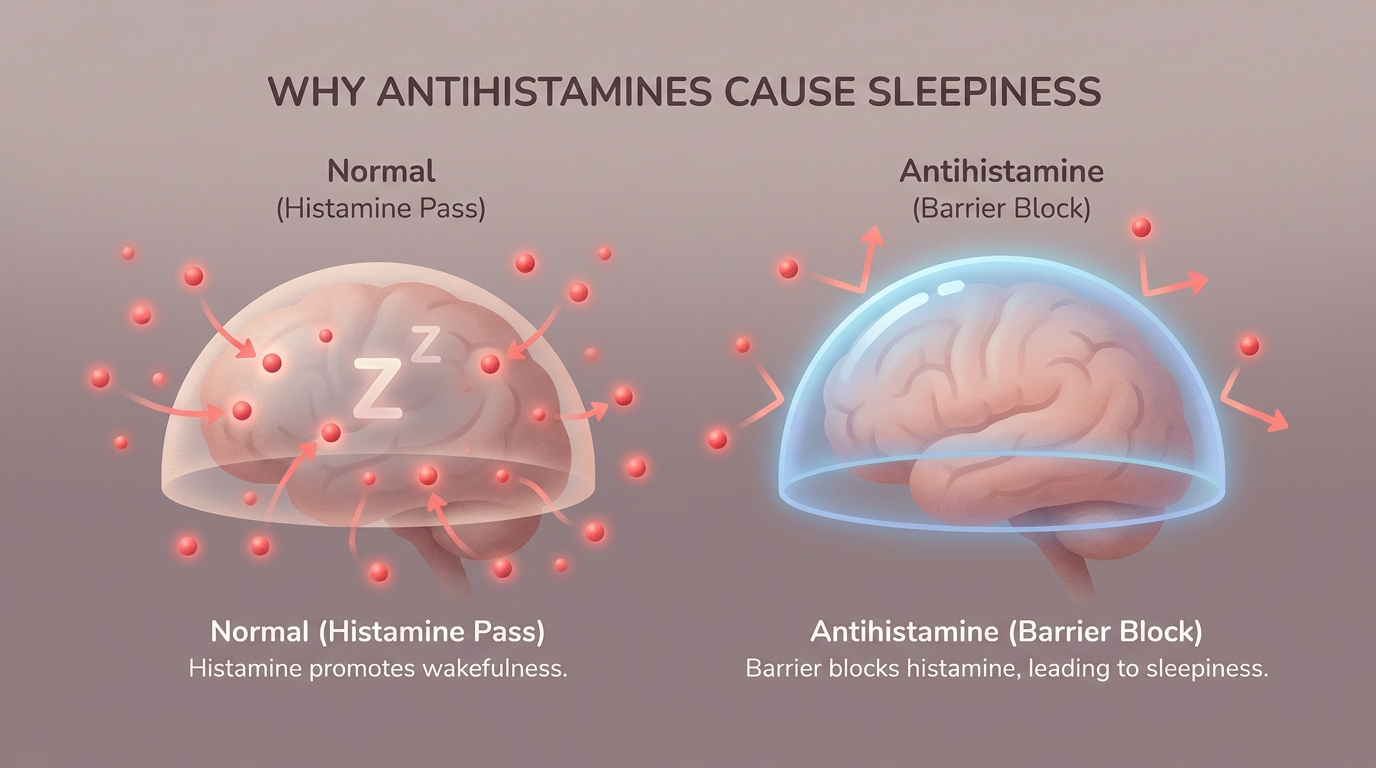
Many common “allergy pills” are antihistamines. During allergy season, your immune system can release histamine, which contributes to symptoms like sneezing, itching, watery eyes, and a runny nose.
Histamine also plays a role in wakefulness in the brain. So when a medication blocks histamine, it may calm allergy symptoms—but it can also reduce alertness and cause sleepiness in some people. (NHS; Mayo Clinic) Think of histamine as one of the brain’s “on” signals; blocking it can feel like turning the brightness down on a screen.
The key difference: first-generation vs second-generation antihistamines
- First-generation antihistamines (older) are more likely to cause drowsiness because they more easily reach the brain.
- Second-generation antihistamines (newer) were designed to be less sedating and generally have a lower drowsiness risk overall. (NHS; Mayo Clinic)
This first-generation vs second-generation distinction is one of the most important factors when choosing a medication for daytime use—especially if you’ll be driving or doing detail-focused work.
Bottom line: Blocking histamine in the brain can ease allergies but may also reduce alertness in some people.
Common Symptoms of “Sleepiness” from Allergy Medicine
What patients usually notice
- Feeling sleepy or unusually tired
- Slower reaction time
- Mental fog or sluggish thinking
- Reduced coordination (a major issue for driving or operating equipment)
A practical example: you may notice you’re rereading the same email twice, missing turns while driving familiar routes, or feeling “heavy‑eyed” in meetings.
Less obvious signs sedation is affecting you
- Difficulty focusing at work or school
- Feeling “hungover” the next morning (more common with nighttime dosing of sedating medicines)
- Unintentional napping or nodding off while sitting still
If you’re trying to figure out whether fatigue related to allergy medication is affecting you, these “everyday function” clues can be just as important as feeling sleepy.
If your everyday focus or coordination slips after starting an antihistamine, sedation may be playing a role.
Which Allergy Pills Cause Drowsiness Most Often?
First-generation antihistamines (highest drowsiness risk)
- Diphenhydramine (often known by the brand Benadryl)
- Chlorpheniramine (common in some “cold/allergy” combination products)
These are more likely to cause sedation because they cross into the brain and block histamine signaling involved in alertness.
A key point: Diphenhydramine is commonly included in over‑the‑counter sleep aids, which helps explain why next‑day grogginess can occur for some people. In other words, if a medication is strong enough to be used for sleep, it can interfere with daytime functioning.
Second-generation antihistamines (lower drowsiness risk overall)
- Loratadine
- Fexofenadine
- Cetirizine
In many comparisons, loratadine and fexofenadine are associated with lower rates of reported sedation, while cetirizine is still considered “low drowsiness” but may be more sedating than loratadine for some people. (Mann RD et al., 2000; NHS; Mayo Clinic)
If you’re comparing loratadine vs cetirizine vs fexofenadine, one study-based “sleepiness” ranking often looks like:
- Lower reported sedation: fexofenadine and loratadine
- Slightly higher (but still generally low): cetirizine
How common is drowsiness with second-generation options?
Sedation is generally uncommon with second-generation antihistamines, but it’s not impossible—and individual reactions vary. In the cited study, reported drowsiness was uncommon, affecting fewer than 1 in 140 patients, although differences still appeared between specific medications. (Mann RD et al., 2000)
So if you’re asking, do allergy pills make you sleepy even when the label says “non-drowsy,” the most accurate answer is: they are less likely to cause drowsiness, but it can still happen—especially in people who are more sensitive.
When daytime alertness matters, newer antihistamines are usually preferred over older ones.

Why Allergy Pills Make You Sleepy (Causes and Risk Factors)
Medication factors
- Type: first-generation vs second-generation
- Dose: higher doses can increase side effects
- Timing: taking a sedating product at night may reduce daytime impairment, but some people still feel groggy the next day
- Formulation: some products are immediate-release vs extended-release (depending on the medication)
One real-life scenario: someone takes an older antihistamine at bedtime to quiet sneezing, sleeps longer, but then feels slow and unfocused during an early morning commute.
Your body and lifestyle factors that can increase drowsiness
- You combine antihistamines with alcohol or other sedating medications
- You’re sleep-deprived (sedation may feel more intense)
- You’re personally more sensitive, even to options labeled “non-drowsy” (NHS; Mayo Clinic)
A general safety reminder: Sleepiness may affect alertness and safe driving, so caution is important.
Hidden culprit—combination cold/allergy products
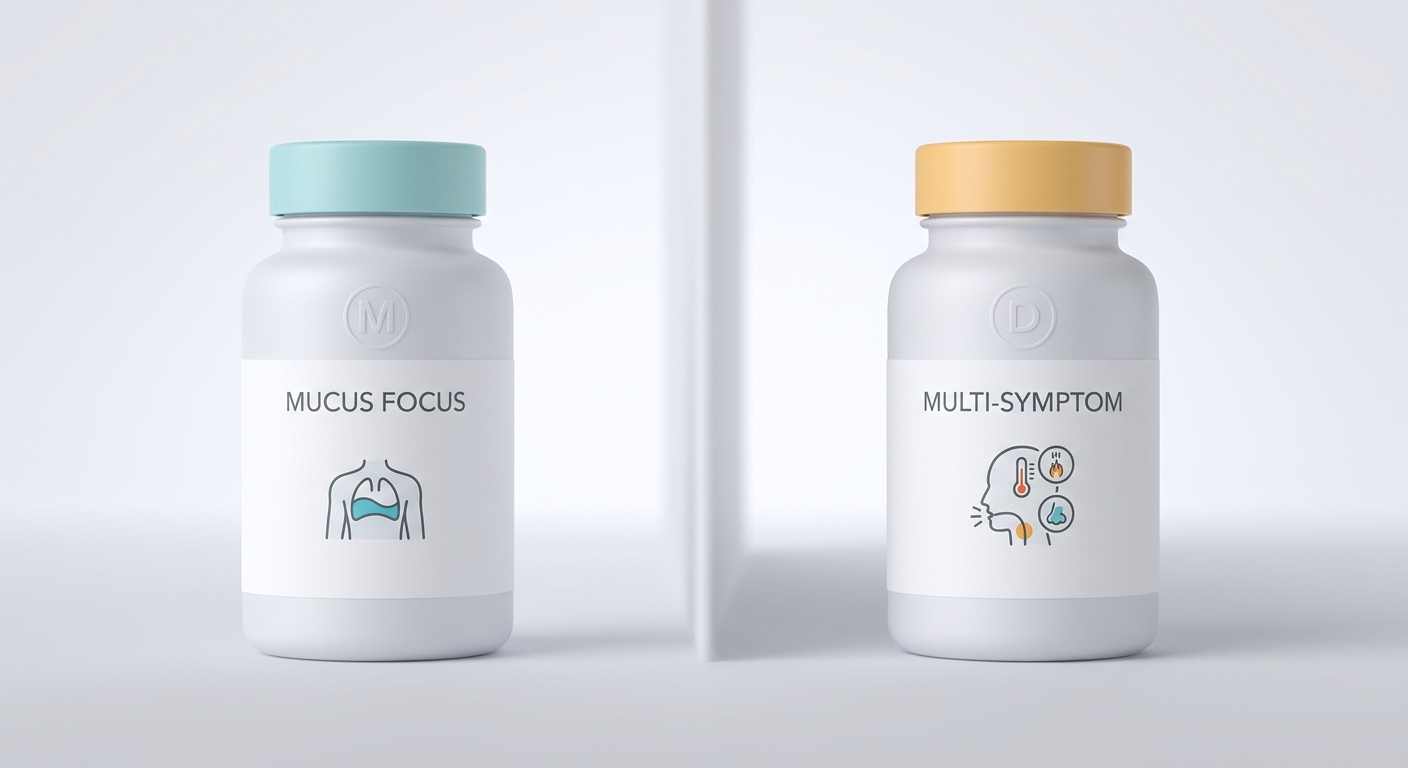
Some “allergy,” “sinus,” or “cold & flu” products contain multiple active ingredients. If you’re unexpectedly drowsy, sedation may be coming from one component in the mix—especially if it includes an older antihistamine.
A helpful habit is checking the “Active ingredients” label and learning the difference between categories. This guide can help: decongestant vs antihistamine—when to use each: https://sleepandsinuscenters.com/blog/decongestant-vs-antihistamine-when-to-use-each-for-allergy-relief
Medication type, dose, timing, and your own sensitivity all shape how sleepy you may feel.
Side Effects Beyond Sleepiness (What Else to Watch For)
Common side effects (especially first-generation)
- Dry mouth
- Constipation
- Urinary retention
- Blurred vision
- Dizziness (NHS; Mayo Clinic)
If you notice several of these at once (for example, dry mouth plus dizziness plus tiredness), that pattern can be a clue you’re on a more sedating medication.
Why “a little sleepy” can still be a big deal
Even mild sedation can matter for safety-critical activities. Research evaluating “non-sedating” antihistamines highlights that differences in sedation—though not common—can still affect performance for certain people. (Mann RD et al., 2000)
That’s why, when alertness matters, many people prioritize the least sedating choices first. (NHS)
Notice patterns—dry mouth plus dizziness plus tiredness often points to a more sedating antihistamine.
Less-Sedating Alternatives for Allergy Relief
Best “least-sedating” antihistamine options to ask about
- Loratadine
- Fexofenadine
Cetirizine may still be reasonable for some people, especially if it controls symptoms better—but it can be worth trying it on a low-stakes day first to see how you personally respond. (Mann RD et al., 2000; NHS; Mayo Clinic)
One data point that helps explain why people differ: In the cited study, compared with loratadine, cetirizine showed a higher reported sedation risk (adjusted OR ≈ 3.5), even though the overall risk remained low. (Mann RD et al., 2000)
Non-antihistamine options that don’t usually cause sleepiness
- Steroid nasal sprays (commonly very effective for nasal congestion and inflammation)
- Saline rinses/sprays (drug-free symptom support)
- Trigger-reduction strategies (see lifestyle tips below)
For a deeper comparison of nasal options, see: best nasal spray for sinusitis (steroid vs saline vs decongestant): https://sleepandsinuscenters.com/blog/best-nasal-spray-for-sinusitis-steroid-vs-saline-vs-decongestant
Longer-term solutions (when meds aren’t enough)
- A full allergy evaluation
- Allergy testing and whether immunotherapy could be appropriate
Learn more about allergy testing: https://sleepandsinuscenters.com/allergy-testing
If drowsiness is a dealbreaker, consider less‑sedating antihistamines first and non‑antihistamine options next.

Treatment Tips to Reduce Drowsiness If You Need Allergy Medicine
Timing strategies (without sacrificing symptom control)
- Trying the first dose when you don’t need to drive or do high-focus tasks
- Thinking about dose timing (morning vs night) based on how it affects you and your schedule
Related reading: best time to take allergy medicine (morning vs night): https://sleepandsinuscenters.com/blog/best-times-to-take-allergy-medicine-morning-vs-night
Practical safety checklist
- Avoid mixing with alcohol or other sedatives unless a clinician says it’s safe (NHS; Mayo Clinic)
- Don’t assume “non-drowsy” means “zero drowsiness”
- Use caution with driving or operating machinery until you know how you respond
When to switch medications
If you repeatedly feel tired on a product labeled “non-drowsy,” it may be worth discussing a switch—often toward loratadine or fexofenadine as less‑sedating options. (Mann RD et al., 2000; NHS)
Start low‑risk, test on a low‑stakes day, and use caution with driving until you know your response.
Lifestyle Tips to Lower Allergy Symptoms (So You May Need Less Medicine)
Reduce indoor triggers
- Keep windows closed on high‑pollen days
- Change clothes and shower after spending time outdoors
- Use HEPA filtration where practical and keep up with dust control
If you track patterns, you may find your symptoms spike after lawn work, outdoor sports, or leaving windows open overnight—useful clues for adjusting routines.
Reduce nighttime symptoms for better sleep
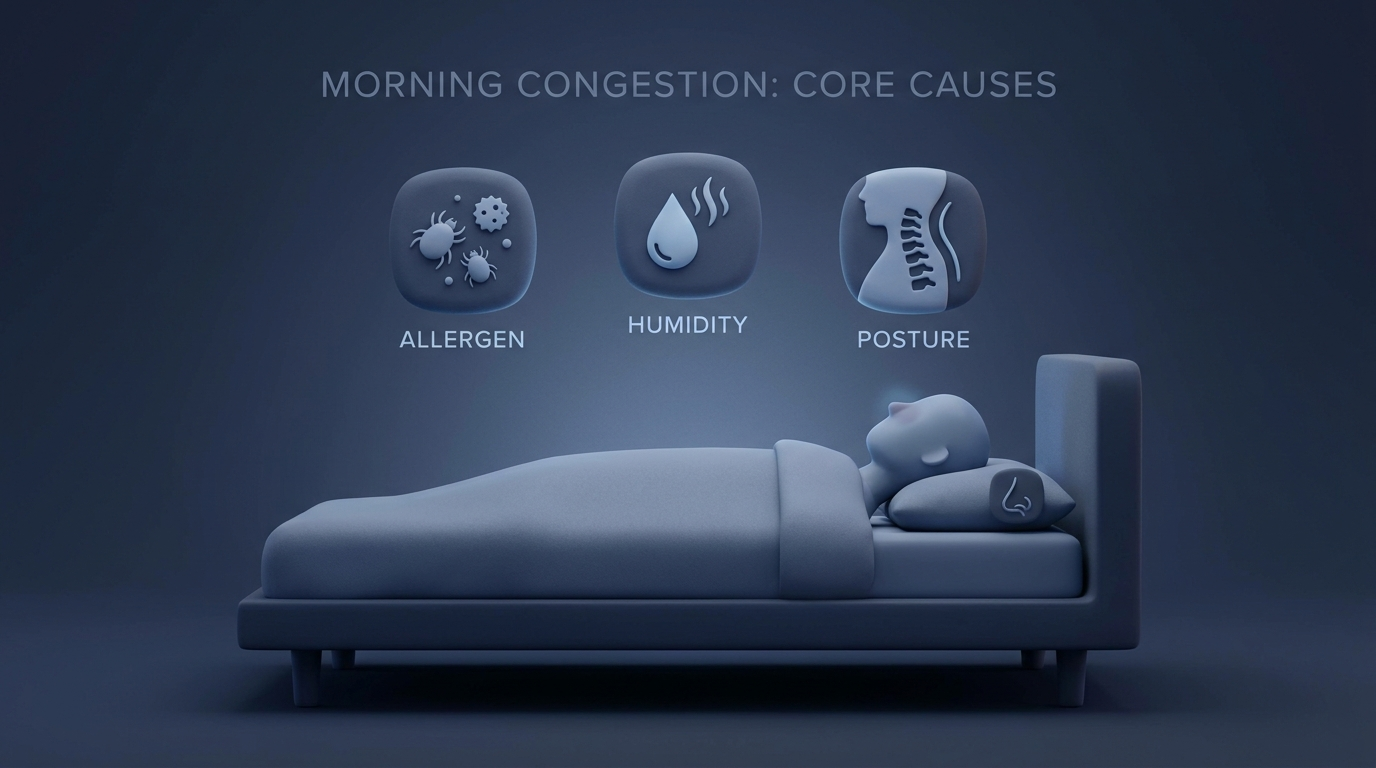
- Keeping the bedroom as allergen‑controlled as possible (bedding routines, limiting pet exposure if relevant)
- Saline rinsing before bed (if tolerated)
- Addressing chronic nasal obstruction with a clinician if it’s persistent
For more on the allergy–sleep connection, see: chronic allergic rhinitis and its impact on sleep quality: https://sleepandsinuscenters.com/blog/chronic-allergic-rhinitis-and-its-impact-on-sleep-quality
Reducing allergen exposure can lessen your medication needs—and your risk of sedation.
When to Call a Doctor (or Seek Urgent Help)
Call your clinician if
- Drowsiness is severe, persistent, or interferes with daily functioning
- You’re combining multiple OTC products and aren’t sure which ingredient is causing sedation
- Symptoms continue despite appropriate OTC use
This is also a good time to ask, “Is my main issue sneezing/itching—or congestion/inflammation?” That distinction can help match you to the right tool (antihistamine vs nasal steroid vs other approaches). (NHS; Mayo Clinic)
Seek urgent care/emergency help if
- You have trouble breathing, swelling of the lips/tongue/face, wheezing, or other signs of a severe allergic reaction
- You develop severe confusion, fainting, or other concerning symptoms after taking medication
Persistent sedation, unclear ingredients, or uncontrolled symptoms warrant professional guidance.
FAQs
Do all antihistamines make you sleepy?
No. First-generation antihistamines commonly cause drowsiness, while second-generation options are typically less sedating—though individual variation exists. (NHS; Mayo Clinic; Mann RD et al., 2000)
Which allergy pill is least likely to cause drowsiness?
In the cited study, loratadine and fexofenadine had the lowest reported sedation rates. (Mann RD et al., 2000)
Why does cetirizine make me sleepy if it’s labeled “non-drowsy”?
“Non-drowsy” generally means less likely to cause sedation, not impossible. Cetirizine has shown a higher reported sedation risk compared with loratadine in some data, and personal sensitivity varies. (Mann RD et al., 2000)
Can I take diphenhydramine (Benadryl) to sleep?
Diphenhydramine is commonly included in over‑the‑counter sleep aids because drowsiness is a frequent effect, but it can also cause next‑day grogginess and interactions with other sedating substances. (NHS; Mayo Clinic)
What if my allergies keep me awake at night?
Options that are less likely to cause drowsiness include nasal steroid sprays and saline rinses, along with trigger‑reduction strategies. If nighttime symptoms are frequent, a tailored plan with a clinician can help clarify the best approach. (NHS; Mayo Clinic)
References
- Mann RD, Pearce GL, Dunn N, Shakir S. Sedation with ‘non-sedating’ antihistamines (2000). BMJ/PMC. https://pmc.ncbi.nlm.nih.gov/articles/PMC27362/
- NHS. Antihistamines (accessed 2026). https://www.nhs.uk/conditions/allergies/antihistamines/
- Mayo Clinic. Antihistamines: Understand options (accessed 2026). https://www.mayoclinic.org/diseases-conditions/hay-fever/in-depth/antihistamines/art-20043975
Book an appointment
If you’re dealing with ongoing allergy symptoms, medication side effects, or poor sleep from congestion, you can book an appointment with Sleep and Sinus Centers of Georgia to discuss evaluation and treatment options: https://www.sleepandsinuscenters.com/
This article is for educational purposes only and is not medical advice. Please consult a qualified healthcare provider for diagnosis and treatment.
Don’t let allergies slow you down. Schedule a comprehensive ENT and allergy evaluation at Sleep and Sinus Centers of Georgia. We’re here to find your triggers and guide you toward lasting relief.