CPAP Machine Side Effects and Dangers: Common Risks and How to Avoid Them
CPAP therapy is an effective, widely used treatment for obstructive sleep apnea. For many people, it can feel genuinely life-changing—better sleep quality, less daytime sleepiness, and improved overnight oxygenation. At the same time, CPAP machine side effects and dangers can come up, especially early on or when mask fit and humidity aren’t optimized.
This guide breaks down the most common symptoms patients notice, why they happen, what typically helps, and the less common—but important—safety issues to know about (including the Philips foam recall). It’s educational, not a substitute for individualized care.
Quick Take: Is CPAP Therapy Safe?
For most people, CPAP is considered safe and well-established for treating obstructive sleep apnea. However, CPAP side effects do happen—usually comfort-related issues like dryness or congestion. Less commonly, there are device-specific safety concerns (including certain recall situations).[^3]
It helps to separate CPAP-related problems into two buckets:
- Common comfort side effects (usually manageable): dryness, congestion, runny nose, mask irritation, minor leaks
- Less common but important safety issues: device malfunctions, cleaning-related irritation, and recall-related risks
It’s also important to remember that untreated sleep apnea carries real health risks. If you’re concerned about CPAP machine side effects and dangers, it’s generally safest to review the pros/cons with your sleep clinician rather than making abrupt changes on your own.[^3]
Bottom line: CPAP is generally safe, and most comfort problems are fixable with targeted adjustments.

Common CPAP Side Effects (Symptoms Patients Notice Most)
These are the comfort-focused symptoms people notice most—usually fixable. CPAP adds steady airflow to sensitive tissues (nose, throat, eyes, skin). If humidity, fit, or allergies aren’t dialed in, your body often lets you know.
Nasal congestion or “stuffy nose” — What it feels like: blocked nose, sinus pressure, waking congested, trouble breathing through the nose with the mask on.
Why it happens: continuous airflow can dry or irritate the nasal lining, triggering swelling and congestion.[^3]
Runny nose (rhinorrhea) or post-nasal drip — What it feels like: clear drainage, frequent sniffing or throat clearing that seems worse after starting PAP.
When to worry: thicker, colored mucus with fever or facial pain may suggest infection; seek clinician guidance.
Why it happens: irritation from airflow and dryness; many improve with humidification adjustments.[^3]
Dry mouth (especially in mouth breathers) — What it feels like: morning “cotton mouth,” sore throat, bad breath, chapped lips.
Why it happens: mouth breathing and mouth leaks dry oral tissues—often more noticeable with nasal masks or higher pressures.[^3]
Nosebleeds (epistaxis) — What it feels like: dried blood on blowing the nose in the morning or occasional bleeds after starting CPAP.
Why it happens: nasal dryness and irritation can make the lining more fragile.[^3] Urgent if heavy, persistent, or frequent.
If nosebleeds keep happening despite comfort adjustments, learn about chemical cautery for recurrent nosebleeds: https://sleepandsinuscenters.com/blog/chemical-cautery-for-nosebleeds-simple-fix-for-recurrent-epistaxis
Skin irritation or pressure marks from the mask — What it feels like: redness, bridge-of-nose soreness, strap marks, or rash-like irritation.
Why it happens: overtightened headgear, worn cushions, or skin sensitivity. Tightening to stop leaks can trade a small leak for a pressure injury.
Headaches or eye dryness from mask leaks — What it feels like: air blowing toward eyes, watery/irritated eyes, or headaches after a night of therapy.
Why it happens: leaks can direct airflow upward and reduce comfort/effectiveness. Persistent headaches warrant clinician input.
Most comfort symptoms improve once humidity, nasal care, and mask fit are dialed in.
Why These Side Effects Happen (Root Causes)
Understanding the “why” makes it easier to choose the right fix and avoid trial-and-error.
Dry air + continuous airflow can irritate nasal/oral tissues — Without enough humidity, airflow can dry mucosal surfaces, contributing to congestion, runny nose, dryness, and bleeding.[^3]
Mask fit problems and mouth leaks — Even small leaks can cause dry mouth, eye irritation, noise, and reduced comfort. Mouth leaks are common in mouth-open sleepers, people with nasal blockage, or position changers. More solutions: mouth leak fixes for CPAP users https://sleepandsinuscenters.com/blog/effective-cpap-mouth-leak-fixes-top-solutions-for-better-therapy
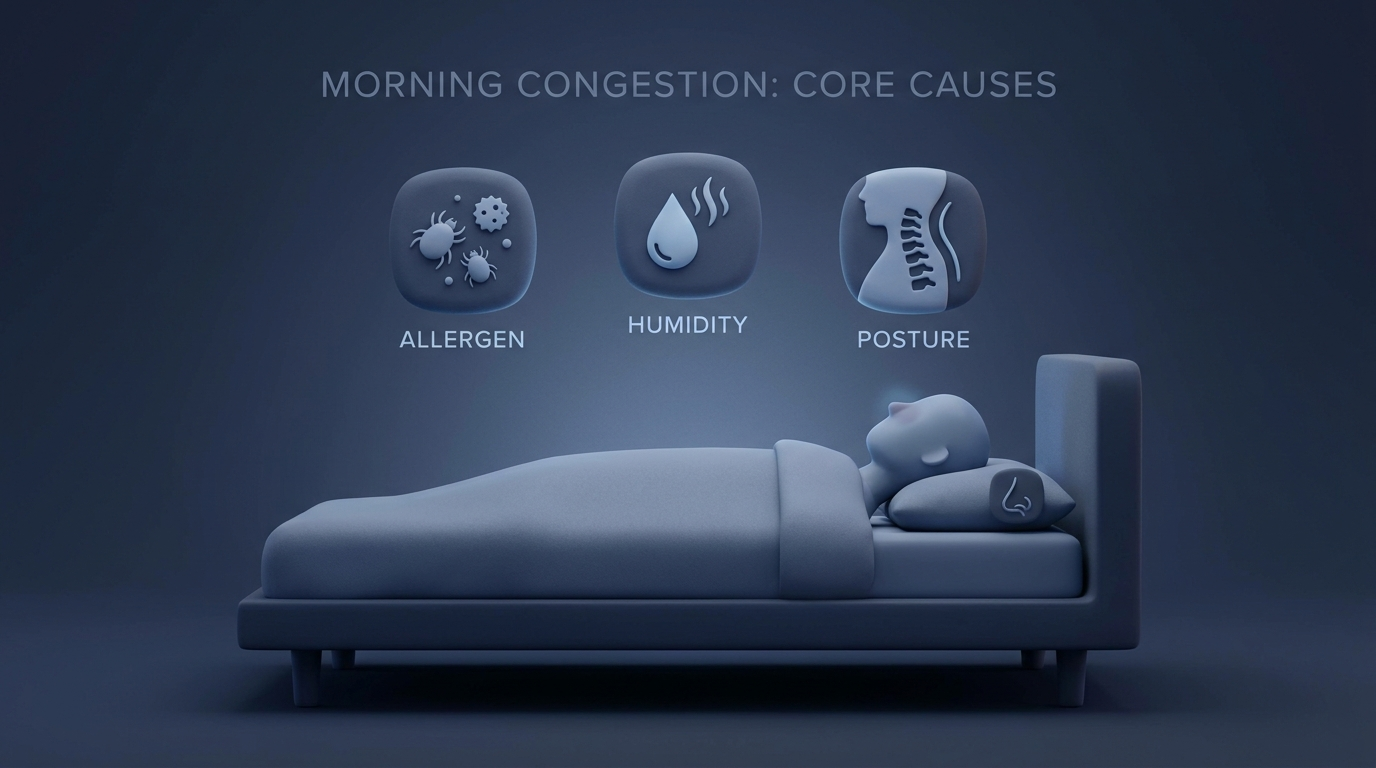
Under-treated allergies or chronic rhinitis/sinus issues — If allergic rhinitis or obstruction exists, CPAP can “unmask” it because you’re breathing through the nose all night. Treating nasal inflammation can be key to success.
Cleaning and maintenance issues — Dirty filters, old tubing, or worn components can worsen irritation/odors. Overly aggressive cleaning or unapproved chemicals can also cause problems. Follow manufacturer guidance. Related reading: risks and limitations of ozone and UV CPAP cleaners https://sleepandsinuscenters.com/blog/safe-ozone-and-uv-cpap-cleaners-effective-hygiene-for-your-cpap-device
Knowing the root cause turns guesswork into targeted, effective fixes.
How to Reduce CPAP Side Effects (Prevention + At-Home Fixes)
Use this “symptom → fix” list as a discussion starter with your care team. Many comfort issues improve with small, targeted changes.
Use heated humidification (often the #1 comfort upgrade) — Helps with congestion, runny nose, dryness, sore throat, and nosebleeds.[^3]
- Adjust humidity gradually (one setting change over several nights).
- If you get condensation (“rainout”), try a heated tube or small bedroom temperature change.
Address mouth breathing and mouth leak — Helps with dry mouth, sore throat, comfort.
- Discuss mask style changes (nasal, nasal pillow, full-face)
- Consider a chin strap (select cases)
- Evaluate nasal blockage (allergies, septal deviation, turbinate enlargement)
Optimize mask fit to prevent pressure injury and leaks — Helps with irritation, pressure marks, headaches from leaks, eye dryness.
- Fit check while lying down
- Replace cushions as recommended
- Avoid overtightening; many masks seal best when snug, not tight
Step-by-step overview: CPAP mask sizing guide https://sleepandsinuscenters.com/blog/cpap-mask-sizing-guide-find-the-perfect-fit-for-comfortable-sleep
Reduce nasal dryness and bleeding risk safely — Saline sprays/gels and environmental humidification are common comfort strategies. Recurrent bleeding or nasal sores warrant evaluation.
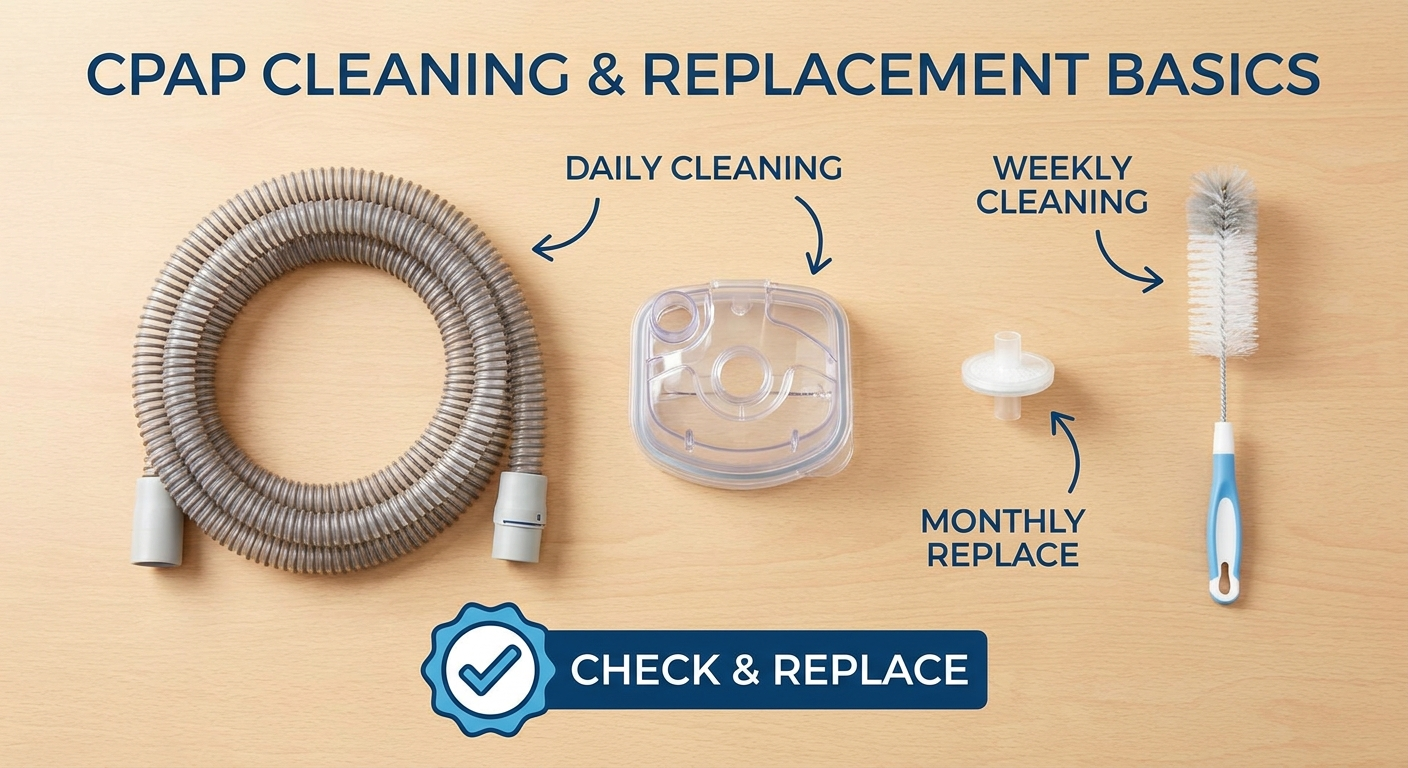
Cleaning and replacement basics — Follow device instructions for cleaning, replace filters/worn parts on schedule, and avoid harsh, unapproved chemicals.
Small, targeted changes often solve big problems without replacing your entire setup.


Serious CPAP Safety Concerns: The Philips PE‑PUR Foam Recall (What Patients Should Know)
While most CPAP issues are comfort-related, one major safety topic has been the recall involving certain Philips devices.
What is the PE‑PUR foam issue? — Some Philips CPAP/BiPAP/ventilator models used a polyester-based polyurethane (PE‑PUR) sound-attenuating foam. Concerns were raised that the foam could degrade and release particles or chemicals, with potential irritation affecting airway, eyes, and skin, plus headaches.[^1][^2]
What symptoms could suggest irritation related to device particles?
- Upper airway irritation, cough, throat irritation
- Eye irritation
- Skin irritation
- Headaches[^1][^2]
FDA recall overview — The FDA issued recall communications regarding potential health risks tied to foam breakdown in affected Philips devices and has posted ongoing updates and testing summaries.[^1][^2]
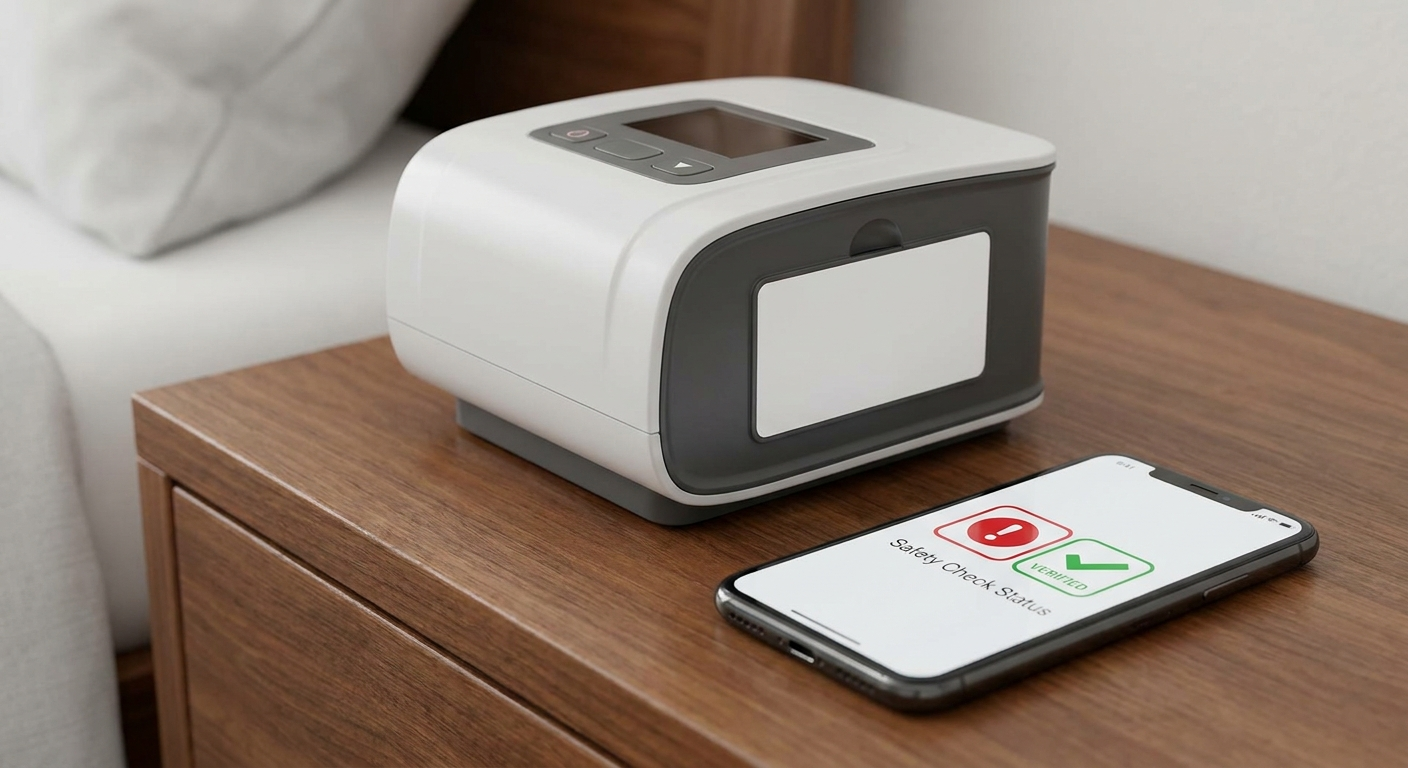
What to do if you have (or suspect) a recalled device:
- Identify the exact model and serial number (on the device label)
- Confirm recall status using official resources
- Review individualized risks/benefits with your clinician before changing therapy
- Discuss replacement options or alternatives if indicated[^4]
Professional guidance (AARC) — Emphasizes individualized risk-benefit decisions with a healthcare provider before changing or stopping therapy.[^4]
If your device may be affected, confirm recall status and talk with your clinician before making changes—don’t stop abruptly.
CPAP and Cancer Risk: What the Research Says (and What It Doesn’t)
Why people ask — Headlines, social media, or recall news prompt questions about CPAP and cancer risk.
Current evidence and context — No clear causal link between CPAP therapy and cancer has been shown. Concerns largely center on certain recalled Philips devices with PE‑PUR foam; research is ongoing.[^5]
Practical takeaway — CPAP effectively treats obstructive sleep apnea for many patients.[^3] For personal risk questions, review your history with a clinician.
Current data do not show a clear causal link between CPAP therapy itself and cancer; ongoing research is focused in part on recalled devices.
When CPAP Side Effects Mean You Should Call a Doctor
Seek urgent care now if you have:
- Severe shortness of breath, chest pain, or coughing up blood
- Heavy or persistent nosebleeds
- Signs of severe allergic reaction (swelling, hives, trouble breathing)
Call your sleep clinician/ENT soon if you have:
- Persistent nasal blockage preventing CPAP use
- Recurrent nosebleeds or nasal sores
- Worsening headaches, eye irritation, or chronic cough—especially if using a recalled device[^1][^2]
- Ongoing CPAP intolerance despite humidifier and mask adjustments
When in doubt, call—timely guidance prevents small issues from becoming barriers to therapy.
Treatment Options If CPAP Isn’t Tolerable (or Needs Replacing)
If you’re struggling with CPAP side effects, you still have options to discuss with your care team:
- Comfort optimization first: heated humidifier, heated tubing, mask refit, clinician review of pressure settings
- Alternative PAP devices in selected cases
- Non-PAP options (for selected patients): oral appliance therapy, positional therapy, evaluation for nasal obstruction, and surgical approaches case-by-case
You have options—even small adjustments can restore comfort and adherence.
Lifestyle Tips That Can Make CPAP Easier (and Improve Sleep Apnea Overall)
- Treat nasal inflammation consistently; avoid triggers like smoke, strong scents, and dust
- Side-sleeping may reduce airway collapse for some
- Weight management and alcohol timing: weight changes can affect pressures; alcohol near bedtime can worsen snoring and apnea
Healthy habits can complement CPAP and make nightly use easier.
FAQs
What are the most common CPAP machine side effects? — Congestion, runny nose, dry mouth, and nosebleeds; many improve with humidification.[^3]
Can CPAP cause nosebleeds? — Yes. Dryness and irritation can contribute; humidification and nasal moisture strategies often help.[^3]
Is CPAP dangerous? — For most people, CPAP is safe and effective. Device-specific issues—like the Philips foam recall—should be addressed promptly with your clinician.[^1][^4]
How do I know if my Philips CPAP is recalled? — Check the model/serial number and confirm using official recall resources, then coordinate next steps with your provider.[^1][^4]
Should I stop using my CPAP if it’s recalled? — Don’t stop abruptly. Follow individualized guidance with your healthcare provider.[^4]
Does CPAP increase cancer risk? — Current evidence does not show a clear causal link; concerns have focused on certain recalled devices using PE‑PUR foam.[^5]
Will a humidifier really help CPAP side effects? — Often yes; humidification can reduce nasal and oral symptoms in many patients.[^3]
Conclusion: Safer, More Comfortable CPAP Use Starts with the Right Adjustments
Most CPAP machine side effects and dangers fall into the “manageable comfort issue” category—dryness, congestion, leaks, and mask irritation often improve with humidification, better fit, and nasal care. At the same time, recall-related concerns (such as PE‑PUR foam issues in certain Philips devices) should be taken seriously and handled using FDA and professional guidance.[^1][^4]
If CPAP discomfort is keeping you from using therapy consistently—or if you have chronic nasal blockage or recurrent nosebleeds—consider scheduling an evaluation with Sleep and Sinus Centers of Georgia. Learn more or book an appointment: https://www.sleepandsinuscenters.com/
With the right adjustments and support, most people can use CPAP comfortably and safely.
References
[1]: FDA. Philips issues recall notification to mitigate potential health risks related to sound abatement foam (2021). https://www.fda.gov/safety/recalls-market-withdrawals-safety-alerts/philips-issues-recall-notification-mitigate-potential-health-risks-related-sound-abatement-foam
[2]: FDA. Foam Testing Summary—Recalled Philips Ventilators, BiPAP Machines, and CPAP Machines (2024). https://www.fda.gov/medical-devices/recalled-philips-ventilators-bipap-machines-and-cpap-machines/foam-testing-summary-recalled-philips-ventilators-bipap-machines-and-cpap-machines
[3]: StatPearls. Continuous Positive Airway Pressure (CPAP) (updated 2023). https://www.ncbi.nlm.nih.gov/books/NBK482178/
[4]: American Association for Respiratory Care (AARC). Frequently Asked Questions on Philips Recall of PAP Devices (2022). https://www.aarc.org/advocacy/federal-advocacy/fda-updates-mandates/frequently-asked-questions-on-philips-recall-of-pap-devices/
[5]: Review article (PMC). Cancer risk and CPAP (review of evidence) (2023). https://pmc.ncbi.nlm.nih.gov/articles/PMC9790747/
This article is for educational purposes only and is not medical advice. Please consult a qualified healthcare provider for diagnosis and treatment.
Don’t let allergies slow you down. Schedule a comprehensive ENT and allergy evaluation at Sleep and Sinus Centers of Georgia. We’re here to find your triggers and guide you toward lasting relief.