CPAP and Snoring: Why You Still Snore and How to Fix It
Introduction — “Is CPAP supposed to stop snoring?”
In many people, CPAP therapy does significantly reduce snoring—sometimes right away. So if you’re still hearing snoring (or a bed partner is), it can be frustrating and confusing. The good news: still snoring with CPAP may mean the therapy needs adjustment, not that CPAP “isn’t working.”¹²
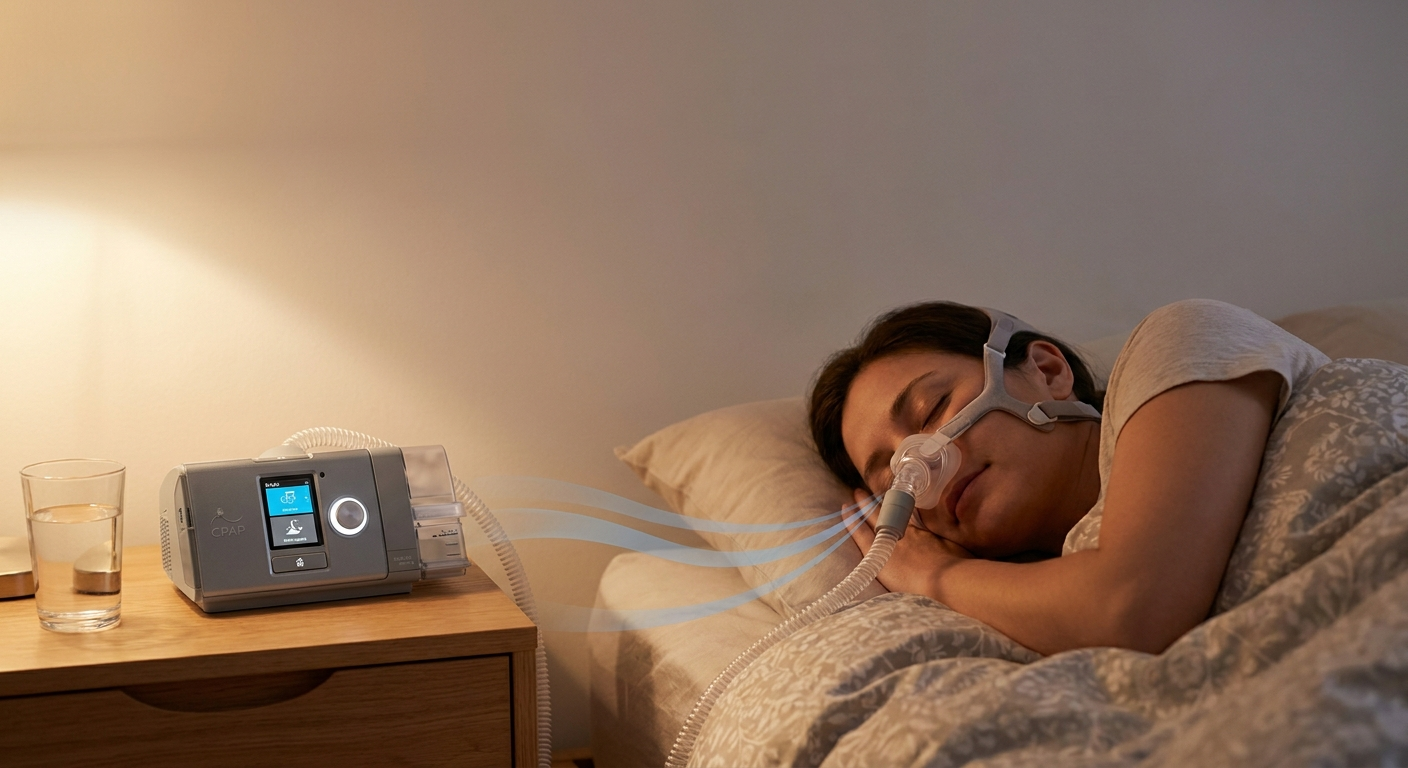
Think of CPAP like a gentle air “splint” for your airway. If the splint isn’t quite the right size (pressure), if it’s slipping (leak), or if airflow can’t get through your nose (congestion), you can still get vibration—and vibration is snoring.
This guide walks through what persistent snoring can mean, the most common fixable causes, and a practical troubleshooting checklist you can use to prepare for a helpful conversation with your sleep team. (Educational note: this is general information, not personal medical advice.)
• For a deeper explainer on PAP metrics, see our guide on understanding CPAP events per hour: https://sleepandsinuscenters.com/blog/understanding-cpap-events-per-hour-and-ent-solutions
• For focused guidance on mouth leak: https://sleepandsinuscenters.com/blog/effective-cpap-mouth-leak-fixes-top-solutions-for-better-therapy
• For ENT strategies when your nose is blocked on CPAP: https://sleepandsinuscenters.com/blog/blocked-nose-during-cpap-ent-strategies
• For mask sizing help: https://sleepandsinuscenters.com/blog/cpap-mask-sizing-guide-find-the-perfect-fit-for-comfortable-sleep
• For a broader overview of this topic: https://sleepandsinuscenters.com/blog/snoring-with-cpap-why-it-happens-and-how-to-fix-it
Bottom line: Persistent snoring on CPAP is usually fixable once you identify the specific cause.
Quick answer (for skimmers)
If you’re still snoring on CPAP, the most common reasons are:
- CPAP pressure may be too low (or not optimized for your current needs).¹²³
- Mask leak—especially mouth leak—can reduce effective pressure.¹²³
- Nasal congestion or obstruction can block airflow and promote mouth-breathing, which can worsen leaks and snoring.¹²³
- If it continues, it may be time to review your CPAP data and consider repeat titration or an ENT evaluation (especially if nasal blockage is ongoing).¹⁴
Quick takeaway: Start with leaks and nasal airflow, then review data and settings with your clinician.
What snoring on CPAP can mean (and what it doesn’t)
Snoring can be a sign of “residual obstruction”
Snoring is vibration. Even with CPAP, your airway tissues can still vibrate if the airway is partially narrowing during sleep. That’s why CPAP and snoring can sometimes coexist—particularly when pressure, mask seal, or nasal airflow isn’t quite right.¹³
A practical example: you might not be fully collapsing into obvious apneas, but the airway may still be just narrow enough to flutter—especially on your back, after alcohol, or when you’re congested.
“My AHI looks fine—so why am I still snoring?”
Many people check their CPAP app, see an AHI under 5, and assume everything is perfect. But “fine” AHI doesn’t always tell the whole story.
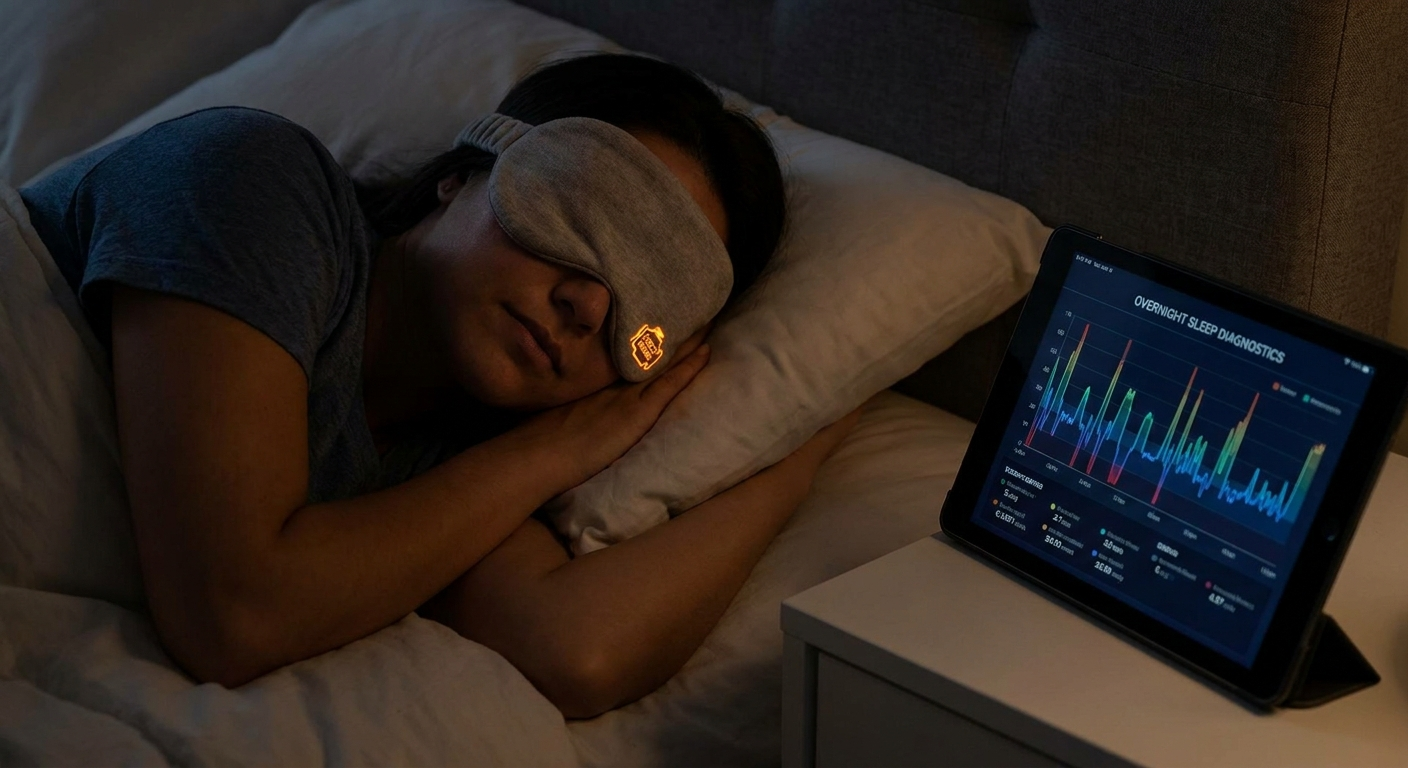
Some CPAP devices may not detect every residual breathing problem, such as subtle flow limitation or patterns associated with snoring, and the machine’s summary numbers may not capture every issue for every patient.⁴ In other words, the dashboard can look calm even if the “engine” is running a little rough.
Research on residual events during CPAP use suggests these leftover breathing disturbances are not rare and may require a clinician to review more detailed data—especially when certain predictors (like a higher central apnea index) are present.⁴ If you’re still snoring with CPAP despite reassuring headline numbers, it may be worth a deeper look rather than assuming it’s “just snoring.”
Key idea: An acceptable AHI doesn’t always mean your airway is fully stable all night.
Symptoms & red flags — when snoring on CPAP needs faster follow-up
Signs CPAP therapy may be suboptimal
Educationally, these are common clues that therapy may not be fully optimized yet:
- Snoring that’s loud, frequent, or returning after being controlled
- Waking up choking/gasping or feeling unrested
- Morning headaches, dry mouth, or sore throat
- Daytime sleepiness despite wearing CPAP for most of the night¹²
A “real life” pattern many clinicians hear is: “My app says I’m doing great, but my partner says the snoring is back and I’m still exhausted.” That combination is a good reason to troubleshoot instead of just pushing through.
Seek clinical reassessment sooner if:
Consider reaching out sooner rather than later if:
- Snoring comes with worsening daytime sleepiness
- A bed partner notices pauses in breathing
- Your device reports high leak or a rising event index over time¹
When in doubt, bring your device data to your sleep team—earlier is better than later.
Causes — why you can still snore while using CPAP
(Cause #1) CPAP pressure may be incorrect (too low or not well-matched)
Why pressure matters for snoring
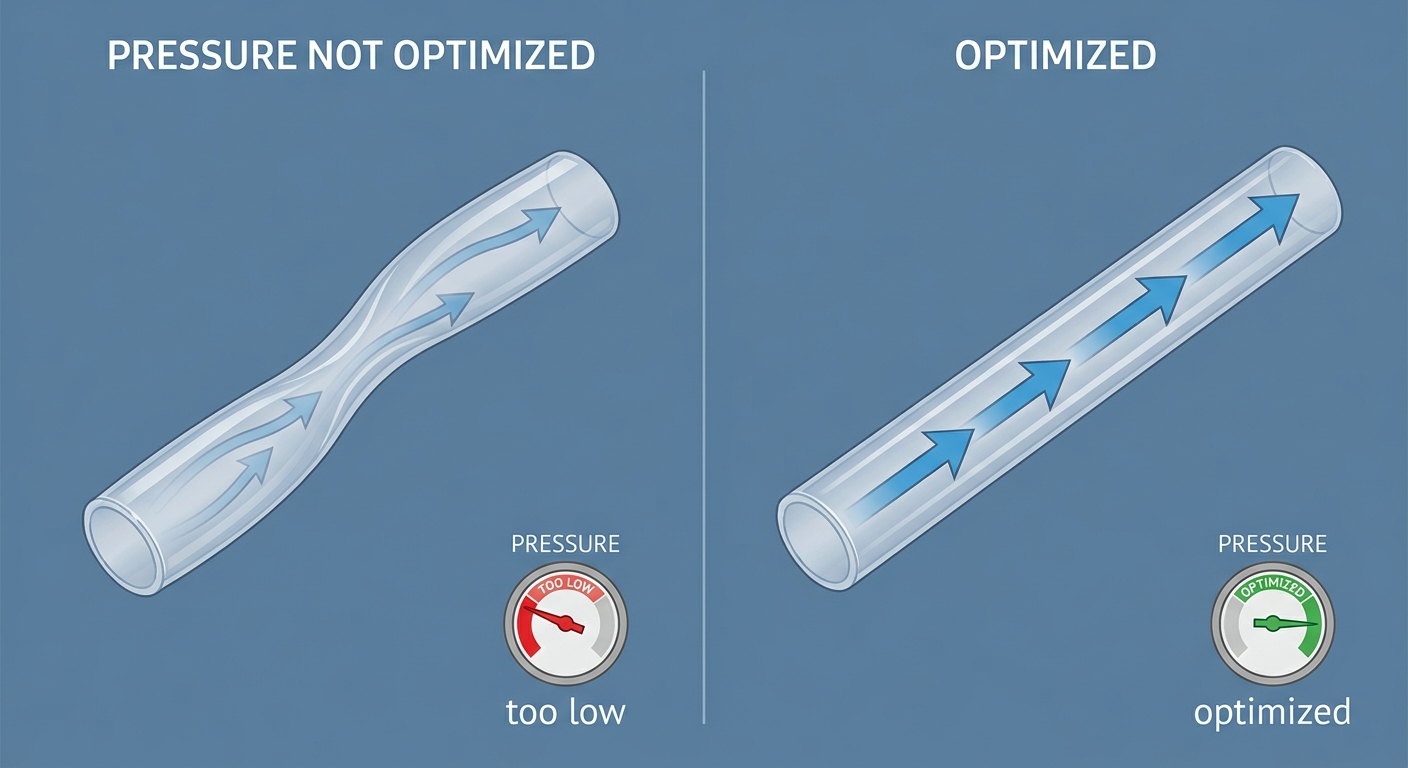
CPAP works by providing enough pressure to help hold the airway open during sleep. If pressure is too low for your anatomy, sleep stage, or position, the airway may still narrow and vibrate—leading to residual snoring.¹²³
A simple analogy: if you’re trying to keep a soft straw open by blowing air through it, a gentle stream might work sometimes—but if the straw gets kinked (back sleeping, deeper sleep, congestion), you may need more support.
Common reasons pressure becomes “wrong” over time
- Weight changes
- Alcohol or sedative use near bedtime
- New or worsening nasal blockage
- More time spent sleeping on your back
- A fixed-pressure setting that no longer matches variable night-to-night needs
What to do (high level)
Rather than guessing, many patients benefit from a data review and clinician-guided adjustment. In some situations, a clinician may consider an auto-adjusting CPAP (APAP) trial or repeat titration.¹³
Think “measure, then adjust”—let data guide any pressure changes.
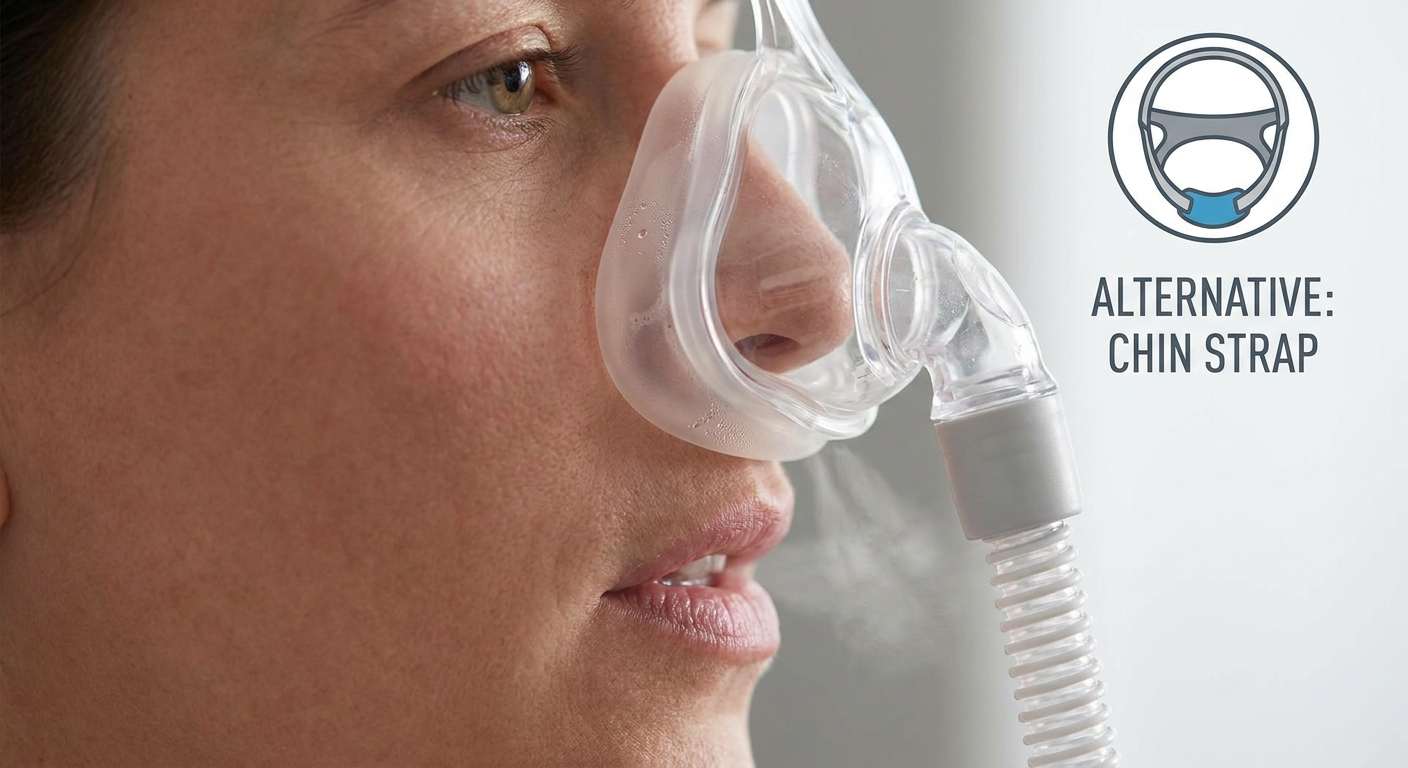
(Cause #2) Mask leaks (including mouth leak) reduce effective therapy
How a leak can lead to snoring
CPAP is only as effective as the pressure that stays in your airway. If air escapes from the mask seal (or through the mouth), pressure can drop enough that tissues start vibrating again—meaning CPAP and snoring show up together.¹²³
Picture a garden hose with a small hole: the faucet can be “on,” but less water makes it to the end. With CPAP, leaks can mean less stabilizing pressure reaches the throat.
Clues you may have a leak
- Dry mouth on waking
- “Hissing” sounds or a noisy seal
- Air blowing into the eyes
- CPAP reports showing elevated leak values
Typical leak sources
- Poor fit or wrong cushion size
- Worn cushion/headgear
- Sleeping position causing mask shifting
- Mouth leak with nasal masks or nasal pillows (lips open during sleep)¹²³
If mouth leak seems likely, our post on CPAP mouth leak fixes breaks down common solutions and how to think about them: https://sleepandsinuscenters.com/blog/effective-cpap-mouth-leak-fixes-top-solutions-for-better-therapy
First stabilize the seal—pressure can’t help if it’s escaping.
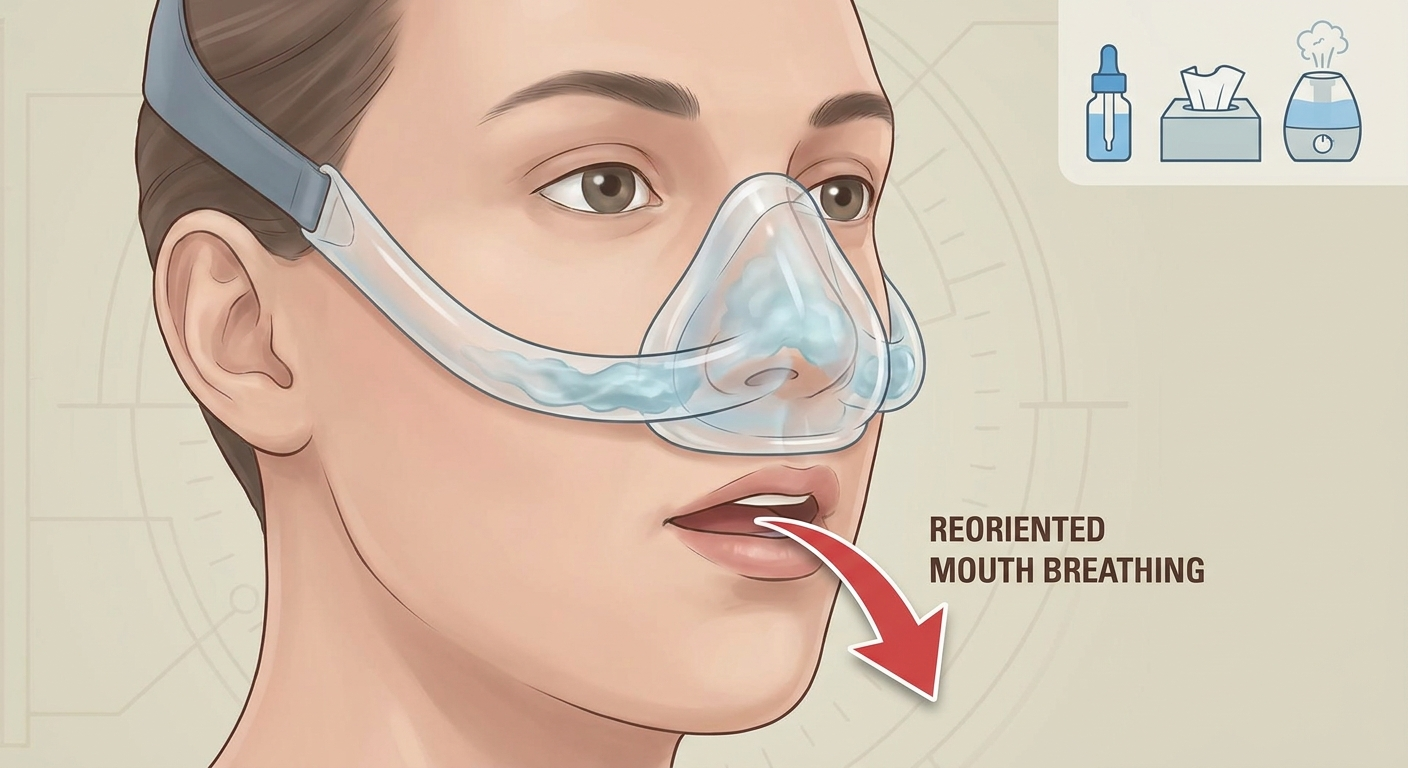
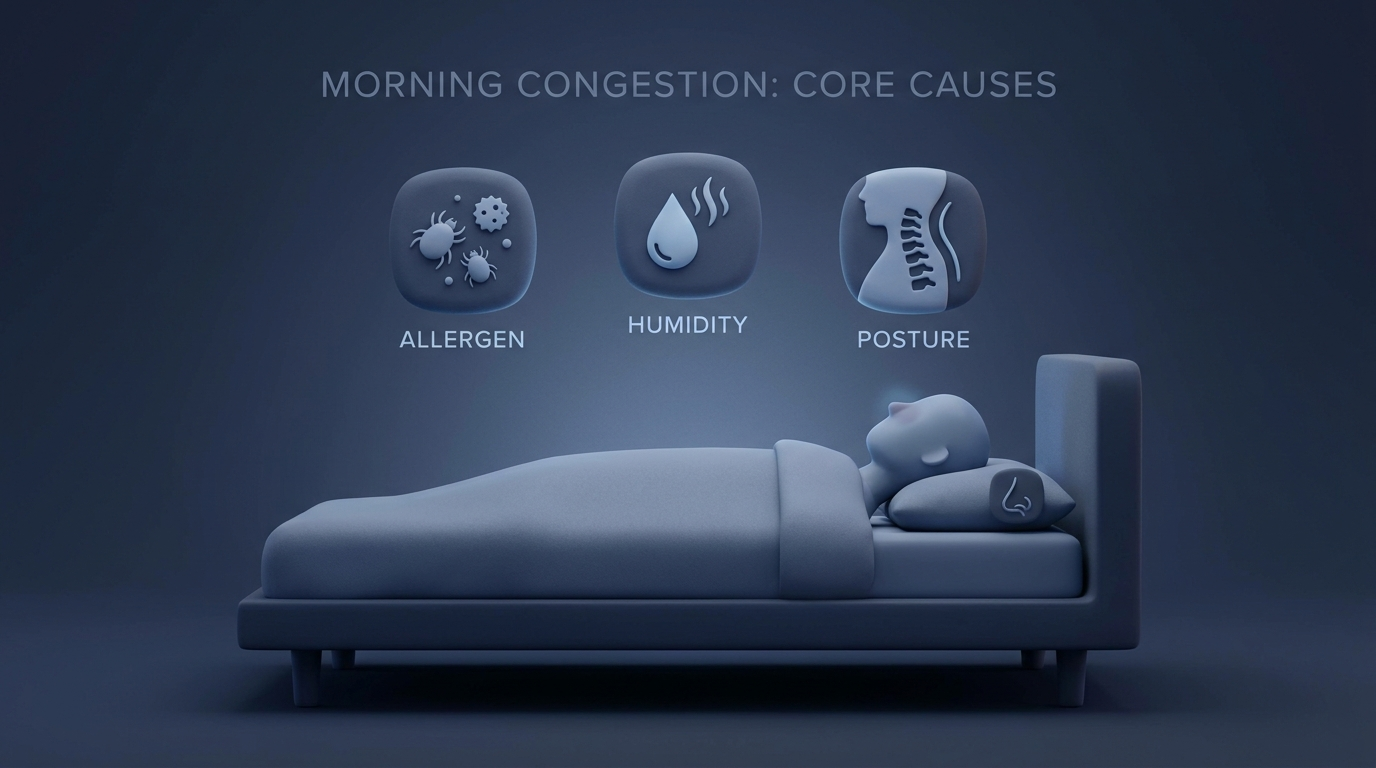
(Cause #3) Nasal congestion or obstruction (allergies, colds, anatomy)
Why nasal breathing problems can trigger snoring even on CPAP
When nasal breathing is restricted, people often switch to mouth-breathing at night. That can increase airway vibration and make mask leaks more likely—two reasons you may be still snoring with CPAP.¹²³
A common example: you do fine most nights, but during allergy season or a cold, snoring returns—and you wake with a dry mouth because you’re unknowingly breathing through it.
Common nasal causes
- Seasonal allergies
- Chronic rhinitis or sinus inflammation
- Deviated septum
- Turbinate hypertrophy
- Nasal valve collapse¹²³
Signs nasal obstruction is a key driver
- You regularly feel like you can’t breathe through your nose at night
- Symptoms worsen in allergy season or when lying down
- Snoring is worse during colds or sinus flare-ups
If this sounds familiar, see our guide on blocked nose during CPAP for ENT-focused strategies and next steps: https://sleepandsinuscenters.com/blog/blocked-nose-during-cpap-ent-strategies
Clear the nose to help the mask seal and pressure work as intended.
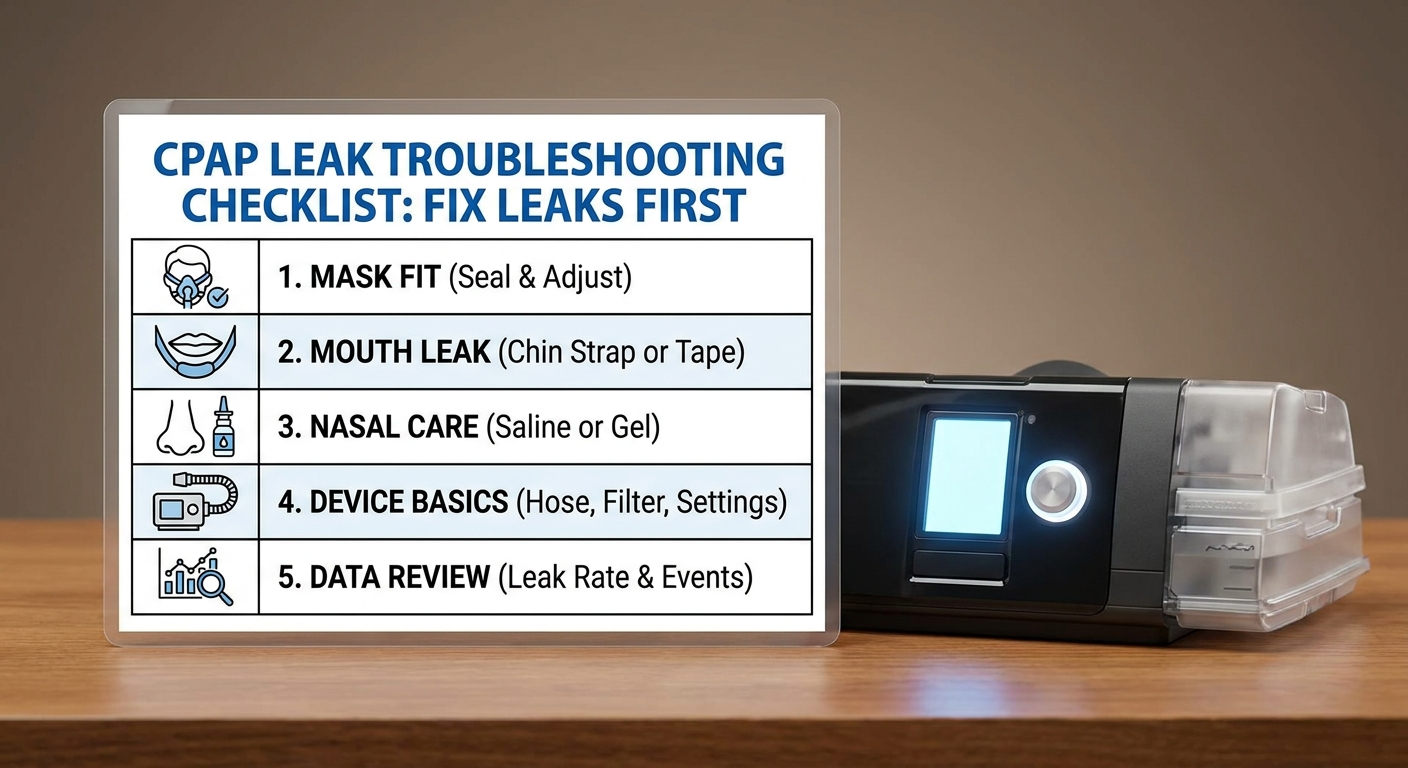
How to fix snoring on CPAP — step-by-step troubleshooting checklist
(Step 1) Confirm your CPAP is being used effectively
Check the basics (5-minute review)
- Are you using CPAP consistently (most nights, most of the night)?
- Is the mask assembled correctly, and is tubing fully seated?
- Is the filter clean and unobstructed?
- If you use humidification, is the humidifier working and filled as intended?
Practical note: avoid changing clinical pressure settings without guidance. A better next step is usually to gather data and bring it to your provider.
Nail the basics first—small fixes here can solve bigger problems down the line.
(Step 2) Fix leaks first (often the fastest win)
Improve mask fit
Leak troubleshooting is often high-impact:
- Re-seat the mask while lying down (your face shape changes vs sitting up)
- Adjust straps evenly; avoid over-tightening (which can worsen leaks)
- Replace cushions/headgear when worn (soft silicone and elastic degrade over time)¹²
A fit check may be easier with a sizing reference—see our CPAP mask sizing guide: https://sleepandsinuscenters.com/blog/cpap-mask-sizing-guide-find-the-perfect-fit-for-comfortable-sleep
Consider switching mask type
- Frequent mouth leak on nasal pillows may improve with a full-face mask or a chin strap approach.¹²³
- If a full-face mask feels uncomfortable, it may be more effective to optimize nasal breathing and fine-tune the nasal mask setup.³
Get the right mask, in the right size, with the right seal—then re-check your data.
(Step 3) Address mouth-breathing and mouth leak
Practical options
Mouth leak is one of the most common reasons people are still snoring with CPAP even when they “use it all night.” Options to discuss with your sleep team include:
- A chin strap to help support jaw closure
- A full-face mask if you can’t reliably keep lips sealed
- Reviewing dryness and leak metrics to confirm whether mouth leak is truly the driver¹²³
One clinician-style way to frame it: “If the air is escaping out of the mouth, it isn’t doing its job holding the throat open.” The goal is comfort and a stable seal.
For a deeper dive, revisit our CPAP mouth leak fixes resource: https://sleepandsinuscenters.com/blog/effective-cpap-mouth-leak-fixes-top-solutions-for-better-therapy
Stop the mouth leak, stabilize pressure, and snoring often follows suit.
(Step 4) Treat nasal congestion so CPAP can do its job
Home/OTC strategies many patients tolerate well
- Saline spray or rinse before bed
- Heated humidification (and heated tubing if dryness is an issue)
- Allergy trigger control measures when relevant¹²³
Tip: if you notice snoring spikes on “bad nose” nights, tracking that pattern (allergies, colds, weather shifts) can help your clinician target the right fix.
Prescription options to discuss with a clinician
- Intranasal corticosteroid sprays for allergic inflammation (when appropriate)
- Targeted treatment for chronic rhinitis or sinus disease²³
When anatomy may need ENT evaluation
If nasal blockage persists despite medical management—or if you suspect structural issues (septal deviation, turbinate hypertrophy, nasal valve collapse)—an ENT evaluation can help clarify next steps.¹
Optimizing nasal airflow can improve comfort, reduce leaks, and enhance the benefits of CPAP.

(Step 5) Re-check pressure settings (don’t guess—use data)
What data points matter
- Leak rate trends
- Residual AHI and whether events are flagged obstructive vs central
- Snore/flow limitation curves (if your device reports them)⁴
A practical approach is to bring a few representative nights: one “good” night and one “snore” night. That comparison often makes patterns easier to spot.
When pressure optimization may require:
- Repeat in-lab titration (the most direct way to match pressure to your needs in some cases)¹³
- APAP trial/optimization when pressure needs vary across the night or across sleep positions³
Let objective data guide pressure decisions with your clinician’s help.
(Step 6) If obstructive events persist, ask about advanced PAP modes
When CPAP isn’t enough (even with good mask fit)
Some patients continue to have obstruction even with solid adherence, good mask fit, and reasonable settings. In those situations, clinicians may consider bilevel PAP or other advanced titration strategies.³
If central events are prominent, that’s another reason clinician review matters—because the best approach is not the same as simply raising pressure.⁴ This is one reason self-adjusting pressure without guidance may not help and can sometimes cause issues.
If basics are optimized but problems remain, advanced modes may be appropriate under clinician guidance.
Lifestyle tips that can reduce snoring alongside CPAP
Sleep position and pillow/neck alignment
Side sleeping reduces airway collapse for some people, even when using PAP. Also consider neck alignment: positions that tuck the chin downward can narrow the airway in some sleepers.
Alcohol/sedatives and timing
Alcohol close to bedtime relaxes airway muscles and may worsen snoring and sleep-disordered breathing. Medication changes should be discussed with your prescribing clinician.
Weight and nasal health support
Weight changes can alter pressure needs over time, and consistent allergy/nasal care can make CPAP easier to tolerate.¹²
Small lifestyle tweaks can complement PAP therapy and reduce snoring risk.
When to see your sleep specialist or ENT (and what to bring)
Make an appointment if snoring persists after basic fixes
If you’ve addressed obvious leaks and nasal congestion and you’re still hearing frequent snoring, it can signal ongoing obstruction or suboptimal therapy. That’s a good time to request a device data review and clinical reassessment.¹⁴
If you’re local, Sleep and Sinus Centers of Georgia can help evaluate CPAP comfort issues, persistent snoring, nasal obstruction, and whether an ENT workup or updated titration makes sense. To get help, you can book an appointment at https://www.sleepandsinuscenters.com/
Helpful items for your visit
Bringing objective information can speed up solutions:
- CPAP app screenshots (leak, AHI, pressure)
- Mask model, size, and how old the cushion/headgear is
- Bed partner notes (timing, body position, whether pauses in breathing are observed)
If snoring persists, a focused visit with your data in hand can shorten the path to relief.
FAQs
Is it normal to snore with CPAP sometimes?
Occasional snoring can happen (mask shifting, congestion, a cold). But frequent snoring should prompt troubleshooting and possibly reassessment.¹²
Can I just increase my CPAP pressure to stop snoring?
It’s generally best not to self-adjust without clinical guidance. The real issue may be leak or nasal blockage, and pressure changes can affect comfort and other breathing patterns.¹
Why do I only snore when I use a nasal mask?
That pattern often points to mouth leak and/or nasal obstruction. A full-face mask or a focused mouth-leak strategy can help.²³
My AHI is under 5—do I still need to worry about snoring?
Not always, but snoring can reflect residual flow limitation/obstruction that isn’t fully captured by device algorithms in some patients.⁴
When should I consider an ENT evaluation?
If you have persistent nasal blockage, chronic congestion, suspected structural issues, or CPAP intolerance due to nasal breathing problems, an ENT evaluation may be helpful.¹
If you’re concerned, ask—your sleep and ENT teams can help you decide the right next step.
Conclusion + next step
When you’re still snoring with CPAP, the biggest fixable buckets are usually pressure optimization, leak control, and nasal airflow.¹²³ Many cases improve by tightening up mask fit, addressing mouth leak, and treating congestion—then reviewing data to see what’s left.
If snoring persists, consider scheduling a reassessment so your care team can review your CPAP downloads and determine whether you need repeat titration, a different mask strategy, or an ENT evaluation.¹⁴ Ready for personalized help? Book an appointment with Sleep and Sinus Centers of Georgia here: https://www.sleepandsinuscenters.com/
References
1. Sleep Foundation. Still Snoring With a CPAP Machine? https://www.sleepfoundation.org/snoring/still-snoring-with-a-cpap-machine
2. American Sleep Apnea Association / SleepApnea.org. Still Snoring With CPAP? https://www.sleepapnea.org/cpap/still-snoring-with-cpap/
3. SleepDoctor. Still Snoring With CPAP? https://sleepdoctor.com/pages/cpap/still-snoring-with-cpap
4. Reiter J. et al. (2016). Residual Events during Use of CPAP: Prevalence, Predictors… https://pmc.ncbi.nlm.nih.gov/articles/PMC4957193/
This article is for educational purposes only and is not medical advice. Please consult a qualified healthcare provider for diagnosis and treatment.
Don’t let allergies slow you down. Schedule a comprehensive ENT and allergy evaluation at Sleep and Sinus Centers of Georgia. We’re here to find your triggers and guide you toward lasting relief.