CBT-I App: The Best Cognitive Behavioral Therapy for Insomnia Apps to Improve Sleep
If you’re dealing with insomnia, you already know it’s not “just being tired.” Ongoing sleep trouble can affect your energy, mood, focus, work performance, and overall health. Many people describe it as feeling “tired but wired”—exhausted all day, then oddly alert the moment their head hits the pillow.
And while relaxing sounds or sleep meditations can feel soothing, they usually don’t address the patterns that keep insomnia going. Think of those tools like a warm cup of tea: comforting, sometimes helpful, but not the same as a targeted treatment plan.
This guide focuses on evidence-backed CBT-I apps—structured programs based on Cognitive Behavioral Therapy for Insomnia (CBT-I), which is widely recommended as a first-line treatment for chronic insomnia. For many people, digital CBT-I can be a practical, scalable way to access that approach.
What Is Insomnia (and When Is It “Chronic”)?
Insomnia isn’t only about “not getting enough hours.” It’s also about how you sleep (or don’t), and what that does to your daytime life.
Common insomnia symptoms (a patient-friendly checklist)
- Trouble falling asleep (long time to drift off)
- Waking up frequently or being awake for long stretches at night
- Waking earlier than you want and not being able to fall back asleep
- Feeling unrefreshed even when you had “enough” time in bed
- Daytime effects like sleepiness, irritability, difficulty concentrating, or reduced quality of life
A practical example: you might get into bed at 10:30, look at the clock at 1:00 a.m. wondering why you’re still awake, finally sleep, then wake at 4:30 and can’t get back down. Even if your “time in bed” was long, the experience (and next-day impact) can still be significant.
Daytime sleepiness can be tricky to judge. The Epworth Sleepiness Scale can help screen for excessive daytime sleepiness, but it does not diagnose the cause: https://sleepandsinuscenters.com/blog/epworth-sleepiness-scale-a-complete-guide-to-understanding-daytime-sleepiness
When to consider chronic insomnia: a common clinical definition is insomnia symptoms happening at least 3 nights per week for at least 3 months. In plain terms: if sleep problems have become your “normal” for months, it’s worth looking at a more structured approach than quick tips alone—especially one that’s designed to break the cycle rather than just “take the edge off” at bedtime.
Takeaway: Chronic, frequent sleep problems that affect your days often respond best to a structured plan like CBT-I.

What Causes Insomnia? (Why Apps Should Address More Than “Relaxation”)
Insomnia is often maintained by a loop: a rough night leads to worry, the worry leads to more effort to sleep, and that effort makes sleep harder. Effective apps focus on that loop.
Common contributors
- Stress, anxiety, or racing thoughts at bedtime
- An inconsistent schedule (different sleep/wake times across the week)
- Long naps or late-day naps
- Spending extra time in bed “trying” to catch up on sleep
- Caffeine or alcohol timing
- Physical factors like pain, reflux, nasal congestion, or medication effects
One common pattern: after a few bad nights, people understandably start going to bed earlier, sleeping in later, or taking long naps. Unfortunately, those changes can reduce sleep drive and make nighttime sleep lighter and more fragmented.
This is one reason a true CBT-I app can be helpful: it targets the behavior + thought cycles that keep insomnia going—not just relaxation.
Rule-outs that matter before self-treating
- Possible sleep apnea: loud snoring, choking/gasping, morning headaches, very high daytime sleepiness
- Restless legs symptoms: uncomfortable leg sensations with an urge to move, often worse at night
- Depression or anxiety that may need its own treatment plan
If snoring or breathing concerns are part of your sleep story, you can learn more here: https://sleepandsinuscenters.com/snoring-sleep-apnea-treatment
Takeaway: Because multiple factors can fuel insomnia, rule out medical contributors and choose tools that address both behaviors and thoughts.
What Is CBT-I (Cognitive Behavioral Therapy for Insomnia)?
Why CBT-I is widely recommended as a first-line treatment: it focuses on the behaviors and thought patterns that can accidentally “train” your brain to be awake in bed. If your bed becomes the place you problem-solve, scroll, watch TV, or worry about tomorrow, your brain learns that the bed is a cue for wakefulness—not sleep.
Professional guidelines generally recommend CBT-I as the first-line approach for chronic insomnia, with medication considered in select cases based on individual needs.
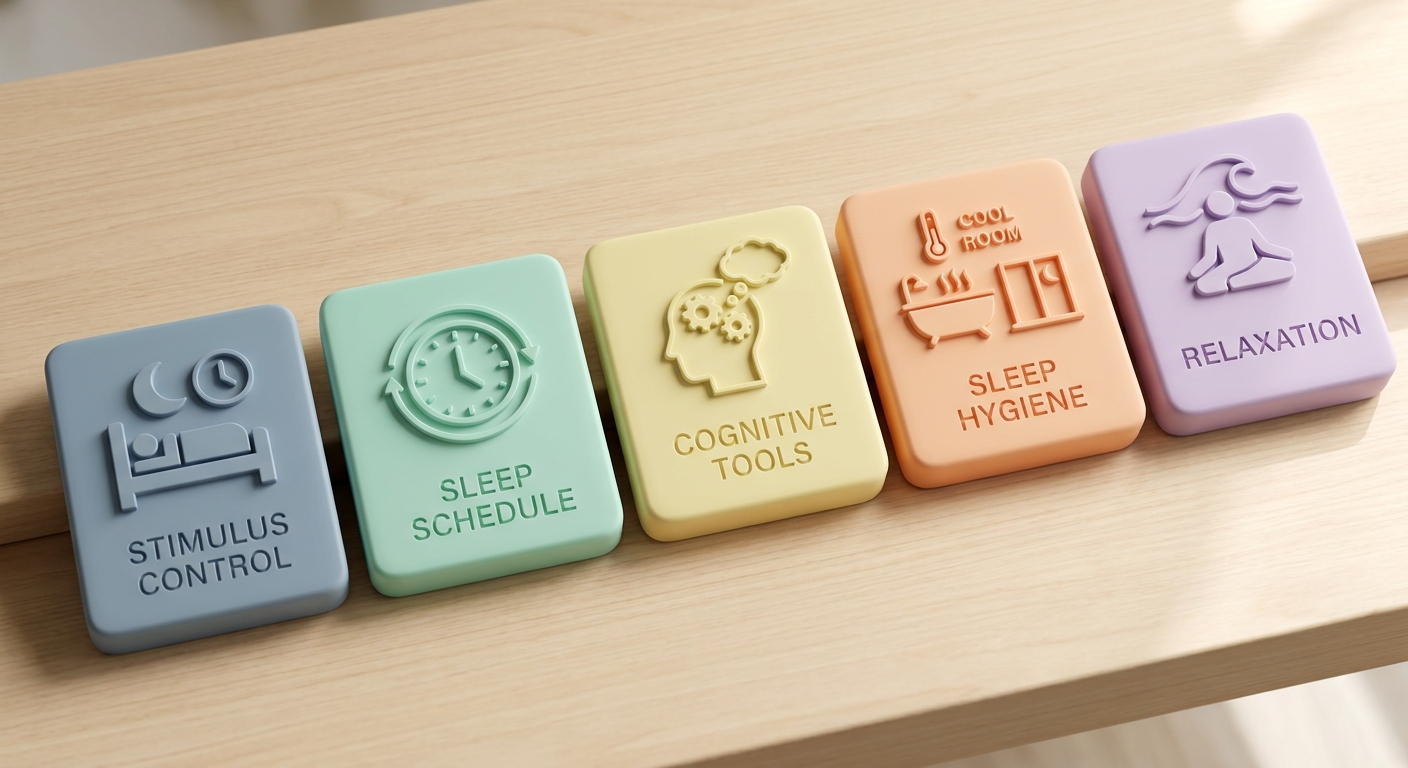
Core CBT-I components (simple explanations)
- Stimulus control therapy: rebuild the bed/bedroom as a cue for sleep (not worry, TV, or scrolling)
- Sleep restriction/sleep scheduling: a tailored sleep window designed to improve sleep efficiency and consolidate sleep
- Cognitive therapy: tools to challenge unhelpful beliefs (like “If I don’t sleep, tomorrow will be a disaster”)
- Sleep hygiene (supportive, not sufficient alone): light exposure, caffeine/alcohol timing, environment
- Relaxation skills: calming strategies to reduce physical tension and mental “revving”
A clinician might summarize it like this: “We’re not forcing sleep—we’re setting up the conditions where sleep happens more reliably.”
Takeaway: CBT-I trains your brain and habits so the bed becomes a cue for sleep again.

What Is a CBT-I App (Digital CBT-I) and Does It Work?
Digital CBT-I vs. “sleep apps”
- Digital CBT-I programs are structured, multi-week interventions that use sleep diaries, tailored schedules, and behavioral coaching.
- Consumer sleep apps often focus on sounds, meditations, or sleep tracking. Those may be comforting, but they aren’t the same as CBT-I.
When people search for the best CBT-I app, the key is whether the program includes the full CBT-I toolkit—not just relaxation content. In practice, that usually means the app asks you to track sleep consistently and then adjusts recommendations based on your actual sleep pattern.
What the research shows (plain-language summary): randomized controlled trials show that digital CBT-I can lead to meaningful improvements in insomnia symptoms and daytime functioning.
Sleepio is one of the best-studied options, supported by multiple trials and published research (Espie CA et al., Sleep, 2012: https://pmc.ncbi.nlm.nih.gov/articles/PMC3353040/; Sleepio research page: https://www.bighealth.com/research). Across the broader marketplace, evidence quality varies widely—so it’s worth being selective.
Takeaway: Choose programs with real CBT-I components and published research, not just soothing content.
How to Choose the Best CBT-I App (Safety + Evidence Checklist)
1) Look for clinical evidence (not just reviews)
- Prioritize programs with randomized trials and peer-reviewed publications.
- Look for transparent outcomes (what improves and by how much).
2) Check regulatory status (when relevant)
- Some products are prescription digital therapeutics. An FDA-cleared insomnia product is cleared for its specific intended use and indication.
- Clearance can be a meaningful signal for certain products, but lack of clearance doesn’t automatically mean a tool is ineffective.
3) Make sure it includes the real CBT-I tools
- A sleep diary and a tailored schedule
- Clear stimulus control instructions
- Cognitive tools (thought-challenging, worry strategies)
- Progress tracking and troubleshooting
4) Consider support level
- Fully automated
- Clinician-supported
- Designed as an adjunct to clinician-delivered CBT-I
As a rule of thumb, the more complex your sleep situation (medical issues, multiple sleep disorders, safety-sensitive work), the more you may benefit from professional guidance.
5) Privacy basics
- Check what data is collected and stored
- See whether data is shared, sold, or used for advertising
Takeaway: Pick apps with published evidence, full CBT-I tools, appropriate support, and clear privacy practices.
Best CBT-I Apps to Improve Sleep (Evidence-Based Picks)
Sleepio (digital CBT-I with strong research base)
- What it is: A structured digital CBT-I program with a sleep diary and step-by-step techniques delivered over weeks.
- Best for: People who want a guided program with a strong published evidence base.
- What to expect: Regular check-ins, sleep scheduling adjustments, and CBT-I skills (including stimulus control and cognitive tools).
- Evidence snapshot: Supported by randomized trials showing meaningful improvements (Espie CA et al., 2012: https://pmc.ncbi.nlm.nih.gov/articles/PMC3353040/; Big Health research: https://www.bighealth.com/research).
Somryst (prescription digital therapeutic)
- What it is: A 9-week prescription digital therapeutic that delivers CBT-I for chronic insomnia.
- Regulatory note: FDA-cleared for its specific intended use and indication.
- Best for: People who prefer a prescription-grade program and want to coordinate with a clinician.
- Evidence snapshot: Product materials report improvements in sleep onset, awake time, and insomnia severity; readers should review independent evidence when available (https://dtxalliance.org/products/somryst/).
CBT-I Coach (support tool often used alongside clinician-guided CBT-I)
- What it is: A patient-facing app designed to support CBT-I skill practice and adherence—commonly used alongside clinician-led treatment rather than as a stand-alone replacement.
- Best for: People already working with a provider or those following CBT-I who want app-based organization.
- Evidence snapshot: Research supports feasibility and engagement; outcomes data are generally less robust than fully automated digital CBT-I programs (Kuhn E et al., Journal of Clinical Sleep Medicine, 2016: https://pmc.ncbi.nlm.nih.gov/articles/PMC4795288/).
Honorable mention: consumer insomnia apps (use with caution)
- Many consumer apps are not true CBT-I and don’t have high-quality trials. If you’re considering one, ask: does it include sleep scheduling, stimulus control, and cognitive therapy? Can it point to published clinical evidence?
Takeaway: For most people, Sleepio and prescription options like Somryst have the strongest structure; adjunct tools like CBT-I Coach can support therapy.
What Results Can You Expect From CBT-I (and How Long It Takes)?
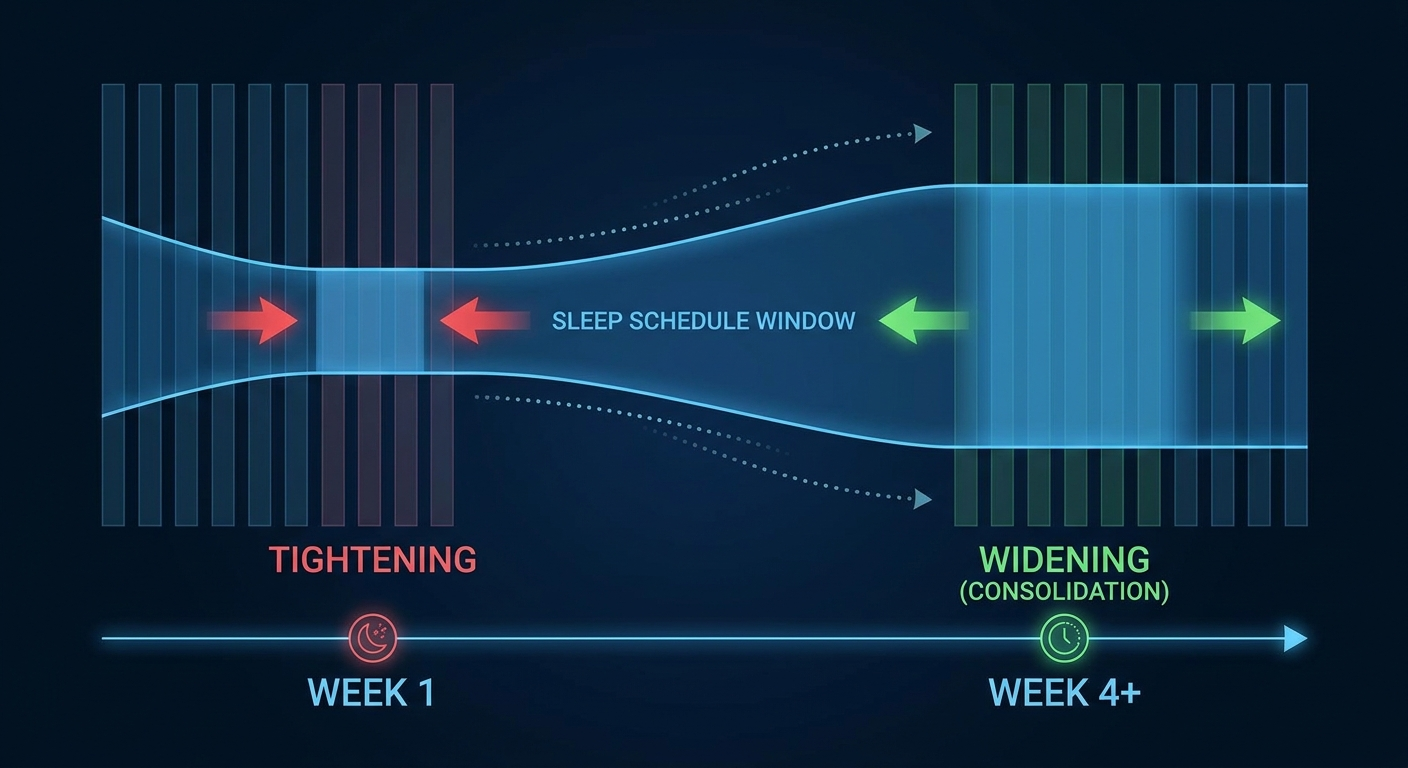
Typical timeline
- Weeks 1–2: Learn the sleep diary and make schedule changes (often the hardest phase).
- Weeks 3–6: Sleep often becomes more consolidated; fewer long awakenings.
- Weeks 7–9+: Growing confidence and relapse-prevention skills.
A realistic expectation: progress is often “two steps forward, one step back.” Many users notice earlier wins in reduced time awake at night, then later improvements in sleep confidence and less dread around bedtime.
Normal bumps in the road: it’s common to feel temporarily sleepier during schedule tightening. If you do safety-sensitive work or feel at risk for drowsy driving, consider discussing timing and safeguards with a clinician rather than pushing through on your own.
Takeaway: Expect steady gains with occasional setbacks; early structure leads to later confidence.
CBT-I App + Medication: Do You Need Both?
Some people use a CBT-I app alongside medication, but the best approach depends on the individual. Professional guidance often helps determine whether combining CBT-I with medication offers additional benefit in your specific situation.
Safety note (educational): Any changes to prescription or over-the-counter sleep products are best handled with the prescribing clinician, and mixing sedatives with alcohol can increase risk.
Takeaway: CBT-I is usually prioritized first; add or adjust medication only with clinician guidance.

Lifestyle Tips That Make CBT-I Apps Work Better (Simple, Practical)
Keep the basics consistent (without perfectionism)
- Aim for a consistent wake time most days.
- Get morning daylight exposure when possible.
- Consider moving caffeine earlier in the day (for many people, “after lunch” is a helpful cutoff to try).
For supportive habits—especially if congestion, reflux, or ENT issues may be affecting sleep—this may help: https://sleepandsinuscenters.com/blog/sleep-hygiene-and-its-impact-on-ent-disorders-key-insights
Reduce “sleep effort” at night
- A simple wind-down routine can help.
- If you’re awake too long, doing a calm activity outside the bed can reduce the bed = wakefulness association (stimulus control). Example: dim lights, a quiet chair, a low-stimulation book, then back to bed when sleepy.
Bedroom environment quick wins
- Cool, dark, and quiet tends to work best.
- White noise may be helpful for masking sound, but it’s best viewed as a comfort tool—not a cure.
Takeaway: Consistent routines, stimulus control, and a low-stimulation environment boost CBT-I’s impact.
When to See a Sleep Specialist (Instead of Only Using an App)
Signs you should get evaluated
- Loud snoring, choking/gasping, or witnessed pauses in breathing
- Severe daytime sleepiness or drowsy driving risk
- Insomnia plus panic symptoms, severe depression, or suicidal thoughts
- Symptoms persist despite completing a full CBT-I course
What a clinic can add
- Screening for sleep apnea and other sleep disorders
- Medication review and comorbidity management
- Personalized CBT-I planning when insomnia is more complex
If you’re unsure when to escalate, this guide can help: https://www.sleepandsinuscenters.com/blog/when-to-see-an-ent-for-sleep-problems
You may also consider scheduling an evaluation with a qualified sleep specialist or ENT provider. If you’re in Georgia, the Sleep and Sinus Centers of Georgia can help: https://www.sleepandsinuscenters.com/
Takeaway: If red flags are present or self-guided efforts stall, a professional evaluation can change the trajectory.
FAQs About CBT-I Apps
What is the best CBT-I app?
- Best depends on your needs: strong research base and guided program: Sleepio; prescription-grade digital CBT-I with clinician involvement: Somryst; adjunct support alongside therapy: CBT-I Coach.
Is a CBT-I app as good as in-person CBT-I?
- Many digital CBT-I programs show meaningful improvements in clinical trials and can be a great fit for straightforward insomnia.
- Some people do best with clinician support—especially with complex medical factors or multiple sleep disorders.
- Espie 2012: https://pmc.ncbi.nlm.nih.gov/articles/PMC3353040/
- Sleepio research: https://www.bighealth.com/research
Can CBT-I make you more tired at first?
- Yes, temporary sleepiness can happen when schedules are tightened to consolidate sleep. If sleepiness affects safety or functioning, consider professional guidance.
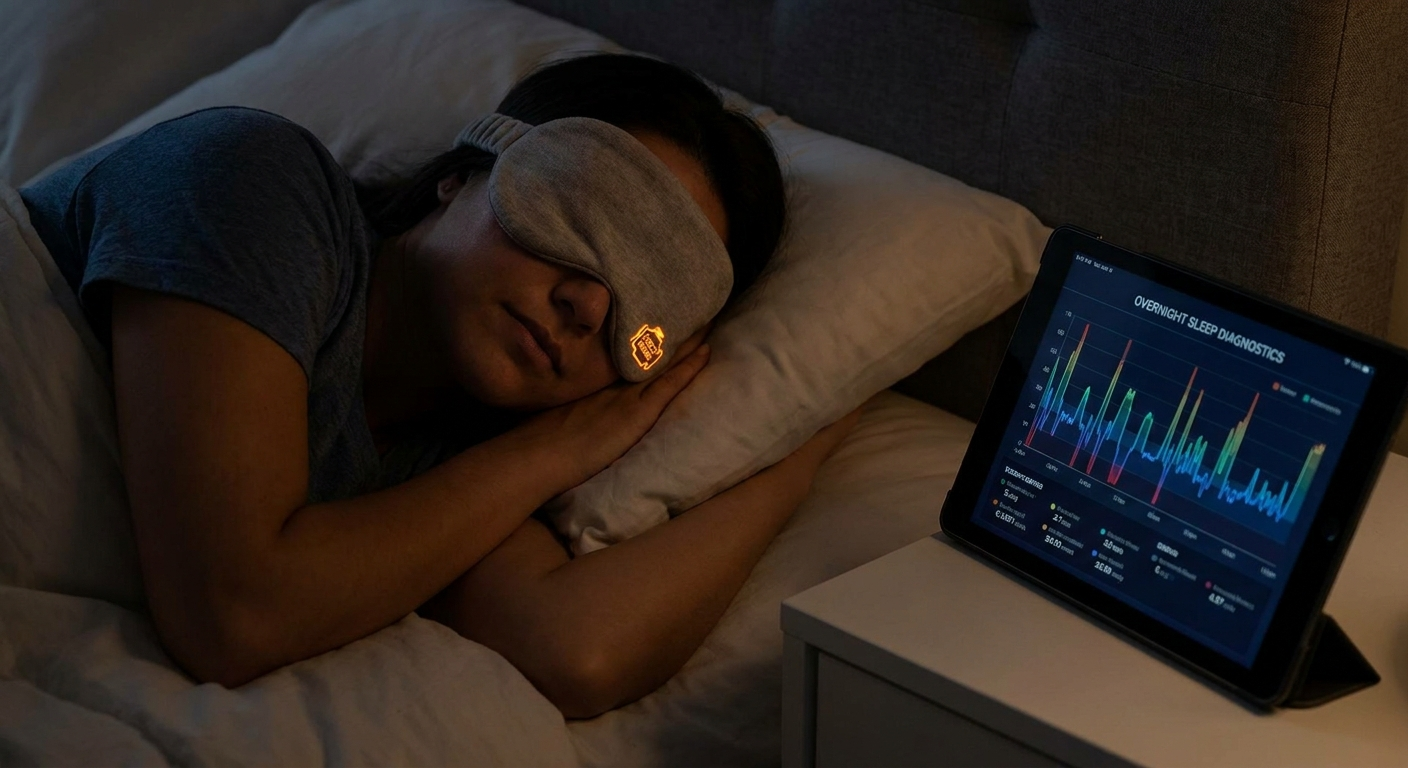
Do sleep trackers help CBT-I?
- They can help some people notice patterns, but for others they increase sleep anxiety and make insomnia feel more “measured” and pressured. If tracking makes you more worried, it may be worth simplifying.
What if my insomnia is caused by congestion or breathing issues?
- Addressing nasal obstruction, allergies, reflux, or possible sleep apnea alongside CBT-I may lead to better results than focusing on one piece alone. Snoring and sleep apnea treatment: https://sleepandsinuscenters.com/snoring-sleep-apnea-treatment
Conclusion: A Smart Next Step
CBT-I is widely recommended as the first-line approach for chronic insomnia, and a high-quality CBT-I app can make that treatment more accessible. When comparing options, prioritize published evidence, real CBT-I tools, and clear regulatory status where applicable. If you’re unsure which program fits your situation—or if symptoms suggest snoring/sleep apnea or another sleep disorder—consider scheduling an evaluation with a qualified sleep specialist or ENT provider. If you’re in Georgia, our team at Sleep and Sinus Centers of Georgia can help you choose the right next step: https://www.sleepandsinuscenters.com/
References
- Espie CA, et al. Digital CBT-I randomized trial. Sleep (2012). https://pmc.ncbi.nlm.nih.gov/articles/PMC3353040/
- Sleepio (Big Health) research page. https://www.bighealth.com/research
- Somryst product listing (DTx Alliance). https://dtxalliance.org/products/somryst/
- Kuhn E, et al. CBT-I Coach evaluation. Journal of Clinical Sleep Medicine (2016). https://pmc.ncbi.nlm.nih.gov/articles/PMC4795288/
This article is for educational purposes only and is not medical advice. Please consult a qualified healthcare provider for diagnosis and treatment.
Don’t let allergies slow you down. Schedule a comprehensive ENT and allergy evaluation at Sleep and Sinus Centers of Georgia. We’re here to find your triggers and guide you toward lasting relief.