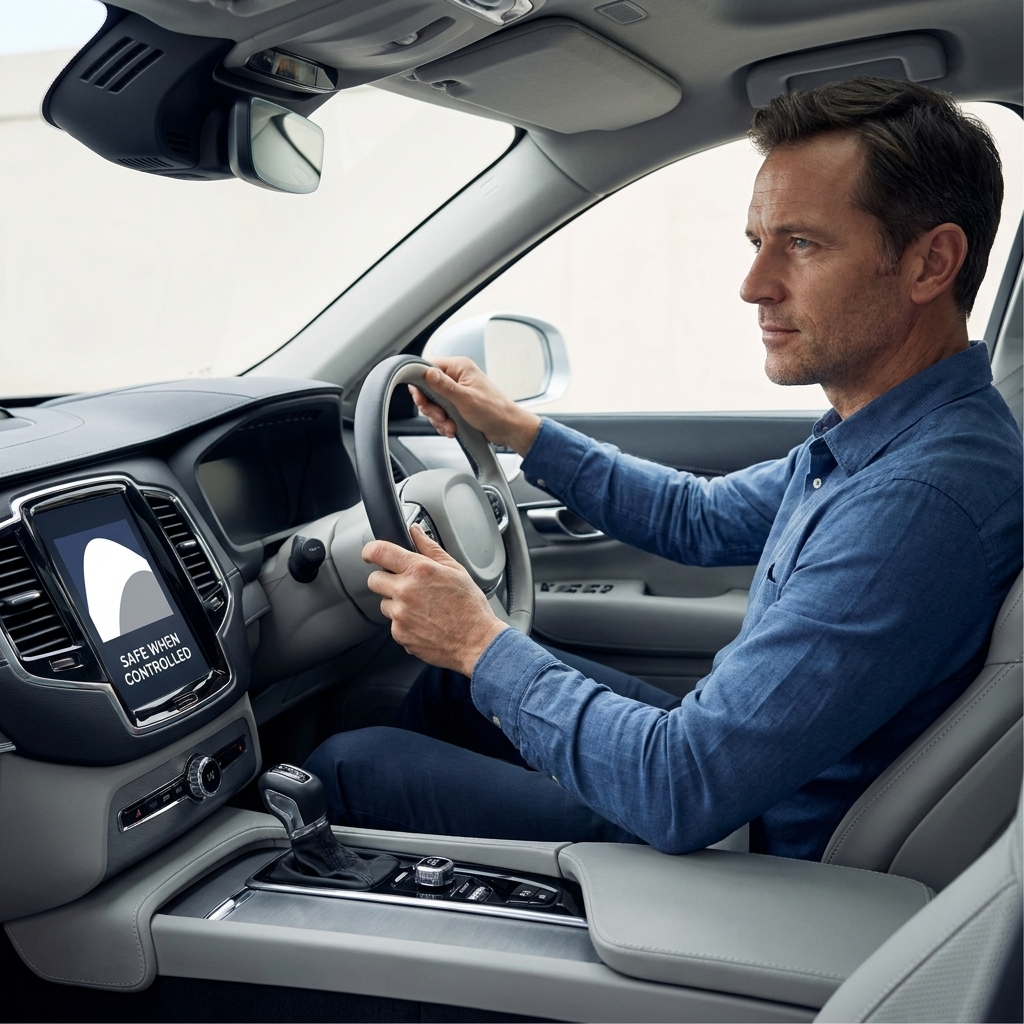
Can You Drive With Narcolepsy? Safety, Laws, and Medical Guidelines
Some people with narcolepsy may be able to drive, but only after individualized medical assessment, stable symptom control, and in compliance with local licensing rules. Driving risk rises when excessive daytime sleepiness (EDS) is not well managed, and some drivers must notify licensing authorities and may face temporary restrictions until medical clearance has been provided. (Sleep Foundation, 2025; NHS, 2025; GOV.UK, 2025)
Safety-first reminder: If you’ve had a recent sleep attack—or you feel even slightly unsafe—pause any driving plans and talk with your clinician about reassessment. (NHS, 2025)
Medical disclaimer: This article is for general education and does not replace medical advice. Fitness to drive decisions should be made with your clinician and (when required) your licensing authority.
In short: safe driving with narcolepsy depends on individualized medical clearance and strict adherence to local rules.
Why Narcolepsy Can Make Driving Riskier
Narcolepsy is associated with increased crash risk because it can disrupt wakefulness and attention during routine tasks—exactly what driving depends on. Driving requires steady alertness while processing speed, spacing, signals, pedestrians, and surprises. A sleep clinician might put it like this: “Driving is a vigilance task. If your vigilance drops for even a few seconds, the road doesn’t pause.”
The core problem: Excessive daytime sleepiness (EDS) can slow reaction time, impair sustained attention, and lead to microsleeps. You might feel “mostly okay” yet still miss a brake light change, drift within your lane, or realize you’ve driven the last half mile without remembering it clearly—signs attention is slipping.
Real-world situations that can be especially risky include monotonous highway driving, stop-and-go traffic, and late-night or early-morning trips. A sleep attack can emerge quickly, with heavy eyelids or head nodding, drifting thoughts or “spacing out,” and trouble keeping eyes focused on the road. Opening a window or turning up music may change how sleepy you feel, but these steps do not reliably restore the stable alertness needed for driving.
Other symptoms that can affect driving vary by person and may include cataplexy (sudden muscle weakness from strong emotions), disrupted nighttime sleep that worsens daytime sleepiness, and automatic behavior (continuing to drive but missing key cues). Bottom line: even mild, fluctuating sleepiness can undermine the sustained alertness driving requires.
Signs You Should NOT Drive (Red Flags)
Because drowsy driving risk can rise quickly, treat specific warning signs as stop signs. Leading guidance emphasizes that the safest response to sleepiness while driving is to stop driving rather than attempting to counteract it. (AASM, 2024)
Immediate do-not-drive situations include a recent sleep attack while driving or even while stopped, a near-miss collision, lane drifting, missing exits or signals, or repeated nodding off even as a passenger. After any incident, jot down details (time of day, drive length, medication timing, sleep the night before) and discuss them with your clinician—specifics matter.
If you’re unsure how sleepy you’ve been lately, consider a brief screen such as this quick sleepiness self-check: https://sleepandsinuscenters.com/test-your-sleepiness. This tool is only a screening aid and does not replace clinical evaluation.
Patterns suggesting poor control include feeling very sleepy despite medication, new or worsening symptoms, missed doses or side effects, and added risks like sleep deprivation, alcohol, or sedating medications. For broader public safety context, see the AASM drowsy driving advisory: https://aasm.org/advocacy/position-statements/drowsy-driving-sleep-health-advisory/
Key takeaway: when warning signs appear, the safest choice is to stop driving and seek individualized medical guidance.
Can Narcolepsy Be Controlled Enough to Drive?
A practical way to reframe “can you drive with narcolepsy?” is: Are symptoms controlled well enough—across your real-world driving conditions—to keep risk low? Driving may be considered safer when symptoms are stable and well-managed on a treatment plan, there have been no recent sleep attacks, and your sleep schedule is consistent with effective coping strategies. (Sleep Foundation, 2025)
Why “controlled” is a medical decision (not just a feeling): sleepiness can be hard to gauge from the inside. Clinicians consider real-world events (near misses, drifting, dozing), patterns over time (good weeks vs. bad weeks), and objective testing when needed. Keeping a simple log of sleep attacks, close calls, and “sleepiest times of day” makes discussions clearer.
In brief: consider “fitness to drive” a clinical determination guided by real-world evidence plus, when needed, objective testing.
Medical Guidelines: How Clinicians Assess Fitness to Drive
When employers or licensing agencies request documentation, clinicians commonly review history of sleep attacks, near misses or crashes, time-of-day sleepiness and typical drive lengths, work schedule and commuting demands, sleep consistency, medication adherence, and side effects that could impair alertness.
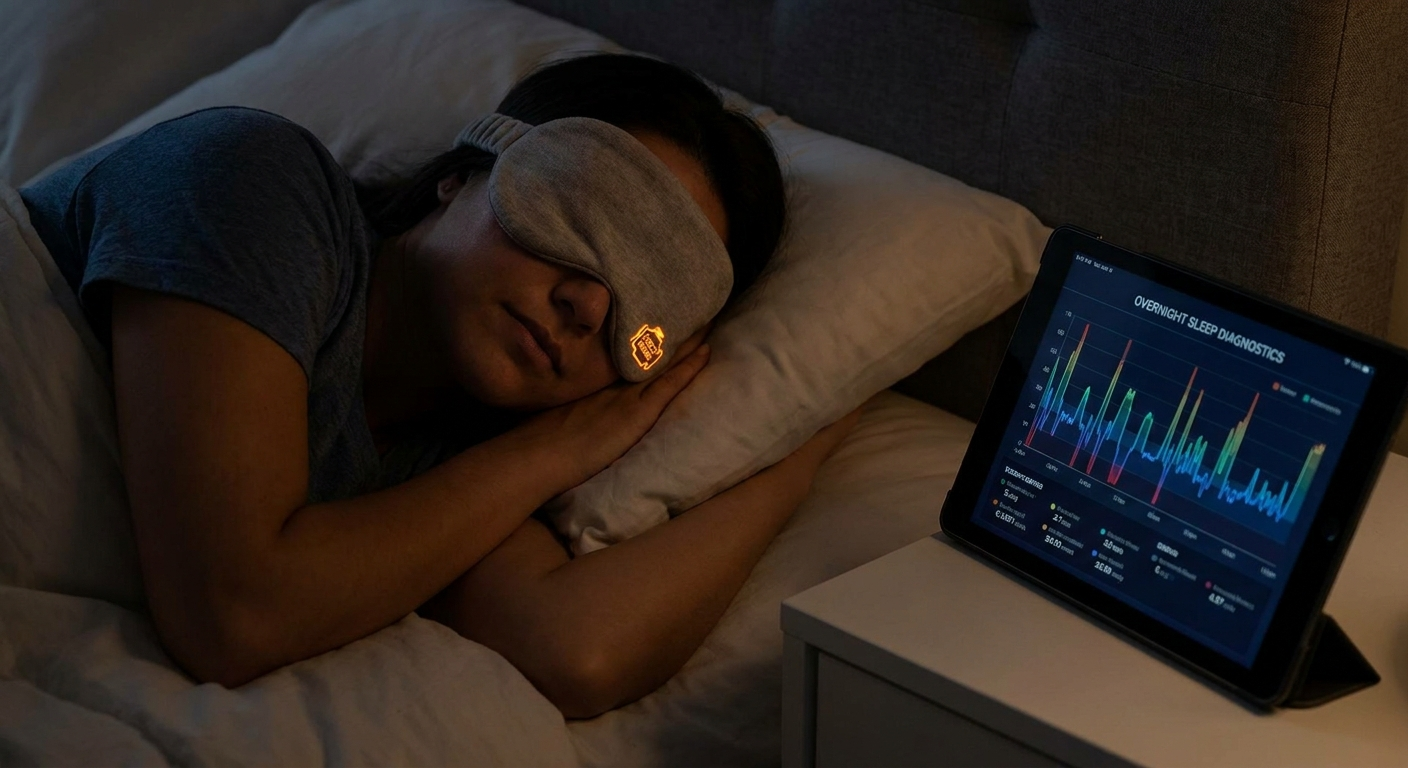
Objective testing in borderline cases may include the Maintenance of Wakefulness Test (MWT), a daytime test measuring the ability to stay awake in a quiet, low-stimulation environment. Because driving often involves long stretches of low stimulation, the MWT can support clinical assessment of wakefulness. Reviews discuss the MWT as one tool that may inform risk assessment (PMC review, 2020; AASM, 2024). Results are interpreted alongside clinical history and real-world functioning—no single test is decisive.
Other tools that may support decisions include questionnaires (e.g., Epworth Sleepiness Scale), plus sleep diaries and symptom logs. Related resource: Epworth Sleepiness Scale guide: https://sleepandsinuscenters.com/blog/epworth-sleepiness-scale-a-complete-guide-to-understanding-daytime-sleepiness
Summary: clinicians determine fitness to drive using history, patterns, and sometimes tests like the MWT—no single test is decisive.

Treatment Options That Can Improve Driving Safety
Because narcolepsy is usually long-term, medication and behavioral strategies often work together to improve daytime function and driving safety. (Sleep Foundation, 2025) Clinicians may use wake-promoting medications and/or stimulants to improve alertness; ongoing monitoring matters because side effects (jitteriness, anxiety, blood pressure changes, rebound sleepiness) can affect functioning. A useful “real life” check is whether you can reliably stay alert during low-stimulation moments (meetings, reading, riding as a passenger).
For some people, improving nighttime sleep quality and consolidation can reduce daytime sleepiness. Helpful behavioral strategies include planned, strategic naps when feasible, consistent sleep-wake scheduling, thoughtful caffeine timing (not a substitute for treatment), and avoiding alcohol or sedating substances before driving.
Practical point: effective treatment is measured by stable daytime alertness in everyday life, not just how you feel in the moment.
Practical Driving Safety Tips for People With Narcolepsy
Before you drive, do a quick check-in: Am I sleepy right now? Did I sleep enough and on schedule? Any recent close calls or nodding off? Is this trip long, monotonous, or at a high-risk time of day?
During the drive, reduce risk by keeping trips shorter when possible, planning breaks (personalize intervals with your clinician), avoiding your sleepiest times, and using a co-driver for longer trips when available.
If sleepiness hits while driving, AASM guidance emphasizes stopping: pull over safely as soon as possible, take a short nap in a safe location, and avoid relying on loud music or open windows as your main solution—these may not reliably restore alertness. Quick reminder: plan routes with safe stop options, and treat sudden sleepiness as a reason to pull over and reassess.

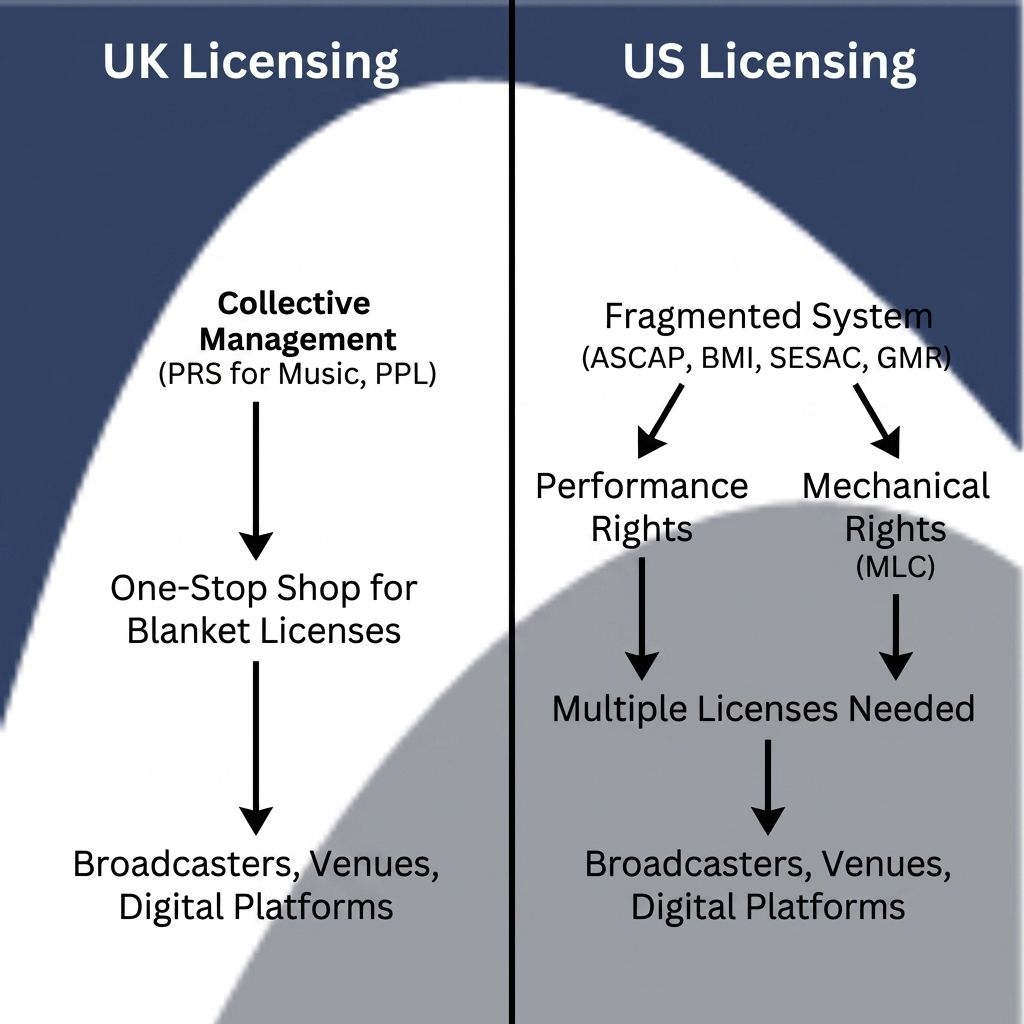
Driving Laws & Reporting Requirements (UK vs US)
Location disclaimer: Laws and reporting rules vary. Always check your local licensing authority and ask your clinician if you’re unsure.
United Kingdom (DVLA): You must tell the DVLA if you have narcolepsy, and driving may be restricted until medical clearance is provided. (GOV.UK, 2025; NHS, 2025) Reference: https://www.gov.uk/narcolepsy-and-driving
United States: Requirements vary by state. Some states require clinician reporting for certain conditions; others rely on driver self-reporting. State DMVs may request medical documentation or a symptom-free period. (Sleep Foundation, 2025)
Commercial driving often carries stricter standards and documentation requirements; review rules specific to your licensing category. Essential note: follow your jurisdiction’s rules and your clinician’s recommendations—both are required for lawful, safer driving.
Talking to Your Doctor: What to Ask About Driving
Prepare a focused appointment to clarify risk and next steps. Ask: Based on my recent symptoms, how does my driving risk look? Would testing like a Maintenance of Wakefulness Test help? Are there treatment adjustments to better control sleep attacks or daytime sleepiness? Do I need documentation for the DMV/DVLA, and what should it include?
What to bring: a symptom log (sleep attacks, close calls, severe sleepiness periods), a complete medication and supplement list (including OTC items), and your typical work/sleep schedule and commute details. If you’re unsure which specialist to see, this resource may help: https://sleepandsinuscenters.com/blog/when-to-see-an-ent-for-sleep-problems
If you’re concerned about sleepiness or driving safety, you can book an evaluation or follow-up here: https://sleepandsinuscenters.com/appointments
FAQs
Q: Can you drive if you have narcolepsy? A: Some people may be able to drive when symptoms are well controlled, there have been no recent sleep attacks, and their clinician believes risk is acceptably low—always in compliance with local licensing requirements. (Sleep Foundation, 2025)
Q: Do I have to tell the DVLA/DMV? A: UK—DVLA notification is required for narcolepsy. US—requirements vary by state; some require clinician reporting, while others do not. Check your state DMV rules. (GOV.UK, 2025; Sleep Foundation, 2025)
Q: What is the Maintenance of Wakefulness Test (MWT) and why would I need it? A: The MWT measures the ability to stay awake in quiet conditions; it can support clinical assessment of daytime alertness but does not by itself determine fitness to drive. (PMC review, 2020; AASM, 2024)
Q: Does medication mean I’m automatically safe to drive? A: Not necessarily. Safer driving depends on consistent symptom control, side effects, regular sleep, clinician assessment, and compliance with local rules. (Sleep Foundation, 2025)
Q: If I had a sleep attack recently, when can I drive again? A: There is no one-size-fits-all answer. Most guidance emphasizes avoiding driving after a recent sleep attack until you have been clinically reassessed, symptoms are controlled, and any applicable legal/licensing requirements have been met. (NHS, 2025; GOV.UK, 2025)
Conclusion: A Safe Plan Comes From Symptom Control + Clear Rules
Driving may be possible for some people with narcolepsy, but it hinges on symptom control, honest monitoring of real-world sleepiness, and following medical and legal requirements. If symptoms change, near misses occur, or sleep attacks return, pause and reassess. Final thought: individualized clearance, stable symptom control, and strict adherence to local rules form the foundation of safer driving decisions.
Sources
Sleep Foundation. “Can You Drive With Narcolepsy?” (2025) https://www.sleepfoundation.org/narcolepsy/can-you-drive-with-narcolepsy
NHS. “Narcolepsy” (2025) https://www.nhs.uk/conditions/narcolepsy/
GOV.UK (DVLA). “Narcolepsy and driving” (2025) https://www.gov.uk/narcolepsy-and-driving
American Academy of Sleep Medicine (AASM). Drowsy Driving / Sleep Health Advisory (2024) https://aasm.org/advocacy/position-statements/drowsy-driving-sleep-health-advisory/
PMC Review. MWT and driving risk (2020) https://pmc.ncbi.nlm.nih.gov/articles/PMC7669528/
This article is for educational purposes only and is not medical advice. Please consult a qualified healthcare provider for diagnosis and treatment.
Don’t let allergies slow you down. Schedule a comprehensive ENT and allergy evaluation at Sleep and Sinus Centers of Georgia. We’re here to find your triggers and guide you toward lasting relief.