Can You Buy a CPAP Machine Without a Sleep Study? Requirements and Options Explained
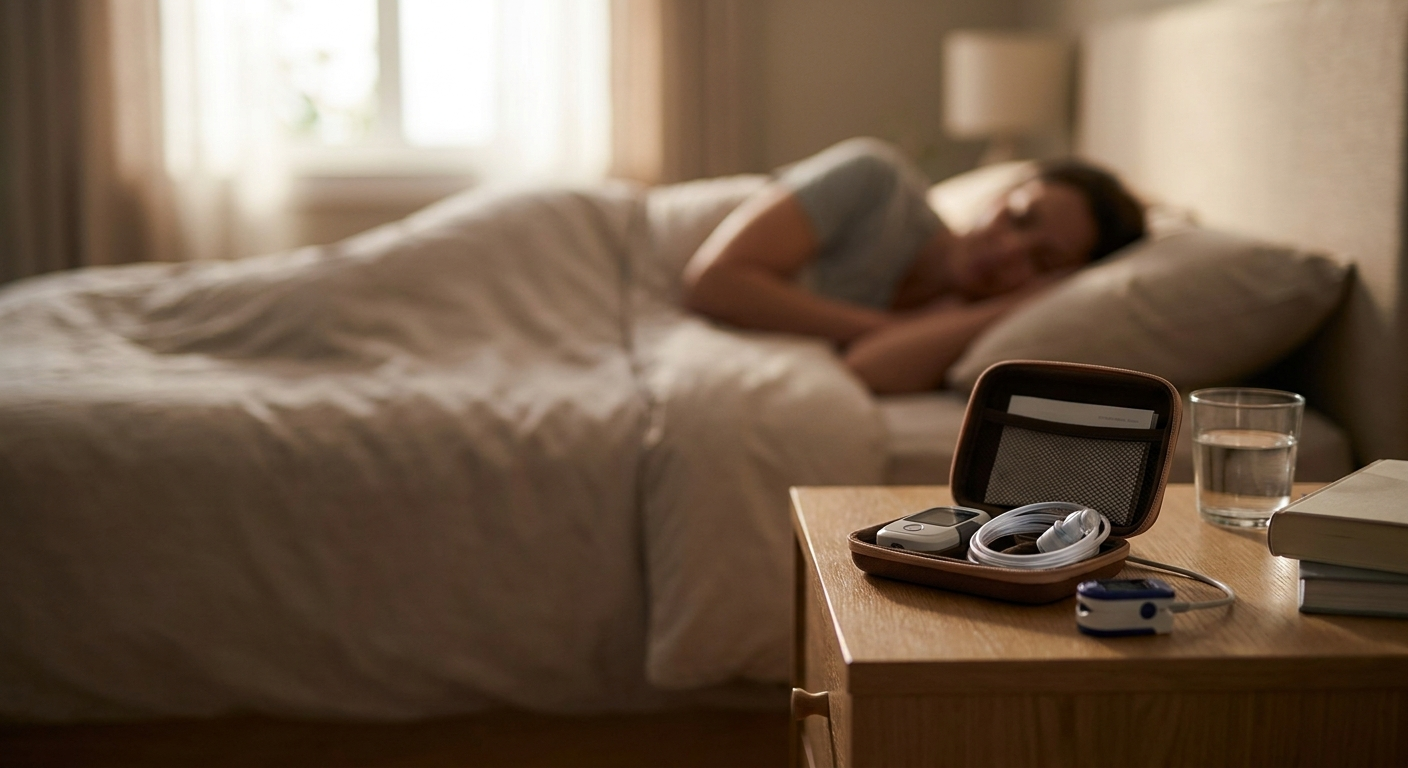
If you’re dealing with loud snoring, daytime exhaustion, or a partner who’s noticed pauses in your breathing, it’s natural to look for quick relief. Many people start searching for how to buy a CPAP machine without a sleep study—especially if they’re concerned about time, cost, or insurance steps.
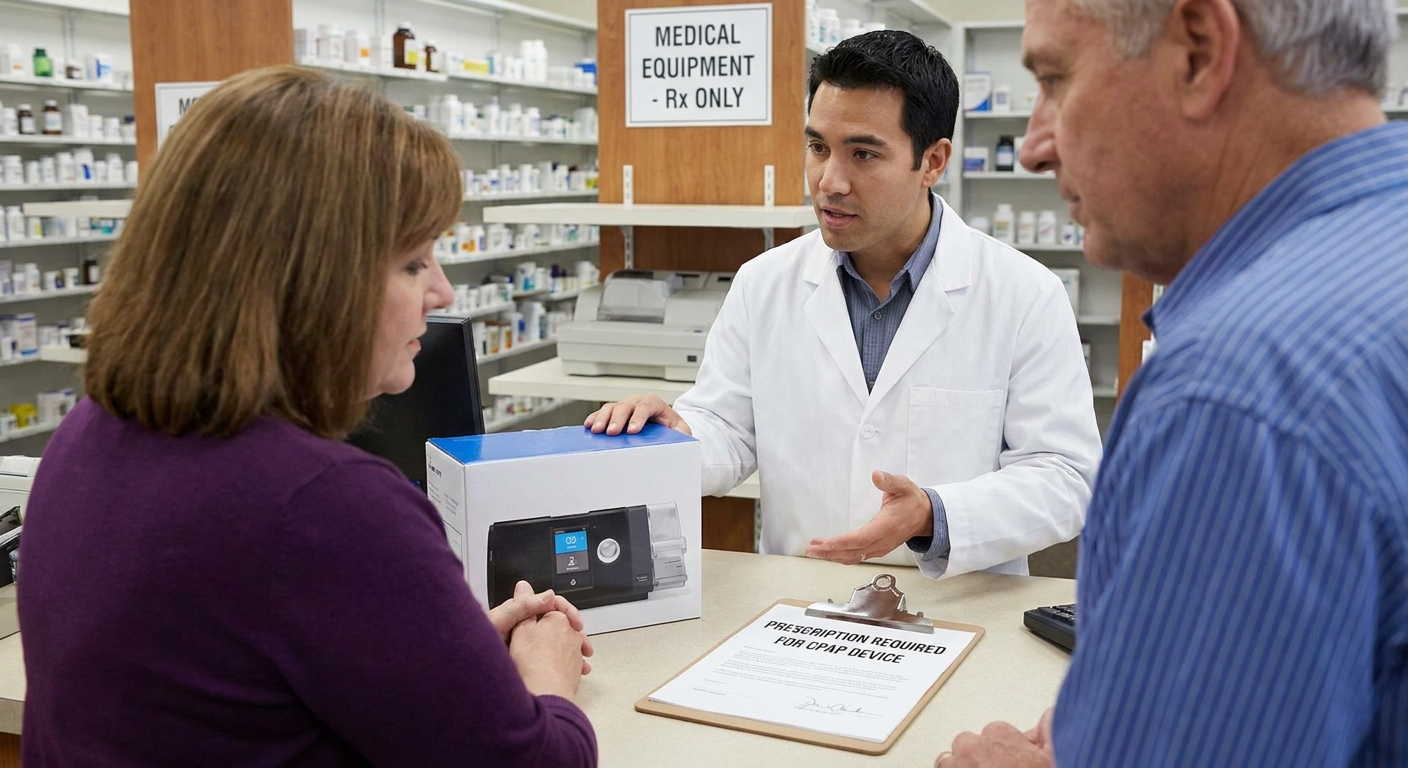
Here’s the key expectation upfront: in the United States, the CPAP machine itself is prescription-only. A CPAP prescription usually requires a qualifying sleep evaluation, which may include a home sleep apnea test (HSAT) or an in-lab study. Even if a home test feels simple and low-stress, it’s still part of the diagnostic process a clinician uses to determine whether CPAP is appropriate.
You’ll find what the legal requirements are, commonly used efficient pathways (including home testing and telehealth), what you can buy without a prescription, and practical next steps to move the process forward safely. (Sleep Foundation, 2026; SleepApnea.org, 2025)
Bottom line: In the U.S., a CPAP machine almost always requires a prescription based on a qualifying sleep evaluation.
The Short Answer (U.S.): Usually No—CPAP Requires a Prescription
Why you typically can’t buy a CPAP machine “over the counter”
CPAP (continuous positive airway pressure) devices are regulated medical devices for sleep-related breathing disorders such as obstructive sleep apnea (OSA). Because pressure settings and device choice can affect comfort, safety, and outcomes, a licensed clinician typically evaluates you and writes an order first.
Think of a CPAP prescription like prescription lenses: the right settings matter, and the aim is effective treatment without creating new problems.
For that reason, most reputable retailers—online or in-store—require documentation of a CPAP/APAP/BPAP prescription before selling or renting a machine. (Sleep Foundation, 2026; SleepApnea.org, 2025)
“But didn’t the FDA reclassify CPAP devices?” Yes. In 2018, the FDA reclassified positive airway pressure delivery devices to Class II, which reduced some regulatory burden. That change did not remove the prescription requirement for PAP devices. (AASM, 2018; Federal Register/FDA, 2018)
In practice, the barrier isn’t store policy—it’s how PAP devices are regulated and prescribed in the U.S.
Why a Sleep Study Is the Standard Path to a CPAP Prescription
What the evaluation confirms (and why it matters)
A qualifying sleep evaluation confirms whether symptoms are due to obstructive sleep apnea and helps rule out other conditions that may look similar (or occur alongside it), such as central sleep apnea, insomnia, or movement disorders. It also guides a treatment plan and supports insurance coverage.
In other words, “I snore and I’m tired” can have multiple causes. Testing helps ensure you’re treating the right condition with the right tool at the right settings.
Common diagnostic pathways
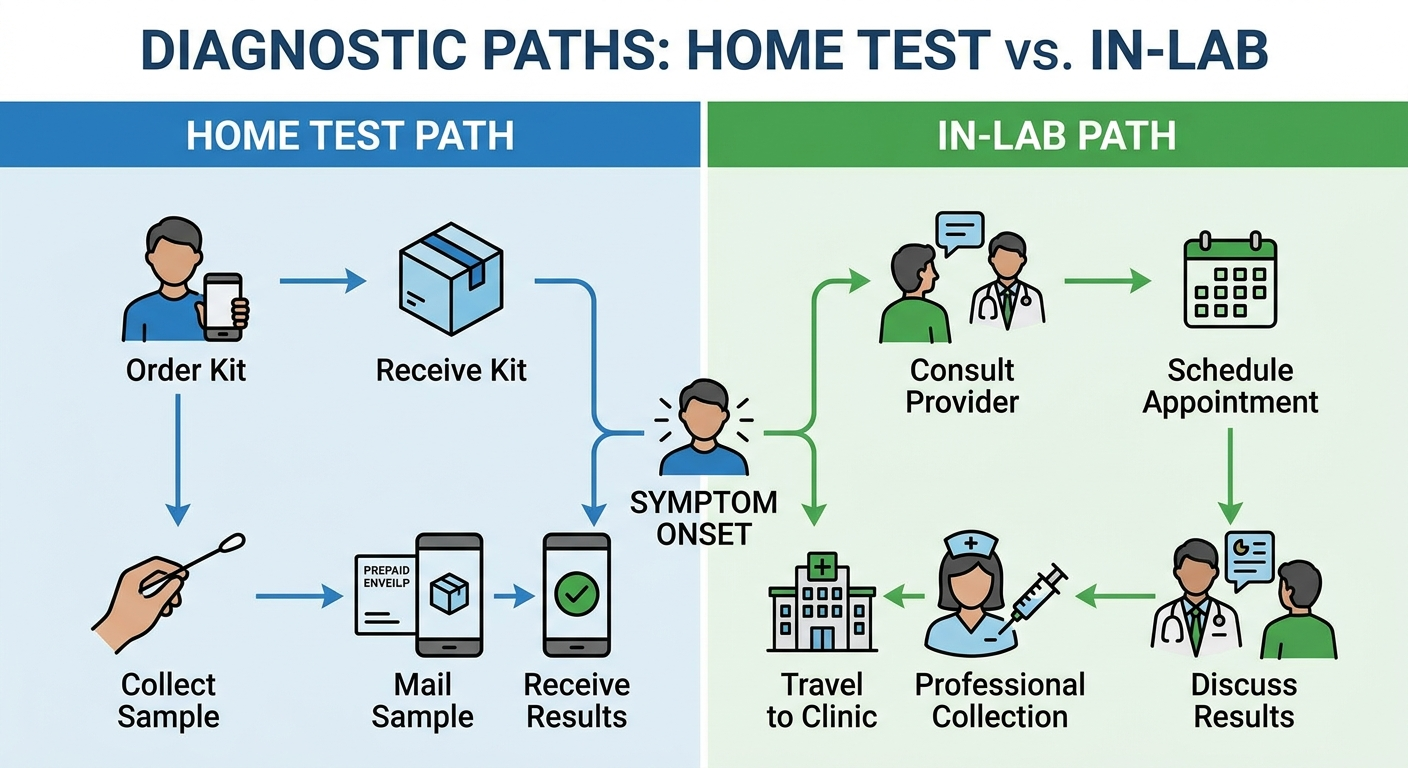
- In-lab polysomnography (PSG): The most comprehensive option, done overnight in a sleep lab with multi-signal monitoring.
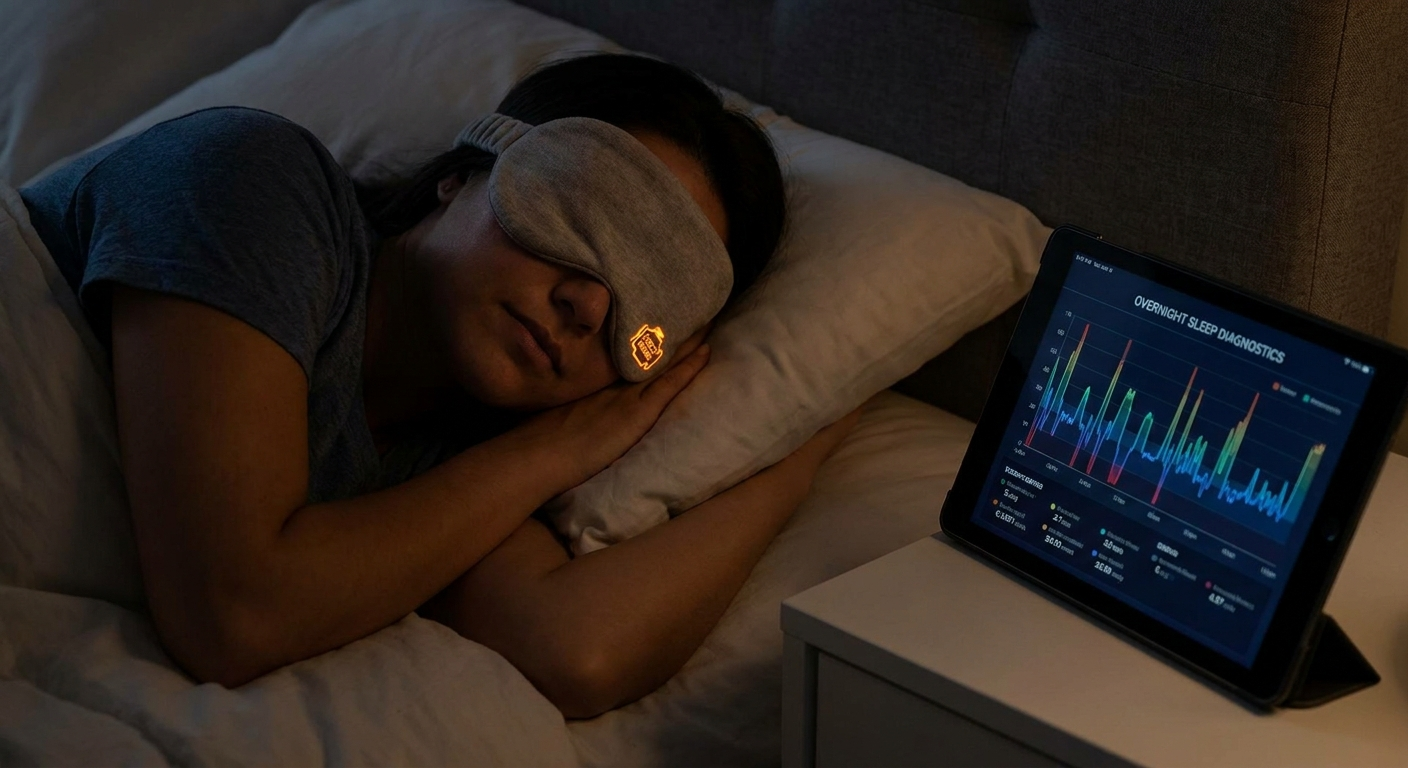
- Home sleep apnea test (HSAT): A simplified test done at home that can be a convenient, faster option for many people with typical OSA symptoms. (Sleep Foundation, 2026; SleepApnea.org, 2025)
For a deeper comparison, see our guide: Home sleep test vs. in-lab sleep study: Which sleep test is best for you? https://sleepandsinuscenters.com/blog/home-sleep-test-vs-lab-study-which-sleep-test-is-best-for-you
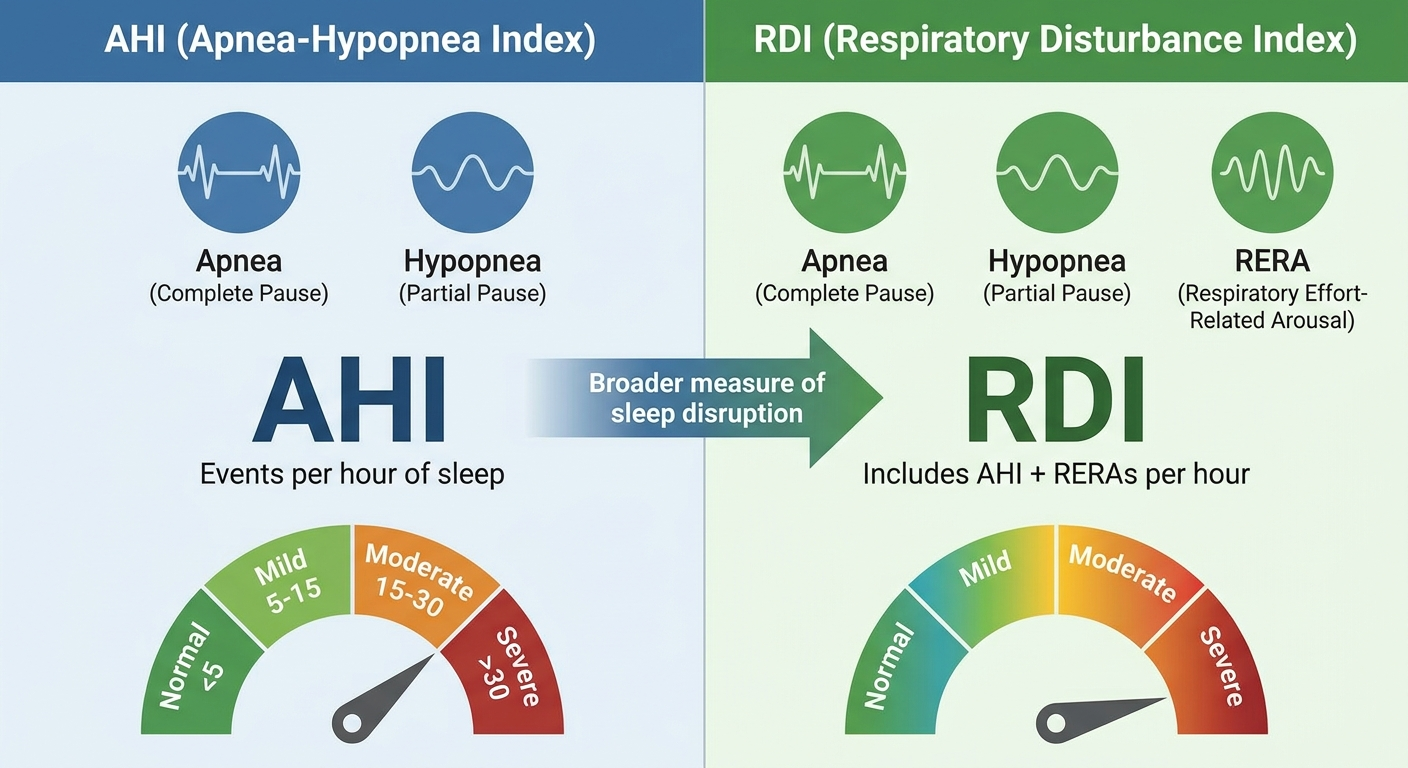
Key numbers you’ll hear: AHI and RDI
- AHI (Apnea-Hypopnea Index): The average number of apneas (breathing pauses) and hypopneas (partial blockages) per hour of sleep.
- RDI (Respiratory Disturbance Index): Similar to AHI, but may include additional breathing-related disruptions depending on the test and scoring method.
These numbers matter because insurers often use AHI/RDI thresholds for CPAP eligibility and coverage. For a quick explainer, see AHI score explained: Understanding your sleep apnea severity https://sleepandsinuscenters.com/blog/ahi-score-explained-understanding-your-sleep-apnea-severity (Medicare.gov, 2024; CMS NCD, 2023)
A brief sleep evaluation helps confirm the diagnosis, guide settings, and support insurance coverage decisions.
Signs You Might Need Testing (Symptoms to Watch For)
Nighttime symptoms
- Loud, frequent snoring
- Gasping/choking sounds or witnessed pauses in breathing
- Frequent awakenings or restless sleep
- Waking up to urinate (nocturia)
Daytime symptoms
- Excessive sleepiness or persistent fatigue
- Morning headaches or dry mouth
- Brain fog, mood changes, irritability
- Trouble focusing
When symptoms are urgent
Drowsy driving risk, cardiovascular history (like high blood pressure), or significant oxygen drops seen on wearables are reasons to seek medical evaluation promptly. Wearables aren’t diagnostic and should not be used to diagnose sleep apnea, but they can highlight patterns worth discussing with a clinician.
If symptoms raise safety concerns—especially drowsy driving—seek medical evaluation promptly.
What Causes Obstructive Sleep Apnea (OSA)?
Airway anatomy + sleep-related muscle relaxation
OSA typically occurs when throat muscles and soft tissues relax during sleep and partially or fully narrow the airway, disrupting breathing.
Risk factors that increase likelihood of OSA
- Weight gain and larger neck circumference
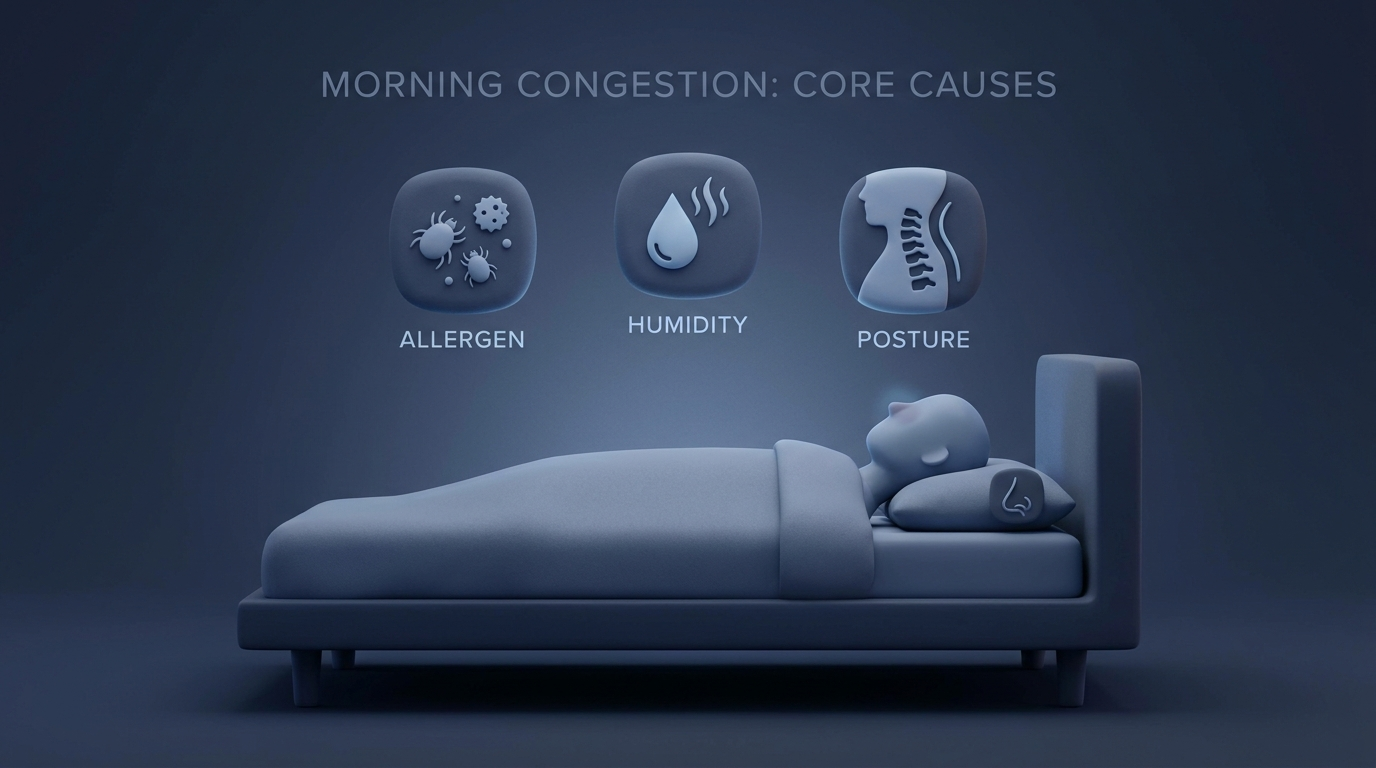
- Nasal obstruction (allergies, chronic congestion, deviated septum)
- Alcohol or sedatives near bedtime
- Back sleeping
- Age and family history
Multiple small factors—like nasal congestion plus back sleeping—can add up to significant symptoms.
If You Can’t Buy a CPAP Without a Study—What Are Your Legit Options?
If your goal is speed, it’s usually best to make the diagnostic step as efficient as possible rather than trying to buy a CPAP machine without a sleep study. A commonly used efficient pathway reduces false starts and helps you get effective treatment sooner.
Option 1 — Home sleep apnea test (often the quickest legitimate shortcut)
A home sleep apnea test for suspected OSA is often the fastest legitimate way from symptoms to results.
A typical process:
1) Brief screening (online or in-person)
2) HSAT device is shipped or picked up
3) A clinician reviews results
4) A prescription is written if appropriate
HSATs often fit people with “classic” OSA symptoms and fewer complicating medical factors, while some situations still call for in-lab testing. (Sleep Foundation, 2026; SleepApnea.org, 2025)
Wondering about accuracy? See How accurate are home sleep tests? https://sleepandsinuscenters.com/blog/home-sleep-test-accuracy-how-reliable-are-at-home-sleep-tests
Option 2 — Telemedicine/telehealth sleep services
Telehealth can streamline screening, test ordering, and follow-up—especially when scheduling is the main barrier. Telehealth may streamline evaluation and test ordering, but it usually does not replace diagnostic testing. (Sleep Foundation, 2026; SleepApnea.org, 2025)
Option 3 — Coordinated evaluation with testing + setup support
Some clinics coordinate evaluation, testing, results review, and CPAP setup education in a single, integrated pathway. This can help when nasal obstruction or sinus issues might affect comfort with PAP therapy—an area we focus on at Sleep and Sinus Centers of Georgia.
If you’d like help deciding between an HSAT and an in-lab study—or want to understand the most efficient legitimate steps—book an appointment: https://www.sleepandsinuscenters.com/
A streamlined evaluation (often with HSAT + telehealth) is typically the quickest legitimate route to a CPAP prescription.

Insurance & Medicare Rules: Why Documentation Matters
Medicare (and many insurers) require proof from a sleep test
Medicare CPAP coverage typically requires documentation from a sleep test and evidence that specific AHI/RDI criteria and symptoms or certain comorbidities are met. Many private insurers follow similar patterns. (Medicare.gov, 2024; CMS NCD, 2023)
Common documentation includes:
- A diagnostic sleep test report
- A prescription/order
- Notes supporting medical necessity
The CPAP “trial period” and compliance requirements
Coverage often includes an initial trial period (commonly referenced as 12 weeks in Medicare guidance) and may require documentation that the device is being used consistently enough to continue coverage. Exact compliance rules vary by plan and payer. (Medicare.gov, 2024; CMS NCD, 2023)
What if you’re paying out-of-pocket?
Paying cash can give you flexibility in where you buy and whether you rent or purchase—but it usually does not remove the CPAP prescription requirement for the machine in the U.S. Once you have a prescription, use our guide to shop confidently: Affordable CPAP machines: What to look for https://sleepandsinuscenters.com/blog/affordable-cpap-machines-what-to-look-for
Ask your insurer early about required documents and timelines to avoid coverage surprises.
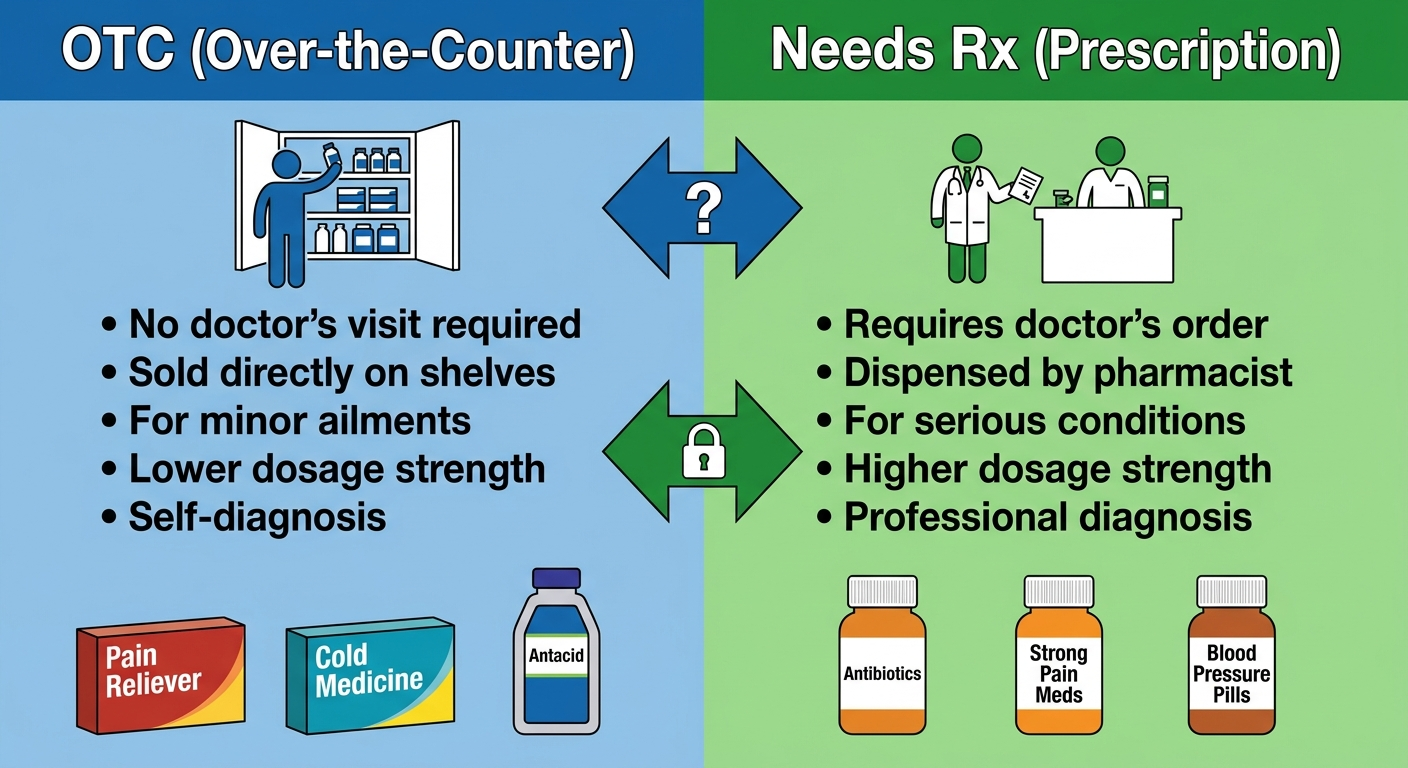
What You Can Buy Without a Prescription (Accessories vs Machine)
Items commonly available without a prescription
- Disposable and reusable filters
- Tubing/hoses
- Chin straps
- Mask cushions and headgear parts
- Certain cleaning supplies (policies vary) (SleepApnea.org, 2025)
What still usually requires a prescription
- CPAP/APAP/BPAP machines
- Full mask systems or bundled mask packages (some retailers require an Rx for a complete mask, though parts may be sold separately)
Some retailers sell mask parts or accessories without a prescription, while full mask systems or bundled packages may still require one, depending on the seller.
Accessories are often OTC, but machines—and sometimes full masks—still require an Rx.
Why Trying to Self-Treat With a CPAP (or Buying Used) Can Backfire
Risks of incorrect settings
Too-low pressure may not relieve symptoms; too-high pressure can cause discomfort, leaks, or aerophagia (swallowing air), disrupting sleep. Poor outcomes can make it seem like “CPAP didn’t work,” when the real issue was settings, mask fit, or a missed diagnosis.
Missing the real diagnosis
Not all snoring is OSA, and not all sleep apnea is the same type. Treating the wrong condition—or the right condition with the wrong approach—can delay effective care.
Hygiene, safety, and warranty concerns with secondhand machines
Secondhand devices may have unknown maintenance history, contamination risk, inaccurate run-hour reporting, and limited warranty/recall protections.
Getting tested prevents false starts, improves safety, and increases the chance of long-term success.
Treatment Options If You’re Diagnosed With Sleep Apnea (Beyond “Just Buy a CPAP”)
PAP therapy options
- CPAP: delivers one steady pressure
- APAP: auto-adjusts pressure within a prescribed range
- BPAP (bilevel PAP): uses two pressures (inhalation/exhalation) for selected cases based on clinical findings
Follow-up matters. Small adjustments—humidification, mask type, or pressure ranges within the prescription—often make the difference between “I can’t tolerate this” and “I sleep well with this.”
Non-CPAP alternatives (when appropriate)
- Weight management and exercise (may reduce severity for some)
- Positional therapy (reducing back-sleeping)
- Oral appliance therapy (mandibular advancement devices)
- Addressing nasal obstruction when it limits PAP comfort
- Surgical options for selected cases (typically guided by ENT evaluation)
An individualized plan—PAP or alternatives—often delivers better comfort and results.
Lifestyle Tips While You’re Waiting for Testing (Safe Steps That Can Help)
Low-risk habits that may support sleep quality include:
- Side-sleeping or gentle head-of-bed elevation
- Avoiding alcohol or sedatives close to bedtime (these can worsen airway collapse)
- Supporting nasal breathing (saline rinses, humidity, allergy control when appropriate)
- Tracking symptoms: snoring recordings, partner observations, and daytime sleepiness notes
(These are educational ideas, not a substitute for diagnosis or treatment.)
Simple habits can help while you complete testing and discuss results with a clinician.

Step-by-Step: How to Get a CPAP the Right Way (Efficient and Legit)
1) Start with a screening visit (primary care, sleep clinic, or telehealth intake)
2) Complete the diagnostic sleep study (HSAT or in-lab)
3) Review results and obtain a prescription (AHI/RDI, oxygen levels, symptom match)
4) Choose purchase vs rental, plan follow-up, and confirm any insurance compliance requirements (Medicare.gov, 2024; CMS NCD, 2023)
A short, well-organized evaluation is typically faster than trying to skip testing.
FAQs
Can I buy a CPAP machine without a sleep study if I pay cash?
In the U.S., you typically still need a prescription to buy or rent a CPAP machine, even if you’re paying out of pocket. (Sleep Foundation, 2026; SleepApnea.org, 2025)
Can a doctor prescribe CPAP without a sleep study?
In most cases, CPAP prescriptions are based on sleep testing or another qualifying diagnostic evaluation. Situations vary, but a test is the usual standard pathway. (Sleep Foundation, 2026)
Do online CPAP companies really require a prescription?
Legitimate sellers generally do. Telehealth may streamline evaluation and test ordering, but it usually does not replace diagnostic testing. (SleepApnea.org, 2025)
Can I use someone else’s CPAP machine?
It’s generally discouraged due to fit, settings, hygiene, and the possibility of treating the wrong condition.
What AHI qualifies for CPAP coverage under Medicare?
Medicare coverage depends on documented sleep testing and meeting specific AHI/RDI criteria along with symptoms or certain comorbidities. The most reliable source is Medicare’s coverage guidance and the CMS National Coverage Determination. (Medicare.gov, 2024; CMS NCD, 2023)
Can I at least buy a mask without a prescription?
Many accessories and some mask components can be purchased without an Rx, but full mask systems or bundles may still require one, depending on the retailer. (SleepApnea.org, 2025)
References
- Sleep Foundation (2026): https://www.sleepfoundation.org/cpap/do-you-need-a-prescription-for-a-cpap-machine
- SleepApnea.org (2025): https://www.sleepapnea.org/cpap/do-you-need-a-prescription-for-a-cpap-machine/
- Medicare.gov (2024): https://www.medicare.gov/coverage/continuous-positive-airway-pressure-devices
- CMS National Coverage Decision (2023): https://www.cms.gov/medicare-coverage-database/view/ncd.aspx?ncdid=226
- AASM / FDA Class II summary (2018): https://aasm.org/fda-reclassifies-positive-airway-pressure-class-ii-medical-device
- Federal Register FDA notice (2018): https://www.federalregister.gov/documents/2018/10/19/2018-22840/medical-devices-anesthesiology-devices-classification-of-the-positive-airway-pressure-delivery
Educational Only
This article is for educational purposes only and is not medical advice. Please consult a qualified healthcare provider for diagnosis and treatment.
Don’t let allergies slow you down. Schedule a comprehensive ENT and allergy evaluation at Sleep and Sinus Centers of Georgia. We’re here to find your triggers and guide you toward lasting relief.