Can Stress Cause Lack of Sleep? Understanding Stress-Related Insomnia
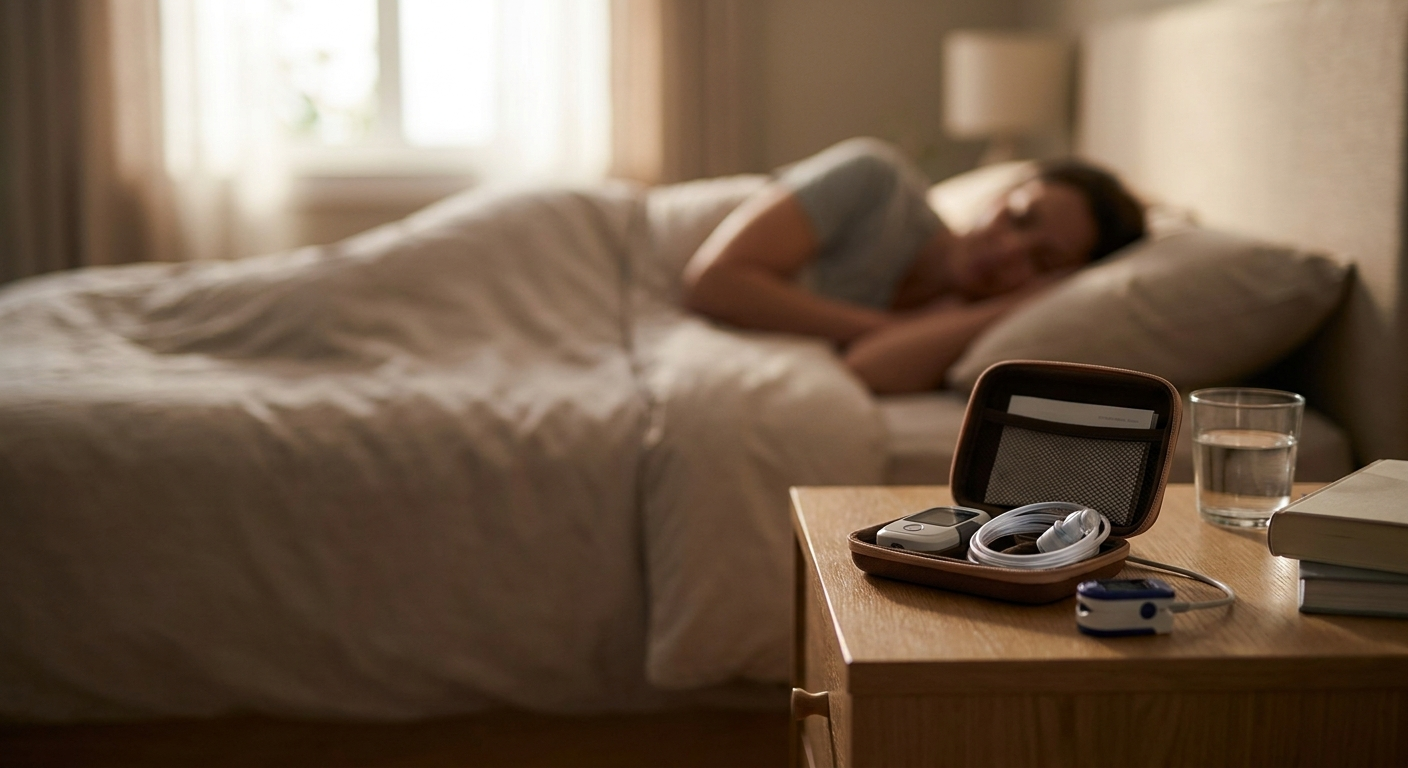
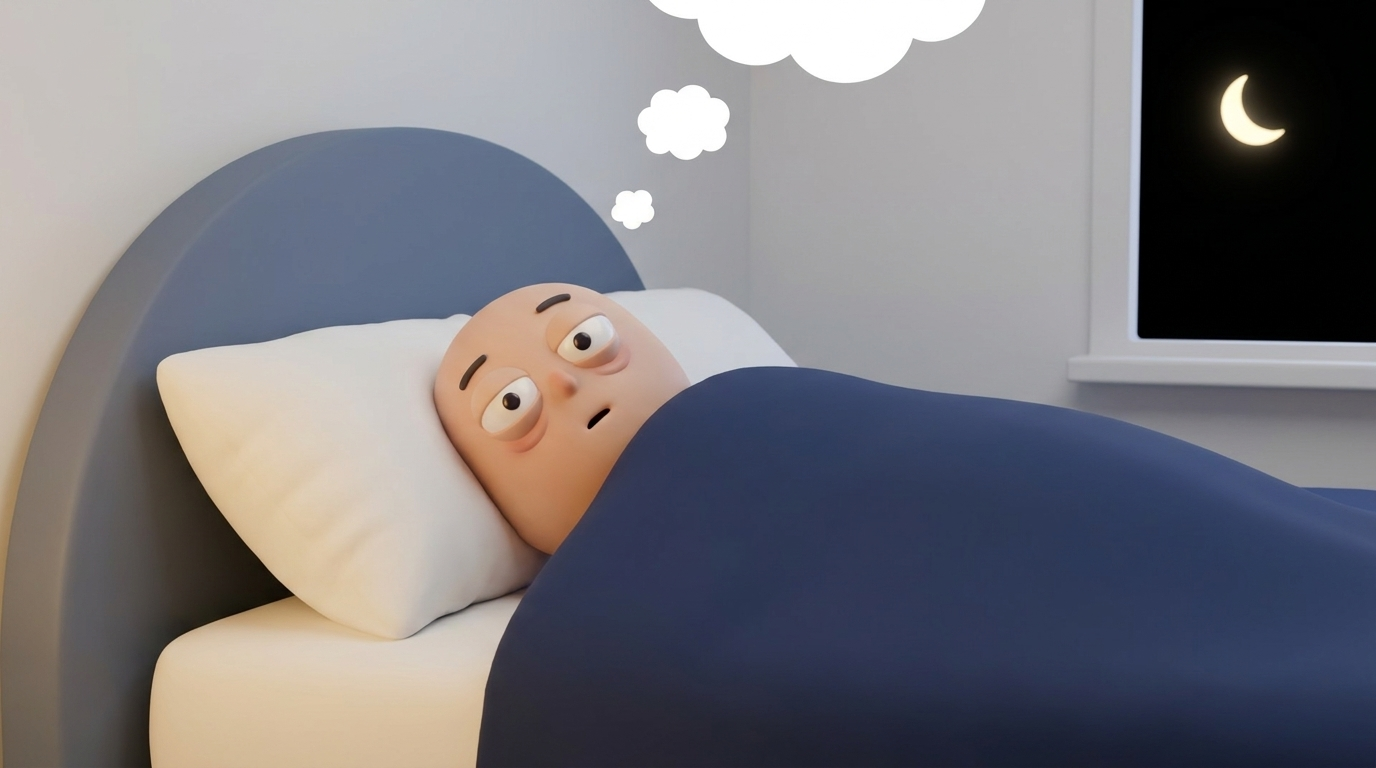
You’re exhausted. You want to sleep. But the second your head hits the pillow, your mind starts sprinting—replaying conversations, running tomorrow’s to-do list, or scanning for everything that could go wrong.
If you’ve ever wondered, “can stress cause lack of sleep?” the answer is yes. Stress commonly interferes with both falling asleep and staying asleep by increasing mental and physical arousal. This guide explains what stress-related insomnia looks like, why it happens in the body, how the stress–sleep cycle can snowball, and what evidence-based approaches (like CBT-I and relaxation techniques) can help.
The Short Answer—Yes, Stress Can Disrupt Sleep
Stress and sleep are tightly connected. When life feels demanding or uncertain, your brain and body can shift into a more alert state—helpful during the day, but disruptive at night. In other words, can stress cause lack of sleep? Very often, yes.
A simple way to picture it: stress is like leaving your car idling in the driveway. You’re not moving—but the engine is still running. Sleep tends to show up when the system truly downshifts.
Stress-related insomnia can look like:
- Trouble falling asleep (long time to drift off)
- Waking up frequently during the night
- Waking too early and not being able to fall back asleep
- Light, unrefreshing sleep
- Next-day fatigue, irritability, or feeling “off”
One common pattern is “wired but tired”: your body feels drained, but your mind stays alert, as if it’s still on-call.
When it becomes a bigger problem
If sleep trouble happens at least 3 nights per week for at least 3 months, it may be considered a chronic pattern and is worth discussing with a clinician. Supportive, structured treatments can make a real difference.
If it’s earlier than that but escalating—night after night of dread at bedtime—that’s also a good reason to reach out. Early support can help prevent the cycle from becoming entrenched.
— Stress can keep your system on “alert,” which is the opposite of the state that invites sleep. —
Common Symptoms of Stress-Related Insomnia (Day + Night)
Stress-related insomnia isn’t only about the night. It often creates a 24-hour pattern of “overdrive,” where your body never fully gets the memo that it’s safe to rest.
Nighttime symptoms
- Racing thoughts, worry loops, or “I can’t shut my brain off”
- Physical tension (tight chest, clenched jaw, restless legs/body)
- Increased sensitivity to noise or light
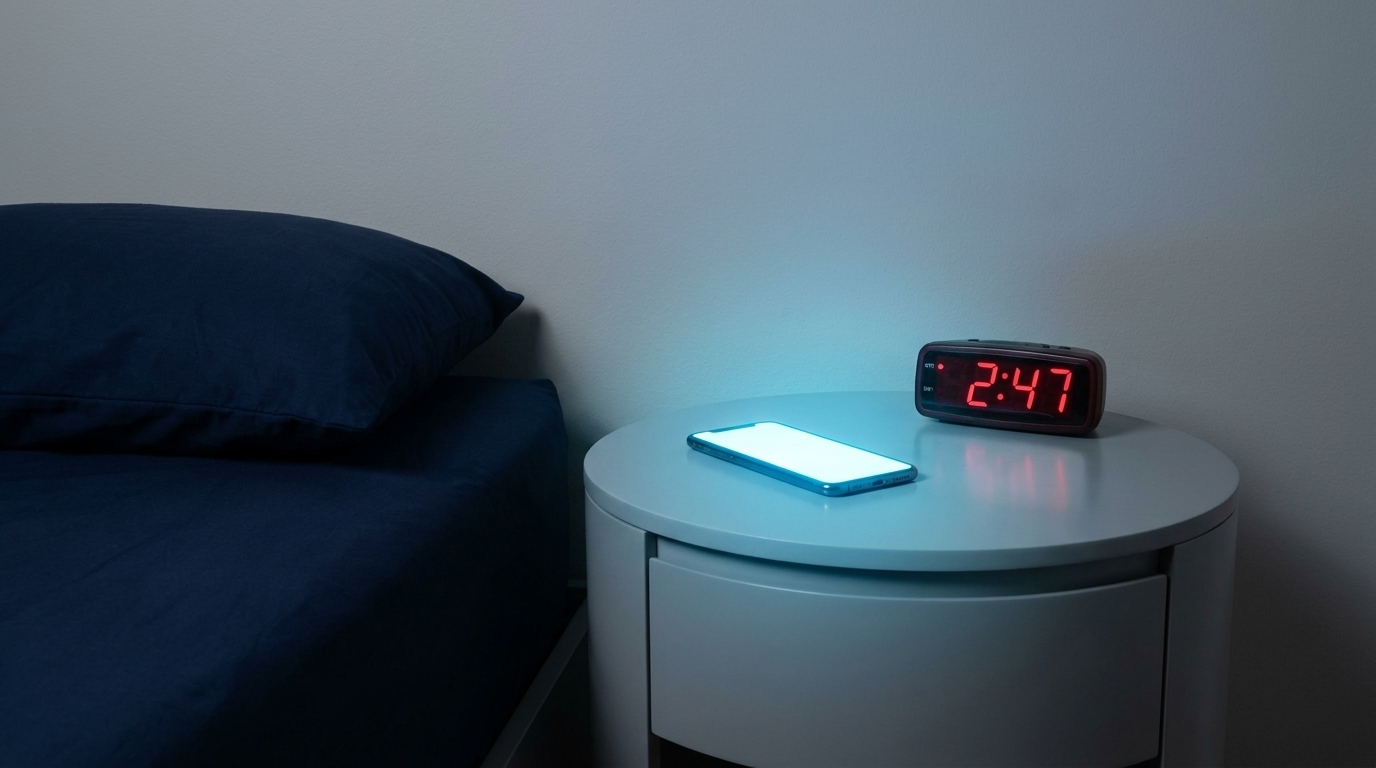
- Repeated clock-checking or sleep-tracker checking
- Fear of not sleeping (which itself increases arousal)
A classic example: you wake up at 2:47 a.m., glance at the clock, and your brain instantly starts negotiating—If I fall asleep in the next 10 minutes I’ll still get… That mental math is understandable, but it often pulls you further from sleep.
Daytime symptoms that signal sleep loss is affecting you
- More anxiety, low mood, or irritability
- Fatigue with a “wired but tired” feeling
- Concentration problems, memory slips, reduced motivation
- Safety concerns such as drowsy driving or work errors
Acute sleep deprivation is linked with higher anxiety, fatigue, confusion, depression symptoms, and worsened mood [1].
— Daytime stress fuels nighttime arousal—and sleepless nights amplify next-day stress. —

What Causes Stress-Related Insomnia? (The Body’s “On Switch” Gets Stuck)
When patients ask “can stress cause lack of sleep even when I’m exhausted?” the key idea is arousal. Stress can push the nervous system into a state that overrides sleepiness. Clinicians often describe it this way: sleep is not something you “do”; it’s something that happens when the conditions are right. Stress changes those conditions.
Stress activates the HPA axis (your cortisol rhythm)
Your body responds to stress through the hypothalamic–pituitary–adrenal (HPA) axis. In simple terms:
Stress → brain stress signals → adrenal glands → cortisol release
Cortisol follows a daily rhythm—typically higher in the morning and lower at night. Stress-related arousal may disrupt the normal cortisol rhythm and make it harder to fall asleep or maintain stable sleep [2]. A concrete example: you’re lying in bed thinking about a deadline; even if you’re physically still, your physiology may behave like it’s preparing for action rather than recovery.
The sympathetic nervous system triggers “fight-or-flight”
Stress also activates the sympathetic nervous system—your built-in “fight-or-flight” response. Stress hormones like adrenaline and norepinephrine can increase:
- Heart rate
- Alertness
- “Threat scanning” (being easily startled)
- Light, fragmented sleep with more awakenings [2]
This helps explain why you might feel jumpy, restless, or overly alert at bedtime—like trying to sleep with your senses turned up.
Cognitive hyperarousal (the mind keeps working)
Even if your body is tired, your brain can stay in problem-solving mode:
- Rumination (“What if…?”)
- Catastrophizing (“If I don’t sleep, tomorrow will be ruined.”)
- Planning and mental rehearsal
- Replaying conversations or mistakes
This “performance anxiety” about sleep is a common fuel for stress-related insomnia. Many people describe it as, “The harder I try to sleep, the more awake I feel.”
— Stress drives body-and-mind arousal that can override normal sleepiness. —

The Stress–Sleep Feedback Loop (Why It Can Snowball)
A rough night can easily become a rough week when stress and sleep keep feeding each other. What starts as a normal stress response can turn into a learned pattern: bed = struggle.
Poor sleep makes stress feel worse
With less sleep, most people have less emotional resilience and higher reactivity. Sleep deprivation is associated with worsened anxiety and depression-related symptoms and reduced daytime functioning [1]. That’s why minor stressors can feel huge after a bad night—an email reads harsher, a small mistake feels catastrophic, patience runs thin faster.
Sleep loss affects thinking and decision-making
When sleep is shortened or fragmented, cognitive performance can suffer—especially attention and executive functions (planning, inhibition, emotional regulation) [3]. That can make it harder to cope with stress effectively, which then increases bedtime worry.
A practical example: you miss details at work because you’re tired, then you worry about performance, then bedtime becomes “prep time” for tomorrow—exactly when your brain needs to power down.
How chronic stress and chronic sleep loss may affect inflammation
Researchers also connect chronic sleep disruption with inflammatory signaling that may further disturb sleep quality—creating a “vicious cycle” where stress, poor sleep, and body-wide arousal reinforce each other [4,5].
— Poor sleep and high stress can train your brain to expect wakefulness at bedtime. —
Other Mechanisms Researchers Link to Chronic Stress + Fragmented Sleep
Inflammation and “sleep fragmentation”
Inflammation can influence how stable sleep is and how restorative it feels. Studies describe inflammatory pathways involved in chronic sleep disruption and ongoing sleep deprivation [4,5]. If your sleep feels “thin” (lots of waking, not refreshed), it can be a sign that sleep is being interrupted—even if you’re technically in bed for enough hours.
Stress and brain signaling
Researchers are still studying how long-term stress may affect brain signaling and sleep continuity, including potential changes in arousal thresholds and sleep stability over time [3].
— Long-term stress can shift biology and brain signaling in ways that keep sleep lighter and less stable. —
Lifestyle Triggers That Commonly Make Stress Insomnia Worse
Stress might be the spark, but habits can unintentionally keep the fire burning—especially when the stress-and-sleep cycle becomes repetitive.
Evening habits that increase arousal
- Late-night work, email, or problem-solving
- Doomscrolling or intense news/social media
- Emotionally charged conversations
- Bright screens and late light exposure
Related reading: Blue Light and Its Impact on ENT-Related Sleep Disorders: https://sleepandsinuscenters.com/blog/blue-light-and-its-impact-on-ent-related-sleep-disorders-1bca5
For additional practical habit support, see Sleep Hygiene and Its Impact on ENT Disorders—Key Insights: https://sleepandsinuscenters.com/blog/sleep-hygiene-and-its-impact-on-ent-disorders-key-insights
Stimulants and “sleep disruptors”
- Caffeine after mid-afternoon (people vary in sensitivity)
- Alcohol (may make you drowsy initially, but can increase awakenings later)
Unhelpful coping behaviors
- Spending extra time in bed “trying harder” to sleep
- Long or late naps that reduce nighttime sleep drive
- Clock-watching or repeatedly checking sleep trackers
If you’ve ever thought, Maybe I should go to bed early to “catch up,” you’re not alone. Unfortunately, extra time in bed can sometimes increase time awake in bed—strengthening the insomnia pattern.
— Reduce evening arousal and protect your sleep drive to give your brain a fair shot at sleep. —
Evidence-Based Treatments That Help Break the Cycle
If you’re stuck wondering can stress cause lack of sleep that won’t go away, it helps to know the most effective approaches target arousal and the learned patterns that develop around sleeplessness.
First-line treatment: CBT-I (Cognitive Behavioral Therapy for Insomnia)
CBT-I is considered the most evidence-based, first-line approach for chronic insomnia. It targets the thoughts and behaviors that maintain insomnia—even after the original stressor improves [2].
Common CBT-I components:
- Stimulus control: rebuild the association between bed and sleep (not stress or wakefulness)
- Sleep scheduling/sleep restriction: consolidate sleep in a structured, stepwise way
- Cognitive tools: reduce catastrophic thinking and “sleep performance” pressure
- Sleep hygiene as support: helpful, but not the whole solution
A useful reframe CBT-I often encourages: instead of chasing sleep, focus on the conditions that allow sleep to return.
Relaxation techniques that reduce pre-bed arousal
Relaxation can help shift the body out of “on” mode. Helpful options include:
- Diaphragmatic or paced breathing
- Progressive muscle relaxation
- Mindfulness, guided imagery, or calming audio
Research supports relaxation and stress-management strategies for reducing arousal and improving sleep quality [2].
Stress-management strategies (daytime changes that improve nighttime sleep)
- Schedule a daily “worry time” earlier in the day to contain rumination
- Light-to-moderate exercise (timing can matter for some people)
- Counseling or therapy for ongoing stressors
- Boundary setting: protect a wind-down buffer before bed
A quick example: set a 10–15 minute “worry window” in the late afternoon where you write down concerns and one next step. Then at bedtime, when the worry returns, remind yourself, I already gave this time today.
When medication may be considered
In some cases, a clinician may discuss short-term medication support, but it typically isn’t a long-term fix for stress-related insomnia. A personalized evaluation can help weigh benefits, risks, and interactions.
— CBT-I plus relaxation and daytime stress skills directly target the arousal that keeps insomnia going. —
A Simple “Tonight” Plan (Practical Checklist)
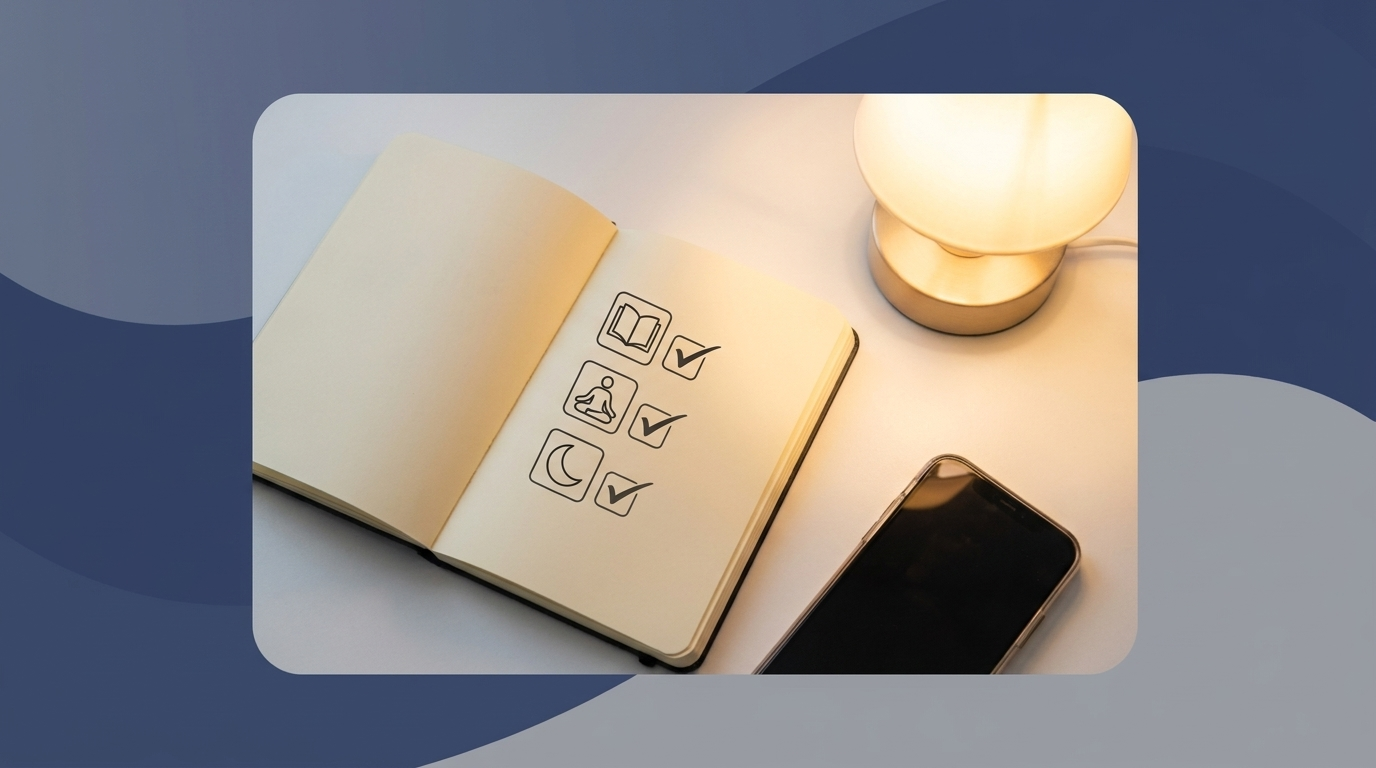
60–90 minutes before bed: downshift your nervous system
- Dim lights and reduce screen exposure
- Choose calm, non-work activities (light reading, gentle stretching, warm shower)
- Write down tomorrow’s to-dos so your brain doesn’t “hold” them overnight
If you like a script, try: “If it’s important, it goes on paper—not in my head.”
If you can’t sleep after about 20 minutes
A CBT-I principle is to avoid long stretches of wakefulness in bed. Consider getting up briefly and doing a quiet activity in low light, then return to bed when sleepy. The goal isn’t to “punish” yourself—it’s to protect the bed–sleep association.
In the morning
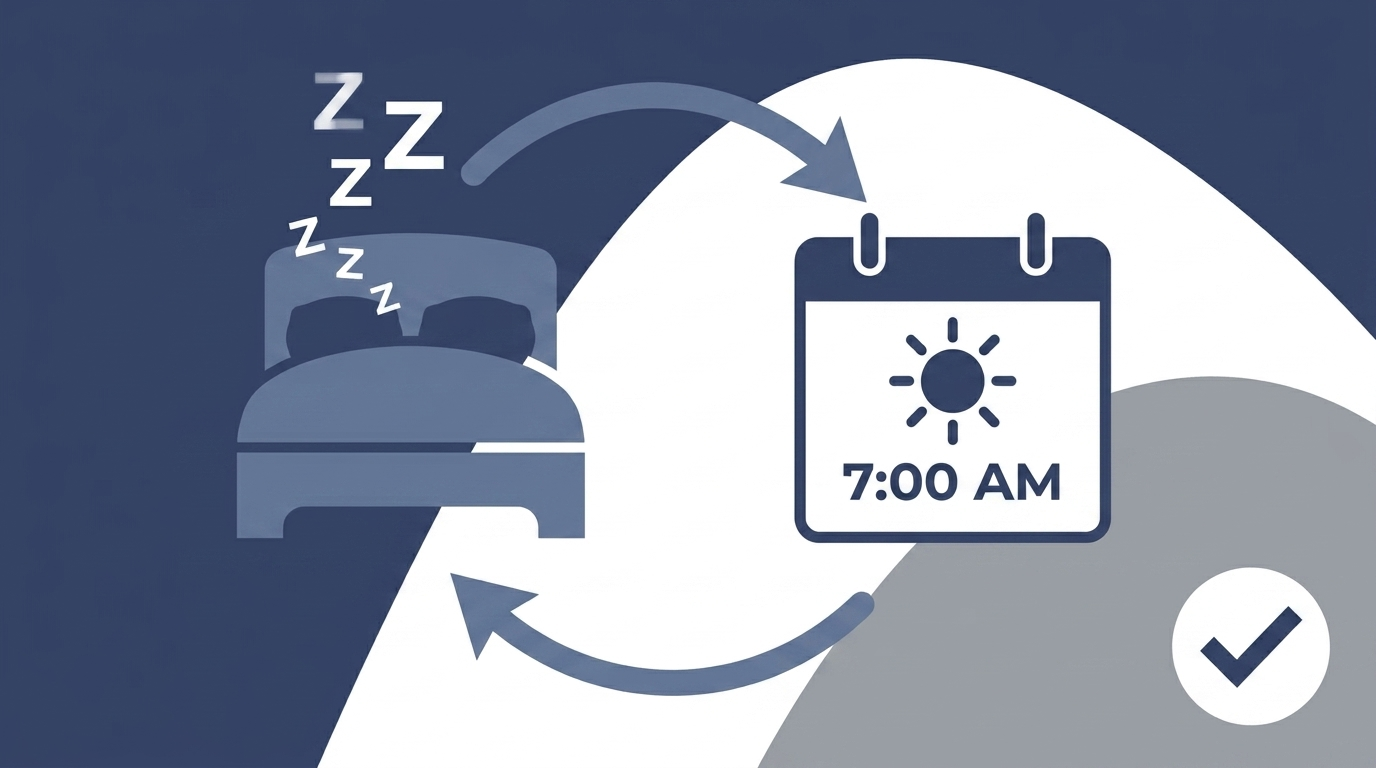
- Keep a consistent wake time (even after a rough night, as much as possible)
- Get bright light exposure earlier in the day to anchor your circadian rhythm
— Protect the bed–sleep link at night and anchor your clock with morning light. —
When to Talk to a Doctor (and What to Ask About)
Consider seeking evaluation if insomnia lasts more than 4–6 weeks, or sooner if it’s affecting mood, safety, or daily function. This is a practical point to seek help, not a formal diagnostic cutoff. The clinical definition of chronic insomnia typically involves symptoms at least 3 nights per week for at least 3 months.
Seek help sooner if you have:
- Panic symptoms at night, worsening depression, or frequent nightmares
- Loud snoring, choking/gasping, or witnessed breathing pauses (possible sleep apnea)
Related reading: Can stress worsen sleep apnea symptoms? https://sleepandsinuscenters.com/blog/can-stress-cause-sleep-apnea
Helpful questions for a visit
- “Could this be insomnia, sleep apnea, restless legs, reflux, or nasal obstruction?”
- “Is CBT-I available or can you refer me?”
- “Should I get a sleep study based on my symptoms?”
If stress is also affecting congestion or sinus symptoms that disrupt sleep, you may find this helpful: How Stress Impacts Your Sinuses: https://sleepandsinuscenters.com/blog/how-stress-impacts-your-sinuses
CTA: Ready for a next step? You can book an appointment to discuss sleep symptoms and evaluation options at Sleep and Sinus Centers of Georgia: https://www.sleepandsinuscenters.com/
— If insomnia is sticking around or affecting safety or mood, it’s time to get help. —
FAQs
Can stress cause insomnia even when I’m physically tired?
Yes. Stress increases arousal (including HPA-axis and sympathetic activation), which can override sleepiness and make it hard to fall asleep or stay asleep [2].
Why do I wake up at 3 a.m. when stressed?
Stress biology, lighter sleep, and conditioned wakefulness can increase awakenings. Once awake, rumination often makes it harder to fall back asleep [2].
How long does stress insomnia last?
Acute stress insomnia may improve as the stress resolves. If insomnia becomes chronic, CBT-I is often needed to reset sleep behaviors and sleep-related thinking [2].
Is stress-related insomnia dangerous?
It can significantly affect mood and cognitive performance and may increase accident risk when sleepiness is severe. Persistent insomnia deserves evaluation [1,3].
What’s better—sleep hygiene or CBT-I?
Sleep hygiene supports healthy sleep, but CBT-I is the most evidence-based first-line treatment for insomnia and directly targets the stress–insomnia cycle [2].
Can inflammation really affect sleep?
Research links chronic sleep loss and stress biology with inflammatory signaling that may worsen sleep fragmentation and sleep quality [4,5].
Key Takeaways
- Can stress cause lack of sleep? Yes—stress can raise physiological and cognitive arousal (including HPA-axis and “fight-or-flight” responses), making sleep harder to start and maintain and increasing fragmentation [2].
- Poor sleep then worsens anxiety, mood, and cognitive performance—creating a reinforcing loop [1,3].
- CBT-I, relaxation techniques, and daytime stress-management strategies can help break the cycle and improve sleep quality [2].
References
1) American Psychological Association Bulletin (2022): https://apa.org/pubs/journals/releases/bul-bul0000410.pdf
2) PubMed Central (PMC9538963, 2023): http://pmc.ncbi.nlm.nih.gov/articles/PMC9538963
3) Nature Communications (2021): http://nature.com/articles/s42003-021-02825-4
4) PubMed Central (PMC10155483, 2023): http://pmc.ncbi.nlm.nih.gov/articles/PMC10155483
5) PubMed Central (PMC5313037, 2016): http://pmc.ncbi.nlm.nih.gov/articles/PMC5313037
This article is for educational purposes only and is not medical advice. Please consult a qualified healthcare provider for diagnosis and treatment.
Don’t let allergies slow you down. Schedule a comprehensive ENT and allergy evaluation at Sleep and Sinus Centers of Georgia. We’re here to find your triggers and guide you toward lasting relief.