Can Not Eating Cause Insomnia? How Skipping Meals Affects Sleep
If you’ve ever gone to bed hungry and found your mind oddly alert, you’re not imagining it. Food timing and sleep are closely connected through appetite-regulating hormones, blood sugar regulation, hydration, and the brain’s sleep-wake signaling. The result: skipping meals and sleep problems can show up together—especially as trouble falling asleep, waking at night, or early-morning awakenings.
A helpful way to think about it is that your body doesn’t only use food for “fuel.” It also uses eating patterns as information. When meals become irregular or too sparse, your brain may interpret that as a reason to stay more vigilant—almost like a built-in “night watch” mode.
Below is a patient-friendly explanation of whether not eating can contribute to insomnia, why it happens, when fasting might help vs. hurt, and what tends to improve sleep without derailing health goals.
Quick Answer — Can Not Eating Cause Insomnia?
Yes, in some people, not eating enough can contribute to insomnia or sleep disruption—particularly when long gaps between meals, inadequate calories, or aggressive restriction trigger wakefulness signaling, stress hormones, possible overnight blood sugar dips, dehydration, and shifts in appetite-regulating hormones. Individual responses vary, and some daytime-aligned fasting patterns may improve sleep for some people.
Sources: https://www.sleepfoundation.org/physical-health/intermittent-fasting-sleep ; https://sleepdoctor.com/pages/health/intermittent-fasting-and-sleep ; https://peterattiamd.com/how-fasting-can-impact-sleep/
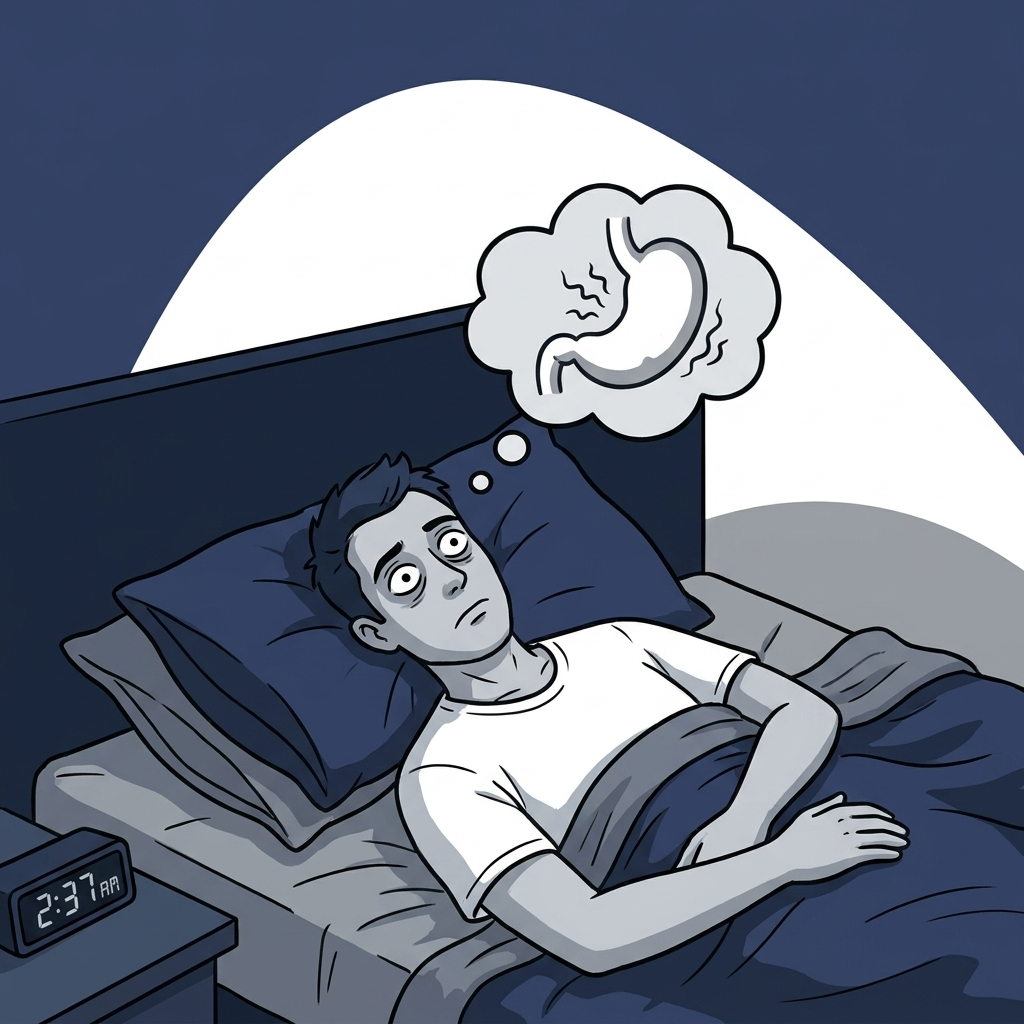
A common real-life pattern sounds like: “I was trying to be ‘good’ all day, barely ate, and then I lay down exhausted… but my brain felt switched on.” That “tired but wired” feeling is often a clue that physiology—not willpower—is driving the restlessness.
Summary: In some people, under-eating can add alertness signals that make sleep harder.
Why Food Timing Can Affect Sleep (A Patient-Friendly Sleep Basics)
Sleep is regulated by two big systems
- Circadian rhythm: your internal “clock,” strongly influenced by light/dark timing
- Sleep drive: sleep pressure that builds the longer you’re awake
Where meals fit in: eating patterns can act like “energy availability signals,” nudging hormones and brain circuits that influence alertness, hunger, and sleepiness. It’s similar to how a phone responds when the battery gets low: it may dim, slow down, or—depending on the device—send more notifications to get you to plug in.
Source: https://pmc.ncbi.nlm.nih.gov/articles/PMC9783730/
Hunger can act like a “wake-up” signal
From an evolutionary standpoint, when energy is low, the body may prioritize wakefulness to help you seek food. For some people, that shows up at bedtime as sharper senses, restless legs, or a mind that starts planning breakfast in high definition. “Just ignore it” can be frustrating advice; if your brain is receiving strong signals that energy is scarce, it may treat sleep as lower priority—even when you’re genuinely tired.
Summary: Meal timing informs your body’s sense of safety and energy, which can nudge sleepiness or alertness.
How Skipping Meals Can Contribute to Insomnia (Mechanisms)
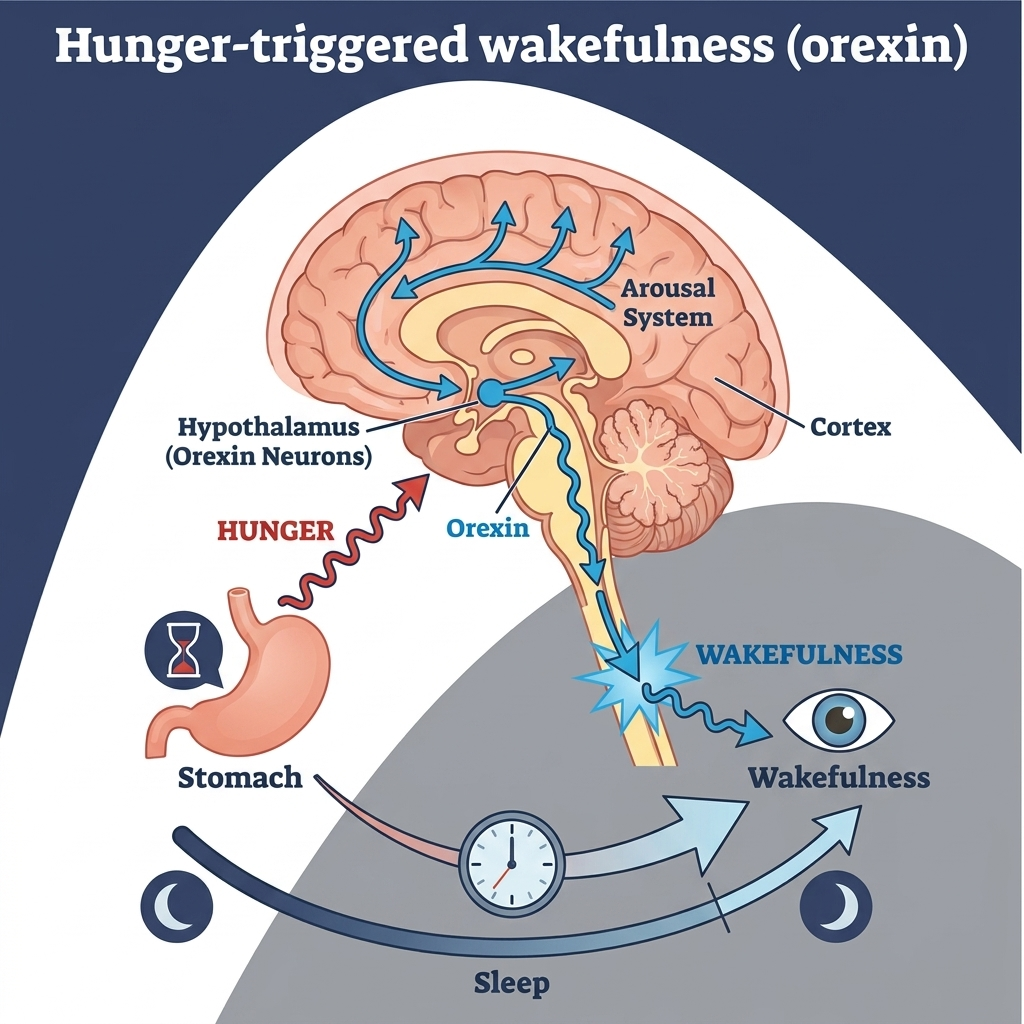
Hunger/energy deficit can activate orexin (wakefulness) neurons
Orexin (also called hypocretin) supports alertness and stable wakefulness. When energy availability is low, orexin activity may increase—potentially making it harder to fall asleep or easier to wake during the night.
Sources: https://pmc.ncbi.nlm.nih.gov/articles/PMC9783730/ ; https://peterattiamd.com/how-fasting-can-impact-sleep/
In practical terms, this can look like: you feel sleepy on the couch, but once you get into bed, your body “wakes up.”
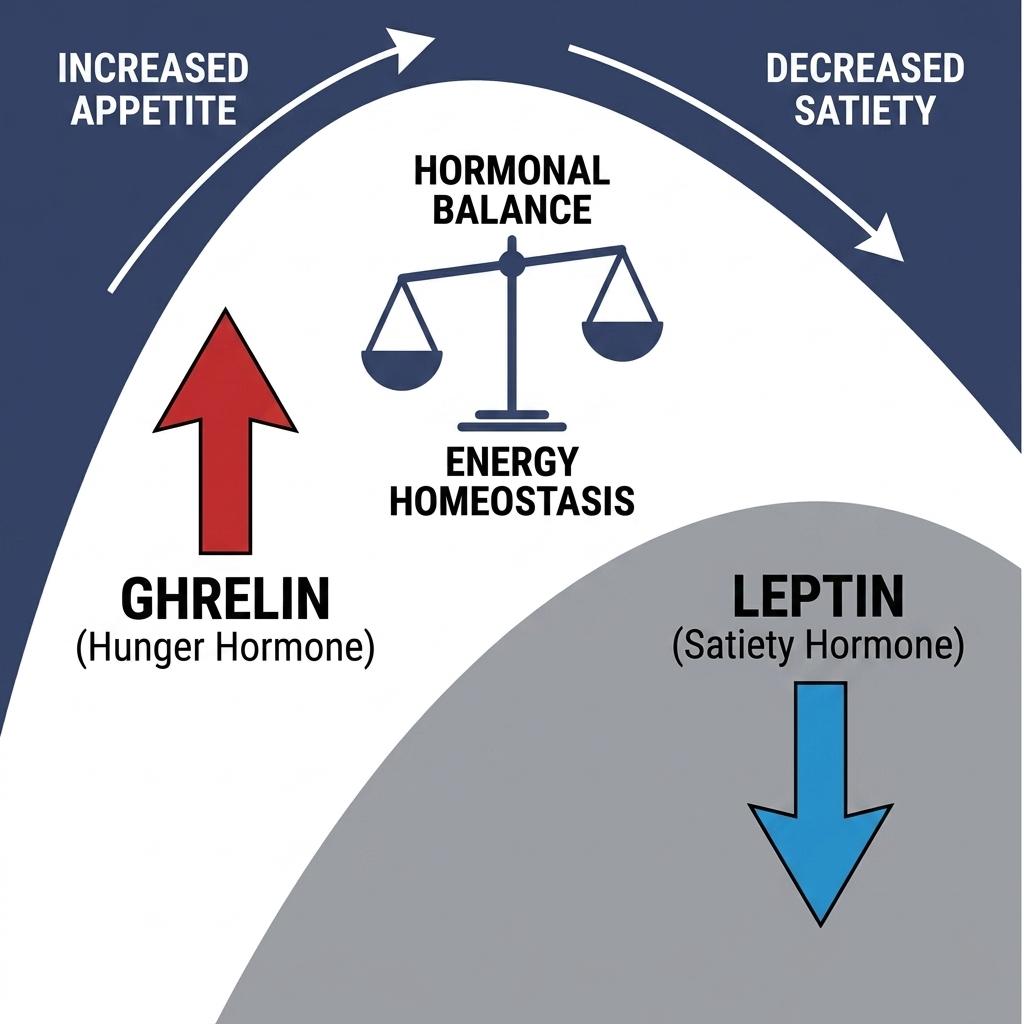
Ghrelin and leptin changes may increase alertness and food-seeking behavior
Two major appetite hormones also interact with sleep:
- Ghrelin tends to rise with fasting and can intensify hunger sensations.
- Leptin (a satiety signal) may decrease with restriction.
In real life, this can feel like louder “food noise” at bedtime—hunger pangs, preoccupation with food, or waking up thinking about breakfast.
Source: https://pmc.ncbi.nlm.nih.gov/articles/PMC9783730/
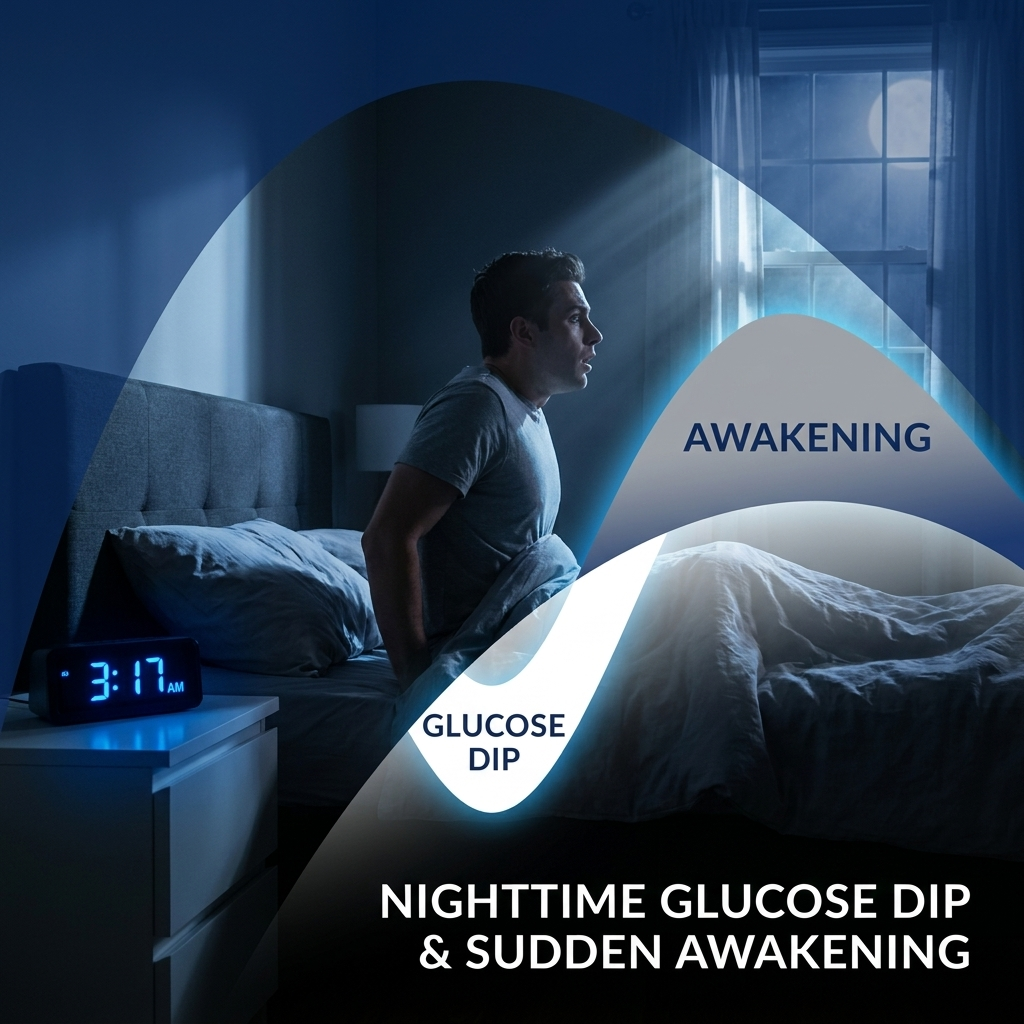
Possible overnight blood sugar dips (especially with diabetes or prolonged fasting)
For some people, under-eating or fasting can contribute to nighttime glucose dips. When glucose drops, the body may release counter-regulatory stress hormones (like adrenaline and cortisol) to bring it back up, which can feel activating. This is more relevant for people with diabetes, those on glucose-lowering medications, very prolonged fasts, or very low intake.
What it may feel like:
- waking suddenly with a racing heart
- sweating, shakiness, anxiousness
- vivid dreams or nightmares
- waking more often during the night or early morning
Source (sleep disruption factors during fasting): https://sleepdoctor.com/pages/health/intermittent-fasting-and-sleep
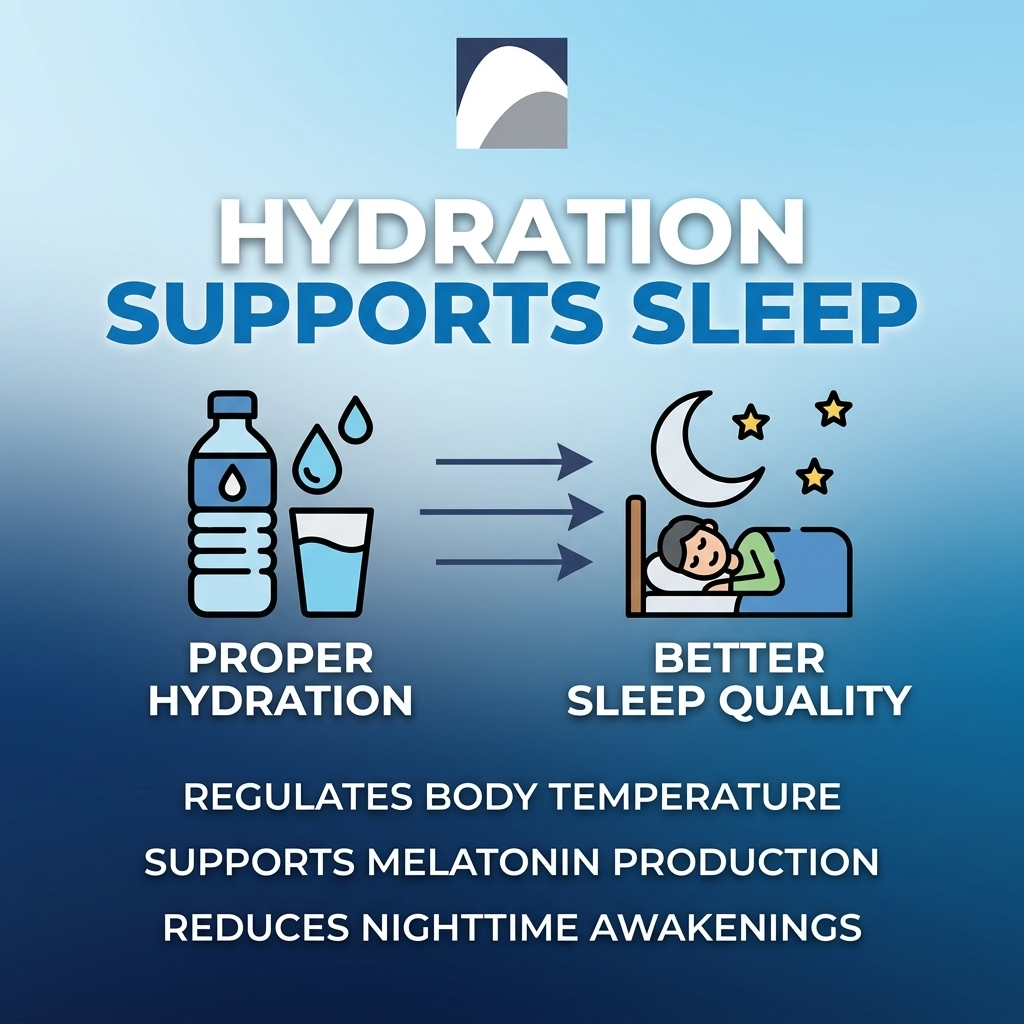
Dehydration during fasting can worsen sleep quality
Some forms of fasting (or simply eating less) unintentionally reduce fluid intake too. Even mild dehydration may contribute to lighter, more fragmented sleep, overnight dry mouth, headaches, or leg cramps. If this angle is relevant for you, this deeper guide on how dryness affects comfort can be helpful: https://sleepandsinuscenters.com/blog/chronic-dehydration-effects-on-sinus-mucosa-and-ent-health-essential-patient-guide
Sources: https://sleepdoctor.com/pages/health/intermittent-fasting-and-sleep ; https://peterattiamd.com/how-fasting-can-impact-sleep/
Stress-related arousal (“wired but tired”) from dieting or restriction
Not eating enough doesn’t just affect physiology—it can also raise mental arousal. Dieting or strict restriction may increase irritability, rumination, and bedtime stress, all of which work against sleep onset. Early research suggests there may be sex-specific differences, but findings are still limited.
Source: https://irp.nih.gov/blog/post/2025/05/dieting-may-disrupt-womens-sleep
Eating late may affect circadian alignment and sleep quality
Sometimes fasting during the day backfires by pushing more calories later. Eating late at night may affect circadian alignment and sleep quality, and in some people may influence effects on REM sleep. It may also worsen reflux or snoring in susceptible individuals.
If late or heavy meals are part of the pattern, this related read may be useful: https://sleepandsinuscenters.com/blog/how-big-meals-trigger-acid-reflux-and-snoring-causes-and-solutions
Summary: Skipping meals can amplify wake signals via hormones, glucose and hydration shifts, stress, and late eating patterns.
When Fasting Might Help vs. Hurt Sleep (Timing Matters)
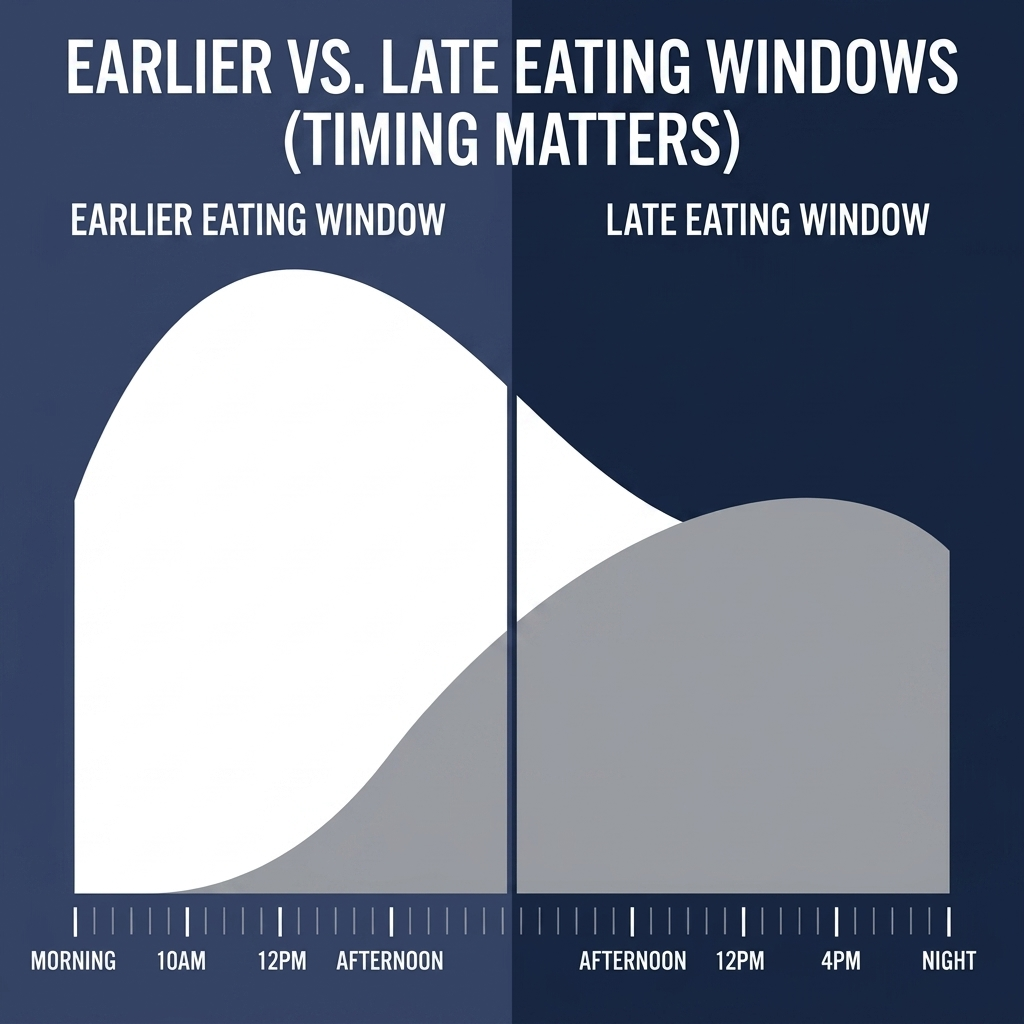
Daytime-aligned time-restricted eating (TRE) may help some people
Some people report better sleep with time-restricted eating patterns that stay aligned with daytime—such as an eating window like 8 a.m.–4 p.m. or 10 a.m.–6 p.m. Possible reasons include less nighttime reflux, fewer late snacks, and better alignment with circadian rhythms. If you’re considering TRE, “earlier is usually gentler” is a useful rule of thumb for sleep.
Source: https://www.sleepfoundation.org/physical-health/intermittent-fasting-sleep
Prolonged or multi-day fasts are more likely to worsen sleep
Reports of fasting-related sleep disruption are more common with longer fasts, especially early in adaptation. People may notice more nighttime awakenings, lighter sleep, or difficulty falling asleep due to hunger or activation.
Sources: https://peterattiamd.com/how-fasting-can-impact-sleep/ ; https://sleepdoctor.com/pages/health/intermittent-fasting-and-sleep
“Rebound nighttime eating” after skipping meals can backfire
A common loop looks like this: skipping breakfast or lunch → intense evening hunger → late, large meals → reflux, temperature changes, and lighter sleep. Sometimes, small timing changes may help—like shifting one meal earlier or making dinner more balanced.
Summary: Earlier, consistent eating windows may support sleep, while long fasts and late “catch-up” meals often don’t.
Common Symptoms When Skipping Meals Is Affecting Your Sleep
Nighttime symptoms
- trouble falling asleep due to hunger sensations
- waking in the middle of the night or early morning
- restless sleep, vivid dreams
- sweating, heart pounding, shakiness (possible glucose stress response)
Daytime clues
- morning headaches or grogginess despite “enough hours”
- irritability, cravings, reduced focus
- dizziness or lightheadedness when meals are delayed
A useful self-check is to look for consistency: do these symptoms cluster on the same days you under-eat, delay meals, or push your eating window later? Patterns often tell you more than any single night.
Summary: Track patterns—if symptoms cluster on low-intake days, meal timing may be part of the picture.
Common Causes of Not Eating Enough (And Why They Matter for Sleep)
Unintentional under-eating
Busy days, stress, illness, nausea, or simply not noticing hunger can lead to a larger calorie gap than intended—followed by nighttime wakefulness. This is especially common for people who work through lunch or drink caffeine to get through the afternoon, only to realize at night that they barely ate real food.
Intentional restriction
Weight-loss dieting, intermittent fasting, and low-carb transitions can all change hunger hormones and sleep. When the deficit is too large or the timing is late-shifted, sleep problems may become more noticeable. If sleep is deteriorating, it may be worth gentler timing, a smaller deficit, or more consistency.
Medical and medication-related contributors (brief, safety-focused)
Some situations increase the importance of individualized guidance:
- Diabetes or use of insulin/glucose-lowering medications (higher risk of overnight lows)
- GI conditions that limit intake
- Appetite-suppressing medications
- Disordered eating patterns (support is available, and seeking help is a sign of strength)
Summary: Why you’re under-eating matters—addressing the root cause often helps sleep return to baseline.
Practical Fixes — How to Support Sleep Without Abandoning Your Health Goals
The goal isn’t perfection—it’s reducing the “overnight alertness signals” that can follow under-eating.
Build a “sleep-friendly” dinner
Many people sleep better with a dinner that includes protein + fiber + slow-digesting carbs (for steadier overnight energy). Very heavy or high-fat meals right before bed may worsen reflux and disrupt sleep for some people. If you want a concrete template, think: a palm-sized protein, a high-fiber plant (vegetables/beans), and a modest portion of a slower carb—steady, not stuffed.
Consider a small bedtime snack (if it fits your needs)
A small bedtime snack may help some people who wake hungry or tend to wake early. Options include:
- Greek yogurt
- peanut butter on whole-grain toast
- cottage cheese
- banana with nuts
In general, smaller and earlier tends to be easier on sleep than a large meal right before lying down. If reflux is an issue, keep it light and give yourself a little buffer before bed.
Hydration strategy (especially for fasters)
Hydrating earlier in the day may support sleep while reducing frequent nighttime bathroom trips. Signs like dark urine, headaches, or dry mouth can suggest hydration is falling behind. If fasting changes your usual routine, consider building hydration into anchors you already do—like after your morning shower or mid-afternoon break. More on the sleep comfort side of hydration: https://sleepandsinuscenters.com/blog/chronic-dehydration-effects-on-sinus-mucosa-and-ent-health-essential-patient-guide
If you do time-restricted eating, keep it earlier
If you’re experimenting with TRE, earlier eating windows are often easier on sleep than late windows—especially if late eating triggers reflux or restless sleep.
Source: https://www.sleepfoundation.org/physical-health/intermittent-fasting-sleep
Reduce “stress activation” around food
Consistency helps many people: a predictable meal routine most days can reduce bedtime rumination. If dieting is creating anxiety, irritability, or persistent sleep disruption, consider softening the calorie deficit or discussing options with a clinician. A refresher on good sleep habits that pair well with nutrition changes: https://sleepandsinuscenters.com/blog/sleep-hygiene-and-its-impact-on-ent-disorders-key-insights
Summary: Aim for steady, earlier, and consistent—small shifts in meals, fluids, and routine can reduce nighttime alertness.
Treatments & When to Get Medical Help
When you can troubleshoot at home
It may be reasonable to experiment with meal timing if:
- sleep issues happen mainly on days you skip meals or fast longer than usual
- sleep improves when meal timing and hydration normalize
A simple approach is a two-week “meal timing audit”: keep notes on meal timing, caffeine, alcohol, bedtime, and awakenings. You’re looking for repeatable patterns, not perfection.
When to talk to a clinician
Consider professional input if:
- insomnia lasts more than 3 months and occurs 3+ nights per week
- you have symptoms suggestive of overnight hypoglycemia (especially with diabetes)
- there’s significant unintentional weight loss, frequent dizziness/fainting, or concern for disordered eating
- loud snoring, choking/gasping, or major daytime sleepiness are present (possible sleep apnea)
If you’re unsure where to start, this resource outlines when to see an ENT for sleep problems: https://sleepandsinuscenters.com/blog/when-to-see-an-ent-for-sleep-problems
What a clinician may evaluate
A clinician may review sleep patterns, diet timing, medications, and relevant medical history. Depending on symptoms, they may consider labs (like glucose, iron, or thyroid testing) or screening for insomnia disorder, anxiety, or sleep-disordered breathing.
Summary: If sleep disruption persists or red flags show up, a clinician can help pinpoint the driver and next steps.
FAQs
Can skipping dinner cause insomnia?
It can for some people. Skipping dinner may increase hunger, raise arousal, or contribute to nighttime glucose instability—each of which can disrupt sleep. Others tolerate it without sleep issues, which is why patterns and symptoms matter.
Sources: https://sleepdoctor.com/pages/health/intermittent-fasting-and-sleep ; https://peterattiamd.com/how-fasting-can-impact-sleep/
Why do I wake up at 3 a.m. when I don’t eat enough?
A common explanation is a glucose dip followed by a stress-hormone response (adrenaline/cortisol), which can cause sudden wakefulness. Hunger-related wake signaling (including orexin activity) may also contribute.
Source: https://pmc.ncbi.nlm.nih.gov/articles/PMC9783730/
Does intermittent fasting improve sleep or worsen it?
It depends. Daytime-aligned TRE may help some people, while prolonged fasting, dehydration, or nocturnal eating often worsen sleep quality.
Sources: https://www.sleepfoundation.org/physical-health/intermittent-fasting-sleep ; https://sleepdoctor.com/pages/health/intermittent-fasting-and-sleep
Is it bad to eat right before bed to fix insomnia?
A small snack may help some people who wake hungry, but large late meals can reduce sleep quality and interfere with sleep stages—especially if they worsen reflux.
Source: https://www.sleepfoundation.org/physical-health/intermittent-fasting-sleep
Can dieting affect women’s sleep differently?
Early research suggests there may be sex-specific differences, but findings are still limited.
Source: https://irp.nih.gov/blog/post/2025/05/dieting-may-disrupt-womens-sleep
Key Takeaways (Wrap-Up)
- In some people, under-eating or long gaps between meals can contribute to sleep disruption through orexin-driven wakefulness, shifts in appetite-regulating hormones, possible overnight blood sugar dips, dehydration, and stress-related arousal.
- Timing matters: earlier, daytime-aligned eating windows may support sleep, while prolonged fasting or late-night rebound eating more often disrupt it.
- If insomnia persists or includes symptoms of hypoglycemia or sleep apnea, consider medical evaluation to identify the underlying driver.
If you’re dealing with ongoing insomnia, loud snoring, mouth breathing, reflux-related sleep disruption, or you’re not sure whether your symptoms are nutrition-related or due to sleep-disordered breathing, you can book an appointment with Sleep and Sinus Centers of Georgia here: https://www.sleepandsinuscenters.com/
Summary: Gentle, earlier, and consistent nutrition patterns—plus clinical input when needed—often improve sleep without derailing your goals.
This article is for educational purposes only and is not medical advice. Please consult a qualified healthcare provider for diagnosis and treatment.
Don’t let allergies slow you down. Schedule a comprehensive ENT and allergy evaluation at Sleep and Sinus Centers of Georgia. We’re here to find your triggers and guide you toward lasting relief.