Can Lack of Sleep Raise High Blood Pressure? Causes, Risks, and Prevention
If you’ve been sleeping 5–6 hours a night (or less) and telling yourself you’ll “catch up on the weekend,” you’re not alone. Modern schedules make short sleep feel normal—especially when work, kids, commuting, and late-night scrolling all compete for the same hours.
But blood pressure doesn’t always wait for you to slow down. High blood pressure often has no symptoms, yet over time it can raise the risk of heart disease, stroke, and kidney problems.
So—can lack of sleep raise blood pressure or increase hypertension risk? Yes. Both large population studies and controlled sleep-restriction experiments show that insufficient sleep is linked to higher blood pressure and a higher risk of developing hypertension over time. Research reviews and meta-analyses support this connection, including Borel et al. (2021), Ko et al. (2017), and newer 2024 analyses. [1–4]

Quick Answer—Can Poor Sleep Raise Blood Pressure?
What the research shows (in plain language)
- Short sleep duration (often defined as ≤5–6 hours per night) is associated with a higher risk of developing hypertension in prospective cohort meta-analyses. [2–4]
- In laboratory studies, sleep restriction may raise systolic and diastolic blood pressure within days and may interfere with the normal overnight drop in blood pressure (“dipping”). [1,2]
In other words, not every case of hypertension is driven by sleep loss—but the combination of strong associations plus biological plausibility makes sleep a meaningful target for blood pressure health. [1–4]
A practical way to think about it: sleep is like your body’s nightly “maintenance window.” When that window gets shortened again and again, the cardiovascular system has less time to reset.
One bad night vs. chronic sleep loss
A single short night may lead to a temporary rise in blood pressure the next day—partly due to stress-hormone changes and a stronger “fight-or-flight” response. [1,2]
Over weeks, months, or years, consistently short sleep is more strongly linked with developing sustained hypertension. [2–4] For example, many people notice a pattern like: extra caffeine to push through the day → more restlessness at night → another short night → a higher-stress baseline the next morning.
Short conclusion: Inadequate sleep is linked to higher blood pressure and greater long-term hypertension risk, making sleep a practical lever for cardiovascular health.
Understanding Blood Pressure (So the Rest of This Makes Sense)
What “high blood pressure” (hypertension) means
- Systolic (top number): pressure when the heart contracts
- Diastolic (bottom number): pressure when the heart relaxes between beats
Hypertension is often called a “silent” condition because many people feel fine. The concern is long-term strain on the heart, blood vessels, brain, kidneys, and eyes.
If blood pressure is consistently high, it’s a bit like running a garden hose at higher pressure than it was designed for—over time, the extra force can wear on the system. The goal is to catch elevated readings early and reduce the “background load” on your arteries.

What is “nocturnal dipping” and why it matters
Most people experience a normal nighttime pattern where blood pressure drops during sleep (“dipping”). This matters because sleep is supposed to be a lower-stress period for the cardiovascular system.
Sleep restriction may blunt dipping, which can mean more round-the-clock pressure on blood vessels. [1,2] Clinically, this is one reason clinicians pay attention not just to daytime readings, but to overall patterns—especially in people with poor sleep, snoring, or suspected sleep apnea.
Short conclusion: Blood pressure ideally falls at night; when sleep is short or disrupted, that protective “dip” may be reduced.

How Lack of Sleep May Contribute to High Blood Pressure (Mechanisms)
Think of sleep as the time your cardiovascular system “recalibrates.” When sleep is shortened or fragmented, several systems that regulate blood pressure can shift in the wrong direction.
Sympathetic nervous system overactivity (“stress response” stays on)
- Raise heart rate
- Tighten blood vessels
- Increase blood pressure [1,2]
Hormonal changes (cortisol and beyond)
Insufficient sleep can affect hormones that influence blood pressure regulation. Cortisol may be elevated with insufficient sleep—supporting higher blood pressure and reduced recovery. [1,2]
Baroreflex impairment (your body’s BP “autopilot” gets less responsive)
Your body uses sensors (baroreceptors) to help keep blood pressure steady. Poor sleep may reduce how well this buffering system responds, making blood pressure more prone to swings and elevation. [1]
Renin–angiotensin signaling changes (fluid balance and vessel tone)
Sleep loss may affect pathways involved in blood vessel tone and how your body handles sodium and water—both central to blood pressure control. [1]
Endothelial dysfunction (blood vessel lining becomes less “relaxed”)
The endothelium helps regulate dilation and constriction. Sleep restriction has been linked to reduced vessel relaxation, which can contribute to higher blood pressure. [1]
Inflammation and metabolic dysregulation
Insufficient sleep can increase inflammatory signaling and worsen insulin sensitivity and weight regulation—factors associated with developing hypertension and harder-to-control blood pressure. [1]
Short conclusion: Short or fragmented sleep may activate stress pathways, alter hormones, and stiffen blood vessels in ways that push blood pressure upward.

Sleep Disorders That Raise Blood Pressure (Especially Sleep Apnea)
Obstructive sleep apnea (OSA): why it’s strongly tied to hypertension
OSA involves repeated airway collapse during sleep, leading to:
- Brief breathing pauses
- Drops in oxygen
- Micro-awakenings
- Surges in sympathetic “stress response” signals
These repeated surges may raise nighttime and morning blood pressure and may reduce normal dipping. To go deeper, see: https://sleepandsinuscenters.com/blog/sleep-apnea-and-high-blood-pressure-the-connection
Signs and symptoms of OSA to screen for
- Loud, persistent snoring
- Choking or gasping sounds during sleep
- Witnessed breathing pauses
- Morning headaches
- Excessive daytime sleepiness
- Waking with a dry mouth
Snoring isn’t always dangerous, but it can be a sign of airway obstruction. Learn more: https://sleepandsinuscenters.com/blog/does-snoring-cause-high-blood-pressure
Treating sleep apnea may modestly improve blood pressure
Research suggests CPAP and other OSA treatments may lead to modest blood pressure reductions while also improving sleep quality and reducing nighttime physiologic stress. [1]
Short conclusion: Sleep apnea is a powerful, treatable driver of elevated blood pressure—addressing it may yield modest BP gains and broader heart-health benefits.
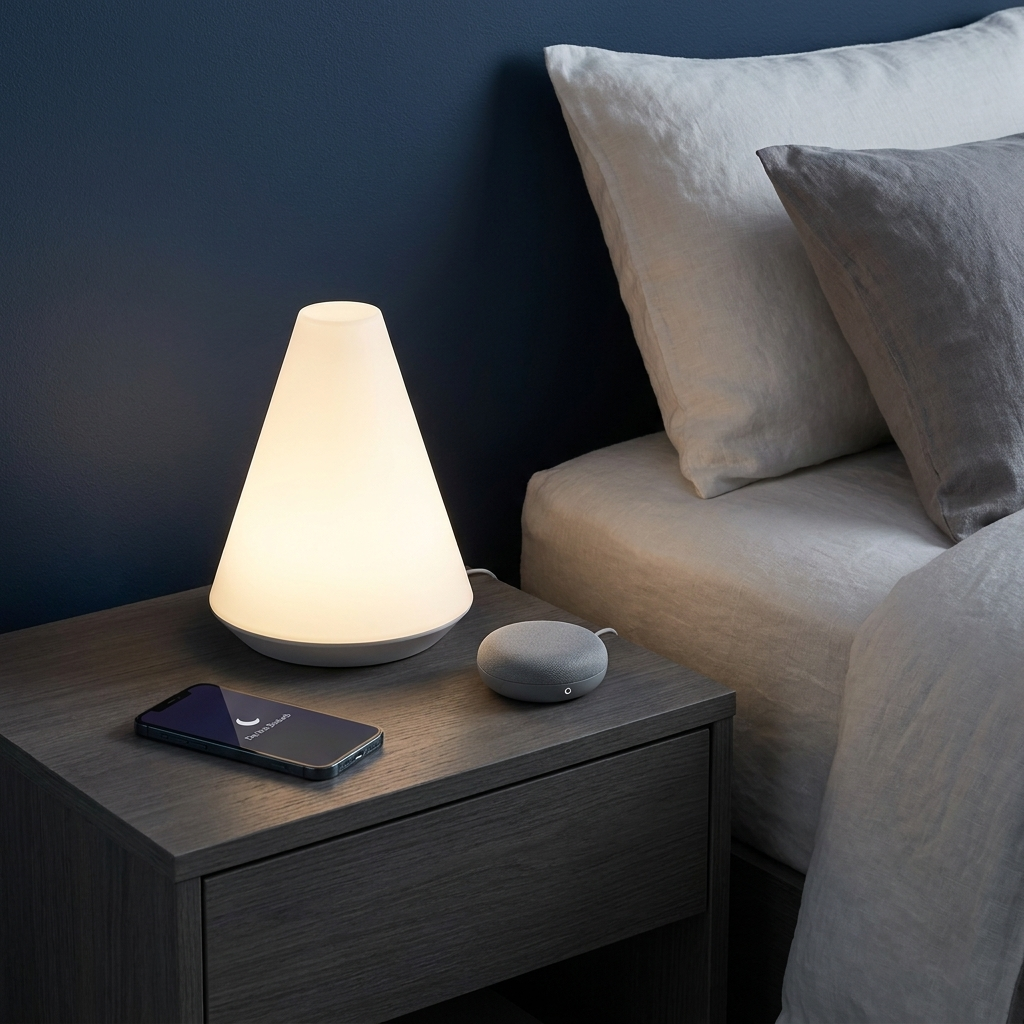
How Improving Sleep May Support Healthier Blood Pressure (Prevention and Lifestyle Tips)
Aim for consistent sleep duration and timing
Most adults do best with a consistent sleep schedule and adequate duration, though individual needs vary. Keeping a steady wake time is often one of the most practical anchors for improving sleep regularity—even if bedtime shifts a little at first.
If weekends are your only “catch-up,” consider moving just 15–30 minutes earlier on weeknights and protecting that time like an appointment.
Sleep hygiene that actually helps (step-by-step)
- Light: Dim lights and reduce bright/blue light exposure 1–2 hours before bed
- Caffeine: Avoid late-day caffeine that can linger into the evening
- Alcohol: Can fragment sleep and worsen snoring/OSA tendencies
- Bedroom environment: Cool, dark, quiet (or use white noise)
- Wind-down routine: 10–20 minutes of a repeatable cue (reading, stretching, shower, calming music)
More tips: https://sleepandsinuscenters.com/blog/sleep-hygiene-and-its-impact-on-ent-disorders-key-insights
Stress management that supports sleep and BP
Gentle, consistent practices—slow breathing, mindfulness, journaling, or light stretching—may help downshift the nervous system at night, supporting both sleep quality and healthier blood pressure patterns.
Exercise and daytime habits
Regular physical activity is associated with better sleep quality and healthier blood pressure regulation. Some people find vigorous evening workouts disrupt sleep, so timing may matter.
If you snore or suspect apnea—don’t just “power through”
Because sleep apnea has a strong relationship with hypertension, screening matters. If symptoms fit, discussing testing options can be a productive next step rather than assuming snoring is “just annoying.”
Short conclusion: Better sleep habits, stress reduction, and evaluation for snoring or apnea can support healthier blood pressure as part of a comprehensive plan.
Treatments: What to Do If Sleep Loss and High Blood Pressure Are Both Issues
Step 1—Confirm the blood pressure pattern
Blood pressure can vary by time of day, stress, and measurement technique. Clinicians often look at trends, sometimes using home readings to distinguish “white coat” effects from sustained hypertension.
If you’re tracking at home, aim for consistent conditions (same time of day, seated, rested) so your numbers are easier to interpret.
Step 2—Address sleep quantity and quality
If chronic short sleep is part of the picture, sleep extension strategies and insomnia-specific approaches (such as CBT-I) may help.
Even modest improvements in sleep consistency can support healthier nervous-system “set points,” which is part of why sleep shows up in hypertension prevention discussions. [1–4]
Step 3—Treat underlying sleep disorders
For suspected OSA, options may include CPAP, oral appliances, positional therapy, or other approaches depending on anatomy and severity. If you’re comparing testing routes: https://sleepandsinuscenters.com/blog/home-sleep-test-vs-lab-study-which-sleep-test-is-best-for-you
Step 4—Standard hypertension care still matters
Even when sleep is relevant, it is typically one piece of the plan. Nutrition, sodium intake, activity, weight management, and medications (when prescribed) remain core parts of hypertension management.
Short conclusion: Confirm the pattern, improve sleep, treat disorders like OSA, and continue standard blood pressure care for the best overall results.
When to Talk to a Doctor (and What to Ask)
Consider a sleep evaluation if you have:
- Loud snoring plus significant daytime sleepiness
- Morning headaches or waking unrefreshed
- High blood pressure that remains elevated despite treatment (“resistant” hypertension)
Quick self-check for excessive sleepiness: https://sleepandsinuscenters.com/test-your-sleepiness
Questions to bring to your appointment
- Could sleep apnea or short sleep be contributing to my blood pressure?
- Should I do a home sleep test or an in-lab study?
- What blood pressure goal is appropriate for me?
Book an appointment: https://www.sleepandsinuscenters.com/
Short conclusion: If symptoms or elevated readings persist, a targeted sleep evaluation can clarify next steps and complement your blood pressure plan.
FAQs
Can one night of poor sleep cause high blood pressure the next day?
Short-term sleep restriction studies show blood pressure may rise acutely after insufficient sleep, along with increased sympathetic activation. [1,2] For many people, this may be temporary—but repeated short nights can add up.
How many hours of sleep increases hypertension risk?
Many studies define short sleep as ≤5–6 hours per night, and meta-analyses of prospective cohorts link that range with higher incidence of hypertension. [2–4]
Can sleeping too much raise blood pressure?
Some research finds U-shaped patterns (both short and long sleep associated with higher risk). Long sleep can also reflect underlying issues like poor sleep quality, depression, or chronic illness—so context matters.
Does snoring always mean high blood pressure?
Not always. Snoring can be benign, but it can also be a clue for OSA—which is strongly linked to hypertension. [1] Learn more: https://sleepandsinuscenters.com/blog/does-snoring-cause-high-blood-pressure
Will treating sleep apnea lower my blood pressure?
Often the blood pressure drop is modest, but treating OSA may reduce nighttime physiologic stress and improve daytime symptoms and overall cardiovascular risk profile. [1]
What’s the fastest way to improve sleep for better blood pressure?
Many people see the quickest gains from a consistent wake time, better caffeine timing, avoiding late alcohol, and screening for OSA when symptoms suggest it.
Key Takeaways (Summary)
- Short sleep (≤5–6 hours) is linked to a higher risk of developing hypertension. [2–4]
- Sleep restriction may raise blood pressure and blunt normal nighttime dipping. [1,2]
- Mechanisms include sympathetic activation, hormonal and vascular changes, and inflammation/metabolic effects. [1]
- Treating sleep problems (especially OSA) and improving sleep duration may support blood pressure management as part of an overall plan. [1]
References
1. Borel et al. Sleep Duration and Hypertension: Epidemiological Evidence (2021). https://pmc.ncbi.nlm.nih.gov/articles/PMC8730491/
2. Ko et al. Link between Short Sleep Duration and Hypertension (2017). https://pmc.ncbi.nlm.nih.gov/articles/PMC5451453/
3. Hosseini K. et al. Systematic Review and Meta-analysis of Cohort Studies (2024). https://pubmed.ncbi.nlm.nih.gov/39008468/
4. PLOS ONE. Association between Sleep Duration and Hypertension Incidence (2024). https://journals.plos.org/plosone/article?id=10.1371/journal.pone.0307120
Medical Disclaimer
This article is for general education and is not a substitute for personalized medical advice, diagnosis, or treatment. If you have persistently elevated blood pressure, symptoms of sleep apnea, or urgent warning signs (like chest pain or stroke symptoms), seek medical care promptly.
This article is for educational purposes only and is not medical advice. Please consult a qualified healthcare provider for diagnosis and treatment.
Don’t let allergies slow you down. Schedule a comprehensive ENT and allergy evaluation at Sleep and Sinus Centers of Georgia. We’re here to find your triggers and guide you toward lasting relief.