Can Lack of Sleep Cause Anxiety and Panic Attacks?
If you’ve ever had a rough night of sleep and felt unusually on edge the next day, you’re not imagining it. Sleep and anxiety are tightly connected—and when sleep drops, anxiety often rises. Many people also wonder: can lack of sleep cause anxiety and panic attacks? For some people—especially those already prone to anxiety or living with chronic insomnia—sleep loss may contribute to anxiety symptoms and can sometimes trigger panic attacks.
Clinically, a common pattern is: a few nights of poor sleep (or a longer stretch of insomnia) → feeling “keyed up” during the day—more irritable, more sensitive to stress, and more likely to interpret normal body sensations as dangerous.
Below is a patient-friendly, clinically grounded guide to what’s going on in the brain, how sleep loss can “set up” panic, what symptoms to watch for, and what evidence-based next steps may help.
Quick Answer (Featured Snippet)
Yes—sleep loss can increase the risk of anxiety symptoms and may trigger panic attacks in some people, especially those prone to anxiety or with chronic insomnia. Sleep deprivation can heighten amygdala reactivity (your brain’s “alarm system”) and reduce prefrontal “braking,” making emotions feel more intense and harder to regulate. Improving sleep may help reduce anxiety and panic symptoms. (Yoo et al., 2007; Palagini et al., 2024)
Why Sleep and Anxiety Are So Closely Connected
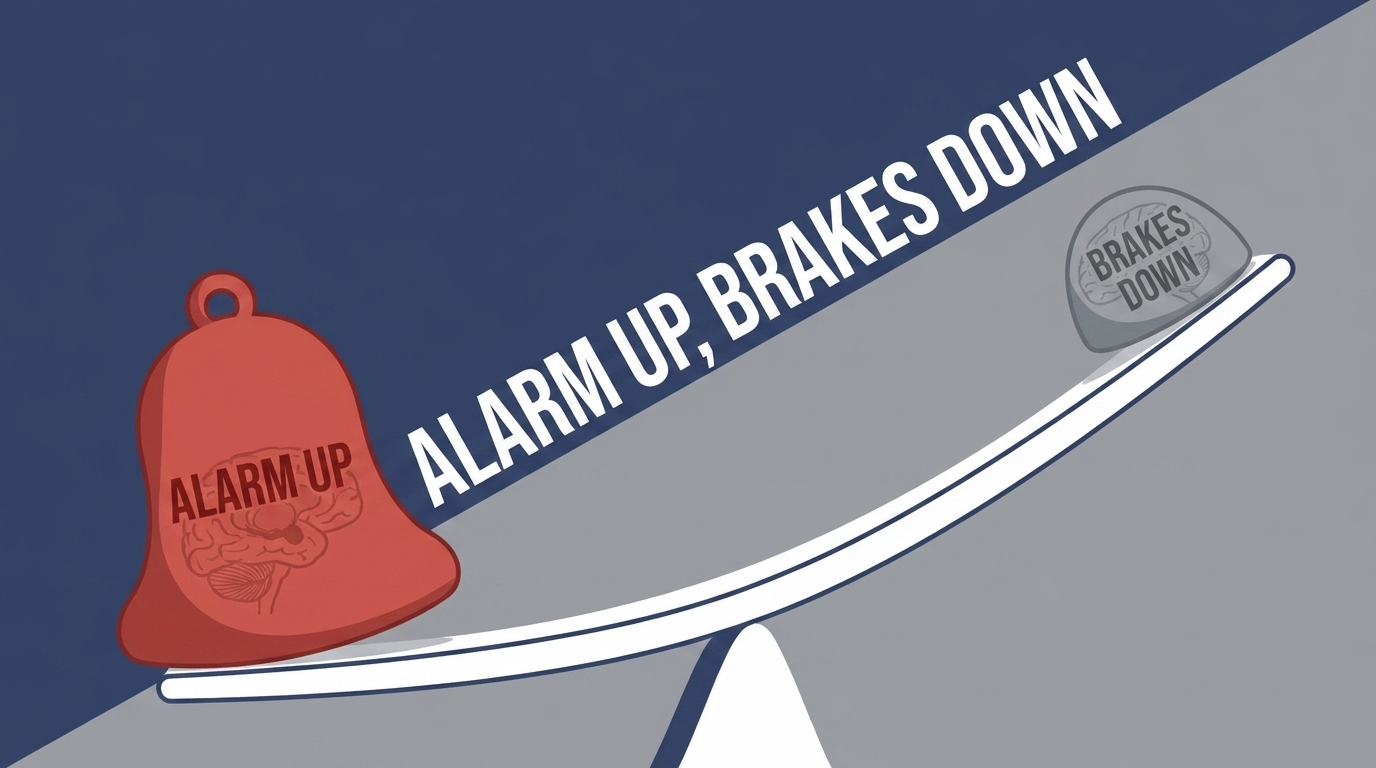
The “alarm system” in your brain gets louder when you’re sleep-deprived. Think of the amygdala as your brain’s threat detector—like a smoke alarm. When you’re short on sleep, that smoke alarm can become extra sensitive, reacting strongly to negative or stressful cues. Research has shown that sleep deprivation increases amygdala reactivity to negative emotional stimuli. (Yoo et al., 2007) In everyday life, that may feel like:
- Smaller stressors seem bigger
- Irritation and worry flare more easily
- Physical sensations (like a racing heart) feel more alarming
A practical example: after a short night, a normal work email might suddenly feel “urgent” or threatening, or a brief heart flutter might register as “something is wrong,” even if it wouldn’t have bothered you on a well-rested day. This helps explain why sleep deprivation and anxiety often show up together.
The “control center” gets weaker with less sleep. Your prefrontal cortex is like the brain’s braking system—supporting reasoning, perspective, and emotional regulation. With insufficient sleep, that braking system doesn’t work as smoothly. In the same line of research, sleep deprivation reduced functional connectivity between prefrontal control regions and the amygdala. (Yoo et al., 2007) In simple terms: the alarm gets louder, and the brakes get weaker.
One way people describe this is: “I know logically I’m okay, but my body doesn’t believe it.” That mismatch—between rational thinking and an intense threat feeling—can be a hallmark of sleep-related anxiety.
Chronic insomnia and longer-term anxiety risk. Occasional poor sleep can make anyone feel more anxious. But over time, chronic insomnia has been associated with a higher long-term risk of anxiety disorders, including panic disorder. (Neckelmann et al., 2007; Palagini et al., 2024) This is one reason the sleep–mental health cycle can feel so difficult: insomnia increases anxious arousal, and anxiety makes sleep harder—feeding the loop.
In short, sleep loss can turn up the brain’s “alarm” while turning down its “brakes,” which may raise anxiety risk for some people.

Can Lack of Sleep Trigger Panic Attacks?
Many people noticing the pattern—poor sleep → higher baseline tension → panic symptoms—ask whether lack of sleep can “cause” panic. For some, sleep loss may help set the stage for a panic attack, particularly when combined with stress, caffeine, or health anxiety.
How panic attacks can be “set up” by sleep deprivation. Sleep loss can increase vulnerability to panic in several ways, including:
- Higher baseline arousal (your body feels revved up)
- Lower threshold for sensations (a normal heart flutter feels dangerous)
- Reduced coping capacity the next day (more catastrophic thinking, less patience, less emotional bandwidth)
This doesn’t mean sleep loss is the only cause of panic, but it can be a powerful trigger—especially alongside other stressors. A concrete example: after a few short nights, someone may drink extra coffee to get through the day. That can increase jitteriness and heart rate, which then feels scary—especially if they’re already tired and less able to “talk themselves down.” The result can be a panic attack that seems to come out of nowhere, even though the nervous system has been running hot for days.
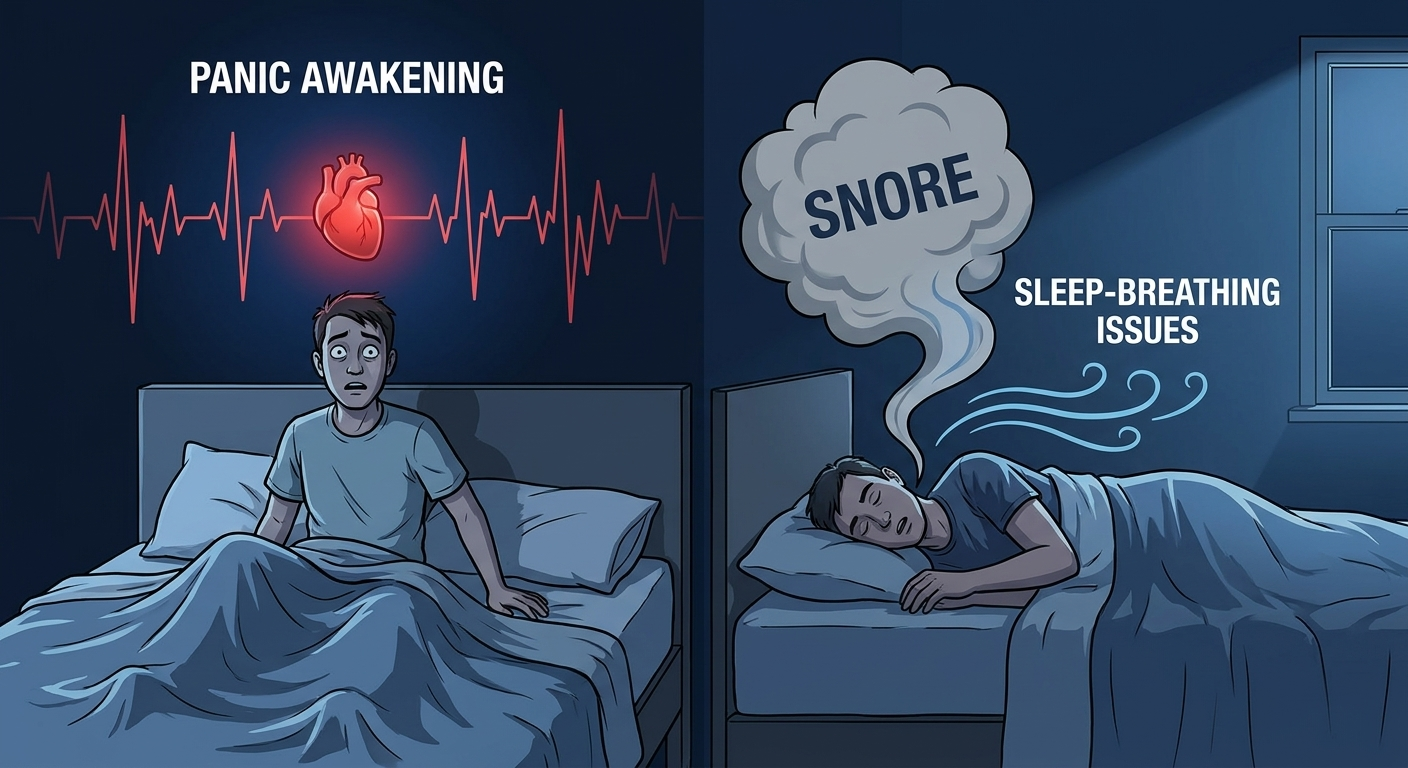
Nocturnal panic attacks: panic that wakes you from sleep. Nocturnal panic attacks are sudden episodes of intense fear that wake you from sleep, often with strong physical symptoms (racing heart, shortness of breath, shaking). Importantly, they can happen without nightmares. (Cleveland Clinic, 2022)
People often describe these episodes as “waking up in terror,” then scanning their body for what’s wrong. It’s also common to feel worried about going to sleep again—an understandable response that can worsen insomnia over time.
When it might be panic vs. another sleep-related condition. Not every nighttime awakening is panic. Some symptoms overlap with other conditions, such as:
- Sleep apnea (waking up choking/gasping, loud snoring, witnessed breathing pauses)
- Reflux (burning sensation, sour taste, coughing)
- Asthma or nasal congestion (breathing discomfort)
- Night terrors (more common in children; confusion and limited recall)
If you’re waking up gasping or choking, this resource may help you consider a key possibility: “Waking up choking (sleep apnea?).” https://sleepandsinuscenters.com/blog/wake-up-choking-is-it-sleep-apnea
Bottom line: sleep loss may not directly “cause” panic for everyone, but it can lower the threshold for panic—especially when other triggers are present.
Symptoms to Watch For (Sleep Loss, Anxiety, and Panic)
Common signs you’re not getting enough sleep:
- Irritability, mood swings, tearfulness
- Brain fog, poor concentration
- Feeling “wired but tired”
- Trouble falling asleep or staying asleep
Some people also notice they’re more “reactive” in everyday interactions—snapping more easily, feeling overwhelmed by minor tasks, or struggling to filter out background noise and distractions.
Anxiety symptoms that often worsen after poor sleep:
- Excessive worry, rumination
- Restlessness, feeling on edge
- Muscle tension, jaw clenching
- GI discomfort (“nervous stomach”)
A subtle but common sign is “future-tripping”: your mind jumps quickly to worst-case scenarios, and it’s harder to return to a calmer, more balanced view.
Panic attack symptoms (what they can look like):
- Chest tightness, racing heart, shortness of breath
- Shaking, sweating, dizziness, nausea
- Feeling unreal/detached
- Fear of dying or losing control
Standard health-system descriptions align on these symptom patterns. (NHS, 2023) If shortness of breath is part of your sleep-loss picture, you may also find this helpful: “Can sleep deprivation cause shortness of breath?” https://sleepandsinuscenters.com/blog/can-sleep-deprivation-cause-shortness-of-breath
If poor sleep and rising anxiety are showing up together, tracking patterns can help you and a clinician decide next steps.
Causes and Risk Factors: Why Some People Are More Vulnerable
Sleep patterns that may increase risk:
- Short sleep duration (work schedules, caregiving, shift work)
- Fragmented sleep (frequent awakenings)
- Chronic insomnia (difficulty falling asleep, staying asleep, or waking too early)
When people ask can lack of sleep cause anxiety and panic attacks, these patterns often provide the missing context: it’s not just one bad night—it’s repeated strain on the nervous system.
Mental health and stress factors:
- Existing generalized anxiety or health anxiety
- PTSD or trauma-related hyperarousal
- Major life stress, grief, chronic stress load
This relationship is often bidirectional: anxiety can disrupt sleep, and sleep loss may increase anxious arousal. (Palagini et al., 2024)
Medical/sleep conditions that can mimic or worsen panic:
- Obstructive sleep apnea (OSA)
- Nasal obstruction/allergies (reduced sleep quality)
- High caffeine intake, stimulant medications
- Thyroid conditions (a clinician can help evaluate this)
Risk tends to rise when sleep is short or fragmented, stress is high, and the body’s “alarm” system is already on alert.
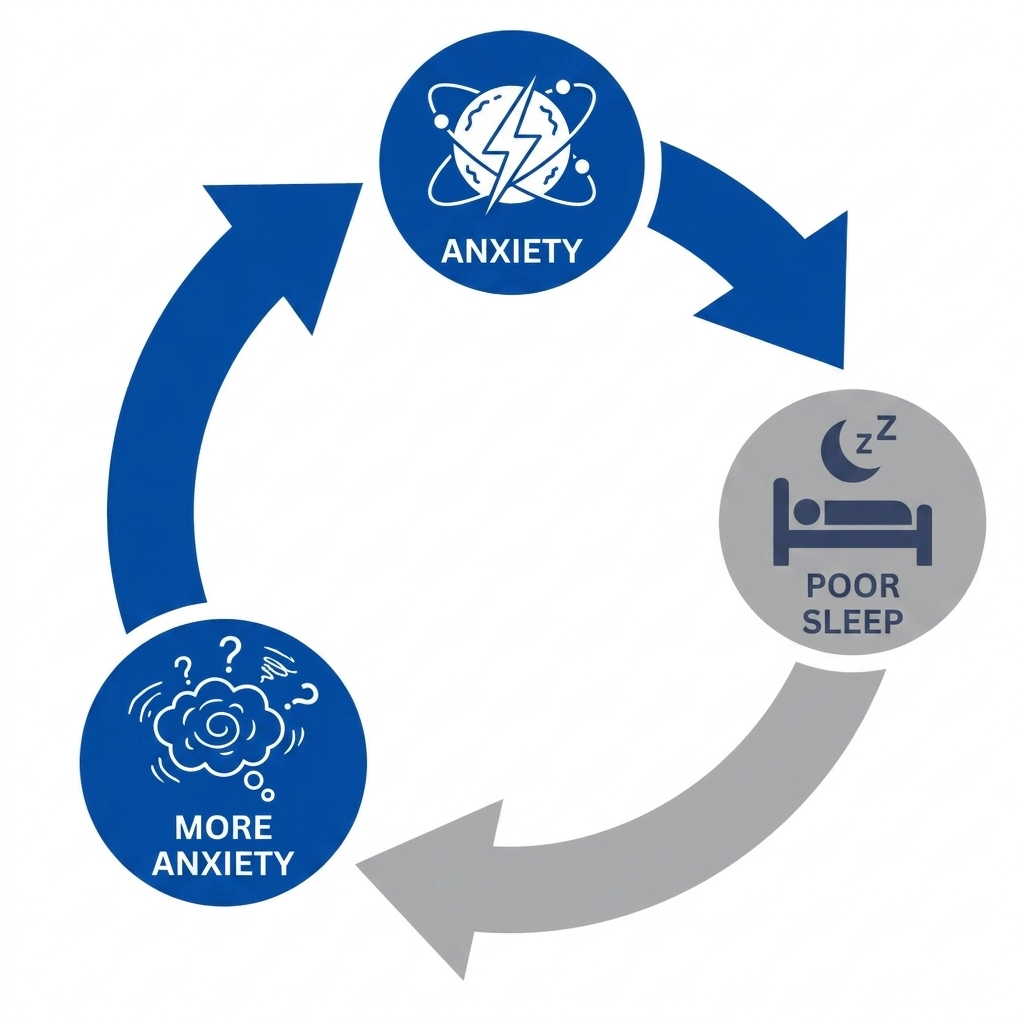
The Vicious Cycle: Anxiety → Poor Sleep → More Anxiety
What the cycle feels like in real life often sounds like:
- “I didn’t sleep well, so I’m anxious.”
- “I’m anxious, so I can’t sleep.”
- “I’m scared I’ll wake up panicking again.”
That anticipatory worry can become its own trigger. Over time, the bed itself can start to feel like a place of “performance pressure,” which is the opposite of what sleep needs.
Why breaking the cycle often starts with some sleep stabilization. Improving sleep may help reduce anxiety sensitivity and panic frequency. (Palagini et al., 2024) Even modest stabilization—more consistent wake times, fewer long naps, fewer nights spent “chasing sleep”—can give the nervous system a steadier rhythm.
Small, consistent changes to sleep can weaken the anxiety–insomnia loop over time.
Evidence-Based Treatments That Can Help (Sleep + Anxiety)
Treatment depends on what’s driving sleep loss (insomnia, breathing issues, stress, etc.). Many people benefit from a combined approach. A clinician can help determine which treatment is most appropriate for your situation.
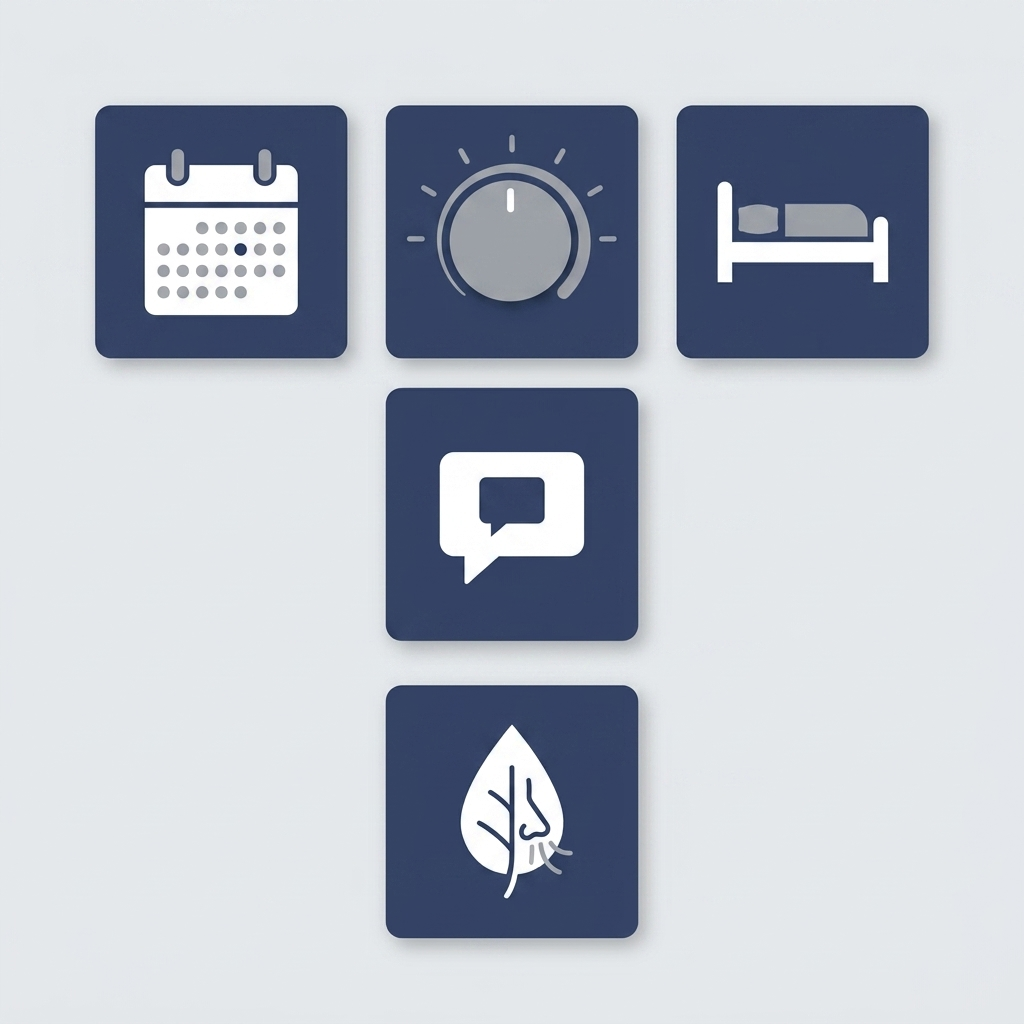
Behavioral treatment (often first-line for insomnia): CBT-I. CBT-I typically includes:
- Sleep scheduling strategies (building a consistent pattern)
- Stimulus control (re-associating bed with sleep)
- Cognitive tools for sleep-related worry
- Practical behavior changes that improve sleep drive
CBT-I has a strong evidence base for insomnia and may also help when anxiety and sleep problems are linked. (Palagini et al., 2024) For foundational routines, see sleep hygiene tips: https://sleepandsinuscenters.com/blog/sleep-hygiene-and-its-impact-on-ent-disorders-key-insights
Anxiety-focused therapy that can also improve sleep may include:
- CBT for panic/anxiety (working with thoughts, behaviors, and avoidance)
- Exposure-based strategies (gradually reducing fear of panic sensations)
- Relaxation training or mindfulness as helpful add-ons
Medication options (when appropriate):
- Some options are used short-term for sleep in select cases
- Anxiety medications may be considered when clinically indicated
- Alcohol is a common but problematic “sleep aid” because it can worsen sleep quality and awakenings
Addressing underlying sleep disorders (often overlooked). If loud snoring, gasping, witnessed breathing pauses, morning headaches, or severe daytime sleepiness are present, screening for sleep-disordered breathing (like OSA) is often considered. To learn more or get support, schedule an evaluation: https://sleepandsinuscenters.com/appointments
Targeting insomnia, anxiety, and any breathing issues together often provides the best results.
Lifestyle Tips to Improve Sleep and Lower Anxiety (Practical, Doable Steps)
A simple “sleep-protecting” routine (start tonight):
- Keep a consistent wake time (even after a bad night)
- Do a brief wind-down (dim lights, quiet activity, low stimulation)
- Keep the bedroom cool, dark, and quiet
- Limit clock-watching (it fuels arousal and mental math)
If you want a quick mindset shift: treat a rough night like a sprained ankle—something to support and protect, not something to “power through.”
Caffeine, alcohol, and late-night triggers:
- Consider a caffeine cutoff earlier in the day
- Alcohol may increase awakenings and lighter sleep, even if it makes you drowsy at first
What to do if you wake up panicky at night:
- Use grounding (name 5 things you see, 4 you feel, 3 you hear, etc.)
- Try slow exhale breathing (longer exhale than inhale)
- Remind yourself the sensations peak and pass
- Avoid Googling symptoms at 3 a.m.
For more on breathing mechanics that may support calm: “Nasal breathing benefits for anxiety relief.” https://sleepandsinuscenters.com/blog/nasal-breathing-benefits-for-anxiety-relief-how-it-calms-your-mind-48bee
Gentle structure by day and simple calming skills at night can nudge the nervous system toward steadier sleep.
When to See a Doctor (and When It’s Urgent)
Make an appointment if:
- Panic attacks are recurring, worsening, or causing avoidance
- Insomnia persists longer than 3 months or is impairing daily function
- Nighttime awakenings involve choking/gasping or loud snoring (possible OSA)
Book with Sleep & Sinus Centers of Georgia: https://sleepandsinuscenters.com/appointments and explore resources: https://www.sleepandsinuscenters.com/
Seek urgent care/emergency help if:
- Chest pain with concerning features, fainting, or severe shortness of breath
- Suicidal thoughts or feeling unsafe
If symptoms are persistent, worsening, or concerning, seeking professional evaluation is the safest next step.
FAQs
Can one night of poor sleep cause anxiety the next day? Yes. Acute sleep loss can increase emotional reactivity and anxious feelings, partly through increased amygdala activation and reduced prefrontal regulation. (Yoo et al., 2007)
Can insomnia cause panic disorder? Chronic insomnia has been associated with a higher future risk of anxiety disorders, including panic disorder. (Neckelmann et al., 2007; Palagini et al., 2024)
Why do panic attacks happen at night? Nocturnal panic attacks are a recognized phenomenon and can wake a person suddenly with intense fear and physical symptoms, even without nightmares. (Cleveland Clinic, 2022)
Is it anxiety or sleep apnea waking me up? More suggestive of OSA: loud snoring, witnessed breathing pauses, gasping/choking, morning headaches, marked daytime sleepiness. More suggestive of panic: sudden terror, racing heart, trembling, fear of dying/losing control. Because symptoms can overlap, recurring episodes often warrant evaluation.
What’s the best treatment if I have both anxiety and insomnia? Often, a combined plan works best: CBT-I for insomnia plus anxiety-focused treatment, along with screening for underlying sleep disorders when indicated. (Palagini et al., 2024)
Key Takeaway
Sleep loss can increase the risk of anxiety symptoms and may trigger panic attacks in some people—particularly when poor sleep is frequent or insomnia becomes chronic. By improving sleep patterns, addressing anxiety directly, and evaluating for breathing-related sleep issues when appropriate, many people experience fewer and less intense symptoms. When the “alarm system” quiets down and the “brakes” work better, baseline anxiety often eases—and panic becomes less frequent and less frightening.
References
- Yoo, S. S., Gujar, N., Hu, P., Jolesz, F. A., & Walker, M. P. (2007). The human emotional brain without sleep—A prefrontal amygdala disconnect. Current Biology. https://pubmed.ncbi.nlm.nih.gov/17956744/
- Neckelmann, D., Mykletun, A., & Dahl, A. A. (2007). Chronic insomnia as a risk factor for developing anxiety and depression: A prospective study. https://pmc.ncbi.nlm.nih.gov/articles/PMC1978360/
- Palagini, L., et al. (2024). Bidirectional sleep–anxiety relationships and treatment implications. https://pubmed.ncbi.nlm.nih.gov/40656083
- Cleveland Clinic (2022). Nocturnal panic attacks: Symptoms, causes, treatment. https://my.clevelandclinic.org/health/diseases/22776-nocturnal-panic-attacks
- NHS (2023). Panic disorder. https://www.nhs.uk/mental-health/conditions/panic-disorder
This article is for educational purposes only and is not medical advice. Please consult a qualified healthcare provider for diagnosis and treatment.
Don’t let allergies slow you down. Schedule a comprehensive ENT and allergy evaluation at Sleep and Sinus Centers of Georgia. We’re here to find your triggers and guide you toward lasting relief.