Best Over-the-Counter Medication for Fatigue: Top OTC Options for Energy
Feeling worn down can be frustrating—especially when you’re doing “all the right things” and still dragging. The hard part is that fatigue isn’t one condition. It’s a symptom with many possible causes, which is why finding the most appropriate OTC option depends on the likely cause of your fatigue.
Below is a patient-friendly guide to common causes of fatigue, red flags to take seriously, and the most common OTC options people use for energy—what tends to help, what’s overhyped, and what can actually make fatigue worse.
Quick Take: Is There an OTC “Medication” That Cures Fatigue?
There is no FDA-approved OTC medication specifically indicated to treat fatigue itself, because fatigue is typically a symptom, not a diagnosis. (U.S. Pharmacist: https://www.uspharmacist.com/article/fatigue-and-drowsiness-everyday-exhaustion-and-beyond)
What OTC products can do:
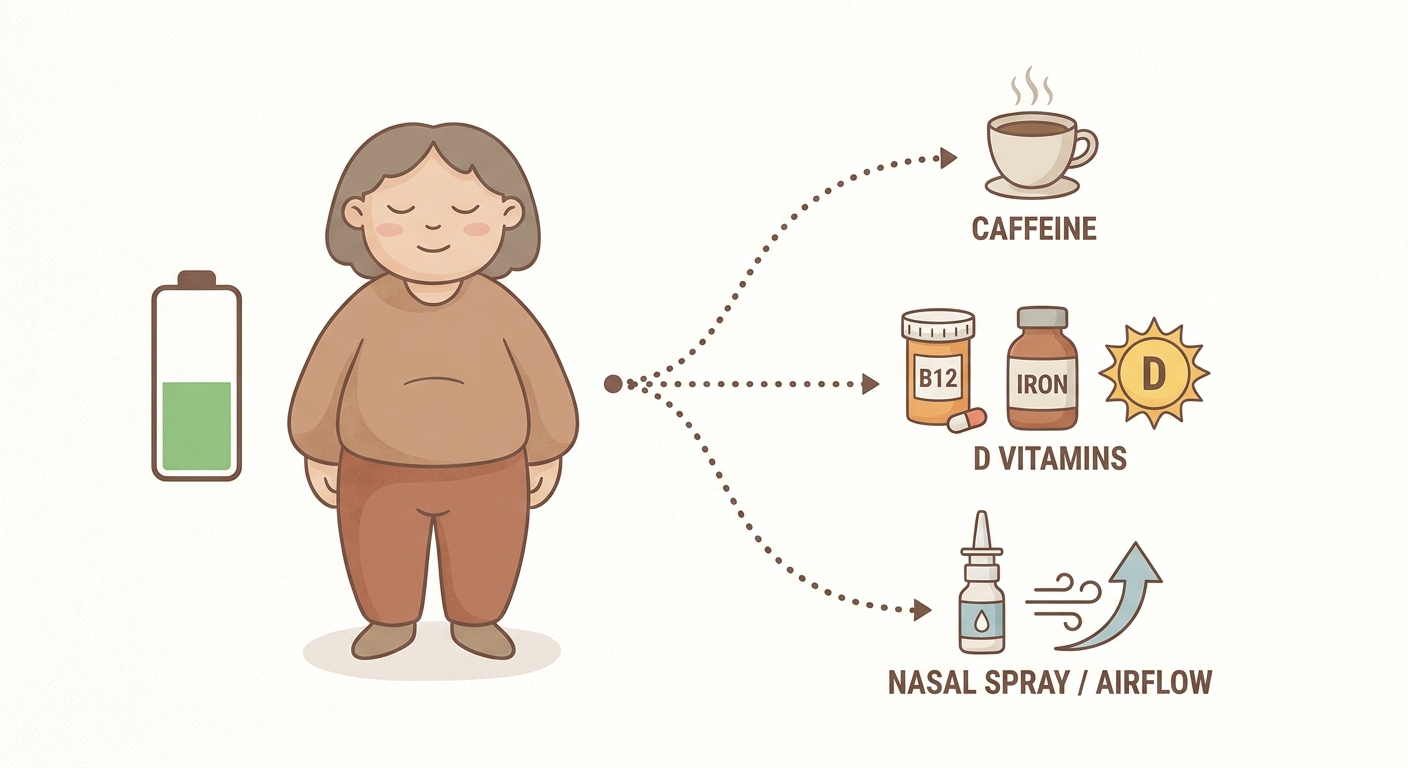
• Temporarily improve alertness (most commonly via caffeine)
• Help correct fatigue when it is caused by a confirmed nutrient deficiency (for example, iron deficiency or low vitamin B12)
• Relieve contributing symptoms such as nasal congestion, which may indirectly improve sleep in some cases
If you’re searching for the best over-the-counter medication for fatigue, it helps to think in categories: short-term alertness tools vs. deficiency-targeted supplements vs. products that may not match the root cause. (Mayo Clinic Press: https://mcpress.mayoclinic.org/healthy-aging/why-youre-always-tired-home-remedies-for-fatigue/)
Takeaway: Matching OTC tools to the most likely cause is more effective than looking for a single “fatigue cure.”
Common Symptoms That Often Come With Fatigue
Fatigue can show up in more than one way. Noticing the pattern can help you choose a safer, more targeted OTC approach—rather than “trying everything” and hoping something sticks.
Physical symptoms
• Low energy, “heavy limbs”
• Reduced stamina or endurance
• Feeling wiped out after routine tasks
Mental symptoms
• Brain fog, low motivation
• Slower thinking or difficulty focusing
• Irritability
Sleep-related clues
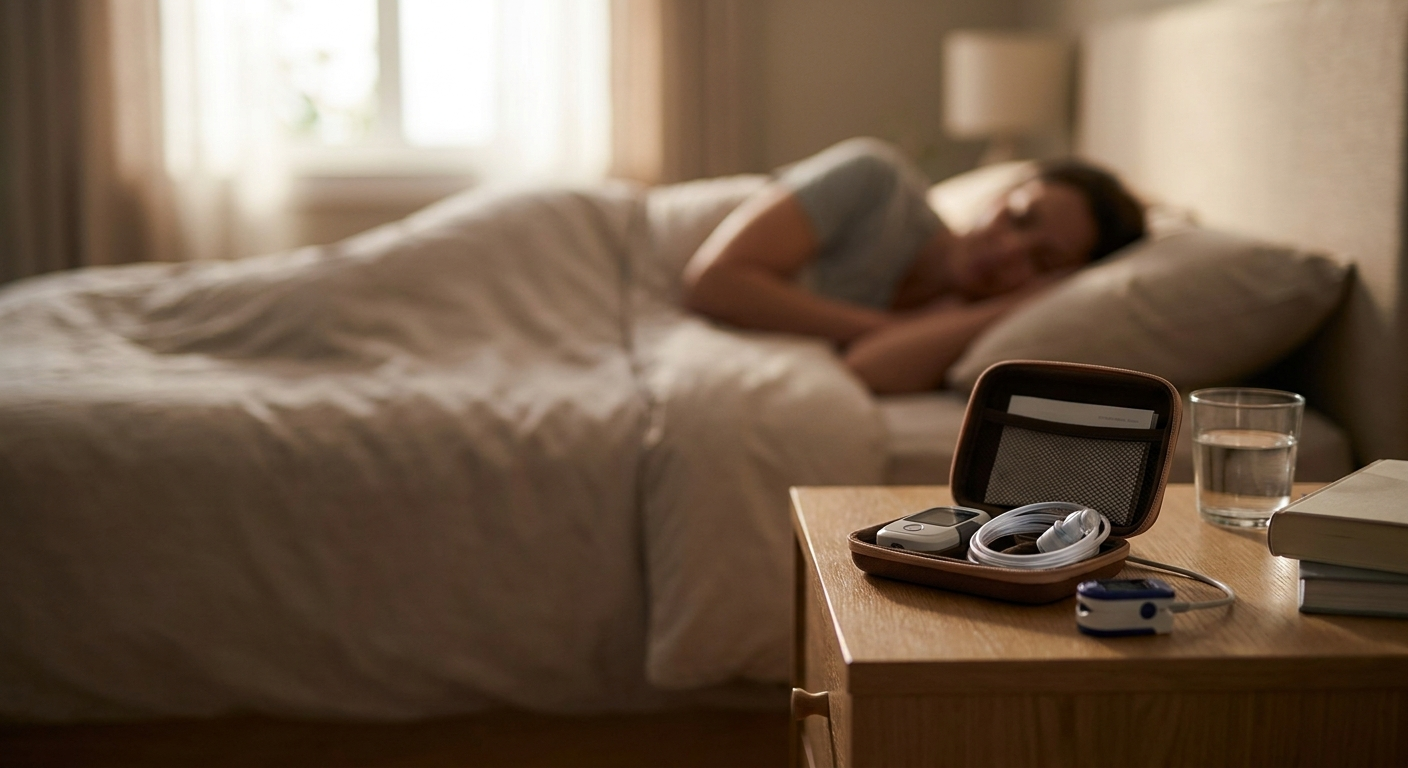
• Non-restorative sleep (you sleep, but don’t feel refreshed)
• Morning headaches (can sometimes occur with sleep-disordered breathing or poor sleep quality)
• Daytime sleepiness (especially dozing off during quiet moments)
If daytime sleepiness stands out, a screening tool such as the Epworth Sleepiness Scale may help you notice a pattern: https://sleepandsinuscenters.com/test-your-sleepiness
(Mayo Clinic Press: https://mcpress.mayoclinic.org/healthy-aging/why-youre-always-tired-home-remedies-for-fatigue/; U.S. Pharmacist: https://www.uspharmacist.com/article/fatigue-and-drowsiness-everyday-exhaustion-and-beyond)
Takeaway: Patterns in your symptoms point toward safer, more targeted OTC choices.
Why You’re So Tired: The Most Common Causes (and Why It Matters)
Picking an OTC option is difficult if the underlying cause is missed. A helpful analogy: OTC “energy” products are like a flashlight—you can see better for a bit, but it doesn’t fix the power outage.
Lifestyle causes
• Too little sleep or an irregular schedule
• Dehydration
• Alcohol (evening use can disrupt sleep quality)
• Overtraining/under-recovering
• Low-protein or highly processed diets that lead to energy crashes
Sleep and breathing issues
Sleep quality can be disrupted by snoring, possible sleep apnea, or chronic nasal/sinus congestion—especially if you mouth-breathe at night or wake frequently.
If nasal congestion seems to be affecting your sleep and energy, this may be relevant: chronic sinusitis and fatigue—how to break the cycle
https://sleepandsinuscenters.com/blog/chronic-sinusitis-and-fatigue-how-to-break-the-cyc-20260128121435
(Mayo Clinic Press: https://mcpress.mayoclinic.org/healthy-aging/why-youre-always-tired-home-remedies-for-fatigue/)
Medical causes worth ruling out
Common examples include:
• Anemia and iron deficiency
• Thyroid disorders
• Vitamin D deficiency
• Depression/anxiety
• Chronic infections
• Medication side effects (including some allergy, sleep, and pain products)
(U.S. Pharmacist: https://www.uspharmacist.com/article/fatigue-and-drowsiness-everyday-exhaustion-and-beyond; Mayo Clinic Press: https://mcpress.mayoclinic.org/healthy-aging/why-youre-always-tired-home-remedies-for-fatigue/)
Takeaway: Fixing the “power outage” (root cause) beats shining a brighter flashlight (OTC stimulant).
When Fatigue Should NOT Be Treated With OTC Products (Red Flags)
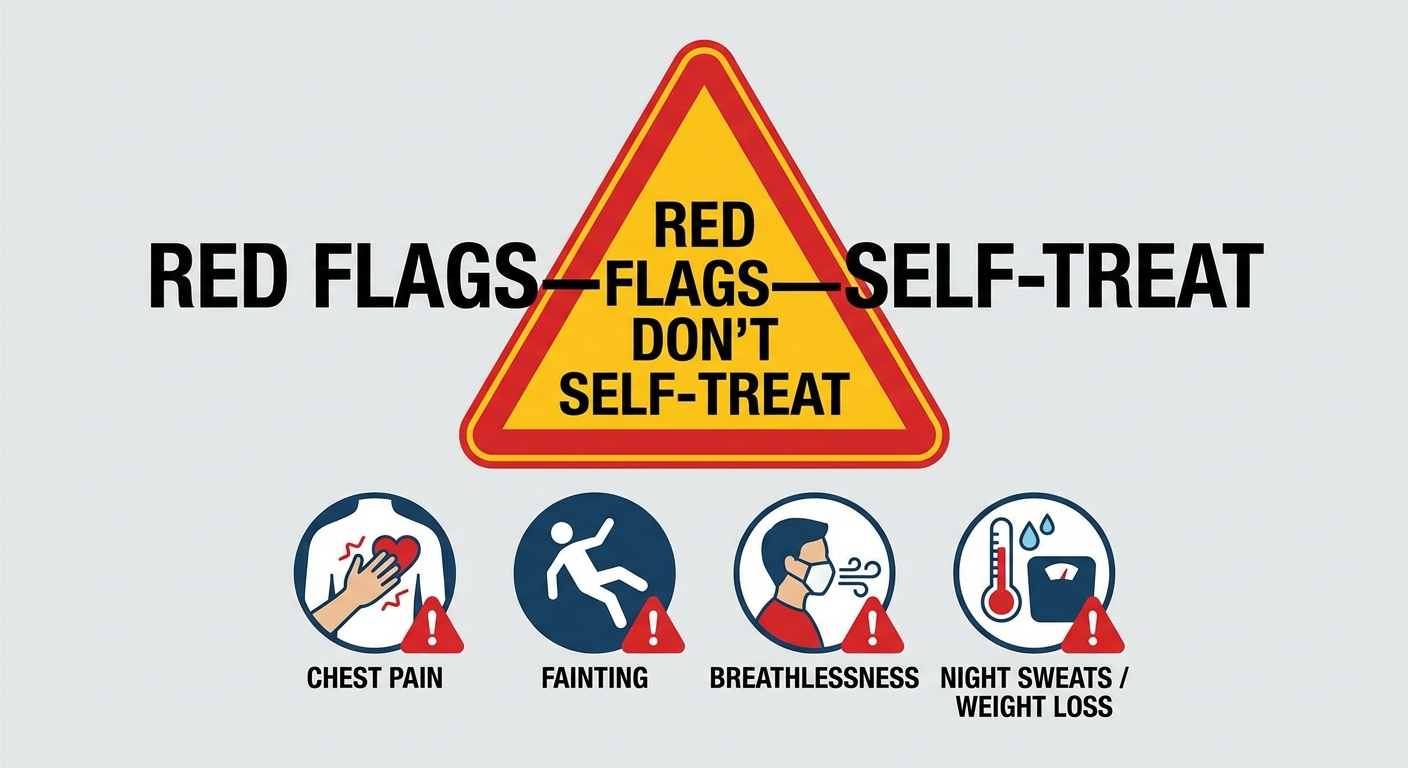
OTC products aren’t the right next step when symptoms may signal something urgent. Educationally, common red flags include:
• Chest pain, fainting, or severe shortness of breath
• New or sudden extreme fatigue
• Fatigue with persistent fever, unexplained weight loss, or night sweats
• Excessive daytime sleepiness (for example, falling asleep while driving or at work)
A simple rule clinicians often use is: if fatigue is new, severe, or unsafe, don’t self-treat—get evaluated. (Mayo Clinic Press: https://mcpress.mayoclinic.org/healthy-aging/why-youre-always-tired-home-remedies-for-fatigue/)
Takeaway: If fatigue is new, severe, or unsafe, skip OTC self-treatment and seek care.
Top OTC Options for Energy (What Works, What’s Hype, What’s Risky)
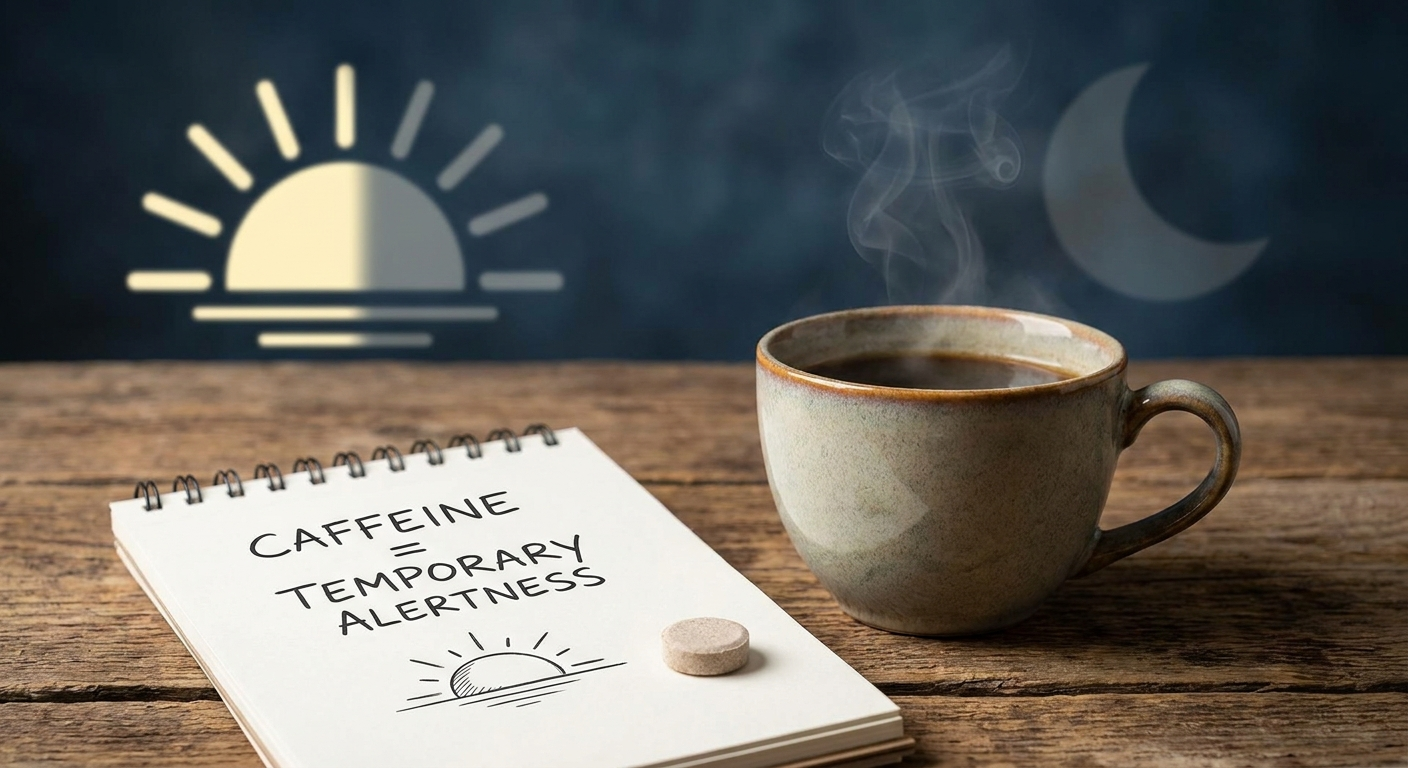
Option #1 — Caffeine (Most Proven OTC Stimulant for Temporary Alertness)
Why caffeine is the #1 evidence-based OTC “energy” option
Caffeine can improve alertness and reduce drowsiness in the short term—but it does not fix the underlying cause of fatigue. (U.S. Pharmacist: https://www.uspharmacist.com/article/fatigue-and-drowsiness-everyday-exhaustion-and-beyond)
OTC caffeine forms
• Coffee and tea
• Energy drinks (often combined with sugar or other stimulants)
• Caffeine pills and “alertness” products (these can make it easier to accidentally take more than intended)
Practical dosing & timing tips (general education)
• Start with the lowest effective amount
• Avoid “caffeine stacking” (coffee + energy drink + pre-workout + soda)
• Protect sleep by keeping caffeine earlier in the day (since sleep disruption can worsen fatigue)
Concrete example: If you’re exhausted at 2 p.m., a second large coffee might “work” short-term, but if it pushes bedtime later or makes sleep lighter, you can end up even more fatigued tomorrow.
Who should be careful or avoid caffeine
• Anxiety or panic symptoms
• Certain heart rhythm concerns
• Uncontrolled high blood pressure
• Pregnancy (a clinician can help clarify safe limits)
• Significant reflux/GERD sensitivity
Side effects that can backfire and worsen fatigue
• Insomnia and lighter sleep
• Rebound sleepiness
• Jitteriness, headaches, faster heart rate
If your goal is choosing an over-the-counter option for fatigue for today, caffeine is often the most “proven”—but it’s best viewed as a temporary alertness tool, not a root-cause solution.
Takeaway: Caffeine can boost alertness, but it isn’t a fix for the reason you’re tired.
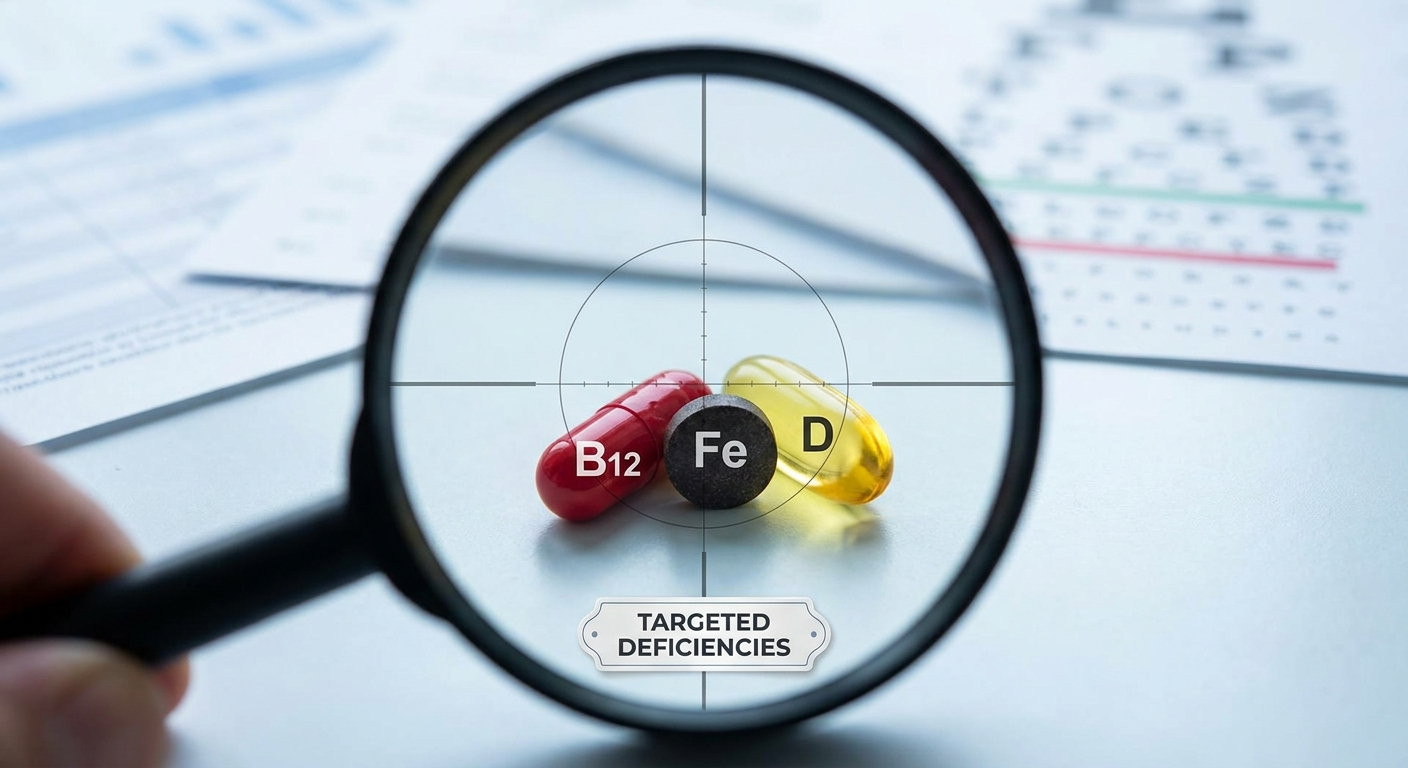
Option #2 — Vitamin & Mineral Supplements (Best When Fatigue Is From a Deficiency)
Supplements are most helpful when diet, symptoms, or lab testing suggests a deficiency. They’re not universal OTC “energy” options for everyone. (Harvard Health: https://www.health.harvard.edu/diet-and-nutrition/best-vitamins-and-minerals-for-energy; NIH ODS: https://ods.od.nih.gov/factsheets/WYNTK-Consumer/)
A clinician-style way to think about supplements is: target what’s likely—don’t guess what’s trendy.
Vitamin B12 (and folate) for fatigue
B12 may be relevant if intake or absorption is low. People more likely to have low B12 include:
• Adults following vegetarian/vegan eating patterns
• Older adults (absorption can decline with age)
• People with certain gastrointestinal conditions or surgeries that affect absorption
Label notes: B12 comes in different forms (for example, cyanocobalamin or methylcobalamin). Dosing varies widely across products, so discussing dose ranges and whether bloodwork is appropriate can be helpful. (Harvard Health)
Iron (only if iron deficiency is likely/confirmed)
Iron can matter because iron deficiency—especially when it leads to anemia—commonly causes low energy.
Safety note: Taking iron “just in case” can be harmful, since too much iron can cause problems and some people have conditions that increase iron storage. If iron deficiency is suspected, discussing iron studies with a clinician is often the safer route. (Harvard Health; NIH ODS)
Vitamin D and fatigue
Vitamin D can be low with limited sun exposure, malabsorption, certain medical conditions, or other factors. If deficiency is present, correcting it may help overall well-being and fatigue—but it’s usually not an “instant energy” fix. (Harvard Health)
Other nutrients sometimes linked to low energy (brief, cautious)
• Magnesium may help if intake is low, but it’s not an all-purpose fatigue remedy.
• A basic multivitamin may help fill gaps for some people, but “more” isn’t always better.
Food-first strategies (balanced meals with protein, fiber, and micronutrient-rich choices) are often a strong foundation before relying on pills. (NIH ODS)
Takeaway: Target likely deficiencies with testing and guidance—don’t supplement blindly.
Option #3 — “Adaptogens” & Herbal Supplements (Popular, Mixed Evidence)
Commonly marketed options
• Ginseng
• CoQ10
• Ashwagandha
• Proprietary “energy blend” capsules and powders (often combining multiple ingredients)
These are frequently marketed as adaptogens for energy, but the quality of evidence varies.
What the evidence looks like (plain language)
Some studies suggest possible benefits in certain groups, but results are inconsistent, and more rigorous research is often needed before broad “energy” claims are reliable—especially for people with unexplained fatigue. (NIH ODS: https://ods.od.nih.gov/factsheets/WYNTK-Consumer/; WebMD: https://www.webmd.com/chronic-fatigue-syndrome/medicines-treat-chronic-fatigue-syndrome)
A practical takeaway: if a supplement promises “all-day energy” for everyone, be cautious—fatigue usually isn’t that simple.
Safety and interaction checklist
Because supplements can interact with medications and conditions, it’s wise to double-check compatibility—especially with:
• Blood thinners
• Thyroid medications
• Blood pressure medications
• Sedatives or sleep medications
Also, supplement quality can vary by brand, and the FDA does not pre-verify effectiveness before products reach the market. (NIH ODS)
Takeaway: Evidence is mixed and product quality varies—approach adaptogens with caution.
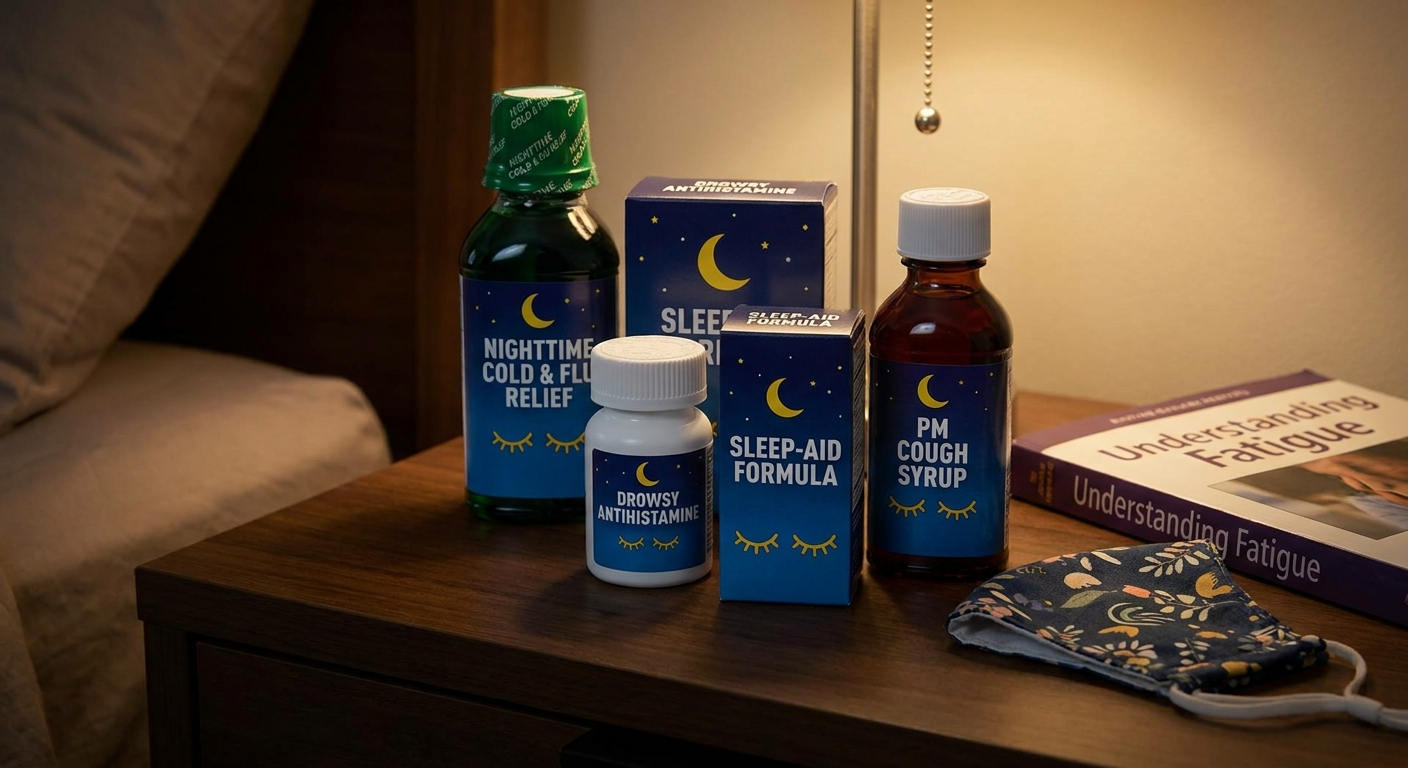
OTC Products That Can Worsen Fatigue (Surprisingly Common)
Some OTC products can cause sedation, poor sleep, or next-day grogginess—making fatigue worse even when they “treat” another symptom.
“Non-drowsy” vs drowsy antihistamines
First-generation antihistamines are well known for causing sedation and lingering grogginess for some people.
Some cold/flu and pain products
Combination products—especially “nighttime” cold/flu formulas—may include sedating ingredients.
Some liquid cough/cold products contain alcohol
Alcohol can fragment sleep and reduce sleep quality, even when it helps someone fall asleep faster.
(U.S. Pharmacist: https://www.uspharmacist.com/article/fatigue-and-drowsiness-everyday-exhaustion-and-beyond)
Takeaway: Read labels—sedating ingredients and alcohol can quietly worsen next-day fatigue.
How to Choose the Best OTC Option for Your Fatigue (Step-by-Step)
When people search for the best over-the-counter medication for fatigue, they often want one clear winner. In reality, the “best” match depends on the pattern—and on what you can safely try without masking something important.
Step 1 — Identify the pattern
• Mostly sleepy?
• Mostly low stamina?
• Mostly brain fog?
Step 2 — Screen for deficiency risk
Consider whether any of these apply:
• Restricted diet patterns
• Heavy menstrual bleeding
• Limited sun exposure
• Known GI conditions affecting absorption
Step 3 — Start with the safest, most targeted option
A simple educational decision framework:
• Need temporary alertness → caffeine (with sleep-protecting timing)
• Ongoing fatigue + deficiency risk → discuss labs and targeted supplements rather than guessing
Step 4 — Set a time limit
If fatigue persists for weeks, worsens, or changes significantly, it’s often time to escalate evaluation rather than continuing to rotate OTC products. (Mayo Clinic Press)
Takeaway: Match the tool to the pattern, set a time limit, and escalate if fatigue persists.
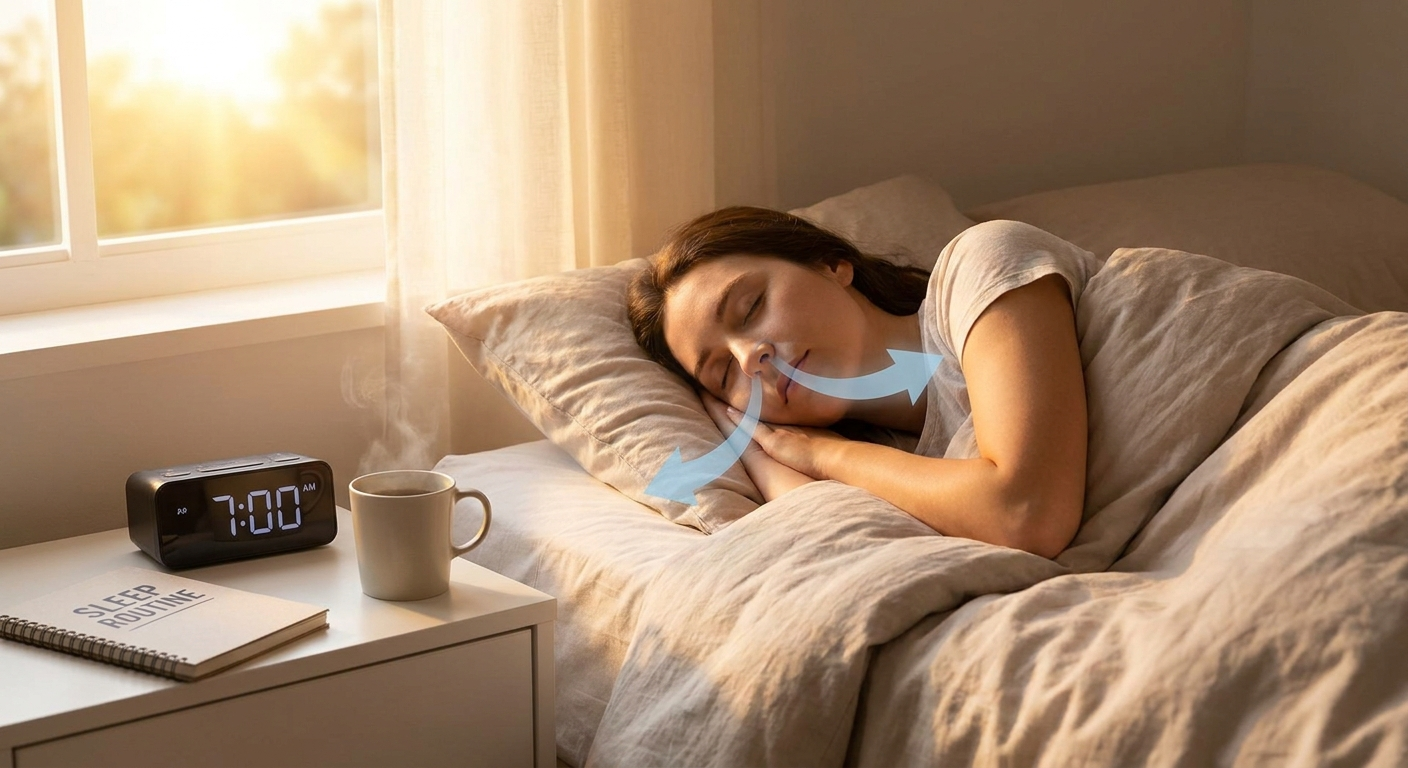
Lifestyle Tips That Boost Energy (and Make OTC Options Work Better)
Sleep basics that actually move the needle
• Consistent wake time
• Morning light exposure
• Caffeine cutoff that protects nighttime sleep
Hydration and nutrition
• Balanced meals (protein + fiber can reduce “crash” cycles)
• Minimize large sugar swings that can mimic fatigue
Movement
Light, consistent activity supports energy for many people—especially when fatigue is tied to deconditioning or stress.
Address nasal/sinus blockage
If congestion, mouth breathing, or snoring disrupts sleep, improving airflow can be a more direct path than relying on stimulants. Learn more about chronic fatigue from poor nasal airflow:
https://sleepandsinuscenters.com/blog/what-is-chronic-fatigue-from-poor-nasal-airflow
Takeaway: Strong sleep, steady fuel, gentle movement, and better airflow often outperform stimulants.
When to Talk to a Clinician (and What to Ask For)
Consider a clinician conversation when fatigue comes with:
• Loud snoring, witnessed pauses in breathing, morning headaches
• Prominent daytime sleepiness
• Persistent fatigue that doesn’t improve with basic sleep and lifestyle changes
Helpful topics to ask about:
• Medication review (could a medicine be contributing?)
• Screening labs when appropriate (iron studies, B12, vitamin D, thyroid)
• Sleep evaluation if sleepiness is the main issue
For more on ENT-related contributors, see ENT approaches to managing chronic fatigue:
https://sleepandsinuscenters.com/blog/ent-approaches-to-managing-chronic-fatigue
(Mayo Clinic Press; U.S. Pharmacist)
Takeaway: If sleepiness or airway symptoms dominate, an evaluation can be more effective than more OTC trials.
FAQs
Q: What is the best over-the-counter medication for fatigue?
A: There isn’t one best option for everyone. For temporary alertness, caffeine is the most evidence-based OTC stimulant. For longer-term fatigue, vitamins/minerals are most useful when there’s a deficiency (for example, B12 or iron deficiency). (U.S. Pharmacist; Harvard Health)
Q: Do “energy supplements” work if my labs are normal?
A: Evidence is mixed, products vary widely, and the FDA does not pre-verify supplement effectiveness before marketing. (NIH ODS)
Q: Can OTC medicines make fatigue worse?
A: Yes. Sedating antihistamines, nighttime cold medications, and some alcohol-containing liquid cough/cold products can worsen daytime fatigue. (U.S. Pharmacist)
Q: When is fatigue a sign of something serious?
A: Red flags include chest pain, fainting, severe shortness of breath, sudden extreme fatigue, persistent fever, unexplained weight loss, night sweats, or severe daytime sleepiness (like falling asleep while driving). (Mayo Clinic Press)
Q: Is chronic fatigue syndrome (ME/CFS) treated with OTC meds?
A: ME/CFS does not have a simple OTC treatment, and management is typically clinician-guided. (WebMD)
Conclusion + Next Step
If you’re trying to find the best over-the-counter medication for fatigue, the most helpful approach is matching the product to the likely cause:
• Caffeine can boost short-term alertness, but it won’t resolve the driver of fatigue.
• Vitamins for tiredness (like B12 or vitamin D) and iron for fatigue can help when a deficiency is present—ideally guided by risk factors and lab testing.
• Adaptogens for energy are popular, but evidence and product quality vary.
If fatigue is persistent, worsening, or closely tied to snoring, congestion, or excessive sleepiness, it may be a sign that sleep quality—not “low energy”—is the main issue.
Next step / CTA: If you’d like help evaluating sleep, nasal airflow, snoring, or other airway-related contributors to fatigue, you can book an appointment with Sleep and Sinus Centers of Georgia here: https://www.sleepandsinuscenters.com/
Takeaway: Choose OTCs strategically, but prioritize finding—and fixing—the cause.
This article is for educational purposes only and is not medical advice. Please consult a qualified healthcare provider for diagnosis and treatment.
Don’t let allergies slow you down. Schedule a comprehensive ENT and allergy evaluation at Sleep and Sinus Centers of Georgia. We’re here to find your triggers and guide you toward lasting relief.