Best OTC Sleep Aids: Melatonin, Antihistamines, and Safer Use
Quick take—what works best (and what to try first)
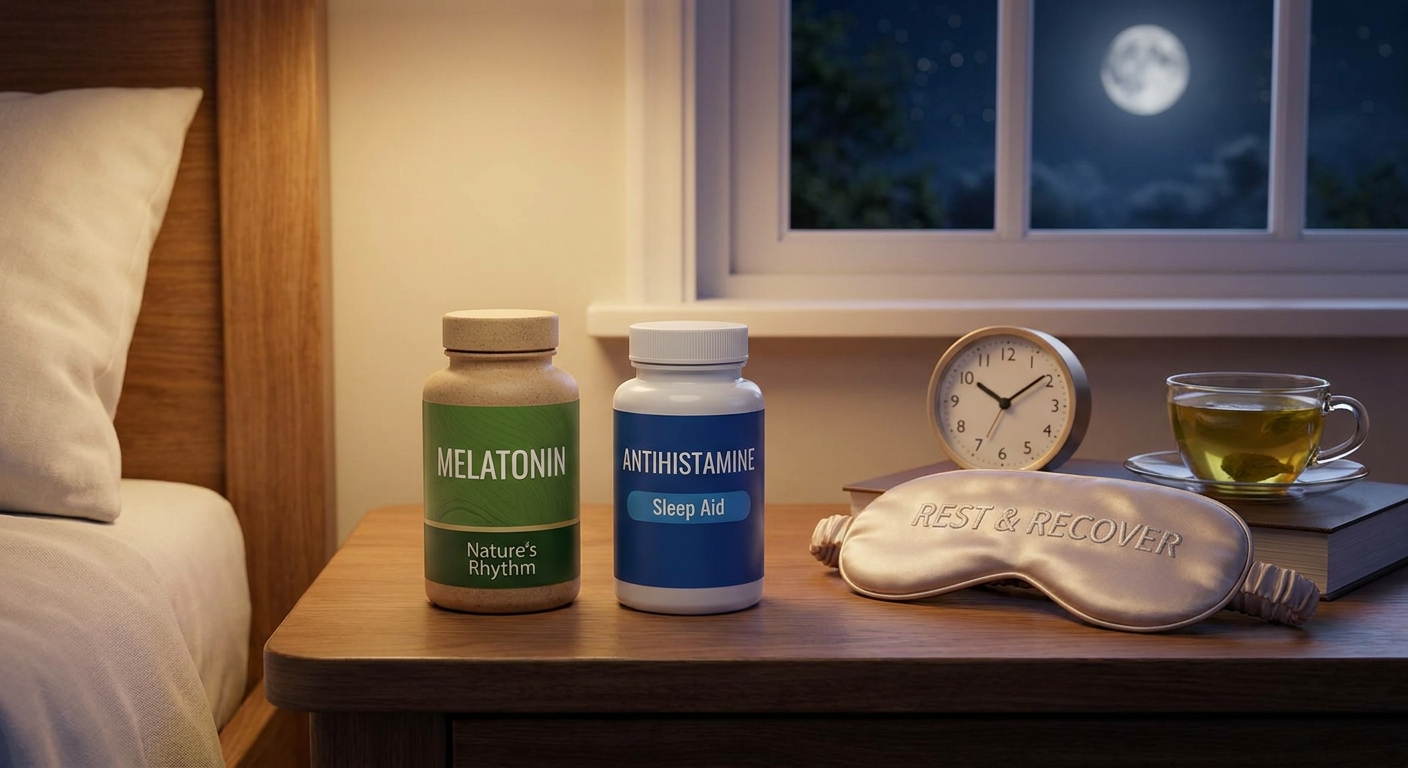
For many people, the best first step isn’t an over-the-counter sleep medicine; it’s improving sleep habits and using CBT-I (Cognitive Behavioral Therapy for Insomnia), which offers the strongest long-term results. Think of OTC sleep aids like training wheels: they may help briefly, but they don’t retrain sleep systems on their own. Melatonin can help with sleep onset when timing is off, while first-generation antihistamines (diphenhydramine or doxylamine) can sedate but commonly cause next-day grogginess and anticholinergic side effects—especially risky in older adults. (AASM, 2023)
Bottom line: build a solid routine and consider CBT-I first; use OTC sleep aids as short-term tools, not the foundation.
Educational content only—not medical advice.
Why sleep may be off (common symptoms and what they can mean)
Common symptoms of insomnia
- Trouble falling asleep (long sleep onset)
- Waking up often, or waking too early
- Non-restorative sleep (you slept, but don’t feel refreshed)
- Daytime sleepiness, irritability, difficulty focusing
Insomnia is more than a “bad night.” It becomes a concern when sleep problems spill into daytime function—mood, attention, energy, or safety (for example, drowsy driving). If daytime sleepiness is a major issue, a screening tool can be a helpful starting point: Epworth Sleepiness Scale (guide): https://sleepandsinuscenters.com/blog/epworth-sleepiness-scale-a-complete-guide-to-understanding-daytime-sleepiness
If poor sleep is affecting daytime safety, treat that as a signal to look deeper rather than just sedating at night.
Common causes that OTC sleep aids won’t fix
OTC products often create sedation but may not fix:
- Stress, anxiety, schedule changes, or jet lag
- Caffeine, nicotine, or alcohol (even one late drink can fragment sleep)
- Pain, reflux, or medication side effects
- Breathing issues at night (snoring, gasping) → possible sleep apnea
- Nasal congestion or allergies that worsen when lying down
If nighttime congestion or blockage is part of the problem, this resource can help narrow possibilities: https://sleepandsinuscenters.com/blog/cant-breathe-through-nose-at-night
Sedation can mask symptoms; solving the root cause usually leads to better, more stable sleep.
Red flags—when to skip self-treating and get evaluated
Consider an evaluation rather than continuing to self-treat if there is:
- Loud snoring plus choking/gasping or witnessed pauses in breathing
- Excessive daytime sleepiness or morning headaches
- Insomnia symptoms lasting 3 months or longer, especially if occurring at least 3 nights per week
- Depression symptoms, substance use concerns, pregnancy, or significant medical conditions
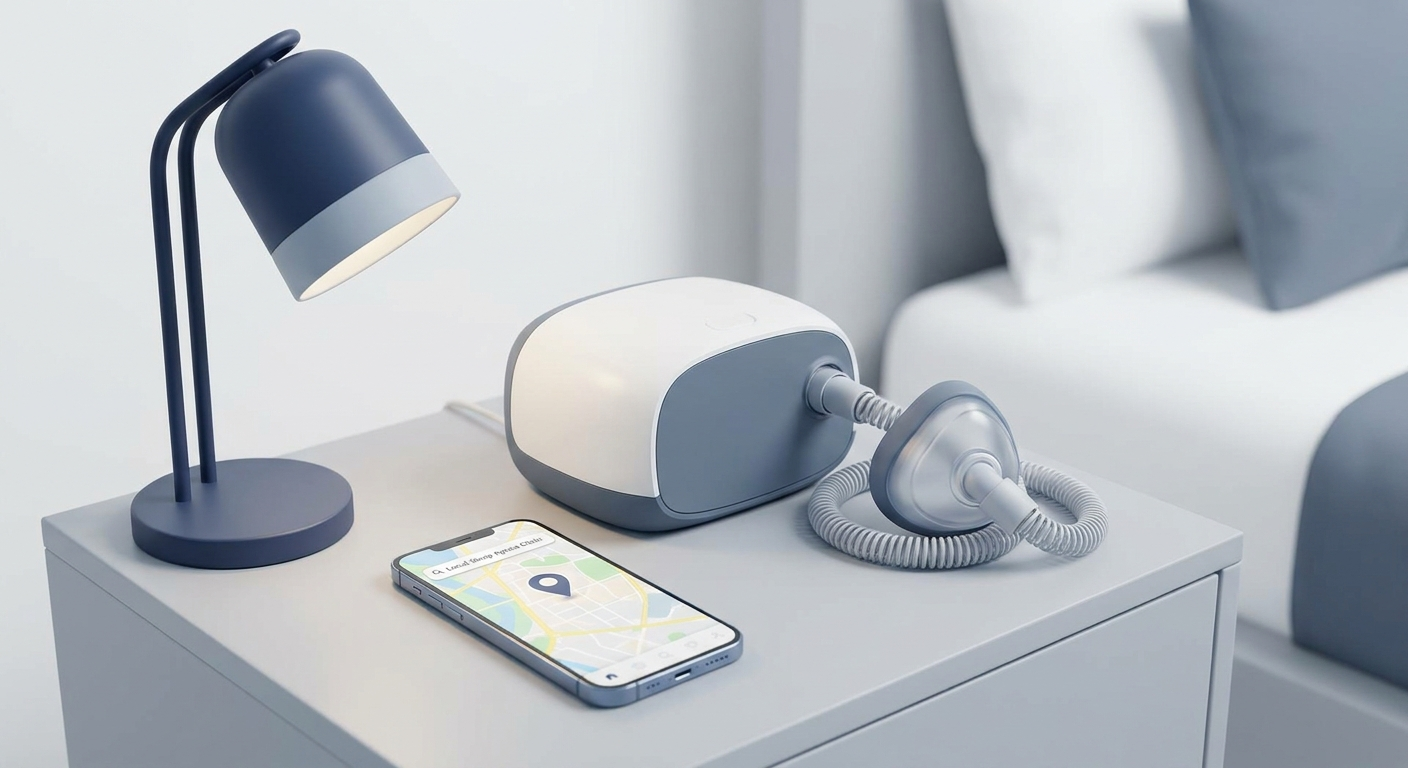
If sleep apnea is a possibility, see treatment options: https://sleepandsinuscenters.com/snoring-sleep-apnea-treatment
If symptoms are persistent or suggest sleep apnea, formal evaluation is safer than ongoing self-experimenting.
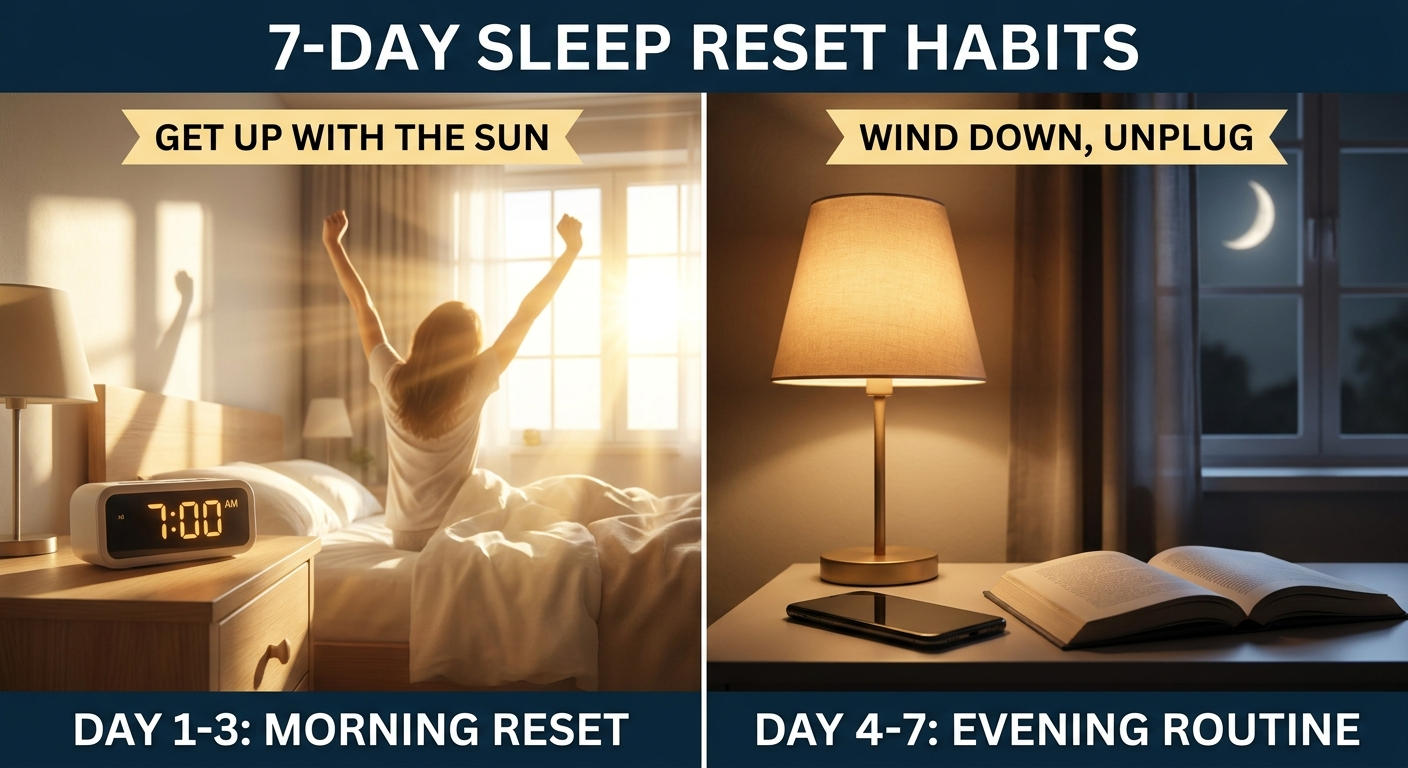
Before buying a sleep aid—try this 7‑day “sleep reset”
A short reset focused on consistent habits can meaningfully improve sleep—and can also make any OTC option work better.
Sleep hygiene tips that actually move the needle
- Keep a consistent wake time (including weekends)
- Get bright light in the morning; dim lights and screens at night
- Cut caffeine after early afternoon; avoid late alcohol
- Make the bedroom cool, dark, and quiet; keep the phone out of reach
For a deeper dive into sleep education, the Sleep and Sinus Centers of Georgia blog offers patient-friendly guides: https://sleepandsinuscenters.com/blog/
A consistent wake time plus smart light exposure often does more than any pill.
The gold standard: CBT-I (Cognitive Behavioral Therapy for Insomnia)
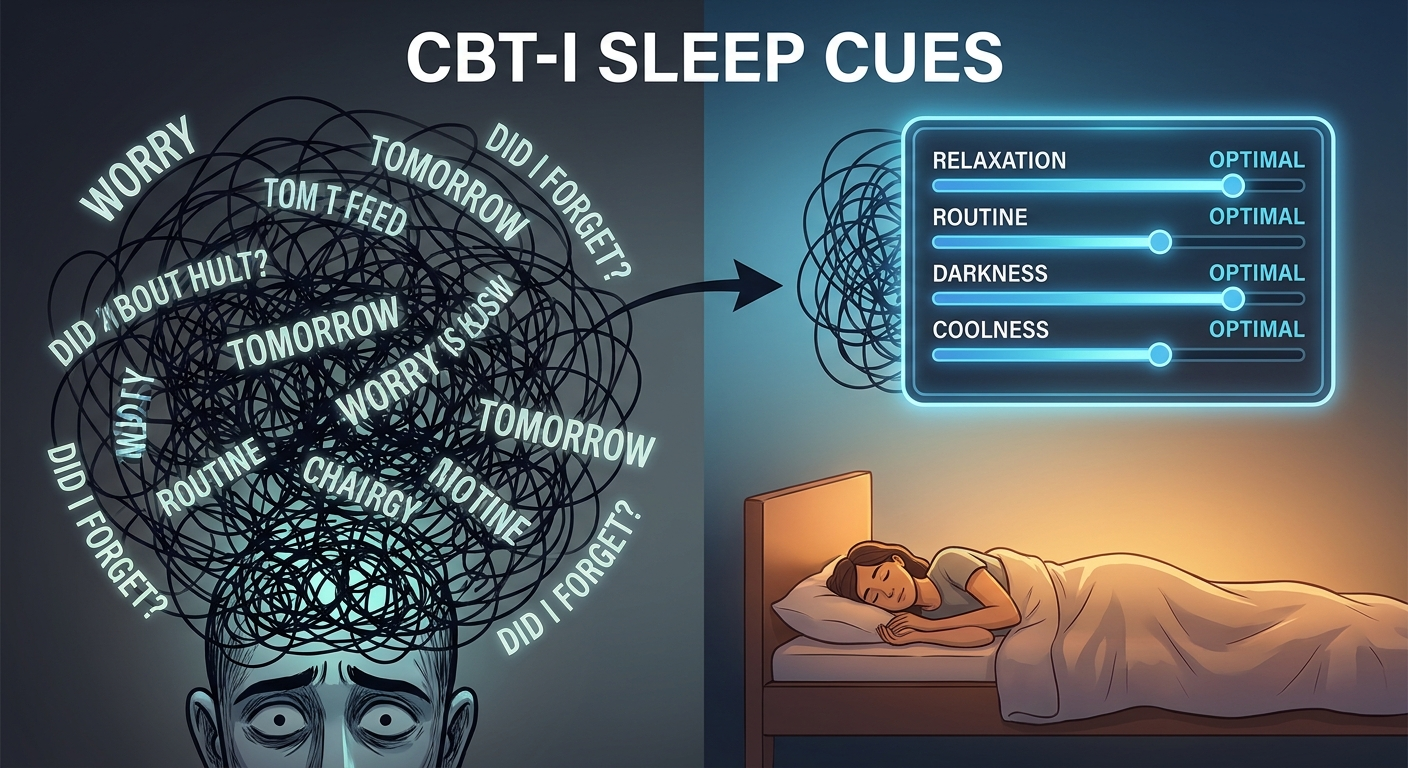
CBT-I is a structured, skills-based approach that targets the drivers of chronic insomnia without nightly sedatives. Components often include:
- Stimulus control (re-associating the bed with sleep)
- Sleep restriction therapy (consolidating sleep to build stronger sleep drive)
- Cognitive tools (reducing unhelpful worry about sleep)
- Relaxation strategies and habit changes
Many people describe, “I’m exhausted, but my mind races when I lie down.” CBT-I addresses that pattern directly by retraining the sleep system. Professional sleep organizations recommend behavioral approaches as first-line treatment for chronic insomnia. (AASM, 2023)
If insomnia is chronic, training the sleep system (CBT-I) tends to outperform sedation over time.
Best OTC sleep aids—main options compared
Option: Melatonin
- Best for: Circadian timing issues (jet lag, shift changes), trouble falling asleep
- How fast it works: Often 30–120 minutes (varies by timing and goal)
- Common next-day effects: Vivid dreams, occasional morning grogginess
- Key cautions: Supplement quality varies; interactions possible
Option: Diphenhydramine (Benadryl-type)
- Best for: Very short-term sedation
- How fast it works: 30–60 minutes
- Common next-day effects: “Hangover” grogginess, impaired alertness
- Key cautions: Anticholinergic effects; generally avoided in older adults
Option: Doxylamine (Unisom SleepTabs-type)
- Best for: Very short-term sedation
- How fast it works: 30–60 minutes
- Common next-day effects: Often strong next-day sedation
- Key cautions: Anticholinergic effects; generally avoided in older adults
Option: “PM” combination products
- Best for: When a single symptom like pain is clearly driving a short-term sleep issue
- Watch-outs: Accidental double-dosing (especially acetaminophen) and significant next-day sedation
Option: Other supplements (magnesium, valerian, chamomile, L‑theanine)
- Best for: Select cases; evidence is mixed
- Watch-outs: Variable quality, interactions with other sedating agents
OTC options mainly boost sleepiness; they don’t resolve mismatched schedules, breathing problems, reflux, or persistent worry about sleep.
Melatonin
What it is and how it works
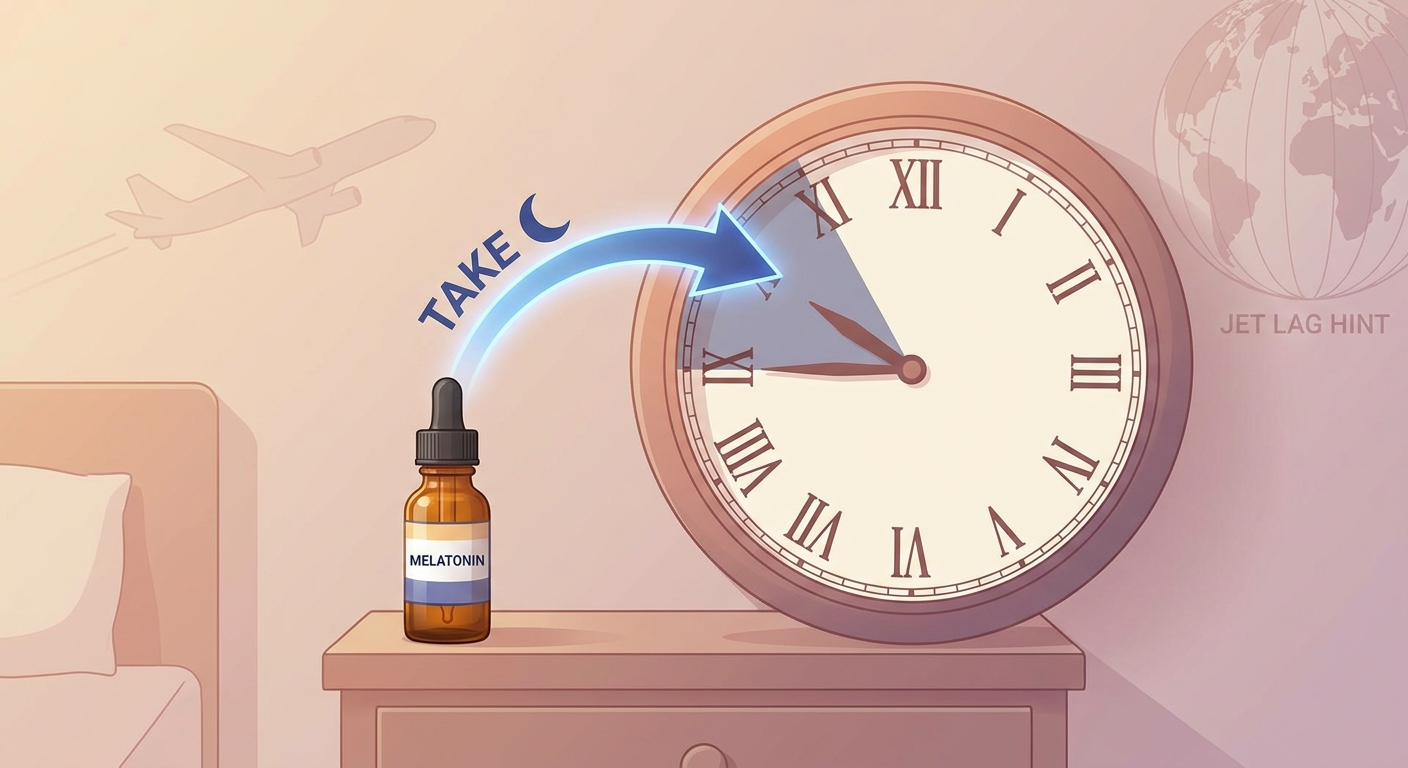
Melatonin is a hormone that helps signal circadian timing—your internal “clock.” It is better thought of as a time cue than a sleeping pill, especially helpful when the schedule and body clock don’t match.
What the research says (realistic expectations)
Studies show modest improvements in time to fall asleep and, in some cases, total sleep time. It is not a powerful sedative and tends to help less with staying asleep. Systematic review/meta-analysis summary: https://pubmed.ncbi.nlm.nih.gov/36179487/
Expect modest improvements; it tends to be most useful when timing is the problem.
Who may benefit most
- Jet lag
- Shift-work transitions
- Delayed sleep timing (night-owl patterns)
- Mild sleep-onset insomnia
How to take it (general, educational guidance)
- Timing depends on the goal: some take it 30–60 minutes before bedtime for sleep onset, while circadian shifting may require different timing.
- Start with a low dose and reassess; higher doses are not always more effective and may increase side effects.
- Try a short, time-limited trial and track bedtime, sleep onset, awakenings, and morning function.
Side effects and interactions
Possible effects include next-day sleepiness, vivid dreams, and headaches. Extra caution and clinician input may be appropriate for people who are pregnant/breastfeeding or those with complex medical conditions or medication regimens (for example, blood thinners). (Mayo Clinic, 2023; Johns Hopkins Medicine, 2022)
Quality and safety: supplement variability
In the U.S., melatonin is commonly sold as a dietary supplement. FDA oversight of dietary supplements is largely post-market, and supplements are not reviewed for effectiveness before sale. Seeking third-party testing (for example, USP or NSF marks) can reduce uncertainty. Source: https://www.fda.gov/food/generally-recognized-safe-gras/post-market-determinations-use-substance-not-gras
Product quality varies; choose cautiously and monitor effects.
First-generation antihistamines (diphenhydramine, doxylamine)
Why they make you sleepy
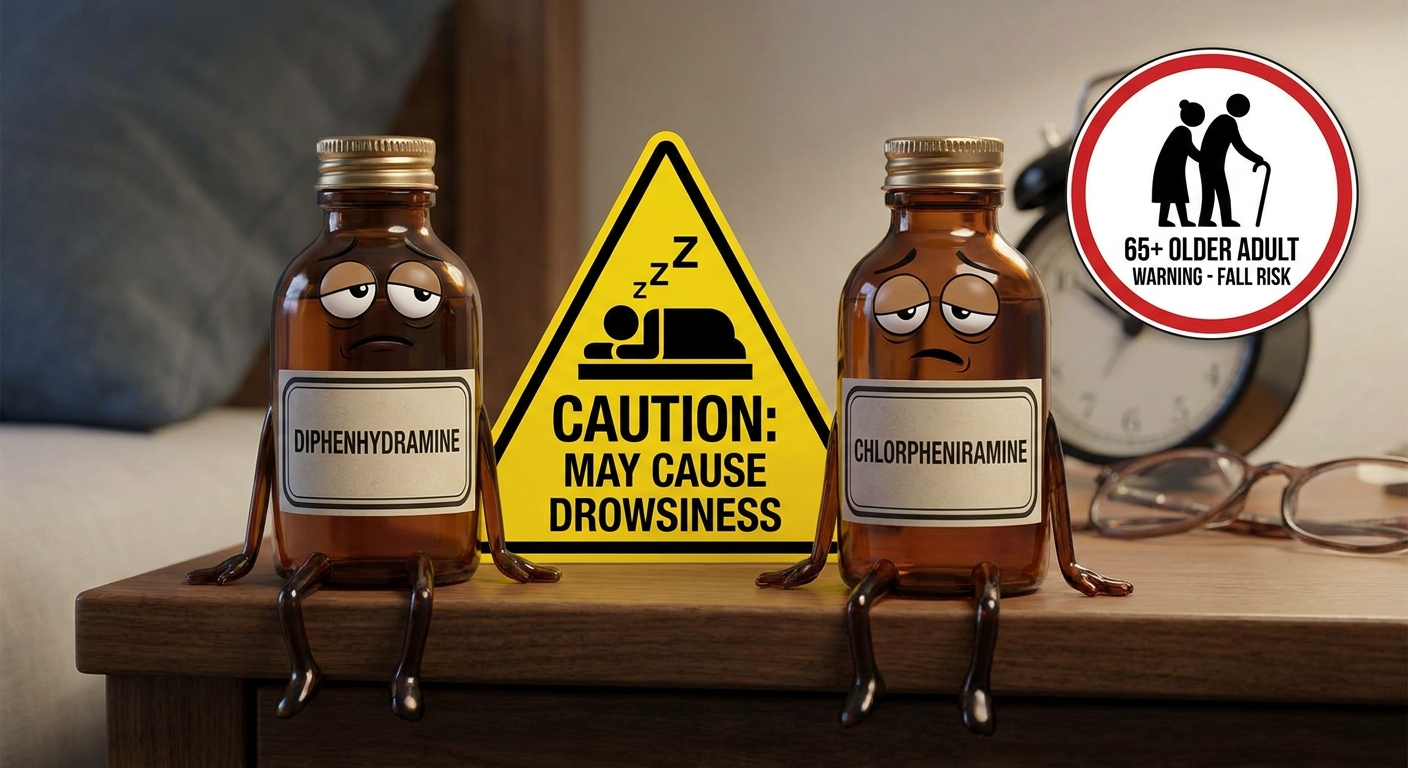
These medications cause sedation via antihistamine effects and also have anticholinergic activity—one reason side effects and next-day impairment are common.
Do they work?
They can make people drowsy short-term, but evidence for sustained insomnia improvement is limited, and tolerance/next-day impairment can occur with repeated use. (AASM, 2023; Mayo Clinic, 2023)
They may help tonight, but they are not a good long-term plan for chronic insomnia.
Risks and side effects
- Next-day drowsiness and impaired driving
- Dry mouth, constipation, blurred vision
- Urinary retention
- Confusion (especially in older adults)
Clinical references note anticholinergic adverse effects and sedation with diphenhydramine. https://www.ncbi.nlm.nih.gov/books/NBK534823
Adults 65 and older: first-generation antihistamines are generally avoided because they can increase confusion, falls, and anticholinergic burden. (Mayo Clinic, 2023; AASM, 2023)
Short-term use only, with extra caution for older adults and those with conditions affected by anticholinergic effects.
When an antihistamine may be reasonable (limited scenarios)
- Acute, temporary sleep trouble where short-term sedation is acceptable
- A full night can be devoted to sleep (while still cautious about morning impairment)
- Nighttime allergy symptoms are clearly contributing (note: non-sedating antihistamines are not sleep aids)
If antihistamines are needed often, it’s time to address the “why,” not just the drowsiness.
“PM” combination products (read labels carefully)
Common examples and what’s inside
Many combine a pain reliever (often acetaminophen or ibuprofen) with diphenhydramine or doxylamine.
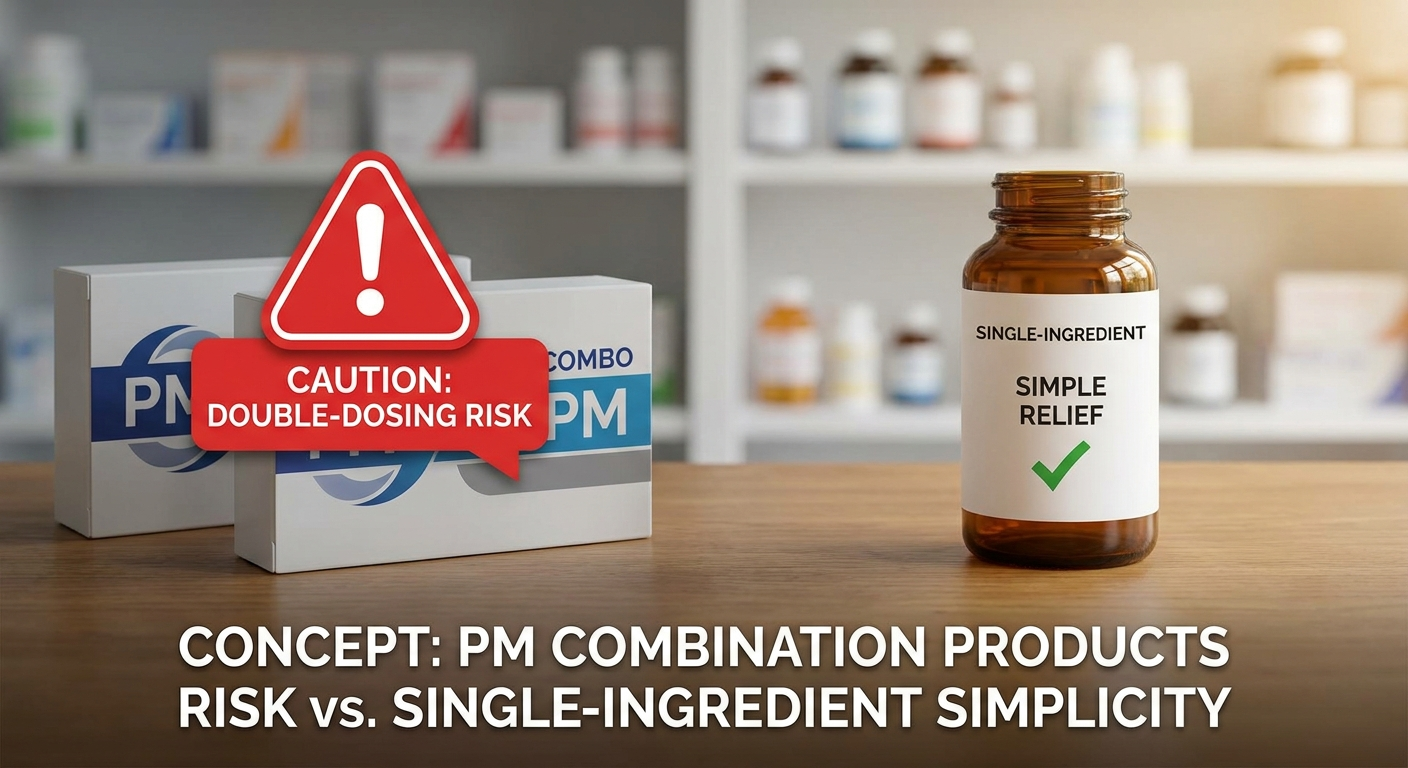
Biggest safety issue: accidental double-dosing
The main concern is taking more than one product with the same ingredient—especially acetaminophen. Many people find single-ingredient products safer and easier to track.
A simple label check can prevent the most common combination-product mistake.
Other OTC supplements people ask about (evidence varies)
Magnesium, valerian, chamomile, and L‑theanine are common topics. Evidence is mixed, products vary widely, and interactions can happen—especially when combined with other sedatives. Quality concerns are similar to other supplements. (FDA, 2023)
Try one change at a time so benefits and side effects are easier to spot.
How to choose the best OTC sleep aid for your situation
If falling asleep is the main issue (sleep-onset insomnia)
- Melatonin can be a reasonable short-term option, especially if a circadian mismatch is suspected (late schedule, jet lag).
- Light timing matters: bright morning light and dim evenings help shift and stabilize sleep timing.
If waking throughout the night is the main issue
OTC options generally help less with sleep maintenance. It is often more effective to:
- Use CBT-I strategies
- Address triggers like reflux, pain, alcohol, or breathing issues
If awakenings come with snoring, choking, or gasping, consider that a meaningful clue toward possible sleep apnea.
If age is 65 or older
Non-drug strategies are usually preferred. First-generation antihistamines are generally avoided due to confusion, fall risk, and anticholinergic burden. (Mayo Clinic, 2023; AASM, 2023)
If snoring or gasping occurs
Treat this as a possible signal of sleep apnea. Sedatives may mask symptoms without addressing the cause. Evaluation options: https://sleepandsinuscenters.com/snoring-sleep-apnea-treatment
Match the tool to the pattern: timing issues respond to timing tools; maintenance problems need root-cause fixes.
Safe use checklist (reduce side effects and dependence)
Do’s
- Use the lowest effective dose for the shortest time
- Plan for 7–8+ hours in bed with sedating products
- Track outcomes: time to fall asleep, awakenings, next-day function
Don’ts
- Avoid combining multiple sedating products
- Avoid nightly use for weeks without clinician guidance
- Avoid driving or safety-sensitive tasks if there is next-day impairment
Who should talk to a clinician first
- Pregnancy/breastfeeding, teens/children
- Those taking anticoagulants, sedatives, or multiple medications
- History of glaucoma, urinary retention, or cognitive impairment
(NCBI, 2022; Mayo Clinic, 2023)
Use the simplest, safest option for the briefest time—and reassess regularly.
When OTC sleep aids aren’t enough—next steps
Consider an insomnia evaluation
Evaluation can rule out sleep apnea, restless legs, mood disorders, medication contributors, or nasal obstruction. If “collecting” remedies (teas, gummies, PM pills, podcasts) isn’t moving the needle, a targeted plan can help.
Professional treatments with better long-term outcomes
- CBT-I for insomnia (in-person or validated digital programs)
- Prescription options when appropriate, under medical supervision
Curious about testing? Here is an overview comparing home sleep test vs. lab sleep study:
https://sleepandsinuscenters.com/blog/home-sleep-test-vs-lab-study-which-sleep-test-is-best-for-you
To explore care pathways or book an appointment with Sleep and Sinus Centers of Georgia:
https://www.sleepandsinuscenters.com/
If self-care stalls, a structured evaluation and CBT-I often change the trajectory.
FAQs
1) What is the best OTC sleep aid for occasional insomnia?
It depends on the pattern. Melatonin may be a better fit for sleep-onset issues and schedule shifts. Antihistamines may sedate short-term but often cause next-day grogginess and are not ideal for routine use.
2) Is melatonin safe to take every night?
Many people use it short-term, but long-term nightly use is less clearly studied, and product quality varies because it is a supplement. Persistent insomnia is a good reason to seek clinician input. (Mayo Clinic, 2023; FDA, 2023)
3) Why do diphenhydramine and doxylamine cause next-day grogginess?
They can have lingering sedating and anticholinergic effects into the next day, especially without a full night of sleep. (NCBI, 2022)
4) Can melatonin be taken with diphenhydramine?
Combining sedating products can increase next-day impairment and side effects. Caution and clinician guidance are advisable for combinations.
5) What OTC sleep aids should older adults avoid?
First-generation antihistamines (diphenhydramine, doxylamine) are generally avoided in adults 65 and older due to confusion/fall risk and anticholinergic burden. (Mayo Clinic, 2023; AASM, 2023)
6) How do I know if “insomnia” is actually sleep apnea?
Clues include loud snoring, gasping/choking, witnessed pauses in breathing, morning headaches, and significant daytime sleepiness. See the Epworth Sleepiness Scale guide: https://sleepandsinuscenters.com/blog/epworth-sleepiness-scale-a-complete-guide-to-understanding-daytime-sleepiness
Conclusion—build skills first, use OTC tools sparingly
For most people, the strongest foundation is sleep hygiene plus CBT-I, with OTC sleep aids used briefly and strategically. Melatonin may offer modest help for sleep onset (especially when timing is off), while first-generation antihistamines often trade short-term sedation for next-day grogginess and anticholinergic side effects—particularly risky in older adults. If OTC products are needed most nights, or if snoring/gasping suggests sleep apnea, a targeted evaluation is likely the safest and most effective next step.
To learn about testing options (home vs. lab): https://sleepandsinuscenters.com/blog/home-sleep-test-vs-lab-study-which-sleep-test-is-best-for-you
To request an evaluation or discuss treatment options: https://www.sleepandsinuscenters.com/
Better sleep usually comes from addressing causes, not just adding sedation.
This article is for educational purposes only and is not medical advice. Please consult a qualified healthcare provider for diagnosis and treatment.
Don’t let allergies slow you down. Schedule a comprehensive ENT and allergy evaluation at Sleep and Sinus Centers of Georgia. We’re here to find your triggers and guide you toward lasting relief.