Best Antidepressant for Sleep and Anxiety? Top Options for Better Rest and Calm
If you’re searching for the best antidepressant for sleep and anxiety, it often means you’re stuck in an exhausting loop: worry makes it hard to sleep, and poor sleep makes the next day feel even more anxious. The good news is that there are multiple treatment paths—and clinicians often choose medications differently depending on whether anxiety, insomnia, or both are driving the problem.
This guide explains common antidepressant options (including which ones are more sedating), what many people notice early vs later in treatment, and when it’s worth looking beyond medication to potential sleep disruptors like sleep apnea or nasal obstruction.
Quick Take: Is There One “Best” Antidepressant for Sleep and Anxiety?
There isn’t one single best antidepressant for sleep and anxiety for everyone. The “best” option depends on:
- Your dominant symptom (anxiety vs insomnia)
- Your insomnia pattern (trouble falling asleep vs staying asleep)
- Side-effect tolerance (daytime grogginess, weight gain, vivid dreams, etc.)
- Other health factors and medication interactions
In general, SSRIs and SNRIs are first-line medications for many anxiety disorders (AAFP, 2022). However, they can be temporarily disruptive to sleep early on—more awakenings, vivid dreams, or a “wired” feeling—and sleep may improve for some people later as anxiety improves (PMC5548844).
By contrast, sedating antidepressants can help with sleep continuity, but many are used off-label for insomnia and may come with trade-offs such as next-day sleepiness, weight gain, or return of insomnia or sleep disruption when stopped abruptly (PMC7432988).
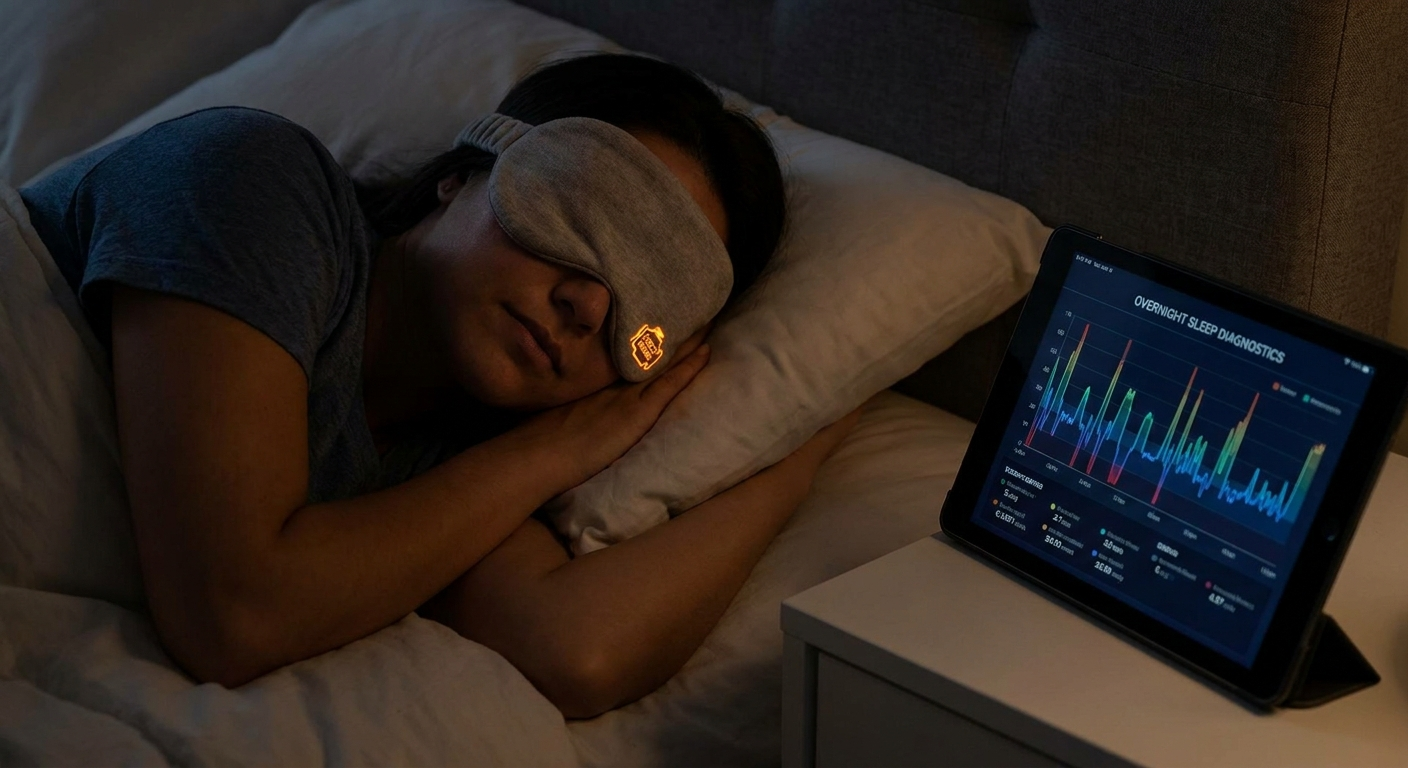
Bottom line: clinicians often aim to treat the underlying anxiety effectively while supporting sleep with CBT‑I and carefully chosen short-term strategies when needed. One clinician-style way to think about it is: treat the “engine” (anxiety) while also easing the “dashboard warning light” (insomnia) so you can function.
Takeaway: The right plan treats both the cause (anxiety) and the consequence (insomnia), tailored to your dominant symptoms.
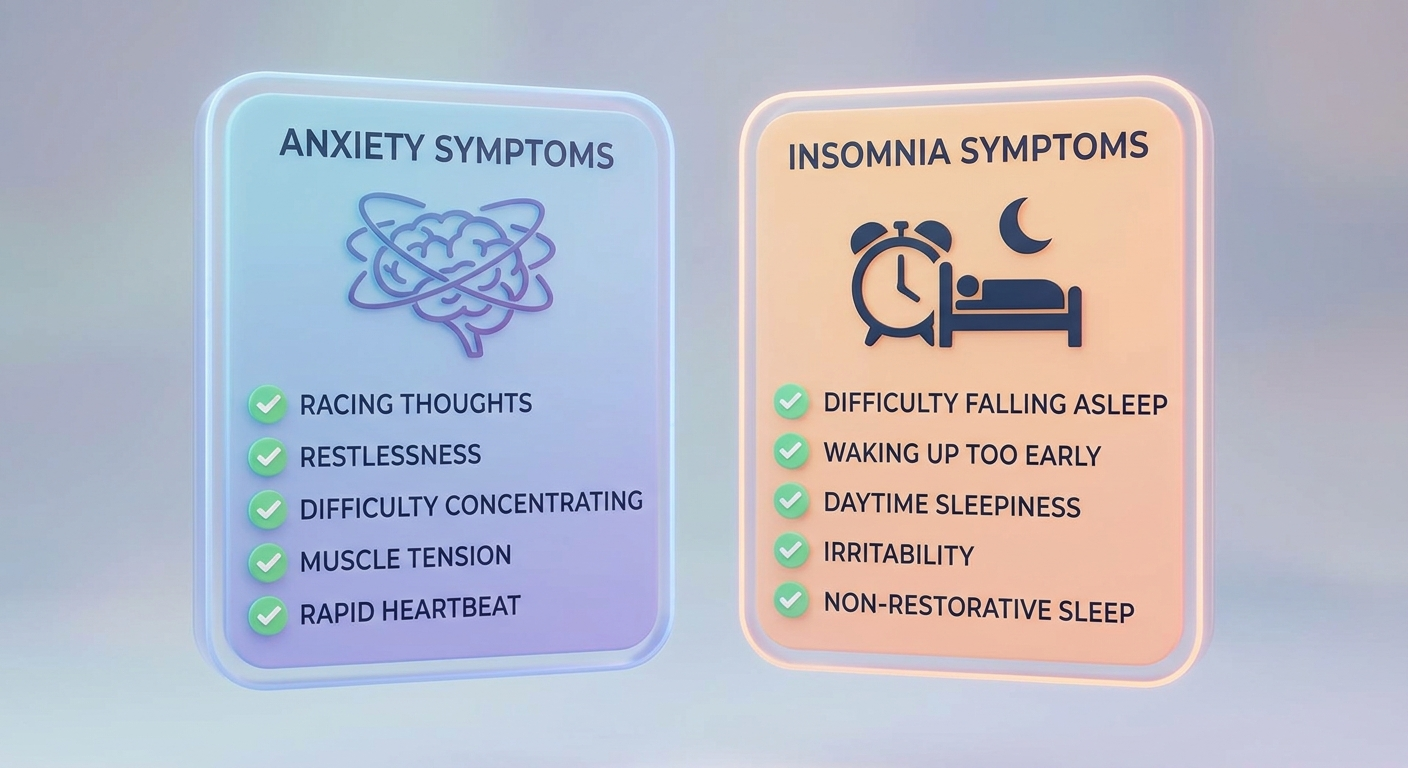
Symptoms Checklist: Are You Dealing With Anxiety, Insomnia, or Both?
Common anxiety symptoms that can worsen sleep
Anxiety often shows up at bedtime as:
- Racing thoughts or “can’t shut off my brain”
- Muscle tension or a keyed-up body feeling
- Restlessness or irritability
- Panic symptoms (chest tightness, shortness of breath, fear spikes)
A common patient description is, “My body is tired, but my mind is still at work.” That mismatch—fatigue with hyperarousal—is a clue that anxiety is feeding the sleep problem.
Common insomnia patterns (helps guide medication choice)
Different sleep complaints can point toward different approaches:
- Sleep-onset insomnia: trouble falling asleep
- Sleep-maintenance insomnia: waking up often or too early and struggling to fall back asleep
- Early morning awakening: waking earlier than desired and feeling unrefreshed
If you’re unsure which pattern fits, try a simple 1-week sleep note: bedtime, how long it took to fall asleep, number of awakenings, and wake time. Clinicians often find that this “mini sleep diary” makes decision-making much clearer.
Red flags that should prompt medical evaluation (not just a med change)
Not all “insomnia” is purely stress-related. Consider an evaluation if you notice:
- Loud snoring, gasping, or choking at night (possible sleep apnea). Related read: waking up choking can be a sign of sleep apnea: https://sleepandsinuscenters.com/blog/wake-up-choking-is-it-sleep-apnea
- Morning headaches or excessive daytime sleepiness (learn about the Epworth Sleepiness Scale: https://sleepandsinuscenters.com/blog/epworth-sleepiness-scale-a-complete-guide-to-understanding-daytime-sleepiness)
- Severe depression symptoms, suicidal thoughts, or any symptoms of mania/hypomania
- Alcohol, sedatives, or other substances that may worsen sleep or interact with medications
Also consider physical contributors. For example, nasal blockage can interfere with sleep quality—more on the link between nasal obstruction and insomnia: https://sleepandsinuscenters.com/blog/nasal-obstruction-and-insomnia-understanding-the-link-for-better-sleep. For broader guidance on when to get evaluated, see when to see an ENT for sleep problems: https://sleepandsinuscenters.com/blog/when-to-see-an-ent-for-sleep-problems.
Takeaway: If symptoms suggest a medical sleep disorder or airway issue, get evaluated—don’t just switch meds.

Why Anxiety and Sleep Problems Feed Each Other (The “Vicious Cycle”)
Hyperarousal and stress hormones
When anxiety is high, the body stays in a “threat-ready” state. That hyperarousal can make it harder to drift off and more likely you’ll wake up during the night.
A helpful analogy: it’s hard to fall asleep if your brain keeps hitting the “alarm test” button. Even small stressors can feel louder at 2 a.m., simply because the system is already on high alert.
Poor sleep increases next-day anxiety sensitivity
Inadequate sleep can raise emotional reactivity and lower stress tolerance the next day—making worries feel bigger and coping feel harder. That sets up another night of disrupted sleep, and the cycle continues.
This is why clinicians often treat sleep and anxiety as a linked pair: improving one often helps the other, even if progress is uneven at first.
Takeaway: Breaking the cycle means calming the nervous system by day and strengthening sleep signals by night.
How Antidepressants Can Affect Sleep (What Patients Often Notice)
Short-term sleep disruption is common—especially early in treatment
Some antidepressants can change sleep continuity and dream patterns. Early effects may include:
- Difficulty falling asleep
- More nighttime awakenings
- Vivid dreams
These effects are well-described in research on antidepressants and sleep architecture (PMC5548844). In practical terms, many people notice the first days to weeks can feel like an adjustment period—especially if the medication is more activating for them.
Why sleep may improve later
Even if sleep gets bumpier at first, sleep can improve over time for some people as anxiety improves—especially when anxiety is the main cause of insomnia. SSRIs and SNRIs remain first-line options for many anxiety disorders (AAFP, 2022).
A common “arc” some patients report is: sleep is worse before it’s better, then gradually steadier once daytime anxiety and nighttime rumination start to ease.
Takeaway: Early sleep changes are common; steady anxiety relief often sets the stage for steadier sleep later.
Best Antidepressant Options for Anxiety When Anxiety Is the Main Problem
When anxiety is driving the insomnia, the goal is usually to treat the anxiety disorder effectively and support sleep while the body adjusts.
SSRIs (often first choice for anxiety)
Common examples include:
- Sertraline
- Escitalopram
- Fluoxetine
- Paroxetine
What many patients notice:
- Some SSRIs feel activating, others feel more sedating, and the effect can differ person-to-person.
- Temporary insomnia can happen early on.
SNRIs (another first-line group for anxiety)
Common examples include:
- Venlafaxine
- Duloxetine
Watch-outs:
- Some people find SNRIs more activating at first, which can affect sleep temporarily.
Practical “sleep-sparing” tips clinicians may use (educational)
- Adjusting dose timing (for example, morning dosing for more activating medications when appropriate)
- Gradual titration to reduce side effects
- Prioritizing CBT‑I, which insomnia guidelines emphasize as a core treatment (PMC7432988)
These steps are often about reducing “friction” so you can stay consistent long enough to see whether anxiety relief improves sleep.
Takeaway: Treat the anxiety first-line, pace dose changes, and protect sleep routines while your body adapts.
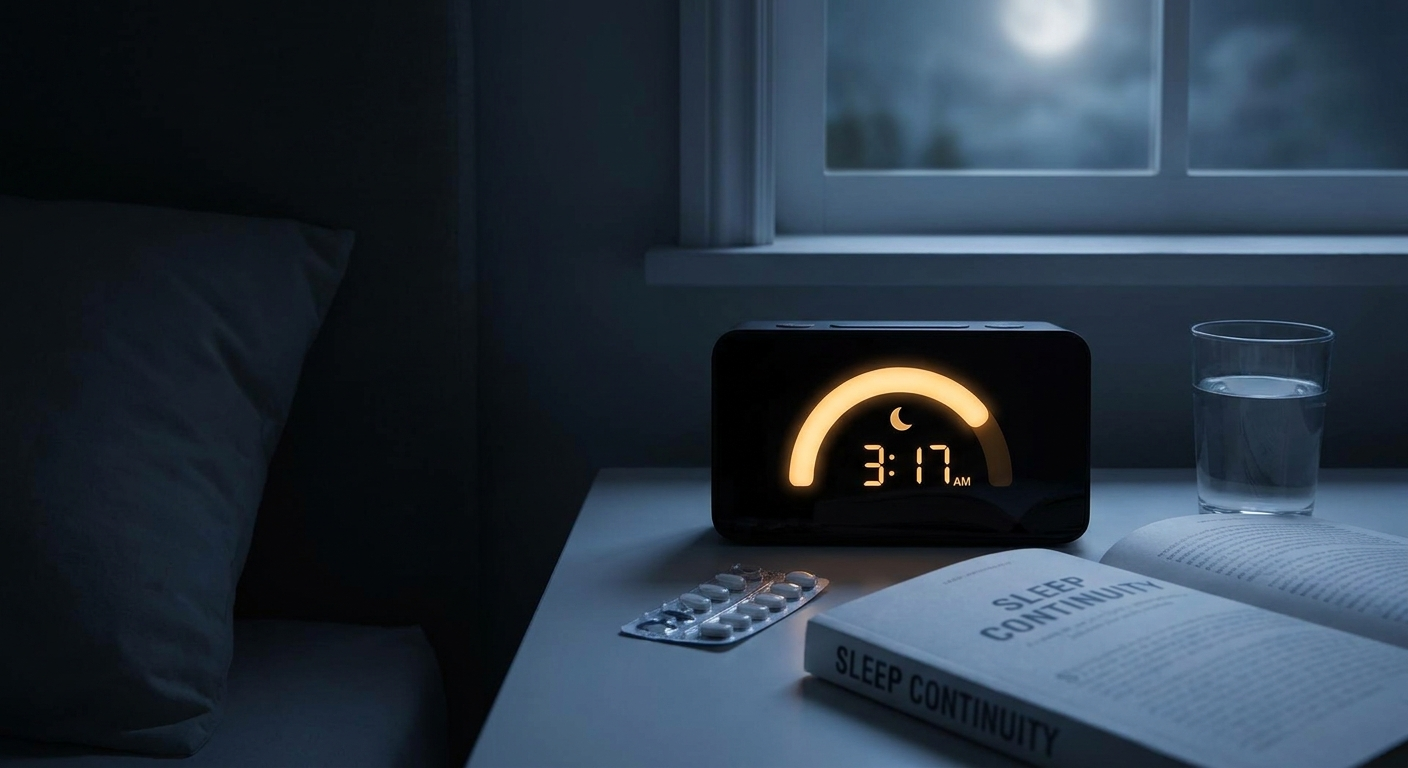
Best Antidepressant Options When Insomnia Is Severe (or Sleep-Maintenance Is the Main Issue)
If insomnia—especially sleep-maintenance insomnia—is the dominant symptom, clinicians may consider therapies that directly support staying asleep, while still screening for anxiety, depression, and sleep disorders.
Low-dose doxepin (3–6 mg): the antidepressant that’s actually FDA-approved for sleep-maintenance insomnia
Key points:
- Low-dose doxepin (3–6 mg) is FDA-approved for sleep-maintenance insomnia (PMC7432988).
- At these low doses, it’s used for sleep, not as a full antidepressant treatment.
Pros/cons (patient-friendly):
- Pros: helps with staying asleep; not the same habit-forming profile as some hypnotics
- Cons: can still cause next-day grogginess in some people
Trazodone (commonly used off-label for insomnia)
Why it comes up:
- Trazodone is often sedating at bedtime and is commonly used when mood symptoms and sleep complaints overlap.
Cautions:
- It’s off-label for insomnia, and evidence for chronic insomnia is more limited than many people assume (PMC7432988).
- Possible side effects include next-day sedation, dizziness, and potential return of insomnia or sleep disruption when stopped abruptly.
A practical way to frame it: trazodone may help “get you through the night,” but it still requires a plan—especially if you’ve been relying on it nightly for a long time.
Mirtazapine (often helps sleep but may cause weight gain)
When it may be favored:
- Significant insomnia plus poor appetite or weight loss
Common trade-offs:
- Weight gain/increased appetite
- Daytime sleepiness (PMC5548844)
Tricyclic antidepressants (used selectively)
Examples and use notes:
- Some tricyclic antidepressants, such as amitriptyline, may be sedating, but they are used selectively because side effects can limit use.
- Nortriptyline is generally less sedating than amitriptyline and is not commonly chosen primarily as a sleep aid.
Takeaway: When sleep-maintenance insomnia dominates, consider CBT‑I and sleep‑targeted options like low‑dose doxepin, balancing benefits with next‑day effects.
What About Quetiapine for Sleep?
Why it comes up (and why guidelines urge caution)
Quetiapine is sometimes prescribed off-label for sleep, but it is not approved for insomnia and is generally not first-line because of risk/benefit concerns, including potential metabolic and neurological risks. If used, discontinuation should be managed carefully (Alliance for Sleep, 2023).
If quetiapine is being considered primarily for sleep, it’s reasonable to ask: “What problem are we targeting, and what’s our exit plan if it doesn’t help?”
Takeaway: Because quetiapine isn’t approved for insomnia and carries risks, most people are better served by first‑line insomnia therapies.

How Clinicians Usually Decide: A Step-by-Step “Dominant Symptom” Approach
If anxiety is primary
- Start an SSRI/SNRI plus therapy (often CBT)
- Use CBT‑I and short-term sleep supports while sleep stabilizes
- Reassess after anxiety improves, because sleep may improve for some people as worry decreases
If insomnia is primary (especially sleep-maintenance)
- Consider CBT‑I first (PMC7432988)
- Consider low-dose doxepin or a carefully selected sedating antidepressant when mood symptoms are present
- Monitor for daytime sleepiness, weight changes, and sleep worsening during discontinuation
If both are severe
- Treat the anxiety disorder (therapy ± SSRI/SNRI)
- Treat insomnia directly (CBT‑I ± medication), with careful monitoring (PMC7432988)
Takeaway: Lead with the dominant symptom, but build a plan that addresses both conditions in parallel when needed.

Non-Medication Treatments That Often Work Better Long-Term (Especially CBT‑I)
CBT‑I basics (simple explanation)
CBT‑I (Cognitive Behavioral Therapy for Insomnia) is structured therapy that targets the behaviors and thoughts that keep insomnia going. It often includes:
- Stimulus control (retraining bed = sleep, not stress)
- Sleep restriction therapy (consolidating sleep to build stronger sleep drive)
- Cognitive restructuring (reducing sleep-related catastrophizing)
- Relaxation strategies
Guidelines consistently emphasize CBT‑I as first-line treatment for chronic insomnia (PMC7432988). Many clinicians describe CBT‑I as “sleep training for the brain”—a way to rebuild a consistent sleep signal without relying solely on sedation.
Therapy for anxiety (CBT, exposure-based approaches when appropriate)
Evidence-based anxiety therapy can reduce hyperarousal and worry, which often improves sleep as a downstream benefit (AAFP, 2022).
Takeaway: CBT‑I plus anxiety‑focused therapy often outperforms medication‑only plans for chronic, recurring problems.
Lifestyle Tips to Support Sleep While Treating Anxiety
Evening routine that reduces hyperarousal
- Keep a consistent wake time
- Build a predictable wind-down routine
- Dim lights in the last hour before bed and reduce screens when possible
For a deeper overview, see this Sleep and Sinus Centers of Georgia guide on sleep hygiene and its impact on ENT disorders: https://sleepandsinuscenters.com/blog/sleep-hygiene-and-its-impact-on-ent-disorders-key-insights.
Substance and timing tips
- Consider a caffeine cutoff earlier in the day
- Alcohol may feel sedating at first but can fragment sleep
- Nicotine can be stimulating and disrupt sleep
Breathing and relaxation (simple options)
- Diaphragmatic breathing
- Progressive muscle relaxation
- Guided imagery
You may also find nasal breathing strategies helpful: nasal breathing benefits for anxiety relief—how it calms your mind: https://sleepandsinuscenters.com/blog/nasal-breathing-benefits-for-anxiety-relief-how-it-calms-your-mind-48bee.
Don’t miss physical causes of poor sleep
If sleep is consistently poor, it’s worth considering contributors like reflux, restless legs, or airway issues. If you’re unsure when to get checked, this may help: when to see an ENT for sleep problems: https://sleepandsinuscenters.com/blog/when-to-see-an-ent-for-sleep-problems.
Takeaway: Small daily choices and steady routines lower arousal—and your airway health matters more than most people realize.
Safety + Side Effects to Discuss With Your Prescriber
Next-day impairment risks
Any sedating option can affect:
- Driving and work safety
- Fall risk (especially in older adults)
Weight and metabolic changes
- More common with mirtazapine
- A concern with quetiapine when used off-label for sleep
Stopping or switching: avoid abrupt changes
Stopping abruptly can backfire. Switching or tapering sleep-related medications should be planned and monitored carefully (Alliance for Sleep, 2023).
Takeaway: Plan tapers and switches with your clinician to protect both sleep quality and safety.
FAQs
What is the best antidepressant for sleep and anxiety overall?
There isn’t one universal answer. Many clinicians start with an SSRI or SNRI when anxiety is the main condition, and consider sleep-focused options (like CBT‑I or low-dose doxepin) when insomnia is the dominant issue. The “best antidepressant for sleep and anxiety” is usually the one that matches the primary symptom pattern while causing the fewest side effects.
Can SSRIs make insomnia worse at first?
Yes. Early sleep disruption (like awakenings or vivid dreams) can happen with antidepressants (PMC5548844). For many people, sleep improves later as anxiety symptoms settle, though not everyone has the same experience.
Is doxepin the only antidepressant approved for insomnia?
Low-dose doxepin (3–6 mg) is FDA-approved for sleep-maintenance insomnia. Other sedating antidepressants used for sleep are generally off-label (PMC7432988).
Is trazodone safe for long-term sleep?
Trazodone is widely used, but evidence for chronic insomnia is limited compared with CBT‑I and certain insomnia-approved medications, and side effects (next-day sedation, dizziness) can be an issue (PMC7432988). It’s worth revisiting long-term plans periodically with a clinician.
Which antidepressant is least likely to cause weight gain?
Weight effects vary. Some antidepressants tend to be more weight-neutral for many people, while mirtazapine is more associated with increased appetite/weight gain. Individual responses differ, so monitoring matters.
When should I ask about CBT‑I instead of another medication?
If insomnia has lasted more than 3 months, keeps recurring, or you’re relying on sedating medications and still not sleeping well, CBT‑I is often a strong next step (PMC7432988).
When to Seek Help (and Which Type of Specialist to Consider)
Talk to your primary care clinician or psychiatrist if…
- Anxiety persists despite treatment
- Side effects are limiting
- Insomnia lasts longer than 3 months or is worsening
Consider a sleep evaluation if…
- You snore loudly, have witnessed apneas, or wake up choking/gasping
- You have significant daytime sleepiness
Sleep and Sinus Centers of Georgia offers resources on next steps, including sleep apnea evaluation and treatment: https://sleepandsinuscenters.com/snoring-sleep-apnea-treatment. Ready for a clearer answer on what’s driving your poor sleep—airway, anxiety, insomnia patterns, or all of the above? You can book an appointment with Sleep and Sinus Centers of Georgia here: https://www.sleepandsinuscenters.com/
Takeaway: If symptoms are persistent or severe, a tailored plan with the right specialist can move you forward faster.
Medical Disclaimer
This article is for educational purposes only and is not a substitute for professional medical advice, diagnosis, or treatment. Medication choices and tapering plans should always be made with a licensed clinician who can consider your full history, symptoms, and other medications.
Citation List
- Effects of antidepressants on sleep / sleep architecture discussion: https://pmc.ncbi.nlm.nih.gov/articles/PMC5548844
- Selecting pharmacotherapy for chronic insomnia (CBT‑I emphasis; medication overview): https://pmc.ncbi.nlm.nih.gov/articles/PMC7432988/
- Alliance for Sleep guideline on switching/deprescribing hypnotics (caution with off-label sedating agents; tapering): https://www.mdpi.com/2077-0383/12/7/2493
- AAFP review (GAD/panic disorder; SSRIs/SNRIs as first-line): https://www.aafp.org/pubs/afp/issues/2022/0800/generalized-anxiety-disorder-panic-disorder.html
This article is for educational purposes only and is not medical advice. Please consult a qualified healthcare provider for diagnosis and treatment.
Don’t let allergies slow you down. Schedule a comprehensive ENT and allergy evaluation at Sleep and Sinus Centers of Georgia. We’re here to find your triggers and guide you toward lasting relief.