

Best Allergy Treatment for Adults: Medications, Immunotherapy, and Natural Options Explained
Seasonal sneezing. Year-round congestion. Itchy eyes that make screens miserable. If any of that sounds familiar, you’re not alone—and there are several evidence-based options that can make a meaningful difference. Because allergy symptoms and triggers vary, and other conditions can mimic allergies, it’s important to work with your healthcare provider to personalize your plan.
This guide breaks down the best allergy treatment for adults using a practical “step-up” approach. Think of it like a ladder: you start with the simplest, most proven step, and only climb higher if symptoms aren’t controlled—so you’re not over-treating, under-treating, or guessing.
Quick Answer: What’s the Best Allergy Treatment for Adults?
- Persistent or moderate–severe symptoms: Intranasal corticosteroids (INCS) are the most effective first-line option for adult allergic rhinitis treatment, especially for congestion and overall symptom control. (AAAAI 2020)
- Mild or intermittent symptoms / need quick relief: Oral second-generation antihistamines or an intranasal antihistamine (INAH) can help quickly with sneezing, itch, and runny nose. (AAAAI 2020)
- Not controlled on one medicine: Combination therapy with INCS + INAH may provide better relief than either alone for many people. (AAAAI 2020)
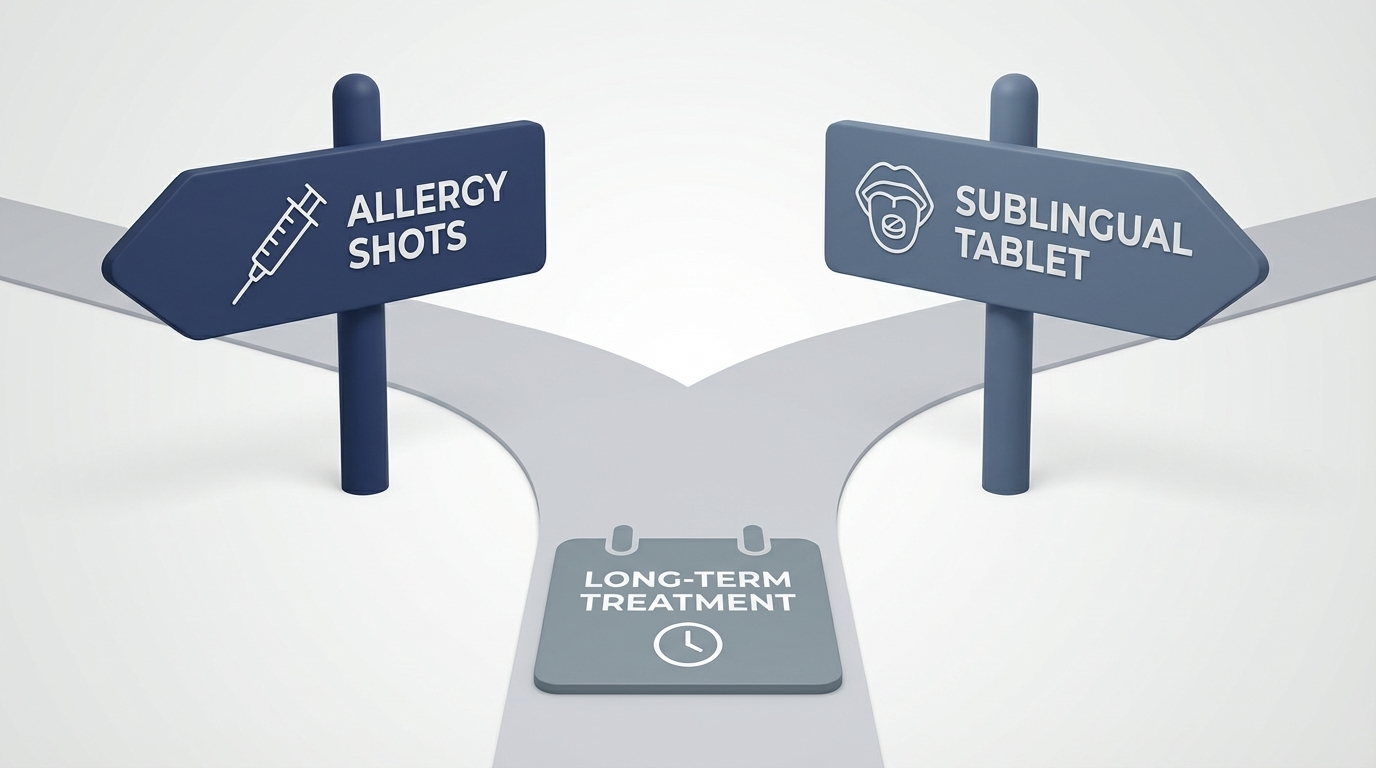
- Long-term, disease-modifying option: Immunotherapy for allergies—either SCIT (allergy shots) or SLIT (tablets/drops under the tongue)—may be considered for selected adults with confirmed triggers. (EAACI 2020)
- Hard-to-treat cases with comorbidities: Biologics may be considered in refractory, complex situations, usually when other conditions (like severe asthma) are also present. (AAAAI 2020)
Start simple with the most effective baseline option, then escalate only if symptoms persist.
Allergy Symptoms in Adults (What Treatment Is Trying to Fix)
Common nasal symptoms (allergic rhinitis / hay fever)
- Sneezing
- Runny nose
- Itchy nose
- Post-nasal drip
- Nasal congestion (often the most disruptive)
Congestion can be a major driver of poor sleep, mouth breathing, and daytime fatigue—one reason many adults go looking for the best allergy medicine for adults after weeks of feeling “run down.” A common pattern is “fine during the day, miserable at night,” because lying down can make nasal blockage feel worse.
Eye and throat symptoms
- Itchy, watery, red eyes
- Itchy throat
- Cough related to post-nasal drip
If eye symptoms are a big part of your picture, it’s a sign your plan may need to address more than just congestion—especially during high-pollen seasons.
When symptoms might not be “just allergies”
- Fever
- Facial or tooth pain
- Thick, discolored drainage (can occur with sinus infections)
- One-sided symptoms, frequent nosebleeds, severe headache, or symptoms that feel unusual for you
Pinpointing your symptom pattern helps you match treatments to what’s actually bothering you most.
What Causes Adult Allergies? (And Why They Can Get Worse Over Time)
Seasonal vs year-round triggers
Seasonal: tree pollen (often spring), grass pollen (late spring/summer), weed pollen (often late summer/fall)
Perennial (year-round): dust mites, pet dander, mold, cockroach
A practical clue: if you feel better when you travel or when seasons change, pollen may be a major driver. If symptoms are steady in the same indoor spaces, perennial triggers often move up the list.
Why adults can develop new allergies
Adults can develop new or worse symptoms after changes like moving, starting a new job, shifting time indoors, adopting a pet, or encountering different molds/humidity levels. Even without a “big change,” symptom burden can build gradually—until it suddenly feels like you’re reacting to everything.
Allergy vs cold vs nonallergic rhinitis (quick clarity)
Allergies: itchiness, sneezing, clear drainage, pattern with exposures/seasons; no fever
Cold: often sore throat early, may have fever; usually improves within 7–10 days
Nonallergic rhinitis: congestion/drip triggered by irritants (smoke, weather changes, strong odors) without classic itch/sneeze patterns
Knowing your likely triggers and look-alikes keeps you from chasing the wrong problem.
First-Line Medications (Evidence-Based Options)

Intranasal corticosteroids (INCS): the most effective baseline treatment
INCS are often considered the top option for persistent or moderate–severe symptoms.
Best for: persistent symptoms, moderate–severe allergic rhinitis
Helps most with: congestion plus overall symptom control
Onset: not instant—many people notice improvement over several days, with best results from consistent use
Examples: fluticasone, budesonide, mometasone
Common safety notes: local irritation or nosebleeds can happen; technique and aiming spray away from the nasal septum can reduce issues. Long-term use at recommended doses is generally considered safe when medically indicated, but it should be reviewed periodically with a healthcare provider. (AAAAI 2020)
A useful mental model: INCS are less like a “rescue” med and more like brushing your teeth—small daily consistency tends to beat occasional, reactive use.
For a clear, patient-friendly walkthrough, see Sleep and Sinus Centers of Georgia’s guide on steroid nasal spray technique: https://sleepandsinuscenters.com/blog/steroid-nasal-spray-technique-step-by-step-guide-for-effective-use
Evidence note: INCS are highlighted as the most effective first-line therapy for moderate–severe adult allergic rhinitis treatment. (AAAAI 2020)

Antihistamines: fast relief for sneezing/itch/runny nose
Antihistamines can be a great match when symptoms are mild, intermittent, or when quick relief is the priority—like a sudden flare after yard work or a high-pollen day.
Oral second-generation antihistamines: often preferred over older sedating antihistamines for many adults; useful for convenience and intermittent symptoms.
Intranasal antihistamines (INAH): an antihistamine nasal spray can provide targeted, fast relief for nasal symptoms.
Evidence note: Oral second-generation antihistamines and intranasal antihistamines are effective for milder/intermittent symptoms and rapid relief. (AAAAI 2020)

Combination nasal therapy (INCS + INAH) when one medicine isn’t enough
When symptoms persist despite consistent, correct use of one therapy, combination nasal treatment is commonly discussed.
Who it’s for: ongoing symptoms despite INCS or INAH alone
Potential benefit: faster and greater symptom relief for many patients than monotherapy (AAAAI 2020)
If you’ve ever felt that symptoms persist despite treatment, combination therapy may be a common next step before moving to more complex (and more costly) options.
Leukotriene receptor antagonists (montelukast): when it may (and may not) fit
Montelukast is generally less effective than INCS for allergic rhinitis and is typically reserved for select situations.
Role: may be considered when other options aren’t tolerated or in specific comorbid situations under clinician guidance
Important safety note: carries an FDA boxed warning for possible neuropsychiatric events (e.g., mood or behavior changes). (AAAAI 2020)
Consistent, correct use of the simplest effective option is the fastest way to know what truly works for you.
Add-On & Supportive Treatments (Often Overlooked)
Nasal saline irrigation (spray or rinse)
Saline can help rinse allergens and mucus and may improve comfort and congestion. Many people find a “rinse then spray” routine (saline first, then medicated spray) helps the medication work better—when appropriate for their situation. (NHS)
A concrete example: during peak pollen season, a rinse after coming home can help “reset” the nose before bedtime.
Allergen avoidance strategies (realistic, not perfection)
Avoidance works best when it’s targeted and doable.
Pollen: adjust outdoor timing when counts are high, shower after being outside, keep bedroom air cleaner
Dust mites: wash bedding hot, consider mattress/pillow covers, keep indoor humidity in a comfortable range
Mold: control moisture, ventilate bathrooms, consider dehumidification where needed (NHS)
The goal isn’t a “sterile life”—it’s lowering the total load so your medications don’t have to work as hard.
Patient education + shared decision-making
There’s no single “perfect” plan. The best outcomes tend to come from matching therapy to symptom pattern, lifestyle, side-effect tolerance, and cost/coverage—an approach emphasized in rhinitis care guidance. (AAAAI 2020)
Small, sustainable changes at home often make your medicines work better.
Immunotherapy (The Only Disease-Modifying Allergy Treatment)
What immunotherapy does (and who should consider it)
Unlike medicines that manage symptoms, allergen immunotherapy aims to retrain the immune response over time.
Many adults consider immunotherapy when symptoms remain poorly controlled despite appropriate medication trials, there’s a preference to reduce long-term medication reliance, and testing confirms specific allergic triggers that match symptoms. (EAACI 2020)
A common patient sentiment is: “I don’t want to chase symptoms forever—I want fewer bad days overall.” Immunotherapy is often the option that aligns with that goal.
Allergy shots (SCIT): what to expect
SCIT typically involves a build-up phase with gradually increasing doses and a maintenance phase after a target dose is reached.
A common course is 3–5 years, and benefits may persist beyond treatment for some people. (EAACI 2020)
Sublingual immunotherapy (SLIT): tablets/drops under the tongue
SLIT uses allergen doses under the tongue, usually with an initial supervised dose in the clinic (depending on product/clinic protocols) and ongoing dosing at home, where adherence becomes a major success factor.
Guidelines continue to evolve around best practices, candidate selection, and safety monitoring. (EAACI 2020; KAAACI 2023)
SCIT vs SLIT: how to choose
When comparing SLIT vs SCIT, consider convenience (home vs clinic), safety profile and monitoring, cost/coverage, and your trigger profile, since not every allergen is treated the same way across formats.
For a deeper comparison, see Sleep and Sinus Centers of Georgia’s breakdown of allergy drops vs allergy shots: https://sleepandsinuscenters.com/allergy-drops-vs-allergy-shots
Biologics for Allergies (For Refractory, Complex Cases)
When biologics enter the conversation
Biologics may be considered for adults with difficult, refractory disease—especially when allergies overlap with conditions like severe asthma or chronic rhinosinusitis with nasal polyps. They are not routine first-line options due to cost, access, and the need to match the therapy to the right clinical scenario. (AAAAI 2020)
Think of biologics as specialized tools for select, complex cases after standard care has been optimized.

Natural & Lifestyle Options (What Helps, What’s Hype)
Natural options with the best support (as add-ons)
If you’re looking for natural allergy relief, the most consistently supported options tend to be saline irrigation, practical trigger reduction, and indoor air quality steps (e.g., filtration, humidity control). These approaches are best viewed as foundations that make your medical plan work better—rather than replacements for proven therapy when symptoms are persistent.
Supplements and “natural antihistamines”: what to know
Evidence for supplements is mixed, product quality can vary, and interactions are possible—especially for adults managing multiple medications or chronic conditions. It’s reasonable to discuss supplements with a clinician or pharmacist before adding them.
What to avoid (common pitfalls)
- Overusing topical decongestant sprays can cause rebound congestion.
- Sedating antihistamines can be risky when combined with alcohol or sleep medications.
Use natural measures to support—not replace—treatments that have strong evidence when symptoms are frequent or persistent.
Step-by-Step Treatment Plan (Simple “If This, Then That” Guide)
If symptoms are occasional/mild
Many adults start with an oral second-generation antihistamine or an intranasal antihistamine for faster relief (AAAAI 2020), and add supportive steps like saline and avoidance.
Timing can matter for symptom control. See best time to take allergy medicine (morning vs night): https://sleepandsinuscenters.com/blog/best-times-to-take-allergy-medicine-morning-vs-night
If symptoms are persistent or congestion is the main issue
Often the next step in adult allergic rhinitis treatment is daily intranasal corticosteroid use with consistent technique (AAAAI 2020). A simple checkpoint: if you’ve used a spray “off and on,” you may not have truly tested how well it works for you.
If you’re not controlled on one medication
Common step-up options include INCS + INAH combination therapy (AAAAI 2020) and considering evaluation for specific triggers (which can also guide immunotherapy).
If you want longer-term relief and fewer meds
This is the point where many people explore immunotherapy for allergies (SCIT/SLIT), the disease-modifying option. (EAACI 2020)
Give each step 2–4 weeks of consistent use when possible, reassess, and then move up the ladder as needed.
When to See a Specialist (And What Testing Looks Like)
Signs you may need allergy testing
Adults often consider allergy evaluation when symptoms occur most days, triggers are unclear, medications feel insufficient, or “sinus infections” keep recurring. (NHS)
Sleep and Sinus Centers of Georgia provides an overview of allergy testing and how results can inform treatment choices: https://sleepandsinuscenters.com/allergy-testing
What allergy testing can do for treatment choices
Testing can help identify likely triggers for targeted avoidance and confirm candidacy and targets for immunotherapy (when appropriate).
What to bring to your appointment
A short symptom diary, seasonality notes, a list of medications tried, and details about home/work exposures can make the visit more productive.
Ready for a personalized plan? Book an appointment with Sleep and Sinus Centers of Georgia: https://www.sleepandsinuscenters.com/
Testing helps you stop guessing and start targeting.
FAQs
1) What is the best allergy medicine for adults with congestion?
Intranasal corticosteroids are typically the most effective option for congestion in allergic rhinitis. (AAAAI 2020)
2) Is it safe to use a steroid nasal spray for allergies every day?
Guidelines commonly discuss daily use for control, with attention to technique and side effects such as nosebleeds or irritation. Long-term use at recommended doses is generally considered safe when medically indicated, but it should be reviewed periodically with a healthcare provider. (AAAAI 2020)
3) Are allergy shots worth it for adults?
Allergy shots (SCIT) can reduce symptoms and medication use and may provide long-term benefit after a typical 3–5 year course for appropriate candidates. (EAACI 2020)
4) What’s the difference between allergy shots (SCIT) and sublingual immunotherapy (SLIT)?
Both are forms of immunotherapy, but they differ in convenience, dosing location (clinic vs home after initiation), monitoring, and which allergens/products may be available. (KAAACI 2023)
5) Do natural remedies help allergies?
Some natural approaches—especially saline irrigation and practical trigger reduction—can be helpful as add-ons. Supplement evidence varies. (NHS)
6) When should I worry that it’s not allergies?
Fever, significant facial/tooth pain, thick discolored drainage, one-sided symptoms, persistent nosebleeds, or severe headaches warrant prompt medical evaluation.
Key Takeaways
- Intranasal corticosteroids are the most effective first-line option for persistent/moderate–severe allergic rhinitis. (AAAAI 2020)
- Oral or intranasal antihistamines can help mild/intermittent symptoms and provide faster relief. (AAAAI 2020)
- INCS + INAH combination therapy can help when one medication isn’t enough. (AAAAI 2020)
- Immunotherapy (SCIT/SLIT) is the only disease-modifying approach and often runs 3–5 years. (EAACI 2020)
- Lifestyle steps like avoidance and saline can improve results alongside medication. (NHS)
Finding the best allergy treatment for adults usually comes down to matching the right tool to the right pattern—then reassessing after consistent use. With a step-up plan, many adults can get to steadier breathing, better sleep, and fewer flare-ups over time.
Sources
- American Academy of Allergy, Asthma & Immunology (AAAAI). Rhinitis 2020: A practice parameter update. https://www.aaaai.org/Aaaai/media/Media-Library-PDFs/Allergist%20Resources/Statements%20and%20Practice%20Parameters/Rhinitis-2020-A-practice-parameter-update.pdf
- EAACI. Allergen Immunotherapy User’s Guide (2020). https://pmc.ncbi.nlm.nih.gov/articles/PMC7317851/
- KAAACI. Guidelines for Sublingual Immunotherapy (2023). https://pmc.ncbi.nlm.nih.gov/articles/PMC10823141/
- NHS. Hay fever (2024–2025 updates). https://www.nhs.uk/conditions/hay-fever/
This article is for educational purposes only and is not medical advice. Please consult a qualified healthcare provider for diagnosis and treatment.
Don’t let allergies slow you down. Schedule a comprehensive ENT and allergy evaluation at Sleep and Sinus Centers of Georgia. We’re here to find your triggers and guide you toward lasting relief.