10 Common Reasons for Restless Sleep and How to Fix Them
Waking up feeling like you barely slept—even after a “full” night in bed—is frustrating. If your nights are filled with tossing and turning at night, frequent awakenings, or light, unrefreshing sleep, you may be dealing with restless sleep. The good news: many causes of restless sleep are identifiable, and many are manageable once you know what’s driving the problem.
According to the Sleep Foundation, restless sleep can stem from sleep disorders, lifestyle factors, stress, and medical issues—and persistent symptoms are worth evaluating. (Sleep Foundation, 2025)
Restless sleep—what it is (and why it matters)
Restless sleep generally means sleep that feels light, “broken up,” or full of movement and awakenings. You might fall asleep at a normal time but wake repeatedly, or you may feel like you never fully settle into deep sleep. Restless sleep is a descriptive term rather than a diagnosis; it can occur for many reasons.
A helpful way to think about it: even if you’re “in bed” for hours, your sleep may be repeatedly interrupted—like a phone that keeps restarting in the background. You may not remember each reboot, but you can feel the effects the next day.
Why it matters: ongoing fragmented sleep can affect mood, focus, and safety (like drowsy driving), and it may be associated with broader health concerns, including blood pressure. If it’s happening often, it’s not something you have to “just live with.” (Sleep Foundation, 2025)
In short: “restless sleep” describes a pattern—understanding the cause is the key to fixing it.
Signs and symptoms of restless sleep
Nighttime signs
- Frequent awakenings and trouble falling back asleep
- Restlessness, moving legs, kicking, or jerking
- Snoring, gasping, choking, or waking with a dry mouth (possible breathing issue)
- Night sweats, heartburn, or waking to urinate
Daytime signs
- Not feeling refreshed, morning headaches, irritability
- Daytime sleepiness, trouble concentrating (Healthline, 2024; Sleep Foundation, 2025)
If you’re unsure whether your sleep is “restless” or just “not perfect,” a simple clue is whether it’s affecting your daytime life—patience, memory, motivation, reaction time, or mood.
If your nights feel choppy and your days feel foggy, it’s time to look closer.
A quick “pattern check” before you troubleshoot
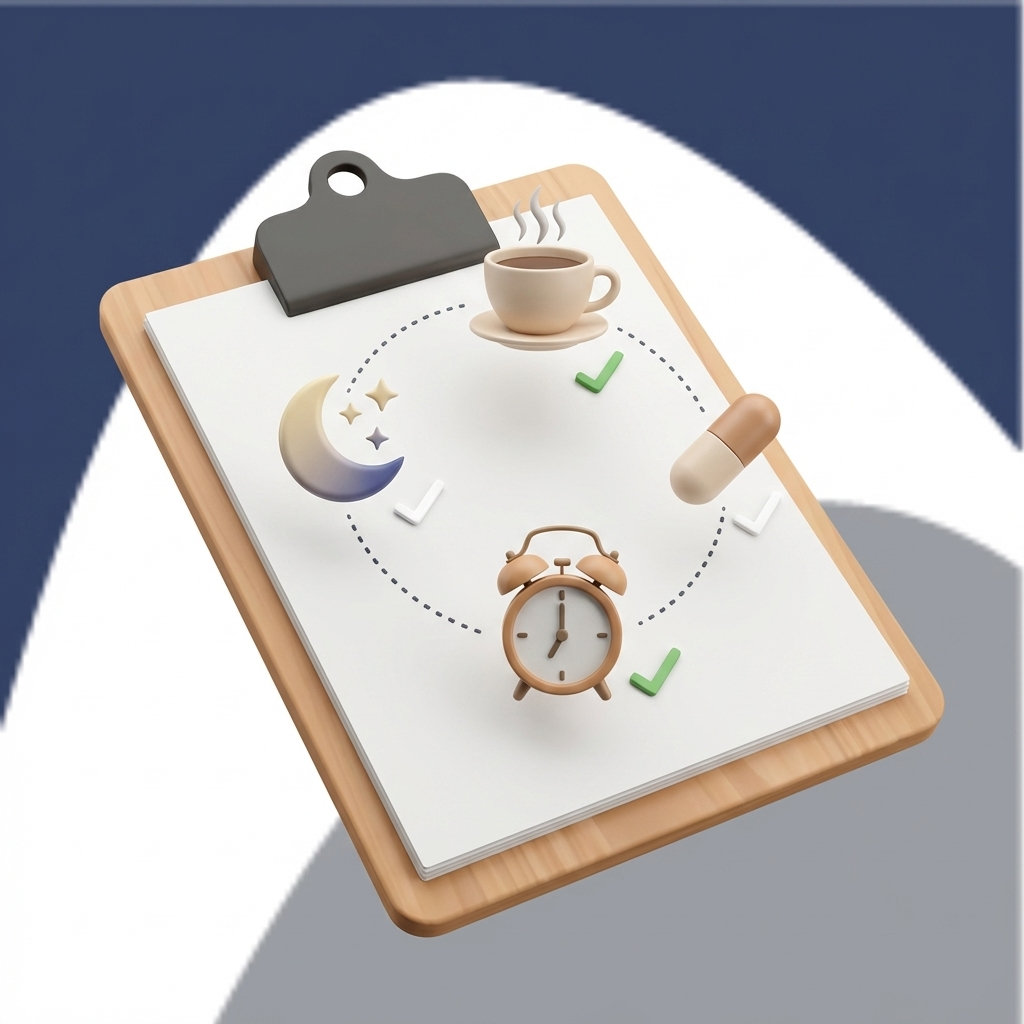
Before you change a bunch of habits at once, it helps to look for patterns. Even a simple log can highlight the most likely culprits behind restless sleep—especially when symptoms come and go. (Sleep Foundation, 2025)
Track for 7–14 days (simple log)
Write down:
- Bedtime/wake time, naps (if any)
- Caffeine/alcohol timing
- Awakenings (time + what you noticed)
- Snoring reports from a partner (if applicable)
- Medications/supplements and when you take them
- Pain, reflux/heartburn, stress level, bathroom trips
Concrete example: If you notice you wake at 1–2 a.m. mainly on nights you drink alcohol (or eat late), that points you toward reflux or alcohol-related sleep disruption. If awakenings cluster on stressful work nights, hyperarousal may be the bigger driver.
When to skip self-troubleshooting and call a clinician now
Consider prompt medical evaluation if you notice:
- Loud snoring with choking/gasping
- Severe daytime sleepiness or falling asleep while driving
- Chest pain or severe shortness of breath at night
- New/worsening symptoms after starting a medication (Mayo Clinic, 2024; Cleveland Clinic, 2023)
A short symptom list can quickly show when DIY steps aren’t enough.
10 common reasons for restless sleep (and how to fix each)
Reason #1: Insomnia (trouble falling asleep or staying asleep)
What it can feel like
- Feeling “tired but wired” at bedtime
- Waking at 2–4 a.m. and struggling to return to sleep (Mayo Clinic, 2024; Cleveland Clinic, 2023)
Many people describe insomnia as wanting sleep but feeling like their brain didn’t get the message. Others fall asleep quickly, then wake and become wide awake the moment they glance at the clock.
Common triggers
- Stress, inconsistent schedule, long naps
- Conditioned worry about sleep (dreading bedtime, clock-watching)
Fixes to try this week (educational ideas)
- Keep a consistent wake time (even weekends)
- Reserve the bed for sleep and sex; if you’re awake for a long stretch, consider getting up briefly for a quiet activity
- Keep naps short and earlier in the day, or pause naps temporarily
- Ask a clinician about CBT-I, the gold-standard behavioral approach for insomnia treatment (Mayo Clinic, 2024)
A stable schedule and CBT-I can retrain your sleep system without forcing sleep.
Reason #2: Obstructive sleep apnea (OSA)
Clues it may be breathing-related
- Loud snoring
- Gasping/choking
- Morning headache, dry mouth
- Frequent nighttime awakenings (sleep apnea symptoms) (Sleep Foundation, 2025; Mayo Clinic, 2024)
Why it causes restless sleep
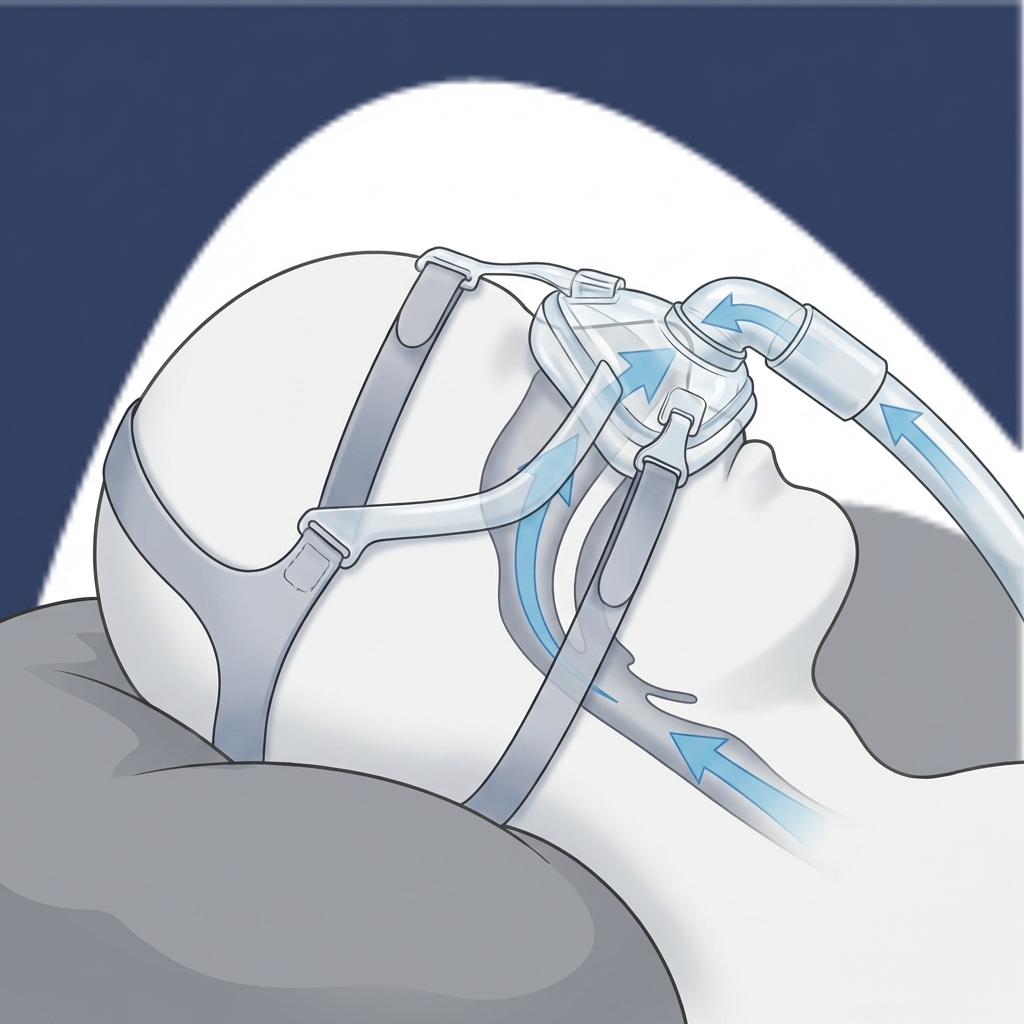
With OSA, the airway can repeatedly narrow or collapse during sleep. The brain briefly “arouses” you to reopen the airway—often so quickly you don’t remember waking. Over time, these repeated micro-awakenings lead to fragmented sleep and poor-quality rest.
People are sometimes surprised by this. They’ll say, “But I slept all night,” when the reality is that sleep was interrupted dozens of times—even if they don’t recall it.
What helps
- A proper evaluation (often involving a sleep study)
- Treatment may include positive airway pressure (PAP) therapy, oral appliances, positional therapy, and other individualized approaches (Mayo Clinic, 2024; Cleveland Clinic, 2023)
If snoring or breathing symptoms are part of your night, consider discussing evaluation and treatment options with a clinician. Resource: https://sleepandsinuscenters.com/snoring-sleep-apnea-treatment
Hidden breathing disruptions can fragment sleep even when you don’t remember waking.
Reason #3: Restless legs syndrome (RLS) and periodic limb movement disorder (PLMD)
Common symptoms
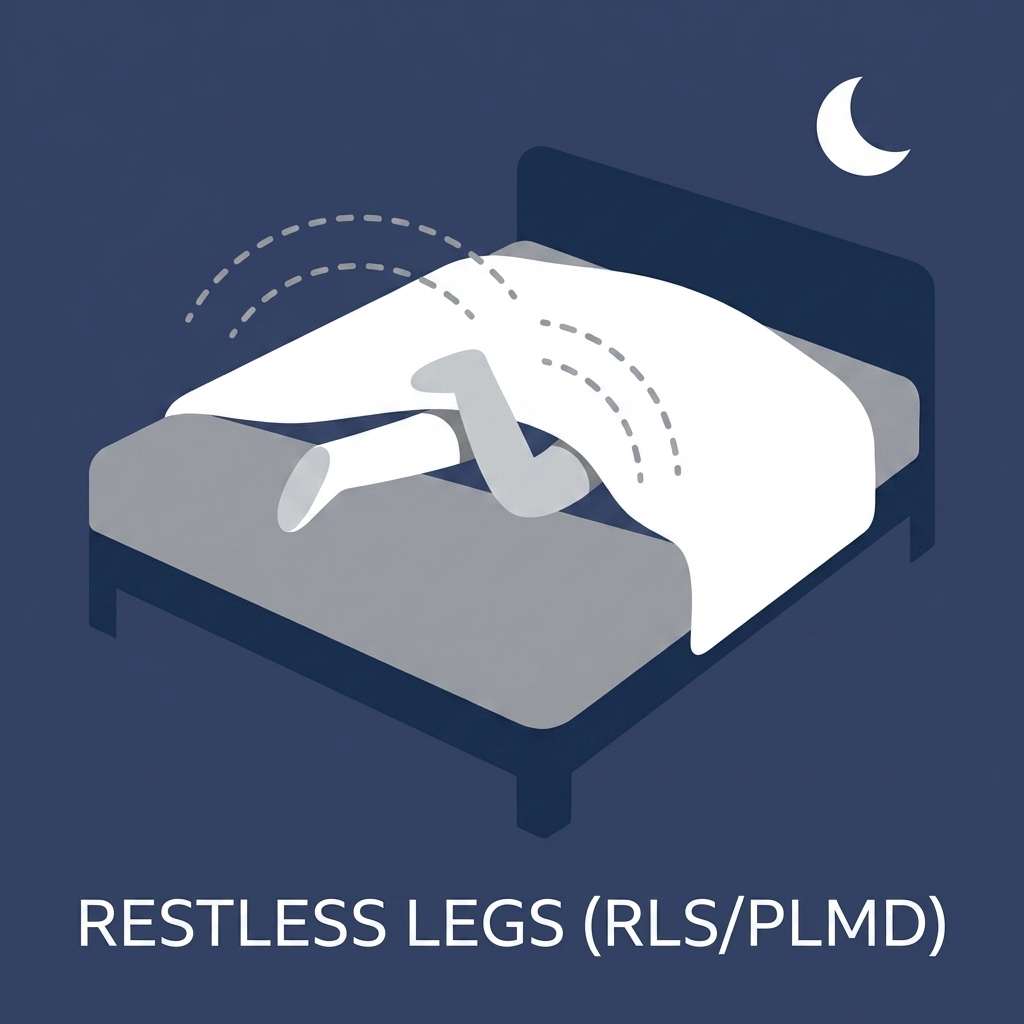
- An uncomfortable urge to move the legs in the evening or at night
- Symptoms that improve with movement
- A bed partner may notice kicking/jerking (RLS) (Mayo Clinic, 2024; Sleep Foundation, 2025)
Some people describe it as “buzzing,” “crawling,” or a nagging discomfort that makes it hard to stay still—right when they’re trying to settle down. PLMD involves involuntary limb movements during sleep and can occur with or without RLS.
Potential contributors to check
- Low iron/ferritin
- Certain medications
- Caffeine, especially later in the day
Fixes and treatment
- Discuss symptoms with a clinician; iron studies may be considered in some cases
- Consider reducing evening caffeine and keeping a consistent wind-down routine (Mayo Clinic, 2024; Sleep Foundation, 2025)
Targeting RLS/PLMD can turn choppy, restless nights into deeper, steadier sleep.
Reason #4: Stress and anxiety (hyperarousal)
How it disrupts sleep
Stress and anxiety can keep the nervous system “on,” leading to racing thoughts, muscle tension, and frequent awakenings. (Sleep Foundation, 2025; Healthline, 2024)
This can look like replaying conversations, running tomorrow’s to-do list, or waking at night and instantly scanning for problems to solve.
What to do tonight (simple, low-effort options)
- Try a 10-minute “brain dump”: write worries + the next day’s plan
- Use a short relaxation strategy (paced breathing or progressive muscle relaxation)
Longer-term fixes
- Consistent wind-down routine
- Therapy/CBT for anxiety or mindfulness-based practices
- If you experience panic-like symptoms at night, consider a medical evaluation for support and options (Sleep Foundation, 2025; Healthline, 2024)
Quieting the nervous system before bed often reduces awakenings later.
Reason #5: Depression or mood disorders
Common sleep patterns
- Early-morning awakenings
- Sleeping too much or too little
- Non-restorative sleep (Sleep Foundation, 2025; Mayo Clinic, 2024)
What helps
Treating mood symptoms often improves sleep quality. It’s also important to avoid relying on alcohol or sedatives to “knock yourself out,” since these can worsen sleep quality and increase awakenings. (Mayo Clinic, 2024)
Addressing mood and sleep together can break a cycle where each worsens the other.
Reason #6: Pain (acute or chronic)
Common culprits
- Back/neck pain, arthritis
- Headaches
- Sinus/facial pressure
Why pain causes restless sleep
Discomfort can trigger frequent position changes and repeated awakenings, creating a cycle of restless sleep. (Sleep Foundation, 2025)
A common pattern: the body finally relaxes into sleep, pain flares with one position, you shift, you wake briefly—and the cycle repeats.
Fixes (general education)
- Evaluate pillow/mattress support and sleep positioning
- Consider heat/ice strategies when appropriate
- If pain is new, worsening, or severe, an evaluation can help identify the cause and a safer plan (Healthline, 2024)
Better comfort and positioning can reduce pain-related awakenings.
Reason #7: Frequent urination at night (nocturia)
Signs
- Waking repeatedly at night to urinate and struggling to fall back asleep (Sleep Foundation, 2025)
Potential contributors
- Late fluids, caffeine, alcohol
- Some medications
- Sleep apnea, prostate/bladder issues, or other medical contributors
Fixes
- Shifting fluids earlier in the day may help some people
- Ask your clinician whether medication timing or an underlying condition could be contributing (Sleep Foundation, 2025)
Tip for your log: note how long it takes to fall back asleep after bathroom trips. That detail can help distinguish “nocturia only” from nocturia plus insomnia.
Small timing changes—and evaluating underlying causes—can make a big difference.
Reason #8: Caffeine, nicotine, and other stimulants (including “hidden” sources)
Common hidden sources
- Afternoon coffee/tea
- Energy drinks or pre-workouts
- Chocolate
- Some cold medications (MedlinePlus, 2025; Healthline, 2024)
Why it causes restless sleep
Stimulants can increase the time it takes to fall asleep, lighten sleep, and increase awakenings—especially for people who are sensitive or who use them later in the day. (MedlinePlus, 2025)
Fixes
- Consider setting a caffeine cutoff (many people choose early afternoon)
- If you’re reducing nicotine, expect short-term sleep disruption and consider cessation support (MedlinePlus, 2025)
A practical experiment: keep everything else the same for one week, but move caffeine earlier. If sleep improves, you’ve found a high-leverage lever.
Bringing stimulants earlier in the day often pays off the very first week.
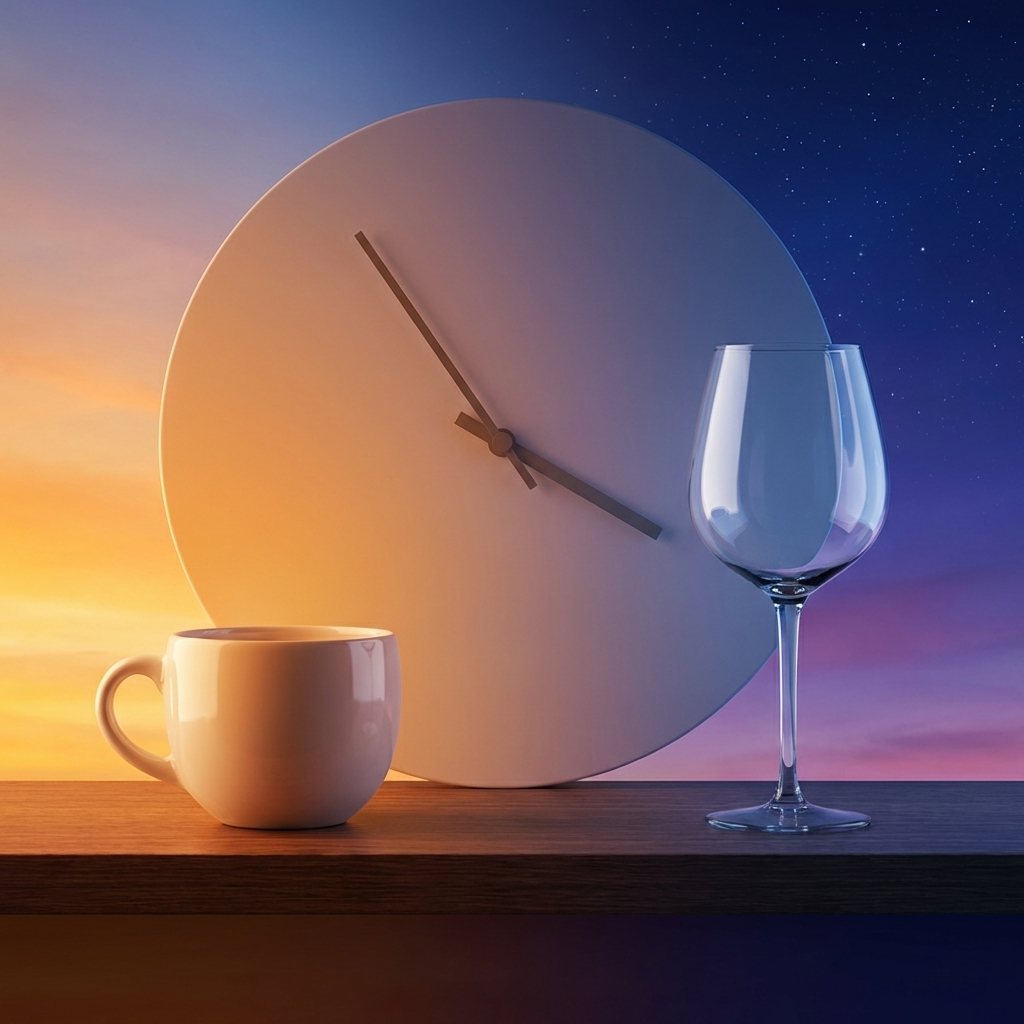
Reason #9: Alcohol (and late/heavy meals or reflux)
The common misconception
Alcohol may make you sleepy at first—but it often worsens sleep quality later in the night. (Sleep Foundation, 2025; Healthline, 2024)
How it leads to restless sleep
- More awakenings
- Increased snoring and higher OSA risk
- Reflux symptoms that can wake you up
Fixes
- Avoid alcohol close to bedtime; consider alcohol-free weeknights as a simple experiment
- Finish larger meals 2–3 hours before bed
- If reflux is a factor, elevating the head of the bed may be discussed with a clinician (Sleep Foundation, 2025; Healthline, 2024)
Less late alcohol and earlier meals can smooth out the second half of the night.
Reason #10: Medications, supplements, and substance withdrawal
Examples that can fragment sleep (varies by person)
- Some antidepressants, corticosteroids, decongestants, stimulants
- Certain OTC products
- Withdrawal from sedatives or stimulants can also disrupt sleep (Sleep Foundation, 2025; MedlinePlus, 2025)
Safe next steps
- Don’t stop prescriptions abruptly; consider asking about timing changes, alternatives, or tapering plans
- Bring a complete medication and supplement list to appointments (MedlinePlus, 2025)
If your restless sleep started around the time a new medication (or supplement) was added, that timeline is valuable—write it down and bring it up.
A quick med/supplement review can reveal surprisingly fixable sleep disruptors.
Lifestyle tips that improve restless sleep for many people (sleep hygiene basics)
These basics don’t fix every sleep disorder, but they can meaningfully reduce tossing and turning at night and support more stable sleep.
Keep a consistent schedule (even on weekends)
A steady sleep-wake pattern supports your circadian rhythm—especially if your schedule varies during the week. (MedlinePlus, 2025)
Reduce evening screen exposure
Try a 30–60 minute “screen-off” buffer, dim lights, and use blue-light reduction settings (night mode) when needed. (MedlinePlus, 2025)
Learn more about blue light and sleep: https://sleepandsinuscenters.com/blog/blue-light-and-its-impact-on-ent-related-sleep-disorders-1bca5
Optimize your sleep environment
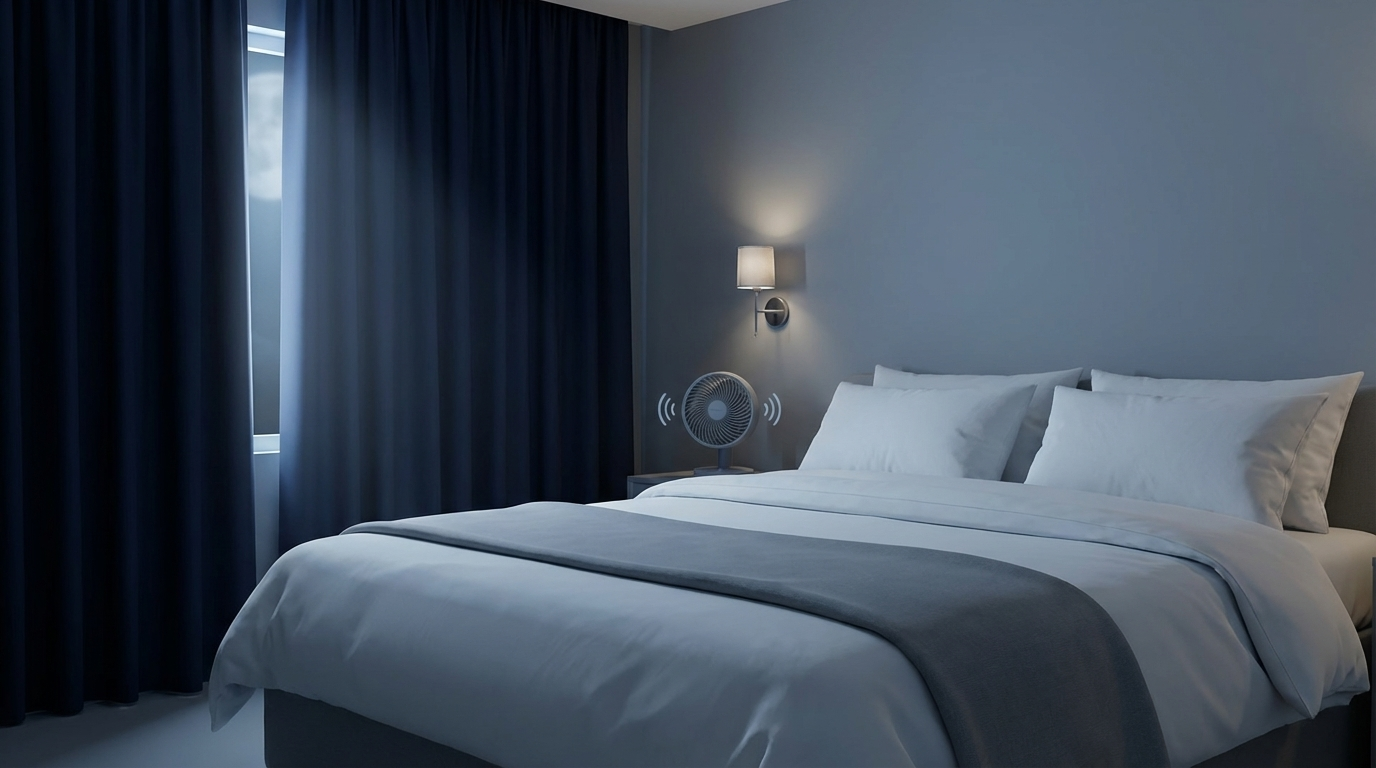
Aim for a cool, dark, quiet room with comfortable bedding and fewer noise disruptions. (Sleep Foundation, 2025)
For a deeper guide to sleep hygiene basics, see: https://sleepandsinuscenters.com/blog/sleep-hygiene-and-its-impact-on-ent-disorders-key-insights
Small, consistent habits often reduce awakenings and make sleep feel deeper.
When to see a clinician or sleep specialist
If restless sleep lasts >2–4 weeks despite changes
Especially if it’s affecting mood, focus, performance, or safety. (Mayo Clinic, 2024; Cleveland Clinic, 2023)
If symptoms suggest a sleep disorder
- Snoring/gasping or suspected OSA
- Strong leg urges or kicking (possible RLS/PLMD)
- Chronic insomnia (Sleep Foundation, 2025; Mayo Clinic, 2024)
What to expect at an evaluation
Many visits include a sleep and health history, medication review, and a focused exam. If a sleep disorder is suspected, a sleep study may be recommended. (Cleveland Clinic, 2023; Mayo Clinic, 2024)
Appointment note (CTA): If you’re ready to get answers, you can book an appointment here: https://www.sleepandsinuscenters.com/
If sleep is regularly holding you back, getting evaluated is a high-return step.
FAQs (patient-friendly)
Q: How many awakenings per night are “normal”?
A: Brief awakenings can happen. If awakenings are frequent or long—and your daytime functioning is affected—it may be worth discussing with a clinician. (Sleep Foundation, 2025)
Q: Can sleep apnea cause restless sleep even if I don’t remember waking up?
A: Yes. Micro-awakenings may not be remembered, but they can still disrupt sleep architecture and lead to fragmented sleep. (Mayo Clinic, 2024; Sleep Foundation, 2025)
Q: What’s the fastest way to stop tossing and turning tonight?
A: General options include adjusting room temperature, avoiding screens before bed, doing a short relaxation routine, and avoiding clock-watching. (Healthline, 2024)
Q: Should I take melatonin?
A: Melatonin can be useful in specific situations, but it’s best discussed with a clinician—especially if you take other medications or have ongoing insomnia. (MedlinePlus, 2025)
Q: When is restless sleep an emergency?
A: Seek urgent care for severe breathing trouble, chest pain, confusion, or dangerous sleepiness (such as near-miss car accidents). (Mayo Clinic, 2024)
If in doubt about safety, seek care—sleep issues can be urgent too.
References
- Sleep Foundation. (2025). What Causes Restless Sleep? https://www.sleepfoundation.org/how-sleep-works/what-causes-restless-sleep
- Cleveland Clinic. (2023). Sleep Disorders. https://my.clevelandclinic.org/health/diseases/11429-sleep-disorders
- Mayo Clinic. (2024). Sleep disorders: Symptoms and causes. https://www.mayoclinic.org/diseases-conditions/sleep-disorders/symptoms-causes/syc-20354018
- MedlinePlus. (2025). Sleep Disorders. https://medlineplus.gov/sleepdisorders.html
- Healthline. (2024). Tossing and Turning. https://www.healthline.com/health/tossing-and-turning
Medical disclaimer
This article is for general educational information only and is not medical advice. It is not a substitute for diagnosis or treatment by a qualified clinician. If you have severe symptoms (such as breathing trouble, chest pain, confusion, or dangerous daytime sleepiness), seek urgent medical care.
Please consult a qualified healthcare provider for diagnosis and treatment.
Don’t let allergies slow you down. Schedule a comprehensive ENT and allergy evaluation at Sleep and Sinus Centers of Georgia. We’re here to find your triggers and guide you toward lasting relief.