When Can I Blow My Nose After Septoplasty? A Timeline & Recovery Tips
Introduction: Why “Blowing Your Nose” Is a Big Deal After Septoplasty
Septoplasty straightens the nasal septum (the wall between your nostrils) to improve airflow. While it’s a common operation, the first couple of weeks afterward are a delicate healing period inside the nose—an area that’s prone to swelling and bleeding.
It’s completely normal to feel nasal congestion after septoplasty, along with crusting and drainage early on. Many people want to blow their nose for relief—but doing it too soon can increase bleeding, irritation, or delay healing.
A helpful way to think about it: the tissues inside your nose are healing similarly to a scab you can’t see. Forceful blowing is like picking at that scab—it may “clear” things briefly, but it can restart bleeding and prolong irritation.
Below is a clear, patient-friendly guide to when you can blow your nose after septoplasty, why the timing matters, and what to do instead.
Medical note: This article is for general education and isn’t a substitute for individualized medical advice. Always follow your surgeon’s post-op instructions, and contact your care team if you’re concerned.
Bottom line: your nose is healing from the inside out—being gentle early on helps protect that healing.
Quick Answer: When Can I Blow My Nose After Septoplasty?
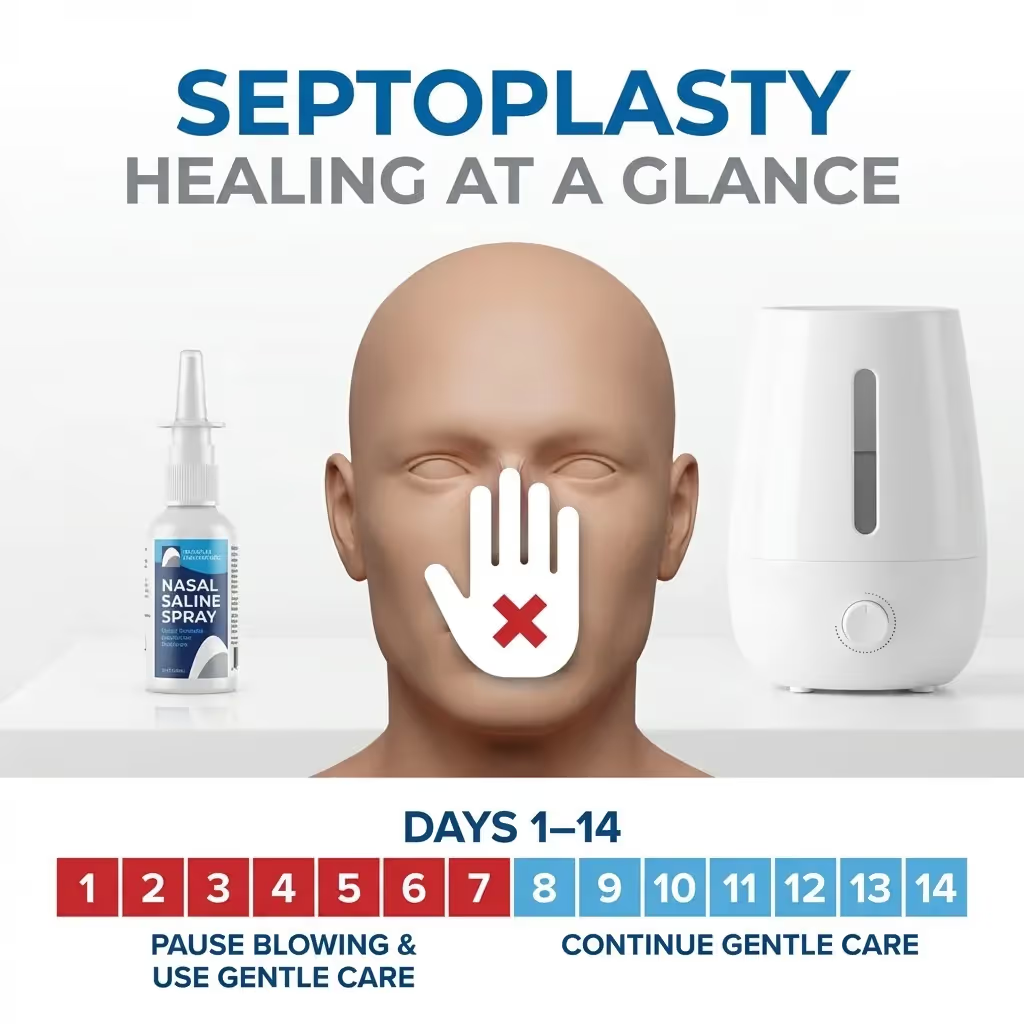
A common recommendation: avoid for 7–14 days. Many post-op instructions recommend avoiding nose blowing for about 1–2 weeks. This helps reduce bleeding risk and protects the healing tissues. Cleveland Clinic advises avoiding nose blowing for the first week or two, and Benenden Hospital recommends avoiding it for 10–14 days. In practical terms, that means no “one nostril at a time” hard blow, no rapid repeated blows, and no testing your airflow by forcing air through. Your surgeon’s instructions may differ.
Why some surgeons extend it to a few weeks: Some plans are more cautious—especially if swelling is significant, bleeding risk is higher, or splints/packing were used. Mayo Clinic notes that in some cases you may need to avoid blowing your nose for at least a few weeks, depending on the procedure and healing.
The rule that overrides all timelines: follow your surgeon’s plan. The most accurate answer to when you can blow your nose after septoplasty depends on your exact surgery and your surgeon’s protocol—especially if you had additional procedures, have a history of nosebleeds, or had internal splints placed.
Quick recap: many people avoid nose blowing for 7–14 days, while others are advised to wait a few weeks—follow your surgeon’s specific guidance.

Why You Shouldn’t Blow Your Nose Too Soon
It can trigger bleeding (and sometimes heavy bleeding). Blowing creates pressure in the nasal passages. Early on, that pressure can disturb fragile healing blood vessels and increase the chance of bleeding.
It can move splints/packing or irritate the surgical area. If internal splints or packing were used, pressure from blowing may cause irritation or potentially disturb delicate healing areas.
It can worsen swelling and slow healing. Even when bleeding doesn’t happen, forceful pressure can increase inflammation—often leading to more congestion and discomfort. A useful rule of thumb: if it requires noticeable pressure, stop and follow your surgeon’s guidance.
Gentle measures prevent pressure spikes that can lead to bleeding, irritation, and swelling.

Safe Timeline: What to Do Instead of Blowing (Week-by-Week)
General guide only: This is an educational overview of a typical septoplasty recovery timeline. Your surgeon’s instructions may be different based on your procedure and healing progress.

Days 0–7: “No blowing—focus on gentle moisture + drainage”
What’s common: a stuffy nose, mild blood-tinged mucus, mouth breathing, facial/nasal pressure, and crusting. Congestion can feel worse at night due to dryness and thicker secretions.
- Use saline spray after septoplasty to keep tissues moist and loosen mucus so it can drain with less pressure.
- For timing and technique, see: https://sleepandsinuscenters.com/blog/when-to-use-saline-sprays-for-nasal-relief
- Gently dab the nostrils as needed (avoid aggressive wiping).
- Use a humidifier at night to reduce dryness.
- Let drainage come out naturally—don’t force it.
What many surgeons also limit early on: forceful sniffing, heavy lifting/straining, and prolonged bending over, since these can increase pressure and bleeding risk.
Days 7–14: “Still avoid blowing for many patients—reassess at follow-up”
This is often the transition window. Many patients are still advised not to blow their nose, but some may be cleared for very gentle clearing later in this period—often after a follow-up visit and/or splint removal (if used). If your surgeon says it’s okay, “gentle” generally means minimal pressure—never a forceful blow.
- Not gentle: a long, hard exhale through pinched nostrils.
- Gentle (if approved): a short, soft exhale with your mouth slightly open so pressure doesn’t build.
Weeks 2–4: “Some patients can resume gentle blowing—others should wait longer”
By this stage, swelling and tenderness often start to improve, but the inside of the nose may still be healing. With your surgeon’s approval, signs you may be closer to readiness can include no active bleeding, less crusting and irritation, and decreasing tenderness. Start conservatively and stop if bleeding or pain increases.
Let moisture, gravity, and time do the work early—ask your surgeon when to add gentle clearing.

How to Clear Your Nose Safely During Recovery (Without Blowing)
Use saline sprays or rinses (the safer substitute). For many patients, saline is the main workaround while nose blowing is restricted. The goal is to loosen mucus and dried blood so it can drain out with less pressure.
Comfort tips:
- Warm the bottle in your hands first.
- Use a gentle technique—avoid forcing flow.
- If you’re using a rinse (instead of spray), only do so when your surgeon says it’s appropriate.
Let mucus drain naturally and spit it out (if permitted). If any maneuver makes you feel pressure or pain, back off.
Sneeze with your mouth open. Avoid pinching your nose shut when you sneeze.
Steam and humidity strategies:
- Warm shower steam can help loosen congestion.
- A cool-mist humidifier at night can reduce dryness and crusting.
- Staying hydrated helps keep secretions thinner.
Favor moisture, humidity, and gravity over pressure-based clearing during early healing.

Symptoms: What’s Normal vs. What’s a Red Flag After Septoplasty
Normal symptoms when you can’t blow your nose:
- Congestion (often worse at night)
- Mild bloody drainage or blood-tinged mucus early on
- Crusting/dryness
- Mild pressure
- Temporarily reduced sense of smell
- One side may feel more blocked than the other as swelling shifts
Call your surgeon if you notice these warning signs:
- Bright red bleeding that doesn’t stop or repeatedly soaks gauze
- Sudden increase in pain/pressure or worsening one-sided swelling
- Fever or foul-smelling discharge (possible infection)
- Sensation that an internal splint has shifted (if applicable)
- Breathing trouble that feels severe or is worsening
Mild congestion and blood-tinged mucus are common; persistent bright-red bleeding or escalating pain warrants a call to your surgeon.
Causes of Post-Septoplasty Congestion (So You Don’t Panic)
Swelling and inflammation: Even if the septum is now straighter, airflow may not feel open right away because tissues are still puffy.
Dried blood and crusting: Dried blood and crusts can physically block airflow. This is one reason saline spray after septoplasty is emphasized—it helps soften buildup so it can drain more comfortably.
Temporary changes in mucus flow and the nasal cycle: Your nose naturally alternates airflow from side to side (the nasal cycle). After surgery, that cycle and mucus movement can feel different for a while. Improvement is often gradual rather than immediate.
Early congestion is usually swelling and crusting—not a sign that surgery didn’t work.
Treatments & Recovery Tips That Support Healing
Medication basics (follow surgeon guidance):
- Use pain control options as directed.
- If prescribed antibiotics or steroids, take them exactly as instructed.
- Avoid overusing OTC medicated decongestant sprays unless your surgeon specifically okays them.
Sleep and positioning: Sleeping with your head elevated can help reduce swelling and pressure. For a broader view of healing expectations, read:
- How long does nasal surgery recovery take: https://sleepandsinuscenters.com/blog/how-long-does-nasal-surgery-recovery-take
- Septoplasty recovery week-by-week timeline: https://sleepandsinuscenters.com/blog/septoplasty-recovery-week-by-week-complete-timeline-20260123051106
Activity and lifestyle do’s/don’ts:
- Avoid heavy lifting/straining early on.
- Prevent constipation (straining can increase pressure).
- Stay hydrated.
- Avoid smoke and airway irritants that can worsen inflammation.
Small daily habits—elevation, hydration, and avoiding strain—add up to smoother healing.
When Can I Blow My Nose After Septoplasty If I Really Need To?
If you feel pressure building: Before attempting to blow, many surgeons prefer patients try:
- Saline spray + humidification
- Gentle dabbing/wiping at the nostrils
- Allowing mucus to drain naturally
If the urge is intense, ask your surgeon whether a very gentle blow is appropriate and what technique they prefer. A useful self-check: if you’re clenching your jaw, tensing your face, or bracing to blow, that’s probably too much force for early recovery.
If you have allergies or a cold: Colds and allergies can increase sneezing, mucus, and congestion. Planning ahead may include trigger avoidance and asking your surgeon what medications are safe during healing. Even if sneezing happens, using mouth-open sneezes helps reduce pressure. If symptoms ramp up suddenly, it’s reasonable to let your surgeon’s office know—especially if you’re tempted to blow because congestion feels unmanageable.
If in doubt, pause and ask your surgeon—personalized guidance beats generic timelines.
FAQs
Can I blow my nose gently after 7 days?
A common recommendation is to avoid blowing for 7–14 days, while some patients are instructed to wait a few weeks depending on healing and surgical details. The best answer is the one your surgeon gives at follow-up.
What if I accidentally blew my nose?
A single accidental blow doesn’t automatically mean something is wrong. If it happens, stop, sit upright, and monitor for bleeding or increased pain. If bleeding continues, pain spikes, or you suspect splint movement, contact your surgeon.
Can I use a neti pot after septoplasty?
Timing varies. Many patients are told to start with gentler saline sprays first and only begin rinses when their surgeon approves. If you’re unsure, ask before starting.
Is sneezing dangerous after septoplasty?
Sneezing can be uncomfortable, but many aftercare instructions recommend sneezing with your mouth open to reduce pressure in the nose. Avoid trying to hold in a sneeze.
Why is my mucus bloody for days?
Mild blood-tinged drainage can be normal early in recovery. Heavier bleeding (bright red, persistent, or soaking gauze) is not typical and is a reason to call your surgeon.
When will breathing feel normal again?
Breathing often improves gradually over weeks as swelling and crusting decrease. For a detailed view of typical recovery, see: https://sleepandsinuscenters.com/blog/septoplasty-recovery-week-by-week-complete-timeline-20260123051106
Conclusion: The Safest Rule of Thumb
Many patients avoid nose blowing for 7–14 days, and some are advised to wait a few weeks based on their surgery and healing. While you wait, focus on moisture and gentle clearing—especially saline spray, humidification, and mouth-open sneezing. And because every surgery is different, your surgeon’s plan is the one that matters most.
If you’d like personalized guidance for septoplasty recovery concerns (including congestion, crusting, or when it’s safe to blow your nose), you can book an appointment with Sleep and Sinus Centers of Georgia: https://www.sleepandsinuscenters.com/
Citations
1. Cleveland Clinic. Septoplasty: Procedure & Recovery. (2025) https://my.clevelandclinic.org/health/treatments/17779-septoplasty
2. Benenden Hospital. Do’s and don’ts after a septoplasty. (2025) https://www.benendenhospital.org.uk/health-news/ent/dos-and-donts-after-a-septoplasty/
3. Mayo Clinic. Septoplasty. (2023) https://www.mayoclinic.org/tests-procedures/septoplasty/about/pac-20384670
4. Becker ENT & Allergy. Recovery after septoplasty. (date varies) https://www.beckerentandallergy.com/blog/recovery-after-septoplasty
This article is for educational purposes only and is not medical advice. Please consult a qualified healthcare provider for diagnosis and treatment.
Don’t let allergies slow you down. Schedule a comprehensive ENT and allergy evaluation at Sleep and Sinus Centers of Georgia. We’re here to find your triggers and guide you toward lasting relief.