Septoplasty Complications: Risks, Symptoms, and How to Avoid Them
Septoplasty is a common procedure to straighten the nasal septum (the wall between the nostrils) and improve airflow. Like any surgery, it comes with potential risks. Most people heal without major issues, though outcomes vary.
Understanding septoplasty complications can help you spot warning signs early, follow a safer recovery plan, and know when it’s time to contact your ENT. Think of it like having a road map for healing—most routes are smooth, but it helps to recognize the detours that deserve attention.
Quick Take: How risky is septoplasty?
Septoplasty is generally safe—most patients do well
Septoplasty has a strong safety track record, and the majority of patients have an uncomplicated recovery. Complications matter because many problems—like bleeding, infection, or scar tissue—are easier to address when recognized early rather than after symptoms have been worsening for days or weeks.
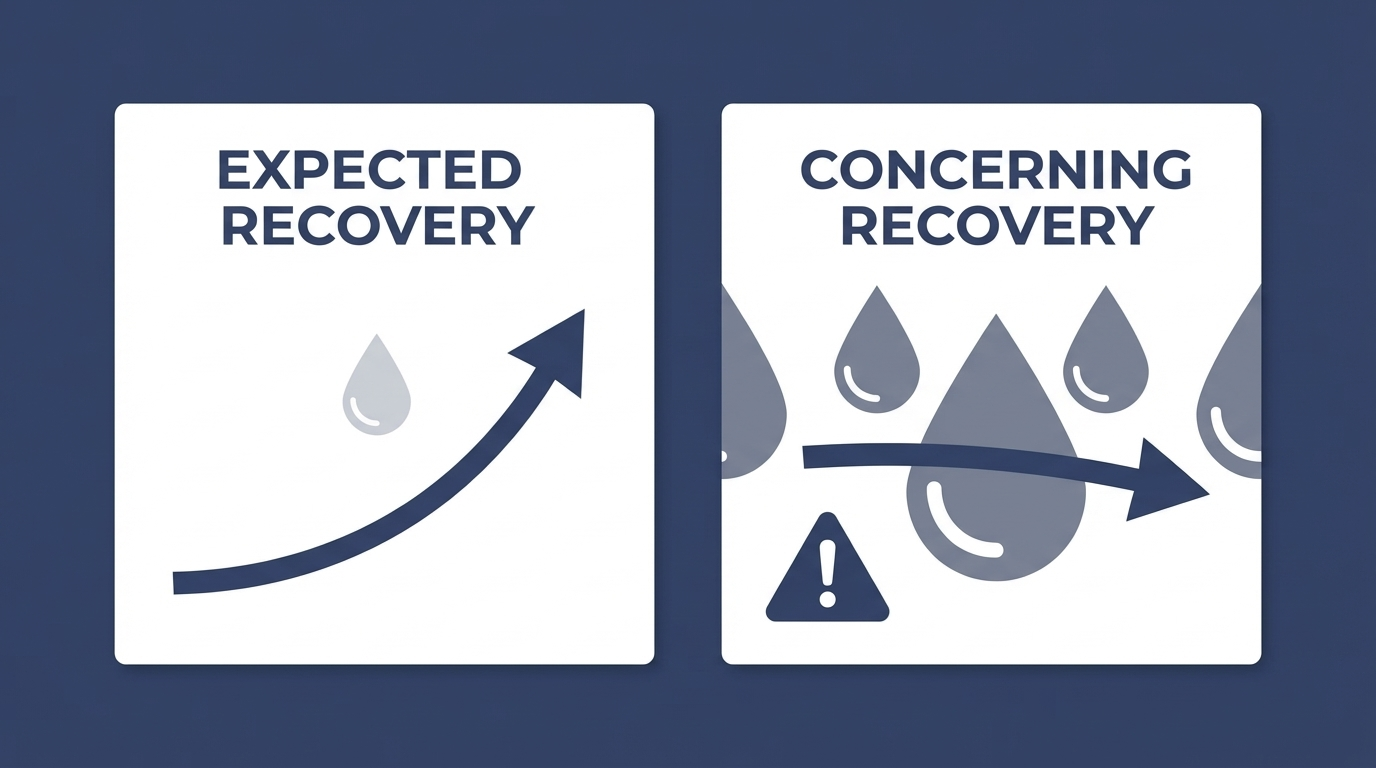
A simple way clinicians often frame it: expect some swelling and congestion early, but symptoms should trend gradually better—not steadily worse.
Real-world complication rates (what studies show)
- In one large cohort of 5,639 patients, the overall complication rate (any complication) was about 3.42%. Within that study, individual complications included hemorrhage at 3.3% and septal perforation at 2.3%.¹
- A meta-analysis pooling multiple studies reported approximate rates of postoperative hemorrhage 4%, septal perforation 2%, septal hematoma 2%, synechiae 4%, and persistent residual deviation 13% (definitions varied by study).²
- In one retrospective study of septoplasty combined with inferior turbinate reduction, reported rates included infection 3.3%, epistaxis requiring intervention 4.5%, long-term complications 2.8%, and revision surgery 2.5%.³
No single statistic predicts what will happen to any one person, but these numbers show why most patients do well—and why it’s still smart to know the common septoplasty complications and their symptoms.
Serious complications are extremely rare
Severe events reported in the medical literature include cerebrospinal fluid (CSF) leak, severe infections (including toxic shock syndrome), and rare ocular/orbital complications such as vision loss. These are considered extremely uncommon.²
The takeaway is balanced: the risk is low, but the red flag symptoms are important because they require urgent evaluation.
- In short: Risks are generally low, but knowing early warning signs helps you act quickly if needed.
What septoplasty is—and why people get it
Common reasons (symptoms septoplasty can improve)
- Chronic nasal obstruction (one- or two-sided)
- Recurrent nosebleeds (sometimes related to dryness and turbulent airflow)
- Sleep disruption, mouth breathing, or snoring due to limited nasal airflow
For a broader overview of what the procedure is designed to address, see our deviated septum surgery overview: https://sleepandsinuscenters.com/blog/deviated-septum-surgery-at-sleep-sinus-centers-of-georgia
Septoplasty vs. turbinate reduction vs. sinus surgery (quick clarity)
These procedures are often discussed together, but they treat different structures. Septoplasty straightens the septum. Turbinate reduction decreases the size of the turbinates (soft tissue along the sidewalls that can swell and block airflow). Sinus surgery targets drainage pathways of the sinuses, typically for chronic sinusitis.
Some patients need more than one procedure to address multiple sources of blockage. If you’re curious about why turbinate work is sometimes added, read turbinate reduction (what it is + why it’s added): https://sleepandsinuscenters.com/blog/everything-you-need-to-know-about-turbinate-reduction
- Bottom line: Septoplasty focuses on straightening the septum; other procedures may be added to address additional sources of blockage.

Common septoplasty complications (short-term) and their symptoms
The goal in early healing is knowing what’s expected vs. what deserves a prompt check-in. A helpful rule of thumb: normal recovery symptoms tend to fluctuate but gradually improve; concerning symptoms tend to escalate or persist.
Bleeding / epistaxis
A small amount of blood-tinged drainage is common right after surgery. More concerning bleeding may look like steady dripping, frequent large clots, or bleeding that keeps returning after it initially slows.
Bleeding tends to occur early in recovery. Studies report postoperative hemorrhage around 3.3–4%.¹ ² If you’re unsure whether what you’re seeing is expected, patients are generally encouraged to contact their surgical team for guidance.
Infection
Infection after septoplasty isn’t common, but it can happen. Symptoms patients often notice include:
- Worsening (not improving) pain
- Fever
- Foul-smelling drainage
- Increasing swelling or redness around the nose
When septoplasty is combined with turbinate reduction, one retrospective study reported infection at about 3.3%.³
Septal hematoma (blood collection under the lining)
A septal hematoma is a collection of blood beneath the septum’s lining. It may feel like:
- Rapidly worsening congestion or “blocked” breathing
- New or increasing pressure/pain
- A sense that swelling is getting worse rather than gradually easing
This is important because pressure from a hematoma can threaten the health of the septal cartilage if not addressed. Pooled data suggests a rate around 2%.²
Severe swelling, crusting, and temporary congestion (common but not always a complication)
Many patients feel more congested before they feel better. Swelling, crusting, and dryness can temporarily narrow the nasal passages during healing.
Many surgeons recommend supportive measures such as saline and humidification, and avoiding nose blowing early on—always follow the specific plan provided by your surgical team. For a realistic expectation of what healing can feel like, see septoplasty recovery week by week: https://sleepandsinuscenters.com/blog/septoplasty-recovery-week-by-week-complete-timeline
- In short: Expect some swelling and light drainage early; escalating bleeding, fever, or rapidly worsening blockage merits a prompt call to your care team.

Longer-term complications (weeks to months) and how they show up
Persistent nasal obstruction / persistent residual deviation (most common longer-term issue)
If breathing still feels restricted after the usual healing window, it may be due to:
- Residual deviation
- Scar tissue
- Ongoing turbinate enlargement
- Nasal valve collapse (a separate structural issue)
A meta-analysis reported persistent residual deviation in about 13% of cases, depending on how studies defined and measured the outcome.² This doesn’t mean 13% need another surgery, but it highlights why follow-up assessment matters if symptoms continue.
Synechiae (scar bands/adhesions)
Synechiae are internal scar bands that can form as tissues heal. They can cause a blockage that feels fixed or “stuck,” often on one side. Pooled rates are about 4%.²
Septal perforation (hole in the septum)
A septal perforation can cause:
- Whistling when breathing
- Dryness and crusting
- Recurrent bleeding
- A sensation of turbulent airflow
Rates are reported around 2–2.3% in large datasets and pooled analyses.¹ ² For a deeper symptom checklist, read septal perforation symptoms: https://sleepandsinuscenters.com/blog/septal-perforation-symptoms-key-signs-and-causes-to-know
Cosmetic changes (uncommon but possible)
While septoplasty is primarily functional (breathing-focused), changes in support to the nasal framework can, in uncommon cases, affect appearance. With modern techniques this is less common, but it’s still worth discussing concerns and goals pre-op—especially if surgery is complex or combined with other nasal procedures.
- In short: If breathing problems persist beyond the expected recovery window, a follow-up evaluation can identify causes like scarring, residual deviation, or valve issues.

Rare but serious complications (know the red flags)
Cerebrospinal fluid (CSF) leak
A CSF leak may present as clear, watery drainage (often one-sided) that is persistent, sometimes with a severe headache. People describe it in different ways (for example, a salty taste). Any concern for a CSF leak should be treated as urgent.
Ocular/orbital complications (vision changes)
Seek emergency evaluation for symptoms like sudden vision changes, double vision, severe eye pain, or rapidly increasing swelling around the eye.
Severe systemic infection/toxic shock syndrome (extremely rare)
High fever, rash, confusion, or a rapidly worsening overall illness can be red flags for serious infection. These events are reported but extremely rare.²
- In short: These complications are very uncommon, but new vision changes, clear fluid drainage with severe headache, or rapidly worsening illness require emergency care.
What causes septoplasty complications? (Risk factors patients can control vs. can’t)
Patient-related risk factors
Some factors can increase risk for bleeding or slow healing, such as:
- Smoking/vaping exposure
- Uncontrolled high blood pressure
- Bleeding disorders
- Poor wound-healing risk factors (for example, uncontrolled diabetes)
Medication and supplement choices can also affect bleeding risk (for example, aspirin/NSAIDs or prescription blood thinners). Coordination with the prescribing clinician is important for anyone on anticoagulants.
Procedure-related factors
Risk can vary based on:
- How complex the deviation is
- Tissue/cartilage strength
- Whether it’s a revision case
- Whether other procedures are added (like turbinate reduction), which can change the risk profile³
Postoperative behavior (a major driver)
A big part of preventing septoplasty complications is protecting the healing tissues. Common contributors to bleeding or irritation include nose blowing too soon, heavy lifting/straining, and returning to contact sports before clearance.
Skipping follow-ups can also allow crusting or scar tissue to build up unnoticed—even when a patient feels like they’re “mostly fine.”
- In short: Some risks can’t be changed, but careful postoperative habits and follow-up visits can significantly reduce avoidable problems.

How to avoid septoplasty complications (pre-op + post-op checklist)
Before surgery: questions to ask your ENT
- What complication rates do you see in your practice?
- Will I need turbinate reduction too—and why?
- How do you plan for bleeding prevention and after-hours concerns?
- If I still feel obstructed later, what’s the step-by-step plan to reassess the cause?
Medication planning (reduce bleeding risk safely)
A practical step is to review everything you take with your surgeon’s team—prescriptions, over-the-counter pain relievers, and supplements. Importantly, patients should never stop a prescribed blood thinner without approval from the prescribing clinician.
Day of and first week after surgery: do’s and don’ts
- Do: rest, stay hydrated, sleep with head elevated, use gentle saline if recommended
- Avoid (if instructed): nose blowing early on, heavy lifting/straining, and alcohol if your surgeon advises it, since it may increase bleeding risk or interfere with recovery instructions. Also avoid significant heat exposure (like very hot showers/saunas) if your surgeon advises against it.
In practical terms, “taking it easy” often means planning a few days where your main job is healing—not catching up on chores or squeezing in a workout.
Ongoing healing (weeks 2–6): prevent scar tissue and dryness
Common themes during this stage include saline irrigations as directed, humidifier use, avoiding smoke/dust/irritants, and keeping follow-up appointments (some patients benefit from in-office cleaning when recommended).
- In short: Preparation, medication review, and consistent postoperative care are the best tools to lower risk.
Treatments: what your ENT may do if a complication happens
If septoplasty complications occur, treatment depends on the specific issue and its severity. Many issues are very manageable when evaluated early.
Managing postoperative bleeding
Some situations can be managed with clinic-guided steps at home, while heavier bleeding may require an in-office evaluation, packing, or cautery. Persistent or heavy bleeding can warrant urgent or emergency assessment.
Treating infection
Management may include an exam, sometimes a culture, and antibiotics when appropriate. If there’s concern for an abscess or a trapped collection, drainage may be needed.
Septal hematoma management
A septal hematoma is often treated urgently with drainage to protect the underlying cartilage and restore airflow, followed by close follow-up to reduce recurrence risk.
Synechiae/scar tissue
Synechiae may be treated with an office procedure to release the adhesion, plus topical therapy and prevention strategies to reduce the chance of re-scarring.
Persistent obstruction / revision septoplasty
Ongoing obstruction usually triggers a full reassessment—septum alignment, turbinate size, nasal valve structure, and contributors like allergies. Revision surgery is typically a minority outcome; for example, one combined-procedure cohort reported revision surgery in 2.5%.³
Septal perforation treatment options
Options may range from moisturizing regimens and ointments/sprays to a septal button, and in selected cases, surgical repair.
- In short: Most complications are treatable—timely evaluation makes interventions simpler and more effective.
When to call your surgeon (and when to seek emergency care)
Call the ENT urgently if you have:
- Bleeding that doesn’t slow as expected based on your postoperative instructions
- Fever with worsening pain or drainage
- Rapidly worsening obstruction/pressure (possible hematoma)
Go to the ER immediately if you have:
- Vision changes, severe eye swelling, or severe eye pain
- Severe headache with concerning clear fluid drainage
- Fainting, chest pain, severe shortness of breath, or confusion
- In short: When in doubt, seek prompt evaluation—early care is safer care.
Lifestyle tips to support safer healing and better breathing long-term
Protect the nose while healing
Avoid smoke/vape exposure (including secondhand smoke) and use humidification if indoor air is dry. Dry air can make crusting more stubborn, which can make the nose feel “blocked” even when the septum is healing well.
Reduce inflammation triggers
If allergies are part of the picture, long-term medical management and environmental controls (dust, pet dander, mold) may improve results and comfort.
Sleep and recovery support
Early on, head elevation can make sleep easier for many patients. If you use CPAP, ask your ENT when it’s appropriate to resume (timing is individualized).
- In short: Clean air, moisture, and allergy control can support better breathing after surgery.
FAQs about septoplasty complications
How long is bleeding normal after septoplasty?
Light blood-tinged drainage is common early on, but heavier bleeding or bleeding that keeps returning may be a reason to contact your ENT for general guidance.
What does an infected septoplasty feel like?
People often describe infection as worsening pain, fever, and foul-smelling drainage—symptoms that trend worse instead of gradually improving.
Why do I feel more congested after surgery than before?
Swelling and crusting can temporarily narrow the nasal airway during healing. This often improves as inflammation settles and the nose is kept moisturized/cleaned per instructions.
What are signs of a septal perforation?
Whistling, crusting, dryness, frequent nosebleeds, or a sensation of turbulent airflow can be clues. See our detailed guide on septal perforation symptoms: https://sleepandsinuscenters.com/blog/septal-perforation-symptoms-key-signs-and-causes-to-know
Can septoplasty “fail” or need revision surgery?
Some people have persistent obstruction due to residual deviation, scarring, turbinate issues, or nasal valve collapse. Pooled data suggests persistent residual deviation around 13% (definitions vary).² Revision is less common (for example, 2.5% in one study of septoplasty with turbinate reduction).³
Does adding turbinate reduction increase complication risk?
Combined procedures can change the risk profile. In one retrospective study of septoplasty with inferior turbinate reduction, infection was 3.3% and epistaxis requiring intervention was 4.5%.³
Conclusion: minimizing risk comes down to preparation + follow-through
Overall, the risk of septoplasty complications is low, and serious complications are exceptionally rare. The best way to stack the odds in your favor is to prepare carefully (including medication planning), follow postoperative instructions closely, keep follow-up visits, and avoid ignoring red-flag symptoms.
If you have questions about septoplasty, recovery, or symptoms after surgery, you can book an appointment with Sleep and Sinus Centers of Georgia here: https://www.sleepandsinuscenters.com/
- In short: Careful planning, good postoperative habits, and timely follow-up go a long way toward a smooth recovery.
Medical disclaimer
This article is for general educational purposes only and does not replace personalized medical advice. Always follow your surgeon’s specific instructions and contact your care team promptly if you’re concerned about symptoms after surgery.
References
1. Dąbrowska‑Bień, J. et al. Complications in septoplasty based on a large group of 5,639 patients (2018). https://pmc.ncbi.nlm.nih.gov/articles/PMC5992230/
2. Brescia, G. et al. Conventional septoplasty complications: A systematic review and meta-analysis (2023). https://www.sciencedirect.com/science/article/pii/S019607092300025X
3. Joshi, R. R. et al. Complication Rates Following Septoplasty With Inferior Turbinate Reduction (2019). https://pmc.ncbi.nlm.nih.gov/articles/PMC6928672/
This article is for educational purposes only and is not medical advice. Please consult a qualified healthcare provider for diagnosis and treatment.
Don’t let allergies slow you down. Schedule a comprehensive ENT and allergy evaluation at Sleep and Sinus Centers of Georgia. We’re here to find your triggers and guide you toward lasting relief.