One Nostril Blocked After Septoplasty: Causes, Recovery Timeline, and When to Call Your Surgeon
Quick answer (reassurance + what to watch)
Feeling one nostril blocked after septoplasty is common in the first 2–4 weeks. Usual reasons include swelling, congestion, crusting, and normal healing tissue. Swelling can be uneven, so one side may feel worse than the other. Many people continue noticing improvement for up to about 2 months, though timing varies. If one side remains significantly blocked or is not steadily improving after the first several weeks, or by 6–8 weeks, possible contributors include residual septal deviation, inferior turbinate hypertrophy, nasal valve collapse or insufficiency, adhesions (scar bands), allergies, or rarely complications—so it’s sensible to schedule an ENT follow-up.
Medical note: This article is educational and can’t replace your surgeon’s post-op instructions or an in-person exam. When in doubt—especially with red-flag symptoms—call your surgical team.

Why nasal blockage can feel worse before it feels better
What septoplasty changes—and what it doesn’t
Septoplasty straightens the nasal septum to improve airflow. Even when the septum is corrected, the nasal lining still goes through a normal post-op healing process. That healing can temporarily narrow the airway—sometimes making breathing feel worse before it feels better.
Think of it this way: straightening the wall (the septum) doesn’t stop the hallway carpet (nasal lining) from swelling as it recovers. Small changes in internal swelling can make airflow feel dramatically different, especially on one side.
Also, septal deviation is not always the only reason for blockage. If inferior turbinate hypertrophy, allergies, or nasal valve narrowing contributed before surgery, septoplasty alone may not fully eliminate symptoms—one reason unilateral nasal congestion after septoplasty can persist or feel confusing at first.

The normal early healing causes of congestion
- Swelling (edema) of the nasal lining
- Crusting and dried blood that temporarily narrow airflow
- Temporary asymmetry (one side can swell more than the other)
A concrete example of uneven healing
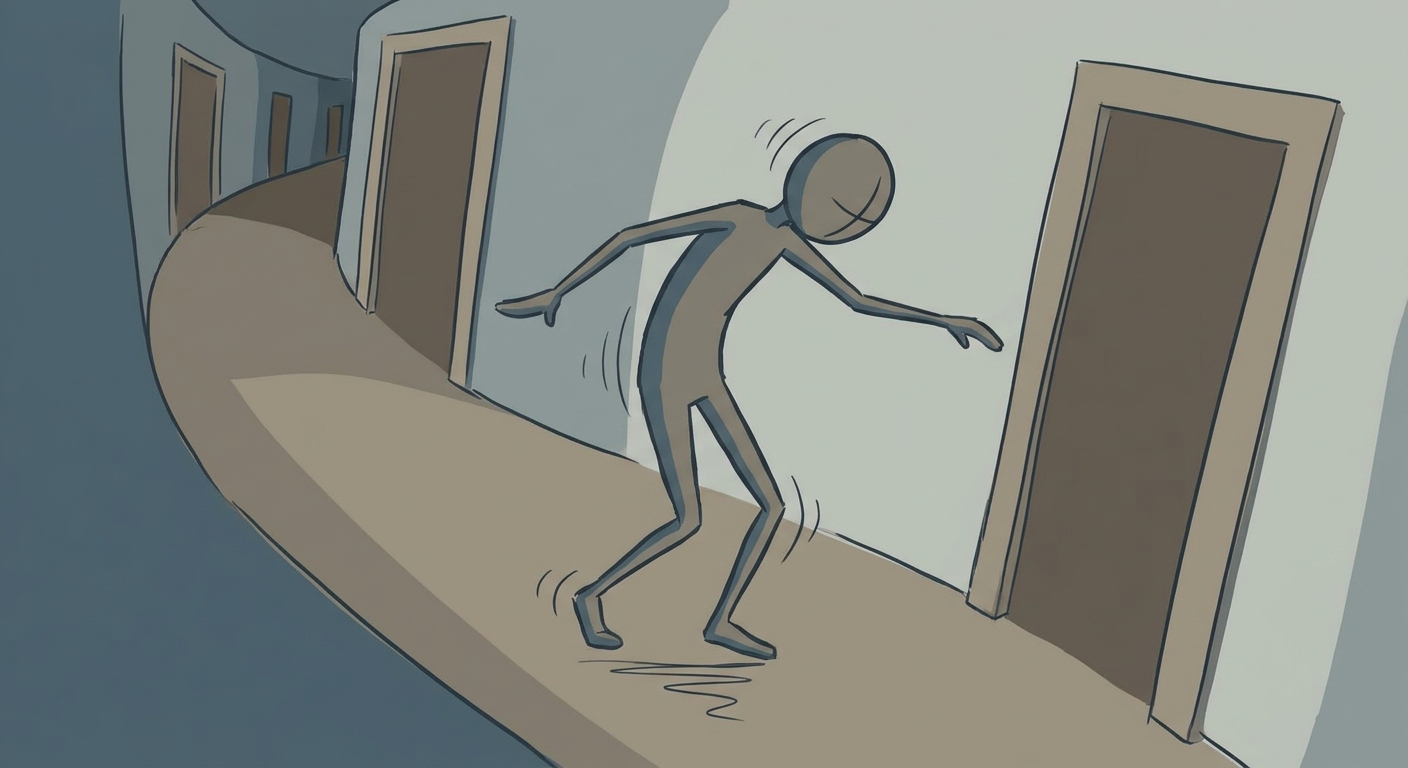
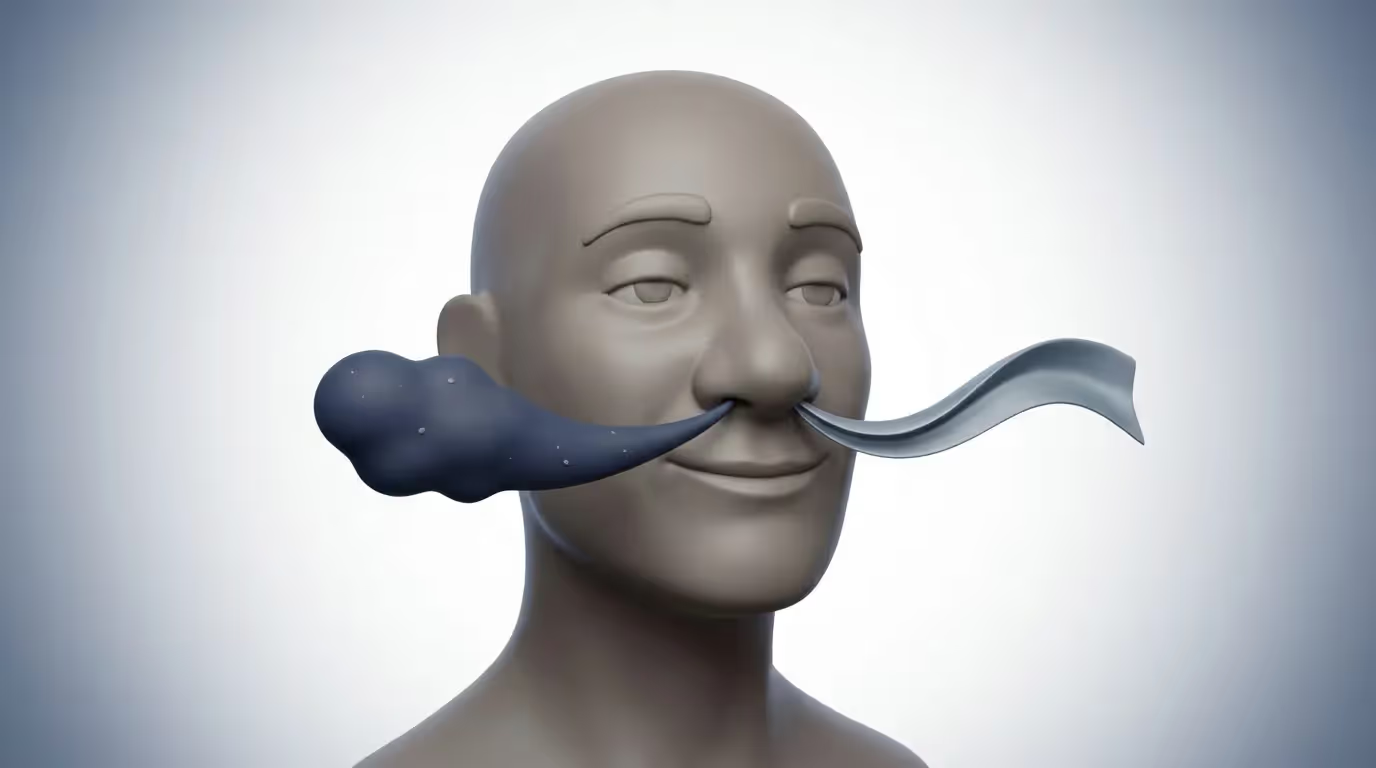
Patients often say: My right side feels open, but the left feels plugged. That’s usually uneven swelling plus crusting patterns. One nostril may also feel worse at night because congestion tends to increase when you lie down.
Bottom line: Early, uneven swelling and crusting are common and can make one side feel blocked even when surgery went well.
Symptoms to track (what’s normal vs. concerning)
Common/expected symptoms in the first month
- Stuffiness or congestion (often worse at night)
- Crusting and dryness
- Blood-stained discharge or small clots
- Airflow that fluctuates or seems to switch sides
Why airflow can switch sides
Even without surgery, the nose naturally alternates swelling from side to side (the nasal cycle). After septoplasty, that normal cycle can feel more dramatic because healing tissues are already sensitive.
Signs your blockage may be more than routine swelling
- One side is consistently blocked and not gradually improving after the early healing phase
- Obstruction worsens after initially improving
- New whistling, persistent dryness, or frequent scabbing
Clinicians often focus less on how things feel on day 10 and more on the week-to-week trend.
Red-flag symptoms—call your surgeon or seek urgent care
- Heavy bleeding that doesn’t slow with routine measures
- Increasing or severe pain, fever, or foul-smelling drainage
- Sudden, severe obstruction or rapidly worsening swelling or pressure, especially if accompanied by pain, fever, or bleeding
- Concern for a septal hematoma (often painful pressure with marked blockage)
Track the overall trend; call promptly for red flags or if you feel you’re moving backward rather than forward.

Septoplasty recovery timeline—when one blocked nostril is normal
For a detailed week-by-week overview, see: septoplasty recovery timeline week-by-week (https://sleepandsinuscenters.com/blog/septoplasty-recovery-week-by-week-complete-timelin-20260123051106).
Days 1–7
This is often the most blocked period due to peak swelling, congestion, and any internal supports your surgeon may use. Blood-tinged mucus and crusting are common. During this time, you’re protecting healing tissues and keeping things gently clear—rather than testing results.
Weeks 2–4
Congestion and crusting typically begin to improve. Mild unevenness can linger, but the usual trend is toward better airflow. Many people experience good hours and bad hours, with mornings or evenings feeling stuffier.
Weeks 4–8 (continued improvement window)
Breathing often keeps improving as deeper internal swelling settles. Many patients continue to improve over the first 2 months, and some notice benefits beyond that.
When persistent unilateral blockage becomes more likely
If one side remains significantly blocked or is not steadily improving after the first several weeks—or if there’s little progress by 6–8 weeks—an evaluation can help identify potentially treatable causes.
Most patients notice steady improvement over weeks; persistent one-sided blockage beyond the early window deserves a check-in.

Causes of one nostril staying blocked after septoplasty (often more than one factor)
Structural causes (common reasons for persistent unilateral obstruction)
1) Residual septal deviation: A remaining bend—often toward the front (anterior)—may still narrow one side. In one study of patients with persistent obstruction after septoplasty, residual deviation was reported in about 30%.
2) Inferior turbinate hypertrophy (enlarged turbinates): Turbinates humidify and filter air. If they remain enlarged—pre-existing, compensatory, or reactive—airflow may still feel restricted. In the same study, inferior turbinate hypertrophy was reported in about 25%.
3) Nasal valve collapse or insufficiency: The nasal valve is a key pinch point for airflow. If it narrows or collapses with breathing in, obstruction can feel significant even with a straighter septum. In that study, valve problems were reported in about 14%. Some people notice a temporary improvement when gently pulling the cheek outward (the Cottle maneuver)—a screening sign, not a definitive test. Related reading: nasal valve collapse after septoplasty (https://sleepandsinuscenters.com/blog/how-ent-doctors-fix-nasal-valve-collapse).
4) Synechiae or adhesions (scar bands): Occasionally, healing tissue forms a bridge between the septum and a turbinate, physically narrowing the airway. This can contribute to ongoing one-sided blockage if improvement stalls.
Non-structural causes (very treatable and often overlooked)
- Allergic rhinitis (seasonal or perennial)
- Vasomotor or nonallergic rhinitis
- Crusts or dryness temporarily plugging one side
These can coexist with a well-healed septum and still cause the sensation of obstruction.
Rare complications that can change airflow sensations
- Septal perforation (can cause whistling, crusting, bleeding, dryness)
- Septal hematoma or abscess (more urgent; tends to be painful with notable blockage)
A structured evaluation can separate structural from inflammatory causes so treatment targets the true driver.

Step-by-step treatment: what to do at home first (and what to avoid)
This section is educational; follow your own surgeon’s specific instructions.
Conservative care (first-line for most patients)
- Saline rinses or irrigation to clear crusting and reduce congestion
- Topical steroid spray when prescribed to reduce inflammation
- Allergy control if triggers are present (environmental steps, medications, and sometimes formal allergy evaluation)
What good at-home care often looks like
Aim for steady progress: less crusting, fewer fully blocked periods, and a gradual shift toward more open airflow week by week—not perfection overnight.
Lifestyle tips that can help
- Use a humidifier if air is dry
- Stay well-hydrated
- Keep the head elevated early on if advised
- Avoid smoke or vaping and strong irritants
- Follow activity limits intended to reduce bleeding risk
What NOT to do (common mistakes)
- Do not overuse topical decongestant sprays (can cause rebound congestion)
- Avoid forceful nose blowing early if your surgeon advised against it
- Do not pick crusts (can trigger bleeding and worsen scarring)
Consistent saline care, smart avoidance of irritants, and patience with the timeline usually pay off.
When to call your surgeon vs. when to book a routine follow-up
Call promptly (same day) if
- Heavy bleeding
- Rapidly worsening pain or pressure
- Fever or signs of infection
- Sudden severe blockage or swelling, especially with pain, fever, or bleeding
Book a follow-up visit if
- One nostril remains significantly blocked and is not steadily improving by weeks 4–8
- Symptoms suggest valve collapse (collapse sensation on inhale) or adhesions
- Allergies seem to be driving swelling and congestion
Err on the side of calling for urgent symptoms; otherwise, schedule a check if improvement stalls.
What your ENT may check in the office (so you know what to expect)
Nasal exam and endoscopy
Your clinician may look for crusting and where it is accumulating, swelling patterns, signs of infection, adhesions (synechiae), and residual deviation.
Airway pinch points commonly reassessed
- Septum alignment (especially anterior portions)
- Turbinate size and response to decongestion
- Nasal valve function (narrowing or collapse on inspiration)
When imaging is considered
Imaging may be considered if symptoms persist despite healing and medical therapy, or when sinus disease is suspected. This is individualized rather than routine.
An in-office exam helps identify whether the issue is structural, inflammatory, or both—so treatment can be targeted.
Next steps if symptoms persist: office procedures to revision surgery (last resort)
Office-based options (depending on the cause)
- Debridement or cleaning for crusting when appropriate
- Adhesion (synechiae) release if scar bands are present
- Targeted plans for turbinates or nasal valve issues
When revision septoplasty is considered (and why timing matters)
If obstruction continues after full healing and appropriate medical therapy, revision septoplasty may be discussed—but only after the true cause is confirmed (septum vs turbinate vs valve vs inflammation). Learn more: revision septoplasty (https://sleepandsinuscenters.com/blog/revision-septoplasty-fixing-persistent-nasal-obstr-20260125050850).
A practical approach is stepwise: optimize inflammation and crusting first; reassess structure once tissues have settled.
Most persistent cases improve with targeted, stepwise care; surgery is reserved for well-defined structural problems.
FAQs
Is it normal that only one nostril is blocked after septoplasty?
Yes—early swelling and crusting can be uneven, so one side often feels more blocked. It should trend better over the following weeks.
How long does congestion last after septoplasty?
Congestion commonly lasts 2–4 weeks, with continued improvement in airflow for up to about 2 months. Timing varies.
Why does the blocked side switch during the day?
The normal nasal cycle alternates congestion from side to side. During healing, that cycle can feel more pronounced.
Could my turbinates be the reason I still can’t breathe well?
Yes. Inferior turbinate hypertrophy is a frequent contributor to persistent obstruction in some patients after septoplasty.
What if my septum is straight but I’m still blocked?
Ongoing symptoms can be driven by nasal valve problems, inferior turbinate hypertrophy, adhesions, allergic rhinitis, or nonallergic rhinitis—even when the septum looks improved.
When should I worry about a septal perforation?
Whistling, persistent crusting, bleeding, or dryness that doesn’t improve are reasons to be reassessed. These symptoms can also occur with routine postoperative dryness or crusting, so persistence matters.
If your symptoms don’t follow an improving trend, ask for a targeted reassessment.
Conclusion: What to remember
In most recoveries, one-sided blockage in the first 2–4 weeks is part of normal healing, and swelling can be asymmetric. If one nostril remains significantly blocked beyond the typical early window or stops improving, an ENT visit can clarify whether the cause is structural (septum, turbinates, valve, adhesions) or inflammatory (allergies or nonallergic rhinitis). Care usually proceeds step-by-step—conservative measures first, then targeted office treatment, and surgery only when truly needed.
If you’re concerned about persistent one-sided blockage or you’ve hit a plateau in recovery, you can book an appointment with Sleep and Sinus Centers of Georgia: https://www.sleepandsinuscenters.com/
Most people improve with time and simple measures; persistent one-sided blockage is understandable and fixable once the true cause is identified.
References
- Kuduban O, et al. Persistent nasal obstruction after septoplasty (2015). https://pmc.ncbi.nlm.nih.gov/articles/PMC4659521/
- Royal Berkshire NHS. Advice following nasal surgery (2024). https://www.royalberkshire.nhs.uk/media/44idq25a/advice-following-nasal-surgery_feb24.pdf
- SoCal Sinus. Nasal obstruction after septoplasty (2023). https://www.socalsinus.com/nasal-obstruction-after-septoplasty/
- AAO-HNS (ENTnet). Clinical Indicators: Septoplasty (2022). https://www.entnet.org/resource/clinical-indicators-septoplasty/
This article is for educational purposes only and is not medical advice. Please consult a qualified healthcare provider for diagnosis and treatment.
Don’t let allergies slow you down. Schedule a comprehensive ENT and allergy evaluation at Sleep and Sinus Centers of Georgia. We’re here to find your triggers and guide you toward lasting relief.